

Barcelona
About Barcelona
Description
Barcelona, the capital of Anzoátegui State in Venezuela, is one of those places that quietly surprises you. It’s not the Barcelona you might first think of in Spain—this one has its own story, its own rhythm, and a kind of understated charm that grows on you the longer you stay. Founded back in 1671, this city blends colonial history with the pulse of modern Venezuelan life. I remember walking through its old streets for the first time, the air thick with the scent of arepas from a nearby vendor and the faint hum of motorcycles weaving through narrow lanes. It’s a city that feels alive, but not in a hurried way—more like it’s humming to its own tune.
Barcelona forms part of a larger metropolitan area with Puerto La Cruz, Lechería, and Guanta. Together, they make up one of Venezuela’s most important urban regions, home to nearly a million people. Yet, despite its size, Barcelona still feels approachable. The colonial core is dotted with pastel-colored buildings, some showing their age but still standing proudly. The Plaza Boyacá, with its leafy trees and historic cathedral, is the kind of place where you can sit with a coffee and just watch daily life unfold—kids playing, vendors chatting, and the occasional parrot flying overhead. It’s not a city that tries to impress you with grandeur; instead, it wins you over with authenticity.
There’s a mix of old and new here. You’ll find modern shopping centers and lively markets, but also centuries-old churches and museums that whisper stories from the colonial era. It’s a city of contrasts, really—where a 17th-century convent might sit just a few blocks from a bustling bus terminal. And while it’s not perfect (few places are), the people’s warmth more than makes up for any rough edges. If you’re the kind of traveler who enjoys peeling back layers and discovering places that aren’t overly polished, Barcelona will feel like a hidden gem.
Key Features
- Historic Architecture: The city’s colonial buildings, particularly around the Plaza Boyacá, showcase Spanish influence with colorful facades and intricate balconies.
- Cultural Heritage: Museums like the Casa Fuerte highlight Barcelona’s role in Venezuela’s independence history.
- Local Cuisine: Street food stalls serve everything from empanadas to fresh seafood caught just off the nearby coast.
- Proximity to Beaches: Being close to Puerto La Cruz and Lechería means easy access to some of the region’s most beautiful Caribbean beaches.
- Friendly Locals: Residents are known for their hospitality—don’t be surprised if someone invites you for coffee after a short chat.
- Festivals and Traditions: The city hosts colorful religious and cultural festivals throughout the year, reflecting its deep-rooted community spirit.
Best Time to Visit
The best time to visit Barcelona, Venezuela, is between December and April, during the dry season. The weather is warm but not overly humid, making it perfect for exploring the colonial streets or heading to the nearby beaches. I once visited in March, and the sunsets were unreal—those fiery orange skies that seem to melt into the sea. The rainy season, from May to November, can be unpredictable, with sudden downpours that might catch you off guard, though they do bring out the lush greenery in the surrounding hills. If you’re into photography, that post-rain glow over the old town is something special. And if you plan to catch local festivals, Easter week and December’s Christmas celebrations are particularly lively times to be here.
How to Get There
Reaching Barcelona is fairly straightforward. The city is served by the General José Antonio Anzoátegui International Airport, which connects with several major Venezuelan cities. If you’re coming from Caracas, the flight takes just about an hour, or you can opt for a long but scenic bus ride that takes you through the country’s diverse landscapes—mountains, plains, and coastal views all rolled into one journey. Once in Barcelona, taxis and local buses are the main ways to get around. Honestly, though, I found walking the best way to experience the city center. You’ll stumble upon hidden courtyards, small bakeries, and murals that tell stories of local pride and resilience. Just remember, like in most Latin American cities, it’s wise to stay aware of your surroundings, especially at night.
Tips for Visiting
If you’re planning a trip to Barcelona, a few tips can make your experience smoother—and more enjoyable. First, bring cash. While some places accept cards, smaller shops and food stalls often don’t. Also, carry light clothing; the heat can be intense, especially midday. I learned that the hard way after wandering around in jeans one afternoon—don’t make my mistake! Sunscreen and a hat are your best friends here.
When it comes to food, don’t just stick to restaurants. The local markets are where you’ll find the heart of the city’s flavor. Try the fresh juices—especially guava or passion fruit—and if someone offers you a homemade arepa, say yes. For safety, stick to well-traveled areas, particularly after dark, and always ask locals for advice on which neighborhoods to explore. They’re usually happy to help and might even point you toward some lesser-known spots.
Finally, take your time. Barcelona isn’t a place you rush through. It’s a city that reveals itself slowly, through small encounters and quiet moments. Maybe it’s chatting with a vendor about the best beach nearby, or watching a group of kids play soccer in the plaza as the sun sets. Those are the moments that stick with you long after you’ve left. And that’s what makes Barcelona, Venezuela, so worth the visit—it’s real, unfiltered, and full of stories waiting to be discovered.
Key Features
- Key Features
- Best Time to Visit
- How to Get There
- Tips for Visiting
More Details
Updated November 10, 2025
Table of Contents Barcelona, the capital of Anzoátegui State in Venezuela, is one of those places that quietly surprises you. It’s not the Barcelona you might first think of in Spain—this one has its own story, its own rhythm, and a kind of understated charm that grows on you the longer you stay. Founded back in 1671, this city blends colonial history with the pulse of modern Venezuelan life. I remember walking through its old streets for the first time, the air thick with the scent of arepas from a nearby vendor and the faint hum of motorcycles weaving through narrow lanes. It’s a city that feels alive, but not in a hurried way—more like it’s humming to its own tune. Barcelona forms part of a larger metropolitan area with Puerto La Cruz, Lechería, and Guanta. Together, they make up one of Venezuela’s most important urban regions, home to nearly a million people. Yet, despite its size, Barcelona still feels approachable. The colonial core is dotted with pastel-colored buildings, some showing their age but still standing proudly. The Plaza Boyacá, with its leafy trees and historic cathedral, is the kind of place where you can sit with a coffee and just watch daily life unfold—kids playing, vendors chatting, and the occasional parrot flying overhead. It’s not a city that tries to impress you with grandeur; instead, it wins you over with authenticity. There’s a mix of old and new here. You’ll find modern shopping centers and lively markets, but also centuries-old churches and museums that whisper stories from the colonial era. It’s a city of contrasts, really—where a 17th-century convent might sit just a few blocks from a bustling bus terminal. And while it’s not perfect (few places are), the people’s warmth more than makes up for any rough edges. If you’re the kind of traveler who enjoys peeling back layers and discovering places that aren’t overly polished, Barcelona will feel like a hidden gem. The best time to visit Barcelona, Venezuela, is between December and April, during the dry season. The weather is warm but not overly humid, making it perfect for exploring the colonial streets or heading to the nearby beaches. I once visited in March, and the sunsets were unreal—those fiery orange skies that seem to melt into the sea. The rainy season, from May to November, can be unpredictable, with sudden downpours that might catch you off guard, though they do bring out the lush greenery in the surrounding hills. If you’re into photography, that post-rain glow over the old town is something special. And if you plan to catch local festivals, Easter week and December’s Christmas celebrations are particularly lively times to be here. Reaching Barcelona is fairly straightforward. The city is served by the General José Antonio Anzoátegui International Airport, which connects with several major Venezuelan cities. If you’re coming from Caracas, the flight takes just about an hour, or you can opt for a long but scenic bus ride that takes you through the country’s diverse landscapes—mountains, plains, and coastal views all rolled into one journey. Once in Barcelona, taxis and local buses are the main ways to get around. Honestly, though, I found walking the best way to experience the city center. You’ll stumble upon hidden courtyards, small bakeries, and murals that tell stories of local pride and resilience. Just remember, like in most Latin American cities, it’s wise to stay aware of your surroundings, especially at night. If you’re planning a trip to Barcelona, a few tips can make your experience smoother—and more enjoyable. First, bring cash. While some places accept cards, smaller shops and food stalls often don’t. Also, carry light clothing; the heat can be intense, especially midday. I learned that the hard way after wandering around in jeans one afternoon—don’t make my mistake! Sunscreen and a hat are your best friends here. When it comes to food, don’t just stick to restaurants. The local markets are where you’ll find the heart of the city’s flavor. Try the fresh juices—especially guava or passion fruit—and if someone offers you a homemade arepa, say yes. For safety, stick to well-traveled areas, particularly after dark, and always ask locals for advice on which neighborhoods to explore. They’re usually happy to help and might even point you toward some lesser-known spots. Finally, take your time. Barcelona isn’t a place you rush through. It’s a city that reveals itself slowly, through small encounters and quiet moments. Maybe it’s chatting with a vendor about the best beach nearby, or watching a group of kids play soccer in the plaza as the sun sets. Those are the moments that stick with you long after you’ve left. And that’s what makes Barcelona, Venezuela, so worth the visit—it’s real, unfiltered, and full of stories waiting to be discovered.Description
Key Features
Best Time to Visit
How to Get There
Tips for Visiting
Key Highlights
- Key Features
- Best Time to Visit
- How to Get There
- Tips for Visiting
Location
Places to Stay Near Barcelona
Find and Book a Tour
Explore More Travel Guides
No reviews found! Be the first to review!
Traveler Reviews for Barcelona
There are no reviews yet. Be the first one to write one.
Have you visited Barcelona? Help other travelers by sharing your review.
You Might Also Like
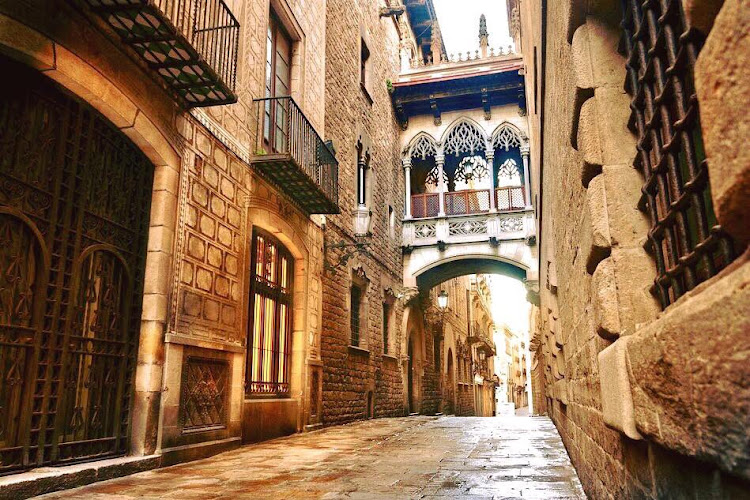
Pont del Bisbe

Castell de Torre Baró
Güell Palace
Find Accommodations Nearby
Recommended Tours & Activities
Visitor Reviews
There are no reviews yet. Be the first one to write one.
Share Your Experience
Have you visited Barcelona? Help other travelers by leaving a review.