
Last modified August 17, 2026
Picking between Kutná Hora in the Czech Republic and Sighișoara in Romania isn’t just a matter of choosing one medieval town over another. Both towns have cobbled streets, ancient churches, and that coveted UNESCO badge, but honestly, the vibe in each place couldn’t be more different.
Kutná Hora feels like a classic day trip, especially if you’re already hanging out in Prague. Sighișoara? It begs you to linger, maybe even spend the night inside its fortified old town walls.
I’ve done both. In my experience, Sighișoara’s slow pace lets you really absorb the atmosphere, while Kutná Hora delivers those “wow” moments with a few standout sights.
So, what’s your style—do you crave a quick hit of history, or would you rather sink into medieval life for a while? Either way, you’re in for something special.
Key Takeaways
- Kutná Hora stuns with Gothic architecture and one-of-a-kind landmarks
- Sighișoara invites you into a slower, deeply immersive medieval world
- Each spot suits different travel styles and trip lengths
Kutná Hora vs Sighișoara: Quick Comparison
Both Kutná Hora and Sighișoara are dripping with medieval charm, UNESCO credentials, and stories around every corner. But the real differences? You’ll notice them in how you get there, what you spend, and the kind of memories you’ll take home.
Location and Accessibility

Kutná Hora sits just about an hour east of Prague by train. It’s the kind of place you can visit on a whim—hop on a morning train, wander ancient streets, and still make it back to Prague for dinner.
Sighișoara, though, is tucked deep in the heart of Transylvania. Getting there means a train or bus ride of several hours from Cluj-Napoca or Bucharest. The journey is longer, but you’ll roll past hills and tiny villages that make you feel like you’ve left the modern world behind.
If your time’s tight, Kutná Hora wins for convenience. But if you’re after that “deep Romania” feeling, Sighișoara totally rewards the extra effort. I once took a night train into Transylvania—waking up to misty valleys outside the window made every minute on the rails worth it.
UNESCO World Heritage Status
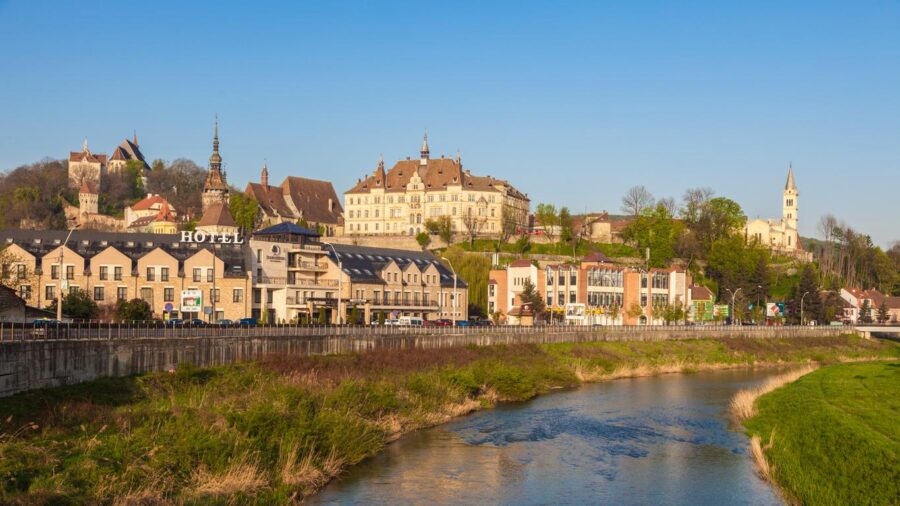
Both towns proudly wear the UNESCO World Heritage badge, but for totally different reasons.
Kutná Hora snagged its spot thanks to its silver mining history and those jaw-dropping Gothic landmarks—St. Barbara’s Church and the Sedlec Ossuary are the big ones. The mix of medieval wealth and religious devotion left behind some wild architecture.
Sighișoara, meanwhile, is one of Europe’s best-preserved medieval citadels. Walking its cobbled lanes feels like you’ve stepped straight into the 16th century. Pastel houses, fortified towers, a hilltop church—this town is alive, not just a museum set.
Honestly, Kutná Hora feels like a showcase of monumental buildings. Sighișoara feels like a living medieval world. Which do you prefer—grand sights or immersive atmosphere? That might tip the scales for you.
Travel Costs and Value
If you’re watching your wallet, Sighișoara tends to be the friendlier option. Food, lodging, and daily costs in Romania usually come in lower than in the Czech Republic. You’ll find cozy guesthouses and hearty local meals that won’t drain your budget.
Kutná Hora costs a bit more, but not outrageously so. It’s just a notch pricier, especially if you stay overnight or hit up several attractions. A lot of folks visit Kutná Hora as a day trip from Prague, so they barely notice the difference.
If you’re stretching your travel savings, Romania gives you more bang for your buck. And if you’re flying into Europe, keeping an eye on cheap tickets can really change which place feels affordable.
Both towns pack a ton of history into a small budget, but your travel style—quick trip or slow wander—probably matters more.
Historical Background and Cultural Heritage

Kutná Hora in Bohemia and Sighișoara in Transylvania both grew from medieval roots that shaped everything you see today. Trade, mining, and religion set the rhythm for centuries, and you can still feel that in their streets, churches, and old walls.
Medieval Origins and Growth
Strolling through Kutná Hora, you’re walking in a town that really started booming in the late 1200s. Silver ore discoveries transformed it from a sleepy spot into one of medieval Bohemia’s powerhouses. For a while, it even rivaled Prague in wealth.
Sighișoara’s story is a little different. Saxon settlers built it in the 12th century, turning it into a fortified town with towers, guild houses, and winding cobbled streets. Instead of mining, trade and craftsmanship drove the town’s fortunes.
What gets me every time is how their layouts still echo their medieval beginnings. Kutná Hora spreads out, churches towering above everything. Sighișoara’s tight citadel feels like a fortress from a fairytale. Both claim UNESCO status, but for totally different reasons—one for mining, one for its preserved old town.
Influence of Silver Mining and Economy
Kutná Hora shot to fame and fortune thanks to silver mining. King Wenceslaus II set up the Ius Regale Montanorum, a mining code that kept production—and profits—flowing under royal control. The silver minted the famous Prague groschen, which was a big deal in medieval Europe. That kind of cash explains all the grand architecture you see today.
Sighișoara, with no mines, thrived as a trading hub. Merchants and guilds ran the show, each building its own defensive tower along the citadel walls. If you wander around, you’ll spot the Carpenter’s Tower, the Butcher’s Tower, and more—each one a nod to the town’s crafty, independent spirit.
So, while Kutná Hora’s wealth came from the earth, Sighișoara’s came from trade and skilled hands. It’s wild how two towns in the same era could be so different.
Religious and Political History
Religion and politics left their fingerprints all over both towns.

In Kutná Hora, you can’t miss the Gothic Cathedral of St. Barbara and the Cathedral of the Assumption of the Virgin Mary in Sedlec. They’re monuments to prosperity and faith. Later on, the Jesuits arrived, opening schools and shifting the town’s religious scene. The Hussite Wars brought turmoil, with Kutná Hora caught between Catholic and reformist forces.
Sighișoara’s religious life followed its Saxon founders. After the Reformation, Lutheran traditions took over, and the town’s churches reflect that shift. The fortified Church on the Hill really stands out. Politically, Sighișoara always answered to bigger powers—Hungarian kings, Transylvanian princes, then the Habsburgs.
Comparing the two, Kutná Hora feels more linked to royalty and church authority. Sighișoara, though, shows the autonomy and grit of a fortified Saxon community. Both towns reveal how faith and politics shaped not just buildings, but the everyday heartbeat of medieval Central Europe.
Top Attractions in Kutná Hora
Kutná Hora crams a lot of history into a small space. You’ll stumble on medieval churches, echoes of the silver boom, and quiet corners untouched by the tourist crowds. The blend of Gothic, Baroque, and Renaissance architecture makes the whole place feel like a living, breathing museum.
Sedlec Ossuary (Bone Church)
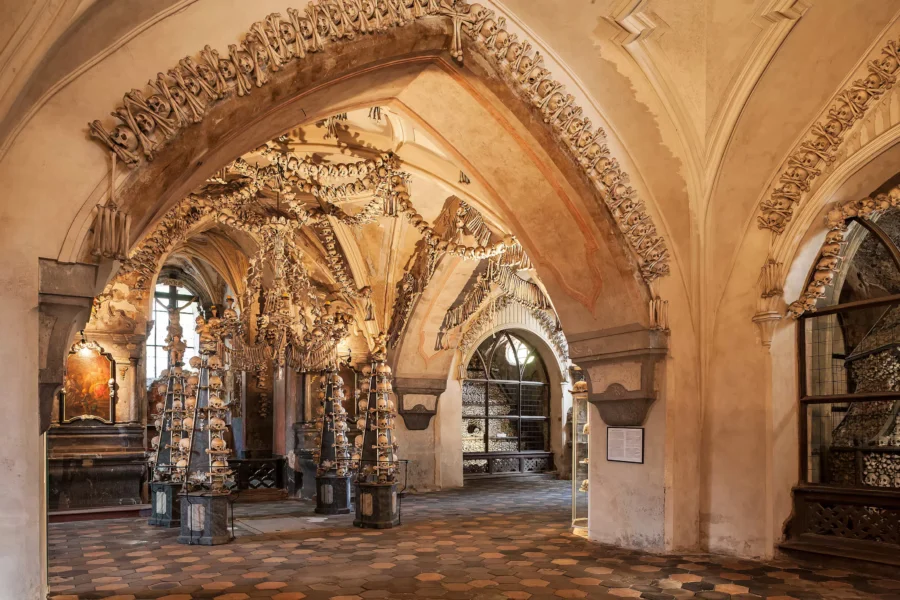
The Sedlec Ossuary is the spot everyone talks about when Kutná Hora comes up. Hidden inside a small chapel near Sedlec Abbey, it’s decorated with the bones of about 40,000 people. Skulls strung up like garlands, femurs stacked in pyramids, and—yes—there’s even a chandelier made from nearly every bone in the body.
It sounds macabre, and honestly, it is. But there’s also a weird peace to it. These bones came from plague victims and casualties of the Hussite wars, so the chapel became a way to honor the dead and save space in the cemetery.
When I walked in, I felt a mix of awe and discomfort—like I’d stepped into a place where time just stands still.
If you visit, slow down. The chapel isn’t big, but the details are wild. Don’t miss the Schwarzenberg family coat of arms, crafted entirely out of bones—it’s one of the strangest displays of artistry I’ve ever seen.
Church of the Assumption of Our Lady and Saint John the Baptist

A short stroll from the Ossuary brings you to the Church of the Assumption of Our Lady and Saint John the Baptist. Originally built by Cistercians in the 13th century, this Gothic-Baroque mashup later got a facelift from Jan Blažej Santini, an architect who loved mixing styles.
Inside, the church feels massive. The arches soar overhead and pull your gaze up. What really struck me wasn’t just the architecture, but the hush—the place feels like a true spiritual hideaway.
Unlike the always-busy Bone Church, this spot is more of a sanctuary. The long central nave stands out, especially for its era. If you’re into art, linger over the frescoes and altars. The church is part of the Sedlec Abbey complex, so you can wander the grounds and get a sense of how important this place was during Kutná Hora’s silver heyday.
Italian Court and Medieval Silver Mine
The Italian Court, once the royal mint, is one of Kutná Hora’s coolest stops. This is where they struck the Prague groschen coins, fueling the Bohemian kingdom’s wealth. Today, you can tour the old mint rooms, check out a Gothic chapel, and even try stamping your own replica coin.
But the real adventure? It kicks off underground. The nearby medieval silver mine lets you gear up with a helmet and lamp and descend into narrow tunnels below the town. It’s not for the claustrophobic, but you’ll get a raw taste of what life looked like for miners working by candlelight, inching through rock.
I’ll admit—crouching through those tunnels made me appreciate modern comforts more than ever. Still, it’s easily one of the most memorable things you can do in Kutná Hora. You’ll connect directly to the town’s roots as the “City of Silver.”
Historic Town Center and Jesuit College

Kutná Hora’s historic center? It’s a UNESCO World Heritage Site, and honestly, you’ll see why the moment you set foot there. Wandering those streets, you get this wild sense of stepping into the past—Gothic houses, Renaissance facades, and tiny squares that just pop up after winding alleys.
The Jesuit College stands out—a huge Baroque structure that once trained priests, but now it’s home to the GASK Gallery of modern art. Outside, saints line the terrace, and everyone calls it a “mini Charles Bridge.” The view from here? Absolutely killer, with St. Barbara’s Cathedral towering over the Vrchlice valley.
I love grabbing a coffee in the old town and just letting myself get lost. You’ll stumble across quirky gems like the Stone Fountain from the 1400s or Dačický House, which tells the story of the town’s UNESCO status. Every corner seems to whisper a story, and honestly, the slower you go, the more you’ll catch.
Want to map out the highlights? Here’s a walking guide and a list of 21 must-see places in Kutná Hora.
Top Attractions in Sighișoara
Sighișoara, tucked away in Transylvania, feels like one of those rare places where medieval history isn’t just some distant memory. You’ll spot fortified towers, pastel homes, and stories that go straight to the heart of Romania’s most famous legend. It’s small, totally walkable, and packed with details you’ll only notice if you slow down.
Sighișoara Citadel and Fortifications

Right in the center, you’ll find the UNESCO-listed Citadel—a walled fortress where people actually still live. That’s pretty rare in Europe. Most citadels feel like museums, but here, it’s a real neighborhood. Step through the gates and you’ll feel the cobblestones, worn smooth by centuries of footsteps.
The Clock Tower steals the show. It’s not just a tower—it’s a museum with exhibits about the town’s guilds and history. Climb to the top and you’ll get these wide-open views of red rooftops and the rolling hills of Transylvania.
There are nine original towers left, each named after the guild that built it—like Tailors’ Tower or Tinsmiths’ Tower. I remember standing by the Butchers’ Tower, not because it was beautiful, but because I could almost picture the craftsmen defending their city. That blend of everyday life and defense? It’s what makes Sighișoara’s walls so fascinating.
Landmarks Linked to Vlad Dracula

Sighișoara’s got a famous link to Vlad the Impaler, the guy behind the Dracula legend. He was born here in 1431, and you can actually visit his old house—Casa Vlad Dracul. Now it’s a restaurant, but the plaque out front keeps the history alive.
The Vlad connection isn’t as in-your-face as you might expect. It’s more like a thread running through the town’s story. Shops and tours drop subtle nods, but it never drowns out the real medieval vibe. If you’re into the darker side of history, a night walk through the Citadel usually comes with legends about Vlad and other local ghosts.
I’ll be honest: I expected it to feel a bit cheesy. But standing outside Vlad’s birthplace, in this quiet, cobbled corner, I realized just how real the history is. It’s not a theme park—it’s a place where myth and reality quietly hang out together.
Colorful Streets and Saxon Heritage

What makes Sighișoara so camera-friendly? The rows of pastel houses along those narrow streets. Each one’s a slightly different shade—mint, yellow, pink—and together, they create this cozy, storybook feeling. I found myself stopping every few steps for “just one more photo.”
These houses show off the town’s Saxon heritage, built ages ago by German settlers. You’ll still spot original beams, steep roofs, and tiny courtyards tucked behind old gates. If you peek inside, you might find an artisan shop or a tiny café serving classic Romanian dishes.
I always tell people—don’t miss Strada Tâmplarilor. The medieval layout hasn’t really changed in centuries. Walking here doesn’t feel like sightseeing; it feels like you’ve slipped back in time. And if you brave the Covered Stairway up to the School on the Hill, you’ll get a mini workout and a glimpse of what student life used to be like.
For me, Sighișoara’s magic is in the little moments—the chipped doorway paint, the smell of chimney smoke, the echo of church bells off stone. That’s what sticks with you long after you’ve moved on.
Experiences and Activities for Visitors

Kutná Hora and Sighișoara both offer more than just good looks and old buildings. Each place lets you really dive in—join a local festival, wander into a centuries-old church, or escape to the countryside for a day.
Guided Tours and Local Events
In Kutná Hora, guided tours usually focus on mining history and those dramatic Gothic landmarks. Walk the cobbles with a local, and you’ll hear wild stories about the silver boom that built the town’s fortunes. Plenty of travelers go for organized trips from Prague, which bundle tickets and transport—super handy if you’re tight on time. GetYourGuide is good for booking those.
Sighișoara comes alive during events like the Medieval Festival in summer—a riot of music, costumes, and reenactments inside the citadel. Even when it’s quieter, you’ll find walking tours that take you through Vlad’s birthplace and the town’s Saxon past. If you’re passing through from Cluj or Sibiu, these tours are a great way to make your stop count.
Museums and Cultural Exhibits
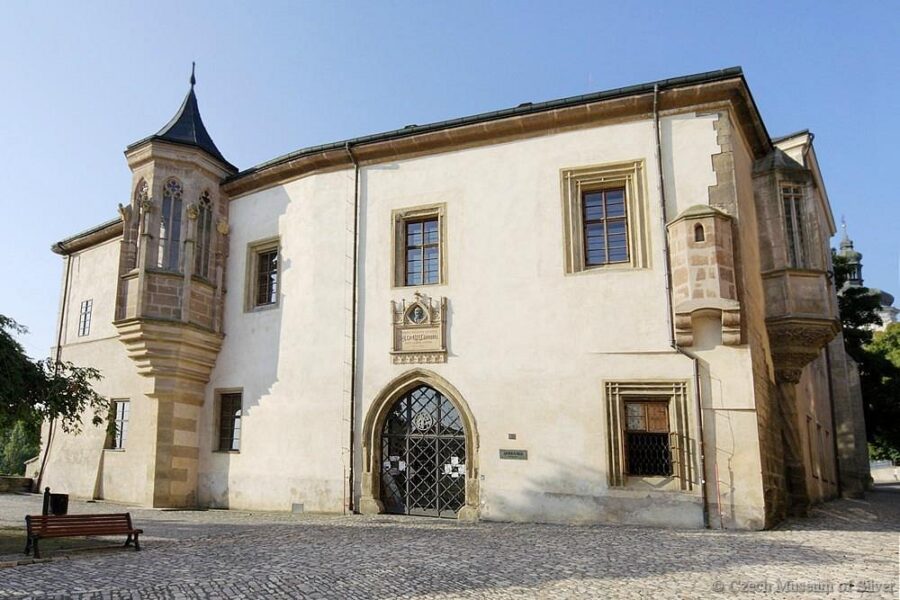
Kutná Hora’s museums really dig into its “City of Silver” roots. At the Hrádek Silver Mine museum, they’ll gear you up with a helmet and lamp, then send you underground. It’s no gimmick—you’ll actually squeeze through old mining tunnels. The Italian Court doubles as a coin museum, where you can check out how Prague groschen were minted.
Sighișoara’s museums are smaller, but full of personality. The History Museum inside the Clock Tower rewards you with panoramic views after a climb up its narrow stairs. You can peek into Vlad’s old house too—it’s a restaurant now, but there’s a tiny exhibit inside. These spots aren’t flashy, but they feel personal, as if the town’s history is letting you in on a secret. If you want a guide, Viator lists curated museum tours.
Outdoor Exploration and Day Trips
Kutná Hora makes for a perfect day trip from Prague, but if you stay longer, you’ll get to see more than just the postcard sites. Walk Barborská Street at sunset and catch St. Barbara’s Cathedral glowing over the valley. The countryside nearby has vineyards and sleepy villages most travelers miss.
Sighișoara sits right in the heart of Transylvania, so it’s easy to pair with places like Sibiu or Cluj. The hills around the citadel beg for short hikes, and you’ll discover fortified churches in villages that feel untouched by time. Cycling’s a solid option if you want to see more. The landscapes here are softer than the Czech countryside, but if you’re into slow travel, you’ll love it.
Practical Tips for Planning Your Visit
Kutná Hora and Sighișoara both pack a lot of history into small spaces, but the logistics can feel a bit different. Think about where you’ll stay, how you’ll get around, and which season gives you the best experience (without emptying your wallet).
Accommodation Options

Most people treat Kutná Hora as a day trip from Prague, but sticking around a night or two is worth it. You’ll find cozy guesthouses in the old town and mid-range hotels by the train station. If you want more choices, Prague’s just an hour away.
Sighișoara, though, is the kind of place you want to linger. Boutique hotels inside the citadel let you wake up to cobbled streets, and budget travelers can find simple pensions or hostels down in the lower town.
To compare options in both towns (or nearby cities like Sibiu and Cluj), check Booking.com. Rooms fill up fast during festivals, so book early if you can.
Transportation Between Destinations

Kutná Hora is easiest to reach from Prague—direct trains take about an hour. Once you’re there, you can walk almost everywhere. The main sights—St. Barbara’s Cathedral, the Italian Court, the Sedlec Ossuary—are all close. Renting a bike is fun if you want to see the countryside.
Getting to Sighișoara usually means a train or bus from bigger Romanian cities. Cluj and Sibiu connect pretty well, though trains can be slow. I’ve done the Cluj to Sighișoara route, and while it’s a few hours, the Transylvanian scenery is worth it.
If you’re planning a bigger trip, KAYAK helps compare flights, trains, and rental cars. Renting a car in Romania gives you the freedom to poke around smaller villages, which I totally recommend.
Seasonal Considerations and Local Insights
Summer draws the biggest crowds. Kutná Hora fills with day-trippers from Prague, but if you go early or late in the day, it’s much quieter. Sighișoara’s Medieval Festival in July is a blast, but it’s also when prices and crowds peak. For quieter streets, aim for spring or fall.
Winter gets cold, but there’s something magical about it. I once visited Sighișoara in December—the Christmas market in the citadel felt like a secret, though the days were short. Kutná Hora is also lovely in winter, especially near St. Barbara’s Church.
Locals will tell you that food and rooms cost less outside peak season. That’s when your budget stretches further, whether you’re sipping Czech wine or wandering Vlad’s hometown. And if you’re packing light, solid travel gear makes those cobblestones much less of a hassle.
Frequently Asked Questions
Kutná Hora in the Czech Republic and Sighișoara in Romania both have deep medieval roots, but they show them off in totally different ways. One leans into Gothic drama, while the other feels like a living citadel where daily life just keeps rolling on.
What unique architectural features distinguish the historical sites of Kutná Hora and Sighișoara?
Kutná Hora just oozes Gothic drama. u003ca href=u0022https://www.realjourneytravels.com/best-things-to-do-in-prague/u0022u003eSt. Barbara’s Cathedralu003c/au003e hits you with those wild flying buttresses and a roofline that practically begs you to stare.u003cbru003eu003cbru003eThen there’s the u003ca href=u0022https://www.iloveczechia.com/kutna-hora/u0022 target=u0022_blanku0022 rel=u0022noreferrer noopeneru0022u003eSedlec Ossuaryu003c/au003e. Honestly, nowhere else will you find a chapel decorated with thousands of human bones—it’s creepy, but fascinating in a way that sticks with you.u003cbru003eu003cbru003eSighișoara, though, feels way more personal. The colorful houses and narrow, winding streets pull you in, and the citadel walls—still lived in!—make it feel like a real neighborhood, not some frozen-in-time tourist spot.u003cbru003eu003cbru003eYou can almost hear echoes of the 14th century around every corner.
Can you highlight the cultural significance of the medieval festivals in Kutná Hora and Sighișoara?
Kutná Hora throws itself into its medieval past with festivals that celebrate mining and religious traditions. Locals put on reenactments, set up bustling markets, and fill the streets with music—suddenly, the silver rush days don’t seem so far away.u003cbru003eu003cbru003eSighișoara’s medieval festival? It’s a whole different vibe. I wandered through crowds of jugglers, knights, and street performers, and honestly, it felt like the entire town was in on the party.u003cbru003eu003cbru003eEveryone dresses up, and for a weekend, you get swept up in a celebration that feels both chaotic and totally authentic.
What are the must-visit landmarks for first-time travelers to Kutná Hora and Sighișoara?
If you’re heading to Kutná Hora, you’ve simply got to see St. Barbara’s Cathedral, the Italian Court, and the Sedlec Ossuary. Each spot reveals a different chapter of the town’s story—religion, royalty, and a dash of the macabre.u003cbru003eu003cbru003eSighișoara’s essentials? Climb the Clock Tower for a view that’s worth every step. Wander the citadel, and don’t skip Vlad the Impaler’s birthplace—even if you’re not into Dracula, it’s got a quirky charm.
Could you compare the gastronomic experiences available in Kutná Hora and Sighișoara?
Kutná Hora serves up classic Czech comfort food—think roast pork, dumplings, and mugs of local beer. I once ducked into a centuries-old cellar for goulash, and let me tell you, the flavors (and the smoky atmosphere) were unforgettable.u003cbru003eu003cbru003eSighișoara’s food scene is more of a melting pot. You’ll get Romanian staples like sarmale, but also dishes with Hungarian and Saxon twists. The stews pack more punch, and if you haven’t tried Transylvanian wine, you really should—surprisingly good stuff.
How do the local artisanal crafts in Kutná Hora differ from those in Sighișoara?
Kutná Hora’s artisans work a lot with silver and metal, a nod to the town’s mining legacy. You’ll spot plenty of intricate jewelry and Gothic-inspired carvings in shop windows.u003cbru003eu003cbru003eSighișoara’s crafts are earthier—hand-painted ceramics, carved wood, and woven textiles everywhere. I once picked up a table runner there with a bold Transylvanian pattern, and it’s still my favorite souvenir from the trip.
What tips can you offer for sustainable and respectful tourism in historic towns like Kutná Hora and Sighișoara?
Honestly, just walk as much as you can. These towns are pretty compact, and wandering on foot lets you soak up all the details without clogging up the streets or adding to pollution.u003cbru003eu003cbru003eSkip the chain restaurants and those souvenir shops packed with the same old stuff. I always try to hunt down a handmade mug or a piece of embroidery—something that actually supports the folks who live there.u003cbru003eu003cbru003eOne thing I can’t stress enough: people actually call these places home. Keep the noise down at night, don’t scramble up ancient walls (tempting, I know), and maybe ask before snapping someone’s photo.u003cbru003eu003cbru003eIt might seem like little stuff, but honestly, it matters more than you’d think.