

Last modified August 17, 2026
Picking where to stay in Banff can be a headache—every hotel promises killer views, and every area has its own draw. You might wonder if it’s worth splurging to be in town or if you’ll regret saving cash by staying in Canmore. What matters most: being close to trails and restaurants, waking up to mountain views, or stretching your budget for another night in the Rockies?
Here’s a straight-up breakdown of Banff’s main areas—Banff Town, Lake Louise, Canmore, and even Calgary—so you can match your style and wallet to the right spot. You’ll get the vibe of each place, who it suits, and my go-to picks for every budget.
I’ve compared distances, amenities, and atmosphere so you don’t have to. You’ll leave this guide knowing exactly where to stay and why it works—no more endless review-scrolling.
Key Takeaways
- Find the Banff area that fits your travel style and budget.
- Compare top hotels and unique stays for each location.
- Get tips on booking smarter and saving time.
Best Areas to Stay in Banff
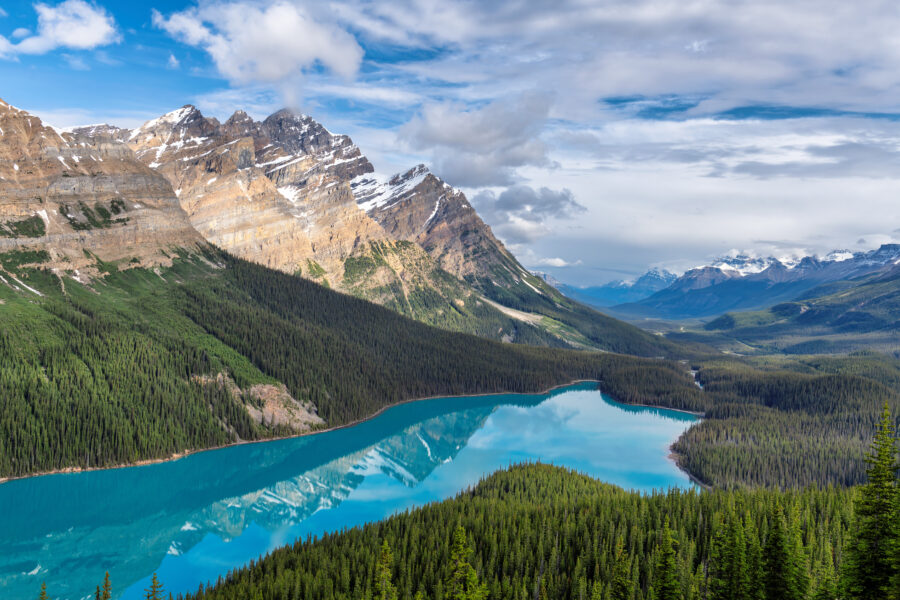
Staying inside Banff National Park gives you quick access to trails, lakes, and restaurants. Each community has its own flavor—from lively Banff Town to quiet Lake Louise, practical Canmore, or even Calgary for a city base.
Banff Town
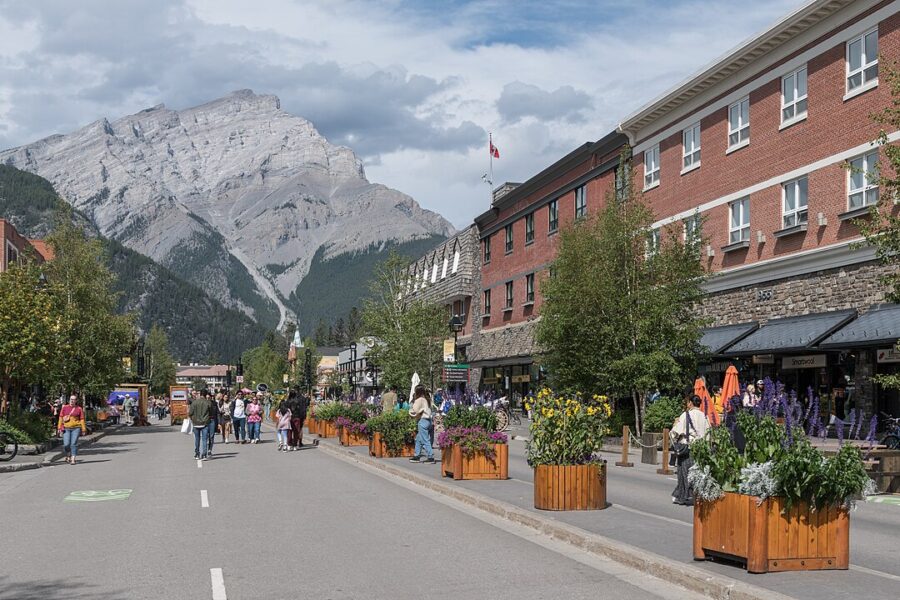
Banff Town is the heart of the park and puts everything outdoorsy within reach. You can walk to shops, cafés, viewpoints, and the Bow River. Parking’s a pain in summer, but most hotels hand out free Roam bus passes, which makes life easier.
Lake Louise

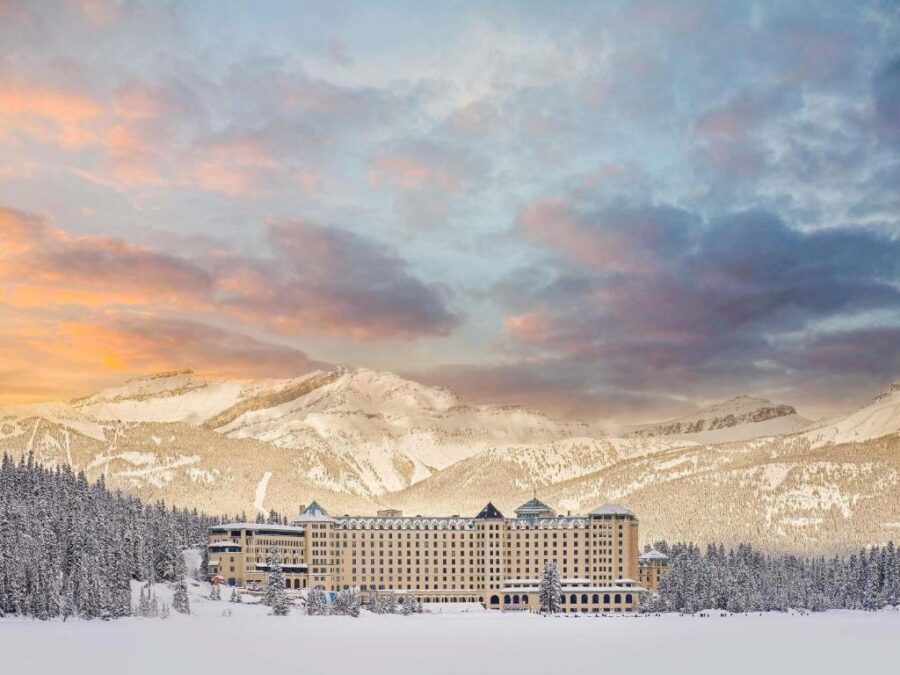
Lake Louise is quieter and more scenic than Banff Town. It’s a forty-minute drive northwest, but you’ll wake up to those unreal turquoise waters and peaks. The Fairmont Chateau Lake Louise dominates the lakeshore—pure luxury if you want it—but Deer Lodge and Lake Louise Inn nearby offer the same access for less.
You can hike right from the village to trails like Plain of Six Glaciers or Lake Agnes Tea House. Winter brings skiers to Lake Louise Ski Resort, one of Canada’s best. Nights are peaceful, and restaurant options are slim, so bring groceries if you’re staying long.
Canmore
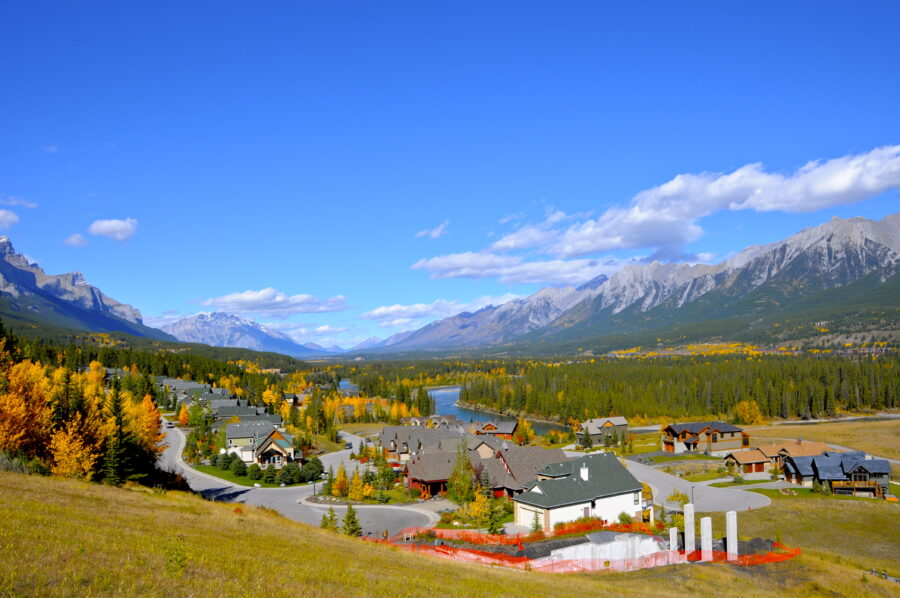
Canmore sits just outside the park’s east gate, about twenty minutes from Banff Town. You get mountain views and trail access, but rooms cost less. It feels more like a real town than a resort, and it’s a solid fallback when Banff’s booked up—clean, reliable, and chill.
There’s a mix of modern condos, B&Bs, and hotels. Main Street Canmore has good eats, a couple breweries, and gear shops. Parking’s free, and driving into Banff for day trips is easy. If you want more space and value but still want to hit the park, this is your spot.
Calgary Gateway
Calgary’s about 125 kilometers east of Banff and works as the main Rockies entry point. It’s not in the park, but if you’ve got an early flight or a short visit, it makes sense. Every hotel chain’s here, plus easy car rentals and road access.
Top Hotels and Unique Accommodations
Banff covers the full range—historic castle hotels, cozy lodges, and budget hostels near trails. The best spots blend comfort and character, giving you a place to crash after long days outside.
Luxury Hotels

Want to go all out? Fairmont Banff Springs is the classic mountain fortress—grand halls, 11 restaurants, and a spa with Bow Valley views. It’s private but still close to Banff Avenue for dinner.
For lakeside luxury, Fairmont Chateau Lake Louise is unmatched. In winter, the frozen lake turns into a skating rink with snow-capped peaks. Rooms face turquoise water in summer and the ice in winter.
Rimrock Resort Hotel near Sulphur Mountain is quieter, perfect if you’re hitting the hot springs or riding the gondola at sunset. The dining room sits above the valley—the breakfast view alone is a reason to book.
Boutique Lodges

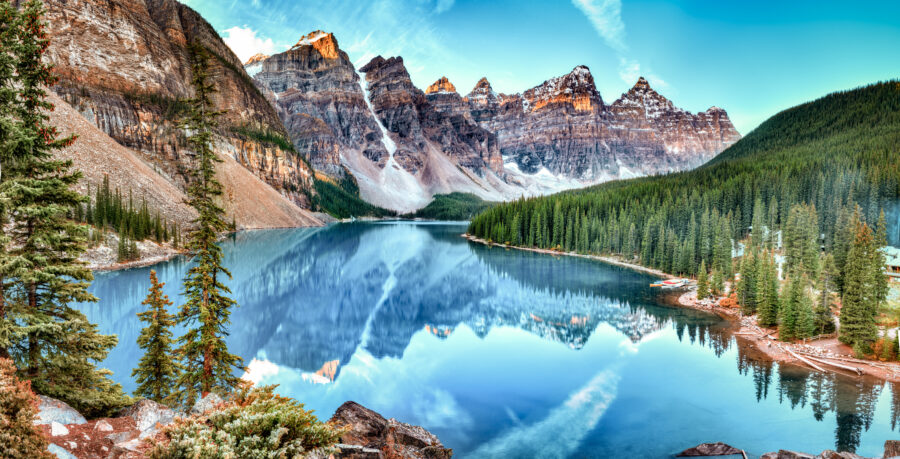
If you like smaller, personal stays, you’ve got good choices. Moraine Lake Lodge gives you cabin-style rooms with big beams and no TVs—kind of a digital detox, honestly. You’re right on the lake.
Paradise Lodge and Bungalows near Lake Louise feels homey and mountain-lodgey, minus the big-hotel crowds. Suites come with small kitchens, perfect for simple meals after a hike.
In Banff Town, Canalta Lodge blends modern, woodsy style with perks like an outdoor hot tub and fire pits. You can walk downtown for dinner but still feel tucked away. Over in Canmore, The Malcolm Hotel is a newer, upscale but laid-back pick with Three Sisters Mountain views and a heated rooftop pool.
Best Hostels

Hostels work well if you’re on a budget or want to meet people. HI Banff Alpine Centre is about a 20-minute walk from downtown, set in the pines. It’s clean, social, and offers dorms or private rooms. The shared kitchen saves you money on food.
Up at Lake Louise, HI Lake Louise Alpine Centre is a reliable base for skiing or hiking. There’s a sauna, fireplaces, and a lounge that’s cozier than most motels. Banff’s hostels are safe, friendly, and make it easy to find hiking buddies over breakfast.
Resort Experiences

For a full retreat, Banff Park Lodge mixes convenience and calm. It’s right by the Bow River—morning walks are a treat. Shops and bars are five minutes away, but nights stay peaceful.
Just outside town, Lake Louise Inn has pools, ski shuttles, and mountain views from most rooms. Families and groups like the apartment-style suites and on-site dining.
Every resort gives you something different, but they all put the Rockies right outside your door. That’s the real draw—waking up to those peaks, not just the beds or spas.
See Related: Most Underrated National Parks in the World
Benefits and Trade-Offs of Each Location
Every Banff area has trade-offs—convenience in town, savings farther out, or true quiet away from crowds. Knowing what you get and what you give up helps you plan days that actually fit your style.
Proximity to Attractions
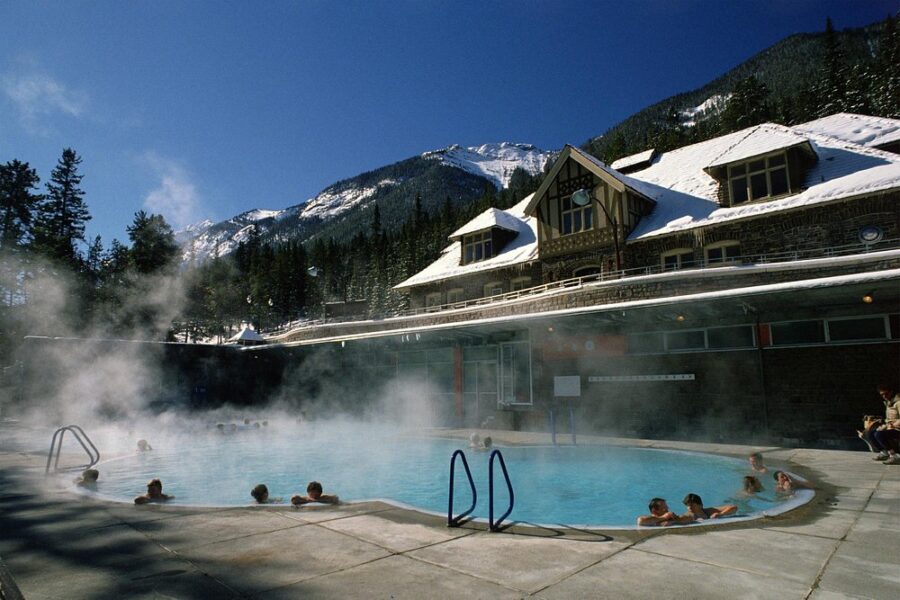
Banff Town keeps you closest to big sights like Banff Avenue, Bow Falls, the Banff Gondola, and Banff Upper Hot Springs. You can walk or catch a bus almost anywhere. I like rolling out of bed and catching sunrise before the town wakes up. It’s busy, but you can’t beat the access.
Lake Louise Village puts you right by the lakes—Lake Louise and Moraine Lake—plus the Lake Louise Ski Resort. If you’re out before 7 a.m., you’ll have the lakes to yourself. Downside? It’s a 40-minute drive to Banff Town for shops or extra restaurants.
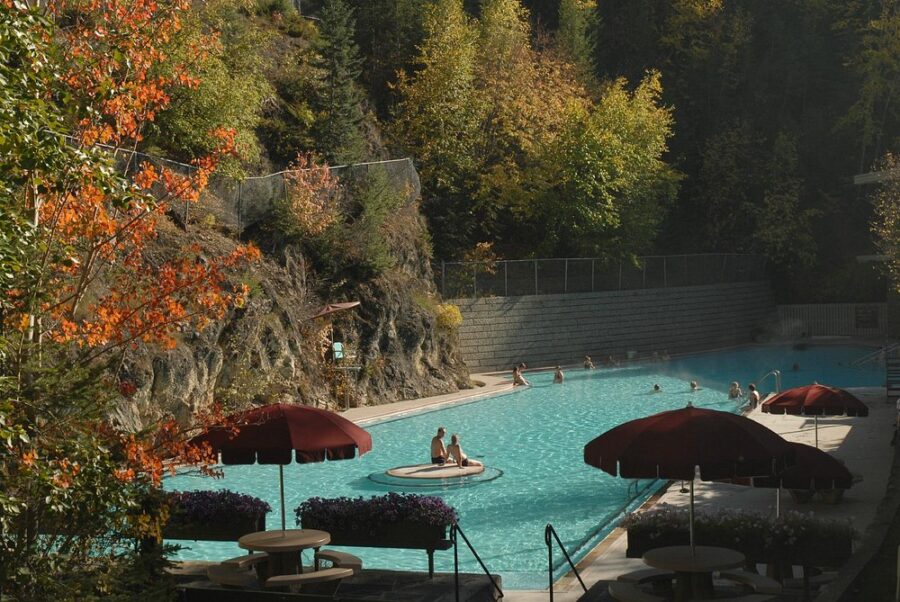
Canmore is about 20 minutes east and gives you quick access to local gems like Grassi Lakes. It’s a good base if you want less bustle but still want to get into the park easily. Calgary or Radium Hot Springs mean longer drives—over an hour—but they work for budgets or as pit stops before heading deeper into the mountains.
Dining and Nightlife Access
Canmore has a good food scene, just on a smaller scale. Breweries and cafés line the main drag, and you’ll usually get a table without a wait. Things wind down early, which honestly can be a relief after a packed day outdoors.
Lake Louise and Radium Hot Springs don’t have much going on food-wise. Maybe one or two restaurants stay open late, and groceries are limited. For longer stays, bring food or book a place with a kitchenette. Calgary flips the script—lots of dining and nightlife, but you lose the mountain vibe as soon as you leave downtown.
Costs and Value
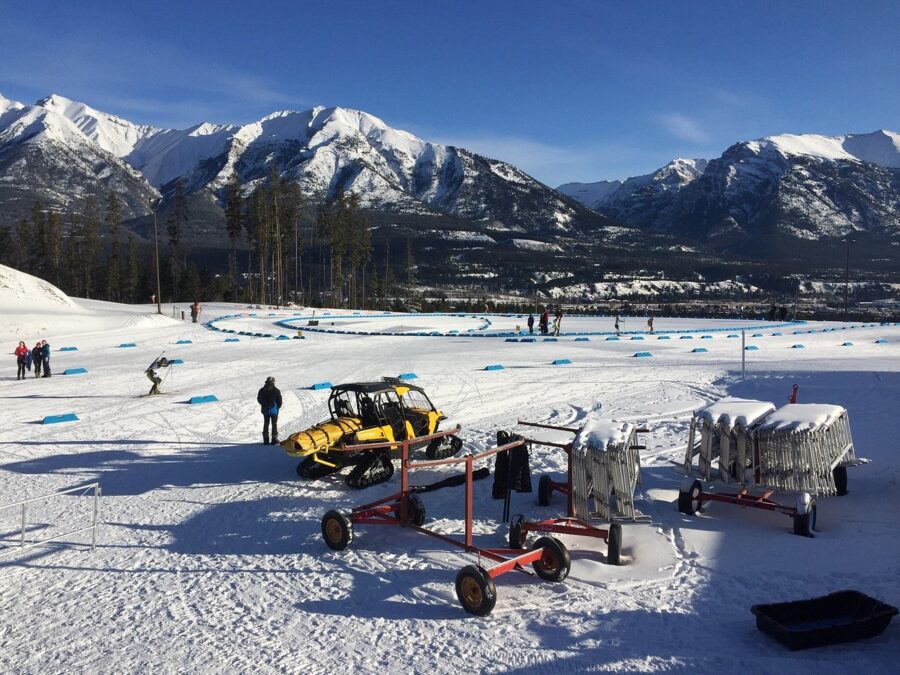
Banff’s popularity keeps prices high. Summer rooms often start at several hundred Canadian dollars per night, even mid-range. But location saves you time and gas, which matters if your days are full.
Canmore usually costs less for similar comfort. You get more space, too—lots of hotels are condo-style. It’s solid value if you don’t mind driving into the park.
Lake Louise is pricey, but the scenery is famous for a reason. Waking up steps from the lake? Worth it at least once.
Radium Hot Springs or Calgary are your budget picks. In Radium, rooms can be under $100 and still comfy, plus there’s the hot springs. Calgary hotels drop in price outside peak season. Just remember to factor in gas and drive time when comparing value.
Experiences You Can Only Have by Staying Nearby
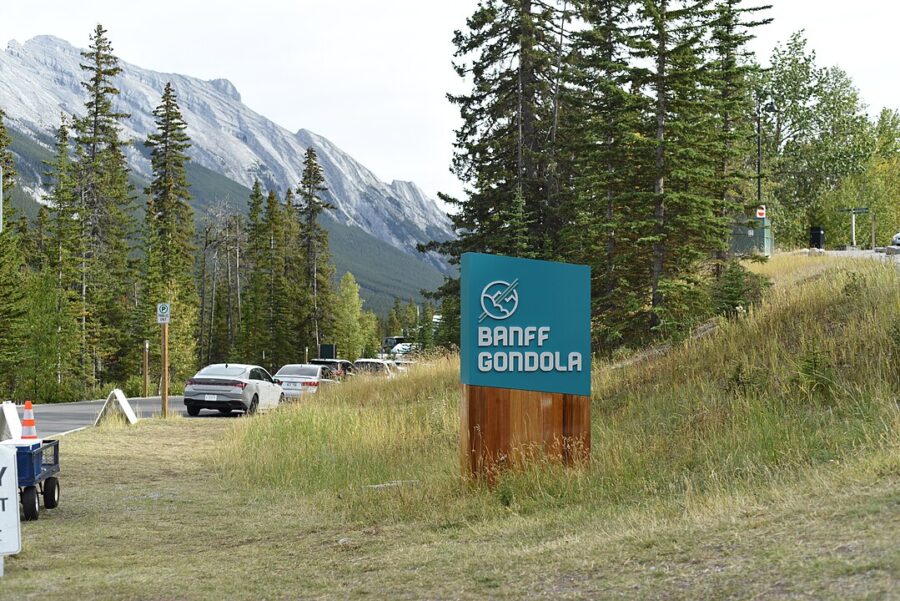
Staying close to Banff’s main sights lets you start your days with mountain air and end with a kind of stillness you can’t get in a city. You wake up by alpine lakes, hike before crowds show up, and soak in natural hot springs under the stars.
Scenic Lake Views

Walking to Lake Louise before sunrise is something else—the water’s glassy, reflecting snow-covered ridges. It’s just you, the lake, and the light. If you stay nearby, you skip the early drive and the parking scramble.
Moraine Lake feels even more private at dawn. Bring a thermos of coffee and watch the mist drift across turquoise water. If you’re coming from Calgary at 5 a.m., forget it—you’ll miss this. Staying local lets you slow down and watch the colors shift.
For panoramic views, ride the Banff Gondola late in the day. From the top, you can spot both valleys and maybe even your hotel balcony. You can also book guided hikes or scenic tours through day trip activities if you want a deeper dive into the area’s geology or best photo spots.
Mountain Adventures
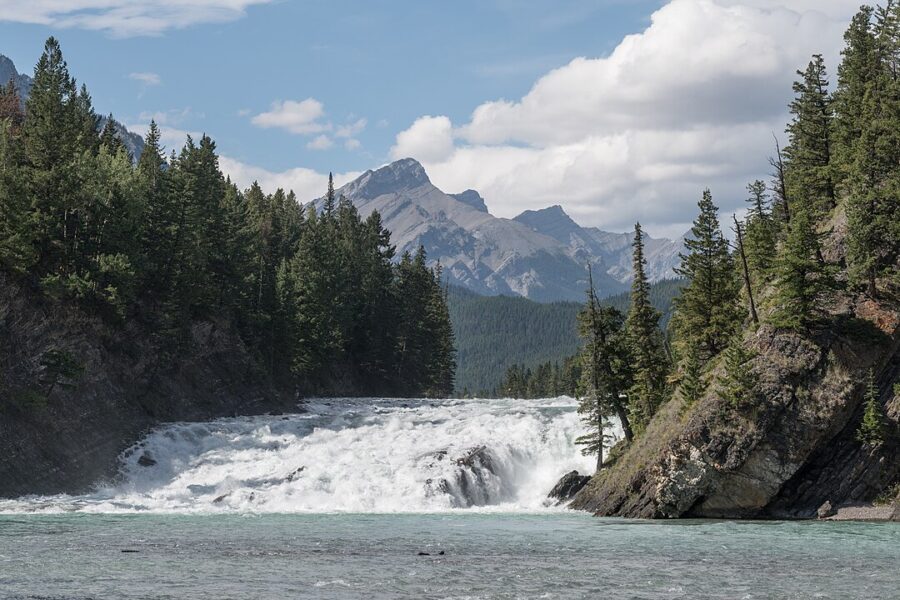
Stay close, and you’ll beat the crowds to the trails. Early mornings at Bow Falls? Just walk over before breakfast, catch the icy mist and that wild golden light—no need to rush back for check-out. That’s real freedom.
There’s a stack of hikes worth your time—Tunnel Mountain, Plain of Six Glaciers. Being nearby means you can actually wake up, look outside, and pick your route based on the weather or your mood. No rigid plans, just options.
You can join small-group tours for climbing, kayaking, or wildlife watching—many in areas that close early to day-trippers. Without a long drive back, you can hang around for that perfect photo or just breathe in the quiet.
Hot Springs Relaxation
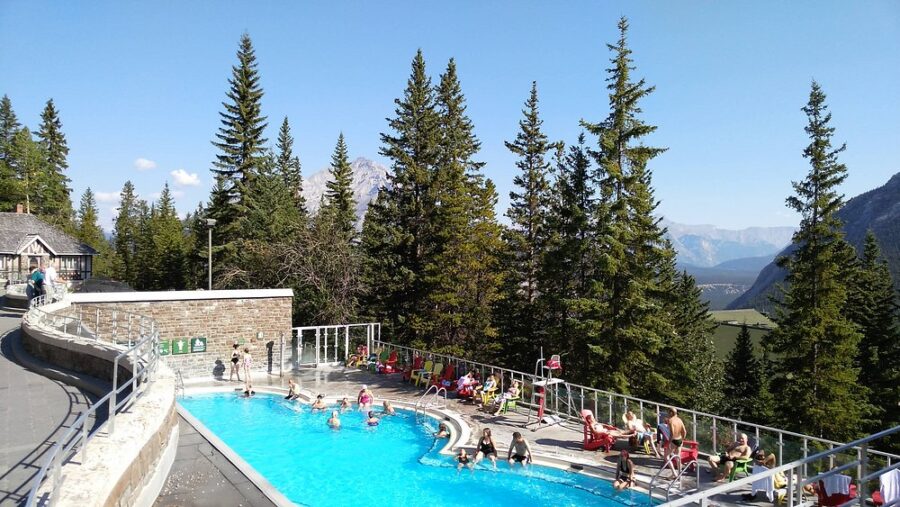
After a day on your feet, nothing beats sinking into the warm mineral water at Banff Upper Hot Springs. The air’s got that pine scent, steam drifts up to the ridges, and your legs finally let go. If you stay nearby, you can go early or late—skip the crowds, find your peace.
Dinner downtown, then a soak after dark? It’s a favorite move. Watching Mount Rundle’s silhouette fade while you float in ninety-eight-degree water just feels right.
Plan ahead, and you’ll have time to catch sunset from Surprise Corner after the hot springs. That’s the upside: you move at your own pace, and every hour feels like it’s yours again.
See Related: The Top Vacation Spot in the World: Discover the Ultimate Destination
Choosing Accommodation by Traveler Type

Where you stay in Banff really depends on your style. Some places are social and walkable, others are quiet and close to the wild. It’s less about chasing luxury, more about comfort and location that fit your trip.
Best for First-Time Visitors
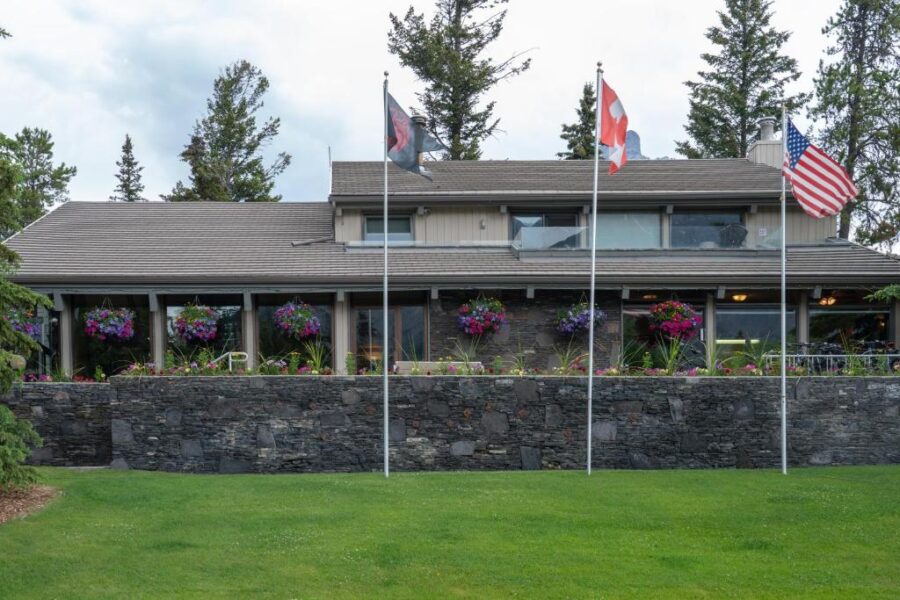
If it’s your first Banff trip, pick Banff town. You’ll have restaurants, the Roam Transit bus, and last-minute gear shops at your doorstep. Most tours start here, so you can ditch the car and parking headaches.
For mid-range, Banff Park Lodge and Moose Hotel & Suites are reliable—comfortable, central, and with enough extras that you’re not stuck if the weather turns. Up the hill, Tunnel Mountain Resort is quieter but still close.
Banff town’s a smart base for hitting landmarks like Lake Louise, Johnston Canyon, or Sulphur Mountain. It saves the hassle of switching hotels every night—I learned that the hard way, dragging bags through a snowstorm just to “try something new.”
Best for Families

Traveling with kids? You need space, easy access to activities, and somewhere for indoor energy-burn when the weather’s rough. Canmore often wins for families—it’s 20 minutes out, has grocery stores, playgrounds, and full condos for half the price.
In Banff, Canalta Lodge and Hidden Ridge Resort are family favorites. Think kitchenettes, pools or hot tubs, and free breakfast (which is honestly a lifesaver). The outdoor hot tub at Hidden Ridge, with mountain views, is a memory-maker.
Quick comparison:
| Area | Example Lodging | Pros |
|---|---|---|
| Banff | Canalta Lodge | Central, family-friendly |
| Tunnel Mountain | Hidden Ridge Resort | Spacious, kitchen access |
| Canmore | Basecamp Resorts | Affordable, full suites |
More space, better value, and less stress—especially with noisy kids or grandparents in tow.
Best for Couples
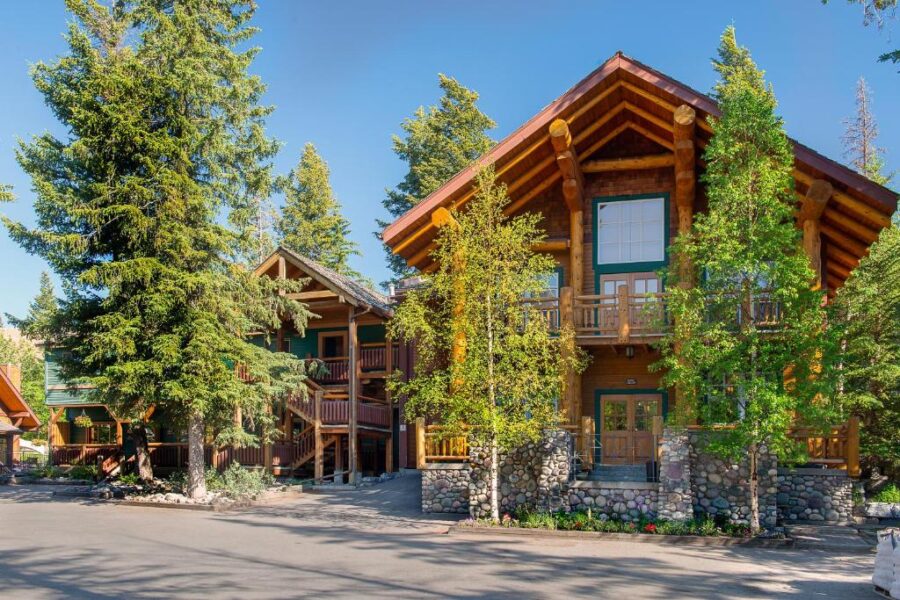
For two, it’s about the vibe. Lake Louise is iconic—those views are the real deal. Fairmont Chateau Lake Louise is pricey, but waking up to turquoise water through your window? Hard to top.
Not in the budget? Baker Creek by Basecamp and Buffalo Mountain Lodge near Banff are solid picks. Both are quiet, have fireplaces, and feel tucked away. Baker Creek’s my pick—small, woodsy, and no cell service, so you actually talk.
Storm Mountain Lodge (between Banff and Lake Louise) feels like another century: log cabins, candlelit dinners, creaky floors. It’s cozy, not fancy. Bring thick socks—it gets chilly fast.
Best for Outdoor Enthusiasts
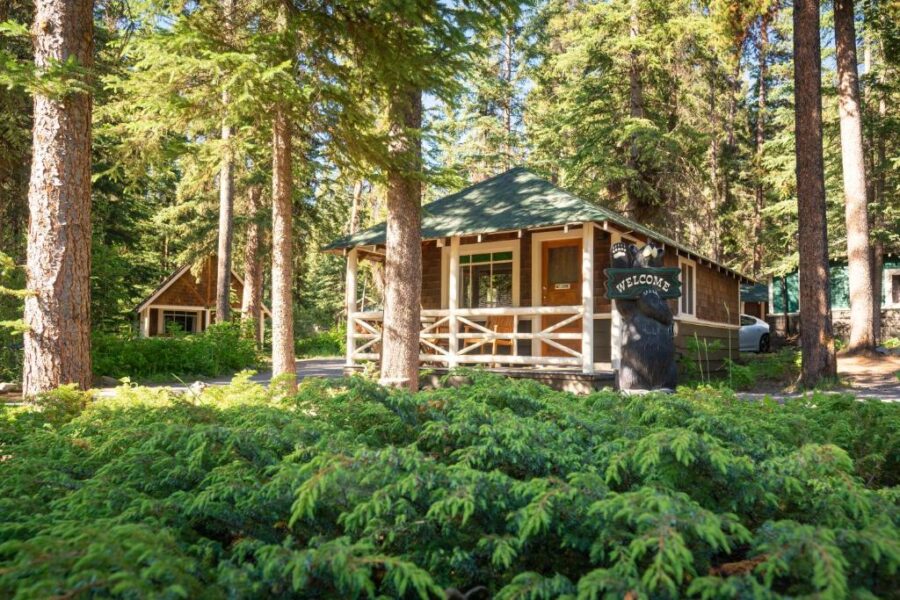
If you’re up early and chasing trails, stay where the action is. Canmore is perfect for climbers and bikers, close to Mount Yamnuska and Kananaskis. Banff town works for a mix of activities.
For pure access, HI Banff Alpine Centre and Johnston Canyon Lodge & Bungalows put you right by the trailheads. They’re basic but well-placed. I’ve rolled out of bed at 5:30 and been on the canyon trail before anyone else.
In winter, Sunshine Mountain Lodge (right on the slopes) saves you from shuttles and gear hauling. In summer, pick somewhere with parking—lots fill up before 7 a.m.
Choose your base for the adventure you want—backcountry, climbing, skiing—then worry about comfort. Banff’s magic comes from the mountains, not the minibar.
Tips for Booking Your Banff Stay
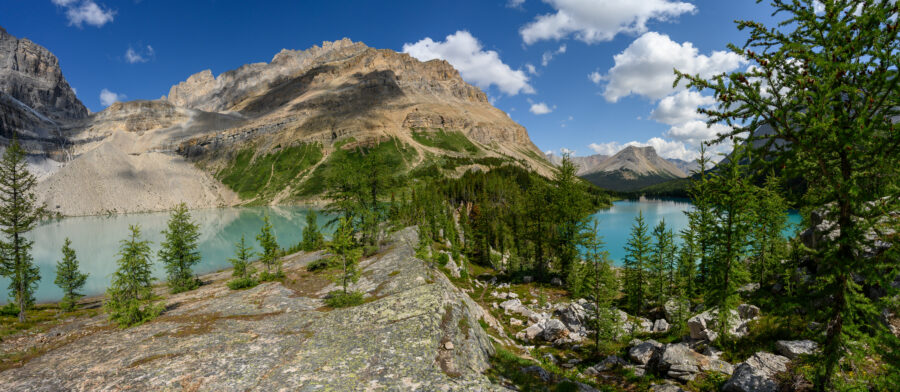
Getting a place in Banff takes some planning. Prices jump in peak months, and rooms disappear fast. If you know when to book and look for eco-friendly options, you’ll save money and help the park stay wild.
When to Book for the Best Rates

Banff hotels go fast—especially in summer and holidays. For best prices, book three to six months ahead. May and October are “shoulder seasons” with lower rates and fewer people.
I usually check Booking.com for deals, and flight finders like Find Cheap Flight Tickets to line up travel dates. Midweek stays are cheaper, and smaller lodges sometimes throw in parking or breakfast.
Here’s a quick reference:
| Booking Window | Season | Chance of Deals |
|---|---|---|
| 6+ months out | Summer & Holidays | Low |
| 3–4 months out | Spring & Fall | Moderate |
| 1–2 months out | Winter (non-holiday) | Higher |
If you can arrive midweek, you’ll pay less and have more choice.
What to Expect in Peak Season

Late June to early September, Banff fills up fast—hikers, families, tour groups. Streets get busy, restaurants need reservations, and hotels book out weeks ahead. Parking at trailheads? Good luck after 9 a.m.
Room rates can double versus the shoulder months. Demand pricing hits lakeside and boutique hotels especially hard. I’ve ended up in Canmore last-minute in July because Banff was just full.
Book your activities early, too. Lake Louise and Moraine Lake bus tours sell out. Sometimes flight and hotel packages have rates you won’t find elsewhere.
Peak season’s busy, no doubt. But with early bookings and a bit of patience, you’ll still find the magic—just expect more company.
Sustainable and Local-Friendly Stays
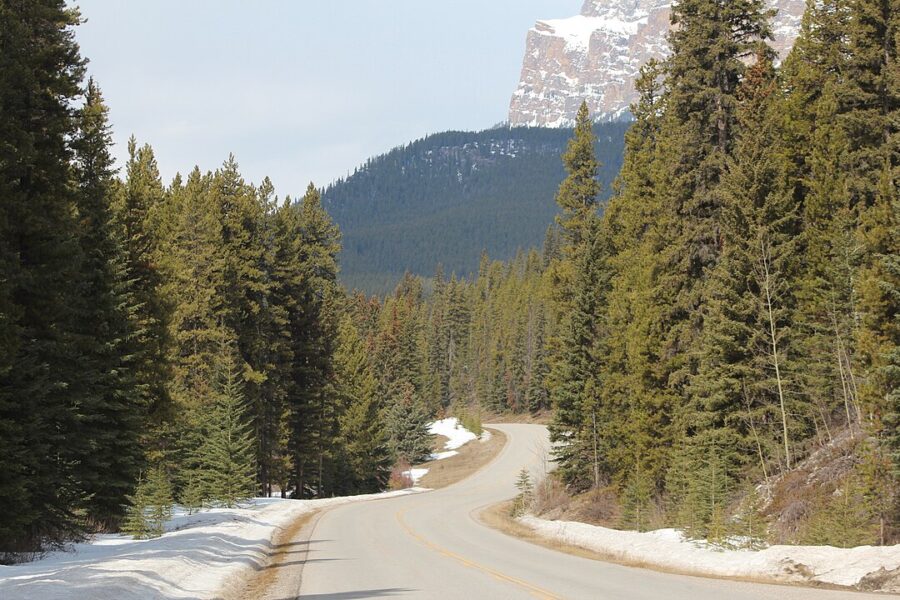
Eco-friendly travel matters here. Millions visit Banff, and choosing responsible lodging helps protect the place.
Look for hotels using renewable energy, recycling, or cutting out single-use plastics. Many small inns do this without charging extra.
Some owners source local food or work with wildlife groups. Staying at these places supports the community instead of big chains. I’ve even seen discounts for guests who arrive by bus—a small thing, but it adds up.
If you drive, consider offsetting your emissions or renting a hybrid via Expedia. Every bit helps keep Banff wild for the next round of travelers.
See Related: Budget-Friendly National Parks for a Winter Road Trip
Frequently Asked Questions
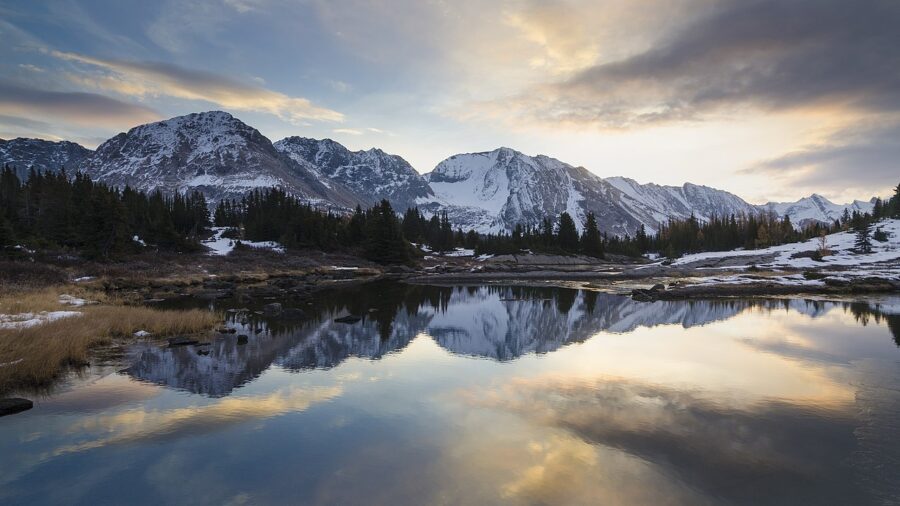
Finding the right spot in Banff can be a puzzle—budget, comfort, location. Here’s what you need to know to narrow it down.
What are the top budget-friendly accommodations in Banff?
u003cstrongu003eu003ca href=u0022https://www.booking.com/hotel/ca/hi-banff-alpine-centre.html?aid=2227309u0022 target=u0022_blanku0022 rel=u0022noreferrer noopener nofollow sponsoredu0022u003eHI Banff Alpine Centreu003c/au003eu003c/strongu003e is a top pick for budget travelers. It’s simple, social, and about a 20-minute walk from downtown. The shared kitchen saves a lot on meals.u003cbru003eu003cstrongu003eu003ca href=u0022https://www.booking.com/hotel/ca/banff-aspen-lodge.html?aid=2227309u0022 target=u0022_blanku0022 rel=u0022noreferrer noopener nofollow sponsoredu0022u003eBanff Aspen Lodgeu003c/au003eu003c/strongu003e is another good value. Clean rooms, a decent breakfast, and a central location. I often choose it for short, practical stays.
Which hotels or lodges offer the best access to skiing in Banff?
For ski access, u003cstrongu003eLake Louise Innu003c/strongu003e and u003cstrongu003eu003ca href=u0022https://www.tkqlhce.com/click-101136664-13828058?url=https%3A%2F%2Fwww.hotels.com%2Fho184121%2Fdeer-lodge-lake-louise-canada%2Fu0022 target=u0022_blanku0022 rel=u0022noreferrer noopener nofollow sponsoredu0022u003eDeer Lodgeu003c/au003eu003c/strongu003e are near the Lake Louise Ski Resort, with winter shuttles so you’re not digging out your car.u003cbru003eCloser to Banff, u003cstrongu003eu003ca href=u0022https://www.booking.com/hotel/ca/moose-and-suites.html?aid=2227309u0026quot;u0022 target=u0022_blanku0022 rel=u0022noreferrer noopener nofollow sponsoredu0022u003eMoose Hotel and Suitesu003c/au003eu003c/strongu003e and u003cstrongu003eu003ca href=u0022https://www.booking.com/hotel/ca/tunnel-mountain-resort.html?aid=2227309u0022 target=u0022_blanku0022 rel=u0022noreferrer noopener nofollow sponsoredu0022u003eTunnel Mountain Resortu003c/au003eu003c/strongu003e give you quick access to Norquay and Sunshine Village. Load up on breakfast, catch the shuttle, and you’re on the slopes before the lines build.
Can you recommend family-friendly lodging options in Banff?
u003cstrongu003eu003ca href=u0022https://www.booking.com/hotel/ca/tunnel-mountain-resort.html?aid=2227309u0022 target=u0022_blanku0022 rel=u0022noreferrer noopener nofollow sponsoredu0022u003eTunnel Mountain Resortu003c/au003eu003c/strongu003e is a family favorite—plenty of room, full kitchens, and a quiet spot just outside town. Kids can swim or play while you enjoy coffee and the view.u003cbru003eu003cstrongu003eBanff Rocky Mountain Resortu003c/strongu003e offers bigger rooms, a pool, and trails right outside. It’s a good mix of comfort and easy outdoor access.
What are the prime locations to stay in Banff during the winter season?
In winter, prioritize easy road access and solid heating. Downtown Banff keeps you close to hot springs, restaurants, and ski shuttles. The snowy streets look great at night.u003cbru003eIf you can splurge, staying near u003cstrongu003eLake Louiseu003c/strongu003e means quicker access to skiing and skating on the lake. It’s colder, but the quiet after dark is something else.
Which areas in Banff are most romantic for couples seeking accommodation?
u003cstrongu003eLake Louiseu003c/strongu003e is tough to beat for couples. The quiet, the air, the glacier views—it’s the mountain escape you’re picturing. u003cstrongu003eu003ca href=u0022https://www.booking.com/hotel/ca/t0l-1e0-111-lake.html?aid=2227309u0022 target=u0022_blanku0022 rel=u0022noreferrer noopener nofollow sponsoredu0022u003eFairmont Chateau Lake Louiseu003c/au003eu003c/strongu003e is expensive but unforgettable.u003cbru003eCloser to town, u003cstrongu003eu003ca href=u0022https://www.booking.com/hotel/ca/rimrock-banff.html?aid=2227309u0022 target=u0022_blanku0022 rel=u0022noreferrer noopener nofollow sponsoredu0022u003eRimrock Resort Hotelu003c/au003eu003c/strongu003e near the hot springs has old-school charm and privacy. Soak in the springs at night, watch the steam rise, and just enjoy the moment.
How long should a typical stay in Banff be to enjoy its main attractions?
Give yourself u003cstrongu003ethree to five daysu003c/strongu003e to hit Banff’s essentials—think Banff town, Lake Louise, the gondola, and a solid hike if the weather’s on your side.u003cbru003eIf you can spare a week, you’ll have space to check out both Banff and u003cstrongu003eCanmoreu003c/strongu003e without feeling rushed. Honestly, by day four, you might just notice how the mountains start to slow you down.