
Last modified August 17, 2026
Picking between Dubai and Abu Dhabi isn’t just about choosing one big city over another. Each place has its own rhythm, and what feels exciting to one person might totally overwhelm someone else.
Dubai throws non-stop energy at you, while Abu Dhabi moves at a calmer pace, leaning into culture and tradition.
Maybe you’re craving that glittering skyline, mega malls, and wild nightlife Dubai’s famous for. Or perhaps you’d rather wander through the Sheikh Zayed Grand Mosque, poke around museums, and relax on quieter beaches in Abu Dhabi.
I’ve spent time in both, and honestly, the vibe couldn’t be more different—after a day or two, you’ll know which one feels right for you.
Think about what you value most: is it the thrill of sky-high attractions, or do you want to soak up heritage and local life? That choice shapes your whole UAE adventure.
Key Takeaways
- Dubai buzzes with modern attractions, shopping, and nightlife
- Abu Dhabi leans toward culture, heritage, and laid-back experiences
- Your choice depends on what kind of trip you want
Dubai vs Abu Dhabi: Key Differences
Dubai and Abu Dhabi are just over an hour apart, but they really do feel like two different worlds in the UAE. One city thrives on fast-paced glamour; the other leans into tradition, culture, and a slower rhythm of life.
Geography and Proximity
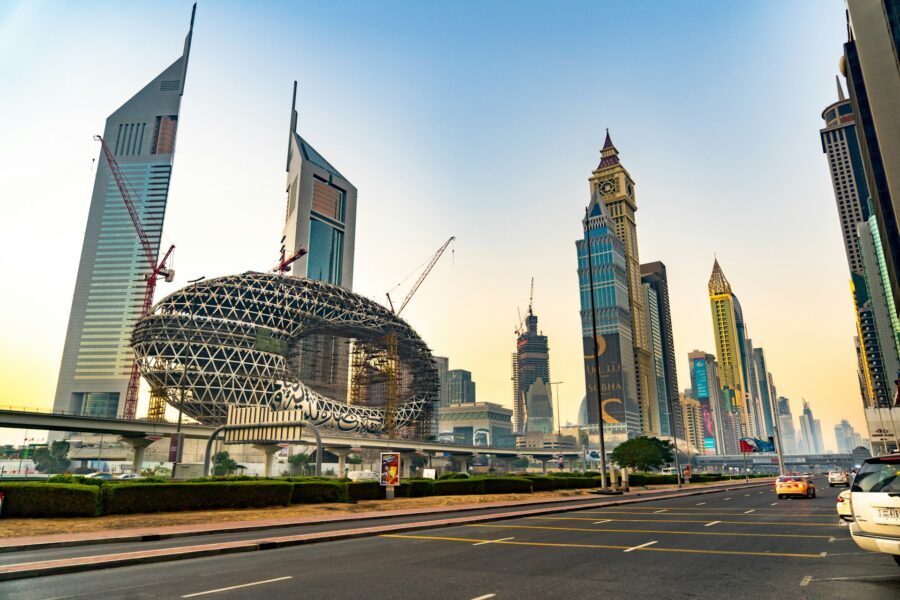
You’ll find both cities along the Persian Gulf coast of the United Arab Emirates. The distance between them is about 140 kilometers, usually a 90-minute drive on the main highway.
I’ve driven that route a few times—it’s mostly desert, but the road is smooth and easy, with plenty of service stations if you need a break.
Dubai sits more to the northeast, closer to Sharjah and the northern emirates. That location makes it a natural hub for travelers bouncing around the UAE.
Abu Dhabi sits further west and sprawls out, with islands and mangroves shaping its geography.
If you’re into day trips, Dubai connects you quickly to other emirates, while Abu Dhabi feels more self-contained. Many travelers actually fly into one city, then hop a bus or grab a car to the other since both have major international airports.
City Vibes and Atmosphere
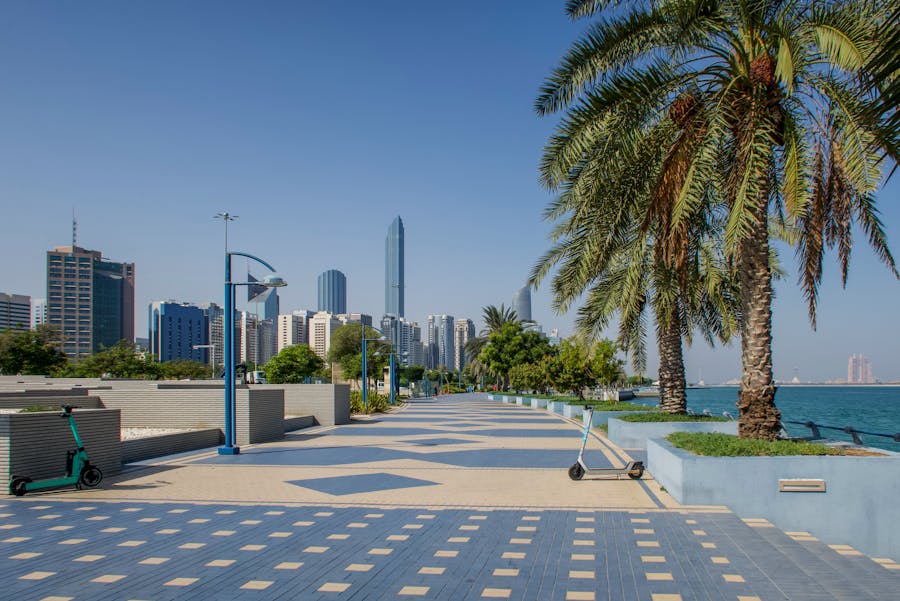
Dubai just never seems to slow down. You’ll see mega malls, wild skyscrapers, and nightlife that goes well past midnight.
It’s the kind of place where you can hit the beach in the morning, ski inside a mall in the afternoon, and sip a cocktail at a rooftop bar after dark.
Abu Dhabi, in contrast, has a much calmer feel. The city is more spread out, traffic isn’t as crazy, and the pace is gentler.
You’ll spot families strolling along the Corniche, locals hanging out in parks, and fewer crowds at big attractions.
So, if you want high-energy experiences and a buzzing social calendar, Dubai’s your spot. If you’re after a quieter stay with room to breathe, Abu Dhabi might be a better fit.
Both cities are modern, but the vibe is totally different once you’re actually there.
Cultural Contrasts

Culture really shows up differently in the Abu Dhabi vs Dubai debate. Abu Dhabi, as the UAE’s capital, feels more traditional.
You’ll find the Sheikh Zayed Grand Mosque and cultural landmarks like the Louvre Abu Dhabi, where Islamic heritage and global art take the spotlight.
Dubai, while it has its cultural side, tends to chase global trends. You’ll stumble on international festivals, fashion shows, and entertainment mostly aimed at tourists.
Traditional souks are still around, but they’re right next to luxury shopping malls and flashy attractions.
I remember walking through Abu Dhabi’s Qasr Al Watan palace and noticing how much they focus on Emirati governance and history.
In Dubai, I bargained for spices in Deira, then headed straight into the ultra-modern Dubai Mall. That sums it up: Abu Dhabi feels rooted, Dubai feels cosmopolitan.
You’ll probably get a stronger sense of Emirati culture in Abu Dhabi, while Dubai offers a more global, sometimes even Westernized, flavor of city life.
Iconic Landmarks and Attractions
Both cities show off their personalities through architecture and attractions. Dubai goes all in on futuristic skyscrapers and luxury malls, while Abu Dhabi highlights cultural landmarks and regal palaces.
Families will spot plenty of big theme parks and entertainment hubs in both places.
World-Famous Sights in Dubai
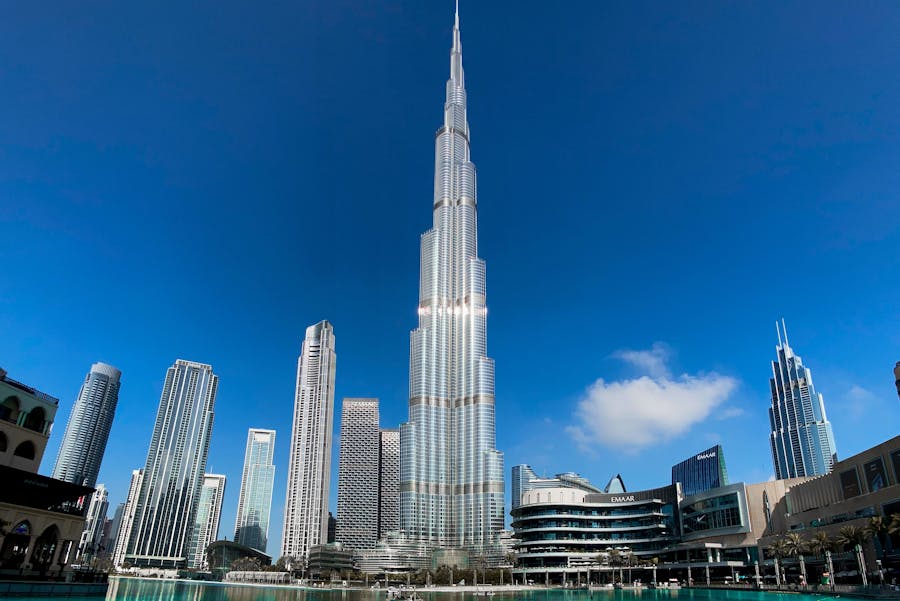
Let’s be real—you can’t talk about Dubai without the Burj Khalifa. At over 828 meters, it’s the tallest building on the planet, and the observation deck view is worth every dirham.
Right next door, the Dubai Mall is basically a city in itself, with the Dubai Aquarium and even an Olympic-sized ice rink tucked inside.
Step outside and you’ll catch the Dubai Fountain, a nightly water and light show that honestly rivals anything in Vegas.
For coastal landmarks, the Burj Al Arab still claims the title as one of the most photographed hotels on earth.
And if you’ve ever dreamed of sleeping on a man-made island, the Palm Jumeirah delivers with luxury resorts, beaches, and waterparks.
Even wandering through Madinat Jumeirah—a modern complex styled like an ancient souk—lets you taste tradition in a seriously polished setting.
Must-See Highlights in Abu Dhabi
Abu Dhabi feels more relaxed but still wows you. The Sheikh Zayed Grand Mosque is the city’s crown jewel, with white marble domes, chandeliers, and reflecting pools.
I’ve visited a few times, and honestly, it leaves you speechless no matter how many photos you’ve seen.
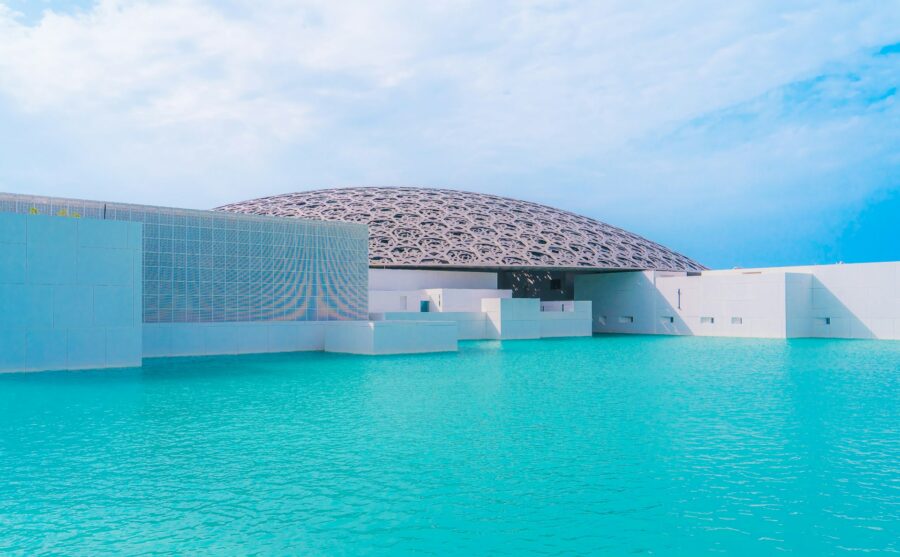
Nearby, the Louvre Abu Dhabi blends jaw-dropping architecture with a world-class art collection.
If you’re curious about the country’s heritage, the presidential palace Qasr Al Watan is open to visitors, and it’s as ornate as you’d imagine.
For a taste of luxury, the Emirates Palace isn’t just a hotel—it’s a landmark.
And for shopping, Yas Mall and Abu Dhabi Mall blend international brands with local finds, striking a nice balance between modern and traditional.
Theme Parks and Family Destinations
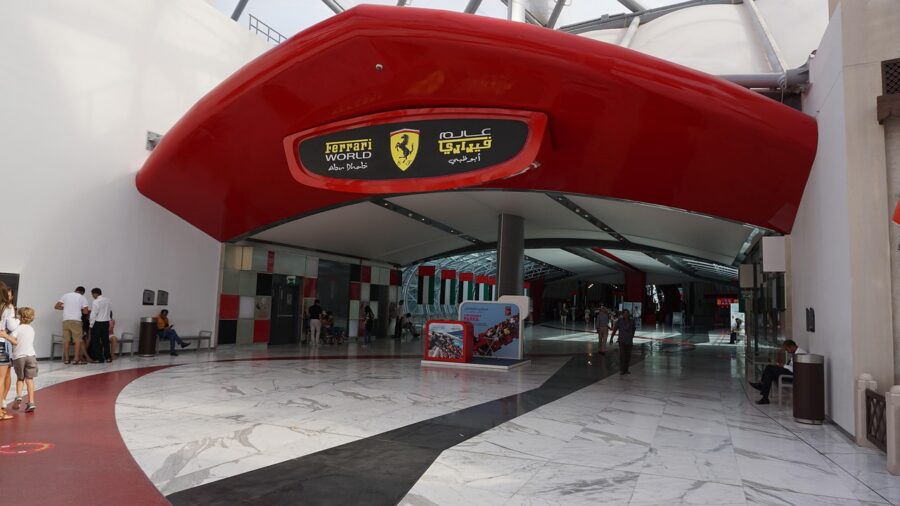
Traveling with kids—or just a big kid at heart? Both cities have you covered.
Abu Dhabi’s Yas Island packs in attractions like Ferrari World Abu Dhabi, home to the world’s fastest roller coaster, and Emirates Park Zoo, which gets surprisingly interactive for young families.
Dubai, meanwhile, has gone all-out with mega theme parks. IMG Worlds of Adventure is one of the largest indoor parks anywhere, while Motiongate Dubai brings Hollywood to the desert with rides themed after major studios.
Legoland Dubai is a big hit for families with little ones.
Even outside the parks, Dubai Marina offers laid-back fun—bike rides, cafés, and boat tours.
And if you like to plan ahead, you can easily book tours and activities that bundle attractions together, saving time and a bit of sanity.
Culture, Heritage, and Local Experiences
Dubai and Abu Dhabi might only be 90 minutes apart, but the way each city approaches history, art, and tradition feels worlds apart.
One goes big on spectacle and reinvention; the other clings tighter to heritage and cultural depth.
Both give you plenty of chances to step beyond malls and skyscrapers into something way more meaningful.
Museums and Historic Sites
Abu Dhabi takes the crown for museums. The Louvre Abu Dhabi is a must for art and architecture lovers.
That giant dome lets sunlight filter through like stars—it’s almost as impressive as the exhibits inside.
You’ll see everything from ancient artifacts to modern masterpieces, all telling the story of human history.
The Sheikh Zayed Grand Mosque is also one of the world’s largest mosques.
Even if you’re not religious, it’s tough not to be moved by the sheer scale and detail—the white marble, chandeliers, and reflecting pools.
I remember catching the sunset there, and the whole place glowed in a way no photo can capture.
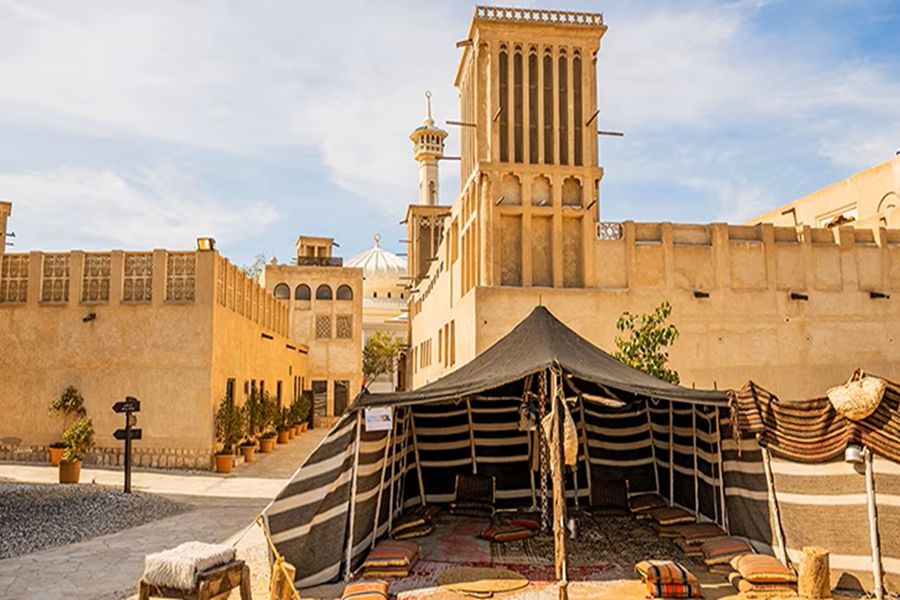
Dubai doesn’t have the same depth of museums, but it does offer historic sites like Al Fahidi Historical District.
Walking those narrow lanes, with wind towers and old courtyards, feels like a trip back in time before the oil boom.
It’s small, but it gives you a glimpse of what life looked like when Dubai was just a trading port.
Traditional Markets and Souks
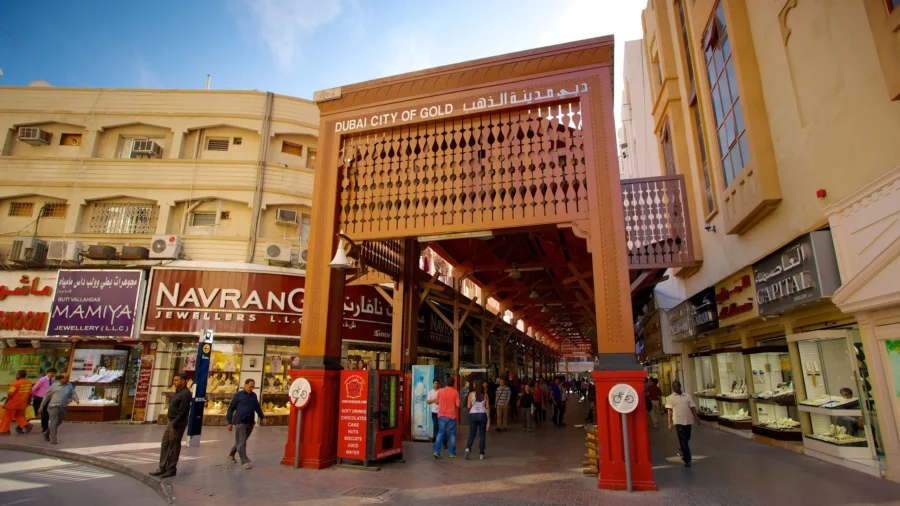
If you crave that old-world shopping vibe, Dubai’s Gold Souk is legendary.
You’ll find rows of shops sparkling with bangles, necklaces, and bars of gold.
Even if you’re not buying, wandering and haggling a bit just for fun is part of the experience.
The nearby Spice Souk, with its saffron and cardamom scents, makes the whole area feel alive.
Abu Dhabi has its own markets, though they’re more low-key.
Al Mina Fish Market is worth a visit, especially in the morning when fishermen unload their catch.
I once bought fresh shrimp there and had it grilled at a nearby stall—it was simple but unforgettable.
The Carpet Souk is another cool stop, with handwoven rugs stacked floor to ceiling.
What’s great about Abu Dhabi’s markets is that they feel less touristy.
You’ll see more locals doing their shopping, and the vibe is just a bit more authentic compared to Dubai’s polished souks.
Festivals and Local Events
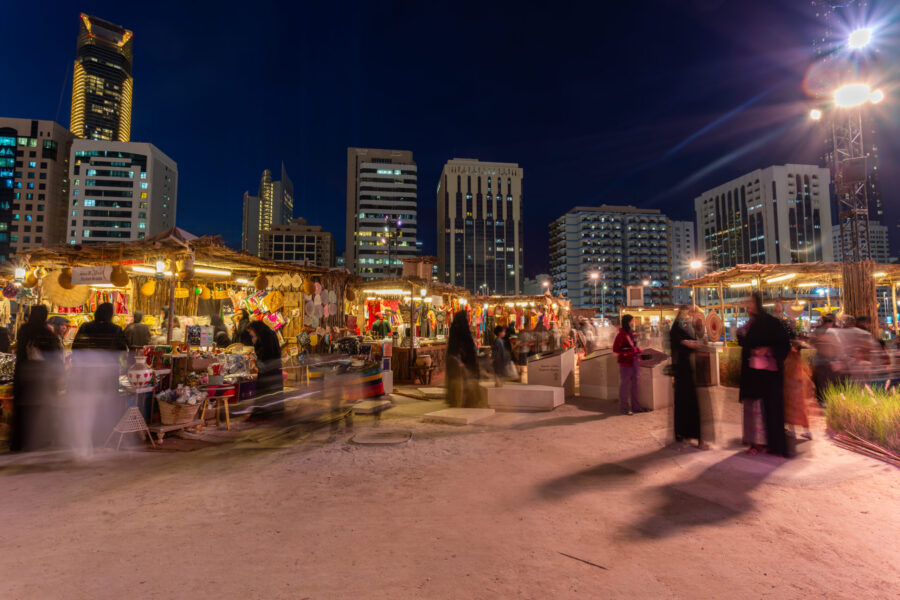
Both cities host plenty of festivals, but the style is totally different.
Dubai goes big with flashy events like the Dubai Shopping Festival and Dubai Food Festival.
These are massive productions—concerts, fireworks, endless sales.
If you’re into high-energy crowds, it’s hard to beat.
Abu Dhabi’s events are more about culture.
The Abu Dhabi Festival brings in classical music, opera, and art performances from around the world.
Then there’s the Qasr Al Hosn Festival, which focuses on Emirati heritage with falconry, crafts, and storytelling.
It’s the kind of event where you learn while being entertained.
And don’t miss the Formula 1 Grand Prix at Yas Marina Circuit.
Even if you’re not a racing fan, the concerts and parties around it are worth the trip.
I went once and ended up seeing a band I never expected to catch in the Middle East—it felt like a mini music festival wrapped around a race.
If you time your visit right, these events can totally shape your trip and give you a richer sense of what life in each city is really about.
Shopping and Dining Scene
Dubai and Abu Dhabi both have strong reputations for shopping and food.
One city leans more toward luxury and variety, while the other balances culture with a slower, more relaxed pace.
Luxury Malls and Boutiques

If you’re a mall lover, Dubai is honestly your playground. The Dubai Mall is so huge, you could easily spend a full day inside and still miss half the sights.
There are high-end boutiques, an aquarium, and—why not—an ice rink.
The Mall of the Emirates is another crowd-pleaser, especially if you’re tempted to squeeze in a little indoor skiing between shopping hauls.
Abu Dhabi’s malls might be smaller, but they hold their own.
Yas Mall on Yas Island stands out with its international brands and a direct link to Ferrari World, which is pretty wild.
Abu Dhabi Mall gives off a more local vibe, and honestly, I like how chill it feels compared to Dubai’s mega-malls.
Quick tip: If you’re the type who ends up with bags on bags, invest in some decent travel gear.
Trust me, your shoulders will thank you.
Culinary Highlights

Dubai’s dining scene? It’s almost overwhelming.
You can jump from a Michelin-starred spot to a food truck slinging shawarma—all in one night.
Nightlife here sort of melts into dinner, especially at rooftop bars and late-night lounges.
Abu Dhabi is a little more relaxed, but honestly, the food is just as good.
Waterfront restaurants near the Corniche serve up some of the best seafood I’ve had in the UAE.
You’ll spot authentic Emirati dishes like harees and machboos more often than in glitzy Dubai.
I once spent a slow afternoon at a family-run place in Abu Dhabi, and it felt way more personal than anything I’ve tried in Dubai’s flashiest venues.
If you’re watching your wallet, Abu Dhabi’s casual spots usually beat Dubai’s prices for everyday meals.
Unique Souvenirs
Looking for something you’ll actually remember? The Gold Souk in Dubai is legendary for intricate jewelry.
Even if you don’t buy, the sparkling stalls are worth a wander.
Nearby, the spice and textile souks are a sensory overload, especially if you like to haggle a bit.
Abu Dhabi leans traditional with its souvenirs.
You’ll find handwoven rugs, pottery, and perfumes made with oud.
Once, I picked up a clay incense burner in Abu Dhabi, and it still brings back travel memories every time I use it.
These make way better gifts than a fridge magnet, don’t you think?
Lifestyle, Nightlife, and Entertainment
Dubai and Abu Dhabi both buzz with energy, outdoor adventures, and family attractions.
Dubai goes big on glitz and nightlife, while Abu Dhabi balances culture with theme parks and a more laid-back vibe.
Nightlife and Social Scene
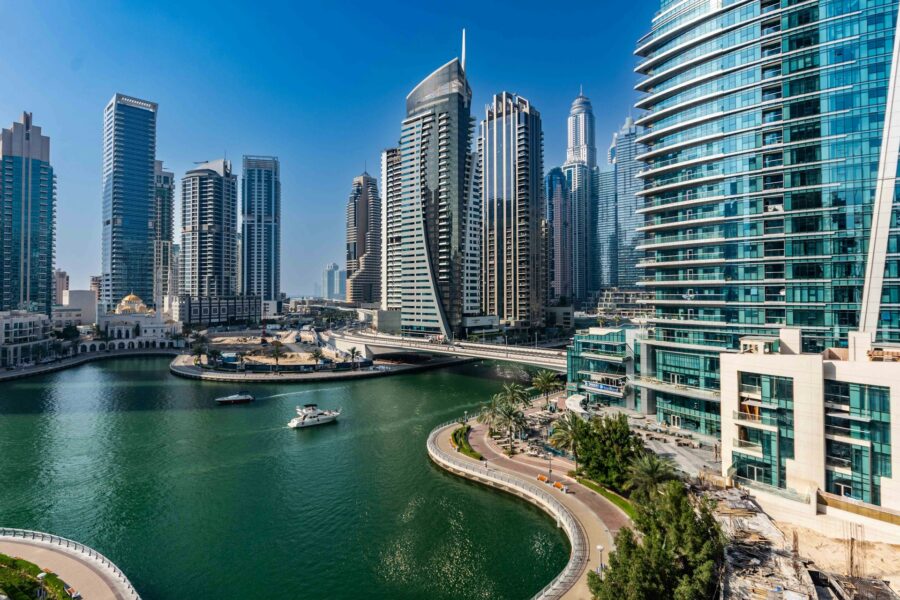
If you’re after nightlife, Dubai is tough to beat.
You’ll find rooftop lounges in Dubai Marina, live music spots, and some seriously stylish bars tucked inside hotels.
Madinat Jumeirah mixes dining, cocktails, and views of the Burj Al Arab—it’s not just about the drinks, it’s about the whole scene.
Abu Dhabi’s nightlife exists, but it’s more contained.
Most of the buzz happens on Yas Island, where you can bounce between beach clubs, lounges, and big concerts.
I’ve been there during Formula 1 weekend—let’s just say, the party doesn’t stop until sunrise.
Both cities have pretty strict alcohol rules, so most nightlife is tied to hotels.
It’s different from Europe or the US, but the upside? Venues are polished and run like clockwork.
Leisure Activities and Beaches
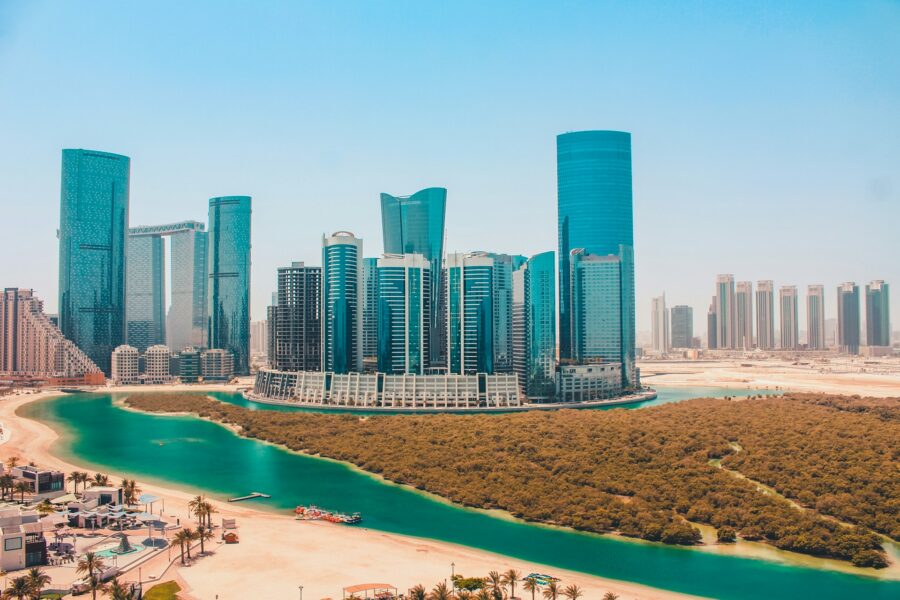
Dubai was made for leisure.
Miles of public beaches, private beach clubs, and endless ways to chill.
Kite Beach is perfect for jogging, smoothies, and watching kitesurfers—sometimes all at once.
Abu Dhabi’s beaches feel calmer, almost peaceful.
Saadiyat Island is gorgeous, with powdery white sand and way fewer crowds.
The city really leans into eco-friendly spaces; you’ll spot protected areas where sea turtles actually nest.
Over on Yas Island, you get waterparks, golf, and shopping all bundled together.
Not a beach person? No worries.
In Dubai, you can ski indoors at Mall of the Emirates.
Abu Dhabi offers cultural districts and quiet parks if you’re looking to slow down.
Family-Friendly Fun

Traveling with kids? Dubai is basically an entertainment machine.
IMG Worlds of Adventure and Motiongate Dubai are massive indoor parks where kids (and adults, let’s be honest) can burn hours.
Legoland Dubai is a no-brainer if you’ve got little ones.
Abu Dhabi keeps up with its own twist.
Ferrari World Abu Dhabi is famous for the world’s fastest roller coaster.
Next door, Warner Bros. World is packed with themed rides and shows that younger kids adore.
Families often split their time between the two cities—Dubai for the sheer variety, Abu Dhabi for the mix of theme parks and some culture.
The drive between them is short, so you don’t really have to choose.
Practical Considerations: Cost, Safety, and Getting Around
Living or traveling in Dubai and Abu Dhabi isn’t just about the skyline or the beach clubs.
It really comes down to the everyday stuff—how much you’ll spend, how safe you’ll feel, and how easily you can get around.
These details can make or break your trip, whether you’re staying a week or a year.
Cost of Living and Travel

Dubai is generally more expensive than Abu Dhabi, especially when it comes to rent.
A one-bedroom in Dubai can cost almost 50% more than in Abu Dhabi.
Groceries and utilities are pretty similar, but you’ll notice the difference most when you’re paying rent or eating out.
If you’re just visiting, hotel rates are all over the map in both cities.
You can find everything from budget hotels to luxury resorts—Booking.com is great for comparing options.
Flights are competitive too, and KAYAK makes it easy to check deals.
Abu Dhabi usually offers better value for families, while Dubai draws solo travelers and couples chasing nightlife.
Safety and Security
Both cities are very safe by global standards.
Street crime is rare, and you can walk around at night in most areas without worry.
Still, keep an eye on your stuff in busy places and always respect local laws.
I always find Abu Dhabi a little calmer—maybe it’s just less hectic.
Dubai feels more international, with a bigger mix of people and lifestyles.
Healthcare is excellent in both, but don’t skip travel insurance.
If you’re planning a trip, check coverage options that work for both short getaways and longer adventures.
Transportation and Accessibility
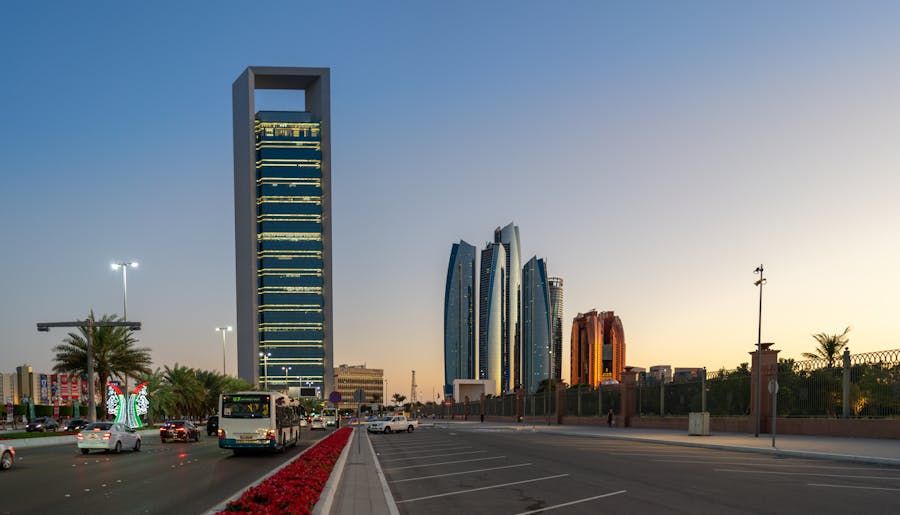
Dubai wins for public transport, hands down.
The metro, trams, buses, and water taxis make it easy to get around without a car.
Abu Dhabi leans more on buses and taxis, so most people end up driving.
Fuel is cheap in both places, so renting a car makes sense if you want to explore outside the city.
You can compare rental deals on Expedia.
Traffic in Dubai can be intense, especially during rush hour.
Abu Dhabi’s roads are wider, but you’ll still want to avoid peak times if you can.
Day Trips and Excursions
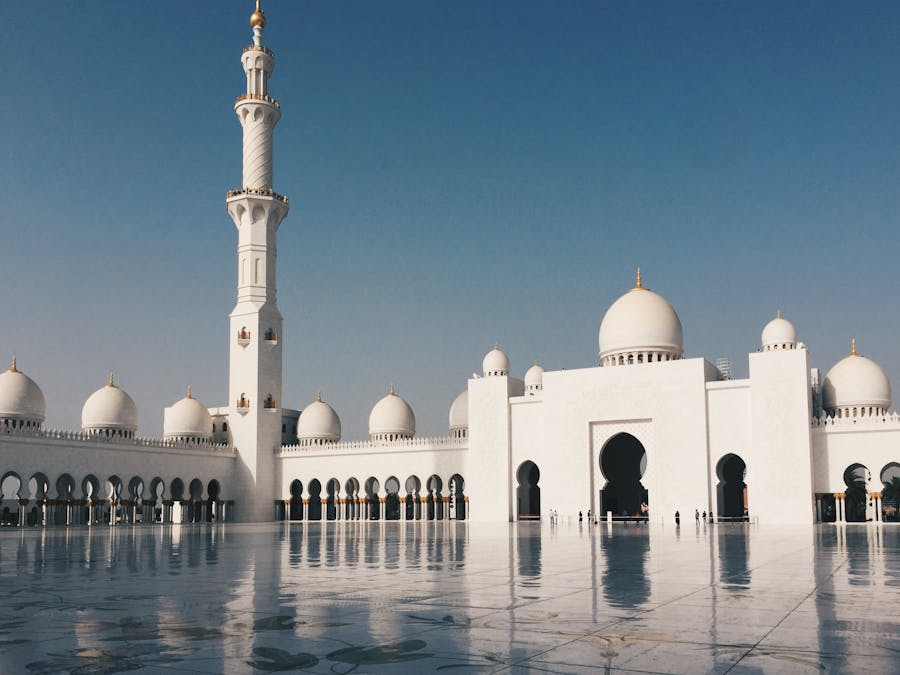
A day trip from Dubai to Abu Dhabi is easy—just hop in a car and you’ll be there in about 90 minutes.
You can rent a car or book a guided tour.
Most people head straight for Sheikh Zayed Grand Mosque, but Yas Island and Saadiyat Island are also worth a stop.
If you’re based in Abu Dhabi, it’s just as simple to spend a day in Dubai—think Burj Khalifa or Dubai Mall.
I’ve done this trip more times than I can count, and honestly, it’s the best way to get a taste of both cities without packing up and moving hotels.
Public buses connect the two, but they’re slower than driving.
If you’re short on time, rent a car for the freedom to make spontaneous beach or desert stops.
Frequently Asked Questions
Deciding between Dubai and Abu Dhabi is the classic UAE dilemma.
They’re close in distance, but the lifestyle, culture, and even your spending habits can look very different.
What are the cost of living differences between Dubai and Abu Dhabi?
Housing is the big one.u003cbru003eu003cbru003eRents in Dubai are higher, especially in hotspots like Downtown or the Marina.u003cbru003eu003cbru003eAbu Dhabi offers more affordable options, and family-friendly areas like Mohammed Bin Zayed City give you bigger spaces for less.u003cbru003eu003cbru003eGroceries and utilities don’t change much, though Abu Dhabi’s electricity and water bills are usually lower.u003cbru003eu003cbru003eEducation? Private schools will cost you more in Dubai.u003cbru003eCheck out this u003ca href=u0022https://www.propertystellar.com/blog/dubai-vs-abu-dhabi-cost-of-living-comparison-2025/u0022 target=u0022_blanku0022 rel=u0022noreferrer noopeneru0022u003eDubai vs Abu Dhabi cost of livingu003c/au003e guide if you’re thinking of moving.
Which city should one choose for a holiday, Dubai or Abu Dhabi, and why?
If you want glitz, nightlife, shopping, and big-ticket sights like the Burj Khalifa, Dubai’s your answer.u003cbru003eu003cbru003eIt’s built for visitors who want u003ca href=u0022https://www.realjourneytravels.com/tours/city-sightseeing-hop-on-hop-off-bus-tour-of-dubai-2/u0022u003enon-stop actionu003c/au003e.u003cbru003eu003cbru003ePrefer quieter beaches, culture, and a slower pace?u003cbru003eu003cbru003eAbu Dhabi will feel less overwhelming.u003cbru003eu003cbru003eThe Sheikh Zayed Grand Mosque alone is worth the trip.u003cbru003eu003cbru003eI always find Abu Dhabi holidays more relaxing, while Dubai feels like a sprint.
What are the main factors to consider when deciding whether to live in Dubai or Abu Dhabi?
First, think about your lifestyle.u003cbru003eu003cbru003eDubai is fast-paced, international, and centered on business and entertainment.u003cbru003eu003cbru003eAbu Dhabi is calmer, more family-focused, and a bit more traditional.u003cbru003eu003cbru003eConsider commute times, schools, and housing costs too.u003cbru003eu003cbru003eSome folks work in one city and live in the other, but that daily drive gets old fast.
How do the airports in Dubai and Abu Dhabi compare in terms of services and international connectivity?
Dubai International Airport (DXB) is a global giant, with flights to just about everywhere.u003cbru003eu003cbru003eIt’s the main hub for Emirates Airlines and the duty-free shopping is next-level.u003cbru003eAbu Dhabi International Airport is smaller but super modern.u003cbru003eu003cbru003eIt’s Etihad’s home base and usually less crowded, so check-in and security are a breeze.u003cbru003eu003cbru003ePersonally, I’ve had smoother layovers in Abu Dhabi, but Dubai connects you to more places.
Can you highlight the unique cultural experiences that differentiate Dubai from Abu Dhabi?
Dubai is all about u003ca href=u0022https://www.realjourneytravels.com/tours/big-bus-tour-of-dubai-2/u0022u003emodern entertainmentu003c/au003e—theme parks, global food chains, nightlife.u003cbru003eCultural spots like Al Fahidi Historical District exist, but they’re hidden among the skyscrapers.u003cbru003eu003cbru003eAbu Dhabi feels more rooted in Emirati culture.u003cbru003eu003cbru003eBeyond the Grand Mosque, check out Qasr Al Hosn or Saadiyat Island’s cultural district.u003cbru003eu003cbru003eI spent a whole day at Louvre Abu Dhabi and honestly forgot I was in the Middle East—until I stepped outside and felt that salty Gulf breeze.
What are the travel distances and transportation options when moving between Dubai and Abu Dhabi?
Dubai and Abu Dhabi sit about 140 km apart. If you’re lucky with traffic, you’ll usually make the trip in around 90 minutes.u003cbru003eu003cbru003eMost folks hop in a private car or grab a taxi, but you’ll also spot regular buses shuttling between the cities.u003cbru003eu003cbru003eu003cbru003ePeople keep buzzing about a high-speed rail, but right now, it’s all about the highway.u003cbru003eu003cbru003eI’ve driven this route more times than I can count. The road’s straight, flat, and, if I’m being honest, kind of dull—but hey, it gets the job done.


