Where to Stay in the Wachau Valley: 2026 Guide to Top Towns & Unique Hotels
Updated December 4, 2025
It’s hard not to fall for Austria’s Wachau Valley as soon as you see those steep vineyards, medieval villages, and the calm stretch of the Danube. As a UNESCO World Heritage site, the region really blends nature, history, and a laid-back wine culture. The best places to stay in the Wachau Valley are the riverfront villages of Melk, Dürnstein, Spitz, Weißenkirchen, Emmersdorf, and Krems—each with its own quirks, views, and price points.
Picture yourself wandering Dürnstein’s cobbled lanes before sunset, sipping Grüner Veltliner above Spitz, or waking up to the Danube in Melk. Whether you’re after quiet guesthouses, vineyard cottages, or a boutique spot, browsing The Best Wachau Hotels or local Best of Wachau lists keeps planning simple.
Honestly, the Wachau’s magic is in its slow pace. Ride a bike through the vines, explore abbeys glowing at golden hour, and stumble on hidden heuriger wine gardens. The region has a kind of honesty you rarely find these days—especially if you’re after a real connection to a place and its people.
Table of Contents
- Key Takeaways
- Best Towns and Villages to Stay in Wachau Valley
- Krems: Gateway to the Wachau
- Dürnstein: Historic Charm and River Views
- Spitz: Wine Villages and Vineyard Stays
- Weißenkirchen in der Wachau: Medieval Ambience
- Top Hotels and Accommodations in Wachau Valley
- Luxury Retreats and Historic Hotels
- Boutique Stays and Family-Run Gems
- Riverside and Vineyard Hotels
- Unique Accommodation Experiences
- Winery Stays in the Wachau Region
- Stay in a Castle or Historic Manor
- Bike-Friendly and Adventure Hotels
- Choosing the Right Location for Your Itinerary
- Proximity to Top Attractions
- Accessibility and Transportation
- Best Options for Wine Lovers
- Family-Friendly Stays and Group Options
- Hotels with Spacious Family Rooms
- Accommodations for Cyclists and Hikers
- Pet-Friendly and Relaxed Retreats
- Local Tips for Booking Accommodation
- Best Time to Visit and Reserve
- Authentic Wachau Hospitality
- Seasonal Events and Special Packages
- Frequently Asked Questions
- What are the top-rated hotels in the Wachau Valley for a winter stay?
- Which locations within the Wachau Valley offer the most convenient access to major attractions?
- What are the best options for family-friendly stays in the Wachau Valley?
- How does the experience of staying in Wachau Valley differ throughout the seasons?
- Are there any hidden gems for lodging in the Wachau Valley not widely advertised?
- Book Your Dream Experience
- More Travel Guides
Key Takeaways
- Get a feel for which Wachau towns match your travel style
- Find hotels and guesthouses with local character and river views
- Pick up tips for a smooth, scenic stay along the Danube
Best Towns and Villages to Stay in Wachau Valley
The Wachau stretches for about 40 kilometers along the Danube between Melk and Krems, packed with terraced vineyards, medieval abbeys, and riverside villages. Each spot has its own vibe—some lively, some totally sleepy. You might spend a night in a centuries-old inn or wake up to river mist outside your window.
Krems: Gateway to the Wachau

Krems sits at the eastern edge of the Wachau Valley and works well as a first stop if you’re coming from Vienna. Rail connections, car rentals, and plenty of restaurants bring together students and locals. The Old Town’s cobbled lanes hide wine bars, artisan shops, and cafés that spill onto sunny squares.
Krems doesn’t have the same quiet as riverside villages like Dürnstein, but it’s a handy base for day trips along the Danube. You’ll find art galleries in old monasteries, like the Kunsthalle, and bike paths that head west toward Aggsbach-Dorf and Emmersdorf an der Donau. If you’re on a budget, Krems is often the starting point before venturing deeper into the valley.
| Type of Traveler | Why Stay in Krems |
|---|---|
| First‑time visitors | Easy transport links |
| Food lovers | Modern vineyards and taverns |
| Short‑stay guests | Plenty of hotels near train station |
Dürnstein: Historic Charm and River Views

Dürnstein really nails the Wachau vibe with its blue-and-white abbey tower and medieval streets. The town hugs the Danube, surrounded by vineyards and castle ruins. If you hike up to the fortress, you’ll get sweeping views over to Rossatz and the western hills.
Summer brings day trippers, but after sunset, Dürnstein quiets down and feels like a village again. I once stayed in a tiny guesthouse tucked behind a stone arch here—hearing the church bells late at night just stuck with me. You’ll find mid-range and luxury stays, like riverside inns and boutique hotels, which are perfect if you want history without giving up comfort.
Tip: Swing by early morning or after 6 p.m. when the cruise crowds leave. The whole place shifts—peaceful, golden, almost like time stopped.
Spitz: Wine Villages and Vineyard Stays

Spitz sits halfway up the valley, ringed by steep vineyards that turn gold in late autumn. It feels rural, slower, a bit rough around the edges, and that’s the draw. Hikers love it—trails start right behind the main square and wind past farmhouses and apricot trees.
You can stay in guesthouses run by winemaking families, some offering tastings right there. I remember sitting on a stone wall here, sipping Grüner Veltliner as the hills glowed in the evening—it’s that kind of place. From Spitz, ferries cross to Aggsbach-Dorf, and country roads lead to Emmersdorf an der Donau and Melk Abbey.
Good to know: Buses don’t run as often here, so a car or bike helps. But honestly, that’s part of the charm—quiet nights, starry skies, and no traffic noise.
Weißenkirchen in der Wachau: Medieval Ambience

Weißenkirchen in der Wachau (sometimes written Weissenkirchen) blends medieval streets with a relaxed, everyday feel. It’s smaller than Spitz, but the Gothic church and riverside paths give it a lot of character. The village stretches along the Danube, with vineyards climbing right behind the houses.
If you want peace but not total isolation, this one’s a solid pick. You’ll find charming inns that double as family wineries, and you can join locals for a drink at a Heuriger, an Austrian wine tavern. Cyclists like it because the Danube path runs right through town.
Early mornings often bring mist from the river, and walking those narrow lanes then feels like you’ve stepped back centuries. There’s a sweet spot here—quiet comfort and a real Wachau village vibe that’s surprisingly rare to find.
Top Hotels and Accommodations in Wachau Valley
Along the Danube, you’ll come across a mix of historic castles, riverside retreats, and wine estates. Each has its own energy—some go all-in on indulgence and spa terraces, others win you over with family warmth or vineyard views that seem to go on forever.
Luxury Retreats and Historic Hotels
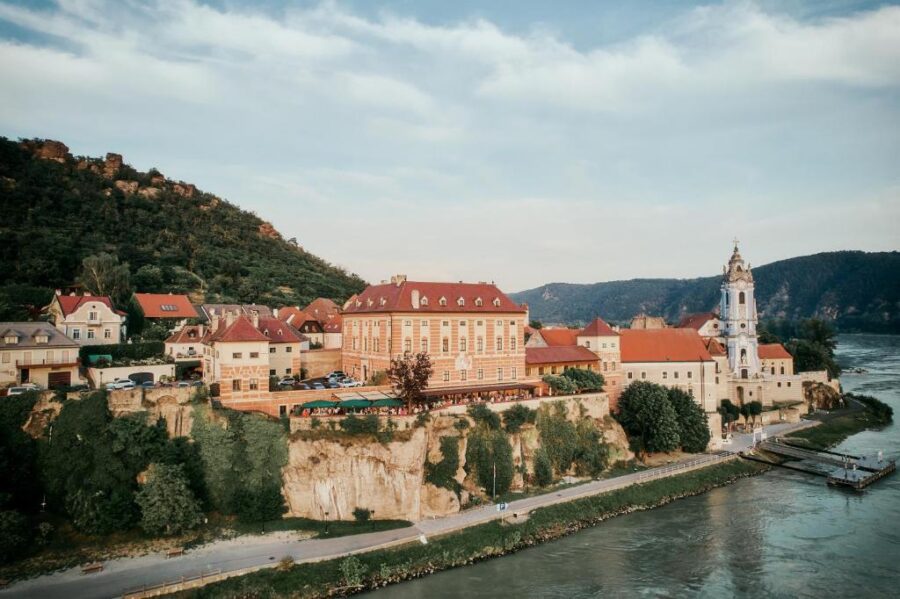
If old-world elegance is your thing, you’ll want to check out Hotel Schloss Dürnstein, a 17th-century castle turned five-star hideaway above the Danube. The dining terrace has river views that rival the interiors and quiet courtyards. You can step out and wander the town’s medieval lanes right from the front door.
Just upriver in Krems, the Steigenberger Hotel & Spa Krems offers modern rooms, outdoor pools, and a spa perched above the vineyards—perfect for lingering after a day of cycling or wine tasting.
Historic hotels like the Renaissancehotel Raffelsberger Hof blend period charm with friendly hospitality. Rooms tell stories of centuries past but feel cozy and current. Fine dining, local wines, and Danube cliff views round out the experience.
Boutique Stays and Family-Run Gems

If you’re after a personal touch, family-run and boutique hotels deliver that “welcome home” feeling. Hotel Unter den Linden in Krems offers Viennese-style comfort with a relaxed vibe—just right after a day hitting galleries or the local Kunstmeile.
In Spitz, the Boutiquehotel Weinspitz has sleek terrace suites surrounded by vineyards. It’s a hideaway made for slow mornings and long evenings on the balcony with a glass of Grüner Veltliner.
Down the valley, Hotel-Restaurant Kirchenwirt in Weißenkirchen pairs regional cooking with rustic rooms. And Hotel Richard Löwenherz, a former convent, combines calm monasterial architecture and manicured gardens. These smaller inns really show off the Wachau spirit—local, unhurried, and warm.
Riverside and Vineyard Hotels

If water or wine tops your list, go for a riverside or vineyard stay. The Gartenhotel & Weingut Pfeffel in Dürnstein mixes a spa hotel with a working winery, so you can unwind in the penthouse sauna before sampling estate wines. Their wellness and wine offerings are worth a look for a true Wachau experience.
For something central in Melk, the Hotel Zur Post is just steps from the abbey—super handy for Danube ferries. Breakfast here often features local jams and pastries that taste like they came straight from the market.
Hotels like Landhotel Wachau and Hotel Wachau near Emmersdorf have quiet rooms close to ferry crossings, while Hotel Donauhof charms with terrace cafés facing the river’s evening glow. Whether you’re sipping wine among the vines or watching boats glide by, both styles let you settle into Wachau’s easy rhythm.
Unique Accommodation Experiences
In the Wachau Valley, where you stay is part of the adventure. Vineyards host guests like old friends, castles have become hotels, and riverside lodgings cater to cyclists rolling through the Danube trails.
Winery Stays in the Wachau Region

There’s nothing quite like waking up surrounded by green vineyards and the scent of freshly pressed grapes. Local wineries, like MALAT Weingut und Hotel, blend modern comfort with the pulse of wine country. Wander down to the cellar for a tasting, or join the harvest if you’re lucky with timing. It’s that quiet kind of luxury—watching mist drift off the hills, glass of Grüner Veltliner in hand.
Staying at a vineyard lets you meet the folks who actually grow the wine you’ll find all over Austria. Some places double as small farms, serving up fruit jams and apricot schnapps made right there. If you’re into cozy, personal spots, these guesthouses easily beat big hotels. You can browse more options and reviews of vineyard retreats through Wachau Boutique Family Hotels, which highlight authentic, wine-focused stays.
One tip—bring walking shoes. Vineyards near Weissenkirchen or Spitz are perfect for slow strolls between the rows at sunset.
Stay in a Castle or Historic Manor

The Wachau Valley has castles that mix centuries-old history with modern comfort, often perched high above the Danube as it winds below. Hotel Schloss Dürnstein stands out—a 17th-century castle overlooking the river. Guests sleep under vaulted ceilings and step onto stone terraces where nobles once strolled. You can sense the age in the walls, but there’s plenty of warmth from updated fixtures and those calm river views.
Staying in a castle is for anyone who loves atmosphere and a bit of old-world romance. Many manor hotels keep quirky original touches—painted ceilings, creaky doors, little nooks you’d never find in a modern hotel. But they’re not stuffy; breakfasts are often homey, coffee comes in mismatched cups, and the staff seem to genuinely care. For more options, check out Wachau Boutique Hotels—they focus on small estates with plenty of character.
If you walk near Dürnstein Castle, where Richard the Lionheart was once kept prisoner, you’ll feel how layered this area’s history really is.
Bike-Friendly and Adventure Hotels
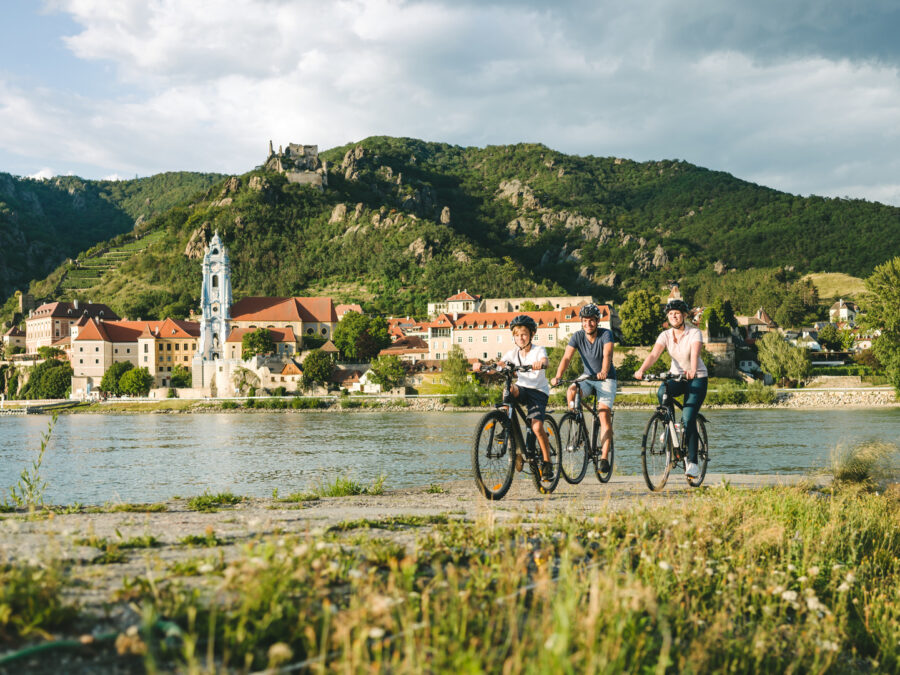
Cycling through the Wachau is half the fun. The Donauradweg—that’s the Danube Cycle Path—cuts right through the valley, and plenty of inns cater to riders. Expect bike storage, repair corners, and early breakfasts for those sunrise starts. Some places even rent electric bikes if you want help with the vineyard hills. For more ideas, peek at the Best 10 Wachau Valley Hotels (Luxury and Budget Friendly)—they list stays made for cyclists.
Adventurous types can mix rides with hiking or kayaking on the Danube. Lots of bike-friendly hotels double as outdoor hubs, arranging guides or wine tours on two wheels. I once stayed in a riverside pension near Melk—the owner handed me a bike map marked with her favorite apricot stands. That’s the kind of local touch that sticks with you.
Bring a bit of cash for winery pit stops—tasting rooms sometimes pop up right off the trail.
Choosing the Right Location for Your Itinerary
Picking your base in the Wachau Valley really depends on what matters most to you—proximity to landmarks, ease of getting around, and how deep you want to go into the region’s wine culture. Each village has its own rhythm, shaped by its spot along the Danube Valley and ties to Austria’s heritage.
Proximity to Top Attractions

If you’re drawn to historic landmarks, stay near Melk Abbey, a Baroque gem perched above the river. Melk’s quiet lanes make it easy to wander to the abbey or nearby cafés. Across the water, Emmersdorf offers peaceful abbey views without the crowds.
Further east, Dürnstein charms with medieval streets, vine-draped walls, and the ruins where Richard the Lionheart was held. It’s the kind of place to linger in after the day-trippers leave. And if you’re up for it, Göttweig Abbey—sometimes called the “Austrian Monte Cassino”—has views that stretch all the way toward Vienna.
For those who like a bit of structure, prebooking day tours and cultural excursions through sites like book attractions and tours can be worth it. You’ll save some planning time and might learn things you’d never spot wandering solo.
Accessibility and Transportation

Travel in this UNESCO World Heritage valley is a breeze once you get the hang of it. The Wachau Railway (Wachaubahn) links towns between Krems and Emmersdorf, and ferries cross the Danube all day. If you don’t want to drive, staying in Melk or Krems puts you close to trains and buses.
Cyclists will love the smooth, well-marked bike paths. I’ve biked from Melk to Spitz—about an hour of pure scenery, river on one side, vineyards on the other. If you’re flying in, look for cheap flight tickets to Vienna, then rent a car or hop a regional train to Melk.
From Melk, it’s easy to branch out to other Danube villages or join guided day trips with sightseeing day tours. Having flexible transport means you can see both big-name sights and the quiet corners most tourists skip.
Best Options for Wine Lovers
Wine tasting isn’t just an activity here—it’s a way of life. Terraced vineyards produce Grüner Veltliner and Riesling, and many family wineries welcome visitors. If you stay in Weißenkirchen or Spitz, you’re right beside working vineyards and those cozy “Heurigers”—local taverns where you sip crisp white wine just steps from the vines.
I once stayed at a guesthouse overlooking the vines in Spitz. Mornings started with fog over the river, afternoons with tastings down the lane. If that’s your vibe, look for wineries with rooms or bike paths that lead straight to cellar doors.
This is a place for slow travel. Spend an afternoon on two wheels, stop for tastings, and catch the ferry at dusk when the valley glows gold. It’s down-to-earth wine country, and every glass feels earned.
Family-Friendly Stays and Group Options
Families and groups find plenty of places in the Wachau Valley that focus on comfort and connection. From cozy family-run hotels along the Danube to bigger spots with free parking and breakfast, there’s something for every traveler. The region’s space, flexibility, and relaxed pace make it ideal for shared trips and slow days.
Hotels with Spacious Family Rooms

Lots of hotels are set up for multi-generation trips. For example, Hotel Unter den Linden in Krems offers roomy spaces for families, and there’s even a free stay for every 22nd guest—handy for big groups. Weingut Pfeffel Dürnstein, a family-run vineyard hotel, has a pool and spa parents love after a day of abbey visits.
If you’re on a budget, Jugendherberge Krems is simple but clean, with breakfast included. And when you’re traveling with kids, a short walk to the riverbank or playground is honestly worth more than a fancy suite.
Small tip: book early during summer festivals—family rooms go fast.
| Hotel | Family Capacity | Extras |
|---|---|---|
| Hotel Unter den Linden | Up to 5 per room | Free parking, breakfast |
| Weingut Pfeffel Dürnstein | Up to 4 per room | Spa, pool, Danube views |
| Jugendherberge Krems | Multi-bed rooms | Breakfast, budget rates |
Accommodations for Cyclists and Hikers

If you’re cycling the Danube Trail or hiking Wachau’s vineyards, it helps to stay somewhere that gets muddy shoes and tired legs. I’ve always liked Kolping Campus Krems—affordable rooms, easy parking, and staff who don’t mind if you wheel in your bike.
Lots of local inns offer small repair stations, laundry, and early breakfasts for outdoor types. Some even pack picnic baskets for day rides. You’ll also find family-run guesthouses tucked near Dürnstein with hiking maps at the desk and tips on quiet trails.
Even the simplest places have charm—ending a long ride with local wine in a shaded courtyard just hits different.
Pet-Friendly and Relaxed Retreats

Traveling with pets in the Wachau is easier than you’d expect. The valley’s relaxed pace suits dogs and their people. Places like Hotel Orange Wings Krems allow pets and include free parking, which is rare by the river. These practical perks let you focus on what matters—morning walks along the Danube or lazy afternoons in a café.
On past trips, I’ve stayed at smaller family-run hotels that welcomed pets with treats and simple ground-floor rooms opening straight to the garden. That’s the kind of hospitality big chains just don’t offer. Prefer self-catering? Browse Wachau family-friendly vacation rentals—most mark pet-friendly amenities clearly.
If you want slower days and freedom from strict routines, these relaxed retreats give everyone—kids, pups, whoever—space to breathe.
Local Tips for Booking Accommodation
Finding a good place to stay in the Wachau Valley takes a bit of planning. Rooms fill up fast during harvest and festival seasons, and every village has its own feel depending on location, Danube access, and proximity to vineyards or ferries. The most memorable stays are usually in smaller family-run inns where you meet the people who actually make the wine you’re drinking.
Best Time to Visit and Reserve
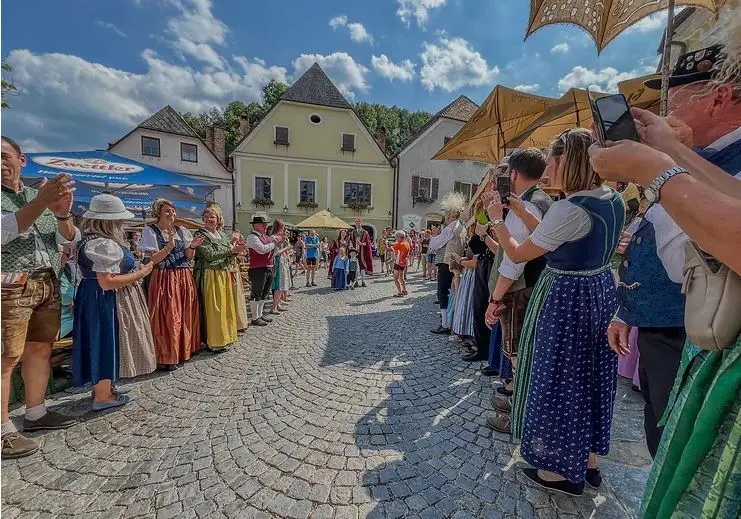
Spring through autumn is when the UNESCO World Heritage site comes alive. Late March brings apricot blossom—pale pink everywhere, for just a week or two. July is all about the Marillenkirtag, the apricot festival, with stalls full of schnapps and jam. Autumn draws in the wine crowd for grape harvest.
If you’re coming during those months, especially on weekends, book early. Many inns fill up six months ahead. In winter, things slow down, and you can find last-minute deals, though some ferries pause till April.
When you’re comparing options, check ferry and cycling routes along the Danube. Staying near Dürnstein or Spitz means easier access to both, plus those lovely, misty river mornings.
Authentic Wachau Hospitality

Traditional stays here come with a kind of genuine warmth—sometimes even a homemade apricot liqueur when you check in. Inns marked with the Best‑of‑Wachau seal are worth a look; they champion local food and keep regional traditions alive.
You’ll spot plenty of heuriger wine taverns tucked among the vineyards. Their schedules rotate, so you’ll want to ask your host which ones are actually open that night. Honestly, I’ve found that chatting with regulars at these spots leads to pours you’d never find outside Austria.
If you’re after a slower pace, try staying near the Marillenweg, a gentle walking path winding through orchards in Paudorf and Eggendorf. Early summer is especially nice—the air smells like fruit and fresh grass, and there’s not much noise.
Seasonal Events and Special Packages
Sometimes you’ll stumble on package deals tied to local events. During the grape harvest, vineyards roll out tastings that include a place to sleep, meals, and short wine tours. In spring, some guesthouses bundle stays with guided walks through apricot orchards. Hotels don’t always advertise these, so it pays to send a quick email and ask.
Ferries run from April through October—check Danube cruises for up-to-date schedules connecting villages across the river. Pair a crossing with a bike ride or dinner at a nearby wine tavern, if you’re up for it.
For festival weekends like the Marillenkirtag, you’ll want at least two nights. Booking local really helps—family-run inns often save a few rooms for return guests or folks who call instead of booking online.
Frequently Asked Questions
Traveling through the Wachau Valley always seems to spark the same questions—where to stay when the weather turns, how to be close to the main sights, and whether the smaller inns or family-run places are worth the detour. Each bend of this Danube stretch has its own feel, and honestly, picking the right spot can make or break your trip.
What are the top-rated hotels in the Wachau Valley for a winter stay?
Winter in Wachau feels cozy and hushed, with fewer people and a bit of mist curling over the vineyards. If you want comfort and a dash of old-world charm, Hotel Richard Löwenherz in Dürnstein stands out for its history and Danube views. The rooms aren’t flashy, but they’re warm and inviting when it’s cold outside.
If you lean modern, mid-range places in Melk and Emmersdorf like Wachauerhof offer convenience without losing character. You’ll also see boutique hotels and guesthouses in travel guides such as VacayWork’s Wachau Valley guide, with picks personally tested by travelers.
Which locations within the Wachau Valley offer the most convenient access to major attractions?
If you want to be close to sights like Melk Abbey or the Dürnstein ruins, staying in or near Melk or Dürnstein is just easier. Both villages sit near bus routes, boat docks, and the scenic Wachaubahn railway.
Melk is especially handy if you’re coming by train or just like to walk everywhere. The abbey, riverside paths, and town square are all just a few minutes away. Dürnstein is hard to beat if you want to step straight from your hotel into medieval lanes and vineyard trails—something people mention a lot in Rick Steves’ travel forum.
What are the best options for family-friendly stays in the Wachau Valley?
Families usually prefer Melk or Emmersdorf, since there’s more space and parking than in the smaller villages. You’ll find practical guesthouses and small hotels with playgrounds or larger rooms—nothing too fancy, but they work.
From what I’ve seen, kids get restless in stuffy hotels, so riverside cabins or modest pensions are often a better fit. Wachau guesthouses often serve breakfast with local produce—apricot jam, fresh rolls, sometimes homemade juice—that kids actually eat.
How does the experience of staying in Wachau Valley differ throughout the seasons?
Every season brings its own mood. Spring wakes up the vineyards, and cycling paths fill with life. Summer is lively—great for Danube swims—but it gets busy, so booking ahead really matters.
Autumn is calm and golden, with harvest time in full swing and wine tastings everywhere. Winter slows everything down. The valley turns misty and quiet, perfect if you want peace and a little low-key sightseeing instead of festivals and crowded cafés.
Definitely! In tiny villages like Weißenkirchen or Spitz, you’ll stumble across family-run inns hidden behind vineyards—places you won’t see on the big booking platforms. These spots usually offer stunning views and a slower, more authentic village pace.
Cottages and small B&Bs listed in the Austria Direct travel guide let you stay closer to locals and the landscape, far away from crowds and nightlife. Honestly, sometimes the best places just pop up when you’re driving through without a plan—someone’s extra room might end up being your favorite travel memory.