
Last modified August 17, 2026
Milos is Greece’s secret weapon in the Cyclades, where lunar-white beaches meet technicolor cliffs and traditional fishing villages still feel refreshingly real. Unlike its crowded neighbors, this volcanic island rewards you with dramatic landscapes and authentic charm—minus the selfie stick traffic jams.
The best place to stay in Milos really depends on your travel style: Adamas is convenient and lively as the main port, Pollonia brings upscale beach resort vibes (great for families), and Plaka delivers romantic hilltop views in a car-free village. You’ll also find quirky options like converted fishermen’s boathouses in Klima, where you can literally hear the waves at your doorstep.
Accommodation choice matters more here than on other Greek islands. Milos sprawls across distinct zones, each with different access to beaches, restaurants, and those killer sunsets. Get this wrong and you’ll spend half your trip in transit; get it right and you’ll have the kind of Greek island experience people daydream about.
Key Takeaways
- Adamas is best if you’re skipping the rental car and want easy boat tour access
- Pollonia and Plaka offer the most romantic and family-friendly vibes with better hotels
- Book near your top priorities—Milos’ dramatic beaches are far-flung
Choosing Where to Stay in Milos: Key Factors
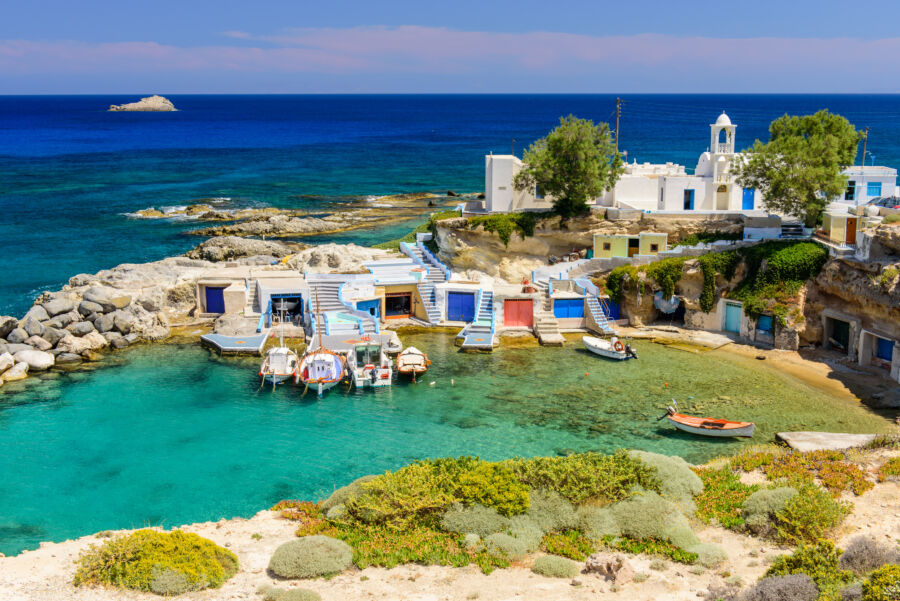
Where you base yourself in Milos hinges on whether you have a car, your travel style, and the fact that accommodations are spread across small villages instead of one big resort strip. Here, logistics matter more than on islands with a single main town.
Best Places to Stay in Milos for Convenience
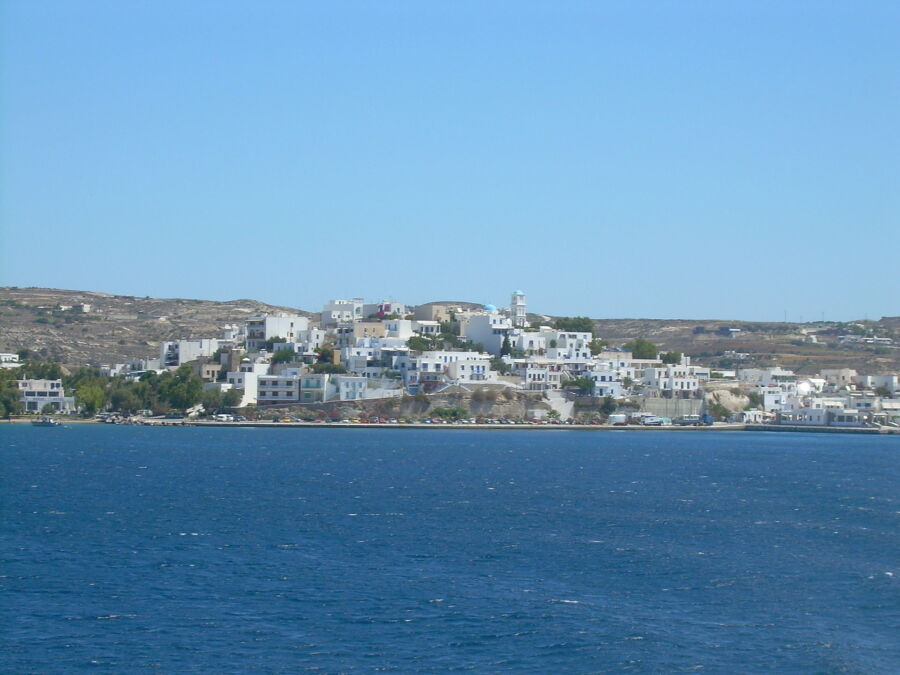
Adamas is hands-down the easiest home base if you want to walk everywhere. It’s the main port and the hub for the island’s bus system, so you can actually get around without blowing your budget on taxis or rentals.
The village wraps around a massive natural harbor with two sandy beaches (Lagada and Papakinou) right in town. You’ll find the highest concentration of restaurants, shops, and tour operators here. All the boat tours to Kleftiko leave from the main dock in Adamas.
Pollonia comes in second for convenience, especially for families and couples who want a more relaxed vibe. It’s smaller than Adamas but still has plenty of restaurants and a proper sandy beach. The village sits on the northeast corner of the island, about 20 minutes by car from Adamas.
One thing Pollonia has going for it is the ferry to Kimolos, which leaves right from the village pier. If you’re planning day trips to that neighboring island, Pollonia saves you a lot of driving.
Choosing Accommodation Without a Car
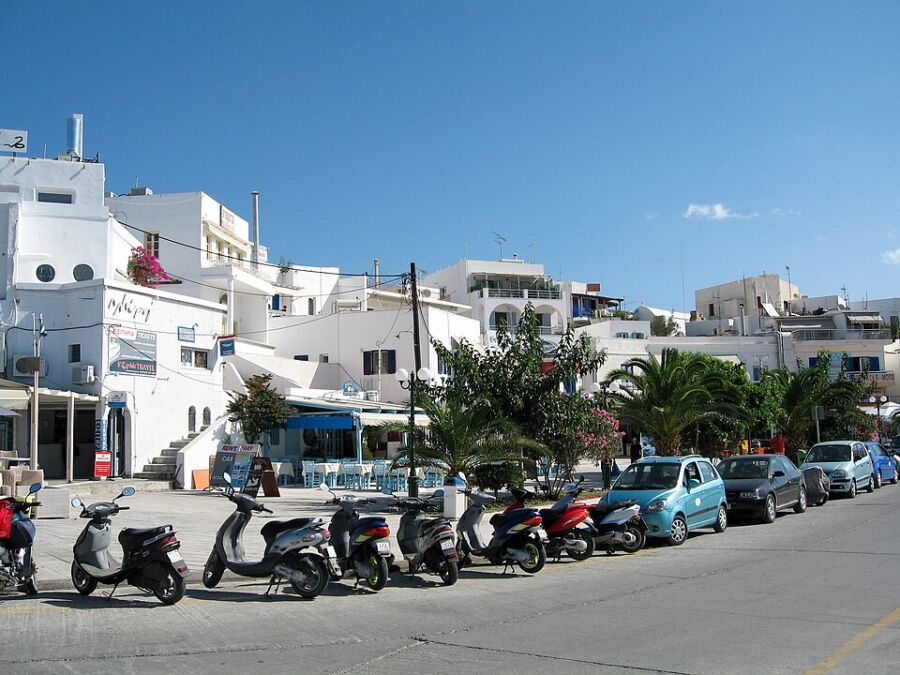
If you’re visiting Milos without a car, you really need to stay in Adamas. It’s the only spot that makes sense logistically.
All the island’s bus routes start and end at the Adamas terminal. You can catch buses to Plaka, Pollonia, and the big-name south coast beaches like Firiplaka and Paliochori. The buses aren’t super frequent (especially outside summer), but at least they exist.
But without a car, you’ll have a tough time reaching Sarakiniko (the famous moon-like beach), most of the west coast, and the colorful fishing villages like Klima. For those, you’ll need to book tours or grab a taxi.
If you stay anywhere besides Adamas without a car, you’ll basically be stuck in that village. Plaka is gorgeous, but you’ll be hiking down steep paths to get anywhere. Pollonia is out on the far end of the island with minimal bus service.
Travel Styles: Couples, Families, Solo Travelers
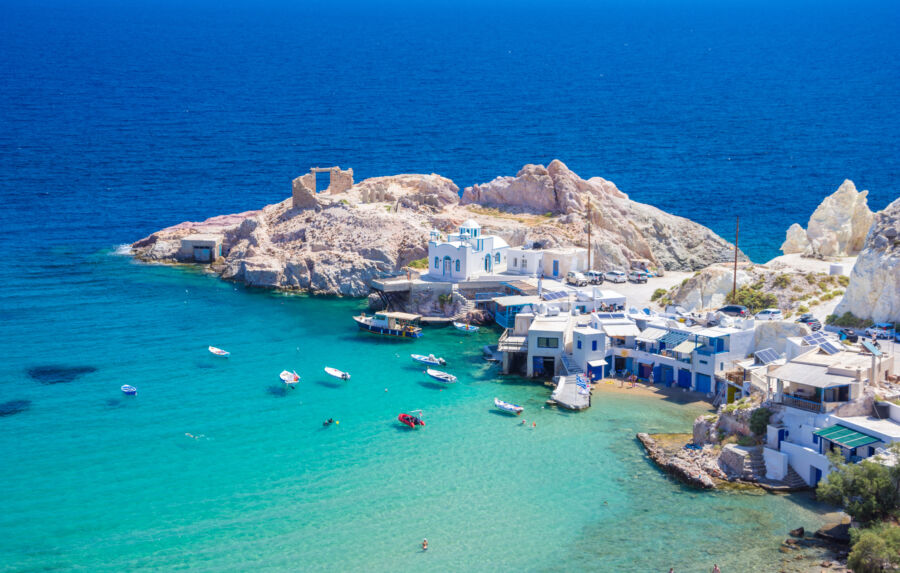
Couples do best in Pollonia or Plaka. Pollonia has the island’s top luxury hotels and chic waterfront dining—it’s the romantic choice if you want a resort feel. Plaka gives you that classic Greek island atmosphere: whitewashed alleys, sunset cocktails, and a bit of magic.
For something truly unique, rent a converted syrma (boat garage) in Klima. You’ll sleep right on the water in a colorful little building where fishermen once stored their boats. But just know—it’s isolated at night.
Families with young kids should head for Pollonia. The beach is shallow and calm, with actual shade from tamarisk trees (not common on Greek beaches). There’s a playground right on the sand, and parents can grab lunch at the waterfront tavernas while keeping an eye on the kids.
Adamas works better for families with teenagers who want more action and variety. It’s the jumping-off point for boat tours and adventure beaches.
Solo travelers usually gravitate toward Adamas for the social scene and ease of meeting people at the harbor bars. It’s also the most practical base if you’re exploring independently on buses.
Understanding Milos’ Villages vs. Beaches
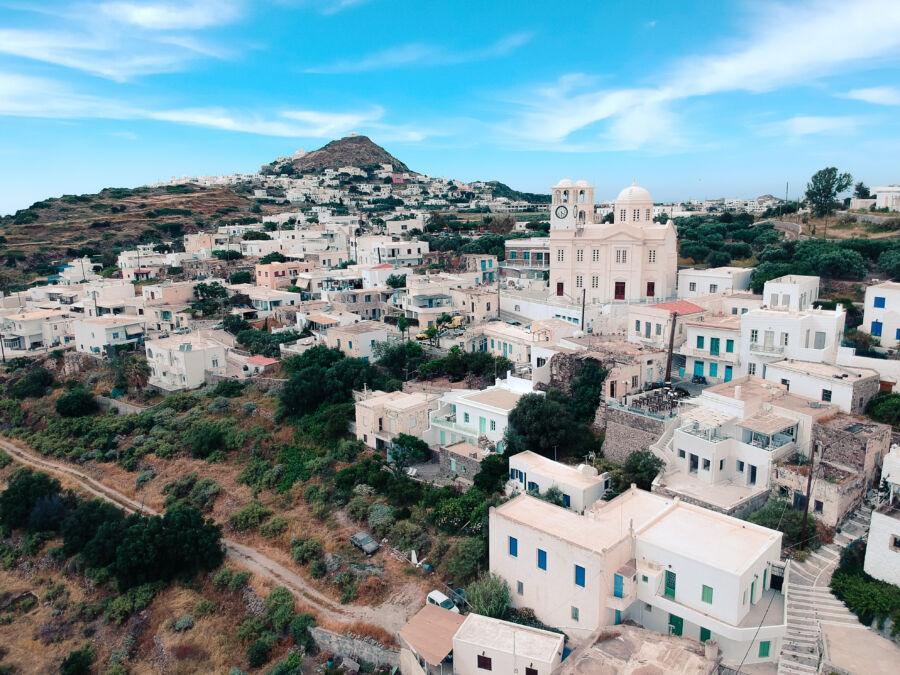
Here’s the thing about Milos: unlike islands with one main town and all the hotels, this place is spread out. You’ve got distinct villages, each with its own personality, and the famous beaches are scattered all over.
The main villages for tourists:
- Adamas – busy port town, most restaurants and shops
- Pollonia – upscale resort village with a sandy beach
- Plaka – hilltop capital with sunset views, mostly car-free
- Klima – tiny fishing village famous for colorful boat houses
- Trypiti – quiet hillside village next to Plaka
The beaches you see in photos (Sarakiniko, Firiplaka, Tsigrado, Kleftiko) aren’t near hotels. They’re wild, jaw-dropping spots you travel to for the day. That’s different from islands where you pick a beach and stay at a resort right there.
A few exceptions exist—you can stay directly on the beach at Paliochori on the south coast, or in the syrmata right on the water in Klima and Mandrakia. But most people pick a village base and drive or boat to different beaches each day.
Best Areas to Stay in Milos: Towns and Villages

Milos is split among several distinct villages, each with its own vibe and appeal. Where you stay depends on whether you want convenience, beach access, traditional architecture, or something a little different.
Adamas: Port Town with Vibrant Nightlife

Adamas (sometimes called Adamantas) is where most ferries dock and where the island’s energy centers. The town wraps around a massive natural harbor—one of the Mediterranean’s biggest.
You’ll find two sandy beaches right in town. Lagada Beach sits on the northern edge with shallow water and a few tavernas. Papakinou Beach anchors the southern side with more organized facilities and the excellent O! Hamos! restaurant.
If you’re skipping a car, this is your base. The main bus station sits right in town, connecting you to Plaka, Pollonia, and southern beaches. Boat tours to Kleftiko leave from the main dock every morning.
The nightlife here beats anywhere else on the island. Waterfront bars like Fiki Cocktail Bar and Akri stay open late, and the harbor promenade buzzes most summer evenings. You’ll also find the Mining Museum here if you’re curious about the island’s volcanic roots.
Best hotels in Adamas: Santa Maria Luxury Suites & Spa for luxury, Hotel Eleni for budget-friendly stays.
Pollonia: Seaside Charm & Boutiques

Pollonia sits on the opposite end of the island from Adamas, about 12 km northeast. This fishing village-turned-upscale resort offers the most refined beach experience on Milos.
The main beach runs along the bay, shaded by tamarisk trees. The water stays shallow for a long way out, making it a dream for young kids. There’s a small playground right on the sand.
Pollonia’s restaurant scene is a highlight. Fresh fish arrives daily at waterfront tavernas like Enalion and Armenaki. You can watch the fishing boats roll in while you eat. The Kostantakis Winery just outside town is perfect if you want to try local wines.
Milos Breeze Boutique Hotel and White Pebble Suites are two of the newer luxury properties, mostly perched on the Pelekouda Peninsula north of the main beach. These spots offer sunset views and rocky swimming coves.
The ferry to Kimolos island leaves from Pollonia’s pier. It’s a 20–30 minute crossing—most people skip it, but Kimolos has some of the best uncrowded beaches in the Cyclades.
Plaka: Hilltop Capital & Cycladic Heritage
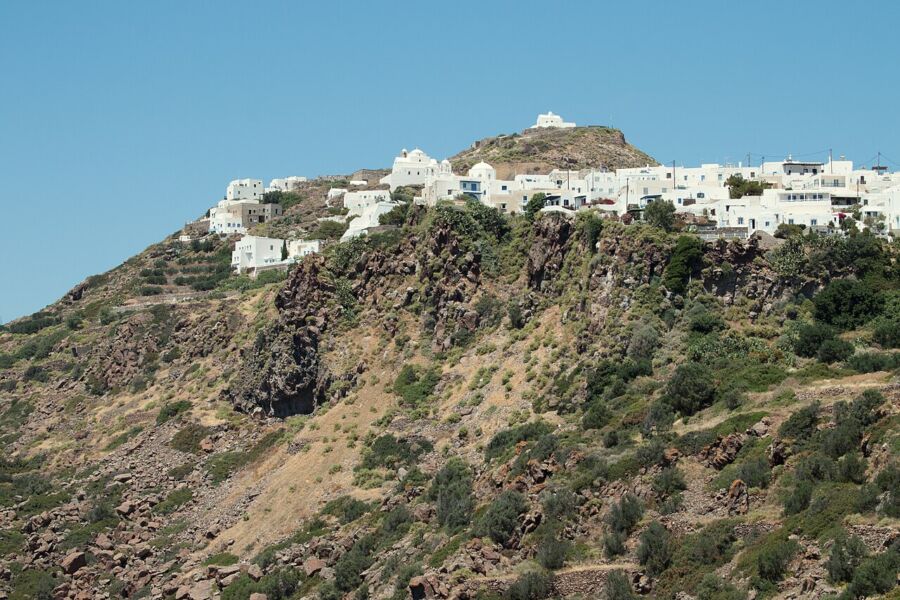
Plaka Milos perches on a hill about 220 meters up. As the island’s capital, it’s got that classic white-washed Cycladic village vibe you see in all the postcards.
The center is car-free, with narrow pedestrian lanes winding past squares and churches. You’ll have to walk uphill to reach most hotels and restaurants, so if you’ve got heavy luggage or mobility issues, it’s a challenge.
Sunset views from the Kastro (castle ruins) at the top are the best on the island. Get there early—it fills up fast. Utopia Caffe and Verina Cocktail Bar both serve drinks with views, though you’ll need reservations at Utopia in summer.
Plaka and Trypiti blend together, really. Most people staying in Plaka rent a car because you can’t easily walk down to beaches. Still, the atmosphere up here is tough to beat, especially for couples.
You’ll find boutique shops, art galleries, and some excellent restaurants like Mavros Xoiro and Avli-Milos.
Klima: Colorful Fisherman’s Houses
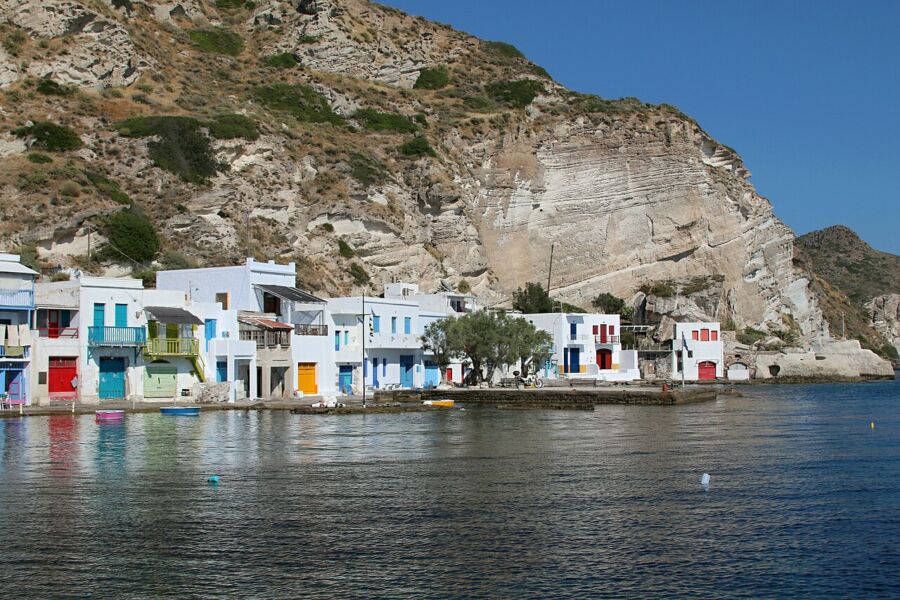
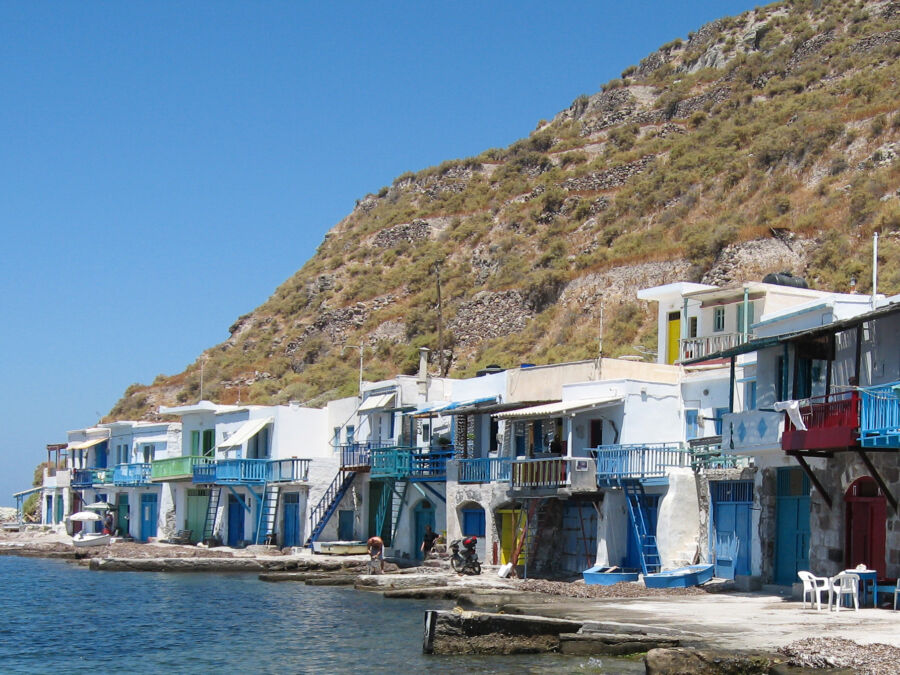
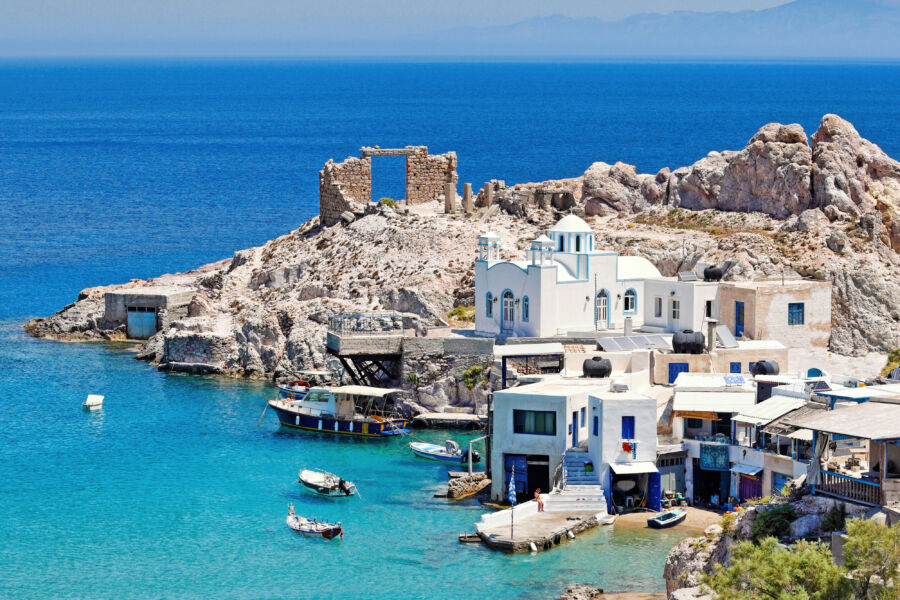
Klima is that spot you’ve seen in photos with the colorful boat houses right on the water. These traditional syrmata were built by fishermen to store boats below, with simple living quarters above.
Many syrmata have turned into unique vacation rentals. If you stay here, you’ll sleep about three meters from the sea, with waves lapping at your door. Elephant Beach House and Thalassa Beach House are two popular options.
But there’s a catch. Klima has just one tiny shop and one restaurant. At night, it’s quiet and dark, and you’ll need to drive up to Plaka or elsewhere for dinner. The constant sound of water hitting the rocks isn’t for everyone.
The photo ops are unreal, though. You can swim straight from your accommodation, and sunrise from a syrma bedroom is something special.
Mandrakia & Firopotamos: Hidden Gems
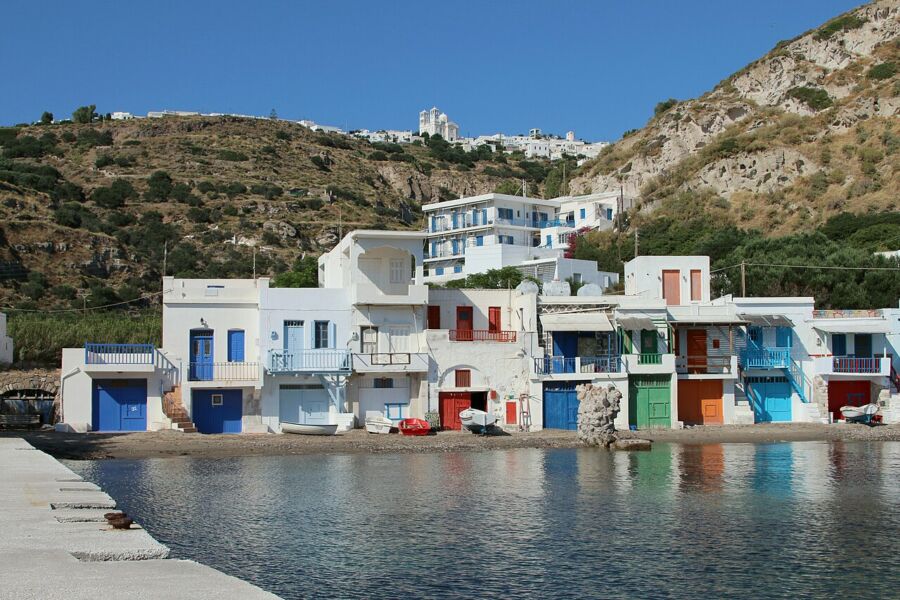
These two tiny fishing hamlets offer an even more secluded version of what Klima has. Both have colorful syrmata and crystal-clear swimming coves.
Mandrakia faces north and feels a bit more rugged. The village is just a handful of boat houses squeezed into a rocky cove. There’s one excellent taverna called Medusa—locals actually drive here for Sunday lunch. Swimming is off rocks, not sand.
Firopotamos sits just west of Mandrakia and has a tiny pebble beach between the boat houses. The turquoise water and white rocks look stunning against the colorful doors. It’s more sheltered than Mandrakia and a bit less remote.
Neither village has traditional hotels, but you might find a syrma rental on Airbnb or Booking.com. Most people come here for day trips rather than overnight stays.
Trypiti: Archaeology and Unique Stays
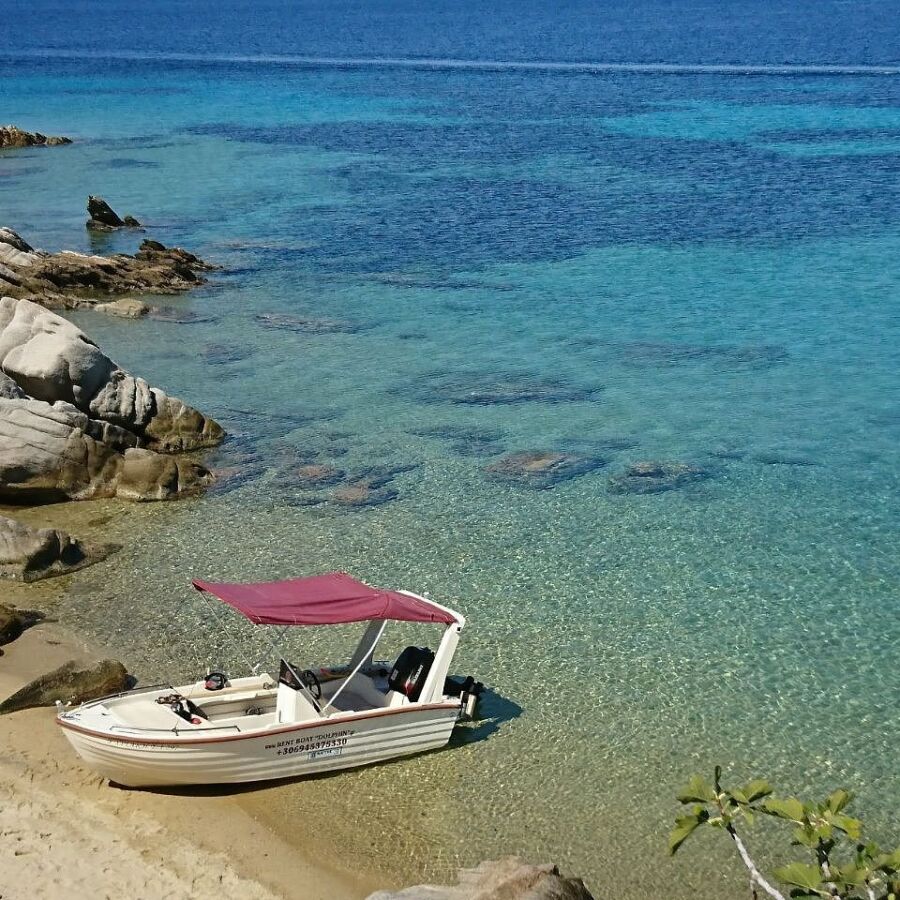
Trypiti connects directly to Plaka but feels quieter and more residential. This village sits above some of Milos’s most important archaeological sites.
You can walk to the ancient Roman Theater and Catacombs, and this is where the famous Venus de Milo statue was found in 1820. There’s a small sign marking the spot.
Trypiti stands out for its unique properties—some hotels and guesthouses are built into or around old captain’s mansions. The architecture feels a bit more substantial than your typical Cycladic cube houses.
Methismeni Politia is a standout restaurant right in Trypiti.
See Related: Most Stunning Churches in Greece to Visit
Beachfront Stays: Top Beaches and Surrounding Accommodation
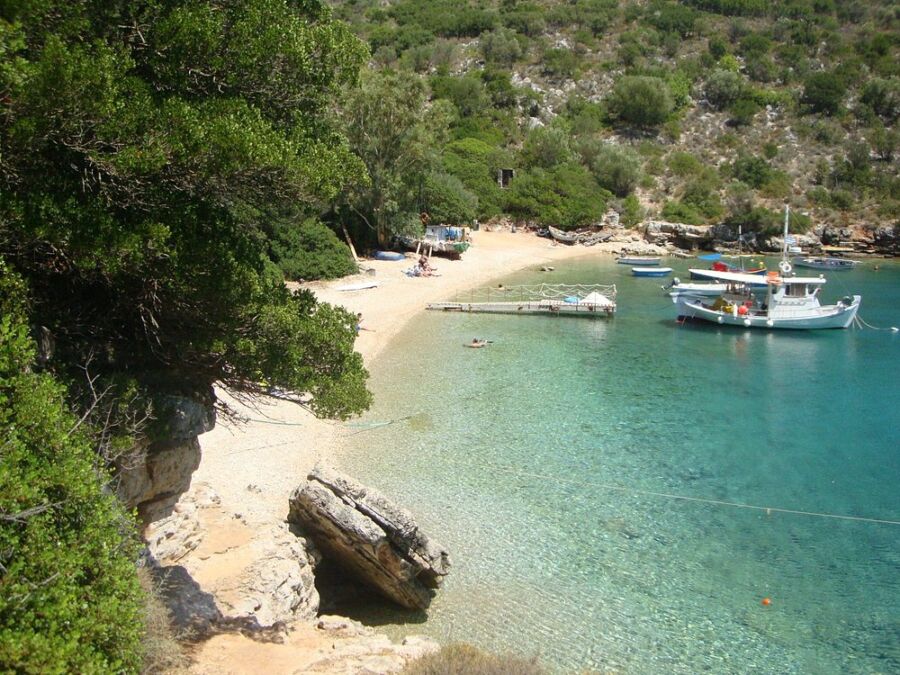
Milos has some of the wildest beaches in the Cyclades, from moon-like volcanic formations to warm, spring-fed sands. Finding a place right on the beach isn’t easy since most coastlines are protected or undeveloped, but staying nearby means you’ll have easy access to these natural wonders.
Sarakiniko Beach: Lunar Landscapes

Sarakiniko is the most photographed spot on Milos, and honestly, no photo does it justice. The white volcanic rock formations look like something from another planet—smooth, sculpted cliffs that glow under the Mediterranean sun.
You won’t find hotels right at Sarakiniko since it’s a protected natural site, but Pollonia is about 5 kilometers away and Adamas is just 4 kilometers. Stay in either town and you’ll be at Sarakiniko in under 10 minutes by car. Most folks head over in the morning or late afternoon to dodge the midday heat, since there’s absolutely no shade.
The “beach” here is tiny—a small patch of sand squeezed between the white rocks. People mostly come for the adventure: climbing around, jumping off the formations, and swimming in that unreal turquoise water. It’s not really a spot for lounging all day with a beach towel.
Paleochori: Colorful Sands and Hot Springs
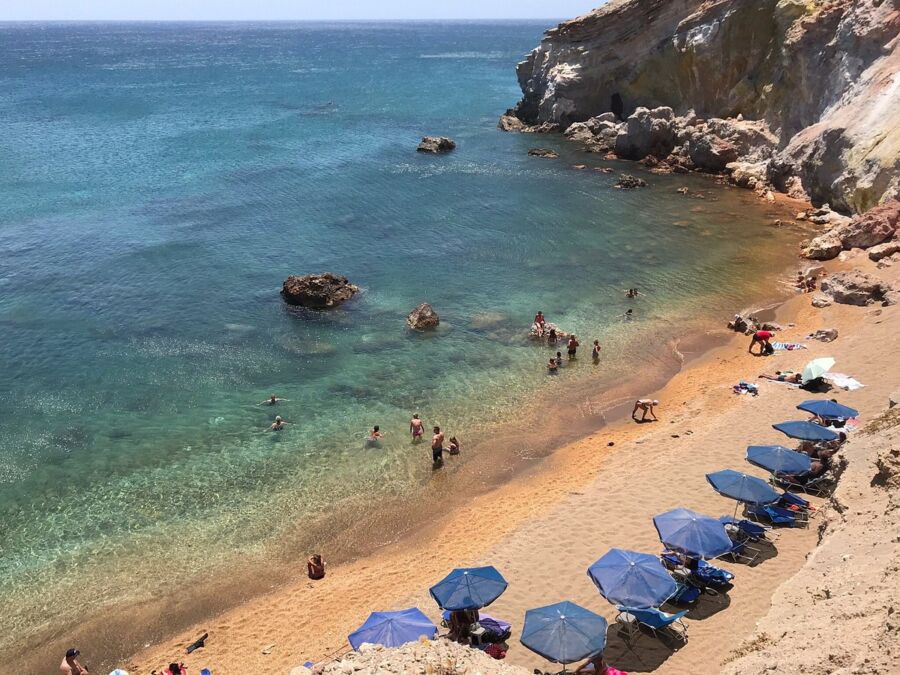
Paleochori (sometimes spelled Paliochori) is where you go if you want a classic beach holiday on Milos’s south coast. The sand shows off wild colors—red, orange, yellow—thanks to volcanic minerals, and the water stays warm because of underground hot springs.
This is one of the few organized beaches on Milos, with sunbeds, umbrellas, and a couple of tavernas right on the sand. The beach is about 300 meters long, so even in summer you can usually find a spot.
Accommodation near Paleochori is limited but has plenty of charm:
- Small guesthouses and rooms for rent in the village
- A handful of beach houses right on the sand
- Most are family-run and fill up fast in July and August
You’ll need a car since it’s a bit isolated from the main towns. Adamas is about 12 kilometers away, and the drive takes around 20 minutes along winding roads.
Plathiena Beach: Quiet Escapes
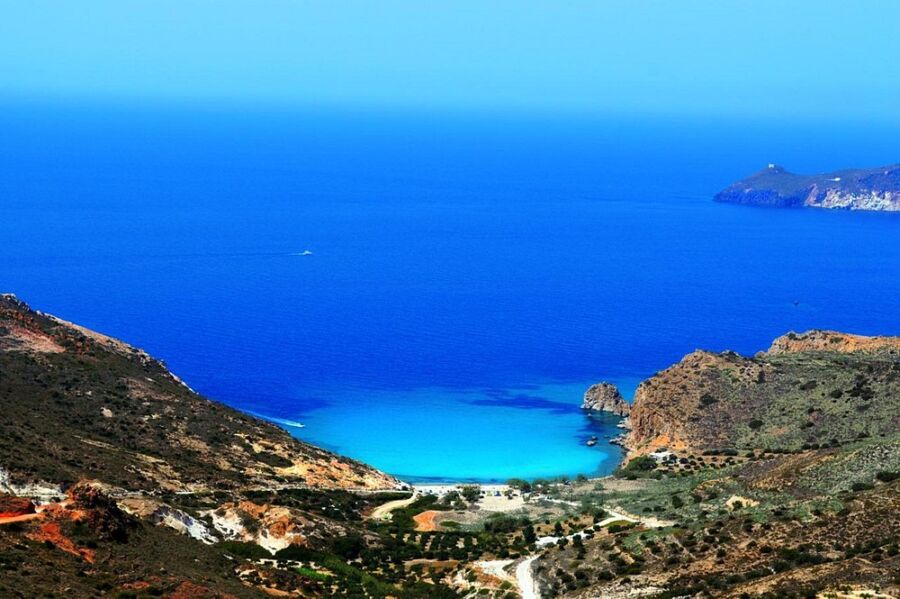
Plathiena is one of those beaches locals seem to love but tourists often skip. It stretches along the north coast between Plaka and Pollonia, with tamarisk trees lining the sand and providing some much-needed shade.
The place feels wild and untouched—no sunbeds, no tavernas, just sand and sea. When the north wind blows, the water gets choppy, but on calm days it’s perfect for swimming. Even in peak season, you might have big sections of the beach to yourself.
There’s no accommodation right on Plathiena, but if you’re staying in Pollonia (about 3 kilometers away) or Plaka (roughly 2 kilometers), you’re close. Both towns have plenty of hotels, and you can drive or even walk to the beach if you’re up for it.
Papafragas and Tsigrado: Adventurous Retreats
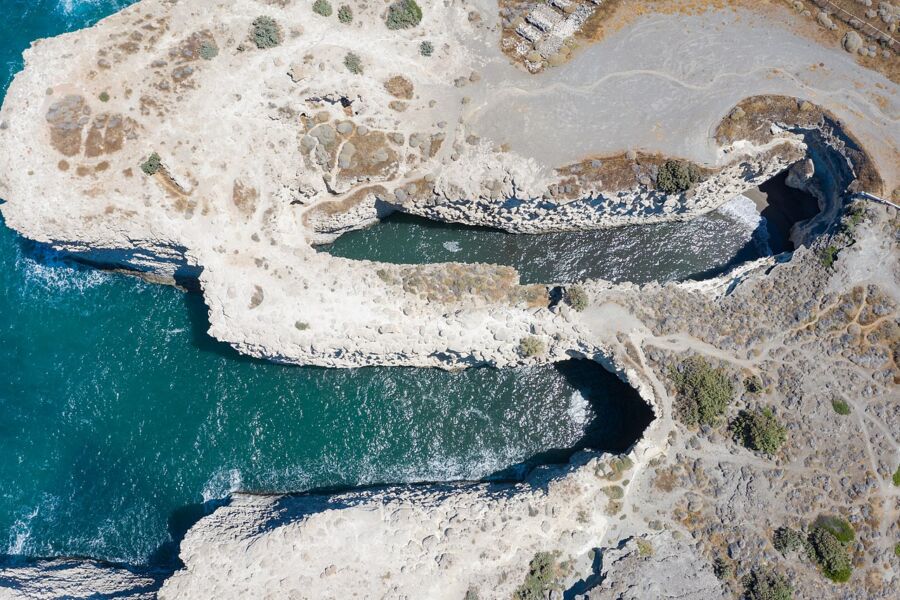
These two beaches attract travelers who don’t mind a bit of effort for some dramatic scenery.
Papafragas isn’t really a beach in the usual sense. It’s a narrow sea inlet carved between high rock walls, almost like a natural pool. The papafragas caves above the water are fun to explore if you’re comfortable with a bit of climbing. There’s barely any sand and not much space, so it gets crowded fast—early or late visits are best.
Tsigrado Beach means climbing down a wooden ladder built into the cliff. It’s not too tough, but if heights aren’t your thing or you’ve got little kids, maybe give it a miss. The reward is a small cove with golden sand and clear water surrounded by huge white cliffs. It’s gorgeous and usually less crowded since getting there takes some effort.
No hotels are nearby, so your best bet is to base yourself in Adamas, which is about 15 minutes away by car. Some people camp near these beaches, though technically that’s not allowed.
Unique Accommodation Experiences in Milos

Milos has some of the most distinctive places to stay in the Greek islands, from cave hotels carved into cliffs to converted windmills and old fishermen’s boathouses right on the water. Accommodations here go way beyond the standard hotel room, letting you sleep in buildings packed with history and character.
Traditional Cycladic Architecture

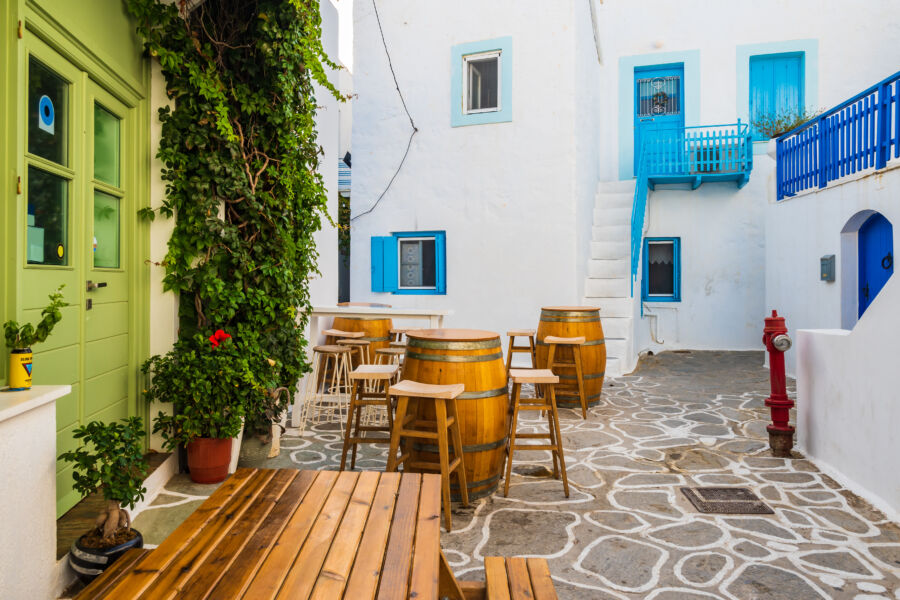
You know those white-washed buildings with blue trim you picture when you think of the Greek islands? That’s Cycladic architecture, and Milos is full of authentic places you can actually stay in.
These homes have thick stone walls that keep things cool during the day and cozy at night. Most have been lovingly restored, with original touches like arched doorways, wooden beams, and stone floors left intact. The small windows aren’t just for looks—they help protect against those wild Aegean winds.
Margaret’s Unique Apartment in Péran Triovasálos is in a traditional building but has modern soundproofing for comfort. It keeps the Cycladic look but adds air conditioning and a full kitchen. In Plaka, you’ll find guest houses tucked into the old town’s narrow streets, with architecture that’s been around for generations.
These places usually cost less than luxury hotels but offer a more genuine experience of how people have lived on Milos for centuries.
Luxury Milos Suites & Boutique Hotels
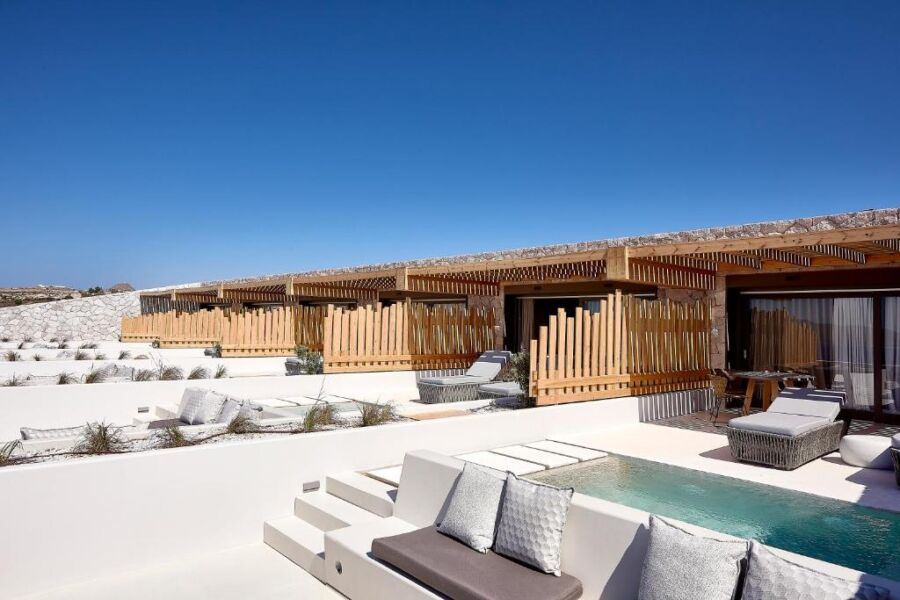
Lately, Milos has welcomed a wave of upscale places that blend sophisticated design with traditional style.
Cave Suites Milos in Adamas is one of the most elegant boutique hotels around. The property uses natural cave formations for unique stone features in every room, plus you get sea views, private terraces, and high-end touches like coffee machines and premium toiletries.
Melian Boutique Hotel & Spa in Pollonia is just 300 meters from the beach, with a fitness center, hot tub, and restaurant on site. Rooms come with minibars, coffee makers, and flat-screen TVs. There’s 24-hour front desk service and airport transfers to make your life easier.
Most boutique properties have fewer than 20 rooms, so you get personalized service and a quieter vibe than at big resorts.
Staying in Sirmata: Fishermen’s Boathouses
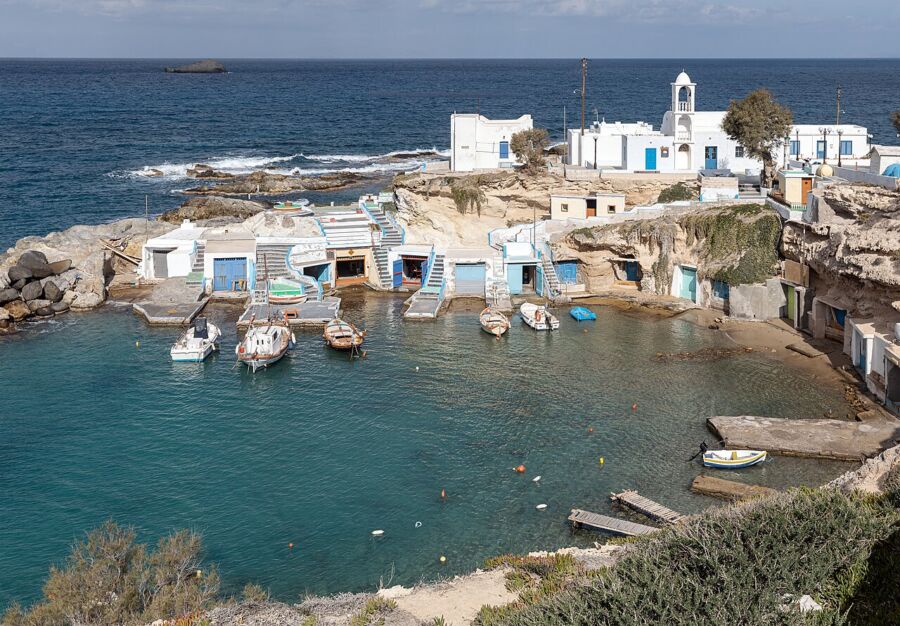
This is probably the most unusual place to stay on the island, and honestly one of the coolest.
Sirmata are traditional two-story boathouses where fishermen kept their boats on the ground floor and lived upstairs. You’ll spot clusters of these colorful buildings right at the water’s edge in Klima, Mandrakia, and Firopotamos. The doors are painted in bright blues, reds, greens, and yellows—definitely Instagram material.
Aerides Mandrakia Milos has turned one of these historic buildings into a holiday home just steps from Mandrakia Beach. You sleep right above where boats used to be stored, with the sea practically at your feet. The one-bedroom setup comes with a kitchenette, terrace, and that signature colorful door facing the water.
Not many sirmata are available to rent, so they book up quickly. These spots put you in tiny fishing villages away from the crowds, but you’ll need a car to reach restaurants and other beaches.
Windmill and Cave House Stays
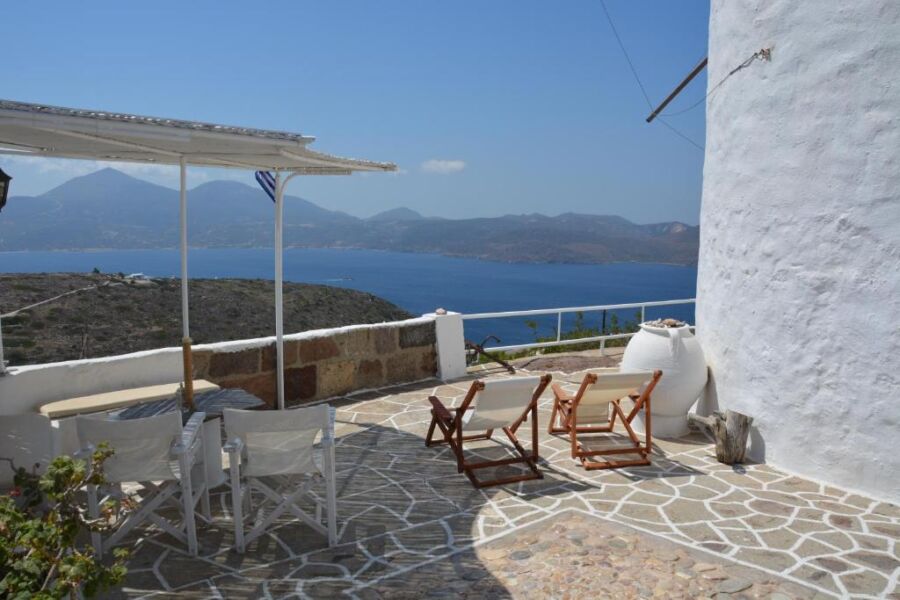
Milos has a handful of restored windmills that now serve as quirky rentals with killer views.
Milos Vaos Windmill in Plaka gives you the full windmill experience—two bedrooms, a kitchen, and mountain and sea views from different sides of the round building. Thick stone walls and an elevated spot mean you get amazing sunsets. Drougas’ Windmill, also in Plaka, is similar but adds a garden and barbecue area.
These windmills sit up on hilltops where they once caught the wind for grinding grain, so get ready for a bit of a walk to reach them. The round layout makes for unusual and memorable interiors.
Cave houses use Milos’s volcanic rock to their advantage. Some properties in Adamas are built into natural rock, using the earth itself for insulation. The Cave Suites mentioned earlier are the luxury version, but you’ll find simpler cave dwellings too. The temperature inside stays pretty steady, so you’re comfortable even on the hottest days without blasting the AC.
Getting to Milos and Transportation Tips
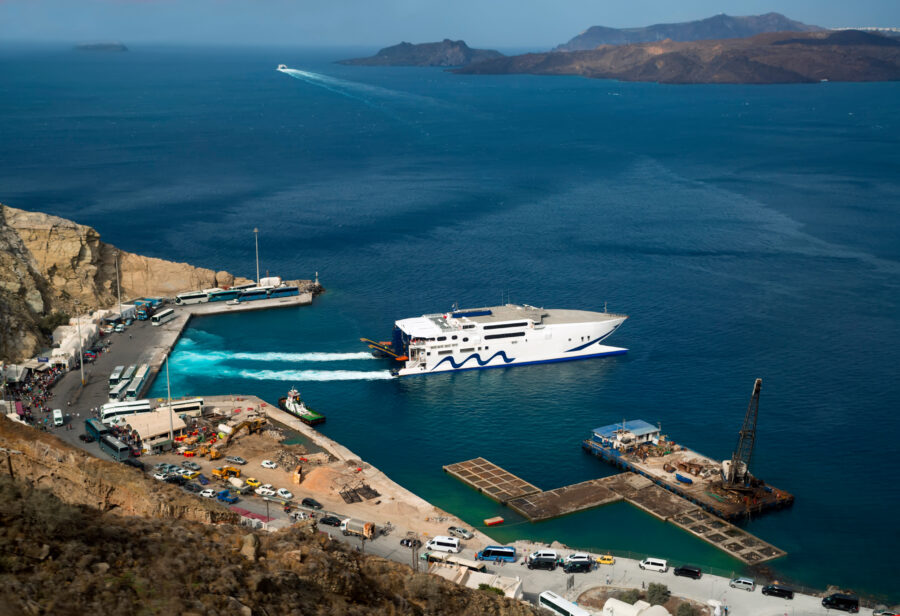
Milos is in the western Cyclades, and you can get there by ferry from Athens or a short flight. Once you arrive, getting around takes some planning because public transport is pretty limited.
Arriving by Ferry or Plane
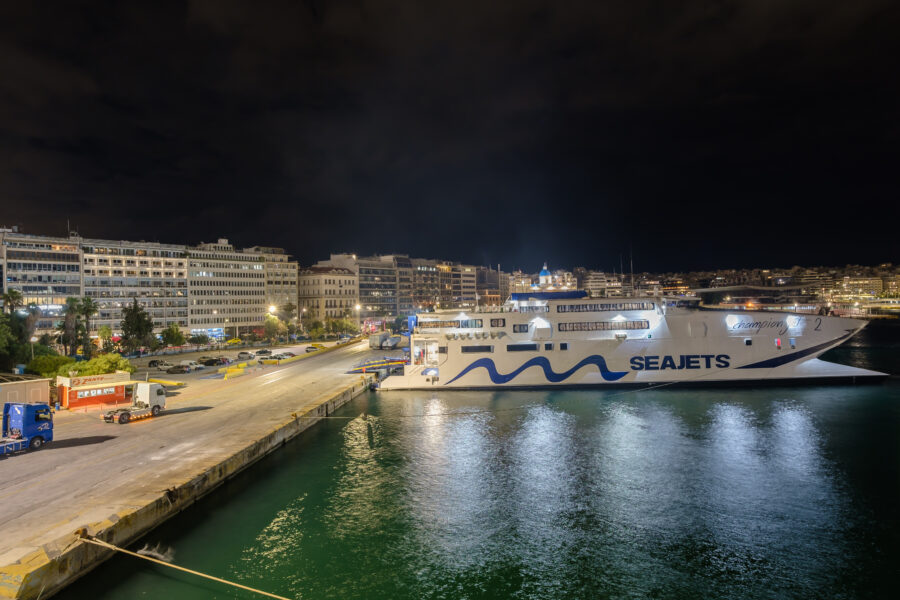
You’ve got two main ways to reach Milos from mainland Greece. Ferries leave from Piraeus Port in Athens and take between 3 to 7 hours, depending on whether you go high-speed or conventional. The ferry drops you right in Adamas, which is handy if you’re staying there.
Flying is quicker but costs more. Sky Express and Olympic Air both have flights from Athens that take about 40 minutes. The airport’s about 5 kilometers southeast of Adamas, and you’ll need a taxi or hotel transfer since there’s no airport bus.
Ferry Options from Athens:
- High-speed ferry: 3-4 hours
- Conventional ferry: 6-7 hours
- Peak season: Several departures daily
- Off-season: Usually 1-2 ferries per day
If you’re hopping between islands, ferries also connect Milos with Santorini, Mykonos, Kimolos, and more. In summer, book tickets ahead—they sell out fast.
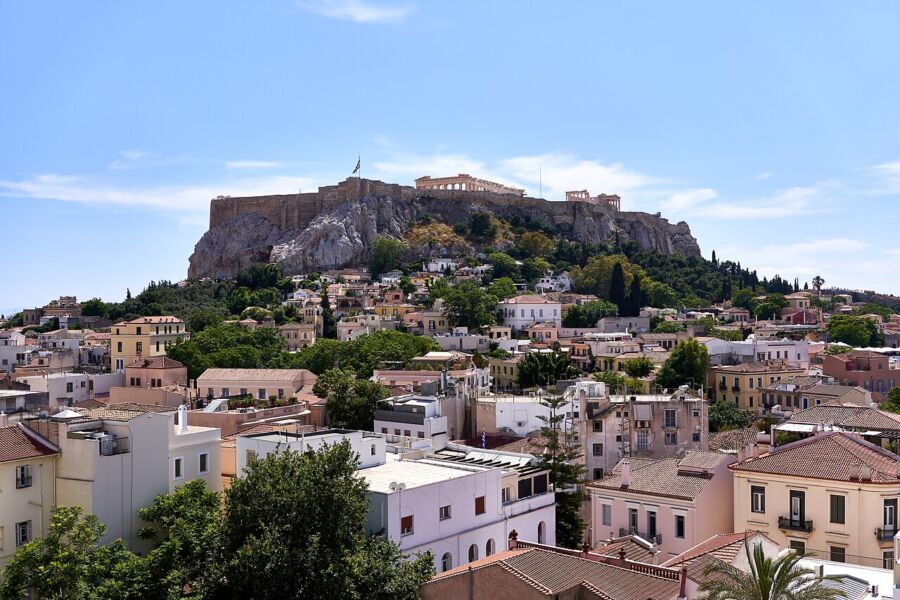
Getting around Milos without a car is possible, but honestly, it’s a bit of a hassle. The bus system has limited routes between Adamas, Plaka, Pollonia, and a few beaches in summer. Buses run about once an hour during peak season, and less often in spring and fall.
Transportation Options:
- Local bus: Limited routes, not very frequent
- Taxi: Available, but pricey for multiple trips
- Rental car/ATV: Most flexible, usually €30-50 per day
- Boat tours: Best way to reach remote beaches
Many of the most beautiful beaches—like Tsigrado and Kleftiko—are only accessible by boat or by hiking down steep paths. Staying in central spots like Adamas gives you easier access to boat tour operators.
Popular Island Hopping: Day Trip to Kimolos
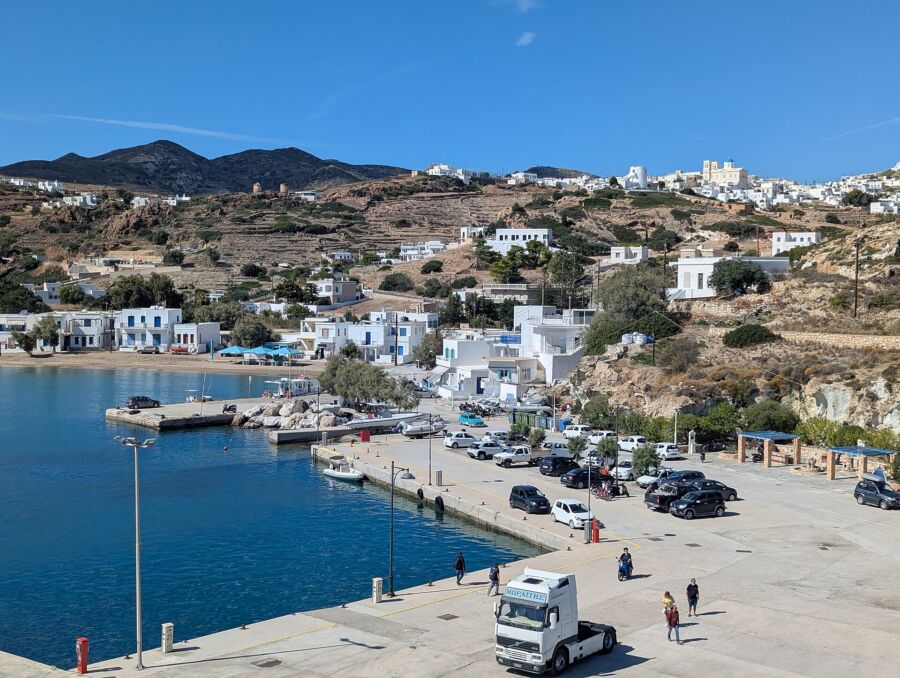
Kimolos sits just across a narrow channel from Pollonia, on Milos’s northeast tip. Small ferries make the 20-minute crossing several times a day in summer, so it’s an easy day trip.
The island feels untouched compared to busier Cycladic spots. You’ll find whitewashed villages, quiet beaches, and locals who still keep old traditions alive. Chorio, the main village, has winding marble-paved streets and a medieval castle area worth a wander.
Ferry tickets are about €6-8 each way, and you usually don’t need to book ahead except in August. The schedule gives you time to explore Kimolos and grab lunch before heading back. Prassa Beach on Kimolos has unique rock formations and calm water that’s perfect for a swim.
See Related: Most Famous Villas in Greece for Exclusive Aegean Hideaways
Must-See Attractions and Activities Near Your Stay
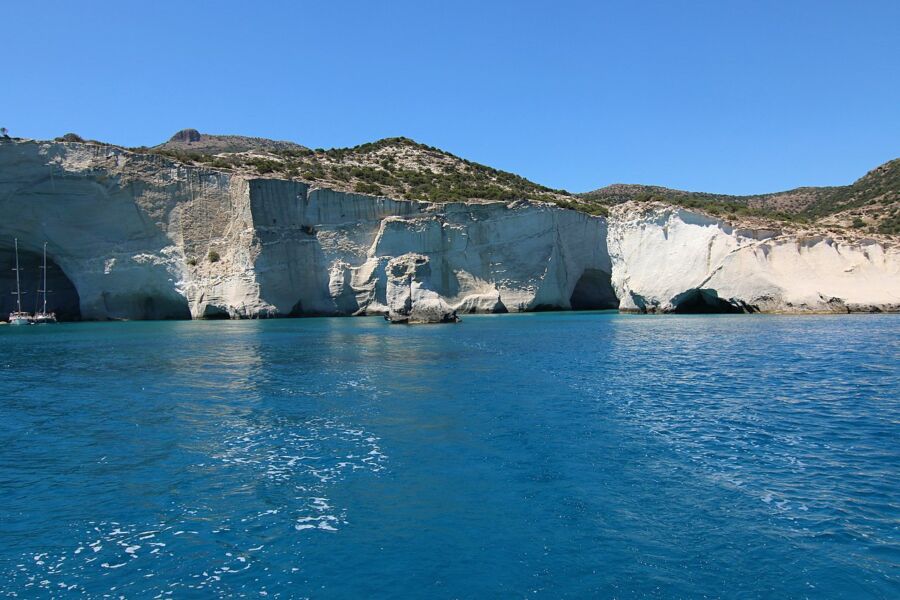
Milos is packed with natural wonders and historical sites, all easy to reach from wherever you’re staying. The island’s compact size means you’re never far from dramatic sea caves, ancient ruins, or villages that show off real Greek island life.
Boat Excursions: Exploring Kleftiko and the Caves
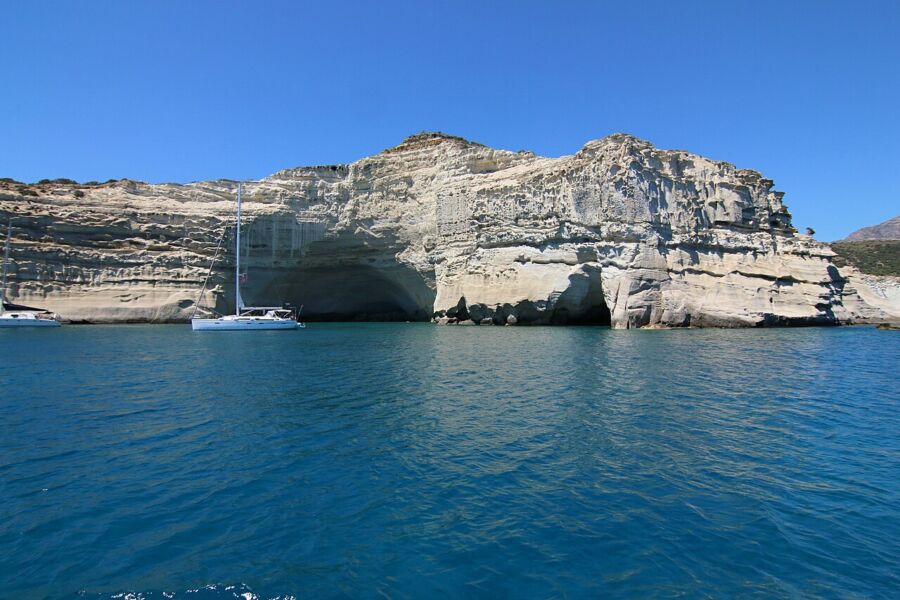
You really can’t visit Milos without taking a boat trip to Kleftiko, on the southwest coast. The towering white volcanic cliffs and rock formations rise straight out of turquoise water, creating sea caves and arches that you can only get to by boat.
Most tours leave from Adamas port between 9 and 11 AM. The trip takes about 90 minutes each way, and you’ll get time to swim through the caves and snap photos of the blinding white rock against the blue sea. Many tours also stop at Sikia Cave, where sunlight pours through a collapsed roof and lights up the water below.
Kleftiko caves were once a pirate hideout (the name means “thieves’ den”), and when you see the hidden coves, you get why. Tours usually cost €30-50 per person and include stops at other beaches like Tsigrado and Gerakas. Some operators offer sunset trips for golden-hour views and fewer crowds.
Cultural Sites: Catacombs, Ancient Theatre & Venus de Milo

The Catacombs of Milos sit just outside Trypiti village, where early Christians carved burial chambers into volcanic rock between the 1st and 5th centuries AD. You’ll find this site near where locals discovered the famous Venus de Milo statue in 1820—though the marble masterpiece now lives in the Louvre, a replica marks the spot.
Right next to the catacombs, you can wander through the ancient Roman theatre that once held 7,000 spectators. The stone seats are mostly intact, and you get sweeping views across the bay toward Klima’s colorful boat houses. Entry costs about €4 and covers both sites.
In Plaka, the island’s capital, Panagia Korfiatissa church crowns the hilltop near the Venetian castle ruins. The small, whitewashed chapel offers panoramic views across the island. It’s especially popular at sunset, when the light turns everything golden.
Top Museums, Villages, and Local Events
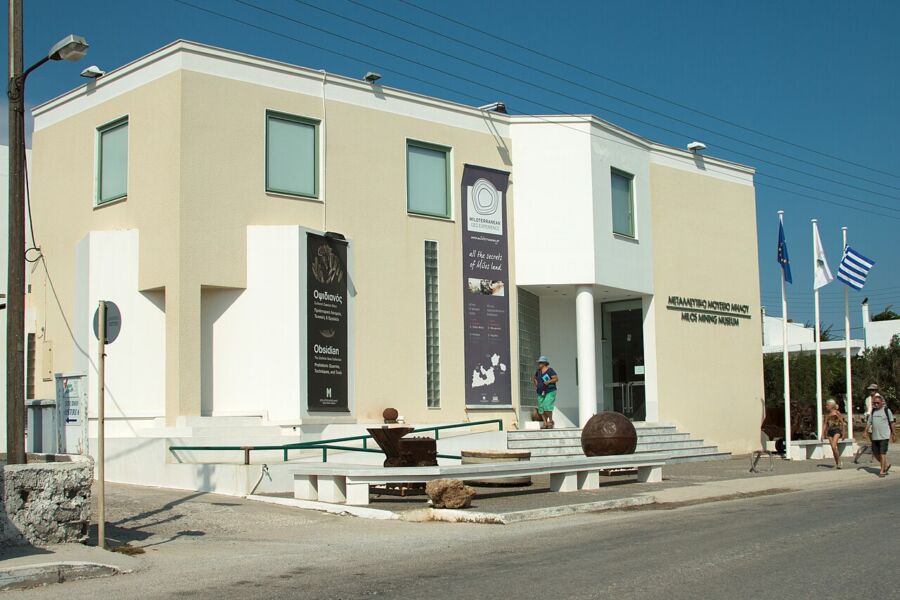
The Milos Mining Museum in Adamas tells the story of the island’s 11,000-year mining history with exhibits of minerals, tools, and old photos. Milos supplied obsidian to ancient civilizations, and later became known for sulfur, manganese, and barite extraction. The museum usually opens in the mornings and costs €3 to enter.
Traditional villages are worth exploring beyond just where you’re staying. Klima’s colorful “syrmata” (boat garages) line the waterfront, while Mandrakia and Fyropotamos offer similar photogenic scenes without quite as many tourists. Pollonia has that working fishing village vibe; you might spot locals mending nets by the harbor.
Each August, Plaka hosts the Festival of the Virgin Mary with traditional music and dancing in the main square. Throughout summer, various villages throw smaller festivals celebrating saints’ days with grilled lamb, local wine, and live bouzouki music that can go late into the night.
Best Things to Do in Milos
Milos diving reveals underwater caves, volcanic formations, and vibrant marine life around the island. Several dive centers in Adamas and Pollonia run trips for beginners and certified divers. Popular sites include the Cape Vani shipwreck and the underwater moonscape at Triades.
Beach hopping is a must here. Sarakiniko’s lunar-like white volcanic rocks look almost otherworldly, while Firiplaka has colorful cliff walls and golden sand. Tsigrado is trickier to reach—you’ll need to climb down a ladder to get to the tiny cove surrounded by steep rocks.
Rent an ATV or car if you want to reach remote spots like Papafragas, a narrow sea channel between cliffs with calm, protected water. The drive to Paleochori passes old mining sites and brings you to hot springs bubbling up through the sand near shore.
Wine tasting at local wineries offers a nice break from the beaches. Kostantakis Winery near Pollonia produces Assyrtiko and other varieties from volcanic soil, and you can book tours and tastings that include food pairings. If you’re up for a full day, organized excursions combine activities like kayaking, snorkeling, and village visits into one package.
Essential Tips for Booking Accommodation in Milos

Book early if you’re visiting during peak season, and always check wind forecasts since the Meltemi winds can seriously impact which side of the island you’ll want to stay on.
When to Book and Visit

You’ll want to book your accommodation at least 3-4 months ahead if you’re planning to visit between July and August. Prices jump a lot during these months and the best spots fill up fast.
Late May through June is the sweet spot for visiting. The weather’s warm enough for swimming but you’ll dodge the peak crowds and crazy prices. September and early October are just as good.
If your travel dates are flexible, you might snag better deals on accommodation platforms by booking midweek stays instead of weekends. Many property owners in Milos prefer week-long bookings during summer, so you might get discounts for longer stays.
Winter visits (November through March) mean rock-bottom prices, but most hotels and restaurants close during this period.
Weather and the Meltemi Winds
The Meltemi winds can really shape your stay, so it’s worth understanding them before you book. These strong northerly winds blow hardest from mid-July through August and can completely change your beach plans.
If you’re staying on the north coast near Sarakiniko or Pollonia during peak Meltemi season, sometimes you just can’t enjoy the beaches—waves get rough and sand whips everywhere.
Check the wind forecast before you book. If you’re visiting in July or August, consider staying in Adamas or on the southern coast where there’s more shelter. The inner bay of Milos stays calmer even when the north side gets blasted.
Local Insider Advice for the Best Stay

Most accommodation in Milos isn’t your standard hotel. You’ll mostly find studios, apartments, and family-run guesthouses with kitchenettes, so you can save money by cooking some meals yourself.
Don’t expect daily housekeeping like at a big hotel. Many places only clean between guests or offer it as a paid extra.
Car rental is basically essential unless you’re staying in Adamas and happy to take buses everywhere. Book your vehicle before you arrive—options get scarce in summer. The island’s too spread out to rely just on taxis.
Ask property owners about parking before you book. Some places in Plaka and Klima have tricky narrow streets and parking can be a headache.
See Related: Hidden Boutique Hotels in Europe That Redefine Luxury in 2026
Frequently Asked Questions
Choosing where to base yourself in Milos depends on whether you have a car, how long you’re staying, and what kind of experience you want. Some neighborhoods work better for families, while others are best if you want that classic Greek island vibe.
What are the most convenient locations in Milos for first-time visitors seeking an authentic experience?
Plaka gives you the most authentic Greek island experience on Milos. The whitewashed buildings and narrow cobblestone streets are exactly what you picture when you think of the Greek islands. Cars aren’t allowed in the old town center, which keeps it feeling genuinely traditional.u003cbru003eThe town sits high on a hill, so you get u003ca href=u0022https://www.realjourneytravels.com/tours/private-day-trip-from-kavala-to-thassos-via-marble-beach/u0022u003eincredible viewsu003c/au003e of the Aegean Sea from pretty much anywhere. But here’s the thing—Plaka is tiny and doesn’t have a beach right there.u003cbru003eIf you want authentic u003cemu003eandu003c/emu003e a bit more action, Pollonia hits a sweet spot. It’s still a real fishing village with local tavernas where Greek families actually eat. The harbor’s lined with boats that actually fish, not just tourist boats.
Can you recommend the best areas in Milos for travelers without personal transportation?
Adamantas is your best bet if you’re not renting a car or ATV. The main port has most of the island’s restaurants, shops, and hotels all within walking distance. You won’t feel stranded here.u003cbru003ePollonia works too since it’s a compact village where everything’s walkable. The beach, restaurants, and accommodations are all close together.u003cbru003eBut honestly—Milos isn’t really designed for getting around without wheels. The bus system exists but it’s limited and not super reliable. Most of the best beaches are spread out across the island.u003cbru003eIf you stay in Paliochori or other smaller areas without a vehicle, you’ll probably struggle. These spots are tucked away from the main roads and don’t have much nearby.
Which family-friendly accommodations in Milos offer activities for children?
Artemis Deluxe Rooms in Paliochori has direct beach access and guests get free use of loungers and cabana beds. The infinity pool overlooking the ocean is gorgeous, and kids love it. Paliochori Beach has calm, shallow water that’s safer for younger children than some of the rockier beaches.u003cbru003ePapikinou Beach near Adamantas is another family favorite because the water stays super calm. If you stay in Adamantas, you’re close to this beach plus all the restaurants and ice cream shops kids usually want.u003cbru003eMilos Breeze just outside Pollonia has a large infinity pool and an on-site restaurant, which helps when kids get hungry at random times. The hotel is bigger than most boutique options, so families don’t feel cramped.
For visitors looking to combine relaxation and sightseeing, which neighborhood in Milos strikes the perfect balance?
Pollonia gives you the best of both worlds. You can relax on the beach right in town, but you’re also perfectly placed to explore Milos’s famous beaches like Sarakiniko and Papafragas Caves—both just a short drive away.u003cbru003eThe town has enough restaurants and that one actual bar (Opsidianos Art Cafe) to keep things interesting at night. During the day, you can slow down and enjoy the fishing village atmosphere.u003cbru003eAdamantas works too if you prefer having more options around you. You’re at the center of everything, which makes day trips easier to plan. The scenic promenade is great for evening strolls after a day of exploring.
In seeking the quintessential Milos beauty, what particular region should travelers consider staying in?
Plaka captures what makes the Greek islands so visually stunning. The architecture is picture-perfect with those iconic blue doors against brilliant white walls. Bougainvillea spills over balconies and narrow alleyways wind up the hillside.u003cbru003eYou’re also near some beautiful spots like Klima Beach with its colorful boat houses built right into the water. The sunset from Plaka’s Venetian Castle or the Church of Panagia Korfiatissa is just gorgeous.u003cbru003eBut if you want dramatic natural beauty right outside your door, Paliochori is hard to beat. The beach has these stunning cliffs and the natural thermal springs make it unique. The southeastern coast where Paliochori sits just feels a bit more rugged and wild.
How does the duration of a stay in Milos influence the choice of location, especially for shorter trips?
If you’re squeezing Milos into a quick 2-3 day trip, Adamantas just makes sense. You won’t waste precious minutes shuttling back and forth—hotels, the port, restaurants, and tour boats are all right there. When every hour counts, that’s a big deal.u003cbru003eHonestly, the busier vibe in Adamantas barely registers on a short visit. Most folks spend their days out exploring anyway.u003cbru003eWith 4-5 days or more, you’ve got some breathing room. Paliochori or Pollonia start to look appealing if you want quieter evenings. That extra bit of travel isn’t such a hassle when you’re not racing the clock. Some people even like to split their stay—get a taste of different sides of the island. Why not?


