

Vinga Fyr
About Vinga Fyr
Description
Standing proud on a rocky outcrop in the Swedish archipelago, Vinga Fyr represents one of those places that genuinely captures your imagination the moment you spot it from the boat. This lighthouse has been guiding sailors through the treacherous waters off Gothenburg's coast since 1890, and honestly, it's become something of an icon for anyone who loves maritime history or just wants to experience the raw beauty of Sweden's west coast. The lighthouse tower itself rises 29 meters above the island, painted in that classic red and white pattern that immediately signals "Swedish lighthouse" to anyone familiar with Scandinavian coastal architecture. But Vinga is more than just a navigational aid – it's a living piece of history that happens to sit on one of the most atmospheric little islands you'll find in these waters. What makes Vinga particularly special is how it feels completely removed from the mainland despite being just a boat ride from Sweden's second-largest city. The island has this windswept character that changes dramatically with the weather. On calm summer days, it's this peaceful retreat where you can hear seabirds calling and waves gently lapping against the granite rocks. Come here during rougher weather though, and you'll understand exactly why this lighthouse was so desperately needed. The facility includes not just the lighthouse tower but also keeper's quarters that have been converted into a museum and café space. Walking through these buildings gives you a genuine sense of what life must have been like for the lighthouse keepers and their families who lived here year-round, dealing with isolation and harsh weather conditions to keep that light burning. And here's something that really adds to Vinga's story – this was the birthplace of Evert Taube, one of Sweden's most beloved troubadours and poets. His father worked as the lighthouse keeper, and Taube spent his early childhood on this windswept rock. There's a small museum dedicated to his life and work on the island, which gives the place an extra layer of cultural significance beyond its maritime importance.Key Features
Travelers who make the journey to Vinga Fyr will discover several distinctive features that make this destination worth the trip:- The iconic red and white lighthouse tower that's been operational since 1890 and still functions as an active navigational aid for vessels entering Gothenburg harbor
- Spectacular panoramic views from the top of the lighthouse tower, offering 360-degree vistas across the archipelago and out to the open sea – definitely worth the climb up those narrow stairs
- The Evert Taube museum housed in the former lighthouse keeper's residence, showcasing artifacts and exhibits about Sweden's famous troubadour who was born on the island in 1890
- A cozy café serving traditional Swedish fika with homemade pastries and light meals, operated seasonally in the historic keeper's quarters
- Rocky shorelines perfect for exploring tide pools, sunbathing on smooth granite slabs, or just sitting and watching the boat traffic pass by
- Guided tours that dive deep into the lighthouse's history, the daily life of keeper families, and the technical aspects of how these navigation systems worked before modern technology
- Walking paths that circle the small island, taking maybe 20 minutes to complete but offering constantly changing perspectives of the sea and surrounding skerries
- Excellent bird watching opportunities, particularly during migration seasons when various seabird species use the island as a resting point
- Swimming spots for the brave souls willing to take a dip in the North Sea's bracing waters during summer months
- Photography opportunities that seem endless, from dramatic storm shots to peaceful sunset scenes depending on when you visit
Best Time to Visit
The ferry service to Vinga operates seasonally, which immediately tells you something about when most people choose to visit. Generally speaking, the tourist season runs from late spring through early autumn, roughly May through September, with July and August being peak months. But here's my honest take – those peak summer months get crowded. Really crowded. You're talking about sharing that small island with potentially hundreds of other visitors who all had the same brilliant idea to spend their sunny Saturday visiting a lighthouse. If you're okay with crowds and enjoy the social atmosphere, then by all means go during July. The weather's most reliable then, and you'll have the best chance of calm seas and clear skies. However, if you prefer a more contemplative experience (and I'd argue that's really what Vinga deserves), consider visiting during the shoulder seasons. Late May or early June offers longer daylight hours without the peak summer crowds. September can be absolutely magical when the tourist numbers drop off but the weather often stays surprisingly pleasant. The thing about visiting in early season or late season is that you get to experience Vinga more like the lighthouse keepers would have – with fewer distractions and more opportunity to really absorb the atmosphere of this place. You might need an extra layer of clothing, and yeah, the weather's less predictable. But there's something about having the island to yourself (or close to it) that makes the experience feel more authentic. Weather-wise, remember this is the North Sea we're talking about. Conditions can change rapidly, and even summer days can bring chilly winds. The exposed location means Vinga gets the full force of whatever weather's coming in from the Atlantic. Check forecasts before you go, but also accept that part of the experience is dealing with whatever nature throws at you that day. One practical consideration – the café and certain facilities only operate during peak season, so if you're visiting early or late in the season, bring your own snacks and drinks just in case.How to Get There
Getting to Vinga requires a bit of planning since you can't exactly drive or walk to a rocky island in the middle of the archipelago. The standard approach involves taking a passenger ferry from Gothenburg's harbor area, and this is actually part of the adventure rather than just transportation. Several ferry companies operate routes to Vinga during the tourist season, with departures typically from Lilla Bommen or nearby docks in central Gothenburg. The boat ride itself takes roughly 90 minutes depending on which vessel you're on and sea conditions. Some services run direct routes while others might make stops at other archipelago islands along the way. And here's an important tip that I learned the slightly annoying way – book your ferry tickets in advance, especially if you're planning to visit during summer weekends or holidays. These boats have limited capacity, and they do sell out. There's nothing quite like showing up at the dock ready for your lighthouse adventure only to find that day's sailings are fully booked. Most operators allow online booking through their websites, which takes maybe five minutes and saves potential disappointment. The ferry journey itself is genuinely enjoyable. You'll cruise through Gothenburg's busy harbor past massive cargo ships and shipyards before heading out into the archipelago proper. The scenery shifts from urban industrial to scattered islands and skerries, giving you a nice introduction to this coastal landscape. For those staying in Gothenburg city center, getting to the ferry departure points is straightforward using public transportation. Trams and buses run regularly to Lilla Bommen and the central waterfront areas. If you're driving, parking is available nearby, though it'll cost you and fill up quickly during peak times. Some visitors arrange private boat charters or join organized tours that include Vinga as part of a broader archipelago experience. This costs more but can offer more flexibility with timing and potentially smaller group sizes. One thing to keep in mind – ferries don't run year-round, and schedules vary significantly between high season and shoulder seasons. Always check current timetables before planning your visit.Tips for Visiting
After talking with folks who've been to Vinga and thinking about what would have made my own visit smoother, here are some practical suggestions that'll help you make the most of your lighthouse expedition. First off, dress in layers. I can't stress this enough. Even if Gothenburg feels warm and summery when you board the ferry, conditions on Vinga can be completely different. The island's exposed position means wind is pretty much constant, and temperatures drop noticeably compared to the mainland. Bring a windbreaker or fleece jacket, and don't feel silly wearing it – you'll see plenty of other visitors doing the same thing. Wear proper footwear. The island is all rock and uneven surfaces with no paved paths to speak of. Those cute sandals or brand-new white sneakers? Leave them at the hotel. You want sturdy shoes with good grip, preferably something you don't mind getting a bit scuffed on granite. Bring water and snacks, even though there's a café on the island. The café's great, but it can get overwhelmed during busy periods, and you might not want to spend half your limited time on the island waiting in line. Having your own supplies means you can explore at your own pace. The ferry gives you a set amount of time on the island – usually a few hours – before it heads back to Gothenburg. This sounds like plenty until you're actually there and realize how quickly time passes. Prioritize what you most want to see. If climbing the lighthouse tower matters to you, do that relatively early before lines form. The museum and café will still be there afterward. Photography enthusiasts should think about timing for light. The afternoon sun can create harsh shadows and bright spots that make photography challenging. Earlier or later ferries often provide better lighting conditions, plus fewer people photobombing your shots. If you're visiting with kids, keep a close eye on them near the rocky shoreline. The granite can be slippery, especially if it's wet, and there aren't barriers everywhere. The sea might look calm, but currents around these islands can be deceptive. Check what's included in your ferry ticket. Some services include lighthouse admission and guided tours in the ticket price, while others charge separately once you're on the island. Knowing this beforehand helps avoid surprises and lets you budget appropriately. Respect the island's fragile ecosystem. Stick to established paths where they exist, don't disturb nesting birds, and obviously take all your trash with you when you leave. This little rock has been standing here for millennia, and it deserves our care. Finally, manage your expectations about the lighthouse climb. Those stairs are steep and narrow, and there's really only room for single-file traffic. If you're uncomfortable with heights or tight spaces, maybe skip the tower ascent and enjoy the island from ground level – there's still plenty to experience. The whole Vinga experience really is about disconnecting from the everyday rush and connecting with Sweden's maritime heritage. Give yourself permission to just sit on a rock and watch the sea for a while. That's not wasting time – that's actually the whole point.Key Features
- Historic 1890 lighthouse tower (third on the island)
- Small island museum and former keeper’s houses
- Dramatic sea and archipelago views, ideal for photography
- Short boat transfer from Gothenburg — easy day trip
- Rich maritime history and cultural significance to Gothenburg
More Details
Updated March 30, 2026
Table of Contents
Description
Standing proud on a rocky outcrop in the Swedish archipelago, Vinga Fyr represents one of those places that genuinely captures your imagination the moment you spot it from the boat. This lighthouse has been guiding sailors through the treacherous waters off Gothenburg’s coast since 1890, and honestly, it’s become something of an icon for anyone who loves maritime history or just wants to experience the raw beauty of Sweden’s west coast.
The lighthouse tower itself rises 29 meters above the island, painted in that classic red and white pattern that immediately signals “Swedish lighthouse” to anyone familiar with Scandinavian coastal architecture. But Vinga is more than just a navigational aid – it’s a living piece of history that happens to sit on one of the most atmospheric little islands you’ll find in these waters.
What makes Vinga particularly special is how it feels completely removed from the mainland despite being just a boat ride from Sweden’s second-largest city. The island has this windswept character that changes dramatically with the weather. On calm summer days, it’s this peaceful retreat where you can hear seabirds calling and waves gently lapping against the granite rocks. Come here during rougher weather though, and you’ll understand exactly why this lighthouse was so desperately needed.
The facility includes not just the lighthouse tower but also keeper’s quarters that have been converted into a museum and café space. Walking through these buildings gives you a genuine sense of what life must have been like for the lighthouse keepers and their families who lived here year-round, dealing with isolation and harsh weather conditions to keep that light burning.
And here’s something that really adds to Vinga’s story – this was the birthplace of Evert Taube, one of Sweden’s most beloved troubadours and poets. His father worked as the lighthouse keeper, and Taube spent his early childhood on this windswept rock. There’s a small museum dedicated to his life and work on the island, which gives the place an extra layer of cultural significance beyond its maritime importance.
Key Features
Travelers who make the journey to Vinga Fyr will discover several distinctive features that make this destination worth the trip:
- The iconic red and white lighthouse tower that’s been operational since 1890 and still functions as an active navigational aid for vessels entering Gothenburg harbor
- Spectacular panoramic views from the top of the lighthouse tower, offering 360-degree vistas across the archipelago and out to the open sea – definitely worth the climb up those narrow stairs
- The Evert Taube museum housed in the former lighthouse keeper’s residence, showcasing artifacts and exhibits about Sweden’s famous troubadour who was born on the island in 1890
- A cozy café serving traditional Swedish fika with homemade pastries and light meals, operated seasonally in the historic keeper’s quarters
- Rocky shorelines perfect for exploring tide pools, sunbathing on smooth granite slabs, or just sitting and watching the boat traffic pass by
- Guided tours that dive deep into the lighthouse’s history, the daily life of keeper families, and the technical aspects of how these navigation systems worked before modern technology
- Walking paths that circle the small island, taking maybe 20 minutes to complete but offering constantly changing perspectives of the sea and surrounding skerries
- Excellent bird watching opportunities, particularly during migration seasons when various seabird species use the island as a resting point
- Swimming spots for the brave souls willing to take a dip in the North Sea’s bracing waters during summer months
- Photography opportunities that seem endless, from dramatic storm shots to peaceful sunset scenes depending on when you visit
Best Time to Visit
The ferry service to Vinga operates seasonally, which immediately tells you something about when most people choose to visit. Generally speaking, the tourist season runs from late spring through early autumn, roughly May through September, with July and August being peak months.
But here’s my honest take – those peak summer months get crowded. Really crowded. You’re talking about sharing that small island with potentially hundreds of other visitors who all had the same brilliant idea to spend their sunny Saturday visiting a lighthouse. If you’re okay with crowds and enjoy the social atmosphere, then by all means go during July. The weather’s most reliable then, and you’ll have the best chance of calm seas and clear skies.
However, if you prefer a more contemplative experience (and I’d argue that’s really what Vinga deserves), consider visiting during the shoulder seasons. Late May or early June offers longer daylight hours without the peak summer crowds. September can be absolutely magical when the tourist numbers drop off but the weather often stays surprisingly pleasant.
The thing about visiting in early season or late season is that you get to experience Vinga more like the lighthouse keepers would have – with fewer distractions and more opportunity to really absorb the atmosphere of this place. You might need an extra layer of clothing, and yeah, the weather’s less predictable. But there’s something about having the island to yourself (or close to it) that makes the experience feel more authentic.
Weather-wise, remember this is the North Sea we’re talking about. Conditions can change rapidly, and even summer days can bring chilly winds. The exposed location means Vinga gets the full force of whatever weather’s coming in from the Atlantic. Check forecasts before you go, but also accept that part of the experience is dealing with whatever nature throws at you that day.
One practical consideration – the café and certain facilities only operate during peak season, so if you’re visiting early or late in the season, bring your own snacks and drinks just in case.
How to Get There
Getting to Vinga requires a bit of planning since you can’t exactly drive or walk to a rocky island in the middle of the archipelago. The standard approach involves taking a passenger ferry from Gothenburg’s harbor area, and this is actually part of the adventure rather than just transportation.
Several ferry companies operate routes to Vinga during the tourist season, with departures typically from Lilla Bommen or nearby docks in central Gothenburg. The boat ride itself takes roughly 90 minutes depending on which vessel you’re on and sea conditions. Some services run direct routes while others might make stops at other archipelago islands along the way.
And here’s an important tip that I learned the slightly annoying way – book your ferry tickets in advance, especially if you’re planning to visit during summer weekends or holidays. These boats have limited capacity, and they do sell out. There’s nothing quite like showing up at the dock ready for your lighthouse adventure only to find that day’s sailings are fully booked. Most operators allow online booking through their websites, which takes maybe five minutes and saves potential disappointment.
The ferry journey itself is genuinely enjoyable. You’ll cruise through Gothenburg’s busy harbor past massive cargo ships and shipyards before heading out into the archipelago proper. The scenery shifts from urban industrial to scattered islands and skerries, giving you a nice introduction to this coastal landscape.
For those staying in Gothenburg city center, getting to the ferry departure points is straightforward using public transportation. Trams and buses run regularly to Lilla Bommen and the central waterfront areas. If you’re driving, parking is available nearby, though it’ll cost you and fill up quickly during peak times.
Some visitors arrange private boat charters or join organized tours that include Vinga as part of a broader archipelago experience. This costs more but can offer more flexibility with timing and potentially smaller group sizes.
One thing to keep in mind – ferries don’t run year-round, and schedules vary significantly between high season and shoulder seasons. Always check current timetables before planning your visit.
Tips for Visiting
After talking with folks who’ve been to Vinga and thinking about what would have made my own visit smoother, here are some practical suggestions that’ll help you make the most of your lighthouse expedition.
First off, dress in layers. I can’t stress this enough. Even if Gothenburg feels warm and summery when you board the ferry, conditions on Vinga can be completely different. The island’s exposed position means wind is pretty much constant, and temperatures drop noticeably compared to the mainland. Bring a windbreaker or fleece jacket, and don’t feel silly wearing it – you’ll see plenty of other visitors doing the same thing.
Wear proper footwear. The island is all rock and uneven surfaces with no paved paths to speak of. Those cute sandals or brand-new white sneakers? Leave them at the hotel. You want sturdy shoes with good grip, preferably something you don’t mind getting a bit scuffed on granite.
Bring water and snacks, even though there’s a café on the island. The café’s great, but it can get overwhelmed during busy periods, and you might not want to spend half your limited time on the island waiting in line. Having your own supplies means you can explore at your own pace.
The ferry gives you a set amount of time on the island – usually a few hours – before it heads back to Gothenburg. This sounds like plenty until you’re actually there and realize how quickly time passes. Prioritize what you most want to see. If climbing the lighthouse tower matters to you, do that relatively early before lines form. The museum and café will still be there afterward.
Photography enthusiasts should think about timing for light. The afternoon sun can create harsh shadows and bright spots that make photography challenging. Earlier or later ferries often provide better lighting conditions, plus fewer people photobombing your shots.
If you’re visiting with kids, keep a close eye on them near the rocky shoreline. The granite can be slippery, especially if it’s wet, and there aren’t barriers everywhere. The sea might look calm, but currents around these islands can be deceptive.
Check what’s included in your ferry ticket. Some services include lighthouse admission and guided tours in the ticket price, while others charge separately once you’re on the island. Knowing this beforehand helps avoid surprises and lets you budget appropriately.
Respect the island’s fragile ecosystem. Stick to established paths where they exist, don’t disturb nesting birds, and obviously take all your trash with you when you leave. This little rock has been standing here for millennia, and it deserves our care.
Finally, manage your expectations about the lighthouse climb. Those stairs are steep and narrow, and there’s really only room for single-file traffic. If you’re uncomfortable with heights or tight spaces, maybe skip the tower ascent and enjoy the island from ground level – there’s still plenty to experience.
The whole Vinga experience really is about disconnecting from the everyday rush and connecting with Sweden’s maritime heritage. Give yourself permission to just sit on a rock and watch the sea for a while. That’s not wasting time – that’s actually the whole point.
Key Highlights
- Historic 1890 lighthouse tower (third on the island)
- Small island museum and former keeper’s houses
- Dramatic sea and archipelago views, ideal for photography
- Short boat transfer from Gothenburg — easy day trip
- Rich maritime history and cultural significance to Gothenburg
Location
Places to Stay Near Vinga Fyr
Find and Book a Tour
Explore More Travel Guides
No reviews found! Be the first to review!
Vinga Fyr is a prominent attractions located in Gothenburg.
Visit us at: 475 42 Gothenburg, Sweden.
Traveler Reviews for Vinga Fyr
There are no reviews yet. Be the first one to write one.
Have you visited Vinga Fyr? Help other travelers by sharing your review.
Nearby Attractions
You Might Also Like
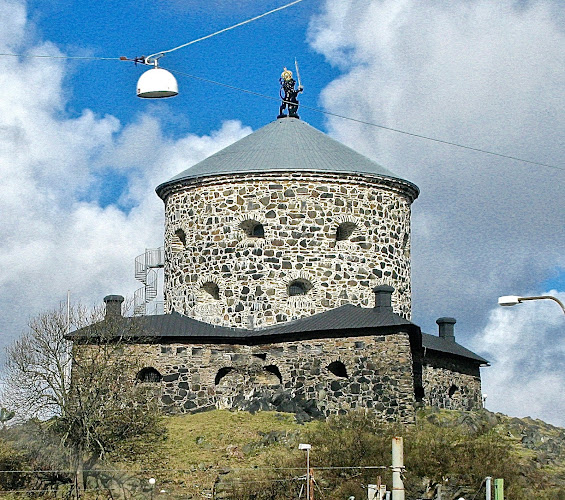
Skansen Lejonet

Maritime Museum & Aquarium

Aeroseum
Find Accommodations Nearby
Recommended Tours & Activities
Visitor Reviews
There are no reviews yet. Be the first one to write one.
Share Your Experience
Have you visited Vinga Fyr? Help other travelers by leaving a review.