

Aeroseum
About Aeroseum
Description
The Aeroseum represents one of those experiences that catches you completely off guard in the best way possible. Carved deep into solid rock beneath the Swedish landscape, this remarkable Cold War museum occupies what was once one of the world's most secretive military installations. For nearly four decades, this underground hangar remained hidden from public view, housing fighter jets and personnel ready to scramble at a moment's notice during some of history's tensest geopolitical moments. Walking into the Aeroseum feels like stepping through a portal into a different era entirely. The facility extends roughly 25,000 square meters inside the mountain, with tunnels and chambers that once buzzed with military activity now transformed into exhibition spaces that tell the compelling story of Swedish aviation history and Cold War preparedness. And honestly, there's something almost eerie about being this far underground surrounded by these magnificent aircraft that once defended Nordic airspace. The museum showcases an impressive collection of historic aircraft, from sleek fighter jets to massive helicopters, all preserved within the climate-controlled environment of the rock hangar. What makes this place particularly special isn't just the planes themselves—though they're undeniably spectacular—but the context in which you're viewing them. This wasn't some purpose-built museum space. These aircraft lived here, maintained by crews who worked in shifts around the clock, ready to respond to any perceived Soviet threat at the height of Cold War tensions. Visitors can explore the authentic facilities where pilots and ground crew once worked, including command centers, workshop areas, and the massive blast doors designed to withstand direct hits. The photographs lining the corridors show the installation during its operational years, giving you a real sense of what daily life must have been like for those stationed here. There's a flight simulator too, which lets you test your skills at piloting some of these remarkable machines—though I'll warn you, it's considerably harder than it looks.Key Features
The Aeroseum offers travelers a unique combination of historical significance and hands-on experiences that you simply won't find at conventional museums. Here's what makes this underground facility worth the journey:- An authentic Cold War military installation carved 30 meters into solid bedrock, preserving the original infrastructure including blast doors, tunnels, and command facilities
- Extensive collection of historic Swedish military aircraft, including SAAB fighters and various helicopters displayed in their natural operational environment
- Interactive flight simulator allowing visitors to experience what it feels like to pilot military aircraft without leaving the ground
- Guided tours led by knowledgeable staff who bring the Cold War era to life with stories and technical details about the aircraft and the installation's history
- Original photographs and documentation from the facility's operational period, offering genuine insights into military life during Sweden's Cold War neutrality
- Wheelchair accessible throughout with rental options available, making this underground experience available to all visitors regardless of mobility considerations
- On-site cafe and restaurant facilities where you can refuel after exploring the extensive tunnel system
- Conference center capabilities for those interested in hosting events in this truly unique venue
- Family-friendly activities and discounts making it an educational experience for visitors of all ages
- Free Wi-Fi throughout the facility, though you might find being this deep underground is a good excuse for a digital detox
Best Time to Visit
Timing your visit to the Aeroseum requires a different approach than outdoor attractions since you'll be spending your entire visit deep inside a mountain. The controlled environment means weather doesn't really factor into your planning, which is actually pretty convenient when you're dealing with Sweden's sometimes unpredictable climate. That said, weekdays during the school term generally offer the quietest experience. Weekends and Swedish school holidays can get busy—understandably so, since this place is genuinely fascinating for kids and adults alike. If you prefer exploring at your own pace without navigating around larger groups, aim for a Tuesday or Wednesday morning outside of summer vacation periods. Summer months from June through August do see increased tourist traffic, but the museum rarely feels overcrowded given the sheer size of the underground facility. You can always find a quiet corner to contemplate these impressive machines. But there's also something special about visiting during winter when the contrast between the cold Swedish landscape above and the constant temperature inside the mountain feels particularly pronounced. The museum offers guided tours at scheduled times throughout the day, and I'd really recommend planning your visit around one of these. The guides share stories and details you'd never glean from just wandering around on your own, no matter how carefully you read the information plaques. Check the tour schedule when planning your visit because some times fill up faster than others, particularly on weekends. One thing worth mentioning—the temperature inside stays pretty constant year-round at around 8-10 degrees Celsius. That's roughly 46-50 degrees Fahrenheit for those thinking in imperial measurements. So regardless of whether you visit in July or January, you'll want to dress accordingly.How to Get There
Getting to the Aeroseum requires a bit of planning since it's not located in central Gothenburg, but the journey is straightforward enough once you know the route. The museum sits on the western coast, and you've got several transportation options depending on your preferences and where you're starting from. If you're driving, the museum provides both free and paid parking options right on site, which takes away the stress of finding somewhere to leave your vehicle. The facility is well-signposted once you get close, though I'll admit the GPS coordinates become your best friend when navigating Swedish roads if you're not familiar with the area. The drive from central Gothenburg takes roughly 20-30 minutes depending on traffic. Public transportation works well too, particularly if you're staying in Gothenburg proper. Several bus routes service the area, though you'll want to check current schedules since they can vary seasonally. The journey takes a bit longer than driving—figure 45 minutes to an hour from the city center—but it's certainly doable and lets you enjoy the coastal scenery without worrying about navigation. For international travelers flying into Gothenburg Landvetter Airport, the museum sits roughly 40 kilometers from the airport. You can arrange a taxi, though that gets pricey, or take public transport into the city and then out to the museum. Some visitors prefer renting a car at the airport, which gives you flexibility to explore other attractions in the region as well. The museum's accessibility features extend to the parking areas and entrance, with designated spaces close to the facility entrance and smooth pathways suitable for wheelchairs and mobility devices. This attention to access is genuinely commendable given the challenges of adapting an old military installation.Tips for Visiting
After spending time exploring this underground marvel, a few practical insights might help you make the most of your visit. First and foremost—dress warmly. I cannot stress this enough. That constant 8-10 degree temperature feels refreshing for about five minutes before you start wishing you'd brought an extra layer. Even if it's blazing hot outside, bring a jacket or sweater. You'll thank me later when you're not shivering while trying to appreciate the intricacies of Cold War aircraft engineering. Comfortable walking shoes are essential too. The floors are concrete and you'll be covering quite a bit of ground as you explore the various chambers and tunnels. Those cute sandals or fancy dress shoes? Leave them at the hotel. This is an active exploration kind of place. Allow yourself at least two to three hours for a proper visit. Yes, you could rush through in an hour, but why would you want to? The whole point is immersing yourself in this unique environment and really understanding what you're looking at. If you're particularly interested in aviation or military history, you could easily spend half a day here. The guided tours are absolutely worth joining even if you're usually the independent explorer type. The guides possess deep knowledge about the aircraft, the facility's history, and Sweden's role in Cold War geopolitics. They share anecdotes and details that transform the experience from merely looking at old planes to understanding their significance. Plus they can access certain areas that might not be open to general wandering. Photography is permitted and encouraged throughout most of the museum, which is fantastic because these aircraft and the facility itself are incredibly photogenic. But here's a heads up—the lighting can be tricky. The underground setting means you're dealing with artificial illumination, so bringing a camera that handles lower light conditions well will yield better results than relying solely on your smartphone. The cafe and restaurant on site are genuinely convenient, especially since there aren't many dining options in the immediate vicinity. The food is decent—not gourmet by any means, but satisfying enough after working up an appetite exploring underground tunnels. And there's something weirdly cool about having lunch inside a mountain. If you're visiting with children, the museum provides family discounts and kid-friendly activities that make the experience educational without being boring. The flight simulator tends to be a huge hit with younger visitors, though honestly, adults enjoy it just as much. Consider booking simulator time in advance if you're visiting during busy periods. For those interested in the conference center facilities, the Aeroseum offers a truly distinctive venue for corporate events or special occasions. Imagine hosting a meeting surrounded by fighter jets in an underground Cold War bunker. It certainly beats another generic hotel conference room. One last thing—don't rush your visit to check boxes on a tourist itinerary. The Aeroseum deserves your full attention and curiosity. This isn't just another museum. It's a preserved piece of history that tells important stories about a tense period in world affairs, about Swedish neutrality and preparedness, and about the remarkable aircraft that defended Nordic skies. Take your time, ask questions, and let yourself be transported back to an era when this facility hummed with activity and purpose.Key Features
- Underground Cold War-era aircraft hangar setting
- Collection of military and civilian aircraft, some with accessible cockpits
- Reconstructed command and operations displays
- Guided tours and special events/demonstrations
- Interactive exhibits and family-friendly programming
More Details
Updated January 22, 2026
Table of Contents
- Description
- Key Features
- Best Time to Visit
- How to Get There
- Tips for Visiting
- Key Highlights
- Location
- Places to Stay Near Aeroseum
- Find and Book a Tour
- Explore More Travel Guides
- Snapshot
- Why Aeroseum is different
- What you’ll see inside
- Hands-on: simulators and sit-in cockpits
- Practical planning
- Opening hours (2025)
- Ticket prices (reference)
- Passes
- Getting there (car-free options that actually work)
- Accessibility notes
- How long to allow
- Tips to get more from your visit
- Key facts (verified)
- What’s new or potentially variable (flagged for accuracy)
- Bottom line
- Nearby Places You Might Like
- Traveler Reviews for Aeroseum
- Share Your Experience
Description
The Aeroseum represents one of those experiences that catches you completely off guard in the best way possible. Carved deep into solid rock beneath the Swedish landscape, this remarkable Cold War museum occupies what was once one of the world’s most secretive military installations. For nearly four decades, this underground hangar remained hidden from public view, housing fighter jets and personnel ready to scramble at a moment’s notice during some of history’s tensest geopolitical moments.
Walking into the Aeroseum feels like stepping through a portal into a different era entirely. The facility extends roughly 25,000 square meters inside the mountain, with tunnels and chambers that once buzzed with military activity now transformed into exhibition spaces that tell the compelling story of Swedish aviation history and Cold War preparedness. And honestly, there’s something almost eerie about being this far underground surrounded by these magnificent aircraft that once defended Nordic airspace.
The museum showcases an impressive collection of historic aircraft, from sleek fighter jets to massive helicopters, all preserved within the climate-controlled environment of the rock hangar. What makes this place particularly special isn’t just the planes themselves—though they’re undeniably spectacular—but the context in which you’re viewing them. This wasn’t some purpose-built museum space. These aircraft lived here, maintained by crews who worked in shifts around the clock, ready to respond to any perceived Soviet threat at the height of Cold War tensions.
Visitors can explore the authentic facilities where pilots and ground crew once worked, including command centers, workshop areas, and the massive blast doors designed to withstand direct hits. The photographs lining the corridors show the installation during its operational years, giving you a real sense of what daily life must have been like for those stationed here. There’s a flight simulator too, which lets you test your skills at piloting some of these remarkable machines—though I’ll warn you, it’s considerably harder than it looks.
Key Features
The Aeroseum offers travelers a unique combination of historical significance and hands-on experiences that you simply won’t find at conventional museums. Here’s what makes this underground facility worth the journey:
- An authentic Cold War military installation carved 30 meters into solid bedrock, preserving the original infrastructure including blast doors, tunnels, and command facilities
- Extensive collection of historic Swedish military aircraft, including SAAB fighters and various helicopters displayed in their natural operational environment
- Interactive flight simulator allowing visitors to experience what it feels like to pilot military aircraft without leaving the ground
- Guided tours led by knowledgeable staff who bring the Cold War era to life with stories and technical details about the aircraft and the installation’s history
- Original photographs and documentation from the facility’s operational period, offering genuine insights into military life during Sweden’s Cold War neutrality
- Wheelchair accessible throughout with rental options available, making this underground experience available to all visitors regardless of mobility considerations
- On-site cafe and restaurant facilities where you can refuel after exploring the extensive tunnel system
- Conference center capabilities for those interested in hosting events in this truly unique venue
- Family-friendly activities and discounts making it an educational experience for visitors of all ages
- Free Wi-Fi throughout the facility, though you might find being this deep underground is a good excuse for a digital detox
Best Time to Visit
Timing your visit to the Aeroseum requires a different approach than outdoor attractions since you’ll be spending your entire visit deep inside a mountain. The controlled environment means weather doesn’t really factor into your planning, which is actually pretty convenient when you’re dealing with Sweden’s sometimes unpredictable climate.
That said, weekdays during the school term generally offer the quietest experience. Weekends and Swedish school holidays can get busy—understandably so, since this place is genuinely fascinating for kids and adults alike. If you prefer exploring at your own pace without navigating around larger groups, aim for a Tuesday or Wednesday morning outside of summer vacation periods.
Summer months from June through August do see increased tourist traffic, but the museum rarely feels overcrowded given the sheer size of the underground facility. You can always find a quiet corner to contemplate these impressive machines. But there’s also something special about visiting during winter when the contrast between the cold Swedish landscape above and the constant temperature inside the mountain feels particularly pronounced.
The museum offers guided tours at scheduled times throughout the day, and I’d really recommend planning your visit around one of these. The guides share stories and details you’d never glean from just wandering around on your own, no matter how carefully you read the information plaques. Check the tour schedule when planning your visit because some times fill up faster than others, particularly on weekends.
One thing worth mentioning—the temperature inside stays pretty constant year-round at around 8-10 degrees Celsius. That’s roughly 46-50 degrees Fahrenheit for those thinking in imperial measurements. So regardless of whether you visit in July or January, you’ll want to dress accordingly.
How to Get There
Getting to the Aeroseum requires a bit of planning since it’s not located in central Gothenburg, but the journey is straightforward enough once you know the route. The museum sits on the western coast, and you’ve got several transportation options depending on your preferences and where you’re starting from.
If you’re driving, the museum provides both free and paid parking options right on site, which takes away the stress of finding somewhere to leave your vehicle. The facility is well-signposted once you get close, though I’ll admit the GPS coordinates become your best friend when navigating Swedish roads if you’re not familiar with the area. The drive from central Gothenburg takes roughly 20-30 minutes depending on traffic.
Public transportation works well too, particularly if you’re staying in Gothenburg proper. Several bus routes service the area, though you’ll want to check current schedules since they can vary seasonally. The journey takes a bit longer than driving—figure 45 minutes to an hour from the city center—but it’s certainly doable and lets you enjoy the coastal scenery without worrying about navigation.
For international travelers flying into Gothenburg Landvetter Airport, the museum sits roughly 40 kilometers from the airport. You can arrange a taxi, though that gets pricey, or take public transport into the city and then out to the museum. Some visitors prefer renting a car at the airport, which gives you flexibility to explore other attractions in the region as well.
The museum’s accessibility features extend to the parking areas and entrance, with designated spaces close to the facility entrance and smooth pathways suitable for wheelchairs and mobility devices. This attention to access is genuinely commendable given the challenges of adapting an old military installation.
Tips for Visiting
After spending time exploring this underground marvel, a few practical insights might help you make the most of your visit. First and foremost—dress warmly. I cannot stress this enough. That constant 8-10 degree temperature feels refreshing for about five minutes before you start wishing you’d brought an extra layer. Even if it’s blazing hot outside, bring a jacket or sweater. You’ll thank me later when you’re not shivering while trying to appreciate the intricacies of Cold War aircraft engineering.
Comfortable walking shoes are essential too. The floors are concrete and you’ll be covering quite a bit of ground as you explore the various chambers and tunnels. Those cute sandals or fancy dress shoes? Leave them at the hotel. This is an active exploration kind of place.
Allow yourself at least two to three hours for a proper visit. Yes, you could rush through in an hour, but why would you want to? The whole point is immersing yourself in this unique environment and really understanding what you’re looking at. If you’re particularly interested in aviation or military history, you could easily spend half a day here.
The guided tours are absolutely worth joining even if you’re usually the independent explorer type. The guides possess deep knowledge about the aircraft, the facility’s history, and Sweden’s role in Cold War geopolitics. They share anecdotes and details that transform the experience from merely looking at old planes to understanding their significance. Plus they can access certain areas that might not be open to general wandering.
Photography is permitted and encouraged throughout most of the museum, which is fantastic because these aircraft and the facility itself are incredibly photogenic. But here’s a heads up—the lighting can be tricky. The underground setting means you’re dealing with artificial illumination, so bringing a camera that handles lower light conditions well will yield better results than relying solely on your smartphone.
The cafe and restaurant on site are genuinely convenient, especially since there aren’t many dining options in the immediate vicinity. The food is decent—not gourmet by any means, but satisfying enough after working up an appetite exploring underground tunnels. And there’s something weirdly cool about having lunch inside a mountain.
If you’re visiting with children, the museum provides family discounts and kid-friendly activities that make the experience educational without being boring. The flight simulator tends to be a huge hit with younger visitors, though honestly, adults enjoy it just as much. Consider booking simulator time in advance if you’re visiting during busy periods.
For those interested in the conference center facilities, the Aeroseum offers a truly distinctive venue for corporate events or special occasions. Imagine hosting a meeting surrounded by fighter jets in an underground Cold War bunker. It certainly beats another generic hotel conference room.
One last thing—don’t rush your visit to check boxes on a tourist itinerary. The Aeroseum deserves your full attention and curiosity. This isn’t just another museum. It’s a preserved piece of history that tells important stories about a tense period in world affairs, about Swedish neutrality and preparedness, and about the remarkable aircraft that defended Nordic skies. Take your time, ask questions, and let yourself be transported back to an era when this facility hummed with activity and purpose.
Key Highlights
- Underground Cold War-era aircraft hangar setting
- Collection of military and civilian aircraft, some with accessible cockpits
- Reconstructed command and operations displays
- Guided tours and special events/demonstrations
- Interactive exhibits and family-friendly programming
Location
Places to Stay Near Aeroseum
Find and Book a Tour
Explore More Travel Guides
No reviews found! Be the first to review!
Aeroseum – Underground air force museum in Gothenburg | GuidebookSweden
Aeroseum, Gothenburg: Inside Sweden’s Declassified Underground Air Base
Snapshot
- What it is: An experience-driven aviation museum inside a Cold War–era, nuclear-hardened rock cavern.
- Where: Nya Bergets Väg 50, 417 46 Göteborg (Säve district), ~14 km north of central Gothenburg. oai_citation:0‡Tripadvisor
- Why go: Walk (and learn) through a 22,000 m² subterranean hangar built ~30 m underground in 1955—now packed with Swedish Air Force jets, helicopters, and hands-on exhibits. oai_citation:1‡Aeroseum
Why Aeroseum is different
Aeroseum isn’t a surface-level hangar with a few static planes. It’s an entire blast-proof underground air base, carved out of bedrock during the early Cold War to keep aircraft operational after an attack. The “mountain hangar” measures 22,000 square meters and sits about 30 meters below ground, completed in 1955 for the Göta (F9) Air Wing at Säve. The scale and engineering—armored gates, pressure-wave deflection tunnels—make the site unique even among military museums. oai_citation:2‡Aeroseum
Today the facility is fully declassified and run as a public museum, recognized within Sweden’s national network of military-historical museums. Expect real Cold War context rather than just aircraft specs. oai_citation:3‡Aeroseum
What you’ll see inside
- Fighter icons & helicopters: You’ll encounter classic Swedish designs like Saab J35 Draken and Saab 37 Viggen, alongside a broad collection of helicopters and fixed-wing aircraft arrayed throughout the tunnel system. oai_citation:4‡GuidebookSweden
- Construction & Cold War exhibits: Panels and displays dig into the hangar’s design, Sweden’s neutrality/defense posture, and nuclear-era civil defense.
- Scale you can feel: The main gallery stretches like an underground boulevard, with long sightlines under the arched, rock-lined ceiling—part of why even non-aviation folks come away impressed.
Fact check: Multiple independent and official sources reaffirm the 22,000 m² size and ~30 m depth, and the 1955 completion date. oai_citation:5‡Aeroseum
Hands-on: simulators and sit-in cockpits
Aeroseum leans into interactive learning:
- Viggen simulators (including advanced “Superviggen”) and other aircraft/heli sims are available for a small extra fee, typically sold in 30-minute slots. Several list recommended minimum height ~150 cm; some have age guidance (often 15+). oai_citation:6‡Aeroseum
- Accessible simulator option: The TAS 37 Viggen simulator is adapted for different wheelchairs and powered mobility devices. This is unusually inclusive for flight sims and worth calling out if accessibility is a priority. oai_citation:7‡Aeroseum
- Open cockpits (select aircraft): On guided activities and special programming, guests can sit in certain cockpits, which is a highlight for many visitors. oai_citation:8‡Aeroseum
Note: Simulator line-up and prices can change; check the onsite listings when you arrive or contact Aeroseum ahead of time. oai_citation:9‡Aeroseum
Practical planning
Opening hours (2025)
- June–August: daily 11:00–18:00 (last entry 17:00).
- September–May: Tue–Sun 11:00–18:00 (last entry 17:00).
Extra Monday openings occur during local school holidays. Always confirm before you go, as special events can affect access. oai_citation:10‡Aeroseum
Ticket prices (reference)
- Adults: SEK 150
- Children (4–16): SEK 70
- Family (2 adults + 2 children): SEK 370 (noted by a museum listings site; official site lists adult/child tariffs). Pricing can change; verify current rates. oai_citation:11‡Aeroseum
Passes
Aeroseum is included with Go City: Gothenburg (entry covered; simulators cost extra). If you’re stacking multiple attractions over a short visit, this can be cost-effective. oai_citation:12‡Go City
Getting there (car-free options that actually work)
- From Hjalmar Brantingsplatsen (Nordstan area): take Bus 35 toward Säve Depå; typical ride ~22–30 min with hourly frequency (varies by day). From the stop, it’s a short walk to the museum entrance. Use Västtrafik’s planner for live times. oai_citation:13‡Rome2Rio
- From Central Station: combine Tram 6 to Wieselgrensplatsen + Bus 35 to Säve Depå; ~55 min total typical travel time. oai_citation:14‡Rome2Rio
- Driving: about 14–15 km / ~18 min from the center, depending on traffic. oai_citation:15‡Rome2Rio
- Address for map apps: Nya Bergets Väg 50, 417 46 Göteborg. oai_citation:16‡Tripadvisor
Accessibility notes
- Mobility: The venue is a large, flat underground space with long corridors. Aeroseum explicitly offers an accessible Viggen simulator configured for different wheelchairs/power chairs (rare among aviation museums). oai_citation:17‡Aeroseum
- General city info: Gothenburg’s official visitor site maintains an Accessibility in Gothenburg guide covering transit, attractions, and planning resources; it’s a good companion reference. oai_citation:18‡Göteborg.com
How long to allow
Plan on 2–3 hours to walk the main galleries, read exhibits, and try a simulator. If you’re deep into aviation history, you can spend half a day here without seeing every panel or aircraft number plate. (Visitor reports commonly highlight the site’s size and the quality of volunteer-led preservation.) oai_citation:19‡Tripadvisor
Tips to get more from your visit
- Book or budget for simulators: Slots are limited; pricing is per 30 minutes and varies by simulator type. oai_citation:20‡Aeroseum
- Weekday vs weekend: Weekends sometimes feature free guided tours and special programs; weekdays are quieter if you prefer open floor space for photos. (Programming varies—check the official site.) oai_citation:21‡Go City
- Combine with other sites: If you’re building an aviation or Cold War theme day, Aeroseum pairs naturally with city museums; Gothenburg’s destination site has a curated page for Aeroseum and other nearby attractions. oai_citation:22‡Göteborg.com
Key facts (verified)
- Underground hangar size: 22,000 m². oai_citation:23‡Aeroseum
- Depth below ground: ~30 m. oai_citation:24‡Aeroseum
- Year completed: 1955 (as part of the Cold War expansion of F9/Säve). oai_citation:25‡Aeroseum
- Address: Nya Bergets Väg 50, 417 46 Göteborg. oai_citation:26‡Tripadvisor
- Standard hours (2025): 11:00–18:00, daily in summer; Tue–Sun the rest of the year; last entry 17:00. oai_citation:27‡Aeroseum
- Typical admission: Adults SEK 150; Children SEK 70 (check current). oai_citation:28‡Aeroseum
- Included in Go City: Gothenburg. oai_citation:29‡Go City
What’s new or potentially variable (flagged for accuracy)
- Opening hours and school-holiday Mondays—Aeroseum posts seasonal adjustments; confirm your date. oai_citation:30‡Aeroseum
- Simulator menu & prices—line-up and fees sometimes change; check the Simulator Hall page or ask on arrival. oai_citation:31‡Aeroseum
Bottom line
If you’re after a high-information, hands-on museum that tells Sweden’s Cold War story through engineering you can literally walk through, Aeroseum is a standout. The combination of authentic underground infrastructure, national-icon aircraft (Draken/Viggen), and bookable simulators hits the rare sweet spot where aviation nerds, families, and photographers all leave satisfied—often with a new respect for how this country planned to keep flying when it mattered most. oai_citation:32‡Aeroseum
Sources used include Aeroseum’s official site (history, hours, pricing, address, simulator specifics), the Gothenburg DMO page for Aeroseum, Go City pass details, and independent transport/visit planners for up-to-date routing. oai_citation:33‡Aeroseum
Traveler Reviews for Aeroseum
There are no reviews yet. Be the first one to write one.
Have you visited Aeroseum? Help other travelers by sharing your review.
Nearby Attractions
You Might Also Like

Skansen Kronan

Slottsskogen
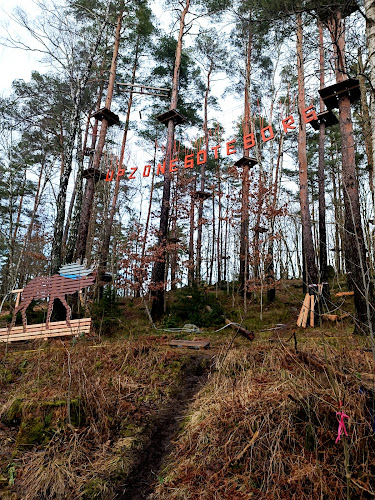
Upzone Äventyrspark i Göteborg
Find Accommodations Nearby
Recommended Tours & Activities
Visitor Reviews
There are no reviews yet. Be the first one to write one.
Share Your Experience
Have you visited Aeroseum? Help other travelers by leaving a review.