Historical landmark 4.4 Västra Frölunda, SwedenCommunity Guide

New Älvsborg Fortress

Nya Älvsborgs Fästning, 426 76 Västra Frölunda, Suède

New Älvsborg Fortress
1,773 Photos

About & Overview

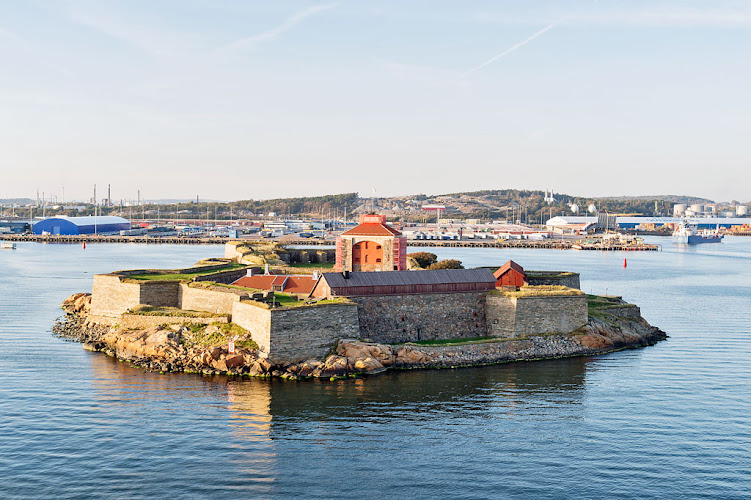
Perched on the rocky islet of Kyrkogårdsholmen at the mouth of the Göta älv, New Älvsborg Fortress in Västra Frölunda is a compact, atmospheric sea fort that reads like a living chapter of Sweden’s 17th- and 18th-century maritime history. Built from the 1650s to guard Gothenburg’s harbor, its thick stone walls, bastions and cannon placements still convey the strategic drama of coastal defense; in summer the approach by boat, with the city skyline receding and the fortress growing in the foreground, remains a memorable introduction. Today the site blends museum displays and guided storytelling with a café, event spaces and well-preserved ramparts you can walk, making it equally appealing to history buffs, families and photographers. Visiting gives a tactile sense of Sweden’s naval past while offering panoramic views of shipping lanes and the archipelago — a compact excursion that pairs well with a harbor cruise or a day exploring Gothenburg’s coastal islands.

Highlights & Key Features

  • 17th-century sea fort architecture and bastions
  • Accessible by short boat trip from Gothenburg harbor
  • Museum exhibits and guided tours detailing fortress history
  • Café and event/conference facilities on-site
  • Scenic views of the Göta älv, harbor and surrounding archipelago

Visitor Guide & Information

Standing guard at the mouth of the Göta Älv River, the New Älvsborg Fortress represents one of Sweden’s most fascinating historical treasures. This 17th-century sea fortress sits on a small island, and honestly, the first time you catch sight of it from the mainland, there’s something almost magical about how it rises from the water like it’s been frozen in time.

Built between 1653 and 1657, the fortress was Sweden’s answer to protecting Gothenburg from enemy naval attacks. And boy, did it see its share of action over the centuries. The thick stone walls and strategic positioning weren’t just for show—this was serious military architecture designed to defend one of Sweden’s most important trading ports. What makes New Älvsborg particularly special is how well-preserved it remains today, giving visitors an authentic glimpse into Sweden’s military past without all that overly polished museum feel you sometimes get at restored sites.

The fortress has evolved quite a bit from its defensive origins. These days, it serves multiple purposes that would probably surprise its original builders. Sure, it’s still very much a historical landmark and tourist attraction, but it’s also become a popular spot for conferences, events, and even weddings. There’s something undeniably romantic about exchanging vows in a centuries-old fortress surrounded by water, though I’d imagine the boat ride adds an interesting dimension to wedding day nerves.

Families particularly enjoy bringing kids here—the fortress grounds include a playground, and there’s a restaurant on-site for when hunger strikes after all that exploring. The combination of history, maritime atmosphere, and practical amenities makes it more than just another old building to tick off your list. It’s an actual experience, and one that tends to stick with you long after you’ve returned to the mainland.

Key Features

The fortress offers visitors several distinctive elements that set it apart from your typical historical site:

  • Island Location – The fortress can only be reached by boat, which immediately transforms your visit into an adventure. That short journey across the water somehow makes everything feel more authentic and removed from modern life.
  • 17th Century Architecture – The original stone fortifications, bastions, and defensive structures remain largely intact. Walking through the gates and along the ramparts, you get a real sense of what military life was like during Sweden’s time as a major European power.
  • Guided Tours – Knowledgeable guides bring the fortress’s history to life, sharing stories of battles, daily life for soldiers stationed here, and the strategic importance of this location. Some of these tales are pretty gripping, especially when you’re standing in the exact spots where historical events unfolded.
  • Panoramic Views – From the fortress walls, you’ll get stunning views of the Gothenburg archipelago and the river mouth. It’s worth bringing a camera, though honestly, no photo quite captures the feeling of standing there with the sea breeze in your face.
  • Multi-Purpose Venue – Beyond tourism, the fortress hosts conferences, corporate events, and private celebrations. This ongoing use helps maintain the buildings and keeps the place feeling alive rather than like a dusty relic.
  • On-Site Restaurant – Visitors can enjoy traditional Swedish cuisine in a unique historical setting. Eating lunch inside a 17th-century fortress definitely beats your average tourist cafe experience.
  • Family-Friendly Facilities – The playground and spacious grounds give children room to burn off energy between history lessons, making it easier for parents to actually enjoy the visit.
  • Historical Exhibitions – Various displays throughout the fortress showcase artifacts, weapons, and historical documents that tell the story of New Älvsborg’s role in Swedish history.

Best Time to Visit

Timing your visit to New Älvsborg Fortress can really make or break the experience, and this isn’t just about weather (though that matters too, obviously).

The fortress operates seasonally, typically from late April or early May through September or early October. Summer months—June, July, and August—see the most visitors, and for good reason. The weather’s generally pleasant, the boat schedule runs more frequently, and you won’t be shivering on those exposed fortress walls. But here’s the thing: summer also means crowds, especially during July when Swedes take their traditional vacation time.

I’d actually recommend visiting in late May or early September if your schedule allows it. You’ll still get decent weather, but the crowds thin out considerably. There’s something special about experiencing the fortress with fewer people around—you can almost hear echoes of history better when you’re not competing with large tour groups for space on the ramparts.

Weather-wise, even summer can be unpredictable this close to the sea. Bring a jacket even if it seems sunny on the mainland, because that wind coming off the water can get chilly. I learned this the hard way once and spent half my visit wishing I’d listened to common sense instead of the weather app.

Getting tickets in advance is genuinely recommended, not just one of those travel cliches. The boat capacity is limited, and you don’t want to show up at the harbor only to find everything’s booked for the day. This is especially true during peak summer season and on weekends.

If you’re interested in special events—the fortress hosts historical reenactments, themed tours, and seasonal celebrations throughout the year—check their schedule before planning your trip. These events can add an extra dimension to your visit, though they also attract larger crowds.

How to Get There

Getting to New Älvsborg Fortress requires a bit more effort than just walking up to a building, and that’s part of its charm, honestly.

The fortress is located in the Gothenburg archipelago, accessible only by boat from the city’s harbor. Your journey starts at Lilla Bommen harbor in central Gothenburg, which is pretty easy to reach whether you’re staying in the city or visiting for the day. Most visitors take public transportation to the harbor—trams are your best bet, and several lines stop nearby.

The boat ride itself takes about 20-25 minutes depending on weather conditions, and it’s already worth the price of admission before you even reach the fortress. You’ll pass through Gothenburg’s working harbor, see other islands dotting the coastline, and get that anticipation building as the fortress gradually comes into view.

Several boat operators run trips to the fortress during the tourist season, with departures happening multiple times throughout the day. The schedule varies depending on the month, so checking ahead is essential. Some operators include the fortress entrance fee with the boat ticket, while others charge separately—read the fine print when booking.

If you’re coming from outside Gothenburg, the city is well-connected by train and bus to other Swedish cities and Scandinavian destinations. Gothenburg’s Landvetter Airport serves international flights, and from there it’s about a 30-minute drive or bus ride to the city center. Once you’re in Gothenburg, reaching the harbor is straightforward.

One thing to keep in mind: the boat schedule is weather-dependent. Strong winds or storms can cancel departures, which doesn’t happen often but it’s possible. This is another reason why checking ahead and staying flexible with your plans helps.

Tips for Visiting

After talking with fellow travelers and drawing on personal experience, here are some practical insights that’ll help you make the most of your fortress visit.

First off, wear comfortable shoes with good grip. The fortress involves lots of walking on uneven stone surfaces, stairs, and potentially slippery areas, especially if it’s been raining. Those cute sandals or brand-new dress shoes? Leave them at the hotel. Your feet will thank you.

The accessibility situation isn’t great, to be honest. There’s no wheelchair accessible parking (obviously, since you’re taking a boat), and the historical nature of the fortress means lots of stairs and uneven surfaces that aren’t easily modified. If you or someone in your group has mobility concerns, contact the fortress operators beforehand to discuss what’s feasible.

Bring layers and weather protection. I can’t stress this enough—conditions on an island fortress are different from the mainland. That sea breeze is constant, and weather can change quickly. A light waterproof jacket is smart even on seemingly nice days, and a hat helps if it’s sunny since there’s limited shade on the ramparts.

Plan to spend about 2-3 hours for a thorough visit, including the boat ride. You could rush through in less time, but why would you? This isn’t the kind of place to tick off a list and run. Sit on the walls for a bit. Explore the nooks and crannies. Let your kids play in the playground while you soak in the atmosphere.

Food options are available on-site, but bringing snacks and water isn’t a bad idea, especially if you’re visiting with children. The restaurant serves good food, but sometimes you just want something quick between exploring.

Photography enthusiasts should definitely bring their cameras, but remember to actually look at the place with your own eyes too, not just through a viewscreen. The views are spectacular, particularly from the upper levels of the fortress, and they change throughout the day as the light shifts.

Consider joining a guided tour rather than just wandering independently. The guides genuinely know their stuff and share stories that bring the stones to life. Self-guided exploration is fine, but you’ll miss context and fascinating details that aren’t on any plaques.

Check the weather forecast not just for Gothenburg but specifically for coastal conditions. As I mentioned, boat departures depend on safe conditions, and you don’t want to plan your entire day around a visit that gets cancelled due to rough seas.

Finally, embrace the slightly impractical nature of visiting a fortress on an island. Yes, it takes more effort than a museum in the city center. Yes, you’re dependent on boat schedules and weather. But that’s exactly what makes New Älvsborg special—it hasn’t been made overly convenient or sanitized for mass tourism. It remains authentically itself, standing where it’s stood for nearly 400 years, and that’s something worth a little extra effort to experience.

Community & Insider Notes

Last modified March 30, 2026

Description

Standing guard at the mouth of the Göta Älv River, the New Älvsborg Fortress represents one of Sweden’s most fascinating historical treasures. This 17th-century sea fortress sits on a small island, and honestly, the first time you catch sight of it from the mainland, there’s something almost magical about how it rises from the water like it’s been frozen in time.

Built between 1653 and 1657, the fortress was Sweden’s answer to protecting Gothenburg from enemy naval attacks. And boy, did it see its share of action over the centuries. The thick stone walls and strategic positioning weren’t just for show—this was serious military architecture designed to defend one of Sweden’s most important trading ports. What makes New Älvsborg particularly special is how well-preserved it remains today, giving visitors an authentic glimpse into Sweden’s military past without all that overly polished museum feel you sometimes get at restored sites.

The fortress has evolved quite a bit from its defensive origins. These days, it serves multiple purposes that would probably surprise its original builders. Sure, it’s still very much a historical landmark and tourist attraction, but it’s also become a popular spot for conferences, events, and even weddings. There’s something undeniably romantic about exchanging vows in a centuries-old fortress surrounded by water, though I’d imagine the boat ride adds an interesting dimension to wedding day nerves.

Families particularly enjoy bringing kids here—the fortress grounds include a playground, and there’s a restaurant on-site for when hunger strikes after all that exploring. The combination of history, maritime atmosphere, and practical amenities makes it more than just another old building to tick off your list. It’s an actual experience, and one that tends to stick with you long after you’ve returned to the mainland.

Key Features

The fortress offers visitors several distinctive elements that set it apart from your typical historical site:

  • Island Location – The fortress can only be reached by boat, which immediately transforms your visit into an adventure. That short journey across the water somehow makes everything feel more authentic and removed from modern life.
  • 17th Century Architecture – The original stone fortifications, bastions, and defensive structures remain largely intact. Walking through the gates and along the ramparts, you get a real sense of what military life was like during Sweden’s time as a major European power.
  • Guided Tours – Knowledgeable guides bring the fortress’s history to life, sharing stories of battles, daily life for soldiers stationed here, and the strategic importance of this location. Some of these tales are pretty gripping, especially when you’re standing in the exact spots where historical events unfolded.
  • Panoramic Views – From the fortress walls, you’ll get stunning views of the Gothenburg archipelago and the river mouth. It’s worth bringing a camera, though honestly, no photo quite captures the feeling of standing there with the sea breeze in your face.
  • Multi-Purpose Venue – Beyond tourism, the fortress hosts conferences, corporate events, and private celebrations. This ongoing use helps maintain the buildings and keeps the place feeling alive rather than like a dusty relic.
  • On-Site Restaurant – Visitors can enjoy traditional Swedish cuisine in a unique historical setting. Eating lunch inside a 17th-century fortress definitely beats your average tourist cafe experience.
  • Family-Friendly Facilities – The playground and spacious grounds give children room to burn off energy between history lessons, making it easier for parents to actually enjoy the visit.
  • Historical Exhibitions – Various displays throughout the fortress showcase artifacts, weapons, and historical documents that tell the story of New Älvsborg’s role in Swedish history.

Best Time to Visit

Timing your visit to New Älvsborg Fortress can really make or break the experience, and this isn’t just about weather (though that matters too, obviously).

The fortress operates seasonally, typically from late April or early May through September or early October. Summer months—June, July, and August—see the most visitors, and for good reason. The weather’s generally pleasant, the boat schedule runs more frequently, and you won’t be shivering on those exposed fortress walls. But here’s the thing: summer also means crowds, especially during July when Swedes take their traditional vacation time.

I’d actually recommend visiting in late May or early September if your schedule allows it. You’ll still get decent weather, but the crowds thin out considerably. There’s something special about experiencing the fortress with fewer people around—you can almost hear echoes of history better when you’re not competing with large tour groups for space on the ramparts.

Weather-wise, even summer can be unpredictable this close to the sea. Bring a jacket even if it seems sunny on the mainland, because that wind coming off the water can get chilly. I learned this the hard way once and spent half my visit wishing I’d listened to common sense instead of the weather app.

Getting tickets in advance is genuinely recommended, not just one of those travel cliches. The boat capacity is limited, and you don’t want to show up at the harbor only to find everything’s booked for the day. This is especially true during peak summer season and on weekends.

If you’re interested in special events—the fortress hosts historical reenactments, themed tours, and seasonal celebrations throughout the year—check their schedule before planning your trip. These events can add an extra dimension to your visit, though they also attract larger crowds.

How to Get There

Getting to New Älvsborg Fortress requires a bit more effort than just walking up to a building, and that’s part of its charm, honestly.

The fortress is located in the Gothenburg archipelago, accessible only by boat from the city’s harbor. Your journey starts at Lilla Bommen harbor in central Gothenburg, which is pretty easy to reach whether you’re staying in the city or visiting for the day. Most visitors take public transportation to the harbor—trams are your best bet, and several lines stop nearby.

The boat ride itself takes about 20-25 minutes depending on weather conditions, and it’s already worth the price of admission before you even reach the fortress. You’ll pass through Gothenburg’s working harbor, see other islands dotting the coastline, and get that anticipation building as the fortress gradually comes into view.

Several boat operators run trips to the fortress during the tourist season, with departures happening multiple times throughout the day. The schedule varies depending on the month, so checking ahead is essential. Some operators include the fortress entrance fee with the boat ticket, while others charge separately—read the fine print when booking.

If you’re coming from outside Gothenburg, the city is well-connected by train and bus to other Swedish cities and Scandinavian destinations. Gothenburg’s Landvetter Airport serves international flights, and from there it’s about a 30-minute drive or bus ride to the city center. Once you’re in Gothenburg, reaching the harbor is straightforward.

One thing to keep in mind: the boat schedule is weather-dependent. Strong winds or storms can cancel departures, which doesn’t happen often but it’s possible. This is another reason why checking ahead and staying flexible with your plans helps.

Tips for Visiting

After talking with fellow travelers and drawing on personal experience, here are some practical insights that’ll help you make the most of your fortress visit.

First off, wear comfortable shoes with good grip. The fortress involves lots of walking on uneven stone surfaces, stairs, and potentially slippery areas, especially if it’s been raining. Those cute sandals or brand-new dress shoes? Leave them at the hotel. Your feet will thank you.

The accessibility situation isn’t great, to be honest. There’s no wheelchair accessible parking (obviously, since you’re taking a boat), and the historical nature of the fortress means lots of stairs and uneven surfaces that aren’t easily modified. If you or someone in your group has mobility concerns, contact the fortress operators beforehand to discuss what’s feasible.

Bring layers and weather protection. I can’t stress this enough—conditions on an island fortress are different from the mainland. That sea breeze is constant, and weather can change quickly. A light waterproof jacket is smart even on seemingly nice days, and a hat helps if it’s sunny since there’s limited shade on the ramparts.

Plan to spend about 2-3 hours for a thorough visit, including the boat ride. You could rush through in less time, but why would you? This isn’t the kind of place to tick off a list and run. Sit on the walls for a bit. Explore the nooks and crannies. Let your kids play in the playground while you soak in the atmosphere.

Food options are available on-site, but bringing snacks and water isn’t a bad idea, especially if you’re visiting with children. The restaurant serves good food, but sometimes you just want something quick between exploring.

Photography enthusiasts should definitely bring their cameras, but remember to actually look at the place with your own eyes too, not just through a viewscreen. The views are spectacular, particularly from the upper levels of the fortress, and they change throughout the day as the light shifts.

Consider joining a guided tour rather than just wandering independently. The guides genuinely know their stuff and share stories that bring the stones to life. Self-guided exploration is fine, but you’ll miss context and fascinating details that aren’t on any plaques.

Check the weather forecast not just for Gothenburg but specifically for coastal conditions. As I mentioned, boat departures depend on safe conditions, and you don’t want to plan your entire day around a visit that gets cancelled due to rough seas.

Finally, embrace the slightly impractical nature of visiting a fortress on an island. Yes, it takes more effort than a museum in the city center. Yes, you’re dependent on boat schedules and weather. But that’s exactly what makes New Älvsborg special—it hasn’t been made overly convenient or sanitized for mass tourism. It remains authentically itself, standing where it’s stood for nearly 400 years, and that’s something worth a little extra effort to experience.

Key Highlights

  • 17th-century sea fort architecture and bastions
  • Accessible by short boat trip from Gothenburg harbor
  • Museum exhibits and guided tours detailing fortress history
  • Café and event/conference facilities on-site
  • Scenic views of the Göta älv, harbor and surrounding archipelago

Location

Places to Stay Near New Älvsborg Fortress

Find and Book a Tour

Explore More Travel Guides

No reviews found! Be the first to review!

Select a Rating5 Stars4 Stars3 Stars2 Stars1 Star

New Älvsborg Fortress is a prominent attractions located in Västra Frölunda.

Visit us at: Nya Älvsborgs Fästning, 426 76 Västra Frölunda, Suède.

Find Places to Stay Nearby

Stay22 provides this accommodation search. We may earn a commission if you book through it; verify current prices and terms with the provider.

Recommended Experiences & Activities

GetYourGuide provides this tour inventory. We may earn a commission if you book through it; verify current availability, prices, and terms with the provider.

Top Viator Experiences & Guided Tours in Västra Frölunda

We may earn a commission if you book through links on this page at no extra cost to you. All tours feature verified customer reviews and flexible cancellation options.

Traveler Reviews & Community Q&A

No traveler reviews yet. Share your experience below!

No traveler questions yet. Be the first to ask a local!

Real Journey Travels Community