
Gothenburg Museum of Art
About Gothenburg Museum of Art
Description
The Gothenburg Museum of Art stands as one of Scandinavia’s most impressive cultural institutions, housing an extraordinary collection that spans centuries of artistic achievement. When I first walked through its halls, I wasn’t quite prepared for the sheer breadth of what awaited inside. This isn’t just another regional museum trying to punch above its weight – it’s genuinely world-class.
Founded in 1861, the museum moved to its current location in 1923, and the building itself is worth the visit. The architecture blends neoclassical elements with Nordic design sensibilities in a way that feels both grand and welcoming. You know how some museums can feel intimidating, like you need an art history degree just to appreciate what’s on the walls? This place isn’t like that. The galleries flow naturally, and the collection tells stories that resonate whether you’re an art expert or someone who just likes looking at pretty things.
What really sets this museum apart is its Nordic art collection – it’s arguably the best you’ll find anywhere. The museum houses works by Carl Larsson, Anders Zorn, and other masters of Swedish painting that you simply won’t see elsewhere in such depth. But it’s not all about Scandinavian artists. The collection includes pieces from the Italian Renaissance, Dutch Golden Age paintings, and French Impressionism. And yes, there’s even a Picasso or two among the modern works.
The museum underwent significant renovations and expansions over the years, with the most recent updates ensuring it meets modern accessibility standards while preserving its historical character. Walking through, you’ll encounter around 70,000 artworks in total, though obviously not all are on display simultaneously. The permanent collection rotates, which means repeat visitors always find something new to discover.
Key Features
- An exceptional collection of Nordic art from the 19th and 20th centuries, including masterworks by Carl Larsson, Anders Zorn, Edvard Munch, and other Scandinavian luminaries that rarely travel outside the region
- The Fürstenberg Gallery, which showcases French and Dutch masters alongside Italian Renaissance paintings – a surprisingly robust international collection for a regional museum
- A dedicated modern and contemporary art wing featuring works from the 1900s to present day, including pieces by Picasso, Chagall, and prominent Nordic contemporary artists
- The Hasselblad Center, housed within the museum, which focuses exclusively on photography and hosts rotating exhibitions from internationally acclaimed photographers
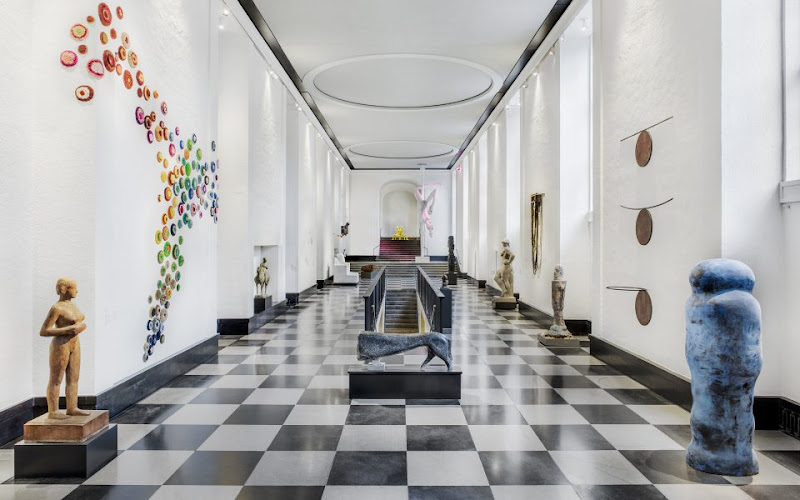
- A sculpture hall filled with classical and modern sculptures that creates an almost meditative space for contemplation
- An on-site bistro that serves Swedish cuisine in a setting surrounded by art – it’s actually decent too, not just the usual overpriced museum cafe fare
- Extensive facilities including free Wi-Fi throughout, wheelchair accessibility in all areas, and family-friendly amenities like changing tables and children’s activity areas
- A museum shop stocked with art books, prints, and Swedish design objects that’s worth browsing even if you’re not usually a museum shop person
- Temporary exhibition spaces that bring in major international shows and contemporary artists, keeping the experience fresh for local residents and return visitors
- Beautiful grounds outside the museum that include sculpture installations and green spaces perfect for processing what you’ve just seen inside
Best Time to Visit
Timing your visit to the Gothenburg Museum of Art can significantly impact your experience, and I’ve learned this through trial and error. The museum is open year-round, but certain periods definitely offer advantages over others.
Summer months from June through August bring the most tourists to Gothenburg, which means the museum sees higher foot traffic. However, the extended daylight hours of Scandinavian summer create a particular energy in the city that’s infectious. If you don’t mind sharing the galleries with more people, summer weekdays (Tuesday through Thursday) tend to be more manageable than weekends.
But here’s what I’d actually recommend: visit during the shoulder seasons of May or September. The weather in Gothenburg is still pleasant, the city hasn’t quite hit peak tourist season, and you’ll have more breathing room in the galleries. There’s something special about viewing art when you can actually stand in front of a painting for a few minutes without someone else waiting impatiently behind you.
Winter visits, particularly from November through February, offer the quietest experience. The museum becomes a refuge from the cold, dark Swedish winter outside. The downside? Gothenburg winters are genuinely dark – we’re talking sunset at 3:30 PM in December. But if you’re the contemplative type who enjoys experiencing art in a peaceful environment, this could be your ideal window.
As for time of day, arriving right when the museum opens typically provides the calmest experience. Late afternoons on weekdays also see fewer visitors. Weekends are busiest between 11 AM and 3 PM, so plan accordingly. And if there’s a special exhibition everyone’s talking about, definitely book your tickets in advance and go on a weekday morning if possible.
The museum occasionally hosts evening events and late openings – check their schedule before your trip. These can offer a completely different atmosphere, sometimes with fewer crowds and a more relaxed vibe.
How to Get There
Getting to the Gothenburg Museum of Art is refreshingly straightforward, which isn’t always the case with major cultural institutions. The museum sits on Götaplatsen, a central square that’s basically the cultural heart of Gothenburg.
If you’re staying anywhere in central Gothenburg, the tram system is your best friend. Trams 3, 4, 5, and 10 all stop at Götaplatsen, literally right in front of the museum. You can’t miss it – there’s a large fountain and the imposing Poseidon statue marking the square. The tram ride from Gothenburg Central Station takes about 15 minutes, and the trams run frequently throughout the day. Buy your ticket before boarding through the Västtrafik app or at ticket machines near tram stops.
For those who prefer walking, the museum is about 2 kilometers from the city center, roughly a 25-30 minute stroll down Kungsportsavenyn (locals just call it “Avenyn”), Gothenburg’s main boulevard. It’s actually a pleasant walk lined with shops, restaurants, and cafes, though I wouldn’t recommend it in heavy rain or winter conditions unless you enjoy being miserable.
If you’re driving, there’s a parking lot specifically designated for museum visitors with wheelchair-accessible spaces available. However, parking in central Gothenburg isn’t cheap, and honestly, you don’t need a car to get around the city center. Save yourself the hassle and expense.
From Gothenburg Landvetter Airport, take the airport bus (Flygbussarna) to the city center, then catch a tram to Götaplatsen. The total journey takes about 45 minutes. Alternatively, taxis are available but will cost significantly more.
Many hotels in Gothenburg are within walking distance or a short tram ride from the museum. When booking accommodation, look for places along the tram lines or near Avenyn for easiest access.
Tips for Visiting
After multiple visits to the Gothenburg Museum of Art, I’ve picked up some insights that’ll help you make the most of your time there.
First, don’t try to see everything in one visit. Seriously. I made this mistake my first time, rushing through rooms trying to absorb centuries of art in a couple hours. You’ll end up with museum fatigue and won’t remember much. Instead, pick a few sections that genuinely interest you and spend quality time with those works. The Nordic art collection deserves at least an hour on its own if you appreciate that period.
Download the museum’s information beforehand or grab a map when you enter. The layout can be slightly confusing, especially in the modern wing, and you don’t want to waste time wandering when you could be looking at art. Some rooms connect in unexpected ways.
The bistro is legitimately good and reasonably priced for a museum restaurant. Consider planning your visit around lunch there, especially if you want to experience Swedish cuisine in a pleasant setting. The outdoor seating area in warmer months overlooks the museum’s sculpture garden.
Admission prices are modest compared to major European museums, and they often have special rates for students, seniors, and families. Children under 25 accompanied by an adult get in free, which is incredibly generous. Check if your hotel or tourist card offers any discounts before purchasing tickets.
Photography is generally allowed in the permanent collection but without flash. However, some temporary exhibitions prohibit photos entirely, so watch for signs. Don’t be that person who ignores the rules – the museum staff will call you out, and it’s embarrassing.
The museum shop deserves more time than you’d think. They stock excellent art books, many focusing on Nordic artists that you won’t easily find elsewhere. If you’re into Swedish design or looking for unique souvenirs, browse here before leaving.
Accessibility is excellent throughout the museum. Elevators reach all floors, restrooms are spacious and wheelchair-friendly, and the staff is helpful with any mobility concerns. They also provide wheelchairs for visitors who need them.
If you’re visiting with children, ask about family activities and guided tours designed for younger visitors. The museum does a decent job engaging kids without dumbing down the art experience. There are also changing tables and family restrooms available.
Check the temporary exhibition schedule before your visit. These rotating shows often feature internationally significant artists or thematic exhibitions that might align perfectly with your interests. Sometimes the temporary exhibitions alone justify the visit.
Wear comfortable shoes. The museum is larger than it initially appears, and you’ll be on your feet more than you expect. Those beautiful but hard museum floors get uncomfortable after an hour of standing and walking.
Consider visiting on a quieter day and then returning to the museum cafe or outdoor areas later in your trip. The space itself is pleasant enough that locals use it as a meeting spot or work space, and you don’t need an admission ticket to access the cafe and shop.
Finally, take breaks. There are benches throughout the galleries, and you’ll appreciate the art more if you’re not exhausted. Sit down, really look at a piece that catches your eye, and give yourself time to absorb what you’re experiencing. That’s when museums become memorable rather than just another tourist checkbox.
Key Features
- Strong Nordic and Scandinavian art collection spanning centuries
- Notable French Impressionist and European masterpieces
- Prominent Swedish artists and comprehensive local holdings
- Rotating temporary exhibitions and photography displays
- Prime location at Götaplatsen near other cultural institutions
Nearby Attractions
Gothenburg Concert Hall (Konserthuset) at Götaplatsen
Gothenburg City Library and Cultural Centre
Avenyn boulevard with shops, cafés and restaurants
Tours & Activities
GetYourGuide provides this tour inventory. We may earn a commission if you book through it; verify current availability, prices, and terms with the provider.
Visitor Reviews
There are no reviews yet. Be the first one to write one.
Share Your Experience
Have you visited Gothenburg Museum of Art? Help other travelers by leaving a review.