

Gothenburg Cathedral
About Gothenburg Cathedral
Description
Standing in the heart of Sweden's second-largest city, Gothenburg Cathedral represents a fascinating piece of architectural history that honestly surprised me when I first learned about its story. Built in the early 19th century following two devastating fires that destroyed its predecessors, this Protestant church showcases beautiful classical design elements that feel both grand and welcoming at the same time. The cathedral serves as the seat of the Diocese of Gothenburg and has been a spiritual center for locals and a curious attraction for travelers since 1815. What strikes most visitors immediately is how the building manages to feel imposing yet somehow intimate – quite a trick for a structure of this significance. The yellow-painted facade with white trim gives it a distinctly Scandinavian character that photographs beautifully in any season. And while it might not have the centuries-old gothic atmosphere of some European cathedrals, there's something genuinely refreshing about its cleaner, more streamlined classical approach to sacred architecture. The cathedral has evolved beyond just religious services over the years. Today it hosts concerts and recitals that draw music lovers from across the region, creating this wonderful intersection where history, spirituality, and culture all meet under one roof. The acoustics inside are exceptional – something the original architects clearly gave considerable thought to when designing the space.Key Features
The cathedral offers several noteworthy elements that make it worth including on any Gothenburg itinerary:- Classical Architecture: The building exemplifies early 19th-century neoclassical design with its symmetrical proportions and understated elegance that stands in beautiful contrast to more ornate European church styles
- Interior Design: The spacious nave features white walls and columns that create an airy, light-filled atmosphere quite different from the darker interiors common in medieval churches
- The Altar: A striking focal point crafted with careful attention to classical proportions and religious symbolism that draws the eye naturally toward the chancel
- Musical Heritage: Regular concerts and organ recitals showcase the cathedral's impressive acoustics and its historic organ, making it a living cultural venue rather than just a historical monument
- The Tower: While not as tall as some European cathedral spires, the tower provides a distinctive landmark in Gothenburg's skyline that helps orient visitors exploring the city center
- Accessibility Features: Modern considerations have been thoughtfully integrated, including wheelchair-accessible entrances, parking, and restroom facilities that make the cathedral welcoming to all visitors
- Historical Significance: The building represents Gothenburg's resilience after the fires of previous centuries and tells the story of the city's development during an important period of Swedish history
- Peaceful Atmosphere: Despite being located in a busy area, the interior maintains a contemplative quiet that offers respite from the energy of the surrounding streets
Best Time to Visit
Timing your visit to Gothenburg Cathedral can really enhance the experience, and I've found that different seasons offer their own unique advantages. Summer months from June through August bring the longest daylight hours – we're talking about those magical Scandinavian summers where the sun barely sets. This means you can visit later in the evening and still have plenty of natural light streaming through the windows, creating this ethereal glow inside the space. But here's the thing – summer also brings the largest crowds of tourists to Gothenburg. If you're someone who prefers a more solitary, contemplative experience, you might want to consider visiting during the shoulder seasons of late April to May or September to early October. The weather's still relatively pleasant, and you'll likely have more space to yourself for quiet reflection or photography. Winter visits have their own special charm, particularly if you can time it with one of the Christmas concerts or advent services. There's something particularly moving about experiencing this classical space when it's decorated for the holidays, though you'll need to bundle up for the short walk there since Gothenburg winters can be quite cold. For attending concerts and recitals, check the cathedral's schedule ahead of time as these special events happen throughout the year. Evening concerts during autumn and winter months create an especially atmospheric experience when darkness falls early and the interior lighting takes on added significance. Weekday mornings tend to be quietest if you're hoping to avoid other visitors entirely. I'd suggest arriving around 10 AM on a Tuesday or Wednesday if peaceful solitude is what you're after. Weekend afternoons can get busier, especially when services aren't in session and tourists are exploring the city center.How to Get There
Getting to Gothenburg Cathedral is refreshingly straightforward, which honestly makes it accessible even if this is your first time navigating a Swedish city. The cathedral sits right in the city center, making it walkable from many hotels and accommodations in downtown Gothenburg. Most visitors staying centrally can reach it within 15 minutes on foot, which is my preferred method since you get to see the city streets along the way. If you're using public transportation – and Gothenburg's system is quite reliable – several tram lines stop near the cathedral. The closest stop depends on which direction you're coming from, but trams are frequent and easy to navigate even if you don't speak Swedish. The ticket system works on a time-based structure, so purchase your ticket before boarding either through the app or at ticket machines at major stops. For those arriving from Gothenburg Central Station, it's about a 10-minute walk through the city center. Just head generally westward and you'll spot the distinctive yellow facade soon enough. The route takes you past some interesting shops and cafes if you want to make it a leisurely stroll. Driving isn't really necessary unless you're coming from outside the city, and parking in central Gothenburg can be challenging and expensive. However, the cathedral does maintain wheelchair-accessible parking for visitors who need it, which shows thoughtful planning on their part. Cyclists will find Gothenburg quite bike-friendly, with dedicated lanes throughout the city center. There are places to lock your bike near the cathedral, though as with any city, use a good lock and don't leave valuables with your bicycle. If you're using rideshare apps or taxis, drivers will know exactly where the cathedral is located – it's one of the city's recognized landmarks. Just be aware that during peak traffic times, walking might actually get you there faster given the central location.Tips for Visiting
Let me share some practical advice that'll help make your cathedral visit more enjoyable and respectful. First off, remember this is an active place of worship, not just a tourist attraction. That means dressing modestly and maintaining quiet voices inside, especially if services are taking place. You don't need to wear formal clothes, but tank tops and very short shorts might feel out of place. Photography is generally allowed, but be mindful about using flash and definitely avoid photographing during services or concerts. I always think it's better to spend a few moments just experiencing the space with your eyes rather than only seeing it through a phone screen anyway. That said, the interior does photograph beautifully, particularly if you can capture the light coming through the windows. Admission to the cathedral is typically free, though donations are welcomed and appreciated. If you attend a concert or special event, there will usually be a ticket price, and these events are genuinely worth the cost given the acoustics and atmosphere. Check what's on during your visit – you might stumble upon something special. The cathedral maintains regular opening hours, but these can vary seasonally and for special events. It's worth checking before making a special trip, particularly if you're visiting on a Sunday when service schedules might affect tourist access. Generally speaking, weekday visits between mid-morning and early afternoon offer the most reliable access. For visitors with mobility concerns, the wheelchair accessibility features are genuine and functional, not just token gestures. The staff are helpful and accommodating, though language barriers might occasionally occur with older volunteers who speak limited English. Most younger staff speak excellent English though. Give yourself at least 30-45 minutes for a thorough visit if you want to really appreciate the details. You can certainly walk through in 15 minutes, but that feels a bit rushed for a building with this much history and character. If you're attending a concert, arrive a bit early to get settled and maybe spend some time with the architecture before the music begins. The restroom facilities are clean and well-maintained, which might seem like a minor detail but it's actually quite helpful when you're spending a day exploring the city center. Not every historic building has modernized this thoughtfully. Consider combining your cathedral visit with exploring the surrounding area. The location puts you within easy reach of other Gothenburg attractions, cafes, and the general city atmosphere. I find that seeing the cathedral as part of a larger exploration of the city center makes for a more rounded experience than treating it as an isolated stop. Finally, approach your visit with an open mind. This isn't going to be Stockholm's grand medieval churches or the gothic masterpieces of continental Europe. What it offers instead is a different kind of beauty – cleaner lines, classical proportions, and a sense of how 19th-century Swedes imagined sacred space. That's valuable in its own right, and visitors who appreciate architectural diversity will find plenty to admire here.Key Features
- Key Features
- Best Time to Visit
- How to Get There
- Tips for Visiting
More Details
Updated March 30, 2026
Table of Contents
Description
Standing in the heart of Sweden’s second-largest city, Gothenburg Cathedral represents a fascinating piece of architectural history that honestly surprised me when I first learned about its story. Built in the early 19th century following two devastating fires that destroyed its predecessors, this Protestant church showcases beautiful classical design elements that feel both grand and welcoming at the same time. The cathedral serves as the seat of the Diocese of Gothenburg and has been a spiritual center for locals and a curious attraction for travelers since 1815.
What strikes most visitors immediately is how the building manages to feel imposing yet somehow intimate – quite a trick for a structure of this significance. The yellow-painted facade with white trim gives it a distinctly Scandinavian character that photographs beautifully in any season. And while it might not have the centuries-old gothic atmosphere of some European cathedrals, there’s something genuinely refreshing about its cleaner, more streamlined classical approach to sacred architecture.
The cathedral has evolved beyond just religious services over the years. Today it hosts concerts and recitals that draw music lovers from across the region, creating this wonderful intersection where history, spirituality, and culture all meet under one roof. The acoustics inside are exceptional – something the original architects clearly gave considerable thought to when designing the space.
Key Features
The cathedral offers several noteworthy elements that make it worth including on any Gothenburg itinerary:
- Classical Architecture: The building exemplifies early 19th-century neoclassical design with its symmetrical proportions and understated elegance that stands in beautiful contrast to more ornate European church styles
- Interior Design: The spacious nave features white walls and columns that create an airy, light-filled atmosphere quite different from the darker interiors common in medieval churches
- The Altar: A striking focal point crafted with careful attention to classical proportions and religious symbolism that draws the eye naturally toward the chancel
- Musical Heritage: Regular concerts and organ recitals showcase the cathedral’s impressive acoustics and its historic organ, making it a living cultural venue rather than just a historical monument
- The Tower: While not as tall as some European cathedral spires, the tower provides a distinctive landmark in Gothenburg’s skyline that helps orient visitors exploring the city center
- Accessibility Features: Modern considerations have been thoughtfully integrated, including wheelchair-accessible entrances, parking, and restroom facilities that make the cathedral welcoming to all visitors
- Historical Significance: The building represents Gothenburg’s resilience after the fires of previous centuries and tells the story of the city’s development during an important period of Swedish history
- Peaceful Atmosphere: Despite being located in a busy area, the interior maintains a contemplative quiet that offers respite from the energy of the surrounding streets
Best Time to Visit
Timing your visit to Gothenburg Cathedral can really enhance the experience, and I’ve found that different seasons offer their own unique advantages. Summer months from June through August bring the longest daylight hours – we’re talking about those magical Scandinavian summers where the sun barely sets. This means you can visit later in the evening and still have plenty of natural light streaming through the windows, creating this ethereal glow inside the space.
But here’s the thing – summer also brings the largest crowds of tourists to Gothenburg. If you’re someone who prefers a more solitary, contemplative experience, you might want to consider visiting during the shoulder seasons of late April to May or September to early October. The weather’s still relatively pleasant, and you’ll likely have more space to yourself for quiet reflection or photography.
Winter visits have their own special charm, particularly if you can time it with one of the Christmas concerts or advent services. There’s something particularly moving about experiencing this classical space when it’s decorated for the holidays, though you’ll need to bundle up for the short walk there since Gothenburg winters can be quite cold.
For attending concerts and recitals, check the cathedral’s schedule ahead of time as these special events happen throughout the year. Evening concerts during autumn and winter months create an especially atmospheric experience when darkness falls early and the interior lighting takes on added significance.
Weekday mornings tend to be quietest if you’re hoping to avoid other visitors entirely. I’d suggest arriving around 10 AM on a Tuesday or Wednesday if peaceful solitude is what you’re after. Weekend afternoons can get busier, especially when services aren’t in session and tourists are exploring the city center.
How to Get There
Getting to Gothenburg Cathedral is refreshingly straightforward, which honestly makes it accessible even if this is your first time navigating a Swedish city. The cathedral sits right in the city center, making it walkable from many hotels and accommodations in downtown Gothenburg. Most visitors staying centrally can reach it within 15 minutes on foot, which is my preferred method since you get to see the city streets along the way.
If you’re using public transportation – and Gothenburg’s system is quite reliable – several tram lines stop near the cathedral. The closest stop depends on which direction you’re coming from, but trams are frequent and easy to navigate even if you don’t speak Swedish. The ticket system works on a time-based structure, so purchase your ticket before boarding either through the app or at ticket machines at major stops.
For those arriving from Gothenburg Central Station, it’s about a 10-minute walk through the city center. Just head generally westward and you’ll spot the distinctive yellow facade soon enough. The route takes you past some interesting shops and cafes if you want to make it a leisurely stroll.
Driving isn’t really necessary unless you’re coming from outside the city, and parking in central Gothenburg can be challenging and expensive. However, the cathedral does maintain wheelchair-accessible parking for visitors who need it, which shows thoughtful planning on their part.
Cyclists will find Gothenburg quite bike-friendly, with dedicated lanes throughout the city center. There are places to lock your bike near the cathedral, though as with any city, use a good lock and don’t leave valuables with your bicycle.
If you’re using rideshare apps or taxis, drivers will know exactly where the cathedral is located – it’s one of the city’s recognized landmarks. Just be aware that during peak traffic times, walking might actually get you there faster given the central location.
Tips for Visiting
Let me share some practical advice that’ll help make your cathedral visit more enjoyable and respectful. First off, remember this is an active place of worship, not just a tourist attraction. That means dressing modestly and maintaining quiet voices inside, especially if services are taking place. You don’t need to wear formal clothes, but tank tops and very short shorts might feel out of place.
Photography is generally allowed, but be mindful about using flash and definitely avoid photographing during services or concerts. I always think it’s better to spend a few moments just experiencing the space with your eyes rather than only seeing it through a phone screen anyway. That said, the interior does photograph beautifully, particularly if you can capture the light coming through the windows.
Admission to the cathedral is typically free, though donations are welcomed and appreciated. If you attend a concert or special event, there will usually be a ticket price, and these events are genuinely worth the cost given the acoustics and atmosphere. Check what’s on during your visit – you might stumble upon something special.
The cathedral maintains regular opening hours, but these can vary seasonally and for special events. It’s worth checking before making a special trip, particularly if you’re visiting on a Sunday when service schedules might affect tourist access. Generally speaking, weekday visits between mid-morning and early afternoon offer the most reliable access.
For visitors with mobility concerns, the wheelchair accessibility features are genuine and functional, not just token gestures. The staff are helpful and accommodating, though language barriers might occasionally occur with older volunteers who speak limited English. Most younger staff speak excellent English though.
Give yourself at least 30-45 minutes for a thorough visit if you want to really appreciate the details. You can certainly walk through in 15 minutes, but that feels a bit rushed for a building with this much history and character. If you’re attending a concert, arrive a bit early to get settled and maybe spend some time with the architecture before the music begins.
The restroom facilities are clean and well-maintained, which might seem like a minor detail but it’s actually quite helpful when you’re spending a day exploring the city center. Not every historic building has modernized this thoughtfully.
Consider combining your cathedral visit with exploring the surrounding area. The location puts you within easy reach of other Gothenburg attractions, cafes, and the general city atmosphere. I find that seeing the cathedral as part of a larger exploration of the city center makes for a more rounded experience than treating it as an isolated stop.
Finally, approach your visit with an open mind. This isn’t going to be Stockholm’s grand medieval churches or the gothic masterpieces of continental Europe. What it offers instead is a different kind of beauty – cleaner lines, classical proportions, and a sense of how 19th-century Swedes imagined sacred space. That’s valuable in its own right, and visitors who appreciate architectural diversity will find plenty to admire here.
Key Highlights
- Key Features
- Best Time to Visit
- How to Get There
- Tips for Visiting
Location
Places to Stay Near Gothenburg Cathedral
Find and Book a Tour
Explore More Travel Guides
No reviews found! Be the first to review!
Gothenburg Cathedral is a prominent attractions located in Gothenburg.
Visit us at: Kyrkogatan 28, 411 15 Göteborg, Sweden.
Traveler Reviews for Gothenburg Cathedral
There are no reviews yet. Be the first one to write one.
Have you visited Gothenburg Cathedral? Help other travelers by sharing your review.
You Might Also Like

Kungsparken

Gothenburg Museum of Natural History
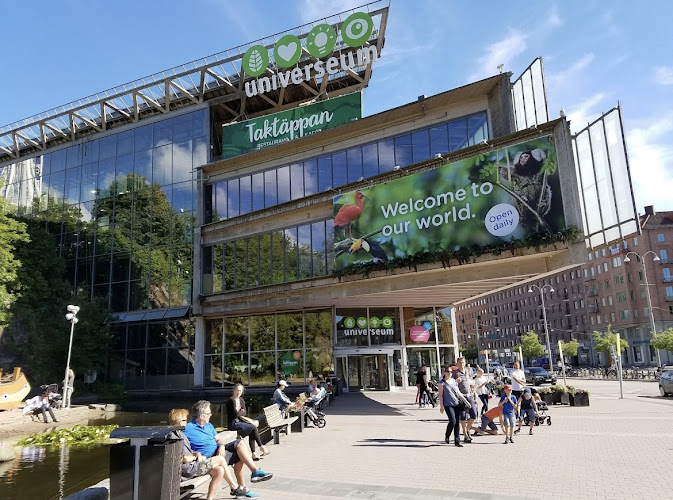
Universeum
Find Accommodations Nearby
Recommended Tours & Activities
Visitor Reviews
There are no reviews yet. Be the first one to write one.
Share Your Experience
Have you visited Gothenburg Cathedral? Help other travelers by leaving a review.