Gothenburg Museum of Natural History
About Gothenburg Museum of Natural History
Description
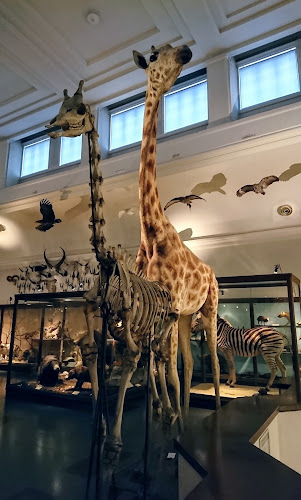
The Gothenburg Museum of Natural History stands as one of Sweden's most comprehensive collections of the natural world, and honestly, it's the kind of place that makes you feel like a kid again regardless of your age. This isn't just another stuffy museum with glass cases—though there are plenty of those, admittedly—but rather a genuine journey through millions of years of Earth's history packed into one building. What strikes most visitors first is the sheer scale of the collections here. We're talking about thousands upon thousands of preserved specimens ranging from the tiniest insects to massive mammals that once roamed our planet. The museum houses extensive displays of animals, reptiles, and insects alongside fascinating geology exhibits that tell the story of our planet's formation and evolution. And while many natural history museums around the world follow similar patterns, this particular institution has managed to create something that feels uniquely Scandinavian in its approach—methodical, educational, yet surprisingly engaging. The star attraction? A massive blue whale skeleton that dominates one of the main halls. I remember the first time I walked into that space and just stopped dead in my tracks. Pictures don't do it justice, and you really have to stand beneath something that enormous to appreciate the scale of life that exists beyond our everyday experience. The whale serves as a humbling reminder of nature's grandeur and the museum's commitment to showcasing life in all its diverse forms. But beyond the wow-factor exhibits, this museum functions as both a serious scientific institution and a convention center, making it a multifaceted venue that serves multiple purposes for the Gothenburg community and visitors alike.Key Features
The Gothenburg Museum of Natural History offers travelers an impressive array of exhibits and facilities that make it worth dedicating several hours to explore:- The iconic blue whale skeleton display that serves as the museum's centerpiece and provides an unforgettable photo opportunity
- Extensive collections of preserved animals from around the world, including species from every continent and representing various ecosystems
- Comprehensive insect collections that showcase the incredible diversity of invertebrate life, many specimens dating back over a century
- Reptile exhibitions featuring both modern species and prehistoric relatives that help contextualize evolution
- Geology exhibits displaying minerals, rocks, and fossils that tell the story of Earth's 4.5 billion year history
- Interactive displays designed specifically for younger visitors, though adults find them equally engaging if they're being honest
- Fully accessible facilities including wheelchair-friendly entrances, parking areas, and restrooms throughout the building
- Onsite restaurant where visitors can grab a bite without having to leave and lose their exploration momentum
- Changing tables and family-friendly amenities that make visiting with small children significantly less stressful
- Convention center spaces that occasionally host special events, lectures, and temporary exhibitions beyond the permanent collections
- Educational programs and guided tours available in multiple languages, though checking ahead for English-language options is smart
- Well-maintained collections that demonstrate the museum's commitment to preservation and scientific accuracy
Best Time to Visit
Timing your visit to the Gothenburg Museum of Natural History can make a real difference in your experience, and I've learned this through trial and error over the years. Weekday mornings, particularly Tuesday through Thursday between 10 AM and noon, tend to be the quietest periods. You'll have more breathing room around the displays and won't be fighting crowds for that perfect photo of the blue whale. Weekends get predictably busy, especially during the afternoon hours when families with kids flood in. Not that there's anything wrong with a lively atmosphere, but if you're someone who prefers contemplative museum experiences, you'll want to avoid Saturday and Sunday afternoons. School holidays present their own challenges. Swedish school breaks—particularly autumn break in October and the winter holidays—bring waves of local families. The museum is absolutely set up to handle this influx, but expect higher noise levels and longer lines at the restaurant. Weather surprisingly plays a role in visitor numbers too. When Gothenburg experiences those beautiful sunny summer days, the museum tends to be less crowded as people head outdoors. Rainy days? Everyone has the same idea about indoor activities. So there's a bit of strategy involved if you're trying to optimize your visit. The winter months from November through February offer perhaps the best overall experience for international travelers. Sure, the days are shorter and the weather is cold, but the museum is comfortably heated, less crowded than summer peak season, and there's something particularly cozy about exploring natural history exhibits while it's dark and chilly outside. Summer visitors should aim for early opening times—the museum typically opens around 10 AM, and getting there right when the doors open gives you a solid hour before the rush. And honestly, there's no bad time to see a blue whale skeleton, but there are definitely better times to see it without thirty people in your frame.How to Get There
Getting to the Gothenburg Museum of Natural History is refreshingly straightforward, which is saying something for European city navigation. The museum sits in a location that's accessible by multiple transportation methods, and you've got options depending on your preference and where you're staying in the city. Public transportation is probably your best bet if you're staying anywhere central in Gothenburg. The city's tram system is efficient, clean, and honestly one of the better public transit experiences in Sweden. Several tram lines service the area near the museum, and the stops are well-marked with clear signage. Purchase your ticket before boarding—either through the Västtrafik app or at the machines located at tram stops. The Swedes are serious about ticket validation, and fare inspectors do check regularly. If you're driving, the museum provides wheelchair-accessible parking on site, which is convenient though spaces can fill up during peak times. Parking in Gothenburg isn't cheap—that's just the reality of Scandinavian cities—but it's reliable and secure. GPS coordinates work perfectly for navigation apps, and the museum building itself is large enough that you won't miss it once you're in the vicinity. Cycling is another viable option if you're visiting during warmer months. Gothenburg has developed decent cycling infrastructure, and many travelers actually rent bikes to explore the city. There are bike racks available near the museum entrance where you can lock up your ride. Taxis and ride-sharing services operate throughout Gothenburg, though they're pricier than you might expect. Still, if you're traveling as a group or have mobility concerns, the door-to-door service might be worth the extra kronor. For visitors staying in the city center, the museum is located in a district that's roughly a 20-30 minute journey depending on your exact starting point. It's not within immediate walking distance of most hotels, so plan your transportation accordingly. But that's also part of what makes it feel like a bit of an adventure—you're getting out of the touristy center and into a more residential area of the city.Tips for Visiting
After multiple visits and learning from a few mistakes along the way, here are some practical tips that'll help you make the most of your time at the Gothenburg Museum of Natural History. First things first: give yourself more time than you think you'll need. I made the mistake on my first visit of budgeting just 90 minutes, thinking I'd breeze through. Three hours later, I was still discovering new displays. The collections are extensive, and if you're actually reading the information panels and taking your time with the exhibits, you're looking at a solid half-day commitment. Rushing through defeats the purpose. The onsite restaurant is decent but can get swamped during lunch hours. If you're planning to eat there, consider an early lunch around 11:30 AM or a late one after 1:30 PM. Alternatively, bring snacks—there are seating areas where eating your own food is acceptable, though obviously not right in the exhibit halls. Photography is generally allowed throughout the museum, but be respectful of other visitors and don't use flash around delicate specimens. That blue whale is going to be your most Instagrammable moment, so stake out a good angle early before the crowds build. Pro tip: the upper level viewing area offers perspectives you won't get from ground level. Dress in layers because the temperature can vary throughout different sections of the museum. Some halls run cooler than others, and after you've been walking around for a couple hours, your comfort level changes. If you're traveling with kids, the museum is genuinely well-equipped for families. The changing tables are clean and well-stocked, and there are interactive areas specifically designed for younger visitors. Let the kids lead sometimes—their natural curiosity often points out details that adults walk right past. Download or grab a museum map when you enter. The building layout isn't confusing exactly, but it's large enough that having a reference point helps you prioritize what you want to see. Some visitors prefer chronological approaches starting with geology and moving through evolutionary history, while others bee-line for their favorite animal groups. Check the museum's schedule before visiting because sometimes special exhibitions or events are happening that might interest you. The convention center aspect means there's occasionally something beyond the permanent collections. English information is available throughout most of the museum, but not every single display has translations. Bringing a translation app on your phone helps fill in gaps if you're curious about specific specimens that only have Swedish descriptions. The gift shop is actually worth browsing. Unlike some museum shops that sell generic souvenirs, this one stocks quality natural history books, unique Swedish-designed items, and educational materials that make good gifts or mementos. Finally, bathrooms are clean and well-maintained, but they're not on every floor. Note their locations when you see them so you're not desperately searching later. The Gothenburg Museum of Natural History rewards curiosity and patience. It's not the flashiest museum you'll ever visit—this isn't a high-tech, multimedia experience with augmented reality and touch screens everywhere. What it offers instead is authentic natural history presented with scientific rigor and genuine educational value. And sometimes, standing in front of a perfectly preserved specimen collected a hundred years ago tells you more about our world than any digital display ever could.Key Features
- The iconic blue whale skeleton display that serves as the museum's centerpiece and provides an unforgettable photo opportunity
- Extensive collections of preserved animals from around the world, including species from every continent and representing various ecosystems
- Comprehensive insect collections that showcase the incredible diversity of invertebrate life, many specimens dating back over a century
- Reptile exhibitions featuring both modern species and prehistoric relatives that help contextualize evolution
- Geology exhibits displaying minerals, rocks, and fossils that tell the story of Earth's 4.5 billion year history
- Interactive displays designed specifically for younger visitors, though adults find them equally engaging if they're being honest
- Fully accessible facilities including wheelchair-friendly entrances, parking areas, and restrooms throughout the building
- Onsite restaurant where visitors can grab a bite without having to leave and lose their exploration momentum
More Details
Updated March 30, 2026
Table of Contents
- Description
- Key Features
- Best Time to Visit
- How to Get There
- Tips for Visiting
- Key Highlights
- Location
- Places to Stay Near Gothenburg Museum of Natural History
- Find and Book a Tour
- Explore More Travel Guides
- Nearby Places You Might Like
- Traveler Reviews for Gothenburg Museum of Natural History
- Share Your Experience
Description
The Gothenburg Museum of Natural History stands as one of Sweden’s most comprehensive collections of the natural world, and honestly, it’s the kind of place that makes you feel like a kid again regardless of your age. This isn’t just another stuffy museum with glass cases—though there are plenty of those, admittedly—but rather a genuine journey through millions of years of Earth’s history packed into one building.
What strikes most visitors first is the sheer scale of the collections here. We’re talking about thousands upon thousands of preserved specimens ranging from the tiniest insects to massive mammals that once roamed our planet. The museum houses extensive displays of animals, reptiles, and insects alongside fascinating geology exhibits that tell the story of our planet’s formation and evolution. And while many natural history museums around the world follow similar patterns, this particular institution has managed to create something that feels uniquely Scandinavian in its approach—methodical, educational, yet surprisingly engaging.
The star attraction? A massive blue whale skeleton that dominates one of the main halls. I remember the first time I walked into that space and just stopped dead in my tracks. Pictures don’t do it justice, and you really have to stand beneath something that enormous to appreciate the scale of life that exists beyond our everyday experience. The whale serves as a humbling reminder of nature’s grandeur and the museum’s commitment to showcasing life in all its diverse forms.
But beyond the wow-factor exhibits, this museum functions as both a serious scientific institution and a convention center, making it a multifaceted venue that serves multiple purposes for the Gothenburg community and visitors alike.
Key Features
The Gothenburg Museum of Natural History offers travelers an impressive array of exhibits and facilities that make it worth dedicating several hours to explore:
- The iconic blue whale skeleton display that serves as the museum’s centerpiece and provides an unforgettable photo opportunity
- Extensive collections of preserved animals from around the world, including species from every continent and representing various ecosystems
- Comprehensive insect collections that showcase the incredible diversity of invertebrate life, many specimens dating back over a century
- Reptile exhibitions featuring both modern species and prehistoric relatives that help contextualize evolution
- Geology exhibits displaying minerals, rocks, and fossils that tell the story of Earth’s 4.5 billion year history
- Interactive displays designed specifically for younger visitors, though adults find them equally engaging if they’re being honest
- Fully accessible facilities including wheelchair-friendly entrances, parking areas, and restrooms throughout the building
- Onsite restaurant where visitors can grab a bite without having to leave and lose their exploration momentum
- Changing tables and family-friendly amenities that make visiting with small children significantly less stressful
- Convention center spaces that occasionally host special events, lectures, and temporary exhibitions beyond the permanent collections
- Educational programs and guided tours available in multiple languages, though checking ahead for English-language options is smart
- Well-maintained collections that demonstrate the museum’s commitment to preservation and scientific accuracy
Best Time to Visit
Timing your visit to the Gothenburg Museum of Natural History can make a real difference in your experience, and I’ve learned this through trial and error over the years.
Weekday mornings, particularly Tuesday through Thursday between 10 AM and noon, tend to be the quietest periods. You’ll have more breathing room around the displays and won’t be fighting crowds for that perfect photo of the blue whale. Weekends get predictably busy, especially during the afternoon hours when families with kids flood in. Not that there’s anything wrong with a lively atmosphere, but if you’re someone who prefers contemplative museum experiences, you’ll want to avoid Saturday and Sunday afternoons.
School holidays present their own challenges. Swedish school breaks—particularly autumn break in October and the winter holidays—bring waves of local families. The museum is absolutely set up to handle this influx, but expect higher noise levels and longer lines at the restaurant.
Weather surprisingly plays a role in visitor numbers too. When Gothenburg experiences those beautiful sunny summer days, the museum tends to be less crowded as people head outdoors. Rainy days? Everyone has the same idea about indoor activities. So there’s a bit of strategy involved if you’re trying to optimize your visit.
The winter months from November through February offer perhaps the best overall experience for international travelers. Sure, the days are shorter and the weather is cold, but the museum is comfortably heated, less crowded than summer peak season, and there’s something particularly cozy about exploring natural history exhibits while it’s dark and chilly outside.
Summer visitors should aim for early opening times—the museum typically opens around 10 AM, and getting there right when the doors open gives you a solid hour before the rush. And honestly, there’s no bad time to see a blue whale skeleton, but there are definitely better times to see it without thirty people in your frame.
How to Get There
Getting to the Gothenburg Museum of Natural History is refreshingly straightforward, which is saying something for European city navigation. The museum sits in a location that’s accessible by multiple transportation methods, and you’ve got options depending on your preference and where you’re staying in the city.
Public transportation is probably your best bet if you’re staying anywhere central in Gothenburg. The city’s tram system is efficient, clean, and honestly one of the better public transit experiences in Sweden. Several tram lines service the area near the museum, and the stops are well-marked with clear signage. Purchase your ticket before boarding—either through the Västtrafik app or at the machines located at tram stops. The Swedes are serious about ticket validation, and fare inspectors do check regularly.
If you’re driving, the museum provides wheelchair-accessible parking on site, which is convenient though spaces can fill up during peak times. Parking in Gothenburg isn’t cheap—that’s just the reality of Scandinavian cities—but it’s reliable and secure. GPS coordinates work perfectly for navigation apps, and the museum building itself is large enough that you won’t miss it once you’re in the vicinity.
Cycling is another viable option if you’re visiting during warmer months. Gothenburg has developed decent cycling infrastructure, and many travelers actually rent bikes to explore the city. There are bike racks available near the museum entrance where you can lock up your ride.
Taxis and ride-sharing services operate throughout Gothenburg, though they’re pricier than you might expect. Still, if you’re traveling as a group or have mobility concerns, the door-to-door service might be worth the extra kronor.
For visitors staying in the city center, the museum is located in a district that’s roughly a 20-30 minute journey depending on your exact starting point. It’s not within immediate walking distance of most hotels, so plan your transportation accordingly. But that’s also part of what makes it feel like a bit of an adventure—you’re getting out of the touristy center and into a more residential area of the city.
Tips for Visiting
After multiple visits and learning from a few mistakes along the way, here are some practical tips that’ll help you make the most of your time at the Gothenburg Museum of Natural History.
First things first: give yourself more time than you think you’ll need. I made the mistake on my first visit of budgeting just 90 minutes, thinking I’d breeze through. Three hours later, I was still discovering new displays. The collections are extensive, and if you’re actually reading the information panels and taking your time with the exhibits, you’re looking at a solid half-day commitment. Rushing through defeats the purpose.
The onsite restaurant is decent but can get swamped during lunch hours. If you’re planning to eat there, consider an early lunch around 11:30 AM or a late one after 1:30 PM. Alternatively, bring snacks—there are seating areas where eating your own food is acceptable, though obviously not right in the exhibit halls.
Photography is generally allowed throughout the museum, but be respectful of other visitors and don’t use flash around delicate specimens. That blue whale is going to be your most Instagrammable moment, so stake out a good angle early before the crowds build. Pro tip: the upper level viewing area offers perspectives you won’t get from ground level.
Dress in layers because the temperature can vary throughout different sections of the museum. Some halls run cooler than others, and after you’ve been walking around for a couple hours, your comfort level changes.
If you’re traveling with kids, the museum is genuinely well-equipped for families. The changing tables are clean and well-stocked, and there are interactive areas specifically designed for younger visitors. Let the kids lead sometimes—their natural curiosity often points out details that adults walk right past.
Download or grab a museum map when you enter. The building layout isn’t confusing exactly, but it’s large enough that having a reference point helps you prioritize what you want to see. Some visitors prefer chronological approaches starting with geology and moving through evolutionary history, while others bee-line for their favorite animal groups.
Check the museum’s schedule before visiting because sometimes special exhibitions or events are happening that might interest you. The convention center aspect means there’s occasionally something beyond the permanent collections.
English information is available throughout most of the museum, but not every single display has translations. Bringing a translation app on your phone helps fill in gaps if you’re curious about specific specimens that only have Swedish descriptions.
The gift shop is actually worth browsing. Unlike some museum shops that sell generic souvenirs, this one stocks quality natural history books, unique Swedish-designed items, and educational materials that make good gifts or mementos.
Finally, bathrooms are clean and well-maintained, but they’re not on every floor. Note their locations when you see them so you’re not desperately searching later.
The Gothenburg Museum of Natural History rewards curiosity and patience. It’s not the flashiest museum you’ll ever visit—this isn’t a high-tech, multimedia experience with augmented reality and touch screens everywhere. What it offers instead is authentic natural history presented with scientific rigor and genuine educational value. And sometimes, standing in front of a perfectly preserved specimen collected a hundred years ago tells you more about our world than any digital display ever could.
Key Highlights
- The iconic blue whale skeleton display that serves as the museum's centerpiece and provides an unforgettable photo opportunity
- Extensive collections of preserved animals from around the world, including species from every continent and representing various ecosystems
- Comprehensive insect collections that showcase the incredible diversity of invertebrate life, many specimens dating back over a century
- Reptile exhibitions featuring both modern species and prehistoric relatives that help contextualize evolution
- Geology exhibits displaying minerals, rocks, and fossils that tell the story of Earth's 4.5 billion year history
- Interactive displays designed specifically for younger visitors, though adults find them equally engaging if they're being honest
- Fully accessible facilities including wheelchair-friendly entrances, parking areas, and restrooms throughout the building
- Onsite restaurant where visitors can grab a bite without having to leave and lose their exploration momentum
Location
Places to Stay Near Gothenburg Museum of Natural History
Find and Book a Tour
Explore More Travel Guides
No reviews found! Be the first to review!
Gothenburg Museum of Natural History is a prominent museums located in Gothenburg.
Visit us at: Museivägen 10, 413 11 Göteborg, Suède.
Traveler Reviews for Gothenburg Museum of Natural History
There are no reviews yet. Be the first one to write one.
Have you visited Gothenburg Museum of Natural History? Help other travelers by sharing your review.
Find Accommodations Nearby
Recommended Tours & Activities
Visitor Reviews
There are no reviews yet. Be the first one to write one.
Share Your Experience
Have you visited Gothenburg Museum of Natural History? Help other travelers by leaving a review.
