Historical landmark 4.2 Gothenburg, SwedenCommunity Guide

Skansen Lejonet

Emerentias backe 25, 411 04 Göteborg, Suède

Skansen Lejonet
997 Photos

About & Overview

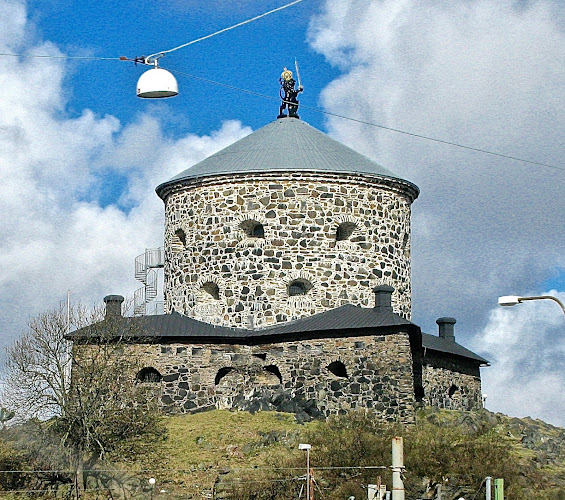
Skansen Lejonet stands as one of Gothenburg’s most intriguing historical treasures, and honestly, it’s the kind of place that makes you realize how much drama unfolded on Swedish soil back in the day.

Highlights & Key Features

  • The iconic crowned lion statue holding a sword, which has become one of the most photographed symbols in Gothenburg and represents the fortress's military heritage
  • Remarkably preserved 17th-century fortress architecture with original stone walls and defensive structures that transport visitors back to Sweden's imperial age
  • Panoramic viewing platforms providing unobstructed views across the city, harbor, and surrounding archipelago – particularly stunning at sunset
  • A full-service restaurant housed within the historical structure, offering traditional Swedish cuisine in an atmosphere you simply can't replicate in modern buildings
  • Banquet hall facilities that accommodate weddings, corporate events, and private celebrations in a setting that's genuinely unique
  • Well-maintained grounds and gardens surrounding the fortress, perfect for leisurely walks and outdoor exploration
  • Informative displays and markers throughout the site explaining the fortress's role in Gothenburg's defense system
  • Accessibility features that make the site reasonably visitable for people with varying mobility levels, though some areas remain challenging due to the historical nature of the structure

Visitor Guide & Information

This fortress dates back to the late 17th century when Sweden was flexing its military muscle across Northern Europe, and the crowned lion clutching a sword that sits proudly atop the structure tells you everything you need to know about the ambitions of that era.

The fortress was constructed as part of Gothenburg’s defensive ring during a time when the city needed serious protection from Danish and Norwegian threats. Walking around these grounds, you can almost feel the weight of history pressing down on the stone walls. What makes Skansen Lejonet particularly special is that it’s managed to evolve beyond its military origins without losing that historical soul. Today, it serves multiple purposes as a restaurant, event venue, banquet hall, and tourist attraction that draws visitors from around the globe.

I’ve always found it fascinating how some places manage to bridge centuries so gracefully. The fortress sits on a hill offering sweeping views across Gothenburg, and that strategic positioning wasn’t just for show back in the 1600s. The military architects knew exactly what they were doing. Now those same vantage points give modern visitors some of the best photo opportunities in the city, especially during golden hour when the light hits the old stone just right.

The crowned lion symbol itself carries significant meaning in Swedish heraldry, representing strength and royal authority. But beyond the symbolism, the fortress has witnessed everything from military standoffs to romantic proposals in its modern incarnation. It’s that kind of versatile historical site that doesn’t take itself too seriously while still honoring its past.

Key Features

The features that set Skansen Lejonet apart from other historical landmarks are worth noting carefully:

  • Professional catering services for events, blending contemporary culinary standards with the atmosphere of a centuries-old fortress
  • Photography-friendly architecture and landscapes that make it a favorite spot for both amateur photographers and professional shoots

Best Time to Visit

Timing your visit to Skansen Lejonet can make a substantial difference in your experience, and I’ll be straight with you about what works best. The fortress is technically accessible year-round, but each season brings its own character to the place.

Summer months from June through August are predictably the most popular. The weather cooperates more consistently, the gardens are in full bloom, and those extended Nordic daylight hours mean you can visit later in the evening and still catch spectacular views. But here’s the thing – you’ll be sharing the space with tour groups and fellow travelers who’ve all read the same guidebooks. If crowds don’t bother you, summer is genuinely lovely.

Late spring, particularly May, offers an excellent compromise. The weather has warmed up enough to be comfortable, the tourist rush hasn’t quite peaked, and the fortress grounds come alive with fresh greenery. I’d argue this is actually the sweet spot for photography enthusiasts too. The light in May has this particular quality that makes old stone look absolutely magnificent.

Autumn, especially September and early October, presents another compelling option. The tourist numbers drop off considerably after school holidays end, and if you time it right, the surrounding foliage puts on quite a show. There’s something poetic about visiting a military fortress when the leaves are turning – all that impermanence contrasted against stone that’s stood for over three centuries.

Winter visits require more planning and honestly aren’t for everyone. The fortress can be quite exposed to wind and weather, and some outdoor areas become less accessible. However, if you’re hardy enough to brave the cold, winter visits offer an almost private experience. The fortress under snow has a completely different atmosphere, more solemn and contemplative.

For restaurant reservations or event bookings, aim for weekdays rather than weekends regardless of season. The venue hosts numerous events, and weekend availability can be surprisingly limited months in advance.

How to Get There

Getting to Skansen Lejonet isn’t complicated, though it does require a bit of uphill walking that catches some visitors off guard. The fortress sits on elevated terrain, which was brilliant for 17th-century defense but means modern visitors need to put in some legwork.

From central Gothenburg, the most straightforward approach involves tram connections. The city’s public transportation system is reliable and visitor-friendly, with clear signage in English. You’ll want to take a tram toward the Johanneberg or Medicinaregatan stops, depending on your starting point. From there, it’s roughly a 10 to 15-minute walk uphill to reach the fortress entrance.

Walking from the city center is entirely feasible if you’re comfortable with a 25 to 30-minute trek that includes some inclines. The route takes you through interesting neighborhoods that give you a better sense of how Gothenburg actually functions beyond the tourist zones. Just wear sensible shoes because those cobblestone sections and hills are no joke if you’re in flip-flops.

Taxis and ride-sharing services can drop you much closer to the entrance, which makes sense if you’re traveling with elderly companions or young children who might struggle with the walk. The narrow roads around the fortress don’t accommodate large tour buses, so the site maintains a more intimate feel compared to attractions with massive parking lots.

Cycling is another viable option, though you’ll face those same hills that make walking challenging. Gothenburg has decent bike infrastructure, and there are places to secure your bicycle near the fortress. Just know that you’ll earn your visit if you’re pedaling uphill.

If you’re driving, parking can be limited and somewhat scattered. There’s no massive dedicated lot, but street parking exists in the surrounding residential areas. Pay attention to parking signs and regulations because fines are expensive and efficiently enforced.

Tips for Visiting

After considering what makes a visit to Skansen Lejonet truly worthwhile, here are practical insights that’ll improve your experience significantly.

First off, that uphill approach I mentioned earlier means you should genuinely think about your footwear before leaving your accommodation. I’ve seen too many people struggling up those inclines in completely inappropriate shoes. Good walking shoes or trainers make all the difference.

Bring a light jacket even if the weather forecast looks perfect. The elevated position means wind can pick up unexpectedly, and temperatures at the fortress often feel cooler than down in the city center. Layering is your friend here.

The restaurant at Skansen Lejonet deserves advance booking if you’re planning to dine there. It’s become increasingly popular, and walk-in availability is hit or miss, especially during peak tourist season or on weekends. The setting alone makes the meal memorable, but the food quality generally receives positive feedback from visitors.

Photography enthusiasts should time their visit for late afternoon or early evening. The golden hour light combined with the fortress’s western-facing position creates genuinely stunning conditions. And honestly, the views at sunset are worth the visit by themselves. Bring a proper camera if you have one, though modern smartphones do surprisingly well.

Don’t rush your visit. This isn’t a place where you snap a few photos and move on. The grounds deserve exploration, the views merit contemplation, and the historical context benefits from some reading and reflection. Budget at least an hour and a half, preferably two hours if you’re not dining.

The site works well combined with other Gothenburg attractions in the area. You can easily structure a day that includes Skansen Lejonet plus visits to nearby museums or parks without feeling rushed.

If you’re visiting with children, the fortress grounds provide space for them to explore safely, but keep in mind that some areas have drops and old fortifications that require supervision. It’s educational without being boring for younger visitors, especially if they’re interested in knights, castles, and historical warfare.

Check whether any private events are scheduled during your intended visit. Since the fortress functions as an event venue, certain areas might occasionally be restricted for weddings or corporate functions. The main fortress and viewing areas typically remain accessible, but it’s worth confirming.

Weather conditions matter more here than at many urban attractions. Rain makes the old stone slippery and reduces visibility for those panoramic views. If the forecast looks questionable, consider rescheduling rather than trudging up there in a downpour.

Finally, take time to read the historical information provided around the site. The fortress played a legitimate role in regional conflicts and Gothenburg’s development, and understanding that context transforms the visit from simple sightseeing into something more meaningful. The crowned lion isn’t just decorative – it represents specific historical moments and national identity that shaped modern Sweden.

Community & Insider Notes

Last modified March 30, 2026

Description

Skansen Lejonet stands as one of Gothenburg’s most intriguing historical treasures, and honestly, it’s the kind of place that makes you realize how much drama unfolded on Swedish soil back in the day. This fortress dates back to the late 17th century when Sweden was flexing its military muscle across Northern Europe, and the crowned lion clutching a sword that sits proudly atop the structure tells you everything you need to know about the ambitions of that era.

The fortress was constructed as part of Gothenburg’s defensive ring during a time when the city needed serious protection from Danish and Norwegian threats. Walking around these grounds, you can almost feel the weight of history pressing down on the stone walls. What makes Skansen Lejonet particularly special is that it’s managed to evolve beyond its military origins without losing that historical soul. Today, it serves multiple purposes as a restaurant, event venue, banquet hall, and tourist attraction that draws visitors from around the globe.

I’ve always found it fascinating how some places manage to bridge centuries so gracefully. The fortress sits on a hill offering sweeping views across Gothenburg, and that strategic positioning wasn’t just for show back in the 1600s. The military architects knew exactly what they were doing. Now those same vantage points give modern visitors some of the best photo opportunities in the city, especially during golden hour when the light hits the old stone just right.

The crowned lion symbol itself carries significant meaning in Swedish heraldry, representing strength and royal authority. But beyond the symbolism, the fortress has witnessed everything from military standoffs to romantic proposals in its modern incarnation. It’s that kind of versatile historical site that doesn’t take itself too seriously while still honoring its past.

Key Features

The features that set Skansen Lejonet apart from other historical landmarks are worth noting carefully:

  • The iconic crowned lion statue holding a sword, which has become one of the most photographed symbols in Gothenburg and represents the fortress’s military heritage
  • Remarkably preserved 17th-century fortress architecture with original stone walls and defensive structures that transport visitors back to Sweden’s imperial age
  • Panoramic viewing platforms providing unobstructed views across the city, harbor, and surrounding archipelago – particularly stunning at sunset
  • A full-service restaurant housed within the historical structure, offering traditional Swedish cuisine in an atmosphere you simply can’t replicate in modern buildings
  • Banquet hall facilities that accommodate weddings, corporate events, and private celebrations in a setting that’s genuinely unique
  • Well-maintained grounds and gardens surrounding the fortress, perfect for leisurely walks and outdoor exploration
  • Informative displays and markers throughout the site explaining the fortress’s role in Gothenburg’s defense system
  • Accessibility features that make the site reasonably visitable for people with varying mobility levels, though some areas remain challenging due to the historical nature of the structure
  • Professional catering services for events, blending contemporary culinary standards with the atmosphere of a centuries-old fortress
  • Photography-friendly architecture and landscapes that make it a favorite spot for both amateur photographers and professional shoots

Best Time to Visit

Timing your visit to Skansen Lejonet can make a substantial difference in your experience, and I’ll be straight with you about what works best. The fortress is technically accessible year-round, but each season brings its own character to the place.

Summer months from June through August are predictably the most popular. The weather cooperates more consistently, the gardens are in full bloom, and those extended Nordic daylight hours mean you can visit later in the evening and still catch spectacular views. But here’s the thing – you’ll be sharing the space with tour groups and fellow travelers who’ve all read the same guidebooks. If crowds don’t bother you, summer is genuinely lovely.

Late spring, particularly May, offers an excellent compromise. The weather has warmed up enough to be comfortable, the tourist rush hasn’t quite peaked, and the fortress grounds come alive with fresh greenery. I’d argue this is actually the sweet spot for photography enthusiasts too. The light in May has this particular quality that makes old stone look absolutely magnificent.

Autumn, especially September and early October, presents another compelling option. The tourist numbers drop off considerably after school holidays end, and if you time it right, the surrounding foliage puts on quite a show. There’s something poetic about visiting a military fortress when the leaves are turning – all that impermanence contrasted against stone that’s stood for over three centuries.

Winter visits require more planning and honestly aren’t for everyone. The fortress can be quite exposed to wind and weather, and some outdoor areas become less accessible. However, if you’re hardy enough to brave the cold, winter visits offer an almost private experience. The fortress under snow has a completely different atmosphere, more solemn and contemplative.

For restaurant reservations or event bookings, aim for weekdays rather than weekends regardless of season. The venue hosts numerous events, and weekend availability can be surprisingly limited months in advance.

How to Get There

Getting to Skansen Lejonet isn’t complicated, though it does require a bit of uphill walking that catches some visitors off guard. The fortress sits on elevated terrain, which was brilliant for 17th-century defense but means modern visitors need to put in some legwork.

From central Gothenburg, the most straightforward approach involves tram connections. The city’s public transportation system is reliable and visitor-friendly, with clear signage in English. You’ll want to take a tram toward the Johanneberg or Medicinaregatan stops, depending on your starting point. From there, it’s roughly a 10 to 15-minute walk uphill to reach the fortress entrance.

Walking from the city center is entirely feasible if you’re comfortable with a 25 to 30-minute trek that includes some inclines. The route takes you through interesting neighborhoods that give you a better sense of how Gothenburg actually functions beyond the tourist zones. Just wear sensible shoes because those cobblestone sections and hills are no joke if you’re in flip-flops.

Taxis and ride-sharing services can drop you much closer to the entrance, which makes sense if you’re traveling with elderly companions or young children who might struggle with the walk. The narrow roads around the fortress don’t accommodate large tour buses, so the site maintains a more intimate feel compared to attractions with massive parking lots.

Cycling is another viable option, though you’ll face those same hills that make walking challenging. Gothenburg has decent bike infrastructure, and there are places to secure your bicycle near the fortress. Just know that you’ll earn your visit if you’re pedaling uphill.

If you’re driving, parking can be limited and somewhat scattered. There’s no massive dedicated lot, but street parking exists in the surrounding residential areas. Pay attention to parking signs and regulations because fines are expensive and efficiently enforced.

Tips for Visiting

After considering what makes a visit to Skansen Lejonet truly worthwhile, here are practical insights that’ll improve your experience significantly.

First off, that uphill approach I mentioned earlier means you should genuinely think about your footwear before leaving your accommodation. I’ve seen too many people struggling up those inclines in completely inappropriate shoes. Good walking shoes or trainers make all the difference.

Bring a light jacket even if the weather forecast looks perfect. The elevated position means wind can pick up unexpectedly, and temperatures at the fortress often feel cooler than down in the city center. Layering is your friend here.

The restaurant at Skansen Lejonet deserves advance booking if you’re planning to dine there. It’s become increasingly popular, and walk-in availability is hit or miss, especially during peak tourist season or on weekends. The setting alone makes the meal memorable, but the food quality generally receives positive feedback from visitors.

Photography enthusiasts should time their visit for late afternoon or early evening. The golden hour light combined with the fortress’s western-facing position creates genuinely stunning conditions. And honestly, the views at sunset are worth the visit by themselves. Bring a proper camera if you have one, though modern smartphones do surprisingly well.

Don’t rush your visit. This isn’t a place where you snap a few photos and move on. The grounds deserve exploration, the views merit contemplation, and the historical context benefits from some reading and reflection. Budget at least an hour and a half, preferably two hours if you’re not dining.

The site works well combined with other Gothenburg attractions in the area. You can easily structure a day that includes Skansen Lejonet plus visits to nearby museums or parks without feeling rushed.

If you’re visiting with children, the fortress grounds provide space for them to explore safely, but keep in mind that some areas have drops and old fortifications that require supervision. It’s educational without being boring for younger visitors, especially if they’re interested in knights, castles, and historical warfare.

Check whether any private events are scheduled during your intended visit. Since the fortress functions as an event venue, certain areas might occasionally be restricted for weddings or corporate functions. The main fortress and viewing areas typically remain accessible, but it’s worth confirming.

Weather conditions matter more here than at many urban attractions. Rain makes the old stone slippery and reduces visibility for those panoramic views. If the forecast looks questionable, consider rescheduling rather than trudging up there in a downpour.

Finally, take time to read the historical information provided around the site. The fortress played a legitimate role in regional conflicts and Gothenburg’s development, and understanding that context transforms the visit from simple sightseeing into something more meaningful. The crowned lion isn’t just decorative – it represents specific historical moments and national identity that shaped modern Sweden.

Key Highlights

  • The iconic crowned lion statue holding a sword, which has become one of the most photographed symbols in Gothenburg and represents the fortress's military heritage
  • Remarkably preserved 17th-century fortress architecture with original stone walls and defensive structures that transport visitors back to Sweden's imperial age
  • Panoramic viewing platforms providing unobstructed views across the city, harbor, and surrounding archipelago – particularly stunning at sunset
  • A full-service restaurant housed within the historical structure, offering traditional Swedish cuisine in an atmosphere you simply can't replicate in modern buildings
  • Banquet hall facilities that accommodate weddings, corporate events, and private celebrations in a setting that's genuinely unique
  • Well-maintained grounds and gardens surrounding the fortress, perfect for leisurely walks and outdoor exploration
  • Informative displays and markers throughout the site explaining the fortress's role in Gothenburg's defense system
  • Accessibility features that make the site reasonably visitable for people with varying mobility levels, though some areas remain challenging due to the historical nature of the structure

Location

Places to Stay Near Skansen Lejonet

Find and Book a Tour

Explore More Travel Guides

No reviews found! Be the first to review!

Select a Rating5 Stars4 Stars3 Stars2 Stars1 Star

Skansen Lejonet is a prominent attractions located in Gothenburg.

Visit us at: Emerentias backe 25, 411 04 Göteborg, Suède.

Find Places to Stay Nearby

Stay22 provides this accommodation search. We may earn a commission if you book through it; verify current prices and terms with the provider.

Recommended Experiences & Activities

GetYourGuide provides this tour inventory. We may earn a commission if you book through it; verify current availability, prices, and terms with the provider.

Top Viator Experiences & Guided Tours in Gothenburg

We may earn a commission if you book through links on this page at no extra cost to you. All tours feature verified customer reviews and flexible cancellation options.

Traveler Reviews & Community Q&A

No traveler reviews yet. Share your experience below!

No traveler questions yet. Be the first to ask a local!

Real Journey Travels Community