
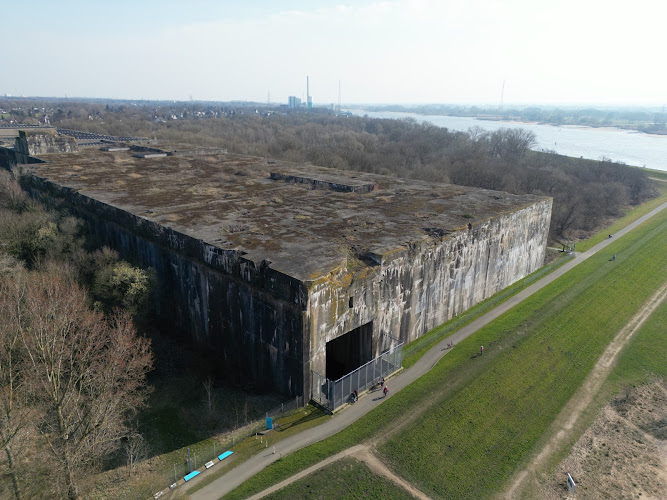
Valentin submarine pens
About Valentin submarine pens
Description
The Valentin submarine pens stand as one of the most imposing and sobering reminders of World War II engineering still remaining in Germany today. This massive concrete bunker complex was built between 1943 and 1945 with the intention of becoming a U-boat construction facility for the German Navy. What makes this place particularly haunting—and absolutely essential for anyone interested in understanding the full scope of the war—is that it was constructed primarily by forced laborers who suffered tremendously during its building. Located in Bremen-Farge, the structure itself is staggering in its dimensions. We're talking about a bunker with walls several meters thick, designed to withstand Allied bombing raids. And honestly, when you stand in front of it for the first time, the sheer scale just hits you differently than any photograph can convey. The facility was never fully operational before the war ended, which in a way makes it even more tragic when you consider the human cost of its construction. Today, the Valentin submarine pens function as a memorial site and museum, preserving the memory of the thousands of forced laborers—including concentration camp prisoners, prisoners of war, and forced workers from occupied territories—who built this massive complex under horrific conditions. The site has been carefully developed to serve both as a historical landmark and a space of remembrance, ensuring that visitors understand not just the military history but the human suffering that occurred here. I've always believed that these difficult historical sites are maybe even more important than triumphant monuments. They force us to confront uncomfortable truths about what humans are capable of doing to each other. The Valentin bunker does this exceptionally well, balancing architectural and military history with a deeply respectful approach to commemorating the victims.Key Features
The Valentin submarine pens offer visitors several distinctive features that make this site stand out among World War II historical attractions:- The bunker structure itself measures approximately 426 meters in length and stands as one of the largest fortified submarine facilities built during the war, with concrete walls thick enough to protect against the heaviest bombs of the era
- Comprehensive exhibition spaces that document both the construction process and the experiences of forced laborers, featuring personal testimonies, photographs, and artifacts that bring individual stories to light
- Guided tours led by knowledgeable staff who provide context about the military strategy behind U-boat production and the brutal working conditions faced by laborers
- Memorial installations dedicated to the victims of forced labor, creating powerful moments of reflection throughout the site
- Fully wheelchair accessible facilities including entrance ramps and designated parking, making this important historical site available to all visitors regardless of mobility
- Original construction elements and machinery that remain in place, giving visitors an authentic sense of the industrial scale of the operation
- Educational programs and special exhibitions that explore broader themes of forced labor, resistance, and remembrance during the Nazi period
- Walking paths that allow visitors to explore both the interior bunker spaces and the surrounding grounds where auxiliary buildings once stood
- Documentary materials available in multiple languages, though German and English are the primary languages used throughout the exhibitions
Best Time to Visit
Planning when to visit the Valentin submarine pens really depends on what kind of experience you're after. The site is open year-round, but different seasons offer distinct advantages. Spring and early summer, particularly from April through June, tend to be ideal for most visitors. The weather in northern Germany during these months is generally mild and pleasant, making the outdoor portions of your visit more comfortable. You'll be doing a fair bit of walking, both inside the bunker and around the grounds, so comfortable temperatures definitely enhance the experience. Plus, the longer daylight hours mean you can take your time without feeling rushed. Autumn is another excellent choice, especially September and early October. There's something about visiting memorial sites when the leaves are turning that adds an extra layer of contemplation. And frankly, the cooler temperatures inside the massive concrete structure feel less jarring when it's not blazing hot outside. Winter visits have their own character. The site is certainly atmospheric when it's cold and grey, which somehow feels appropriate for such a somber place. But be prepared—northern German winters can be quite chilly, and since you'll be spending time in an unheated concrete bunker, you'll want to dress warmly. I mean really warmly. Weekdays typically see fewer visitors than weekends, which can make a significant difference in your experience. The bunker is enormous, but certain exhibition spaces and viewing areas can feel crowded when tour groups arrive. If you prefer a more contemplative, personal experience, try visiting on a Tuesday or Wednesday morning. Avoid major German holidays if possible, as these tend to draw larger crowds of domestic tourists. Summer school holidays, particularly in July and August, also bring more families to the site. The memorial site occasionally hosts special events, commemorations, and temporary exhibitions that might influence when you choose to visit. These events can provide additional context and programming that enriches the standard tour experience.How to Get There
Getting to the Valentin submarine pens requires a bit of planning since it's not located in central Bremen, but the journey is absolutely manageable and well worth the effort. If you're staying in Bremen city center, public transportation is your most straightforward option. The site is accessible via bus routes that connect to the Farge area. You'll want to check the current VBN (Verkehrsverbund Bremen/Niedersachsen) schedules, as routes and times can vary. The journey typically takes around 40-45 minutes from the city center, maybe longer depending on connections. For those driving, the Valentin submarine pens are located in the Bremen-Farge district, and there's designated parking available on site—including wheelchair accessible spaces. The drive from central Bremen takes approximately 25-30 minutes under normal traffic conditions. Having your own vehicle gives you more flexibility with timing and allows you to explore other nearby historical sites in the region if you're interested. If you're coming from further afield, Bremen itself is well-connected by train to major German cities. The Bremen Hauptbahnhof (main train station) has regular connections to Hamburg, Hannover, and other regional hubs. From there, you can either rent a car or use public transit to reach the submarine pens. Some visitors choose to join organized tours from Bremen that include transportation to the site. This can be particularly convenient if you're only in the area for a short time or prefer having a guide throughout the entire experience. These tours often combine the Valentin bunker with other World War II sites in the region. Cycling is technically possible for the more adventurous—it's about 15 kilometers from central Bremen—but you'll want to be comfortable with longer rides and have a good map of bike paths. The route isn't particularly scenic, running through industrial and suburban areas, so most visitors opt for motorized transport.Tips for Visiting
Visiting the Valentin submarine pens isn't quite like visiting other tourist attractions, and a little preparation goes a long way toward making your experience meaningful and comfortable. First and foremost, dress appropriately. I can't stress this enough—the bunker maintains a cool temperature year-round due to those massive concrete walls. Even on warm summer days, you'll want to bring a jacket or sweater. Wear comfortable walking shoes too, because you'll be covering a fair amount of ground on concrete floors. Allow yourself plenty of time. While you could rush through in an hour, that would really shortcut what the site has to offer. Most visitors find that 2-3 hours provides adequate time to tour the bunker, read the exhibition materials, and spend some moments in reflection. If you're particularly interested in World War II history or memorial culture, you might want even longer. The exhibitions include quite detailed information, much of it dealing with difficult subject matter. This isn't a lighthearted outing, and the testimonies from forced laborers can be emotionally heavy. That's exactly the point—the site is designed to educate and commemorate—but it's worth being mentally prepared for a serious, sometimes disturbing experience. Photography is generally permitted in most areas, but be respectful about where and what you photograph. This is a memorial site first and foremost. Some visitors feel that certain spaces, particularly those dedicated to victim commemoration, should be experienced without the distraction of cameras. If you're traveling with children, consider their age and maturity level. The site doesn't sugarcoat the history, which is admirable, but younger kids might find the subject matter confusing or upsetting. Many families visit with teenagers who are studying World War II in school and find it incredibly educational. Check ahead for guided tour times if you want that experience. While self-guided visits are perfectly valid, the guided tours often provide context and details that you might miss on your own. The guides are generally very knowledgeable and can answer specific questions about the construction, the forced labor system, and the bunker's place in wider German history. Don't skip the outdoor areas. While the bunker interior is obviously the main attraction, walking the grounds helps you understand the scale of the entire complex and see where auxiliary buildings and infrastructure once stood. The visitor facilities include restrooms and a small area with informational materials you can take home. There isn't a proper cafe on site, so if you're planning to spend several hours there, bring water and maybe a snack. Consider your visit as part of a broader exploration of Bremen's history. The city has several other museums and historical sites that complement what you'll learn at the Valentin bunker, creating a fuller picture of the region during and after the war. Finally, approach your visit with an open mind and a willingness to confront difficult history. The Valentin submarine pens serve as a powerful reminder of human suffering and resilience. It's not entertainment—it's education and commemoration. But for travelers who appreciate meaningful historical experiences, it's an absolutely essential stop that will likely stay with you long after you've left.Key Features
- Colossal WWII-era reinforced concrete bunker (one of Europe’s largest)
- Permanent exhibitions and visitors centre detailing construction, forced labour and wartime history
- Outdoor information trail and memorial grounds with interpretive signage
- Guided and thematic tours (including educational programs and project days)
- Accessible location on the Weser with photographic viewpoints and contextual landscape
More Details
Updated March 30, 2026
Table of Contents
Description
The Valentin submarine pens stand as one of the most imposing and sobering reminders of World War II engineering still remaining in Germany today. This massive concrete bunker complex was built between 1943 and 1945 with the intention of becoming a U-boat construction facility for the German Navy. What makes this place particularly haunting—and absolutely essential for anyone interested in understanding the full scope of the war—is that it was constructed primarily by forced laborers who suffered tremendously during its building.
Located in Bremen-Farge, the structure itself is staggering in its dimensions. We’re talking about a bunker with walls several meters thick, designed to withstand Allied bombing raids. And honestly, when you stand in front of it for the first time, the sheer scale just hits you differently than any photograph can convey. The facility was never fully operational before the war ended, which in a way makes it even more tragic when you consider the human cost of its construction.
Today, the Valentin submarine pens function as a memorial site and museum, preserving the memory of the thousands of forced laborers—including concentration camp prisoners, prisoners of war, and forced workers from occupied territories—who built this massive complex under horrific conditions. The site has been carefully developed to serve both as a historical landmark and a space of remembrance, ensuring that visitors understand not just the military history but the human suffering that occurred here.
I’ve always believed that these difficult historical sites are maybe even more important than triumphant monuments. They force us to confront uncomfortable truths about what humans are capable of doing to each other. The Valentin bunker does this exceptionally well, balancing architectural and military history with a deeply respectful approach to commemorating the victims.
Key Features
The Valentin submarine pens offer visitors several distinctive features that make this site stand out among World War II historical attractions:
- The bunker structure itself measures approximately 426 meters in length and stands as one of the largest fortified submarine facilities built during the war, with concrete walls thick enough to protect against the heaviest bombs of the era
- Comprehensive exhibition spaces that document both the construction process and the experiences of forced laborers, featuring personal testimonies, photographs, and artifacts that bring individual stories to light
- Guided tours led by knowledgeable staff who provide context about the military strategy behind U-boat production and the brutal working conditions faced by laborers
- Memorial installations dedicated to the victims of forced labor, creating powerful moments of reflection throughout the site
- Fully wheelchair accessible facilities including entrance ramps and designated parking, making this important historical site available to all visitors regardless of mobility
- Original construction elements and machinery that remain in place, giving visitors an authentic sense of the industrial scale of the operation
- Educational programs and special exhibitions that explore broader themes of forced labor, resistance, and remembrance during the Nazi period
- Walking paths that allow visitors to explore both the interior bunker spaces and the surrounding grounds where auxiliary buildings once stood
- Documentary materials available in multiple languages, though German and English are the primary languages used throughout the exhibitions
Best Time to Visit
Planning when to visit the Valentin submarine pens really depends on what kind of experience you’re after. The site is open year-round, but different seasons offer distinct advantages.
Spring and early summer, particularly from April through June, tend to be ideal for most visitors. The weather in northern Germany during these months is generally mild and pleasant, making the outdoor portions of your visit more comfortable. You’ll be doing a fair bit of walking, both inside the bunker and around the grounds, so comfortable temperatures definitely enhance the experience. Plus, the longer daylight hours mean you can take your time without feeling rushed.
Autumn is another excellent choice, especially September and early October. There’s something about visiting memorial sites when the leaves are turning that adds an extra layer of contemplation. And frankly, the cooler temperatures inside the massive concrete structure feel less jarring when it’s not blazing hot outside.
Winter visits have their own character. The site is certainly atmospheric when it’s cold and grey, which somehow feels appropriate for such a somber place. But be prepared—northern German winters can be quite chilly, and since you’ll be spending time in an unheated concrete bunker, you’ll want to dress warmly. I mean really warmly.
Weekdays typically see fewer visitors than weekends, which can make a significant difference in your experience. The bunker is enormous, but certain exhibition spaces and viewing areas can feel crowded when tour groups arrive. If you prefer a more contemplative, personal experience, try visiting on a Tuesday or Wednesday morning.
Avoid major German holidays if possible, as these tend to draw larger crowds of domestic tourists. Summer school holidays, particularly in July and August, also bring more families to the site.
The memorial site occasionally hosts special events, commemorations, and temporary exhibitions that might influence when you choose to visit. These events can provide additional context and programming that enriches the standard tour experience.
How to Get There
Getting to the Valentin submarine pens requires a bit of planning since it’s not located in central Bremen, but the journey is absolutely manageable and well worth the effort.
If you’re staying in Bremen city center, public transportation is your most straightforward option. The site is accessible via bus routes that connect to the Farge area. You’ll want to check the current VBN (Verkehrsverbund Bremen/Niedersachsen) schedules, as routes and times can vary. The journey typically takes around 40-45 minutes from the city center, maybe longer depending on connections.
For those driving, the Valentin submarine pens are located in the Bremen-Farge district, and there’s designated parking available on site—including wheelchair accessible spaces. The drive from central Bremen takes approximately 25-30 minutes under normal traffic conditions. Having your own vehicle gives you more flexibility with timing and allows you to explore other nearby historical sites in the region if you’re interested.
If you’re coming from further afield, Bremen itself is well-connected by train to major German cities. The Bremen Hauptbahnhof (main train station) has regular connections to Hamburg, Hannover, and other regional hubs. From there, you can either rent a car or use public transit to reach the submarine pens.
Some visitors choose to join organized tours from Bremen that include transportation to the site. This can be particularly convenient if you’re only in the area for a short time or prefer having a guide throughout the entire experience. These tours often combine the Valentin bunker with other World War II sites in the region.
Cycling is technically possible for the more adventurous—it’s about 15 kilometers from central Bremen—but you’ll want to be comfortable with longer rides and have a good map of bike paths. The route isn’t particularly scenic, running through industrial and suburban areas, so most visitors opt for motorized transport.
Tips for Visiting
Visiting the Valentin submarine pens isn’t quite like visiting other tourist attractions, and a little preparation goes a long way toward making your experience meaningful and comfortable.
First and foremost, dress appropriately. I can’t stress this enough—the bunker maintains a cool temperature year-round due to those massive concrete walls. Even on warm summer days, you’ll want to bring a jacket or sweater. Wear comfortable walking shoes too, because you’ll be covering a fair amount of ground on concrete floors.
Allow yourself plenty of time. While you could rush through in an hour, that would really shortcut what the site has to offer. Most visitors find that 2-3 hours provides adequate time to tour the bunker, read the exhibition materials, and spend some moments in reflection. If you’re particularly interested in World War II history or memorial culture, you might want even longer.
The exhibitions include quite detailed information, much of it dealing with difficult subject matter. This isn’t a lighthearted outing, and the testimonies from forced laborers can be emotionally heavy. That’s exactly the point—the site is designed to educate and commemorate—but it’s worth being mentally prepared for a serious, sometimes disturbing experience.
Photography is generally permitted in most areas, but be respectful about where and what you photograph. This is a memorial site first and foremost. Some visitors feel that certain spaces, particularly those dedicated to victim commemoration, should be experienced without the distraction of cameras.
If you’re traveling with children, consider their age and maturity level. The site doesn’t sugarcoat the history, which is admirable, but younger kids might find the subject matter confusing or upsetting. Many families visit with teenagers who are studying World War II in school and find it incredibly educational.
Check ahead for guided tour times if you want that experience. While self-guided visits are perfectly valid, the guided tours often provide context and details that you might miss on your own. The guides are generally very knowledgeable and can answer specific questions about the construction, the forced labor system, and the bunker’s place in wider German history.
Don’t skip the outdoor areas. While the bunker interior is obviously the main attraction, walking the grounds helps you understand the scale of the entire complex and see where auxiliary buildings and infrastructure once stood.
The visitor facilities include restrooms and a small area with informational materials you can take home. There isn’t a proper cafe on site, so if you’re planning to spend several hours there, bring water and maybe a snack.
Consider your visit as part of a broader exploration of Bremen’s history. The city has several other museums and historical sites that complement what you’ll learn at the Valentin bunker, creating a fuller picture of the region during and after the war.
Finally, approach your visit with an open mind and a willingness to confront difficult history. The Valentin submarine pens serve as a powerful reminder of human suffering and resilience. It’s not entertainment—it’s education and commemoration. But for travelers who appreciate meaningful historical experiences, it’s an absolutely essential stop that will likely stay with you long after you’ve left.
Key Highlights
- Colossal WWII-era reinforced concrete bunker (one of Europe’s largest)
- Permanent exhibitions and visitors centre detailing construction, forced labour and wartime history
- Outdoor information trail and memorial grounds with interpretive signage
- Guided and thematic tours (including educational programs and project days)
- Accessible location on the Weser with photographic viewpoints and contextual landscape
Location
Places to Stay Near Valentin submarine pens
Find and Book a Tour
Explore More Travel Guides
No reviews found! Be the first to review!
Valentin submarine pens is a prominent attractions located in Bremen.
Visit us at: Rekumer Siel, 28777 Bremen, Germany.
Traveler Reviews for Valentin submarine pens
There are no reviews yet. Be the first one to write one.
Have you visited Valentin submarine pens? Help other travelers by sharing your review.
Nearby Attractions
You Might Also Like

Fallturm Bremen

Bremen Market Square
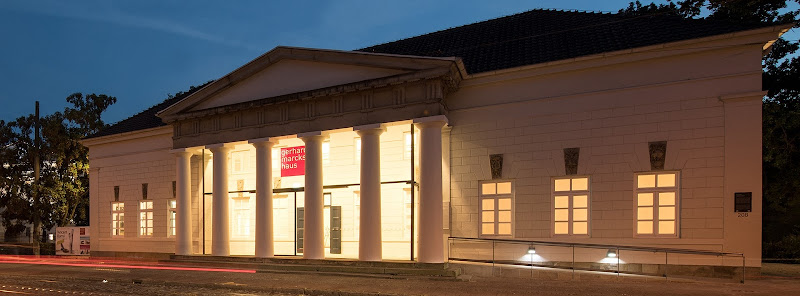
Gerhard Marcks House
Find Accommodations Nearby
Recommended Tours & Activities
Visitor Reviews
There are no reviews yet. Be the first one to write one.
Share Your Experience
Have you visited Valentin submarine pens? Help other travelers by leaving a review.