
UBS Polybahn
About UBS Polybahn
Description
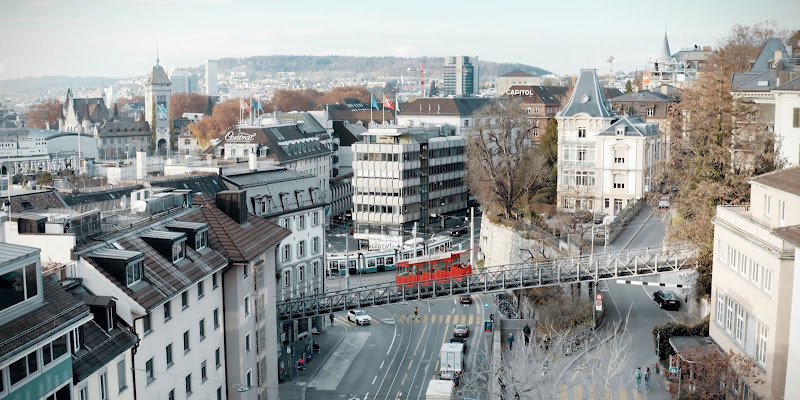
The UBS Polybahn stands as one of Zurich's most charming pieces of working history, a funicular railway that's been hauling students, professors, and curious travelers up a steep hillside since 1889. This isn't just any old train - it's a genuine Victorian-era engineering marvel that still does the exact same job it was designed for over a century ago. The railway connects Central Square down in the heart of Zurich's bustling city center with ETH Zürich, one of Europe's most prestigious polytechnic universities perched high on a hill overlooking the city. I've always found something wonderfully practical about the Polybahn. While many cities preserve their historical transport systems as museum pieces or tourist gimmicks, this little railway actually works for a living. Every day, it carries thousands of people up and down that seriously steep incline - and trust me, you'd much rather take the 90-second funicular ride than attempt those stairs on foot, especially if you're hauling luggage or it's pouring rain. The journey itself covers just 176 meters, making it one of the shortest funicular railways you'll ever ride. But don't let that fool you - it climbs about 41 meters in elevation, which gives you a real sense of just how steep this hillside actually is. The two bright red carriages pass each other at the midpoint, and there's something oddly satisfying about watching the other car glide past as you make your ascent or descent. What really makes the Polybahn special is how it's woven into the fabric of daily Zurich life. This isn't a tourist attraction that was built to be a tourist attraction - it became one almost by accident, simply by continuing to exist and do its job well for so many years. Students rushing to lectures, professors heading to their offices, and yes, travelers wanting a unique view of the city all share the same small carriage space.Key Features
The UBS Polybahn offers visitors several distinctive characteristics that make it worth experiencing: • Original Victorian-era funicular system dating back to 1889, making it one of the oldest continuously operating railways of its type in Switzerland • Incredibly steep gradient that showcases impressive 19th-century engineering capabilities still functioning perfectly today • Journey time of approximately 90 seconds, making it one of the quickest yet most memorable rides you'll take in Zurich • Two distinctive red carriages that pass each other at the midpoint of the journey, creating a classic funicular experience • Connects directly to ETH Zürich, giving travelers access to stunning views of Zurich from the university's elevated position • Operates with remarkable frequency during peak hours, with cars departing every few minutes to accommodate the steady flow of passengers • Integrated into Zurich's public transport system, meaning your regular transit pass covers the ride • Compact size that creates an intimate, almost cozy riding experience quite different from modern cable cars or gondolas • Historical significance as a working piece of Zurich's transportation heritage that's survived two world wars and massive urban development • Perfect photography opportunities both from inside the carriage and at the stations, particularly looking down toward the city centerBest Time to Visit
Here's where I'm gonna be completely honest with you - the Polybahn doesn't really have a "bad" time to visit since it runs year-round and the ride takes less than two minutes. But there are definitely moments when the experience feels more special than others. Early morning visits, particularly around 7:30 to 8:30 AM on weekdays, give you a genuine taste of local life. You'll be surrounded by students and academics heading up to ETH, coffee cups in hand, perhaps frantically reviewing notes for an exam. There's an energy to it that you just don't get during quieter times. And honestly? That's when the Polybahn feels most authentic. For photographers and view-seekers, late afternoon in autumn offers something really spectacular. The light hits Zurich just right, and from the upper station you can see across the city with all those fall colors painting the landscape. I'd say September through October is particularly gorgeous, though you'll want to check the weather forecast because Swiss weather can be temperamental. Summer brings longer days and generally better weather, making it easier to combine your Polybahn ride with exploration of the ETH campus and surrounding areas. The university district is lovely when the sun's out, and you can actually enjoy walking around without freezing. But summer also brings more tourists, so the carriages can get quite packed during midday hours. Winter has its own charm, especially if you catch it right after a snowfall. The contrast between the red carriages and white snow is pretty striking. However, be aware that the stations aren't wheelchair accessible, and the steps can get slippery when wet or icy. The Polybahn keeps running through snow and rain - it's Swiss, after all - but your comfort level might vary. Weekends tend to be quieter, especially Sunday mornings, which can be perfect if you prefer a more relaxed experience without the student rush. Though I'll admit, part of the Polybahn's character comes from that slight chaos of everyone trying to squeeze in before the doors close.How to Get There
Getting to the Polybahn's lower station is remarkably straightforward, which is one of its major selling points for travelers. The station sits right at Central Square (Zürich Hauptbahnhof area), which is basically the transportation hub of the entire city. If you're staying anywhere in Zurich, you can probably get there without breaking a sweat. From Zurich's main train station, it's literally a five-minute walk. Head toward Rämistrasse, and you'll spot the distinctive red station building pretty quickly. The station itself is small but well-marked, and there's usually a steady stream of people heading in that direction, so you can basically follow the crowd if you get turned around. Tram lines stop very close to the lower station, particularly trams 3, 5, 6, 7, and 9. Get off at Central or ETH/Universitätsspital stops, and you're within easy walking distance. The beauty of Zurich's public transport is that everything connects smoothly, and the Swiss are serious about their timetables. For those driving into Zurich - though I'd question why you're driving in such a walkable city - there are parking garages in the Central area. But fair warning, parking in Zurich isn't cheap, and navigating the narrow streets can be stressful. The lack of wheelchair accessible parking at the Polybahn itself reflects its Victorian-era origins, so this is definitely more of a walking-accessible attraction. If you're coming from Zurich Airport, take the train directly to Hauptbahnhof (main station), which takes about 10-12 minutes, then follow the walking directions above. It's genuinely one of the easiest airport-to-attraction journeys you'll find anywhere. The upper station at ETH is equally accessible from other parts of the university district if you're approaching from that direction, though most travelers naturally start from the city center and ride up.Tips for Visiting
Let me share some practical wisdom that'll make your Polybahn experience smoother. First off, get yourself a Zurich transport pass if you're spending any time in the city. The Polybahn is included in the public transport network, so your day pass or visitor card covers it. Don't be that person fumbling for coins at the ticket machine while a crowd builds up behind you. The carriages are small - really small when they're full. If you're traveling with luggage or a stroller, try to avoid peak commuting hours. Those students need to get to class, and trying to squeeze a full-size suitcase into an already packed carriage isn't fun for anyone. Early afternoon, around 2-3 PM, tends to be quieter. And speaking of accessibility - this is important - the Polybahn has no wheelchair accessible entrance or facilities. The Victorian-era design means steps at both stations, and there's simply no way around this. If you or someone in your group uses a wheelchair, you'll need to plan an alternative route to reach ETH. It's frustrating, I know, but it's the reality of historical infrastructure. Photography enthusiasts should grab a spot near the windows, obviously. The view going up is better than coming down in terms of cityscape visibility, so plan accordingly. Don't be shy about taking the funicular multiple times - it's cheap (or free with your pass), and you might want a second shot at that perfect photo. Kids generally love the Polybahn, and it's definitely good for families. The ride is short enough that even restless children won't get bored, and there's something inherently exciting about funicular railways that captures young imaginations. Just keep a firm grip on little hands near the tracks and doors. Once you reach the top station, take some time to explore the ETH campus and surrounding area. There's a viewing platform that offers fantastic panoramic views of Zurich, Lake Zurich, and on clear days, the Alps in the distance. Many visitors ride the Polybahn and immediately go back down without realizing what they're missing up there. Check the operating hours before you go, particularly if you're visiting on weekends or holidays. The schedule adjusts throughout the week, and you don't want to find yourself stranded at the top of the hill when the last car has already descended. The ride can feel a bit jerky if you're not expecting it - it's a historic funicular, not a modern elevator. Stand steady or sit if seats are available, especially if you're not great with motion. Some people find the steepness a bit unsettling at first, though honestly, it's over so quickly that there's barely time to worry about it. Finally, embrace the experience for what it is - a genuine working piece of Zurich's history that happens to also be pretty cool. It's not Disneyland; it's real urban infrastructure that's been doing its job since before anyone reading this was born. That's actually way more interesting than any manufactured attraction could ever be.Key Features
- Key Features
- Best Time to Visit
- How to Get There
- Tips for Visiting
More Details
Updated January 17, 2026
Table of Contents
Description
The UBS Polybahn stands as one of Zurich’s most charming pieces of working history, a funicular railway that’s been hauling students, professors, and curious travelers up a steep hillside since 1889. This isn’t just any old train – it’s a genuine Victorian-era engineering marvel that still does the exact same job it was designed for over a century ago. The railway connects Central Square down in the heart of Zurich’s bustling city center with ETH Zürich, one of Europe’s most prestigious polytechnic universities perched high on a hill overlooking the city.
I’ve always found something wonderfully practical about the Polybahn. While many cities preserve their historical transport systems as museum pieces or tourist gimmicks, this little railway actually works for a living. Every day, it carries thousands of people up and down that seriously steep incline – and trust me, you’d much rather take the 90-second funicular ride than attempt those stairs on foot, especially if you’re hauling luggage or it’s pouring rain.
The journey itself covers just 176 meters, making it one of the shortest funicular railways you’ll ever ride. But don’t let that fool you – it climbs about 41 meters in elevation, which gives you a real sense of just how steep this hillside actually is. The two bright red carriages pass each other at the midpoint, and there’s something oddly satisfying about watching the other car glide past as you make your ascent or descent.
What really makes the Polybahn special is how it’s woven into the fabric of daily Zurich life. This isn’t a tourist attraction that was built to be a tourist attraction – it became one almost by accident, simply by continuing to exist and do its job well for so many years. Students rushing to lectures, professors heading to their offices, and yes, travelers wanting a unique view of the city all share the same small carriage space.
Key Features
The UBS Polybahn offers visitors several distinctive characteristics that make it worth experiencing:
• Original Victorian-era funicular system dating back to 1889, making it one of the oldest continuously operating railways of its type in Switzerland
• Incredibly steep gradient that showcases impressive 19th-century engineering capabilities still functioning perfectly today
• Journey time of approximately 90 seconds, making it one of the quickest yet most memorable rides you’ll take in Zurich
• Two distinctive red carriages that pass each other at the midpoint of the journey, creating a classic funicular experience
• Connects directly to ETH Zürich, giving travelers access to stunning views of Zurich from the university’s elevated position
• Operates with remarkable frequency during peak hours, with cars departing every few minutes to accommodate the steady flow of passengers
• Integrated into Zurich’s public transport system, meaning your regular transit pass covers the ride
• Compact size that creates an intimate, almost cozy riding experience quite different from modern cable cars or gondolas
• Historical significance as a working piece of Zurich’s transportation heritage that’s survived two world wars and massive urban development
• Perfect photography opportunities both from inside the carriage and at the stations, particularly looking down toward the city center
Best Time to Visit
Here’s where I’m gonna be completely honest with you – the Polybahn doesn’t really have a “bad” time to visit since it runs year-round and the ride takes less than two minutes. But there are definitely moments when the experience feels more special than others.
Early morning visits, particularly around 7:30 to 8:30 AM on weekdays, give you a genuine taste of local life. You’ll be surrounded by students and academics heading up to ETH, coffee cups in hand, perhaps frantically reviewing notes for an exam. There’s an energy to it that you just don’t get during quieter times. And honestly? That’s when the Polybahn feels most authentic.
For photographers and view-seekers, late afternoon in autumn offers something really spectacular. The light hits Zurich just right, and from the upper station you can see across the city with all those fall colors painting the landscape. I’d say September through October is particularly gorgeous, though you’ll want to check the weather forecast because Swiss weather can be temperamental.
Summer brings longer days and generally better weather, making it easier to combine your Polybahn ride with exploration of the ETH campus and surrounding areas. The university district is lovely when the sun’s out, and you can actually enjoy walking around without freezing. But summer also brings more tourists, so the carriages can get quite packed during midday hours.
Winter has its own charm, especially if you catch it right after a snowfall. The contrast between the red carriages and white snow is pretty striking. However, be aware that the stations aren’t wheelchair accessible, and the steps can get slippery when wet or icy. The Polybahn keeps running through snow and rain – it’s Swiss, after all – but your comfort level might vary.
Weekends tend to be quieter, especially Sunday mornings, which can be perfect if you prefer a more relaxed experience without the student rush. Though I’ll admit, part of the Polybahn’s character comes from that slight chaos of everyone trying to squeeze in before the doors close.
How to Get There
Getting to the Polybahn’s lower station is remarkably straightforward, which is one of its major selling points for travelers. The station sits right at Central Square (Zürich Hauptbahnhof area), which is basically the transportation hub of the entire city. If you’re staying anywhere in Zurich, you can probably get there without breaking a sweat.
From Zurich’s main train station, it’s literally a five-minute walk. Head toward Rämistrasse, and you’ll spot the distinctive red station building pretty quickly. The station itself is small but well-marked, and there’s usually a steady stream of people heading in that direction, so you can basically follow the crowd if you get turned around.
Tram lines stop very close to the lower station, particularly trams 3, 5, 6, 7, and 9. Get off at Central or ETH/Universitätsspital stops, and you’re within easy walking distance. The beauty of Zurich’s public transport is that everything connects smoothly, and the Swiss are serious about their timetables.
For those driving into Zurich – though I’d question why you’re driving in such a walkable city – there are parking garages in the Central area. But fair warning, parking in Zurich isn’t cheap, and navigating the narrow streets can be stressful. The lack of wheelchair accessible parking at the Polybahn itself reflects its Victorian-era origins, so this is definitely more of a walking-accessible attraction.
If you’re coming from Zurich Airport, take the train directly to Hauptbahnhof (main station), which takes about 10-12 minutes, then follow the walking directions above. It’s genuinely one of the easiest airport-to-attraction journeys you’ll find anywhere.
The upper station at ETH is equally accessible from other parts of the university district if you’re approaching from that direction, though most travelers naturally start from the city center and ride up.
Tips for Visiting
Let me share some practical wisdom that’ll make your Polybahn experience smoother. First off, get yourself a Zurich transport pass if you’re spending any time in the city. The Polybahn is included in the public transport network, so your day pass or visitor card covers it. Don’t be that person fumbling for coins at the ticket machine while a crowd builds up behind you.
The carriages are small – really small when they’re full. If you’re traveling with luggage or a stroller, try to avoid peak commuting hours. Those students need to get to class, and trying to squeeze a full-size suitcase into an already packed carriage isn’t fun for anyone. Early afternoon, around 2-3 PM, tends to be quieter.
And speaking of accessibility – this is important – the Polybahn has no wheelchair accessible entrance or facilities. The Victorian-era design means steps at both stations, and there’s simply no way around this. If you or someone in your group uses a wheelchair, you’ll need to plan an alternative route to reach ETH. It’s frustrating, I know, but it’s the reality of historical infrastructure.
Photography enthusiasts should grab a spot near the windows, obviously. The view going up is better than coming down in terms of cityscape visibility, so plan accordingly. Don’t be shy about taking the funicular multiple times – it’s cheap (or free with your pass), and you might want a second shot at that perfect photo.
Kids generally love the Polybahn, and it’s definitely good for families. The ride is short enough that even restless children won’t get bored, and there’s something inherently exciting about funicular railways that captures young imaginations. Just keep a firm grip on little hands near the tracks and doors.
Once you reach the top station, take some time to explore the ETH campus and surrounding area. There’s a viewing platform that offers fantastic panoramic views of Zurich, Lake Zurich, and on clear days, the Alps in the distance. Many visitors ride the Polybahn and immediately go back down without realizing what they’re missing up there.
Check the operating hours before you go, particularly if you’re visiting on weekends or holidays. The schedule adjusts throughout the week, and you don’t want to find yourself stranded at the top of the hill when the last car has already descended.
The ride can feel a bit jerky if you’re not expecting it – it’s a historic funicular, not a modern elevator. Stand steady or sit if seats are available, especially if you’re not great with motion. Some people find the steepness a bit unsettling at first, though honestly, it’s over so quickly that there’s barely time to worry about it.
Finally, embrace the experience for what it is – a genuine working piece of Zurich’s history that happens to also be pretty cool. It’s not Disneyland; it’s real urban infrastructure that’s been doing its job since before anyone reading this was born. That’s actually way more interesting than any manufactured attraction could ever be.
Key Highlights
- Key Features
- Best Time to Visit
- How to Get There
- Tips for Visiting
Location
Places to Stay Near UBS Polybahn
Find and Book a Tour
Explore More Travel Guides
No reviews found! Be the first to review!
Traveler Reviews for UBS Polybahn
There are no reviews yet. Be the first one to write one.
Have you visited UBS Polybahn? Help other travelers by sharing your review.
You Might Also Like
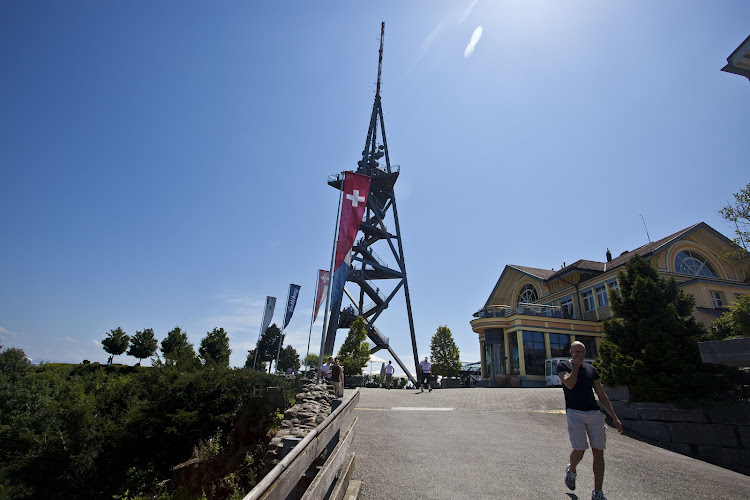
Aussichtsturm Uetliberg

Zurich Tram Museum
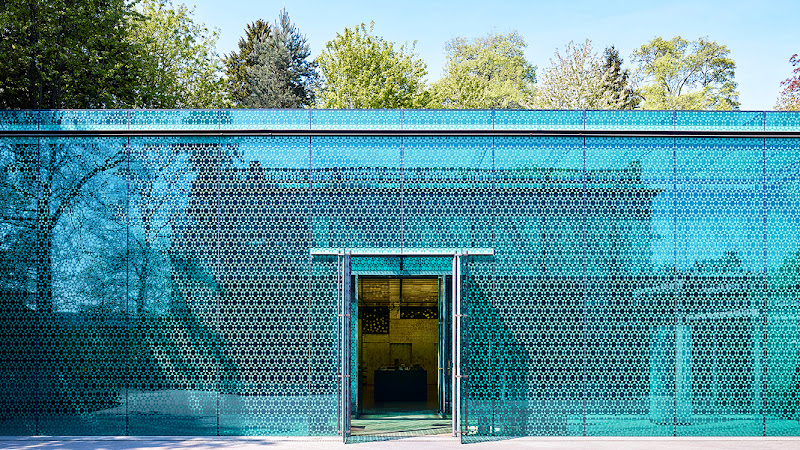
Museum Rietberg
Find Accommodations Nearby
Recommended Tours & Activities
Visitor Reviews
There are no reviews yet. Be the first one to write one.
Share Your Experience
Have you visited UBS Polybahn? Help other travelers by leaving a review.