
Tatsuki Shrine
About Tatsuki Shrine
Description
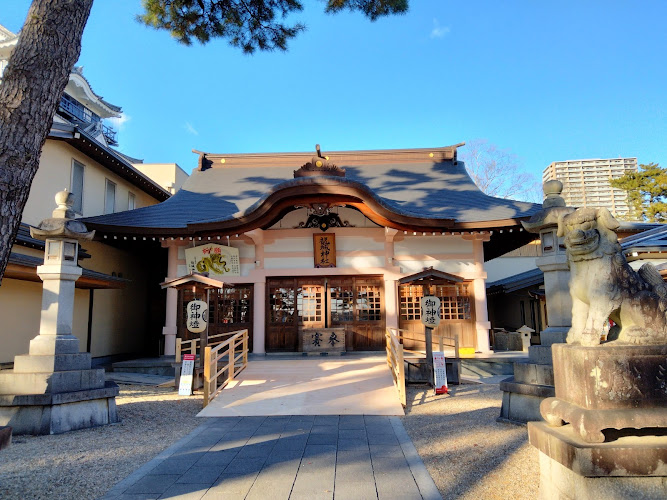
Tatsuki Shrine stands as a quietly confident Shinto shrine that rewards travelers who slow down and actually look around. It isn’t flashy, and that’s kind of the point. This is the sort of place where history whispers instead of shouting, and where the atmosphere feels lived-in rather than staged. Travelers often come expecting a quick photo stop and leave having spent far longer than planned. That happens here.
The shrine is closely tied to Tokugawa Ieyasu, a name that carries serious weight in Japanese history. His influence shaped the country for centuries, and Tatsuki Shrine reflects that legacy in a grounded, almost practical way. There’s no sense of theatrical grandeur. Instead, there’s a restrained dignity that feels honest. You get the sense that this place existed for the community first, long before it became a tourist attraction.
Walking through the grounds, visitors notice how the shrine blends into its surroundings rather than dominating them. Trees frame the pathways, shadows move slowly across stone, and there’s often the faint sound of wind brushing through leaves. It’s not silent, but it’s calm. And yes, calm matters when you’re traveling. Especially if you’ve been bouncing between crowded train stations and packed sightseeing spots all week.
The general sentiment among visitors leans positive, though not blindly so. Some people clearly expect more spectacle and walk away underwhelmed. Others, especially those interested in history or Shinto traditions, find the experience quietly satisfying. Tatsuki Shrine doesn’t beg for your attention. It waits for it. And that patience filters the audience in a way that feels intentional.
What stands out is how approachable the shrine feels. There’s no pressure to know every ritual or follow every custom perfectly. If you pause, observe, and act respectfully, you’ll fit right in. Travelers who come with curiosity instead of a checklist tend to enjoy it more. That’s a small but important detail.
Key Features
- Historical association with Tokugawa Ieyasu, offering insight into Japan’s feudal past
- Traditional Shinto architecture that favors simplicity over ornamentation
- Peaceful grounds that encourage slow exploration and quiet reflection
- Wheelchair accessible parking lot, making the site more inclusive than many older shrines
- On-site restrooms, which honestly matters more than guidebooks like to admit
- Local worshippers still actively using the shrine, adding authenticity
- Seasonal changes that subtly transform the atmosphere throughout the year
Best Time to Visit
The best time to visit Tatsuki Shrine depends on what you’re after. Spring brings fresh greenery and a feeling of renewal, though it can draw slightly more visitors. Autumn, in this writer’s opinion, is the real sweet spot. The colors shift, the air cools down, and the grounds feel especially contemplative. You don’t rush in autumn. You linger.
Summer visits are doable, but expect humidity and the occasional cicada soundtrack that’s louder than you might expect. Still, early mornings can be surprisingly pleasant, and there’s something memorable about seeing sunlight cut through the trees before the heat fully sets in. Winter, on the other hand, strips everything back. Fewer visitors, bare branches, and a sharper quiet. If you enjoy minimalism, winter might win you over.
Time of day matters as much as season. Late morning to early afternoon is common for tour groups, while early mornings and later afternoons offer more breathing room. If you’re the type who likes having space to think, aim for those off-peak hours. And yes, you’ll probably get better photos too.
How to Get There
Reaching Tatsuki Shrine is fairly straightforward for travelers already navigating Japan’s public transport system. The area is accessible via regional train lines followed by a manageable walk. The walk itself often becomes part of the experience. Streets gradually quiet down, signage becomes more subtle, and you feel the transition from modern life to something older.
For those traveling by car, the presence of a wheelchair accessible parking lot is a practical advantage. Parking near shrines can be hit or miss, so this is a small but meaningful convenience. And if you’re traveling with family members who have mobility considerations, that accessibility can make the decision to visit much easier.
Public transport users should factor in a little extra time, especially if transferring between lines. But honestly, that’s just Japan travel in general. The journey tends to be smooth, and signage is typically clear enough even if your Japanese is limited. If you can navigate a busy station, you can get here.
Tips for Visiting
First tip: don’t rush. Tatsuki Shrine isn’t built for speed tourism. Give yourself time to wander, pause, and notice details. Look at the way offerings are placed, how locals behave, and how the space is used. Those small observations add depth to the visit.
Second, dress comfortably and respectfully. This isn’t about strict rules, more about common sense. Comfortable shoes help, and modest clothing keeps things simple. And yes, checking the weather beforehand is always smart. There’s not much cover if rain sneaks up on you.
Third, if you’re unfamiliar with Shinto customs, observe before acting. Watch how others approach the shrine, cleanse their hands, and offer prayers. No one expects perfection. Sincerity goes a long way here.
Photography is generally fine, but use discretion. If a ritual or prayer is happening, give it space. Travelers sometimes forget that this is an active religious site, not just a backdrop. Being mindful earns you a better experience, plain and simple.
Lastly, manage expectations. Tatsuki Shrine doesn’t deliver instant wow moments. What it offers instead is atmosphere, history, and a sense of continuity. If you come looking for that, you’ll probably leave satisfied. If not, well, at least you’ll have learned something new along the way. And sometimes that’s the best souvenir you can take home.
For travelers interested in Shinto shrines, Japanese history, or simply stepping away from crowded itineraries, Tatsuki Shrine holds its own. It asks for patience, curiosity, and a willingness to slow down. If you can bring those with you, the experience tends to linger long after you’ve left the grounds.
Key Features
- Historical association with Tokugawa Ieyasu, offering insight into Japan’s feudal past
- Traditional Shinto architecture that favors simplicity over ornamentation
- Peaceful grounds that encourage slow exploration and quiet reflection
- Wheelchair accessible parking lot, making the site more inclusive than many older shrines
- On-site restrooms, which honestly matters more than guidebooks like to admit
- Local worshippers still actively using the shrine, adding authenticity
- Seasonal changes that subtly transform the atmosphere throughout the year
More Details
Updated December 31, 2025
Table of Contents
Description
Tatsuki Shrine stands as a quietly confident Shinto shrine that rewards travelers who slow down and actually look around. It isn’t flashy, and that’s kind of the point. This is the sort of place where history whispers instead of shouting, and where the atmosphere feels lived-in rather than staged. Travelers often come expecting a quick photo stop and leave having spent far longer than planned. That happens here.
The shrine is closely tied to Tokugawa Ieyasu, a name that carries serious weight in Japanese history. His influence shaped the country for centuries, and Tatsuki Shrine reflects that legacy in a grounded, almost practical way. There’s no sense of theatrical grandeur. Instead, there’s a restrained dignity that feels honest. You get the sense that this place existed for the community first, long before it became a tourist attraction.
Walking through the grounds, visitors notice how the shrine blends into its surroundings rather than dominating them. Trees frame the pathways, shadows move slowly across stone, and there’s often the faint sound of wind brushing through leaves. It’s not silent, but it’s calm. And yes, calm matters when you’re traveling. Especially if you’ve been bouncing between crowded train stations and packed sightseeing spots all week.
The general sentiment among visitors leans positive, though not blindly so. Some people clearly expect more spectacle and walk away underwhelmed. Others, especially those interested in history or Shinto traditions, find the experience quietly satisfying. Tatsuki Shrine doesn’t beg for your attention. It waits for it. And that patience filters the audience in a way that feels intentional.
What stands out is how approachable the shrine feels. There’s no pressure to know every ritual or follow every custom perfectly. If you pause, observe, and act respectfully, you’ll fit right in. Travelers who come with curiosity instead of a checklist tend to enjoy it more. That’s a small but important detail.
Key Features
- Historical association with Tokugawa Ieyasu, offering insight into Japan’s feudal past
- Traditional Shinto architecture that favors simplicity over ornamentation
- Peaceful grounds that encourage slow exploration and quiet reflection
- Wheelchair accessible parking lot, making the site more inclusive than many older shrines
- On-site restrooms, which honestly matters more than guidebooks like to admit
- Local worshippers still actively using the shrine, adding authenticity
- Seasonal changes that subtly transform the atmosphere throughout the year
Best Time to Visit
The best time to visit Tatsuki Shrine depends on what you’re after. Spring brings fresh greenery and a feeling of renewal, though it can draw slightly more visitors. Autumn, in this writer’s opinion, is the real sweet spot. The colors shift, the air cools down, and the grounds feel especially contemplative. You don’t rush in autumn. You linger.
Summer visits are doable, but expect humidity and the occasional cicada soundtrack that’s louder than you might expect. Still, early mornings can be surprisingly pleasant, and there’s something memorable about seeing sunlight cut through the trees before the heat fully sets in. Winter, on the other hand, strips everything back. Fewer visitors, bare branches, and a sharper quiet. If you enjoy minimalism, winter might win you over.
Time of day matters as much as season. Late morning to early afternoon is common for tour groups, while early mornings and later afternoons offer more breathing room. If you’re the type who likes having space to think, aim for those off-peak hours. And yes, you’ll probably get better photos too.
How to Get There
Reaching Tatsuki Shrine is fairly straightforward for travelers already navigating Japan’s public transport system. The area is accessible via regional train lines followed by a manageable walk. The walk itself often becomes part of the experience. Streets gradually quiet down, signage becomes more subtle, and you feel the transition from modern life to something older.
For those traveling by car, the presence of a wheelchair accessible parking lot is a practical advantage. Parking near shrines can be hit or miss, so this is a small but meaningful convenience. And if you’re traveling with family members who have mobility considerations, that accessibility can make the decision to visit much easier.
Public transport users should factor in a little extra time, especially if transferring between lines. But honestly, that’s just Japan travel in general. The journey tends to be smooth, and signage is typically clear enough even if your Japanese is limited. If you can navigate a busy station, you can get here.
Tips for Visiting
First tip: don’t rush. Tatsuki Shrine isn’t built for speed tourism. Give yourself time to wander, pause, and notice details. Look at the way offerings are placed, how locals behave, and how the space is used. Those small observations add depth to the visit.
Second, dress comfortably and respectfully. This isn’t about strict rules, more about common sense. Comfortable shoes help, and modest clothing keeps things simple. And yes, checking the weather beforehand is always smart. There’s not much cover if rain sneaks up on you.
Third, if you’re unfamiliar with Shinto customs, observe before acting. Watch how others approach the shrine, cleanse their hands, and offer prayers. No one expects perfection. Sincerity goes a long way here.
Photography is generally fine, but use discretion. If a ritual or prayer is happening, give it space. Travelers sometimes forget that this is an active religious site, not just a backdrop. Being mindful earns you a better experience, plain and simple.
Lastly, manage expectations. Tatsuki Shrine doesn’t deliver instant wow moments. What it offers instead is atmosphere, history, and a sense of continuity. If you come looking for that, you’ll probably leave satisfied. If not, well, at least you’ll have learned something new along the way. And sometimes that’s the best souvenir you can take home.
For travelers interested in Shinto shrines, Japanese history, or simply stepping away from crowded itineraries, Tatsuki Shrine holds its own. It asks for patience, curiosity, and a willingness to slow down. If you can bring those with you, the experience tends to linger long after you’ve left the grounds.
Key Highlights
- Historical association with Tokugawa Ieyasu, offering insight into Japan’s feudal past
- Traditional Shinto architecture that favors simplicity over ornamentation
- Peaceful grounds that encourage slow exploration and quiet reflection
- Wheelchair accessible parking lot, making the site more inclusive than many older shrines
- On-site restrooms, which honestly matters more than guidebooks like to admit
- Local worshippers still actively using the shrine, adding authenticity
- Seasonal changes that subtly transform the atmosphere throughout the year
Location
Places to Stay Near Tatsuki Shrine
Find and Book a Tour
Explore More Travel Guides
No reviews found! Be the first to review!
Traveler Reviews for Tatsuki Shrine
There are no reviews yet. Be the first one to write one.
Have you visited Tatsuki Shrine? Help other travelers by sharing your review.
You Might Also Like
Maruya Hatcho Miso
Koseidorihigashi

Sugou Shrine
Find Accommodations Nearby
Recommended Tours & Activities
Visitor Reviews
There are no reviews yet. Be the first one to write one.
Share Your Experience
Have you visited Tatsuki Shrine? Help other travelers by leaving a review.