
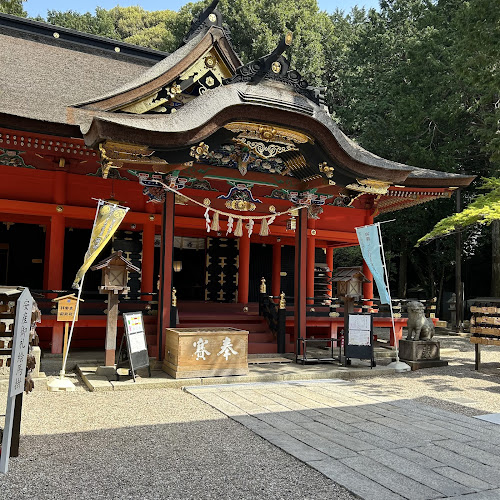
Rokusho Shrine
About Rokusho Shrine
Description
Rokusho Shrine sits quietly in Okazaki, Aichi Prefecture, doing its own thing while flashier attractions grab headlines elsewhere. And honestly, that’s part of the charm. This is a Shinto shrine that feels lived-in rather than staged, a place where daily rituals matter more than photo ops. Travelers who come here usually aren’t chasing a checklist. They’re curious. They want to understand how local faith, history, and everyday Japanese life overlap, sometimes awkwardly, sometimes beautifully.
The shrine grounds aren’t massive, and that works in its favor. You can walk the area at an unhurried pace and notice small details: weathered stone lanterns, prayer plaques with messy handwriting, the sound of leaves scraping the gravel when the wind kicks up. I remember visiting on a weekday afternoon once, half expecting it to be empty, and instead there were a few locals stopping by after errands. One guy bowed, clapped, muttered something under his breath, and left within thirty seconds. That, right there, felt more honest than any grand ceremony.
Rokusho Shrine is dedicated to kami associated with protection and community well-being, themes that show up again and again in the way the shrine is used. It’s not rare to see families bringing kids here for small milestones, or older residents just checking in, like you would with an old friend. Travelers sometimes miss that because they’re busy snapping photos, but if you slow down, you’ll see it.
Architecturally, the shrine doesn’t scream for attention. The buildings are traditional, well-kept, and practical. There’s a groundedness to the place, like it knows it doesn’t need to impress you. And yeah, some visitors might feel underwhelmed if they’re expecting dramatic gates or sprawling gardens. But if you’re open to subtler experiences, Rokusho Shrine quietly delivers.
Another thing worth mentioning is how approachable it feels. There’s no pressure to know every ritual perfectly. Locals are used to visitors, and while it’s not a major tourist magnet, it’s not closed-off either. The atmosphere sits somewhere in the middle: respectful, calm, and forgiving if you bow at the wrong moment. Trust me, I’ve done that.
Key Features
- Traditional Shinto architecture that reflects regional design rather than flashy trends
- A calm, everyday atmosphere shaped by regular visits from local residents
- Stone lanterns, sacred trees, and gravel paths that reward slow exploration
- Seasonal touches like small decorations or offerings that change throughout the year
- On-site restroom facilities, which sounds boring but matters more than you’d think while traveling
- Compact grounds that are easy to navigate without feeling rushed or lost
- A balanced mix of spiritual purpose and daily community use
Best Time to Visit
The best time to visit Rokusho Shrine depends on what you want out of the experience. If you’re after quiet reflection, weekdays are your friend. Mornings, especially, have a softness to them. The light filters through the trees, and there’s often a sense that the day hasn’t fully woken up yet. I once came just after sunrise and felt like I was intruding on a private conversation between the shrine and the city.
Spring and autumn are the most comfortable seasons weather-wise. Spring brings subtle changes rather than explosive blossoms, which I actually prefer here. It keeps the focus on the shrine itself. Autumn adds crisp air and falling leaves, making even a short walk feel meaningful. Summer can be humid, no surprise there, but the shade helps. Winter is quiet and stripped-down, and if you don’t mind the cold, it can feel especially contemplative.
Festival days or special observances bring more people, more energy, and a different rhythm altogether. Some travelers love that buzz, others find it distracting. If it’s your first visit, I’d suggest coming on a normal day first, then deciding if you want to see it during a busier moment. There’s no wrong answer, just different moods.
How to Get There
Getting to Rokusho Shrine is fairly straightforward if you’re already in Okazaki or nearby. The city is well-connected by train, and from central areas, the shrine is accessible by local transportation and a bit of walking. That walk is actually part of the experience. You move from busy streets into quieter zones, and by the time you reach the shrine, your pace naturally slows down.
If you’re driving, navigation is simple, but keep in mind that parking can be limited around smaller shrines like this. Public transportation plus walking is often less stressful. And honestly, walking gives you context. You see the neighborhood the shrine serves, not just the shrine as an isolated attraction. That matters more than people realize.
For travelers building a day around it, Rokusho Shrine fits nicely between other Okazaki sights. It doesn’t demand hours, which makes it ideal if you want a meaningful stop without rearranging your whole schedule.
Tips for Visiting
First tip: slow down. This isn’t a place you rush through. Even if you only have twenty minutes, use them well. Watch how locals behave. Mimic respectfully. No one expects perfection, just sincerity.
Second, learn the basic shrine etiquette before you go, but don’t stress if you forget something. Bowing, clapping, offering a coin, these are gestures, not exams. I once clapped out of sequence and felt embarrassed for about two seconds before realizing no one cared.
Third, be mindful with photos. You can take them, yes, but not everything needs to be documented. Some moments are better kept in your head. I know that sounds preachy, but it’s true. The feeling of standing quietly under the trees doesn’t translate well to a screen.
Fourth, use the restroom facilities if you need them. It’s practical advice, but useful. Smaller shrines don’t always have amenities, and Rokusho Shrine does, which makes it easier to linger without discomfort.
Fifth, combine your visit with a walk around the surrounding area. Grab a drink from a vending machine, wander a side street, notice how the shrine fits into daily life. That context deepens the experience.
And finally, manage expectations. Rokusho Shrine isn’t trying to wow you. It’s not a once-in-a-lifetime spectacle. It’s a steady, grounded place that rewards attention and patience. Some visitors walk away feeling neutral, others quietly moved. If you’re open to the latter, you’ll probably find it.
Travel, at least for me, is about these in-between places. The ones that don’t shout. Rokusho Shrine is one of those. And if you give it a bit of your time, it might just give something back. Subtle, sure, but real.
Key Features
- Traditional Shinto architecture that reflects regional design rather than flashy trends
- A calm, everyday atmosphere shaped by regular visits from local residents
- Stone lanterns, sacred trees, and gravel paths that reward slow exploration
- Seasonal touches like small decorations or offerings that change throughout the year
- On-site restroom facilities, which sounds boring but matters more than you’d think while traveling
- Compact grounds that are easy to navigate without feeling rushed or lost
- A balanced mix of spiritual purpose and daily community use
More Details
Updated December 31, 2025
Table of Contents
Description
Rokusho Shrine sits quietly in Okazaki, Aichi Prefecture, doing its own thing while flashier attractions grab headlines elsewhere. And honestly, that’s part of the charm. This is a Shinto shrine that feels lived-in rather than staged, a place where daily rituals matter more than photo ops. Travelers who come here usually aren’t chasing a checklist. They’re curious. They want to understand how local faith, history, and everyday Japanese life overlap, sometimes awkwardly, sometimes beautifully.
The shrine grounds aren’t massive, and that works in its favor. You can walk the area at an unhurried pace and notice small details: weathered stone lanterns, prayer plaques with messy handwriting, the sound of leaves scraping the gravel when the wind kicks up. I remember visiting on a weekday afternoon once, half expecting it to be empty, and instead there were a few locals stopping by after errands. One guy bowed, clapped, muttered something under his breath, and left within thirty seconds. That, right there, felt more honest than any grand ceremony.
Rokusho Shrine is dedicated to kami associated with protection and community well-being, themes that show up again and again in the way the shrine is used. It’s not rare to see families bringing kids here for small milestones, or older residents just checking in, like you would with an old friend. Travelers sometimes miss that because they’re busy snapping photos, but if you slow down, you’ll see it.
Architecturally, the shrine doesn’t scream for attention. The buildings are traditional, well-kept, and practical. There’s a groundedness to the place, like it knows it doesn’t need to impress you. And yeah, some visitors might feel underwhelmed if they’re expecting dramatic gates or sprawling gardens. But if you’re open to subtler experiences, Rokusho Shrine quietly delivers.
Another thing worth mentioning is how approachable it feels. There’s no pressure to know every ritual perfectly. Locals are used to visitors, and while it’s not a major tourist magnet, it’s not closed-off either. The atmosphere sits somewhere in the middle: respectful, calm, and forgiving if you bow at the wrong moment. Trust me, I’ve done that.
Key Features
- Traditional Shinto architecture that reflects regional design rather than flashy trends
- A calm, everyday atmosphere shaped by regular visits from local residents
- Stone lanterns, sacred trees, and gravel paths that reward slow exploration
- Seasonal touches like small decorations or offerings that change throughout the year
- On-site restroom facilities, which sounds boring but matters more than you’d think while traveling
- Compact grounds that are easy to navigate without feeling rushed or lost
- A balanced mix of spiritual purpose and daily community use
Best Time to Visit
The best time to visit Rokusho Shrine depends on what you want out of the experience. If you’re after quiet reflection, weekdays are your friend. Mornings, especially, have a softness to them. The light filters through the trees, and there’s often a sense that the day hasn’t fully woken up yet. I once came just after sunrise and felt like I was intruding on a private conversation between the shrine and the city.
Spring and autumn are the most comfortable seasons weather-wise. Spring brings subtle changes rather than explosive blossoms, which I actually prefer here. It keeps the focus on the shrine itself. Autumn adds crisp air and falling leaves, making even a short walk feel meaningful. Summer can be humid, no surprise there, but the shade helps. Winter is quiet and stripped-down, and if you don’t mind the cold, it can feel especially contemplative.
Festival days or special observances bring more people, more energy, and a different rhythm altogether. Some travelers love that buzz, others find it distracting. If it’s your first visit, I’d suggest coming on a normal day first, then deciding if you want to see it during a busier moment. There’s no wrong answer, just different moods.
How to Get There
Getting to Rokusho Shrine is fairly straightforward if you’re already in Okazaki or nearby. The city is well-connected by train, and from central areas, the shrine is accessible by local transportation and a bit of walking. That walk is actually part of the experience. You move from busy streets into quieter zones, and by the time you reach the shrine, your pace naturally slows down.
If you’re driving, navigation is simple, but keep in mind that parking can be limited around smaller shrines like this. Public transportation plus walking is often less stressful. And honestly, walking gives you context. You see the neighborhood the shrine serves, not just the shrine as an isolated attraction. That matters more than people realize.
For travelers building a day around it, Rokusho Shrine fits nicely between other Okazaki sights. It doesn’t demand hours, which makes it ideal if you want a meaningful stop without rearranging your whole schedule.
Tips for Visiting
First tip: slow down. This isn’t a place you rush through. Even if you only have twenty minutes, use them well. Watch how locals behave. Mimic respectfully. No one expects perfection, just sincerity.
Second, learn the basic shrine etiquette before you go, but don’t stress if you forget something. Bowing, clapping, offering a coin, these are gestures, not exams. I once clapped out of sequence and felt embarrassed for about two seconds before realizing no one cared.
Third, be mindful with photos. You can take them, yes, but not everything needs to be documented. Some moments are better kept in your head. I know that sounds preachy, but it’s true. The feeling of standing quietly under the trees doesn’t translate well to a screen.
Fourth, use the restroom facilities if you need them. It’s practical advice, but useful. Smaller shrines don’t always have amenities, and Rokusho Shrine does, which makes it easier to linger without discomfort.
Fifth, combine your visit with a walk around the surrounding area. Grab a drink from a vending machine, wander a side street, notice how the shrine fits into daily life. That context deepens the experience.
And finally, manage expectations. Rokusho Shrine isn’t trying to wow you. It’s not a once-in-a-lifetime spectacle. It’s a steady, grounded place that rewards attention and patience. Some visitors walk away feeling neutral, others quietly moved. If you’re open to the latter, you’ll probably find it.
Travel, at least for me, is about these in-between places. The ones that don’t shout. Rokusho Shrine is one of those. And if you give it a bit of your time, it might just give something back. Subtle, sure, but real.
Key Highlights
- Traditional Shinto architecture that reflects regional design rather than flashy trends
- A calm, everyday atmosphere shaped by regular visits from local residents
- Stone lanterns, sacred trees, and gravel paths that reward slow exploration
- Seasonal touches like small decorations or offerings that change throughout the year
- On-site restroom facilities, which sounds boring but matters more than you’d think while traveling
- Compact grounds that are easy to navigate without feeling rushed or lost
- A balanced mix of spiritual purpose and daily community use
Location
Places to Stay Near Rokusho Shrine
Find and Book a Tour
Explore More Travel Guides
No reviews found! Be the first to review!
Traveler Reviews for Rokusho Shrine
There are no reviews yet. Be the first one to write one.
Have you visited Rokusho Shrine? Help other travelers by sharing your review.
You Might Also Like
Minami Park

Mikawa Warriors & Iyeyasu Museum
Okazaki City Higashi Park
Find Accommodations Nearby
Recommended Tours & Activities
Visitor Reviews
There are no reviews yet. Be the first one to write one.
Share Your Experience
Have you visited Rokusho Shrine? Help other travelers by leaving a review.