

Gomangoku Wisteria
About Gomangoku Wisteria
Description
Gomangoku Wisteria is one of those places that quietly earns your respect. It doesn’t shout for attention, and honestly, that’s part of the charm. Set within a public park space, this Japanese wisteria attraction is centered around an old, carefully maintained wisteria trellis that blooms in soft waves of purple, lavender, and sometimes milky white. When the flowers are at their peak, the air smells faintly sweet, almost like honey warmed by the sun. You notice it before you even see the flowers, which feels kind of magical, if I’m being honest.
The wisteria here isn’t just decorative. It’s historical. The vine is known locally for its age and size, and when you stand under the canopy, it’s easy to forget what year it is. I remember visiting on a slightly overcast afternoon, thinking the clouds would ruin the experience. But they didn’t. The muted light made the petals look deeper in color, more dramatic. Sometimes travel teaches you to stop obsessing over perfect conditions.
This attraction works well for travelers who enjoy slow moments. You don’t rush Gomangoku Wisteria. You stroll. You sit. You watch families taking photos, older couples chatting on benches, and kids trying to count how many clusters they can spot. It’s good for children, wheelchair accessible, and has restrooms nearby, which might not sound exciting but trust me, these details matter when you’re planning a day out in Japan.
It’s also worth saying that not every visitor walks away stunned. Some find it smaller than expected, or quieter than famous wisteria parks splashed across social media. But if you appreciate subtle beauty and places that feel lived-in rather than staged, Gomangoku Wisteria hits that sweet spot. It feels real. And sometimes real is better than spectacular.
Key Features
- Large, mature Japanese wisteria vine trained over a traditional trellis structure
- Seasonal blooms that typically range from pale lavender to deep purple
- Wheelchair accessible paths and entrance, making it friendly for all travelers
- Public restrooms available within the park area
- Family-friendly environment where kids can roam without stress
- Benches and shaded spots ideal for resting or quiet flower viewing
- Less crowded than Japan’s headline wisteria destinations, even during peak bloom
- A calm park setting that pairs well with picnics or casual strolls
Best Time to Visit
If you plan your visit right, Gomangoku Wisteria can feel downright poetic. The wisteria bloom season usually falls between late April and early May, depending on weather patterns. Warmer springs push it earlier, cooler ones stretch it out a bit. Locals keep a close eye on the buds, and honestly, that’s good advice for travelers too.
Early morning is my personal favorite time. The park feels like it’s just waking up, and the light filters through the hanging flowers in a way that’s hard to photograph but easy to remember. Late afternoon is nice too, especially if you enjoy softer light and fewer school groups. Midday can be busy, especially on weekends, but even then it rarely feels overwhelming.
If you miss peak bloom, all is not lost. The park remains pleasant year-round, and the structure of the wisteria vine itself is interesting even without flowers. But yes, if the blooms are what you’re after, aim for that late April window. And keep your schedule flexible if you can. Wisteria doesn’t care about your travel plans.
How to Get There
Reaching Gomangoku Wisteria is relatively straightforward, especially if you’re already traveling within the region. Public transportation will get you most of the way, followed by a short walk. The walk itself is part of the experience, passing through everyday streets that remind you people actually live here. It’s not a tourist bubble, and I like that.
If you’re driving, parking is usually available nearby, though during peak bloom season it can fill up faster than expected. Arriving early helps. And if you’re relying on buses or trains, give yourself a little buffer time. Rural schedules can be less frequent, and missing one connection might mean a longer wait than you planned. Been there, done that, learned to pack snacks.
Once you arrive, signage in the park is generally clear, and you’ll likely spot the wisteria by following the faint scent and the small crowd gathered beneath it. It’s one of those situations where you don’t need a map. Just follow the flowers.
Tips for Visiting
First tip: manage expectations. Gomangoku Wisteria isn’t massive. It’s not trying to be. Go in expecting a peaceful experience rather than a blockbuster attraction, and you’ll leave happier. I’ve seen travelers get disappointed simply because they imagined something else entirely.
Second, bring a camera, but don’t live behind it. The hanging clusters move gently with the breeze, and sometimes it’s better to watch than to shoot. And if you do take photos, early morning light really is your friend.
Third, if you’re visiting with kids, let them explore. The park setup is forgiving, and there’s space for them to move around without bothering anyone. That alone makes this a solid stop for families.
Accessibility is genuinely good here, not just mentioned as an afterthought. Paths are smooth, entrances are manageable, and there are places to rest. If mobility is a concern for you or someone you’re traveling with, this attraction is refreshingly considerate.
Finally, pair your visit with something local. A nearby café, a walk through the neighborhood, or even just sitting longer than planned. Gomangoku Wisteria works best when it’s part of a slow day. Don’t rush it. Some places reward patience, and this is one of them.
In the end, Gomangoku Wisteria isn’t about ticking a box. It’s about standing under a living curtain of flowers, breathing in spring, and feeling, even briefly, like you’ve stepped into someone else’s quiet afternoon. And honestly, that’s a pretty great thing to take home from a trip.
Key Features
- Large, mature Japanese wisteria vine trained over a traditional trellis structure
- Seasonal blooms that typically range from pale lavender to deep purple
- Wheelchair accessible paths and entrance, making it friendly for all travelers
- Public restrooms available within the park area
- Family-friendly environment where kids can roam without stress
- Benches and shaded spots ideal for resting or quiet flower viewing
- Less crowded than Japan’s headline wisteria destinations, even during peak bloom
- A calm park setting that pairs well with picnics or casual strolls
More Details
Updated December 31, 2025
Table of Contents
Description
Gomangoku Wisteria is one of those places that quietly earns your respect. It doesn’t shout for attention, and honestly, that’s part of the charm. Set within a public park space, this Japanese wisteria attraction is centered around an old, carefully maintained wisteria trellis that blooms in soft waves of purple, lavender, and sometimes milky white. When the flowers are at their peak, the air smells faintly sweet, almost like honey warmed by the sun. You notice it before you even see the flowers, which feels kind of magical, if I’m being honest.
The wisteria here isn’t just decorative. It’s historical. The vine is known locally for its age and size, and when you stand under the canopy, it’s easy to forget what year it is. I remember visiting on a slightly overcast afternoon, thinking the clouds would ruin the experience. But they didn’t. The muted light made the petals look deeper in color, more dramatic. Sometimes travel teaches you to stop obsessing over perfect conditions.
This attraction works well for travelers who enjoy slow moments. You don’t rush Gomangoku Wisteria. You stroll. You sit. You watch families taking photos, older couples chatting on benches, and kids trying to count how many clusters they can spot. It’s good for children, wheelchair accessible, and has restrooms nearby, which might not sound exciting but trust me, these details matter when you’re planning a day out in Japan.
It’s also worth saying that not every visitor walks away stunned. Some find it smaller than expected, or quieter than famous wisteria parks splashed across social media. But if you appreciate subtle beauty and places that feel lived-in rather than staged, Gomangoku Wisteria hits that sweet spot. It feels real. And sometimes real is better than spectacular.
Key Features
- Large, mature Japanese wisteria vine trained over a traditional trellis structure
- Seasonal blooms that typically range from pale lavender to deep purple
- Wheelchair accessible paths and entrance, making it friendly for all travelers
- Public restrooms available within the park area
- Family-friendly environment where kids can roam without stress
- Benches and shaded spots ideal for resting or quiet flower viewing
- Less crowded than Japan’s headline wisteria destinations, even during peak bloom
- A calm park setting that pairs well with picnics or casual strolls
Best Time to Visit
If you plan your visit right, Gomangoku Wisteria can feel downright poetic. The wisteria bloom season usually falls between late April and early May, depending on weather patterns. Warmer springs push it earlier, cooler ones stretch it out a bit. Locals keep a close eye on the buds, and honestly, that’s good advice for travelers too.
Early morning is my personal favorite time. The park feels like it’s just waking up, and the light filters through the hanging flowers in a way that’s hard to photograph but easy to remember. Late afternoon is nice too, especially if you enjoy softer light and fewer school groups. Midday can be busy, especially on weekends, but even then it rarely feels overwhelming.
If you miss peak bloom, all is not lost. The park remains pleasant year-round, and the structure of the wisteria vine itself is interesting even without flowers. But yes, if the blooms are what you’re after, aim for that late April window. And keep your schedule flexible if you can. Wisteria doesn’t care about your travel plans.
How to Get There
Reaching Gomangoku Wisteria is relatively straightforward, especially if you’re already traveling within the region. Public transportation will get you most of the way, followed by a short walk. The walk itself is part of the experience, passing through everyday streets that remind you people actually live here. It’s not a tourist bubble, and I like that.
If you’re driving, parking is usually available nearby, though during peak bloom season it can fill up faster than expected. Arriving early helps. And if you’re relying on buses or trains, give yourself a little buffer time. Rural schedules can be less frequent, and missing one connection might mean a longer wait than you planned. Been there, done that, learned to pack snacks.
Once you arrive, signage in the park is generally clear, and you’ll likely spot the wisteria by following the faint scent and the small crowd gathered beneath it. It’s one of those situations where you don’t need a map. Just follow the flowers.
Tips for Visiting
First tip: manage expectations. Gomangoku Wisteria isn’t massive. It’s not trying to be. Go in expecting a peaceful experience rather than a blockbuster attraction, and you’ll leave happier. I’ve seen travelers get disappointed simply because they imagined something else entirely.
Second, bring a camera, but don’t live behind it. The hanging clusters move gently with the breeze, and sometimes it’s better to watch than to shoot. And if you do take photos, early morning light really is your friend.
Third, if you’re visiting with kids, let them explore. The park setup is forgiving, and there’s space for them to move around without bothering anyone. That alone makes this a solid stop for families.
Accessibility is genuinely good here, not just mentioned as an afterthought. Paths are smooth, entrances are manageable, and there are places to rest. If mobility is a concern for you or someone you’re traveling with, this attraction is refreshingly considerate.
Finally, pair your visit with something local. A nearby café, a walk through the neighborhood, or even just sitting longer than planned. Gomangoku Wisteria works best when it’s part of a slow day. Don’t rush it. Some places reward patience, and this is one of them.
In the end, Gomangoku Wisteria isn’t about ticking a box. It’s about standing under a living curtain of flowers, breathing in spring, and feeling, even briefly, like you’ve stepped into someone else’s quiet afternoon. And honestly, that’s a pretty great thing to take home from a trip.
Key Highlights
- Large, mature Japanese wisteria vine trained over a traditional trellis structure
- Seasonal blooms that typically range from pale lavender to deep purple
- Wheelchair accessible paths and entrance, making it friendly for all travelers
- Public restrooms available within the park area
- Family-friendly environment where kids can roam without stress
- Benches and shaded spots ideal for resting or quiet flower viewing
- Less crowded than Japan’s headline wisteria destinations, even during peak bloom
- A calm park setting that pairs well with picnics or casual strolls
Location
Places to Stay Near Gomangoku Wisteria
Find and Book a Tour
Explore More Travel Guides
No reviews found! Be the first to review!
Traveler Reviews for Gomangoku Wisteria
There are no reviews yet. Be the first one to write one.
Have you visited Gomangoku Wisteria? Help other travelers by sharing your review.
You Might Also Like

Wanwan Zoo
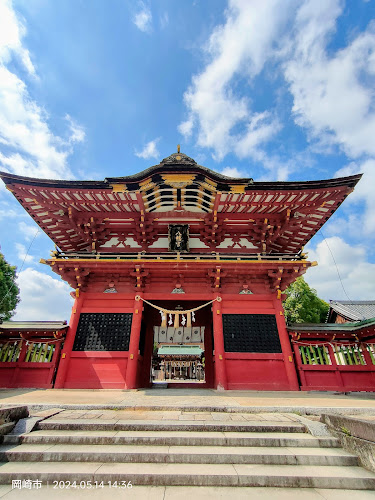
Iga Hachimangu shrine

Osamu Uchida Jazz Collection Exhibition Room
Find Accommodations Nearby
Recommended Tours & Activities
Visitor Reviews
There are no reviews yet. Be the first one to write one.
Share Your Experience
Have you visited Gomangoku Wisteria? Help other travelers by leaving a review.