
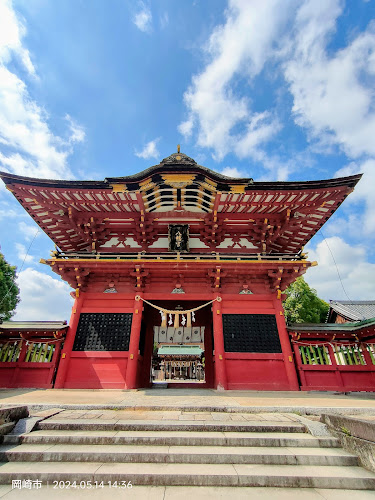
Iga Hachimangu shrine
About Iga Hachimangu shrine
Description
Iga Hachimangu shrine sits quietly on the edge of Iga’s everyday life, the kind of place you might almost miss if you’re rushing between bigger-name sights. And that would be a shame. This Shinto shrine has a grounded, unflashy presence that grows on you the longer you stay. It’s dedicated to Hachiman, the kami of warriors and protection, which already hints at the local flavor: Iga is ninja country, after all, and that history seeps into the atmosphere even if no one is spelling it out for you.
What strikes many travelers first is how balanced the place feels. It’s clearly loved and maintained, yet it doesn’t feel curated for tourists. Locals come to pray, older folks sweep the grounds, kids wander through after school. When I visited on a random weekday afternoon, a man was practicing a slow, deliberate bow at the haiden while someone else chatted softly near the purification basin. No one hurried me along, and that was a relief. You’re allowed to just be here.
The shrine grounds aren’t massive, but they’re thoughtfully laid out. Stone lanterns guide your eye forward, and there’s a sense of gentle order that makes walking around feel calming rather than ceremonial. One of the less talked-about highlights is the lotus presence around the grounds. In summer, when the lotus bloom, the mood shifts. The air gets thicker, cicadas buzz, and those big, open flowers bring a softness that contrasts with Hachiman’s warrior roots. I remember standing there, sweating a little, thinking how Japan always manages to hold toughness and tenderness in the same hand.
From a traveler’s point of view, Iga Hachimangu works well as a half-hour stop or a slow hour, depending on your mood. It doesn’t demand attention, which is exactly why it often wins people over. Some visitors expect fireworks and leave a bit underwhelmed. Others, especially those who appreciate everyday spirituality and lived-in places, come away quietly impressed. It’s that kind of spot.
Facilities are basic but practical. There is a restroom on-site, which matters more than guidebooks admit, especially if you’re wandering Iga on foot. Signage is minimal, and English explanations are limited, but that’s part of the charm too. You end up observing rather than reading, and honestly, that’s often when travel feels most real.
Key Features
- Dedicated to Hachiman, the Shinto deity associated with warriors, protection, and community strength
- Seasonal lotus views that add a surprising softness to the shrine grounds, especially in summer
- Stone lanterns and traditional shrine architecture without excessive modernization
- A calm, local atmosphere where everyday worship continues alongside tourism
- Accessible restroom facilities, a small but meaningful convenience for travelers
- Manageable size, making it easy to explore without feeling rushed or overwhelmed
Best Time to Visit
If timing is on your side, late spring through early summer is a sweet spot. This is when the greenery feels alive but not oppressive, and the lotus start to make their appearance. Early mornings are especially good. I showed up once just after breakfast, jet lag still messing with my head, and the place felt almost suspended in time. Fewer people, softer light, and that faint smell of damp earth that makes you slow down whether you want to or not.
Autumn is another solid option. The air sharpens, leaves begin to turn, and the shrine feels a bit more contemplative. Winter is quieter still. There’s something stark and honest about seeing the grounds without flowers or crowds. But, yes, it can be cold, and the stillness might feel a bit too still for some travelers.
Weekends and local festival days bring more activity. This can be fun if you like seeing shrines in use, hearing laughter, watching families pray together. But if you’re craving that introspective travel moment, aim for a weekday. And avoid rushing in right before closing; this isn’t a checklist destination. It rewards patience, not speed.
How to Get There
Getting to Iga Hachimangu shrine is straightforward once you’re in the Iga area, but it does require a little intention. Public transportation will get you close, and from there it’s a walk through regular neighborhoods. Honestly, I enjoyed that part. You pass houses, small shops, maybe a vending machine humming in the background. It reminds you that shrines aren’t isolated monuments; they’re woven into daily life.
If you’re driving, navigation is simple, though parking can be modest. Give yourself a few extra minutes so you’re not stressed when you arrive. Arriving flustered kind of defeats the purpose. And if you’re exploring Iga on foot or by bike, even better. The shrine fits nicely into a slower, more observant travel rhythm.
Tips for Visiting
First, bring curiosity, not expectations. Iga Hachimangu isn’t trying to impress you. If you come looking for grandeur, you might miss the quieter details that make it worthwhile. Watch how people interact with the space. Notice the way prayers are offered, how hands move at the basin, how shoes shuffle on gravel.
Second, give yourself permission to linger. Sit on a bench if there is one free. I once spent ten minutes just watching sunlight shift across a stone lantern, and yeah, that sounds cheesy, but it grounded me in a way scrolling never does.
Third, mind the seasons. In summer, bring water and maybe a towel. It gets humid, and the calm can turn into a slow melt if you’re not prepared. In cooler months, dress warmly enough to stay comfortable while standing still.
Photography is generally fine, but use common sense. If someone is praying, give them space. This is still a working shrine, not a backdrop. A quiet nod to etiquette goes a long way.
Lastly, pair your visit with something nearby, but don’t overschedule. Iga Hachimangu works best as a pause between things. Let it be that moment where your shoulders drop and your brain stops racing. Travel needs more of those, if you ask me. And you might leave feeling lighter, even if you can’t quite explain why.
Key Features
- Dedicated to Hachiman, the Shinto deity associated with warriors, protection, and community strength
- Seasonal lotus views that add a surprising softness to the shrine grounds, especially in summer
- Stone lanterns and traditional shrine architecture without excessive modernization
- A calm, local atmosphere where everyday worship continues alongside tourism
- Accessible restroom facilities, a small but meaningful convenience for travelers
- Manageable size, making it easy to explore without feeling rushed or overwhelmed
More Details
Updated December 31, 2025
Table of Contents
Description
Iga Hachimangu shrine sits quietly on the edge of Iga’s everyday life, the kind of place you might almost miss if you’re rushing between bigger-name sights. And that would be a shame. This Shinto shrine has a grounded, unflashy presence that grows on you the longer you stay. It’s dedicated to Hachiman, the kami of warriors and protection, which already hints at the local flavor: Iga is ninja country, after all, and that history seeps into the atmosphere even if no one is spelling it out for you.
What strikes many travelers first is how balanced the place feels. It’s clearly loved and maintained, yet it doesn’t feel curated for tourists. Locals come to pray, older folks sweep the grounds, kids wander through after school. When I visited on a random weekday afternoon, a man was practicing a slow, deliberate bow at the haiden while someone else chatted softly near the purification basin. No one hurried me along, and that was a relief. You’re allowed to just be here.
The shrine grounds aren’t massive, but they’re thoughtfully laid out. Stone lanterns guide your eye forward, and there’s a sense of gentle order that makes walking around feel calming rather than ceremonial. One of the less talked-about highlights is the lotus presence around the grounds. In summer, when the lotus bloom, the mood shifts. The air gets thicker, cicadas buzz, and those big, open flowers bring a softness that contrasts with Hachiman’s warrior roots. I remember standing there, sweating a little, thinking how Japan always manages to hold toughness and tenderness in the same hand.
From a traveler’s point of view, Iga Hachimangu works well as a half-hour stop or a slow hour, depending on your mood. It doesn’t demand attention, which is exactly why it often wins people over. Some visitors expect fireworks and leave a bit underwhelmed. Others, especially those who appreciate everyday spirituality and lived-in places, come away quietly impressed. It’s that kind of spot.
Facilities are basic but practical. There is a restroom on-site, which matters more than guidebooks admit, especially if you’re wandering Iga on foot. Signage is minimal, and English explanations are limited, but that’s part of the charm too. You end up observing rather than reading, and honestly, that’s often when travel feels most real.
Key Features
- Dedicated to Hachiman, the Shinto deity associated with warriors, protection, and community strength
- Seasonal lotus views that add a surprising softness to the shrine grounds, especially in summer
- Stone lanterns and traditional shrine architecture without excessive modernization
- A calm, local atmosphere where everyday worship continues alongside tourism
- Accessible restroom facilities, a small but meaningful convenience for travelers
- Manageable size, making it easy to explore without feeling rushed or overwhelmed
Best Time to Visit
If timing is on your side, late spring through early summer is a sweet spot. This is when the greenery feels alive but not oppressive, and the lotus start to make their appearance. Early mornings are especially good. I showed up once just after breakfast, jet lag still messing with my head, and the place felt almost suspended in time. Fewer people, softer light, and that faint smell of damp earth that makes you slow down whether you want to or not.
Autumn is another solid option. The air sharpens, leaves begin to turn, and the shrine feels a bit more contemplative. Winter is quieter still. There’s something stark and honest about seeing the grounds without flowers or crowds. But, yes, it can be cold, and the stillness might feel a bit too still for some travelers.
Weekends and local festival days bring more activity. This can be fun if you like seeing shrines in use, hearing laughter, watching families pray together. But if you’re craving that introspective travel moment, aim for a weekday. And avoid rushing in right before closing; this isn’t a checklist destination. It rewards patience, not speed.
How to Get There
Getting to Iga Hachimangu shrine is straightforward once you’re in the Iga area, but it does require a little intention. Public transportation will get you close, and from there it’s a walk through regular neighborhoods. Honestly, I enjoyed that part. You pass houses, small shops, maybe a vending machine humming in the background. It reminds you that shrines aren’t isolated monuments; they’re woven into daily life.
If you’re driving, navigation is simple, though parking can be modest. Give yourself a few extra minutes so you’re not stressed when you arrive. Arriving flustered kind of defeats the purpose. And if you’re exploring Iga on foot or by bike, even better. The shrine fits nicely into a slower, more observant travel rhythm.
Tips for Visiting
First, bring curiosity, not expectations. Iga Hachimangu isn’t trying to impress you. If you come looking for grandeur, you might miss the quieter details that make it worthwhile. Watch how people interact with the space. Notice the way prayers are offered, how hands move at the basin, how shoes shuffle on gravel.
Second, give yourself permission to linger. Sit on a bench if there is one free. I once spent ten minutes just watching sunlight shift across a stone lantern, and yeah, that sounds cheesy, but it grounded me in a way scrolling never does.
Third, mind the seasons. In summer, bring water and maybe a towel. It gets humid, and the calm can turn into a slow melt if you’re not prepared. In cooler months, dress warmly enough to stay comfortable while standing still.
Photography is generally fine, but use common sense. If someone is praying, give them space. This is still a working shrine, not a backdrop. A quiet nod to etiquette goes a long way.
Lastly, pair your visit with something nearby, but don’t overschedule. Iga Hachimangu works best as a pause between things. Let it be that moment where your shoulders drop and your brain stops racing. Travel needs more of those, if you ask me. And you might leave feeling lighter, even if you can’t quite explain why.
Key Highlights
- Dedicated to Hachiman, the Shinto deity associated with warriors, protection, and community strength
- Seasonal lotus views that add a surprising softness to the shrine grounds, especially in summer
- Stone lanterns and traditional shrine architecture without excessive modernization
- A calm, local atmosphere where everyday worship continues alongside tourism
- Accessible restroom facilities, a small but meaningful convenience for travelers
- Manageable size, making it easy to explore without feeling rushed or overwhelmed
Location
Places to Stay Near Iga Hachimangu shrine
Find and Book a Tour
Explore More Travel Guides
No reviews found! Be the first to review!
Traveler Reviews for Iga Hachimangu shrine
There are no reviews yet. Be the first one to write one.
Have you visited Iga Hachimangu shrine? Help other travelers by sharing your review.
You Might Also Like
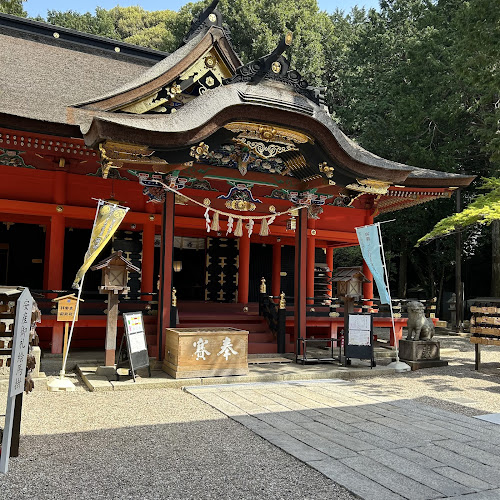
Rokusho Shrine
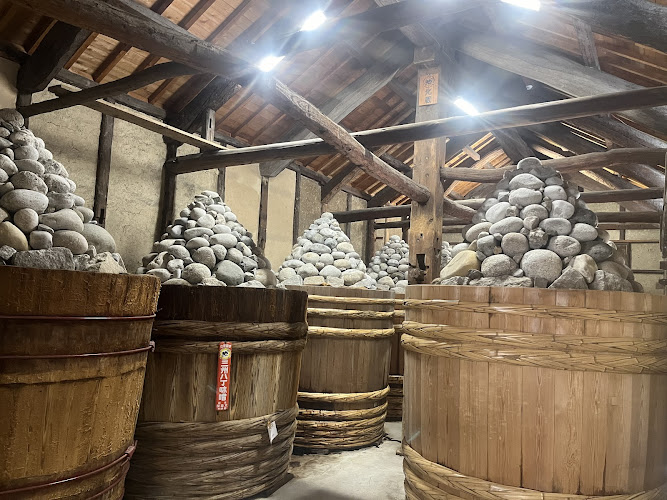
Maruya Hatcho Miso

Mikawa Warriors & Iyeyasu Museum
Find Accommodations Nearby
Recommended Tours & Activities
Visitor Reviews
There are no reviews yet. Be the first one to write one.
Share Your Experience
Have you visited Iga Hachimangu shrine? Help other travelers by leaving a review.