
Koseidorihigashi
About Koseidorihigashi
Description
Koseidorihigashi is one of those places that doesn’t shout for attention, and honestly, that’s part of its charm. It sits quietly within its cityscape, doing its daily thing while travelers walk past, sometimes not realizing there’s more going on than meets the eye. The area feels lived-in, practical, and grounded. No flashy attractions or big-ticket landmarks here. Instead, Koseidorihigashi offers a slice of everyday Japan that many visitors say they were secretly hoping to find.
The streets tend to be calm, lined with modest buildings, small businesses, and residential pockets where laundry flutters from balconies on a breezy afternoon. And yes, there are moments when it feels almost too quiet, especially if you’re coming from busier districts nearby. But give it time. Walk slowly. The appeal of Koseidorihigashi unfolds in details: a local bakery opening at dawn, elderly neighbors chatting outside a convenience store, the soft hum of bicycles rolling past.
The writer remembers passing through a similar neighborhood years ago, thinking it was “just another area,” only to later realize how rare it was to see daily life without a tourist filter. Koseidorihigashi brings back that feeling. It’s not trying to impress you, and that’s why it sticks in your memory. You start to notice how organized yet relaxed everything feels. But also, there are imperfections, a cracked sidewalk here, a shuttered shop there. It feels real. And for many travelers, that’s the point.
While some visitors may find the area underwhelming at first glance, others appreciate its understated personality. It’s the kind of place you come to understand rather than consume. If you’re the type who likes wandering without an agenda, this neighborhood rewards patience. And if you’re not? Well, it might gently teach you how to be.
Key Features
- Quiet residential streets that offer a break from crowded tourist zones
- Small, family-run shops that reflect long-standing local routines
- Easy walkability, making it ideal for slow exploration on foot
- Local eateries serving everyday meals rather than curated menus
- A mix of older architecture and practical modern buildings
- Minimal tourist infrastructure, which keeps the atmosphere authentic
One thing worth mentioning is that Koseidorihigashi doesn’t bend over backward for visitors. And honestly, that’s refreshing. You won’t see signs in five languages everywhere. But you will see people going about their lives, and if you’re polite and observant, interactions tend to be warm, if a little shy at first.
Best Time to Visit
Koseidorihigashi can be visited year-round, but the experience changes subtly with the seasons. Spring brings mild weather and a gentle sense of renewal. Trees along side streets start to green up, and there’s a noticeable lift in mood. Autumn, though, might be the sweet spot. Cooler air, fewer bugs, and a slower rhythm that suits wandering.
Summer can feel sticky, especially during midday. The streets don’t offer a ton of shade, and some shops close during the hottest hours. But early mornings are lovely. There’s something special about seeing the neighborhood wake up, shutters rolling open, delivery trucks doing their rounds. Winter is quieter still. Cold, yes, but manageable, and there’s a certain calm that settles over the area.
Time of day matters almost more than time of year. Late mornings and early evenings are ideal. Midday can feel a bit flat, while late night offers limited activity. This isn’t a nightlife hub, and that’s okay. It knows what it is.
How to Get There
Reaching Koseidorihigashi is generally straightforward, especially if you’re already within the city. Public transportation gets you close, and from there it’s usually a short walk. The area is well-integrated into local transit systems, which locals rely on daily. Once you arrive, navigation is simple. Streets are logical, signage is clear enough, and getting lost isn’t really a problem. And even if you do wander off course, that’s kind of the point, right?
Walking is the best way to experience Koseidorihigashi. Buses and trains drop you at the edges, but your feet do the real work. The writer once tried biking through a similar neighborhood and realized quickly that walking allowed for more spontaneous stops, more small discoveries. Here, slowing down pays off.
Tips for Visiting
First, adjust your expectations. If you come looking for big attractions, you’ll miss what makes Koseidorihigashi interesting. This is a place to observe, not conquer. Bring comfortable shoes, because you’ll want to wander without worrying about blisters.
Second, be respectful. This is a living neighborhood, not an open-air museum. Keep noise down, especially in the evenings. Don’t block sidewalks while taking photos. And yes, ask before photographing people or private homes. Common sense stuff, but worth repeating.
Third, eat local. Skip chain restaurants if you can. Small eateries here might not have English menus, but that’s part of the adventure. Pointing, smiling, and a little patience go a long way. Some of the best meals the writer ever had came from places like this, where the cook watched nervously to see if a foreign guest liked their food.
Cash can be handy. While many places accept cards now, smaller shops sometimes don’t. It’s better to be prepared than awkwardly apologetic at the counter. Also, don’t rush. Koseidorihigashi isn’t about ticking boxes. Sit on a bench. Watch the street. Let the area reveal itself.
And one more thing. This neighborhood is ideal as a contrast stop. Pair it with a busier district earlier or later in the day. The shift in pace will make you appreciate both more. Koseidorihigashi might not be the highlight of your trip in the traditional sense, but it could end up being the place you remember most vividly. The kind of place that sneaks up on you, long after you’ve gone home.
In the end, Koseidorihigashi offers travelers something increasingly rare: a chance to see how a place actually lives. Not polished. Not packaged. Just quietly, confidently itself. And if you’re open to that, it delivers more than you’d expect.
Key Features
- Quiet residential streets that offer a break from crowded tourist zones
- Small, family-run shops that reflect long-standing local routines
- Easy walkability, making it ideal for slow exploration on foot
- Local eateries serving everyday meals rather than curated menus
- A mix of older architecture and practical modern buildings
- Minimal tourist infrastructure, which keeps the atmosphere authentic
More Details
Updated December 31, 2025
Table of Contents
Description
Koseidorihigashi is one of those places that doesn’t shout for attention, and honestly, that’s part of its charm. It sits quietly within its cityscape, doing its daily thing while travelers walk past, sometimes not realizing there’s more going on than meets the eye. The area feels lived-in, practical, and grounded. No flashy attractions or big-ticket landmarks here. Instead, Koseidorihigashi offers a slice of everyday Japan that many visitors say they were secretly hoping to find.
The streets tend to be calm, lined with modest buildings, small businesses, and residential pockets where laundry flutters from balconies on a breezy afternoon. And yes, there are moments when it feels almost too quiet, especially if you’re coming from busier districts nearby. But give it time. Walk slowly. The appeal of Koseidorihigashi unfolds in details: a local bakery opening at dawn, elderly neighbors chatting outside a convenience store, the soft hum of bicycles rolling past.
The writer remembers passing through a similar neighborhood years ago, thinking it was “just another area,” only to later realize how rare it was to see daily life without a tourist filter. Koseidorihigashi brings back that feeling. It’s not trying to impress you, and that’s why it sticks in your memory. You start to notice how organized yet relaxed everything feels. But also, there are imperfections, a cracked sidewalk here, a shuttered shop there. It feels real. And for many travelers, that’s the point.
While some visitors may find the area underwhelming at first glance, others appreciate its understated personality. It’s the kind of place you come to understand rather than consume. If you’re the type who likes wandering without an agenda, this neighborhood rewards patience. And if you’re not? Well, it might gently teach you how to be.
Key Features
- Quiet residential streets that offer a break from crowded tourist zones
- Small, family-run shops that reflect long-standing local routines
- Easy walkability, making it ideal for slow exploration on foot
- Local eateries serving everyday meals rather than curated menus
- A mix of older architecture and practical modern buildings
- Minimal tourist infrastructure, which keeps the atmosphere authentic
One thing worth mentioning is that Koseidorihigashi doesn’t bend over backward for visitors. And honestly, that’s refreshing. You won’t see signs in five languages everywhere. But you will see people going about their lives, and if you’re polite and observant, interactions tend to be warm, if a little shy at first.
Best Time to Visit
Koseidorihigashi can be visited year-round, but the experience changes subtly with the seasons. Spring brings mild weather and a gentle sense of renewal. Trees along side streets start to green up, and there’s a noticeable lift in mood. Autumn, though, might be the sweet spot. Cooler air, fewer bugs, and a slower rhythm that suits wandering.
Summer can feel sticky, especially during midday. The streets don’t offer a ton of shade, and some shops close during the hottest hours. But early mornings are lovely. There’s something special about seeing the neighborhood wake up, shutters rolling open, delivery trucks doing their rounds. Winter is quieter still. Cold, yes, but manageable, and there’s a certain calm that settles over the area.
Time of day matters almost more than time of year. Late mornings and early evenings are ideal. Midday can feel a bit flat, while late night offers limited activity. This isn’t a nightlife hub, and that’s okay. It knows what it is.
How to Get There
Reaching Koseidorihigashi is generally straightforward, especially if you’re already within the city. Public transportation gets you close, and from there it’s usually a short walk. The area is well-integrated into local transit systems, which locals rely on daily. Once you arrive, navigation is simple. Streets are logical, signage is clear enough, and getting lost isn’t really a problem. And even if you do wander off course, that’s kind of the point, right?
Walking is the best way to experience Koseidorihigashi. Buses and trains drop you at the edges, but your feet do the real work. The writer once tried biking through a similar neighborhood and realized quickly that walking allowed for more spontaneous stops, more small discoveries. Here, slowing down pays off.
Tips for Visiting
First, adjust your expectations. If you come looking for big attractions, you’ll miss what makes Koseidorihigashi interesting. This is a place to observe, not conquer. Bring comfortable shoes, because you’ll want to wander without worrying about blisters.
Second, be respectful. This is a living neighborhood, not an open-air museum. Keep noise down, especially in the evenings. Don’t block sidewalks while taking photos. And yes, ask before photographing people or private homes. Common sense stuff, but worth repeating.
Third, eat local. Skip chain restaurants if you can. Small eateries here might not have English menus, but that’s part of the adventure. Pointing, smiling, and a little patience go a long way. Some of the best meals the writer ever had came from places like this, where the cook watched nervously to see if a foreign guest liked their food.
Cash can be handy. While many places accept cards now, smaller shops sometimes don’t. It’s better to be prepared than awkwardly apologetic at the counter. Also, don’t rush. Koseidorihigashi isn’t about ticking boxes. Sit on a bench. Watch the street. Let the area reveal itself.
And one more thing. This neighborhood is ideal as a contrast stop. Pair it with a busier district earlier or later in the day. The shift in pace will make you appreciate both more. Koseidorihigashi might not be the highlight of your trip in the traditional sense, but it could end up being the place you remember most vividly. The kind of place that sneaks up on you, long after you’ve gone home.
In the end, Koseidorihigashi offers travelers something increasingly rare: a chance to see how a place actually lives. Not polished. Not packaged. Just quietly, confidently itself. And if you’re open to that, it delivers more than you’d expect.
Key Highlights
- Quiet residential streets that offer a break from crowded tourist zones
- Small, family-run shops that reflect long-standing local routines
- Easy walkability, making it ideal for slow exploration on foot
- Local eateries serving everyday meals rather than curated menus
- A mix of older architecture and practical modern buildings
- Minimal tourist infrastructure, which keeps the atmosphere authentic
Location
Places to Stay Near 東海オンエア壁画てつしばりょうチーム
Find and Book a Tour
Explore More Travel Guides
No reviews found! Be the first to review!
Traveler Reviews for Koseidorihigashi
There are no reviews yet. Be the first one to write one.
Have you visited Koseidorihigashi? Help other travelers by sharing your review.
You Might Also Like

Okazaki Castle
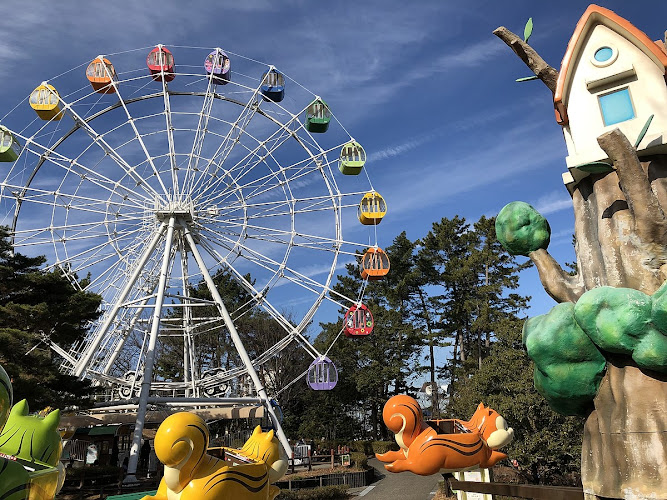
Minami Park
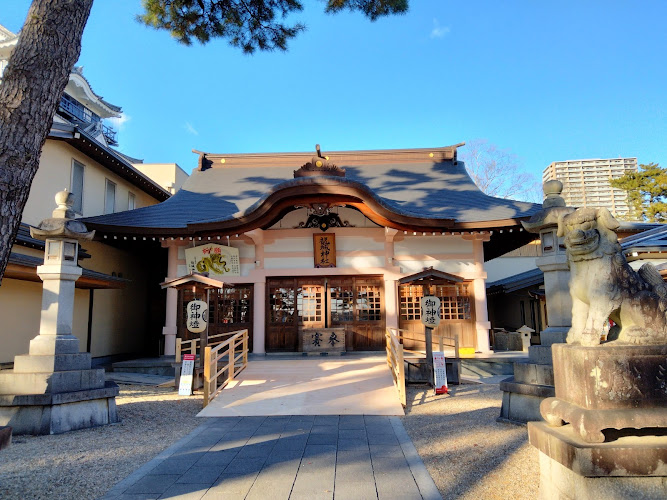
Tatsuki Shrine
Find Accommodations Nearby
Recommended Tours & Activities
Visitor Reviews
There are no reviews yet. Be the first one to write one.
Share Your Experience
Have you visited Koseidorihigashi? Help other travelers by leaving a review.