

St. Sebald – Sebalduskirche Nürnberg
About St. Sebald – Sebalduskirche Nürnberg
Description
St. Sebald Church, or Sebalduskirche as locals call it, stands as one of Nuremberg's most magnificent medieval structures and honestly, it's the kind of place that makes you stop dead in your tracks even if you weren't planning to. This Gothic masterpiece has been watching over the city since the 13th century, and let me tell you, it's seen quite a bit of history unfold at its doorstep. The church takes its name from Saint Sebaldus, Nuremberg's patron saint, and there's something genuinely moving about standing in a space where people have been coming to worship and find peace for over 700 years. These days it's a Lutheran church, which happened during the Reformation when Nuremberg converted to Protestantism back in 1525. But don't let that denominational detail fool you - the Catholic architectural glory remains completely intact. Walking into St. Sebald feels a bit like stepping into a stone prayer book. The soaring ceilings, the way light filters through centuries-old stained glass, and that absolutely massive pipe organ all come together in a way that architecture students dream about but rarely get to experience in person. I've always thought there's something special about churches that have transitioned through different eras of belief while maintaining their essential character, and St. Sebald does this beautifully. The church sits in the heart of Nuremberg's Old Town, which means you'll probably stumble across it even if you're not specifically looking for it. And that's part of its charm really - it's not tucked away in some quiet corner but right there in the thick of things, reminding everyone that spirituality and daily life aren't separate compartments.Key Features
The architectural and artistic treasures inside St. Sebald deserve more than just a quick glance as you rush through: • The bronze shrine of St. Sebald himself, created by Peter Vischer the Elder and his sons between 1508 and 1519, is an absolute stunner. It's this incredible piece of metalwork that took over a decade to complete, and you can see why when you look at the intricate details. • Stained glass windows that have somehow survived wars, fires, and the general chaos of medieval European history. The colors still catch the light in ways that make modern glass look frankly boring. • The pipe organ is huge - and I mean genuinely impressive in scale. When it's played during services, you can feel the sound vibrating through your chest. • Gothic architecture at its finest, with those characteristic pointed arches and ribbed vaults that medieval builders perfected. The twin towers on the west facade are visible from various points around the Old Town. • Several important artworks and paintings line the walls, representing different periods of the church's long history. Some date back to the medieval period while others were added during the Renaissance. • The Schreyer-Landauer epitaph, carved by Adam Kraft around 1492, shows the kind of detailed stone carving that makes you wonder how anyone managed it with medieval tools. • Peter Vischer the Younger's self-portrait in work clothes appears on the shrine - a cheeky little detail where the artist immortalized himself alongside saints and biblical figures. • The church survived World War II bombing that destroyed much of Nuremberg, though it needed extensive restoration afterward. Standing inside, you're looking at both medieval craftsmanship and 20th-century preservation efforts.Best Time to Visit
Timing your visit to St. Sebald can make a real difference in your experience, and I'd say this matters more than people initially think. The church sees fewer crowds during weekday mornings, particularly Tuesday through Thursday before 11 AM. That's when you can actually spend time with the artwork without dodging tour groups or feeling rushed. And honestly, there's something peaceful about visiting a church when it's quieter - you get a better sense of the space's spiritual purpose rather than just its architectural merit. Summer months from June through August bring the most tourists to Nuremberg, which means St. Sebald gets pretty packed, especially between noon and 3 PM. But summer also brings the best natural light through those stained glass windows, so there's a tradeoff. The colors really pop when strong sunlight streams through medieval glass. If you can swing it, visiting during the Christmas season offers a unique experience. Nuremberg's famous Christkindlesmarkt happens right nearby, and the church takes on this special atmosphere during Advent. The Christmas markets run from late November through December, and while it's absolutely mobbed with visitors, seeing St. Sebald decorated for Christmas is pretty magical. Just prepare for crowds. Spring, particularly April and May, gives you a nice middle ground - decent weather, manageable tourist numbers, and the city shaking off winter. The cherry blossoms around the Old Town add an extra visual treat too. Winter months outside the Christmas season (January through early March) mean you'll practically have the place to yourself. Sure, it's colder, but you can take all the time you want examining the details on that bronze shrine without anyone breathing down your neck. Church services happen regularly since this is still an active place of worship, not just a museum. Sunday mornings are reserved primarily for congregation members, so if you're visiting purely for sightseeing, maybe pick another time. That said, attending a service can be meaningful if you're respectful and interested in the liturgical experience.How to Get There
Getting to St. Sebald is straightforward, which is nice because Nuremberg's Old Town can get a bit maze-like if you're not paying attention. The church stands in the Altstadt (Old Town) on Winklerstraße, and most visitors arrive on foot since the historic center is largely pedestrianized. If you're staying anywhere in central Nuremberg, you can probably walk there in 15-20 minutes. For public transportation, Nuremberg's U-Bahn (subway) and tram systems work efficiently. The nearest U-Bahn station is Lorenzkirche on the U1, U2, and U3 lines. From there, it's about a 10-minute walk north through the Old Town - you'll cross the Pegnitz River and head toward the Rathaus area. Alternatively, the Hauptmarkt stop puts you right near the church. If you're coming from Nuremberg's main train station (Hauptbahnhof), you've got options. You can take the U-Bahn as mentioned above, or you can walk through the Old Town, which takes maybe 20 minutes. Walking lets you see more of the city, and the route is pretty straightforward - head down Königstraße toward the castle, and you'll spot the church towers before long. Driving into the Old Town is generally more hassle than it's worth. The area has restricted vehicle access, and parking is limited and expensive. There are parking garages at the periphery of the Altstadt if you must drive - Parkhaus Katharinenhof and Parkhaus Hauptmarkt are closest, but expect to pay around €2-3 per hour. The church is fully wheelchair accessible, which isn't always a given with medieval buildings. There's an accessible entrance, and the church has made genuine efforts to ensure visitors with mobility challenges can experience the space. They've even got accessible parking nearby, though you'll want to check specific locations and availability beforehand. Nuremberg Airport is about 7 kilometers from the city center, and you can take the U2 subway line directly from the airport to central stations, then transfer as needed. Takes roughly 20-30 minutes depending on your final stop.Tips for Visiting
A few practical things can make your St. Sebald experience better, and some of these I learned through trial and error during various church visits across Europe. First off, this is an active church, not a museum. Dress respectfully - you don't need formal clothes, but maybe skip the beach shorts and tank tops. Common sense applies here, and you'll feel less conspicuous if you're not dressed like you're headed to a nightclub or gym. Admission is free, which is wonderful, but consider leaving a donation. These historic churches cost serious money to maintain, and tourism doesn't cover everything. There are donation boxes near the entrance, and even a few euros help with ongoing restoration and preservation work. Photography is generally allowed for personal use, but be respectful about it. Don't use flash, which can damage artwork and annoys everyone around you. And maybe put the camera down occasionally to actually experience the space rather than just documenting it. I know that sounds preachy, but I've watched too many people experience entire churches through their phone screens. The bronze shrine deserves extra time. Most visitors glance at it and move on, but if you walk around it slowly and look at the individual panels and figures, you'll notice details that are genuinely astounding. Peter Vischer included dolphins, snails, and all sorts of creatures alongside religious imagery. There's even a small lizard if you look carefully. Visiting during a service can be meaningful, but remember you're attending worship, not a performance. If you come for a service, stay for the whole thing, turn your phone off completely, and follow the congregation's lead on when to sit, stand, or remain silent. The acoustics are incredible, so if there's any chance of hearing the organ played or catching a concert, take it. The church hosts musical performances throughout the year, and hearing music in a space designed for it makes a real difference compared to standing in silence. Combine your visit with the nearby Nuremberg Castle and other Old Town attractions since they're all within walking distance. St. Sebald and St. Lawrence Church (Lorenzkirche) on the other side of the Pegnitz River make for interesting comparisons - both are Gothic, both are significant, but each has its own character. Watch your belongings. The church itself is safe, but the tourist-heavy areas around it attract pickpockets. Keep bags zipped and wallets secure, especially during busy periods. Take a moment to sit in the pews if you can. There's something about actually sitting quietly in these spaces that you miss when you're constantly moving. Five minutes of stillness lets you notice things - the way sound carries, how the light changes, the temperature difference between sunny and shaded areas. Ask the staff if you've got questions. There are usually volunteers or church workers around who know the building's history and are happy to share information. They can point out details you'd otherwise miss. The surrounding area has cafes and restaurants where you can decompress after your visit. German church architecture can be overwhelming in the best way, and sometimes you need a coffee and a piece of cake to process what you've just seen. Lastly, manage your expectations about crowds. St. Sebald is one of Nuremberg's top attractions with thousands of five-star reviews from previous visitors, so you won't have it to yourself unless you visit at unusual times. But even with other tourists present, the church's scale and beauty create plenty of space for personal experience and reflection.Key Features
- Key Features
- Best Time to Visit
- How to Get There
- Tips for Visiting
More Details
Updated March 30, 2026
Table of Contents
- Description
- Key Features
- Best Time to Visit
- How to Get There
- Tips for Visiting
- Key Highlights
- Location
- Places to Stay Near St. Sebald - Sebalduskirche Nürnberg
- Find and Book a Tour
- Explore More Travel Guides
- Nearby Places You Might Like
- Traveler Reviews for St. Sebald – Sebalduskirche Nürnberg
- Share Your Experience
Description
St. Sebald Church, or Sebalduskirche as locals call it, stands as one of Nuremberg’s most magnificent medieval structures and honestly, it’s the kind of place that makes you stop dead in your tracks even if you weren’t planning to. This Gothic masterpiece has been watching over the city since the 13th century, and let me tell you, it’s seen quite a bit of history unfold at its doorstep.
The church takes its name from Saint Sebaldus, Nuremberg’s patron saint, and there’s something genuinely moving about standing in a space where people have been coming to worship and find peace for over 700 years. These days it’s a Lutheran church, which happened during the Reformation when Nuremberg converted to Protestantism back in 1525. But don’t let that denominational detail fool you – the Catholic architectural glory remains completely intact.
Walking into St. Sebald feels a bit like stepping into a stone prayer book. The soaring ceilings, the way light filters through centuries-old stained glass, and that absolutely massive pipe organ all come together in a way that architecture students dream about but rarely get to experience in person. I’ve always thought there’s something special about churches that have transitioned through different eras of belief while maintaining their essential character, and St. Sebald does this beautifully.
The church sits in the heart of Nuremberg’s Old Town, which means you’ll probably stumble across it even if you’re not specifically looking for it. And that’s part of its charm really – it’s not tucked away in some quiet corner but right there in the thick of things, reminding everyone that spirituality and daily life aren’t separate compartments.
Key Features
The architectural and artistic treasures inside St. Sebald deserve more than just a quick glance as you rush through:
• The bronze shrine of St. Sebald himself, created by Peter Vischer the Elder and his sons between 1508 and 1519, is an absolute stunner. It’s this incredible piece of metalwork that took over a decade to complete, and you can see why when you look at the intricate details.
• Stained glass windows that have somehow survived wars, fires, and the general chaos of medieval European history. The colors still catch the light in ways that make modern glass look frankly boring.
• The pipe organ is huge – and I mean genuinely impressive in scale. When it’s played during services, you can feel the sound vibrating through your chest.
• Gothic architecture at its finest, with those characteristic pointed arches and ribbed vaults that medieval builders perfected. The twin towers on the west facade are visible from various points around the Old Town.
• Several important artworks and paintings line the walls, representing different periods of the church’s long history. Some date back to the medieval period while others were added during the Renaissance.
• The Schreyer-Landauer epitaph, carved by Adam Kraft around 1492, shows the kind of detailed stone carving that makes you wonder how anyone managed it with medieval tools.
• Peter Vischer the Younger’s self-portrait in work clothes appears on the shrine – a cheeky little detail where the artist immortalized himself alongside saints and biblical figures.
• The church survived World War II bombing that destroyed much of Nuremberg, though it needed extensive restoration afterward. Standing inside, you’re looking at both medieval craftsmanship and 20th-century preservation efforts.
Best Time to Visit
Timing your visit to St. Sebald can make a real difference in your experience, and I’d say this matters more than people initially think.
The church sees fewer crowds during weekday mornings, particularly Tuesday through Thursday before 11 AM. That’s when you can actually spend time with the artwork without dodging tour groups or feeling rushed. And honestly, there’s something peaceful about visiting a church when it’s quieter – you get a better sense of the space’s spiritual purpose rather than just its architectural merit.
Summer months from June through August bring the most tourists to Nuremberg, which means St. Sebald gets pretty packed, especially between noon and 3 PM. But summer also brings the best natural light through those stained glass windows, so there’s a tradeoff. The colors really pop when strong sunlight streams through medieval glass.
If you can swing it, visiting during the Christmas season offers a unique experience. Nuremberg’s famous Christkindlesmarkt happens right nearby, and the church takes on this special atmosphere during Advent. The Christmas markets run from late November through December, and while it’s absolutely mobbed with visitors, seeing St. Sebald decorated for Christmas is pretty magical. Just prepare for crowds.
Spring, particularly April and May, gives you a nice middle ground – decent weather, manageable tourist numbers, and the city shaking off winter. The cherry blossoms around the Old Town add an extra visual treat too.
Winter months outside the Christmas season (January through early March) mean you’ll practically have the place to yourself. Sure, it’s colder, but you can take all the time you want examining the details on that bronze shrine without anyone breathing down your neck.
Church services happen regularly since this is still an active place of worship, not just a museum. Sunday mornings are reserved primarily for congregation members, so if you’re visiting purely for sightseeing, maybe pick another time. That said, attending a service can be meaningful if you’re respectful and interested in the liturgical experience.
How to Get There
Getting to St. Sebald is straightforward, which is nice because Nuremberg’s Old Town can get a bit maze-like if you’re not paying attention.
The church stands in the Altstadt (Old Town) on Winklerstraße, and most visitors arrive on foot since the historic center is largely pedestrianized. If you’re staying anywhere in central Nuremberg, you can probably walk there in 15-20 minutes.
For public transportation, Nuremberg’s U-Bahn (subway) and tram systems work efficiently. The nearest U-Bahn station is Lorenzkirche on the U1, U2, and U3 lines. From there, it’s about a 10-minute walk north through the Old Town – you’ll cross the Pegnitz River and head toward the Rathaus area. Alternatively, the Hauptmarkt stop puts you right near the church.
If you’re coming from Nuremberg’s main train station (Hauptbahnhof), you’ve got options. You can take the U-Bahn as mentioned above, or you can walk through the Old Town, which takes maybe 20 minutes. Walking lets you see more of the city, and the route is pretty straightforward – head down Königstraße toward the castle, and you’ll spot the church towers before long.
Driving into the Old Town is generally more hassle than it’s worth. The area has restricted vehicle access, and parking is limited and expensive. There are parking garages at the periphery of the Altstadt if you must drive – Parkhaus Katharinenhof and Parkhaus Hauptmarkt are closest, but expect to pay around €2-3 per hour.
The church is fully wheelchair accessible, which isn’t always a given with medieval buildings. There’s an accessible entrance, and the church has made genuine efforts to ensure visitors with mobility challenges can experience the space. They’ve even got accessible parking nearby, though you’ll want to check specific locations and availability beforehand.
Nuremberg Airport is about 7 kilometers from the city center, and you can take the U2 subway line directly from the airport to central stations, then transfer as needed. Takes roughly 20-30 minutes depending on your final stop.
Tips for Visiting
A few practical things can make your St. Sebald experience better, and some of these I learned through trial and error during various church visits across Europe.
First off, this is an active church, not a museum. Dress respectfully – you don’t need formal clothes, but maybe skip the beach shorts and tank tops. Common sense applies here, and you’ll feel less conspicuous if you’re not dressed like you’re headed to a nightclub or gym.
Admission is free, which is wonderful, but consider leaving a donation. These historic churches cost serious money to maintain, and tourism doesn’t cover everything. There are donation boxes near the entrance, and even a few euros help with ongoing restoration and preservation work.
Photography is generally allowed for personal use, but be respectful about it. Don’t use flash, which can damage artwork and annoys everyone around you. And maybe put the camera down occasionally to actually experience the space rather than just documenting it. I know that sounds preachy, but I’ve watched too many people experience entire churches through their phone screens.
The bronze shrine deserves extra time. Most visitors glance at it and move on, but if you walk around it slowly and look at the individual panels and figures, you’ll notice details that are genuinely astounding. Peter Vischer included dolphins, snails, and all sorts of creatures alongside religious imagery. There’s even a small lizard if you look carefully.
Visiting during a service can be meaningful, but remember you’re attending worship, not a performance. If you come for a service, stay for the whole thing, turn your phone off completely, and follow the congregation’s lead on when to sit, stand, or remain silent.
The acoustics are incredible, so if there’s any chance of hearing the organ played or catching a concert, take it. The church hosts musical performances throughout the year, and hearing music in a space designed for it makes a real difference compared to standing in silence.
Combine your visit with the nearby Nuremberg Castle and other Old Town attractions since they’re all within walking distance. St. Sebald and St. Lawrence Church (Lorenzkirche) on the other side of the Pegnitz River make for interesting comparisons – both are Gothic, both are significant, but each has its own character.
Watch your belongings. The church itself is safe, but the tourist-heavy areas around it attract pickpockets. Keep bags zipped and wallets secure, especially during busy periods.
Take a moment to sit in the pews if you can. There’s something about actually sitting quietly in these spaces that you miss when you’re constantly moving. Five minutes of stillness lets you notice things – the way sound carries, how the light changes, the temperature difference between sunny and shaded areas.
Ask the staff if you’ve got questions. There are usually volunteers or church workers around who know the building’s history and are happy to share information. They can point out details you’d otherwise miss.
The surrounding area has cafes and restaurants where you can decompress after your visit. German church architecture can be overwhelming in the best way, and sometimes you need a coffee and a piece of cake to process what you’ve just seen.
Lastly, manage your expectations about crowds. St. Sebald is one of Nuremberg’s top attractions with thousands of five-star reviews from previous visitors, so you won’t have it to yourself unless you visit at unusual times. But even with other tourists present, the church’s scale and beauty create plenty of space for personal experience and reflection.
Key Highlights
- Key Features
- Best Time to Visit
- How to Get There
- Tips for Visiting
Location
Places to Stay Near St. Sebald - Sebalduskirche Nürnberg
Find and Book a Tour
Explore More Travel Guides
No reviews found! Be the first to review!
St. Sebald – Sebalduskirche Nürnberg is a prominent attractions located in Nuremberg.
Visit us at: Winklerstraße 26, 90403 Nürnberg, Jerman.
Traveler Reviews for St. Sebald – Sebalduskirche Nürnberg
There are no reviews yet. Be the first one to write one.
Have you visited St. Sebald – Sebalduskirche Nürnberg? Help other travelers by sharing your review.
You Might Also Like
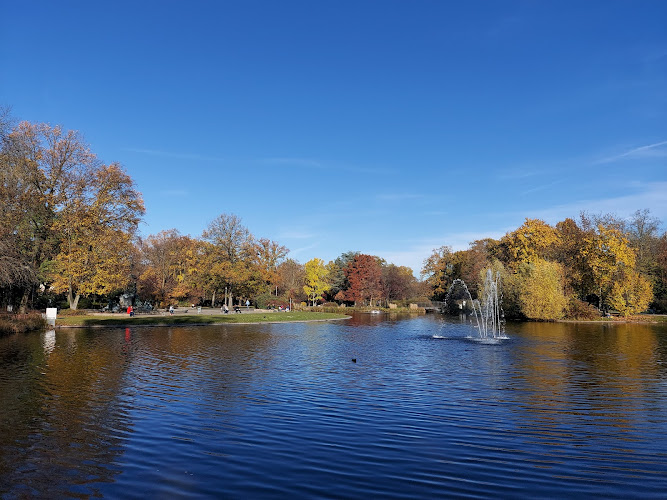
Stadtpark
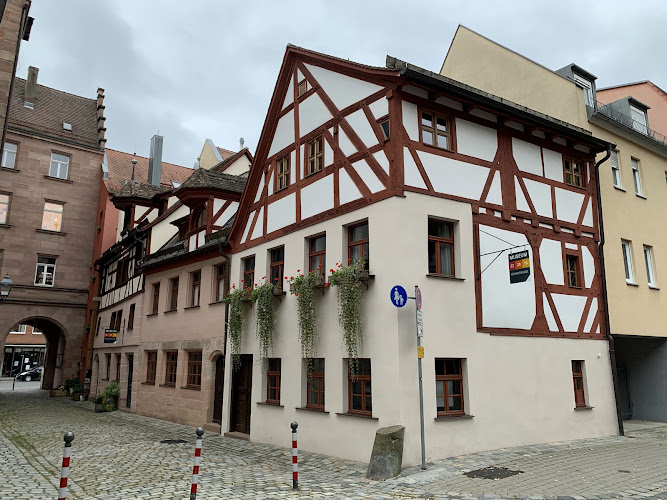
Museum | 22 | 20 | 18 |
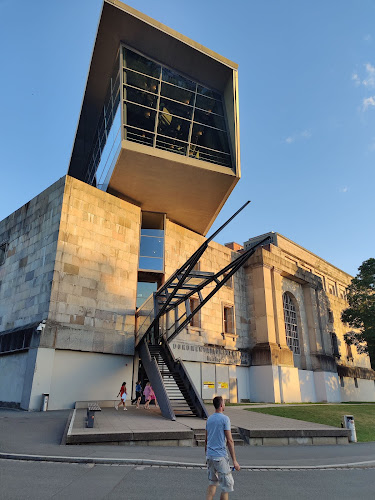
Congress Hall
Find Accommodations Nearby
Recommended Tours & Activities
Visitor Reviews
There are no reviews yet. Be the first one to write one.
Share Your Experience
Have you visited St. Sebald – Sebalduskirche Nürnberg? Help other travelers by leaving a review.