
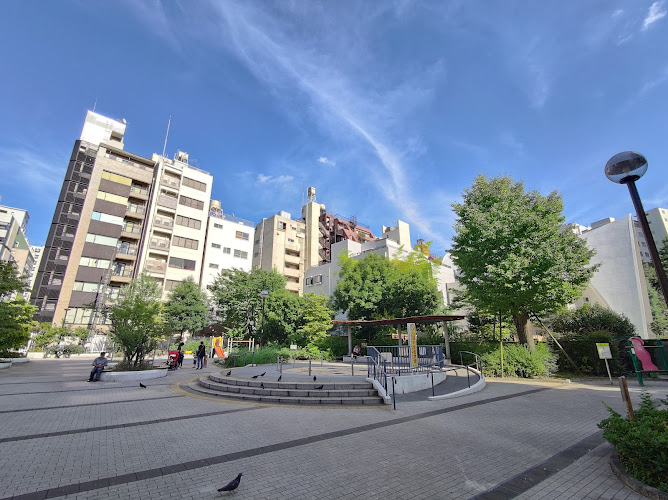
Shinjuku City Shinjuku Park
About Shinjuku City Shinjuku Park
Shinjuku City Shinjuku Park is a popular playground located in Shinjuku City, Japan. With a rating of 3.5 out of 5, it stands out as one of the recognized playgrounds in the area.
Location
You can find Shinjuku City Shinjuku Park at 2 Chome-9 Shinjuku, Shinjuku City, Tokyo 160-0022, Japan.
Visiting Shinjuku City Shinjuku Park
Located in Shinjuku City, Japan, Shinjuku City Shinjuku Park is a playground that visitors to the area may find worth exploring.
Planning Your Visit
The playground is located at 2 Chome-9 Shinjuku, Shinjuku City, Tokyo 160-0022, Japan. GPS coordinates: 35.690219, 139.709393. Check locally for current opening hours and any admission fees before visiting.
More Details
Updated June 4, 2026
Shinjuku City Shinjuku Park is a popular playground located in Shinjuku City, Japan. With a rating of 3.5 out of 5, it stands out as one of the recognized playgrounds in the area.
Table of Contents
- Location
- Visiting Shinjuku City Shinjuku Park
- Planning Your Visit
- Location
- Places to Stay Near Shinjuku City Shinjuku Park
- Find and Book a Tour
- Explore More Travel Guides
- Key Takeaways
- Key Details and Quick Facts
- What to Expect When Visiting
- Plan Your Visit
- Best Time to Go
- How to Get There
- Insider Tips for a Smooth Trip
- Nearby Attractions and Exploring Beyond
- Frequently Asked Questions
- How much is the entrance fee for Shinjuku Gyoen, and where do you buy tickets (including any online options)?
- What are the best entrances to use for Shinjuku Gyoen depending on which area of the garden you want to see first?
- How long should you plan to spend in Shinjuku Gyoen to see the main highlights without rushing?
- What are the key rules and etiquette in Shinjuku Gyoen (picnics, alcohol, drones, tripods, and seasonal crowd control)?
- Where are the most convenient places to eat near Shinjuku Gyoen, and are there any good in-park tea houses or cafés worth planning around?
- What’s the backstory of Shinjuku Gyoen’s design and how did it evolve from a private estate into a national garden?
- Plan Your Trip to Shinjuku City Shinjuku Park
- Nearby Places You Might Like
- Traveler Reviews for Shinjuku City Shinjuku Park
- Share Your Experience
Location
You can find Shinjuku City Shinjuku Park at 2 Chome-9 Shinjuku, Shinjuku City, Tokyo 160-0022, Japan.
Visiting Shinjuku City Shinjuku Park
Located in Shinjuku City, Japan, Shinjuku City Shinjuku Park is a playground that visitors to the area may find worth exploring.
Planning Your Visit
The playground is located at 2 Chome-9 Shinjuku, Shinjuku City, Tokyo 160-0022, Japan. GPS coordinates: 35.690219, 139.709393. Check locally for current opening hours and any admission fees before visiting.
Location
Places to Stay Near Shinjuku City Shinjuku Park
Find and Book a Tour
Explore More Travel Guides
No reviews found! Be the first to review!
Shinjuku Central Park sits in western Shinjuku, Tokyo, and is the ward’s largest public green space. You’ll find open lawns, walking paths, and a bit of calm just five minutes west of the Tokyo Metropolitan Government Building.
If you’re desperate for a break from the neon and the crowds, this park is a free, easy escape. It attracts both travelers who need a breather and locals in search of a lunch spot that’s not just another café.
You’ll notice the park tucked right behind the twin towers of the Metropolitan Government Office. It’s not as hyped as Shinjuku Gyoen, so you can usually expect fewer people and a more laid-back vibe.
There’s also Kumano Shrine inside, plus plenty of grass to sprawl out or shady trees to wander under, all without having to pay to get in.
The park is handy if you’re already exploring the west side of Shinjuku Station. You might pair it with a quick trip up the free observation decks at the government building, or just use the park as a pit stop before heading back to the shopping chaos.
It’s a straightforward, no-nonsense green space that fills a real gap in this concrete-heavy part of Tokyo.
Key Takeaways
- Shinjuku Central Park is the biggest free public park in Shinjuku Ward, right by the Tokyo Metropolitan Government Building.
- There are open lawns, walking paths, and a surprisingly quiet vibe for such a business-heavy area.
- It’s easy to combine a stroll here with other nearby spots like the government tower observatories or the shops around Shinjuku Station.
Key Details and Quick Facts
Shinjuku Central Park is the largest city-run park in Shinjuku Ward, just a five-minute walk from the Tokyo Metropolitan Government Building. It’s always free and open, so you can drop by any time you need a breather from the skyscrapers.
Basic Information:
- Official Name: Shinjuku Central Park (新宿中央公園)
- Location: Western Shinjuku (Nishi-Shinjuku)
- Size: Largest park owned by Shinjuku city government
- Admission: Free
- Nearby Landmark: Tokyo Metropolitan Government Building
Office workers from the surrounding towers use the park as a regular hangout. In spring, you’ll spot cherry blossoms, and on weekends, there are casual flea markets and community events.
What You’ll Find:
- Habitats for birds, insects, and other local wildlife
- Wide, grassy spaces for relaxing
- Seasonal flowers, especially cherry blossoms
- Event areas for local gatherings
Shinjuku Ward itself is one of Tokyo’s 23 special wards. After World War II, it grew into a major business and administrative hub, now rivaling Marunouchi, and is anchored by Shinjuku Station—the busiest in Japan.
What to Expect When Visiting
Shinjuku Gyoen National Garden is a different animal altogether—144 acres with three distinct garden styles: traditional Japanese, formal French, and English landscape. There are wide lawns, a greenhouse, and seasonal plantings that change from cherry blossoms in spring to chrysanthemums in fall.
Admission is ¥500 for adults, and the park is closed on Mondays (which always trips up at least a few visitors).
There are three gates: Shinjuku Gate (closest to Shinjuku-gyoemmae Station), Okido Gate (near Shinjuku Station), and Sendagaya Gate (by Sendagaya Station). Each entrance drops you into a different corner of the garden, so think about what you want to see first.
Inside, expect:
- Japanese Garden with tea houses and koi ponds
- French Formal Garden with symmetrical rows and tree-lined paths
- English Landscape Garden with big open lawns for picnics
- Greenhouse full of tropical and subtropical plants (included with entry)
- Rest houses for drinks and snacks
No alcohol allowed, and you can’t play ball games or frisbee. Pets are out, unless they’re service animals. Tripods need special permission, which is honestly a bit of a pain.
Weekends during cherry blossom season (late March to early April) and autumn foliage (November) are the busiest. If you want quiet, show up on a weekday morning. Hours run from 9:00 AM to somewhere between 4:00 PM and 6:30 PM, depending on the season.
Plan Your Visit
Shinjuku Gyoen National Garden is open Tuesday to Sunday from 9:00 AM to 4:30 PM (last entry at 4:00 PM), with longer hours (until 6:00 PM) in summer. It’s smart to time your visit for whatever’s in season, and use the train station closest to the gate you want.
Best Time to Go
Late March to early April is peak cherry blossom season—over 1,000 trees bloom and the crowds are wild, especially on weekends.
May is great for azaleas and roses. Mid-November to early December brings gorgeous autumn colors, especially in the Japanese garden. January and February are dead quiet, if that’s your thing.
Weekday mornings, right at opening, are your best bet for peace. The garden is closed Mondays and from December 29 to January 3.
How to Get There
Three train stations get you close. Shinjuku-Gyoemmae Station (Marunouchi Line) is nearest to Shinjuku Gate—just five minutes on foot.
From Shinjuku Station’s New South Exit, it’s about a ten-minute walk. That route is best if you’re already in the main Shinjuku area. Sendagaya Station (JR Chuo Line) is right by the Sendagaya Gate on the east side.
Entry is ¥500 for adults, ¥250 for students, and kids under 15 are free. Tickets are sold at all three gates.
Insider Tips for a Smooth Trip
No alcohol or ball games here, so it’s a calmer spot than most Tokyo parks. Bring a blanket for the big lawns in the English garden, but whatever you bring in, you have to pack out.
The French garden near the main gate has the cleanest bathrooms and a tiny café for drinks and snacks. You can’t re-enter once you leave, so plan to spend a couple of hours if you want to see all three garden styles.
Cell service can be spotty in the middle, so download an offline map ahead of time. The greenhouse, which is near the Japanese garden, only opens on weekends and doesn’t cost extra.
Nearby Attractions and Exploring Beyond
Shinjuku Station is the heart of Tokyo’s train network, so you can hop to places like Shibuya (8 minutes), Harajuku (5 minutes), or Asakusa (30 minutes) without much effort. The Odakyu Line will get you to Shimokitazawa—a spot for vintage shopping and indie cafés—in just seven minutes.
Close to Shinjuku Park:
- Tokyo Metropolitan Government Building – Free city views from the 45th floor, open late (10:30 PM most days)
- Kabukicho – The nightlife district, packed with bars, restaurants, and the Ninja Trick House
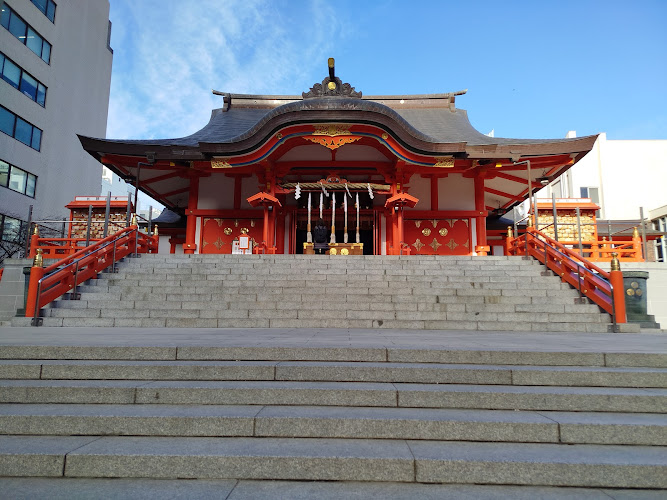
- Hanazono-jinja Shrine – Ten minutes from the station, with antique markets on weekends
- Isetan and Takashimaya – Department stores with basement food halls that are honestly worth a stop for snacks
The Toei Oedo subway line connects Shinjuku to Roppongi in nine minutes and Tsukiji Outer Market in twenty. If you’re heading further out, limousine buses leave from Shinjuku Expressway Bus Terminal for Mount Fuji, Hakone, or Kawaguchiko.
Asakusa is a good detour for old-school temple vibes and street food along Nakamise Shopping Street. It’s got preserved wooden buildings and a slower pace—basically the opposite of Shinjuku. You can get there by taking the Toei Oedo Line to Kuramae, then switching to the Toei Asakusa Line.
Frequently Asked Questions
People tend to have the same handful of questions about Shinjuku Gyoen—mostly about tickets, entrances, rules, and food options.
How much is the entrance fee for Shinjuku Gyoen, and where do you buy tickets (including any online options)?
It’s ¥500 for adults, ¥250 for students (15+), and free for kids under 15 and seniors 65+. Buy tickets at any of the three main gates: Shinjuku, Okido, or Sendagaya. Cash and IC cards (Suica, Pasmo) are both accepted.
Online tickets? Not yet—still in-person only, either at a machine or the staffed window.
What are the best entrances to use for Shinjuku Gyoen depending on which area of the garden you want to see first?
Shinjuku Gate (north side) is best if you want to start near the French Formal Garden or the greenhouse, and it’s the closest to Shinjuku Station (about a ten-minute walk). Okido Gate (east side) gets you into the English Landscape Garden and the big central lawn fast. Sendagaya Gate (southeast) is for the Japanese Traditional Garden and is right by Sendagaya Station (JR Sobu Line).
Most people use Shinjuku Gate for convenience, but Okido Gate is a good bet if you want to dodge crowds during cherry blossom season.
How long should you plan to spend in Shinjuku Gyoen to see the main highlights without rushing?
Give yourself 90 minutes to two hours to hit the main paths and see all three garden styles. If you want to actually sit down, visit the greenhouse, or take lots of photos, plan for 2.5 to 3 hours.
During peak cherry blossom or autumn foliage, add another half hour since you’ll be moving slower with the crowds. The garden covers 58.3 hectares, with about four kilometers of walking paths. If you’re short on time, just stick to the area between your entrance and the central lawn.
What are the key rules and etiquette in Shinjuku Gyoen (picnics, alcohol, drones, tripods, and seasonal crowd control)?
No alcohol anywhere, which makes this spot unusual for Tokyo hanami and the rule is enforced year-round. You can bring food for a picnic, but if staff spot alcohol, you’re out.
Drones are totally banned. Commercial photography needs advance permission.
Regular tripods are fine for personal use, but big pro gear needs a permit. During cherry blossom season, the park limits capacity—when about 25,000 people are inside, they stop letting folks in.
Ball games, pets, and bikes are all off-limits.
Where are the most convenient places to eat near Shinjuku Gyoen, and are there any good in-park tea houses or cafés worth planning around?
Inside the park, Rakuutei Tea House sits close to the Japanese garden. Here, you can get matcha and traditional sweets—nothing too fancy, but it’s a peaceful spot.
There’s also Hananoki Café near Shinjuku Gate, which offers light meals and drinks. If you’re hoping for that classic tea set, Rakuutei usually closes about half an hour before the park does, and prices run around ¥700-¥900.
Step outside, and the streets near Shinjuku-gyoemmae Station are packed with choices. Kura Sushi serves up conveyor belt sushi, and Salvatore Cuomo does Italian—both just a couple minutes from Okido Gate.
If you want something super quick before heading in, there’s a Family Mart right across from Sendagaya Gate. Marui Mall by Shinjuku Station has food courts and restaurants on the 7th and 8th floors, about five minutes from Shinjuku Gate.
What’s the backstory of Shinjuku Gyoen’s design and how did it evolve from a private estate into a national garden?
Shinjuku Gyoen’s story goes all the way back to 1772, when it started out as the private mansion grounds of the Naito family—feudal lords who served the Tokugawa shogunate. Fast forward to 1872, and the land got a new purpose as an agricultural testing ground during the Meiji period.
In 1906, the Imperial Household Agency decided to turn the area into an imperial garden. They brought in French landscape designer Henri Martinet, who added a formal French garden section. That was layered onto the existing Japanese landscapes, plus some newly designed English garden areas.
For decades, the garden was a retreat for the imperial family and visiting foreign dignitaries. That lasted until 1945, when things changed dramatically.
After World War II, the garden finally opened to the public in 1949. It first fell under the Ministry of Health and Welfare, and later switched over to the Ministry of the Environment.
The 1,500 cherry trees and the wide variety of plants you see today? Those are a nod to its days as an agricultural research station, when new plant varieties were being tested and cultivated right there.
Plan Your Trip to Shinjuku City Shinjuku Park
Traveler Reviews for Shinjuku City Shinjuku Park
There are no reviews yet. Be the first one to write one.
Have you visited Shinjuku City Shinjuku Park? Help other travelers by sharing your review.
You Might Also Like

Yotsuya Okido Mark

Old Goryo-tei (Taiwan Pavilion)
Hanazono Shrine
Find Accommodations Nearby
Recommended Tours & Activities
Visitor Reviews
There are no reviews yet. Be the first one to write one.
Share Your Experience
Have you visited Shinjuku City Shinjuku Park? Help other travelers by leaving a review.