

Shinjuku Golden-Gai
About Shinjuku Golden-Gai
Description
Shinjuku Golden-Gai is one of those places that refuses to behave like a modern city block. It sits there, stubborn and narrow, stitched together by alleys so tight that two people passing each other will do that little awkward sideways shuffle. For travelers, it reads like a pocket-sized time capsule, and for locals, it’s a reminder that Tokyo once ran on cigarette smoke, cheap drinks, and conversations that lasted until the first train.
The district is made up of more than 200 tiny bars packed into a handful of lanes. Many of them seat fewer than ten people. And yes, that’s not a typo. Ten. Some nights, that means you’re shoulder to shoulder with a novelist, a bartender who’s been pouring drinks since the 80s, and a traveler who wandered in because the neon looked promising. That closeness is the whole point. Golden-Gai doesn’t reward rushing or bar-hopping at lightning speed. It rewards patience, curiosity, and a willingness to sit down and stay put for a while.
Historically, this area was a post-war black market zone. Later, it became a hangout for writers, actors, filmmakers, and people who didn’t quite fit into polite society. You can still feel that DNA. Some bars lean hard into nostalgia, with yellowed posters and jazz vinyl stacked to the ceiling. Others have leaned forward, serving craft cocktails, natural wine, or surprisingly serious ramen from kitchens barely larger than a closet. And then there are bars that don’t advertise anything at all, which can be intimidating, but also oddly thrilling.
From a traveler’s perspective, Golden-Gai works best when expectations are kept flexible. It is festive, sure, but also chaotic. Some places welcome everyone, others prefer regulars, and a few charge a cover that might catch you off guard if you’re not paying attention. That unpredictability is part of the charm. But it’s also why opinions about the area can vary so wildly. Some visitors fall in love immediately. Others walk through once, shrug, and head back to brighter streets.
Personally, the first time I went, I got lost within three minutes. Not geographically lost—emotionally lost. I ended up in a bar where the owner spoke no English and I spoke no Japanese beyond ordering a beer. We nodded a lot. It was perfect. Not life-changing, but honest. And that’s the real appeal here.
Key Features
- Over 200 micro-bars packed into a compact grid of narrow alleys
- Seating often limited to 5–10 people per bar, creating intimate conversations
- Bars with specific themes, from film and punk music to whiskey-only counters
- Visible history tied to post-war Tokyo and creative subcultures
- Some venues charge a cover fee, usually per person, usually cash
- Onsite restrooms available, though sometimes shared or very small
- Ramen shops tucked between bars, open late for post-drink cravings
- Not wheelchair accessible due to narrow paths and steep staircases
Best Time to Visit
Golden-Gai technically exists all day, but let’s be honest, daytime isn’t when the magic happens. Early evening, around 6:00 to 7:00 pm, is a sweet spot if you want to ease into it. Bars are opening, owners are setting up, and there’s space to breathe. If you come later, say after 9:00 pm, expect crowds, raised voices, and the occasional awkward stand-off where three groups try to enter a six-seat bar at the same time.
Weekdays offer a calmer experience. Weekends, especially Friday and Saturday nights, can feel like the entire world decided to visit at once. That can be fun if you’re in the mood for energy and noise. But if you want to actually talk to people instead of yelling over them, aim for a Tuesday or Wednesday.
Seasonally, spring and autumn are ideal. The weather is kinder, and walking through the alleys doesn’t feel like a test of endurance. Summer can be sticky, and winter nights get cold fast, especially when you’re hopping between bars. I once made the mistake of visiting in mid-August and ended up drinking water more enthusiastically than alcohol. Learn from that.
How to Get There
Golden-Gai sits within walking distance of Shinjuku’s major transport hubs, which makes it surprisingly easy to reach even if Tokyo’s rail map looks like a plate of spilled noodles. From the main Shinjuku area, it’s a short walk that takes you from wide avenues into increasingly tight streets. You’ll know you’re close when the buildings shrink and the neon signs start stacking vertically like a game of Tetris.
Once you arrive, forget about maps for a bit. The district is small enough to explore on foot in minutes, but complex enough to feel confusing. And that’s fine. Getting turned around is part of the experience. Just follow the sounds of laughter or music, or the smell of grilled snacks drifting out of a doorway.
Taxis can drop you nearby, but honestly, walking is better. You notice more. You hear more. And you don’t have to explain to a driver why you want to be let out next to an alley that looks like it leads nowhere.
Tips for Visiting
First tip, and this is important: bring cash. Many bars don’t accept cards, and ATMs are not always immediately nearby once you’re deep in the lanes. There’s nothing more awkward than bonding with a bartender over music tastes and then realizing you can’t pay for your drink.
Second, pay attention to signs. Some bars clearly state whether they welcome tourists, whether there’s a cover charge, or whether photos are allowed. Ignoring those signs isn’t rebellious; it’s just rude. And Golden-Gai runs on respect more than rules.
Third, don’t bar-hop too aggressively. Because spaces are so small, staying for at least one or two drinks is polite. Treat each bar like a temporary living room, not a pit stop. Strike up a conversation if it feels natural. Or don’t. Sitting quietly and observing is also acceptable.
Language barriers exist, but they’re not deal-breakers. A smile, a nod, and pointing at a menu go a long way. Some owners speak excellent English. Others don’t, and that’s okay. You’re visiting their space. Meet them halfway.
Photography is tricky. The alleys look amazing, especially at night, but not everyone wants to be in your travel album. When in doubt, ask. Or just keep your phone in your pocket and enjoy the moment. I know, that sounds like advice from a grumpy uncle, but it’s true.
Food-wise, don’t ignore the ramen spots and snack counters scattered around. They’re easy to miss, but they serve some of the most satisfying late-night meals in Shinjuku. Nothing glamorous, just solid bowls and skewers that hit the spot after a couple of drinks.
Accessibility is limited. The narrow paths, steep stairs, and cramped interiors make it challenging for wheelchair users or anyone with mobility issues. That’s not something you can fix with planning; it’s baked into the architecture. If accessibility is a concern, it’s better to know this upfront rather than be frustrated on arrival.
Lastly, manage expectations. Golden-Gai is not a checklist attraction. It’s messy, inconsistent, and occasionally overpriced. Some nights will feel magical. Others will feel… fine. And that’s okay. The goal isn’t to conquer it, but to experience it. Sit down, order a drink, look around. And for a little while, let the rest of Tokyo fade into the background.
Key Features
- Over 200 micro-bars packed into a compact grid of narrow alleys
- Seating often limited to 5–10 people per bar, creating intimate conversations
- Bars with specific themes, from film and punk music to whiskey-only counters
- Visible history tied to post-war Tokyo and creative subcultures
- Some venues charge a cover fee, usually per person, usually cash
- Onsite restrooms available, though sometimes shared or very small
- Ramen shops tucked between bars, open late for post-drink cravings
- Not wheelchair accessible due to narrow paths and steep staircases
More Details
Updated December 31, 2025
Table of Contents
Description
Shinjuku Golden-Gai is one of those places that refuses to behave like a modern city block. It sits there, stubborn and narrow, stitched together by alleys so tight that two people passing each other will do that little awkward sideways shuffle. For travelers, it reads like a pocket-sized time capsule, and for locals, it’s a reminder that Tokyo once ran on cigarette smoke, cheap drinks, and conversations that lasted until the first train.
The district is made up of more than 200 tiny bars packed into a handful of lanes. Many of them seat fewer than ten people. And yes, that’s not a typo. Ten. Some nights, that means you’re shoulder to shoulder with a novelist, a bartender who’s been pouring drinks since the 80s, and a traveler who wandered in because the neon looked promising. That closeness is the whole point. Golden-Gai doesn’t reward rushing or bar-hopping at lightning speed. It rewards patience, curiosity, and a willingness to sit down and stay put for a while.
Historically, this area was a post-war black market zone. Later, it became a hangout for writers, actors, filmmakers, and people who didn’t quite fit into polite society. You can still feel that DNA. Some bars lean hard into nostalgia, with yellowed posters and jazz vinyl stacked to the ceiling. Others have leaned forward, serving craft cocktails, natural wine, or surprisingly serious ramen from kitchens barely larger than a closet. And then there are bars that don’t advertise anything at all, which can be intimidating, but also oddly thrilling.
From a traveler’s perspective, Golden-Gai works best when expectations are kept flexible. It is festive, sure, but also chaotic. Some places welcome everyone, others prefer regulars, and a few charge a cover that might catch you off guard if you’re not paying attention. That unpredictability is part of the charm. But it’s also why opinions about the area can vary so wildly. Some visitors fall in love immediately. Others walk through once, shrug, and head back to brighter streets.
Personally, the first time I went, I got lost within three minutes. Not geographically lost—emotionally lost. I ended up in a bar where the owner spoke no English and I spoke no Japanese beyond ordering a beer. We nodded a lot. It was perfect. Not life-changing, but honest. And that’s the real appeal here.
Key Features
- Over 200 micro-bars packed into a compact grid of narrow alleys
- Seating often limited to 5–10 people per bar, creating intimate conversations
- Bars with specific themes, from film and punk music to whiskey-only counters
- Visible history tied to post-war Tokyo and creative subcultures
- Some venues charge a cover fee, usually per person, usually cash
- Onsite restrooms available, though sometimes shared or very small
- Ramen shops tucked between bars, open late for post-drink cravings
- Not wheelchair accessible due to narrow paths and steep staircases
Best Time to Visit
Golden-Gai technically exists all day, but let’s be honest, daytime isn’t when the magic happens. Early evening, around 6:00 to 7:00 pm, is a sweet spot if you want to ease into it. Bars are opening, owners are setting up, and there’s space to breathe. If you come later, say after 9:00 pm, expect crowds, raised voices, and the occasional awkward stand-off where three groups try to enter a six-seat bar at the same time.
Weekdays offer a calmer experience. Weekends, especially Friday and Saturday nights, can feel like the entire world decided to visit at once. That can be fun if you’re in the mood for energy and noise. But if you want to actually talk to people instead of yelling over them, aim for a Tuesday or Wednesday.
Seasonally, spring and autumn are ideal. The weather is kinder, and walking through the alleys doesn’t feel like a test of endurance. Summer can be sticky, and winter nights get cold fast, especially when you’re hopping between bars. I once made the mistake of visiting in mid-August and ended up drinking water more enthusiastically than alcohol. Learn from that.
How to Get There
Golden-Gai sits within walking distance of Shinjuku’s major transport hubs, which makes it surprisingly easy to reach even if Tokyo’s rail map looks like a plate of spilled noodles. From the main Shinjuku area, it’s a short walk that takes you from wide avenues into increasingly tight streets. You’ll know you’re close when the buildings shrink and the neon signs start stacking vertically like a game of Tetris.
Once you arrive, forget about maps for a bit. The district is small enough to explore on foot in minutes, but complex enough to feel confusing. And that’s fine. Getting turned around is part of the experience. Just follow the sounds of laughter or music, or the smell of grilled snacks drifting out of a doorway.
Taxis can drop you nearby, but honestly, walking is better. You notice more. You hear more. And you don’t have to explain to a driver why you want to be let out next to an alley that looks like it leads nowhere.
Tips for Visiting
First tip, and this is important: bring cash. Many bars don’t accept cards, and ATMs are not always immediately nearby once you’re deep in the lanes. There’s nothing more awkward than bonding with a bartender over music tastes and then realizing you can’t pay for your drink.
Second, pay attention to signs. Some bars clearly state whether they welcome tourists, whether there’s a cover charge, or whether photos are allowed. Ignoring those signs isn’t rebellious; it’s just rude. And Golden-Gai runs on respect more than rules.
Third, don’t bar-hop too aggressively. Because spaces are so small, staying for at least one or two drinks is polite. Treat each bar like a temporary living room, not a pit stop. Strike up a conversation if it feels natural. Or don’t. Sitting quietly and observing is also acceptable.
Language barriers exist, but they’re not deal-breakers. A smile, a nod, and pointing at a menu go a long way. Some owners speak excellent English. Others don’t, and that’s okay. You’re visiting their space. Meet them halfway.
Photography is tricky. The alleys look amazing, especially at night, but not everyone wants to be in your travel album. When in doubt, ask. Or just keep your phone in your pocket and enjoy the moment. I know, that sounds like advice from a grumpy uncle, but it’s true.
Food-wise, don’t ignore the ramen spots and snack counters scattered around. They’re easy to miss, but they serve some of the most satisfying late-night meals in Shinjuku. Nothing glamorous, just solid bowls and skewers that hit the spot after a couple of drinks.
Accessibility is limited. The narrow paths, steep stairs, and cramped interiors make it challenging for wheelchair users or anyone with mobility issues. That’s not something you can fix with planning; it’s baked into the architecture. If accessibility is a concern, it’s better to know this upfront rather than be frustrated on arrival.
Lastly, manage expectations. Golden-Gai is not a checklist attraction. It’s messy, inconsistent, and occasionally overpriced. Some nights will feel magical. Others will feel… fine. And that’s okay. The goal isn’t to conquer it, but to experience it. Sit down, order a drink, look around. And for a little while, let the rest of Tokyo fade into the background.
Key Highlights
- Over 200 micro-bars packed into a compact grid of narrow alleys
- Seating often limited to 5–10 people per bar, creating intimate conversations
- Bars with specific themes, from film and punk music to whiskey-only counters
- Visible history tied to post-war Tokyo and creative subcultures
- Some venues charge a cover fee, usually per person, usually cash
- Onsite restrooms available, though sometimes shared or very small
- Ramen shops tucked between bars, open late for post-drink cravings
- Not wheelchair accessible due to narrow paths and steep staircases
Location
Places to Stay Near Shinjuku Golden-Gai
Find and Book a Tour
Explore More Travel Guides
No reviews found! Be the first to review!
Traveler Reviews for Shinjuku Golden-Gai
There are no reviews yet. Be the first one to write one.
Have you visited Shinjuku Golden-Gai? Help other travelers by sharing your review.
You Might Also Like
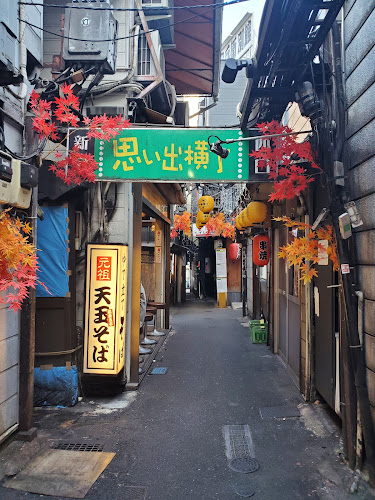
Omoide Yokocho

Old Goryo-tei (Taiwan Pavilion)
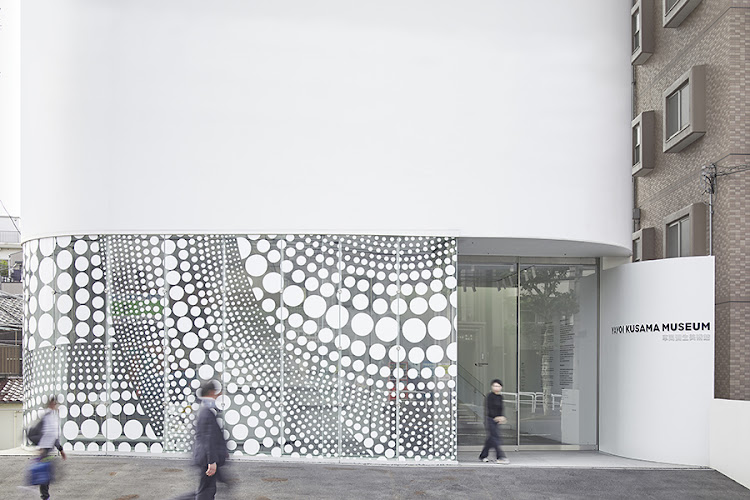
YAYOI KUSAMA Museum
Find Accommodations Nearby
Recommended Tours & Activities
Visitor Reviews
There are no reviews yet. Be the first one to write one.
Share Your Experience
Have you visited Shinjuku Golden-Gai? Help other travelers by leaving a review.