
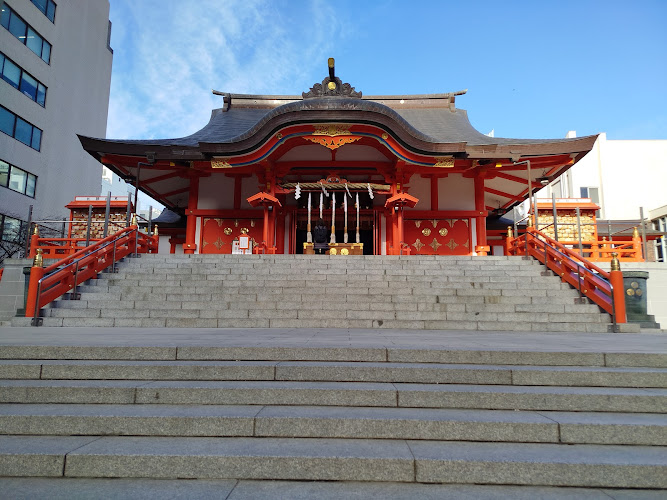
Hanazono Shrine
About Hanazono Shrine
Description
Hanazono Shrine sits quietly in Tokyo’s Shinjuku area, doing its own thing while the city rushes past. It’s a compact Shinto shrine dating back to the Edo period, and yes, it’s small, but that’s kind of the point. Travelers often expect something grand and sprawling, and instead they find a place that feels personal, almost secretive. The shrine is known for a calm atmosphere that somehow survives despite being surrounded by offices, bars, and late-night ramen joints. And honestly, that contrast is part of its charm.
The shrine is dedicated to Inari Okami, a deity associated with prosperity, business success, and fertility. That explains why you’ll see office workers stopping by in suits, quietly bowing before heading to work. It also explains why artists, actors, and small business owners are frequent visitors. Hanazono Shrine has long had a reputation for supporting creative pursuits, especially theater. The nearby Shinjuku Theater District and the shrine have been linked for decades, and that cultural overlap still lingers.
What stands out is the mood. It’s not overly polished, not overly sacred in a stiff way either. It feels lived-in. You might hear construction noise in the distance or laughter drifting in from the street, but once you pass through the torii gate, there’s a noticeable mental shift. I remember visiting on a random weekday afternoon, half exhausted from walking all day. I expected a quick look and out. Instead, I sat on a bench longer than planned, just breathing. That’s Hanazono Shrine in a nutshell.
Travelers should know that opinions on the shrine vary. Some people find it underwhelming because it doesn’t scream for attention. Others appreciate that it’s approachable, not intimidating, and easy to understand even if you’re new to Shinto traditions. The overall feeling lands somewhere in the middle: peaceful, meaningful, but not flashy. And that’s a fair deal.
Key Features
- Main shrine building with classic Edo-period architectural details
- Bright red torii gates that stand out against the urban backdrop
- Secondary shrines, including one dedicated to performing arts
- Stone lanterns and fox statues tied to Inari worship
- Seasonal festivals that draw both locals and travelers
- Onsite restrooms, which honestly matter more than guidebooks admit
- Open grounds that welcome casual visits, not just formal worship
The fox statues deserve a second mention. They’re symbols of Inari and come in pairs, often holding keys or scrolls. Some look stern, others oddly friendly. I once overheard a kid asking if they were guarding secrets, which felt about right. These details reward slow observation, not rushing.
Best Time to Visit
Hanazono Shrine is open year-round, and each season brings its own personality. Spring is popular thanks to mild weather and nearby cherry blossoms, though the shrine itself isn’t a major hanami spot. Still, the air feels lighter, and people linger. Summer can be humid, but that’s when festivals kick in, especially the Tori no Ichi festival held in November, which technically isn’t summer but deserves mention here because it’s huge.
Tori no Ichi is the shrine’s most famous event, celebrating good fortune and business success. Stalls sell decorated bamboo rakes meant to rake in luck. It gets crowded, loud, and frankly a little chaotic. If you like energy, this is your moment. If you don’t, avoid those days. I went once without realizing what was happening and got swept along. It was overwhelming, but also kind of thrilling, like the city turned inside out for a night.
Autumn is probably the sweet spot. Cooler air, fewer tourists, and a calm that feels earned. Winter is quiet and reflective, especially around New Year, when locals come for hatsumode, the first shrine visit of the year. Early mornings are best if you want solitude. Late evenings have their own magic, with soft lighting and fewer distractions. And yes, the shrine feels safe and welcoming even after dark.
How to Get There
Getting to Hanazono Shrine is straightforward, which is another reason travelers appreciate it. It’s located within walking distance of major Shinjuku stations. From the station, you’ll pass convenience stores, cafes, and maybe a karaoke place or two. Then suddenly, there’s a torii gate. No long hikes, no confusing transfers.
Public transportation is the way to go. Trains and subways drop you close enough that navigation apps almost feel unnecessary. If you’re already exploring Shinjuku Gyoen or the shopping streets, you can easily slot the shrine into your route. Driving isn’t ideal, and accessibility is limited in terms of parking, so plan accordingly.
One thing I liked was how unceremonious the approach is. You don’t build up for miles. You just arrive. And that fits the shrine’s personality perfectly.
Tips for Visiting
First tip: slow down. This isn’t a box to tick. Give yourself at least 20–30 minutes, more if there’s a festival or you want to sit and people-watch. Bring a small coin if you plan to make an offering. It’s not mandatory, but participating helps you connect.
Second, be respectful but not anxious. You don’t need to know every ritual perfectly. Watch what locals do, follow along, and you’ll be fine. Bowing, rinsing hands at the purification fountain, and offering a quiet moment of reflection are enough. I’ve messed up the order before, and the world did not end.
Third, check the shrine’s calendar if you’re curious about events. Festivals can completely change the experience. Some travelers love the buzz; others prefer calm. Knowing what you’re walking into helps manage expectations.
Fourth, combine your visit with nearby attractions. Hanazono Shrine works well as a pause between shopping, dining, or nightlife. It’s a reset button. I’ve used it that way more than once, ducking in after sensory overload.
Lastly, be mindful of accessibility. While the grounds are generally easy to navigate, there is no wheelchair-accessible parking lot, and some areas may be uneven. Plan ahead if mobility is a concern.
Hanazono Shrine isn’t about spectacle. It’s about presence. It rewards curiosity, patience, and a willingness to appreciate small things. For travelers who want to understand Tokyo beyond neon lights and timelines, this shrine offers a quiet, honest glimpse into daily spiritual life. And sometimes, that’s exactly what your trip needs.
Key Features
- Main shrine building with classic Edo-period architectural details
- Bright red torii gates that stand out against the urban backdrop
- Secondary shrines, including one dedicated to performing arts
- Stone lanterns and fox statues tied to Inari worship
- Seasonal festivals that draw both locals and travelers
- Onsite restrooms, which honestly matter more than guidebooks admit
- Open grounds that welcome casual visits, not just formal worship
Tours & Activities
GetYourGuide provides this tour inventory. We may earn a commission if you book through it; verify current availability, prices, and terms with the provider.
Visitor Reviews
There are no reviews yet. Be the first one to write one.
Share Your Experience
Have you visited Hanazono Shrine? Help other travelers by leaving a review.