
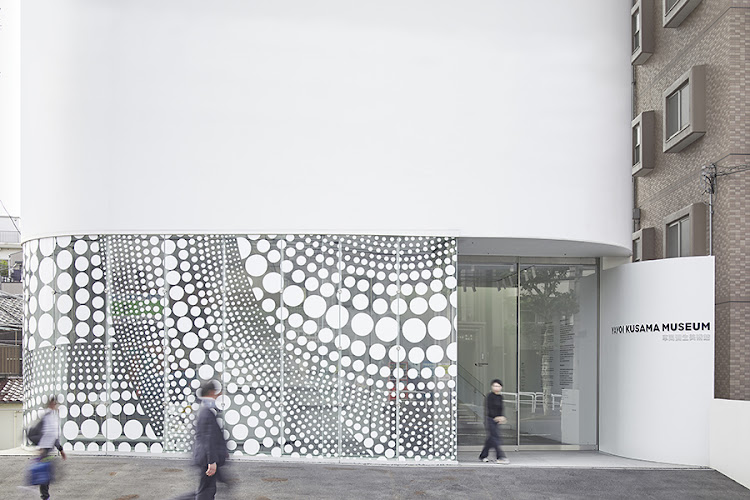
YAYOI KUSAMA Museum
About YAYOI KUSAMA Museum
Description
The YAYOI KUSAMA Museum is one of those places that sticks with you long after you leave. It’s not big, it’s not sprawling, and it doesn’t try to overwhelm you with endless rooms. Instead, it asks you to slow down, look closely, and maybe question why a room full of dots can make your heart beat a little faster. Dedicated entirely to the life and work of Yayoi Kusama, this contemporary art museum focuses on rotating exhibitions that explore her ideas, obsessions, and decades-long career. And yes, the pumpkins are here, but there’s a lot more going on under the surface.
This is not a casual pop-in museum. Entry is timed, tickets are limited, and the flow of visitors is carefully controlled. At first, that might sound annoying. But after visiting, it makes total sense. Kusama’s work thrives on intimacy. When you’re standing in front of a painting that looks repetitive at first glance, the quiet space lets you notice how each dot is slightly off, slightly human. I remember thinking, wow, this feels less like looking at art and more like being inside someone’s mind.
The museum itself feels intentional, almost restrained. White walls, clean lines, and minimal distractions. It doesn’t compete with the art, which is exactly the point. Exhibitions change regularly, often focusing on a specific theme or period of Kusama’s career. One year might explore her early New York years and anti-war performances, another might dive deep into her obsession with infinity and self-obliteration. And if you’re expecting a greatest-hits gallery, you may be surprised. This museum likes to challenge visitors, not just please them.
For travelers, especially those interested in modern and contemporary art, the YAYOI KUSAMA Museum offers a rare chance to engage deeply with a single artist. It’s educational without feeling like homework. There are lectures, special events, and thoughtfully written wall texts that don’t talk down to you. And while not every visitor walks out in love, most walk out thinking. That, in my book, is a win.
Families, solo travelers, art students, and curious wanderers all seem to find their place here. It’s also a welcoming space, openly LGBTQ+ friendly, with gender-neutral restrooms and a calm, respectful atmosphere. You feel safe taking your time, asking questions, or just standing still for a bit. And honestly, in a busy travel itinerary, that kind of pause can feel like a luxury.
Key Features
- Rotating exhibitions that explore different phases of Yayoi Kusama’s life and artistic evolution
- Original artworks including paintings, sculptures, installations, and yes, pumpkins
- Timed entry system that limits crowds and creates a calmer viewing experience
- Onsite gift shop with exclusive Kusama-inspired items you won’t see everywhere else
- Wheelchair accessible entrance and restrooms, plus wheelchair rental availability
- Educational programming including lectures and special events tied to exhibitions
- Family-friendly amenities such as changing tables and child discounts
- LGBTQ+ friendly environment that feels genuinely inclusive, not performative
Best Time to Visit
Timing matters a lot here. Because tickets are released in advance and visits are scheduled, you don’t have the usual museum stress of huge lines snaking around the block. Still, weekends and holidays tend to fill up fast, especially when a new exhibition opens. If you can, aim for a weekday morning slot. The energy feels calmer, and you’re more likely to get those quiet moments where the art really sinks in.
Seasonally, there’s no bad time to visit since everything happens indoors. But I’ve found that visiting during shoulder seasons, like late spring or early autumn, just feels better overall. Fewer tourists in the city, less rushing around, and more mental space to appreciate what you’re seeing. And honestly, Kusama’s work can be intense. Seeing it when you’re already tired and overstimulated might not do it justice.
Exhibition schedules are worth paying attention to. Some shows lean more conceptual and historical, while others are more visually immersive. If you’re traveling with kids, look for exhibitions that include larger sculptures or more color and form. If you’re a hardcore art fan, the deeper archival-focused exhibitions are gold. Either way, booking early is not optional if you have your heart set on a specific date.
How to Get There
Getting to the YAYOI KUSAMA Museum is fairly straightforward, even if it’s not smack in the middle of a tourist zone. Public transportation is the way to go. Trains and buses connect the area well, and from the nearest station, it’s a manageable walk through a quiet neighborhood. I actually enjoyed that part. It gives you a few minutes to mentally shift gears before stepping into the museum’s very focused world.
If you’re used to hopping in taxis everywhere, you can do that too, but traffic can be unpredictable. And since there’s no dedicated wheelchair-accessible parking lot, planning ahead is especially important for visitors with mobility needs. The museum staff are generally helpful and responsive if you reach out in advance with accessibility questions. That kind of thoughtfulness goes a long way, especially when you’re traveling.
One small tip from personal experience: arrive a little early. Not excessively early, just enough to breathe. There’s no restaurant inside, so grab a coffee or snack beforehand. Trust me, you don’t want to be distracted by hunger while staring into an infinity of dots.
Tips for Visiting
First and foremost, buy your tickets in advance. I know it’s been said, but it really matters here. Walk-in availability is rare, and disappointment is not a great travel companion. Once you have your ticket, plan your day around it rather than squeezing it in between other attractions. This museum deserves your full attention.
Don’t rush. The building isn’t huge, but the art rewards slow looking. I’ve seen people breeze through in twenty minutes and others take the full allotted time. Be the second person. Read the wall texts. Sit on the bench if there is one. Let the repetition work on you. It’s supposed to feel a little obsessive, maybe even uncomfortable.
Photography rules can change depending on the exhibition, so pay attention to signage and staff instructions. Even when photos are allowed, consider putting your phone down for a bit. Not everything needs to live on your camera roll. Some moments are better kept weird and private.
If you’re visiting with children, set expectations beforehand. This isn’t an interactive, hands-on museum in the traditional sense. But kids who enjoy patterns, colors, and stories about artists can get a lot out of it. Discounts for kids help, and the changing tables are a blessing for families traveling with little ones.
Accessibility-wise, the museum does a solid job, though it’s not perfect. The entrance and restrooms are wheelchair accessible, and wheelchair rentals are available. There’s no assistive hearing loop, so visitors who rely on that may want to prepare accordingly. As always, contacting the museum ahead of time can make your visit smoother.
Save time for the gift shop at the end. It’s small but thoughtfully curated, and some items are exclusive to the museum. I’m not usually a souvenir person, but I still regret not buying that odd little notebook covered in dots. Learn from my mistakes.
Finally, go in with an open mind. Not every piece will click. Some visitors feel underwhelmed, others deeply moved. Both reactions are valid. The YAYOI KUSAMA Museum isn’t trying to be universally loved. It’s trying to be honest to one artist’s vision. And as a traveler, getting to step into that vision, even briefly, is pretty special.
Key Features
- Rotating exhibitions that explore different phases of Yayoi Kusama’s life and artistic evolution
- Original artworks including paintings, sculptures, installations, and yes, pumpkins
- Timed entry system that limits crowds and creates a calmer viewing experience
- Onsite gift shop with exclusive Kusama-inspired items you won’t see everywhere else
- Wheelchair accessible entrance and restrooms, plus wheelchair rental availability
- Educational programming including lectures and special events tied to exhibitions
- Family-friendly amenities such as changing tables and child discounts
- LGBTQ+ friendly environment that feels genuinely inclusive, not performative
More Details
Updated December 30, 2025
Table of Contents
Description
The YAYOI KUSAMA Museum is one of those places that sticks with you long after you leave. It’s not big, it’s not sprawling, and it doesn’t try to overwhelm you with endless rooms. Instead, it asks you to slow down, look closely, and maybe question why a room full of dots can make your heart beat a little faster. Dedicated entirely to the life and work of Yayoi Kusama, this contemporary art museum focuses on rotating exhibitions that explore her ideas, obsessions, and decades-long career. And yes, the pumpkins are here, but there’s a lot more going on under the surface.
This is not a casual pop-in museum. Entry is timed, tickets are limited, and the flow of visitors is carefully controlled. At first, that might sound annoying. But after visiting, it makes total sense. Kusama’s work thrives on intimacy. When you’re standing in front of a painting that looks repetitive at first glance, the quiet space lets you notice how each dot is slightly off, slightly human. I remember thinking, wow, this feels less like looking at art and more like being inside someone’s mind.
The museum itself feels intentional, almost restrained. White walls, clean lines, and minimal distractions. It doesn’t compete with the art, which is exactly the point. Exhibitions change regularly, often focusing on a specific theme or period of Kusama’s career. One year might explore her early New York years and anti-war performances, another might dive deep into her obsession with infinity and self-obliteration. And if you’re expecting a greatest-hits gallery, you may be surprised. This museum likes to challenge visitors, not just please them.
For travelers, especially those interested in modern and contemporary art, the YAYOI KUSAMA Museum offers a rare chance to engage deeply with a single artist. It’s educational without feeling like homework. There are lectures, special events, and thoughtfully written wall texts that don’t talk down to you. And while not every visitor walks out in love, most walk out thinking. That, in my book, is a win.
Families, solo travelers, art students, and curious wanderers all seem to find their place here. It’s also a welcoming space, openly LGBTQ+ friendly, with gender-neutral restrooms and a calm, respectful atmosphere. You feel safe taking your time, asking questions, or just standing still for a bit. And honestly, in a busy travel itinerary, that kind of pause can feel like a luxury.
Key Features
- Rotating exhibitions that explore different phases of Yayoi Kusama’s life and artistic evolution
- Original artworks including paintings, sculptures, installations, and yes, pumpkins
- Timed entry system that limits crowds and creates a calmer viewing experience
- Onsite gift shop with exclusive Kusama-inspired items you won’t see everywhere else
- Wheelchair accessible entrance and restrooms, plus wheelchair rental availability
- Educational programming including lectures and special events tied to exhibitions
- Family-friendly amenities such as changing tables and child discounts
- LGBTQ+ friendly environment that feels genuinely inclusive, not performative
Best Time to Visit
Timing matters a lot here. Because tickets are released in advance and visits are scheduled, you don’t have the usual museum stress of huge lines snaking around the block. Still, weekends and holidays tend to fill up fast, especially when a new exhibition opens. If you can, aim for a weekday morning slot. The energy feels calmer, and you’re more likely to get those quiet moments where the art really sinks in.
Seasonally, there’s no bad time to visit since everything happens indoors. But I’ve found that visiting during shoulder seasons, like late spring or early autumn, just feels better overall. Fewer tourists in the city, less rushing around, and more mental space to appreciate what you’re seeing. And honestly, Kusama’s work can be intense. Seeing it when you’re already tired and overstimulated might not do it justice.
Exhibition schedules are worth paying attention to. Some shows lean more conceptual and historical, while others are more visually immersive. If you’re traveling with kids, look for exhibitions that include larger sculptures or more color and form. If you’re a hardcore art fan, the deeper archival-focused exhibitions are gold. Either way, booking early is not optional if you have your heart set on a specific date.
How to Get There
Getting to the YAYOI KUSAMA Museum is fairly straightforward, even if it’s not smack in the middle of a tourist zone. Public transportation is the way to go. Trains and buses connect the area well, and from the nearest station, it’s a manageable walk through a quiet neighborhood. I actually enjoyed that part. It gives you a few minutes to mentally shift gears before stepping into the museum’s very focused world.
If you’re used to hopping in taxis everywhere, you can do that too, but traffic can be unpredictable. And since there’s no dedicated wheelchair-accessible parking lot, planning ahead is especially important for visitors with mobility needs. The museum staff are generally helpful and responsive if you reach out in advance with accessibility questions. That kind of thoughtfulness goes a long way, especially when you’re traveling.
One small tip from personal experience: arrive a little early. Not excessively early, just enough to breathe. There’s no restaurant inside, so grab a coffee or snack beforehand. Trust me, you don’t want to be distracted by hunger while staring into an infinity of dots.
Tips for Visiting
First and foremost, buy your tickets in advance. I know it’s been said, but it really matters here. Walk-in availability is rare, and disappointment is not a great travel companion. Once you have your ticket, plan your day around it rather than squeezing it in between other attractions. This museum deserves your full attention.
Don’t rush. The building isn’t huge, but the art rewards slow looking. I’ve seen people breeze through in twenty minutes and others take the full allotted time. Be the second person. Read the wall texts. Sit on the bench if there is one. Let the repetition work on you. It’s supposed to feel a little obsessive, maybe even uncomfortable.
Photography rules can change depending on the exhibition, so pay attention to signage and staff instructions. Even when photos are allowed, consider putting your phone down for a bit. Not everything needs to live on your camera roll. Some moments are better kept weird and private.
If you’re visiting with children, set expectations beforehand. This isn’t an interactive, hands-on museum in the traditional sense. But kids who enjoy patterns, colors, and stories about artists can get a lot out of it. Discounts for kids help, and the changing tables are a blessing for families traveling with little ones.
Accessibility-wise, the museum does a solid job, though it’s not perfect. The entrance and restrooms are wheelchair accessible, and wheelchair rentals are available. There’s no assistive hearing loop, so visitors who rely on that may want to prepare accordingly. As always, contacting the museum ahead of time can make your visit smoother.
Save time for the gift shop at the end. It’s small but thoughtfully curated, and some items are exclusive to the museum. I’m not usually a souvenir person, but I still regret not buying that odd little notebook covered in dots. Learn from my mistakes.
Finally, go in with an open mind. Not every piece will click. Some visitors feel underwhelmed, others deeply moved. Both reactions are valid. The YAYOI KUSAMA Museum isn’t trying to be universally loved. It’s trying to be honest to one artist’s vision. And as a traveler, getting to step into that vision, even briefly, is pretty special.
Key Highlights
- Rotating exhibitions that explore different phases of Yayoi Kusama’s life and artistic evolution
- Original artworks including paintings, sculptures, installations, and yes, pumpkins
- Timed entry system that limits crowds and creates a calmer viewing experience
- Onsite gift shop with exclusive Kusama-inspired items you won’t see everywhere else
- Wheelchair accessible entrance and restrooms, plus wheelchair rental availability
- Educational programming including lectures and special events tied to exhibitions
- Family-friendly amenities such as changing tables and child discounts
- LGBTQ+ friendly environment that feels genuinely inclusive, not performative
Location
Places to Stay Near YAYOI KUSAMA Museum
Find and Book a Tour
Explore More Travel Guides
No reviews found! Be the first to review!
Traveler Reviews for YAYOI KUSAMA Museum
There are no reviews yet. Be the first one to write one.
Have you visited YAYOI KUSAMA Museum? Help other travelers by sharing your review.
You Might Also Like
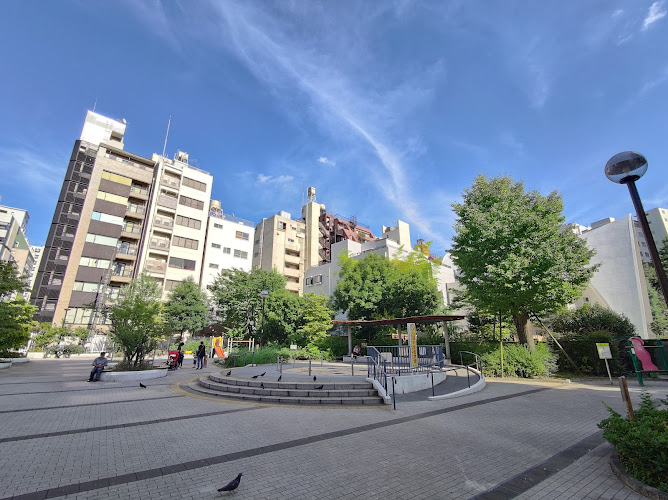
Shinjuku City Shinjuku Park
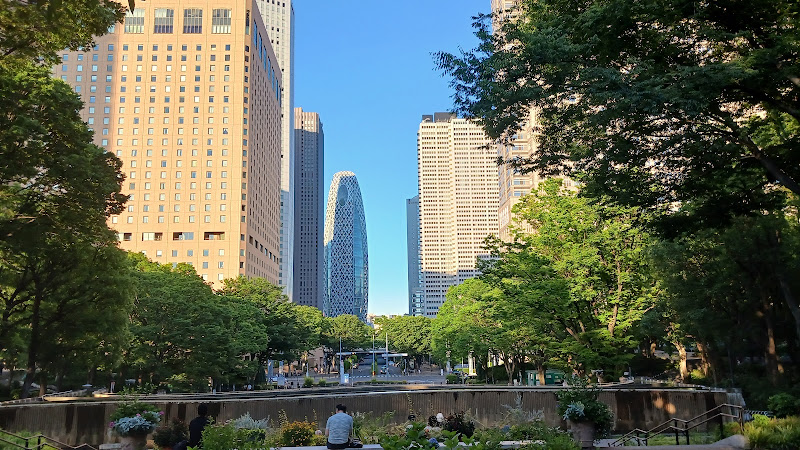
2 Chome Shinjuku

Otomeyama Park
Find Accommodations Nearby
Recommended Tours & Activities
Visitor Reviews
There are no reviews yet. Be the first one to write one.
Share Your Experience
Have you visited YAYOI KUSAMA Museum? Help other travelers by leaving a review.