
Last modified August 17, 2026
Trying to plan a day in Shinjuku? Yeah, it’s a lot—this district crams in neon-lit alleys, peaceful gardens, and food everywhere you look. You could spend hours just wandering and still miss out. That’s why I always map out a Shinjuku itinerary before I go, so I can actually eat like a local, catch the best sights, and still leave room to just soak up the city’s wild energy.
You’ll move from the hush of Shinjuku Gyoen to the buzzing chaos of Kabukicho, where Tokyo’s nightlife never really stops. I’ve lost count of the evenings I’ve spent in hidden bars or mornings just people-watching with coffee near the station. Shinjuku always has something new tucked away, and honestly, that’s what keeps me coming back.
Key Takeaways
- Plan a Shinjuku day that actually feels doable
- Hit up local gems for culture, food, and city vibes
- Get tips for exploring Shinjuku from sunrise to midnight
Essential Shinjuku Itinerary Planning Tips
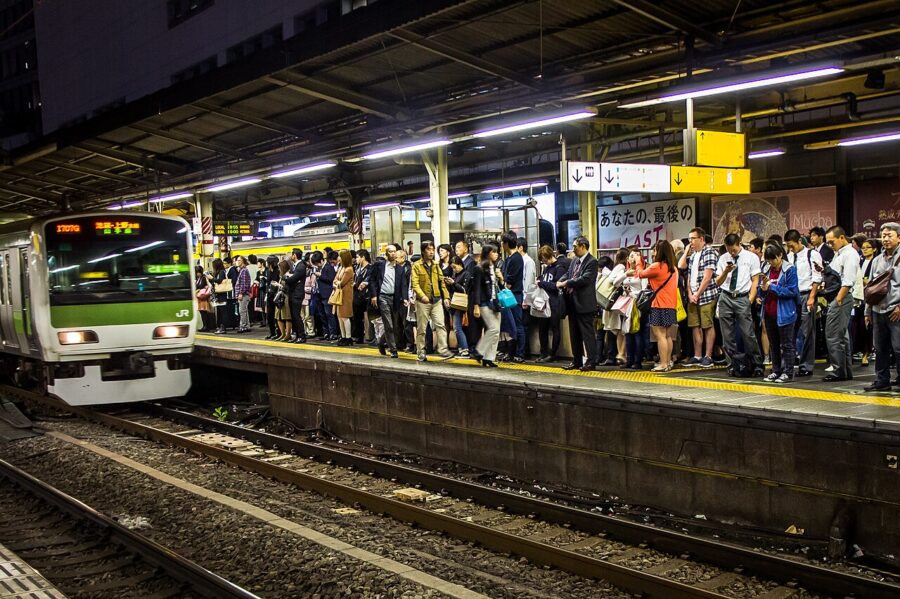
Shinjuku can trip up even the most seasoned travelers. The pace is fast, train lines stack on top of each other, and there’s just so much to do. If you figure out how to get around, time your visit, and get there from the airport without a headache, you’ll enjoy Tokyo way more.
Shinjuku Station is…well, it’s chaos. The world’s busiest, apparently, and it feels like it. Over a dozen train lines crisscross here—JR Yamanote Line, Chuo Line, Tokyo Metro Marunouchi Line, you name it.
I usually stick to the east and west exits as my anchors. The east side? That’s where you’ll find the shopping streets and Kabukicho’s nightlife. The west side heads toward the skyscraper district and the Tokyo Metropolitan Government Building.
Don’t try to memorize the whole station layout. Trust the color-coded signs, and download an offline map before you go. I once spent 20 minutes circling for the Chuo Line, convinced I’d find a shortcut—nope. Plan ahead, save yourself the hassle.
A small crossbody bag for essentials keeps your hands free. That’s a lifesaver when you’re wrestling stairs or weaving through crowds. Invest in some travel gear that works for you—seriously, you won’t regret it.
Best Time to Visit for Cherry Blossoms and Festivals
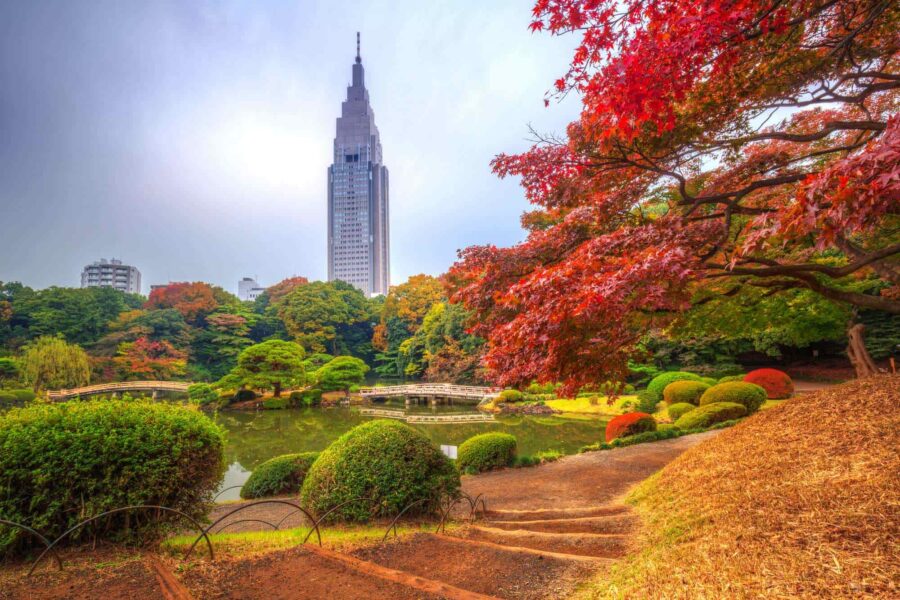
When you visit really matters. Late March to early April? That’s cherry blossom season in Shinjuku Gyoen National Garden—one of Tokyo’s most peaceful escapes. The park’s early-blooming trees sometimes beat the rest of the city to the punch.
Craving summer energy? July’s Shinjuku Eisa Festival brings Okinawan music and dancing to the streets—drums, colors, the whole deal. Autumn (October–November) is all about crisp air and fiery leaves in the same garden.
I’ve braved winter too. No blossoms, but the holiday lights around Southern Terrace and Lumine are worth it. Just remember to pack a few layers; Tokyo nights can surprise you with a chill.
How to Access Shinjuku from Narita Airport and Central Tokyo
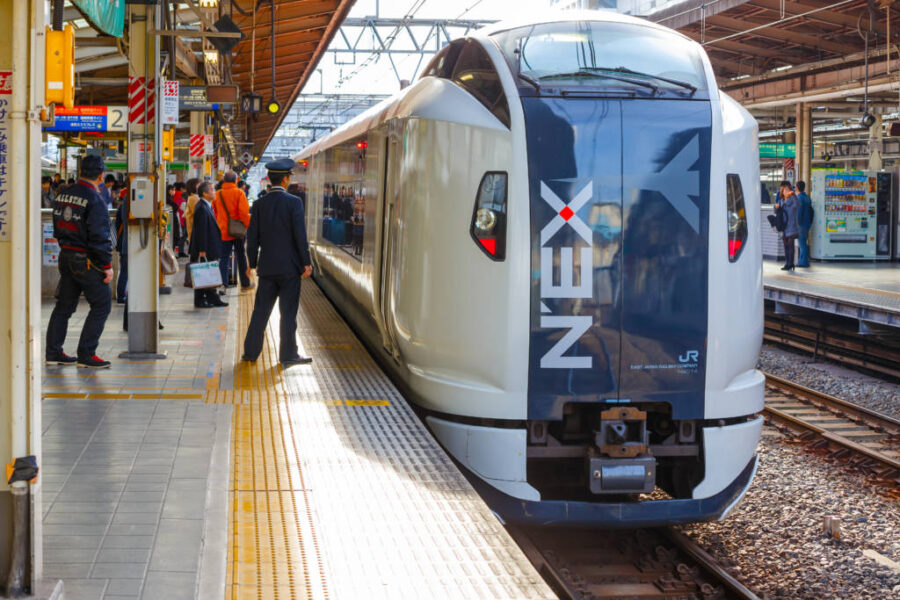
Getting from Narita Airport to Shinjuku isn’t hard, but your best route depends on your mood and budget. The Narita Express (N’EX) is fastest—80 to 90 minutes, straight to Shinjuku Station.
If you’re traveling light and want to save a few yen, take the Keisei Skyliner to Nippori, then hop on the JR Yamanote Line. It takes a little longer, but your wallet will thank you. After a long flight, I usually go with the N’EX—reserved seats and a quieter ride.
Already in Tokyo? The Yamanote Line loops through all the big districts, so Shinjuku fits easily into any Tokyo itinerary.
Still in planning mode? Check flights and hotels on KAYAK before you lock anything in. And don’t forget—Haneda Airport might actually get you into the city faster than Narita.
Morning Serenity: Gardens, Shrines, and Local Culture
Morning in Shinjuku feels surprisingly mellow. You can stroll through gardens with dew still on the grass, hear shrine bells echo off glass buildings, and watch locals start their day along tree-lined paths. It’s a softer side of Tokyo that rewards anyone who slows down.
Strolling Through Shinjuku Gyoen National Garden
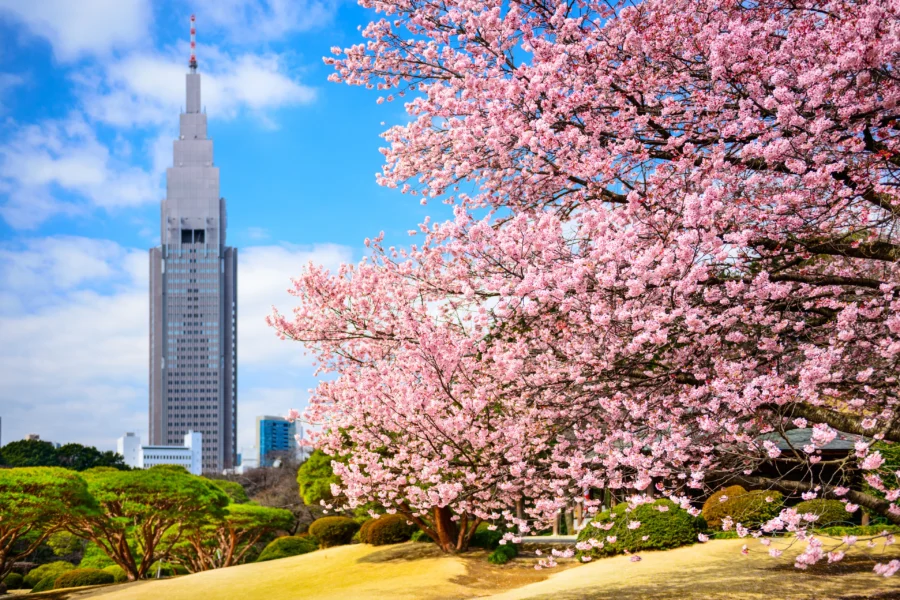
Need a break from the city? Shinjuku Gyoen National Garden is your spot. The park blends Japanese, English, and French garden styles, but the Japanese garden always pulls me back. Ponds reflect the sky, wooden bridges make you pause, and everything just feels…slower.
Spring brings the famous cherry blossoms. Locals lay out picnic sheets at sunrise to grab the best spots, while photographers chase pink reflections in the pond. Even when it’s not sakura season, the greenhouse and big lawns make the entry fee totally worth it.
I usually grab a coffee at the little café inside and wander toward the old teahouse. If you’re trying to hit several spots in a day, it’s easy to fit this in with other things to do nearby.
| Details | Info |
|---|---|
| Location | 11 Naito-machi, Shinjuku-ku |
| Opening Hours | 9:00 AM – 4:00 PM |
| Closed | Mondays and Dec 29–Jan 3 |
Discovering Hanazono Shrine’s Traditions
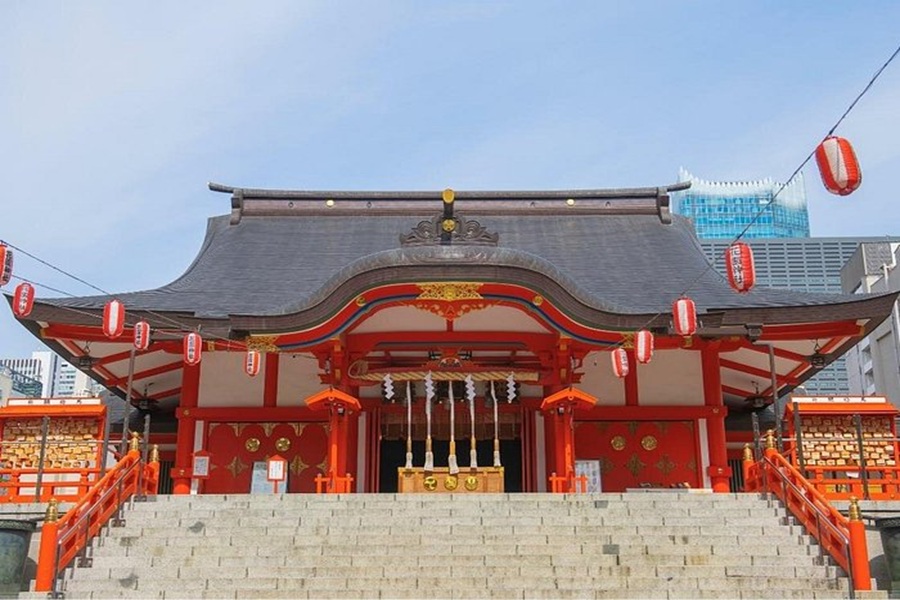
Just blocks from Kabukicho’s neon, Hanazono Shrine sits quietly, holding onto traditions from the early Edo period. You’ll spot its red torii gate from the street, but step inside and city noise fades fast.
I always find it kind of moving to see office workers stop by for a quick bow and clap before work. The shrine sells little amulets for luck, love, and success—each one lined up in wooden boxes.
Swing by in November and you’ll catch the Tori-no-Ichi Festival. The grounds fill with stalls selling decorated bamboo rakes (kumade) to “rake in” good fortune. It’s a chance to see real local life and maybe grab a snack before heading out.
Exploring Shinjuku Central Park
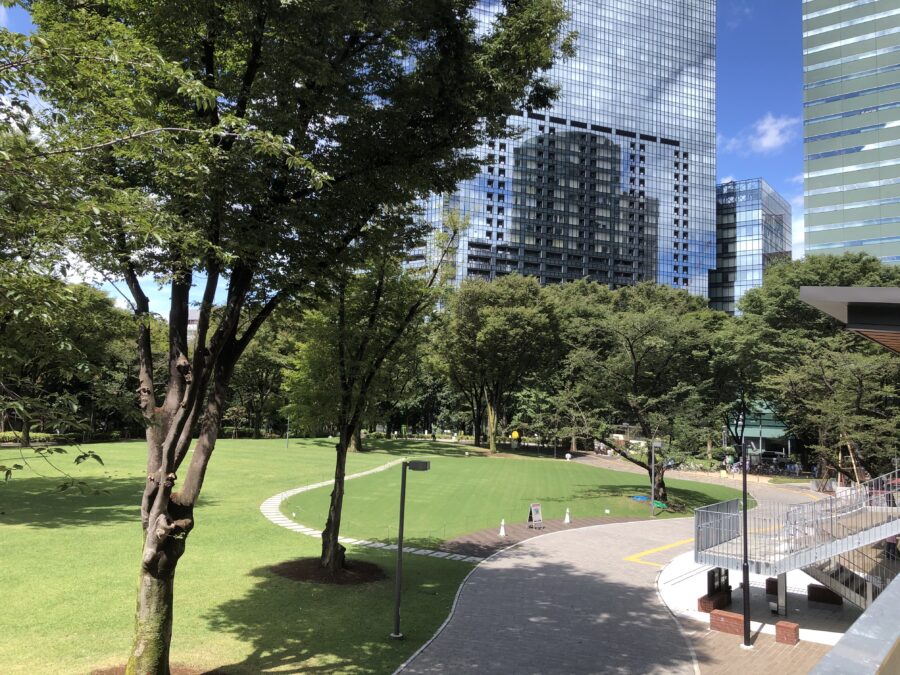
Across from the Tokyo Metropolitan Government Building, Shinjuku Central Park gives you a more relaxed green space. Joggers, families, and street musicians all share the same stretch of grass. I usually duck over to the small waterfall on the west side—it’s not huge, but the sound drowns out the city.
The park feels more local than touristy. You’ll see people eating convenience store lunches on benches, kids chasing pigeons, and office workers stretching on breaks. It’s also a handy place to rest if you’re heading to the observatories or joining city tours later.
Sometimes there’s a weekend market or small event. If not, just sit under the trees for a few minutes. It’s wild how Tokyo’s buzz and calm can share the same square.
Iconic Landmarks and Panoramic Views
Shinjuku throws together high-rise views and quirky landmarks in a way only Tokyo can. You can catch city panoramas from a free observatory, then wander a street where a giant movie monster stares you down. It’s that mix of calm and chaos that makes Shinjuku, well, Shinjuku.
Tokyo Metropolitan Government Building Observation Deck
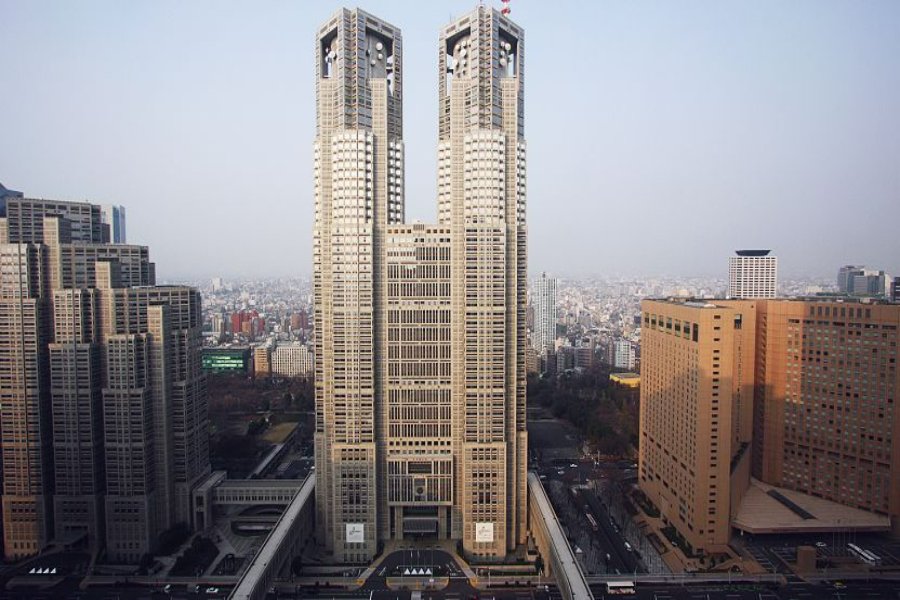
The Tokyo Metropolitan Government Building offers more than you’d expect—for free, no less. Its twin towers rise 202 meters, and the observation deck on the 45th floor gives you a full 360° sweep of Tokyo. If the sky’s clear, you might even spot Mount Fuji way out there.
I love going up just before sunset—watching city lights flicker on is a bit magical. There’s a café up top, so grab a coffee and let the view do its thing. The best part? No admission fee.
If you time it right, you’ll catch both daylight and night views in one visit. The Tokyo Metropolitan Government Building Observation Deck stays open most evenings, but check the hours since they change sometimes.
Spotting the Godzilla Head at Hotel Gracery Shinjuku
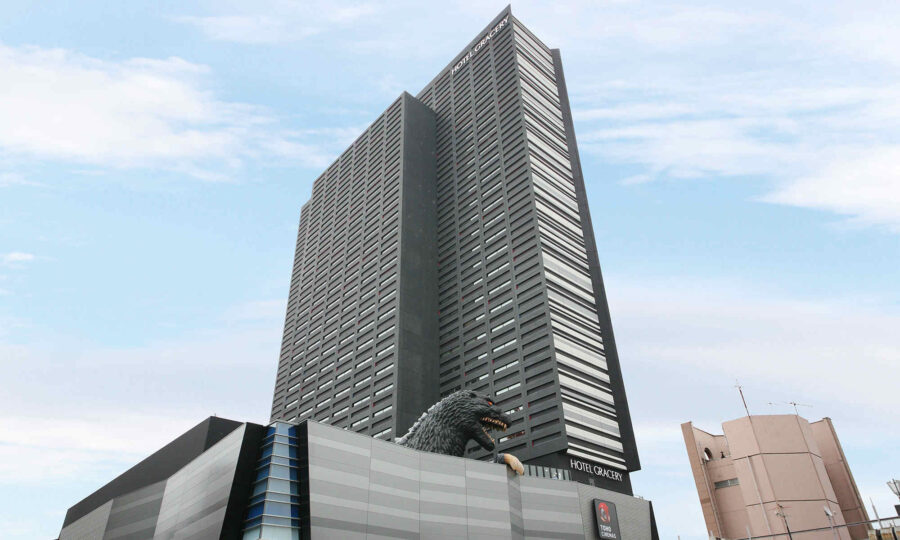
You can’t do Shinjuku without seeing Godzilla. The massive Godzilla head perched on the eighth floor of Hotel Gracery Shinjuku is just…classic Tokyo. It looks down over Kabukicho, roaring and lighting up at set times. It’s weird, but in the best way.
The first time I saw it, I actually laughed out loud. You don’t have to be a hotel guest—just head to the terrace or grab a coffee at the café next door.
If you’re a movie nerd, you’ll love the Godzilla-themed rooms and props inside. It’s a solid photo stop, especially at night with all the neon. Dive deeper in the Shinjuku First Timer’s Guide.
Toho Cinemas Shinjuku and Surroundings
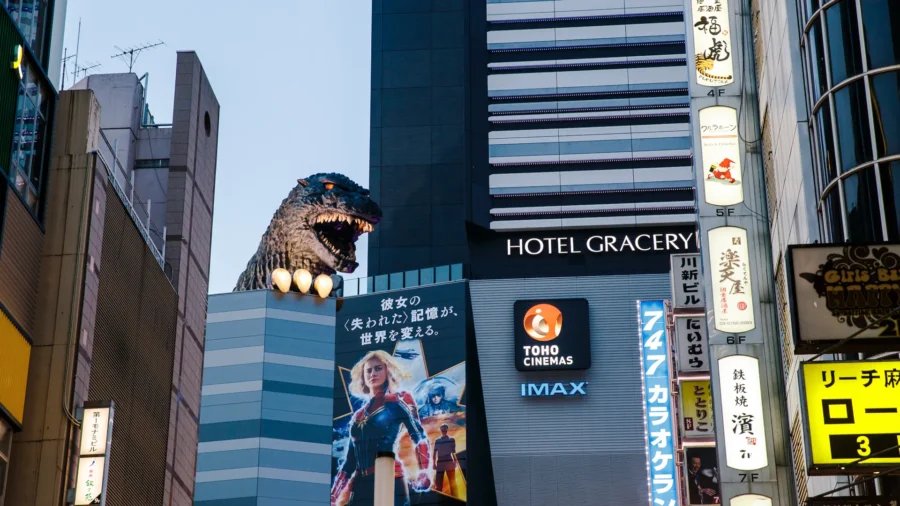
Right under the Godzilla head, Toho Cinemas Shinjuku buzzes with moviegoers day and night. It’s one of Tokyo’s busiest theaters, and the entrance—marked by Godzilla’s claw—sets the mood.
I’ve dropped by just to soak in the vibe. It’s not just a theater; it’s part of Shinjuku’s nightlife pulse. After a movie, you step straight into Kabukicho’s wild streets—bars, ramen shops, karaoke, you name it.
Even if you skip the film, it’s worth walking through for the atmosphere. Check out this local’s guide to Shinjuku attractions for more nearby highlights.
Authentic Eats: Food Alleys and Culinary Adventures
Shinjuku’s backstreets hide some of Tokyo’s best food. You’ll stumble into smoky yakitori stalls, tiny izakayas packed with regulars, and ramen counters where the broth has been bubbling for hours. Every stop shows you a different flavor of Japanese life—simple, comforting, and always satisfying.
Sampling Yakitori in Omoide Yokocho (Memory Lane)
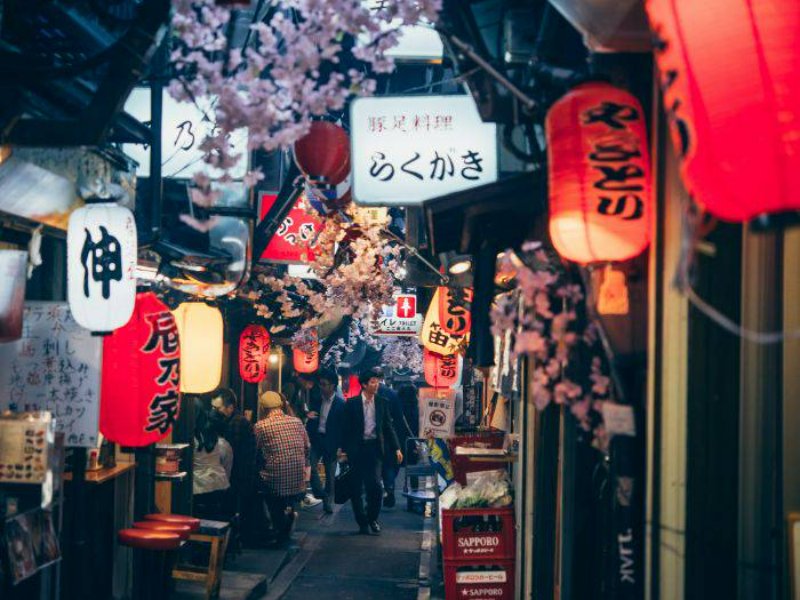
Omoide Yokocho, or Memory Lane, hugs the west exit of Shinjuku Station. The place packs a jumble of tiny stalls and bars, and the air? It’s thick with the smell of grilled meat and soy sauce. Locals crowd in after work for yakitori—grilled chicken glazed with sweet-savory tare sauce.
Cooks fan the charcoal flames, chatting with regulars as they work. The seating is cramped—just a couple of stools here and there—but honestly, that’s half the fun. I usually order a mix: chicken thigh, some skin, maybe liver, and always a cold beer or sake.
Once, I wedged myself into a stall barely big enough for six. The cook slid over a plate of skewers, still sizzling from the grill. It’s the kind of meal that makes you forget the crowd pressing in. If you want a bit more guidance, the Tokyo Shinjuku Food Tour will walk you through the best bites in the alley.
Lunch at Piss Alley’s Best Izakayas
Yeah, the nickname Piss Alley is weird, but it’s just another name for Omoide Yokocho. You’ll find some of Shinjuku’s coziest izakayas here—Japanese pubs where small plates and drinks rule. Each one’s got its own vibe: one might grill buttery mackerel, another serves up homemade pickles or steaming miso soup.
Typical izakaya dishes look like this:
- Karaage (fried chicken)
- Agedashi tofu (crispy tofu in broth)
- Nikujaga (beef and potato stew)
It’s super casual, meant for sharing and swapping stories. You’ll see office workers unwinding over sake while travelers like us try to puzzle out the handwritten menus. Pointing and smiling usually does the trick if you’re lost. Want a more organized night? The Shibuya Authentic Food Tour & Local Delights hits up local izakayas with English-speaking guides.
Tasting Ramen and Tempura in Local Favorites

When it gets late and hunger strikes, grab a steaming bowl of tonkotsu ramen—thick pork broth with noodles that soak up every drop. Ramen shops squeeze into the gaps between bars, their vending machines glowing with buttons and photos.
I always pair ramen with a side of tempura—light, crispy, never greasy. Shrimp, eggplant, sweet potato, you name it. Locals dip them in tentsuyu sauce or toss on a pinch of salt.
One of my favorite ramen joints sits just off Golden Gai. The cook fries tempura while chatting from behind the counter. It’s unfussy, filling, and feels like pure Tokyo. If you want to try a bunch of dishes in one go, the Tokyo: Shinjuku Food Tour – 15 Dishes, 3 Drinks, 4 Eateries is a solid bet.
Shinjuku Shopping: From Trendy Boutiques to Electronics Havens
Shinjuku jams together style and tech in one wild district. You’ll find sleek department stores stacked with Japanese fashion, electronics stores that feel like airports, and quirky discount shops overflowing with souvenirs. Modern Tokyo buzzes here, from high-end counters to neon-lit bargain bins.
Fashion Finds at Isetan and Lumine Shinjuku
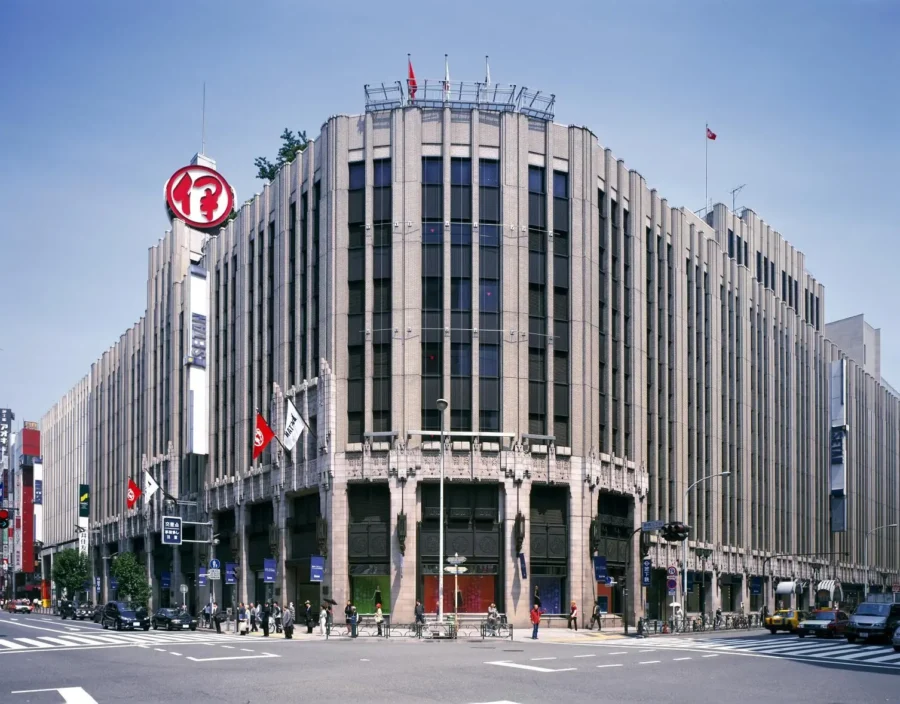
Love fashion? Isetan Shinjuku is a total must. Folks call it Tokyo’s style HQ for good reason. The place feels more like a gallery than a mall—each floor has its own look or brand. You’ll spot global labels and new Japanese designers showing off the next big thing.
I still remember wandering the women’s section; even the mannequins looked cooler than I did. Downstairs, the food hall is a treat—grab a matcha parfait before you head out.
Across the street, Lumine Shinjuku pulls in a younger crowd. It’s split into Lumine 1 and 2, both jammed with trendy boutiques, accessories, and local brands you won’t see anywhere else. I’ve lost whole afternoons just browsing minimalist Japanese fashion and streetwear here.
Tip: Swing by during spring or fall for seasonal pop-ups—those limited-edition collabs disappear fast.
Hunting Gadgets at Yodobashi Camera and Bic Camera
If you geek out over tech, Yodobashi Camera in West Shinjuku is your playground. The flagship store sprawls across multiple buildings, each one crammed with something different—cameras, computers, home gadgets, even toys. The staff usually demo stuff for you, even if your Japanese is nonexistent.
I once spent an hour testing headphones and totally lost track of time. Best part? Loads of items are tax-free for visitors, so bring your passport.
Nearby, Bic Camera offers a similar vibe but in a smaller space. It’s perfect if you want to compare prices or need travel essentials—SIM cards, adapters, portable Wi-Fi. You’ll also find beauty gadgets and those weird Japanese inventions that make fun gifts.
Quick comparison:
| Store | Specialty | Location |
|---|---|---|
| Yodobashi Camera | Cameras, gadgets, home tech | West Shinjuku |
| Bic Camera | Electronics, travel gear, beauty tech | Near Shinjuku Station |
Exploring Don Quijote and Unique Souvenir Shops
When you’re in the mood for something wild and less polished, head to Don Quijote Shinjuku. It’s a maze—narrow aisles, shelves stacked high with snacks, skincare, cosplay, and quirky souvenirs. Prices are cheap, and the place buzzes—especially late at night with tourists and locals both hunting for deals.
I always grab some Japanese Kit Kats here; the flavors change all the time. If you want something fancier, check out NEWoMan or Takashimaya Times Square for sweets or stationery with a bit more polish.
Wander the side streets near the station and you’ll stumble on small craft shops. I’ve picked up handmade accessories, washi paper, and local art—souvenirs that actually feel like Tokyo.
Nightlife and Entertainment: Bars, Neon, and Hidden Gems
Shinjuku after dark is a maze of neon alleys, pulsing bars, and late-night energy. You’ll weave between smoky pubs, wild shows, and laid-back hangouts where everyone fits in—from curious travelers to Tokyo regulars.
Bar Hopping in Golden Gai
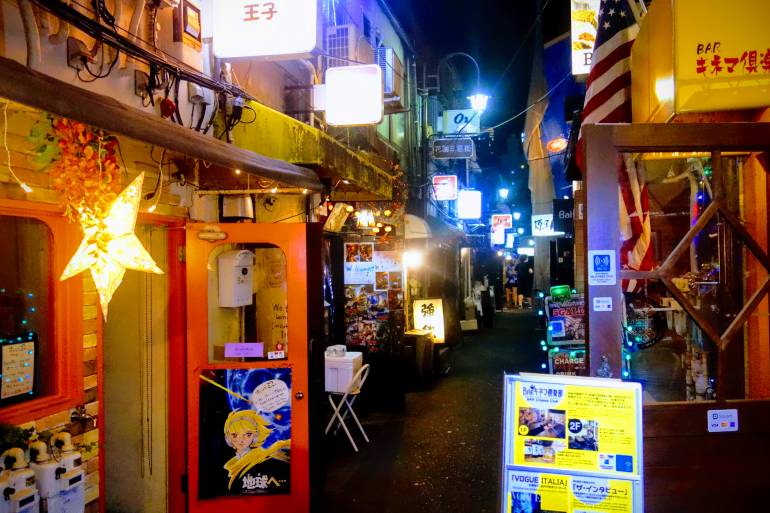
Ever wanted to step into Tokyo’s retro nightlife? Golden Gai is the place. Six skinny alleys hide about 280 tiny bars—most barely bigger than a bedroom. Each one’s got its own thing going, from jazz posters to movie memorabilia.
Locals and visitors love joining small-group bar hopping tours like the Tokyo Bar Hopping Night Tour in Shinjuku—it’s easy to get lost otherwise. I once ducked into a bar smaller than my kitchen, drank whiskey, and listened to punk records with the owner until closing. Every bar’s a new adventure.
If you love photography, the neon bouncing off wet pavement here is magic. Drinks run ¥500–¥1000, and some bars charge a small cover. It’s snug, quirky, and made for wandering slow.
Kabukicho’s Red-Light District and Robot Restaurant
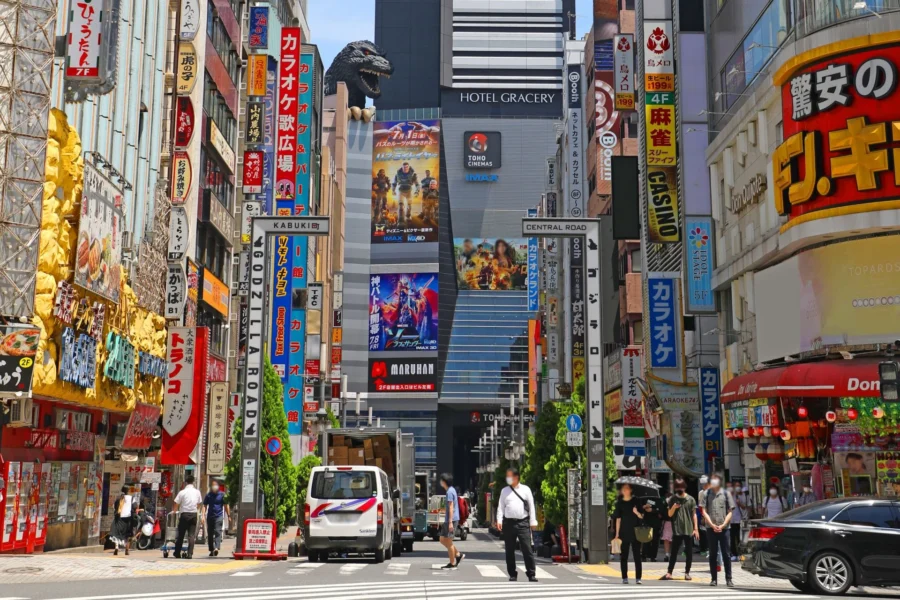
Head north from Shinjuku Station and you’ll land in Kabukicho, Tokyo’s red-light district. It’s loud, bright, and packed with signs for everything—karaoke, themed clubs, you name it. The area’s got a rep, but honestly, it feels safe enough if you stay smart and skip the pushy touts.
The wildest show used to be the Robot Restaurant—all lasers, robots, and music. It’s closed right now, but the over-the-top vibe lives on in nearby cabarets and game centers.
If you like nightlife that borders on the ridiculous, Kabukicho’s your playground. And hey, if you’re trip planning, cheap tickets help you save for extra drinks.
Shinjuku Ni-chome’s LGBTQ+ Scene
East of Shinjuku-sanchome Station, Ni-chome bursts with color and energy. It’s Japan’s biggest LGBTQ+ district, with 400+ bars and clubs for every identity and mood. Most are tiny—five or six seats—but that’s what makes it friendly.
I once wandered into a karaoke bar where a drag queen thrust a mic at me and demanded a song. It was awkward, hilarious, and everyone cheered. That’s Ni-chome—open, warm, and totally itself.
You’ll spot English-friendly bars like Arty Farty and Dragon Men, plus quieter lounges for solo travelers. Even if you don’t drink, the sense of community and the rainbow-lit streets are worth a walk.
Beyond Shinjuku: Nearby Neighborhoods and Unique Experiences
Step just outside Shinjuku and you’ll hit neighborhoods brimming with character, food, and creativity. Each one shows a different Tokyo—Korean street food, skin care shops, fashion avenues, and old-school landmarks.
Exploring Shin-Okubo Koreatown
One stop from Shinjuku, Shin-Okubo Koreatown feels like a mini-Seoul. Streets are lined with K-beauty stores, K-pop shops, and restaurants serving spicy tteokbokki, Korean BBQ, and gooey cheese hotteok.
I’ve spent afternoons just hopping between cafés plastered with idol posters. You’ll find bubble tea stands next to skincare boutiques selling the newest serums and masks.
If you’re into K-dramas or pop, this spot’s a must. Locals and tourists mix at casual eateries, and the vibe stays lively late. It’s a nice way to chill after a busy day in Shinjuku.
Tip: Go on a weekday if you can—the weekends get wild.
Day Trips to Shibuya and Harajuku
Hop on the Yamanote Line and you’ll hit Shibuya in minutes. The Scramble Crossing is famous for a reason—it’s chaos that somehow works. Watching the crowds cross is a Tokyo moment you won’t forget.
Afterward, dive into Center Gai for shopping or join a Shibuya bar hopping night tour in Tokyo to experience the nightlife like a local. I’ve done it—met people, found new izakayas, and got a little lost in the best way.
From Shibuya, walk or grab a short train ride to Harajuku. Stop by Meiji Shrine for a breather under towering cedars. Then wander down Omotesando, Tokyo’s stylish avenue packed with designer stores and cafés that look straight out of a magazine.
Pop Culture and Youth Trends on Takeshita Street
Takeshita Street in Harajuku pulses with youth culture and pop fashion. Teens show up in wild, colorful outfits—think punk, kawaii, vintage, and whatever else they feel like mixing together. The street’s loud, crowded, and honestly, a little chaotic. But that’s exactly what makes it so much fun.
Grab a crepe from one of the famous stands. (Strawberry and whipped cream? Always a winner.) Then duck into tiny boutiques packed with accessories, wigs, and streetwear you probably won’t see anywhere else.
If you’re even a little into fashion or photography, you might want to check out a Harajuku Kawaii Fashion & Pop-Culture Tour. You’ll hear stories about the subcultures that shaped Japanese style and maybe bump into a designer or two.
After wandering around, it’s pretty clear why Harajuku keeps its spot as Tokyo’s creative playground.
Frequently Asked Questions
Shinjuku throws together calm gardens and neon chaos, so figuring out your day can be a puzzle. But you’ll find ways to hit the highlights, try the food, and still sneak off to those quiet corners most tourists never see.
What are the must-visit attractions in Shinjuku for a one-day trip?
Kick things off at u003cstrongu003eShinjuku Gyoen National Gardenu003c/strongu003e—it’s peaceful, with u003ca href=u0022https://www.realjourneytravels.com/places/japanese-friendship-garden-and-museum/u0022u003etraditional gardensu003c/au003e that feel a world away from the city. Swing by u003cstrongu003eHanazono Shrineu003c/strongu003e next, tucked between tall buildings but full of character.u003cbru003eu003cbru003eGrab lunch, then hunt down the u003cstrongu003eToho Building’s Godzilla headu003c/strongu003e and the 3D cat at u003cstrongu003eCross Shinjuku Visionu003c/strongu003e. Both are easy to find and totally free. For sunset, head up the u003cstrongu003eTokyo Metropolitan Government Buildingu003c/strongu003e for city views, then wander through u003cstrongu003eGolden Gaiu003c/strongu003e or u003cstrongu003eOmoide Yokochou003c/strongu003e for late-night eats and drinks. For a full route, check out this u003ca href=u0022https://flipjapanguide.com/explore-shinjuku-like-a-local/u0022 target=u0022_blanku0022 rel=u0022noreferrer noopeneru0022u003elocal-style Shinjuku itineraryu003c/au003e.
How can I make the most of a two-day visit to Shinjuku?
On your first day, stick to the classics—gardens, shrines, and the observation deck. Day two? Slow it down. Grab lunch in u003cstrongu003eShin-Okubo Koreatownu003c/strongu003e, then browse shops at u003cstrongu003eNEWoMan Shinjukuu003c/strongu003e or u003cstrongu003eIsetanu003c/strongu003e.u003cbru003eu003cbru003eWhen evening rolls around, wander u003cstrongu003eKabukichou003c/strongu003e for neon overload or find a live show in some tiny Golden Gai bar. Shinjuku always shows you both sides: calm and wild.
What is an ideal itinerary for a three-day stay in Shinjuku?
With three days, you can dig a little deeper. Spend one day on the big attractions, then venture out to nearby spots like u003cstrongu003eNakano Broadwayu003c/strongu003e or u003cstrongu003eTakadanobabau003c/strongu003e.u003cbru003eu003cbru003eKeep the last day loose—maybe check out u003cstrongu003eTokyo Opera Cityu003c/strongu003e, chill in u003cstrongu003eShinjuku Central Parku003c/strongu003e, or stumble into an art gallery hidden in an office tower. Mixing it up keeps things interesting and way less overwhelming.
Can you suggest a comprehensive five-day itinerary for exploring Shinjuku?
Five days? Now you’ve got time to breathe. Start with a full-day plan like u003ca href=u0022https://jw-webmagazine.com/tips/1-day-itinerary-in-shinjuku/u0022 target=u0022_blanku0022 rel=u0022noreferrer noopeneru0022u003eJapan Web Magazine’s Shinjuku itineraryu003c/au003e, then branch out.u003cbru003eu003cbru003eTake a day trip to u003cstrongu003eShibuyau003c/strongu003e, u003cstrongu003eHarajukuu003c/strongu003e, or even u003cstrongu003eIkebukurou003c/strongu003e if you’re feeling adventurous. Return to Shinjuku at night to try new bars or ramen shops. The rhythm feels good: busy mornings, chill afternoons, lively nights.
Try u003cstrongu003eGolden Gaiu003c/strongu003e during the day—it’s quiet and perfect for photos. Wander the backstreets behind u003cstrongu003eShinjuku Stationu003c/strongu003e and you’ll stumble on tiny coffee shops and vinyl bars.u003cbru003eu003cbru003eOnce, I wandered into a secondhand bookstore near u003cstrongu003eNishi-Shinjukuu003c/strongu003e and ended up chatting with the owner about Tokyo in the ’80s for an hour. That’s the kind of random magic that makes Shinjuku stick in your memory.
How do I balance my time between Shinjuku and nearby districts like Shibuya and Harajuku?
Honestly, you’ll have no trouble jumping between Shinjuku and those neighborhoods—they’re just a few quick train rides away. I usually start my mornings wandering around u003cstrongu003eHarajukuu003c/strongu003e or u003cstrongu003eShibuyau003c/strongu003e (maybe chasing down some street fashion or a good coffee), and then drift back to Shinjuku later in the day for dinner or to catch the city lighting up at night.u003cbru003eu003cbru003eIf people-watching’s your thing, just grab a coffee near u003cstrongu003eShinjuku Stationu003c/strongu003e and watch the world go by. Sometimes, that’s the best way to catch your breath between all the chaos.


