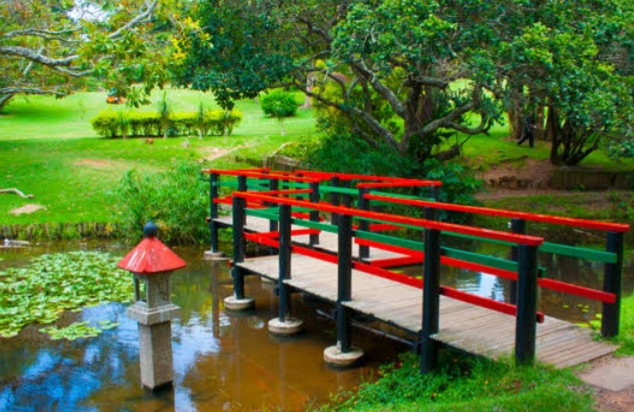
About Japanese Gardens

Description

Japanese Gardens offers visitors a tranquil escape that blends traditional Eastern landscaping principles with accessible public park amenities. The garden showcases classic elements you'd expect from authentic Japanese design—think serene lily ponds reflecting the sky above, carefully positioned sculptures that carry cultural significance, and winding pathways that reveal new perspectives around every gentle curve. What makes this particular garden interesting is how it manages to balance its contemplative atmosphere with practical features that welcome families, pet owners, and visitors of all abilities. The space functions as both a meditative retreat and a community gathering spot, which honestly isn't something you see every day. I've visited plenty of gardens that lean heavily in one direction or the other, but this one seems to understand that people come seeking different experiences. Some visitors arrive seeking quiet reflection among carefully pruned vegetation and still waters, while others show up with picnic baskets, birthday cakes, and excitable kids ready to explore. And somehow, the garden accommodates both groups without either feeling shortchanged. The wheelchair-accessible design throughout the grounds deserves mention because it's genuinely thoughtful rather than an afterthought. The entrance, parking areas, and pathways all consider mobility needs, which means the peaceful experience of wandering through Japanese-inspired landscapes isn't reserved only for those who can navigate stairs and uneven terrain. It's a small detail that makes a significant difference in who gets to enjoy the space.

Key Features

The Japanese Gardens combines traditional aesthetic elements with modern park amenities that enhance the visitor experience:
  • Traditional lily ponds that create reflective surfaces and support aquatic ecosystems, providing focal points for contemplation and photography
  • Culturally significant sculptures positioned according to Japanese garden design principles, offering educational value alongside visual interest
  • Meandering walkways designed to reveal the landscape gradually, following the Japanese concept of "hide and reveal" that makes gardens feel larger and more mysterious
  • Designated picnic areas with tables where families can enjoy outdoor meals surrounded by landscaped beauty
  • Barbecue grills for those planning longer visits and wanting to prepare food on-site
  • Playground equipment including slides and swings that keep younger visitors entertained while adults appreciate the garden surroundings
  • Cycling lanes that accommodate visitors who prefer exploring on wheels rather than on foot
  • Public restrooms that save you from cutting visits short (always appreciated, honestly)
  • Dog-friendly policies allowing leashed pets to accompany their owners through the grounds
  • Full wheelchair accessibility including entrance points and parking facilities

Best Time to Visit

Timing your visit to Japanese Gardens can dramatically affect your experience, and there's no single "perfect" time because it really depends what you're after. Early mornings, especially on weekdays, offer the most peaceful atmosphere. You'll find the ponds still and mirror-like before breezes pick up, and the pathways largely empty of other visitors. If you're someone who meditates or simply values quiet contemplation, arriving shortly after opening provides that experience. Spring brings obvious appeal with blooming flowers and fresh greenery emerging after winter dormancy. But honestly? Autumn might be even more spectacular. The changing foliage creates warm color palettes that complement traditional Japanese garden aesthetics beautifully. The temperatures are typically comfortable for extended walking, and the light quality during fall afternoons does wonderful things for photography. Summer presents a mixed bag. Yes, everything is lush and green, but depending on your location's climate, midday heat can make leisurely strolls less appealing. If you're visiting during warmer months, aim for morning or late afternoon visits. The garden takes on different character in evening light anyway—longer shadows, golden hour glow on water surfaces, that whole thing. Winter shouldn't be dismissed either. Bare branches create stark, elegant compositions that reflect minimalist Japanese aesthetic principles. And there's something special about having the garden nearly to yourself on a crisp winter day. Just dress appropriately and check if any facilities have seasonal closures. Weekends and holidays naturally attract larger crowds, particularly families taking advantage of the playground and picnic facilities. This isn't necessarily bad—the garden was designed to accommodate community use—but if you're seeking solitude, plan accordingly. Birthday parties do happen here, which tells you something about the atmosphere on weekend afternoons.

How to Get There

Getting to Japanese Gardens involves planning that varies significantly based on your starting point and transportation preferences. The dedicated parking lot with wheelchair-accessible spaces makes driving straightforward for those with vehicles. Arriving early, especially on weekends, increases your chances of snagging convenient parking spots close to the accessible entrance. Public transportation options depend heavily on your specific location's transit system. Many visitors find that combining public transit with the final approach on bicycle works well, particularly since the garden includes cycling lanes on the property. This approach lets you avoid parking hassles while getting some exercise before your visit. For cyclists planning to ride directly there, scout the route beforehand. Not all approaches to parks and gardens include safe, dedicated bike infrastructure along the entire journey. The garden's own cycling lanes are helpful once you arrive, but getting there safely matters just as much. Walking from nearby neighborhoods is possible if you're staying locally. The accessible pathways make this viable for visitors using mobility aids, though you'll want to verify that surrounding sidewalks and crossings meet your needs before committing to a walking approach. Rideshare services and taxis can drop visitors directly at the entrance, which works particularly well if you're planning a picnic and don't want to carry supplies far. Just coordinate pickup times if you're not planning to use the return-ride-request feature, since cellular coverage in garden settings can sometimes be spotty.

Tips for Visiting

Actually experiencing Japanese Gardens to its fullest requires some practical considerations beyond just showing up. Bring appropriate footwear—the meandering pathways invite extended walking, and you'll cover more ground than you initially expect. Comfortable shoes matter more than fashionable ones here. The picnic facilities are genuinely excellent, but you'll want to arrive early on pleasant weekend days to secure preferred table locations. Bringing your own blanket offers flexibility to picnic anywhere the garden permits, not just at designated tables. Check current regulations about food and barbecue use before hauling a cooler full of supplies. If you're bringing children, the playground equipment provides a strategic bargaining chip. "We'll explore the garden pathways for twenty minutes, then you can play on the swings" works better than expecting young kids to appreciate subtle landscape design for extended periods. The garden's layout acknowledges this reality, which is refreshing. Dog owners should keep pets leashed and bring waste bags even if facilities are provided—sometimes dispensers run empty. Not everyone at the garden appreciates enthusiastic canine greetings, regardless of how friendly your dog is, so maintaining control respects other visitors seeking peaceful experiences. Photography enthusiasts should visit during multiple sessions if possible. Morning light, midday sun, and afternoon glow each create completely different moods. The lily ponds photograph beautifully but watch for wind conditions—even slight breezes disrupt those perfect reflection shots. Weather preparation matters year-round. Sunscreen and hats during warmer months, layers during cooler seasons. The shade from trees and structures varies throughout the garden, so you'll move between exposed and covered areas frequently. Accessibility features are comprehensive, but visitors with specific needs should contact management beforehand to discuss particular requirements. Knowing exactly which routes offer the smoothest surfaces or where accessible restrooms are located saves time and frustration during your actual visit. Budget time generously. Quick visits shortchange the experience. Japanese garden design specifically intends for gradual revelation and contemplation. Rushing through defeats the purpose. Plan for at least ninety minutes minimum, though half-day visits aren't excessive if you're combining garden exploration with picnicking and playground time. The garden genuinely works for birthday celebrations, particularly for families wanting outdoor party options. But coordinate with management about reservation requirements, capacity limits, and cleanup expectations. Nobody wants their peaceful garden visit disrupted by party aftermath, so being a considerate celebrant matters. Seasonal events occasionally occur, so checking current programming before visiting might reveal special demonstrations, cultural celebrations, or educational opportunities that enhance standard garden exploration. These aren't always heavily advertised but add considerable value when they align with your visit.

Key Features

  • Reflective lily ponds with small ornamental bridges
  • Stone lanterns and traditional rock arrangements
  • Meandering shaded paths and seating areas
  • Blend of Japanese design elements with local subtropical planting
  • Accessible location near residential Durban North with parking nearby

More Details

Updated March 30, 2026

Description

Japanese Gardens offers visitors a tranquil escape that blends traditional Eastern landscaping principles with accessible public park amenities. The garden showcases classic elements you’d expect from authentic Japanese design—think serene lily ponds reflecting the sky above, carefully positioned sculptures that carry cultural significance, and winding pathways that reveal new perspectives around every gentle curve. What makes this particular garden interesting is how it manages to balance its contemplative atmosphere with practical features that welcome families, pet owners, and visitors of all abilities.

The space functions as both a meditative retreat and a community gathering spot, which honestly isn’t something you see every day. I’ve visited plenty of gardens that lean heavily in one direction or the other, but this one seems to understand that people come seeking different experiences. Some visitors arrive seeking quiet reflection among carefully pruned vegetation and still waters, while others show up with picnic baskets, birthday cakes, and excitable kids ready to explore. And somehow, the garden accommodates both groups without either feeling shortchanged.

The wheelchair-accessible design throughout the grounds deserves mention because it’s genuinely thoughtful rather than an afterthought. The entrance, parking areas, and pathways all consider mobility needs, which means the peaceful experience of wandering through Japanese-inspired landscapes isn’t reserved only for those who can navigate stairs and uneven terrain. It’s a small detail that makes a significant difference in who gets to enjoy the space.

Key Features

The Japanese Gardens combines traditional aesthetic elements with modern park amenities that enhance the visitor experience:

  • Traditional lily ponds that create reflective surfaces and support aquatic ecosystems, providing focal points for contemplation and photography
  • Culturally significant sculptures positioned according to Japanese garden design principles, offering educational value alongside visual interest
  • Meandering walkways designed to reveal the landscape gradually, following the Japanese concept of “hide and reveal” that makes gardens feel larger and more mysterious
  • Designated picnic areas with tables where families can enjoy outdoor meals surrounded by landscaped beauty
  • Barbecue grills for those planning longer visits and wanting to prepare food on-site
  • Playground equipment including slides and swings that keep younger visitors entertained while adults appreciate the garden surroundings
  • Cycling lanes that accommodate visitors who prefer exploring on wheels rather than on foot
  • Public restrooms that save you from cutting visits short (always appreciated, honestly)
  • Dog-friendly policies allowing leashed pets to accompany their owners through the grounds
  • Full wheelchair accessibility including entrance points and parking facilities

Best Time to Visit

Timing your visit to Japanese Gardens can dramatically affect your experience, and there’s no single “perfect” time because it really depends what you’re after. Early mornings, especially on weekdays, offer the most peaceful atmosphere. You’ll find the ponds still and mirror-like before breezes pick up, and the pathways largely empty of other visitors. If you’re someone who meditates or simply values quiet contemplation, arriving shortly after opening provides that experience.

Spring brings obvious appeal with blooming flowers and fresh greenery emerging after winter dormancy. But honestly? Autumn might be even more spectacular. The changing foliage creates warm color palettes that complement traditional Japanese garden aesthetics beautifully. The temperatures are typically comfortable for extended walking, and the light quality during fall afternoons does wonderful things for photography.

Summer presents a mixed bag. Yes, everything is lush and green, but depending on your location’s climate, midday heat can make leisurely strolls less appealing. If you’re visiting during warmer months, aim for morning or late afternoon visits. The garden takes on different character in evening light anyway—longer shadows, golden hour glow on water surfaces, that whole thing.

Winter shouldn’t be dismissed either. Bare branches create stark, elegant compositions that reflect minimalist Japanese aesthetic principles. And there’s something special about having the garden nearly to yourself on a crisp winter day. Just dress appropriately and check if any facilities have seasonal closures.

Weekends and holidays naturally attract larger crowds, particularly families taking advantage of the playground and picnic facilities. This isn’t necessarily bad—the garden was designed to accommodate community use—but if you’re seeking solitude, plan accordingly. Birthday parties do happen here, which tells you something about the atmosphere on weekend afternoons.

How to Get There

Getting to Japanese Gardens involves planning that varies significantly based on your starting point and transportation preferences. The dedicated parking lot with wheelchair-accessible spaces makes driving straightforward for those with vehicles. Arriving early, especially on weekends, increases your chances of snagging convenient parking spots close to the accessible entrance.

Public transportation options depend heavily on your specific location’s transit system. Many visitors find that combining public transit with the final approach on bicycle works well, particularly since the garden includes cycling lanes on the property. This approach lets you avoid parking hassles while getting some exercise before your visit.

For cyclists planning to ride directly there, scout the route beforehand. Not all approaches to parks and gardens include safe, dedicated bike infrastructure along the entire journey. The garden’s own cycling lanes are helpful once you arrive, but getting there safely matters just as much.

Walking from nearby neighborhoods is possible if you’re staying locally. The accessible pathways make this viable for visitors using mobility aids, though you’ll want to verify that surrounding sidewalks and crossings meet your needs before committing to a walking approach.

Rideshare services and taxis can drop visitors directly at the entrance, which works particularly well if you’re planning a picnic and don’t want to carry supplies far. Just coordinate pickup times if you’re not planning to use the return-ride-request feature, since cellular coverage in garden settings can sometimes be spotty.

Tips for Visiting

Actually experiencing Japanese Gardens to its fullest requires some practical considerations beyond just showing up. Bring appropriate footwear—the meandering pathways invite extended walking, and you’ll cover more ground than you initially expect. Comfortable shoes matter more than fashionable ones here.

The picnic facilities are genuinely excellent, but you’ll want to arrive early on pleasant weekend days to secure preferred table locations. Bringing your own blanket offers flexibility to picnic anywhere the garden permits, not just at designated tables. Check current regulations about food and barbecue use before hauling a cooler full of supplies.

If you’re bringing children, the playground equipment provides a strategic bargaining chip. “We’ll explore the garden pathways for twenty minutes, then you can play on the swings” works better than expecting young kids to appreciate subtle landscape design for extended periods. The garden’s layout acknowledges this reality, which is refreshing.

Dog owners should keep pets leashed and bring waste bags even if facilities are provided—sometimes dispensers run empty. Not everyone at the garden appreciates enthusiastic canine greetings, regardless of how friendly your dog is, so maintaining control respects other visitors seeking peaceful experiences.

Photography enthusiasts should visit during multiple sessions if possible. Morning light, midday sun, and afternoon glow each create completely different moods. The lily ponds photograph beautifully but watch for wind conditions—even slight breezes disrupt those perfect reflection shots.

Weather preparation matters year-round. Sunscreen and hats during warmer months, layers during cooler seasons. The shade from trees and structures varies throughout the garden, so you’ll move between exposed and covered areas frequently.

Accessibility features are comprehensive, but visitors with specific needs should contact management beforehand to discuss particular requirements. Knowing exactly which routes offer the smoothest surfaces or where accessible restrooms are located saves time and frustration during your actual visit.

Budget time generously. Quick visits shortchange the experience. Japanese garden design specifically intends for gradual revelation and contemplation. Rushing through defeats the purpose. Plan for at least ninety minutes minimum, though half-day visits aren’t excessive if you’re combining garden exploration with picnicking and playground time.

The garden genuinely works for birthday celebrations, particularly for families wanting outdoor party options. But coordinate with management about reservation requirements, capacity limits, and cleanup expectations. Nobody wants their peaceful garden visit disrupted by party aftermath, so being a considerate celebrant matters.

Seasonal events occasionally occur, so checking current programming before visiting might reveal special demonstrations, cultural celebrations, or educational opportunities that enhance standard garden exploration. These aren’t always heavily advertised but add considerable value when they align with your visit.

Key Highlights

  • Reflective lily ponds with small ornamental bridges
  • Stone lanterns and traditional rock arrangements
  • Meandering shaded paths and seating areas
  • Blend of Japanese design elements with local subtropical planting
  • Accessible location near residential Durban North with parking nearby

Location

Places to Stay Near Japanese Gardens

Find and Book a Tour

Explore More Travel Guides

No reviews found! Be the first to review!

Japanese Gardens is a prominent attractions located in Durban North.

Visit us at: 6 Prospect Hall Rd, Prospect Hall, Durban North, 4051, South Africa.

Traveler Reviews for Japanese Gardens

There are no reviews yet. Be the first one to write one.

Share Your Experience

Have you visited Japanese Gardens? Help other travelers by sharing your review.

Nearby Attractions

The Oyster Box Hotel and Umhlanga beachfront (short drive north) Durban North promenade and local cafés Virginia Bush Nature Reserve (nearby outdoor walking trails)

Find Accommodations Nearby

Recommended Tours & Activities

Visitor Reviews

There are no reviews yet. Be the first one to write one.

Share Your Experience

Have you visited Japanese Gardens? Help other travelers by leaving a review.