
Yukyuzan
About Yukyuzan
Description
Yukyuzan is one of those places you stumble upon, and suddenly you’re telling all your friends, “You HAVE to see this!” Even if it’s not exactly the biggest name on Japan’s long list of famous peaks, there’s something about Yukyuzan that’s quietly magnetic. Tucked away in Oyamamachi, Nagaoka, Niigata, this mountain peak gives a refreshing change from the sometimes-crowded hiking hotspots. It’s scenic, sure, but what will really catch your heart is its peaceful character, with a vibe that feels decidedly local, like you’ve slipped into another pace of life for a couple of hours.
Over the years, I’ve hiked my way up and down plenty of mountains in Japan, from the tourist-packed paths up Fuji-san to secret little hills where the only sounds are wind and the crunch of gravel. Yukyuzan sits in a neat balance right in the middle: not so crowded you can’t hear yourself think, but not deserted, either. It’s the sort of place you might see sparrows darting overhead, or catch a local couple out on their morning walk, smiling as if they know a secret you don’t.
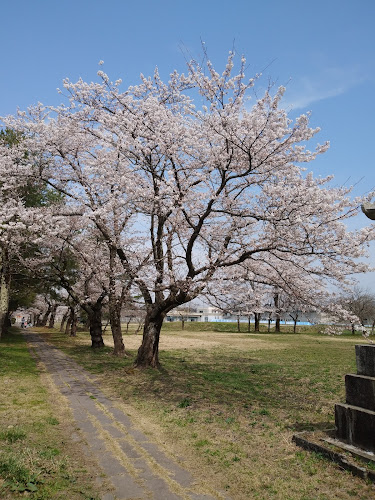
But let’s talk scenery. Come spring, cherry blossoms practically explode across the slopes. In autumn, the trees swap their green coats for fire-orange and deep red—it’s like nature trying to outdo itself. The air is crisp (sometimes, early mornings are downright chilly!) and scented with pine and earth. There’s a certain simplicity about Yukyuzan, but it’s far from plain. Maybe it’s the way the city rolls out below, modernity meeting nature’s old, persistent beauty.
There’s a story to be found beyond the trail, too. Locals say the mountain was a favorite of old poets and nature-lovers. If you’re a history nut (I’m certainly guilty there), you’ll pick up on those little traces: shrines tucked behind leaning trees, a carved stone or two, small reminders that Yukyuzan has been quietly cherished over the years, even if it’s not plastered across every travel leaflet.
Honestly, Yukyuzan is for the traveler after something a bit deeper—space to breathe, to think, to maybe pause and watch the sun work its way over distant rooftops. It’s the kind of climb where you get to the top, shrug off your backpack, and just…sit. Sometimes, that’s the best part of all.
Key Features
- Moderate hiking trail suitable for newcomers and seasoned hikers alike—bring decent shoes, but no need for pro gear unless it’s been raining cats and dogs.
- Stunning panoramic views across Nagaoka and the surrounding Niigata countryside. On clear days, you can see far further than you’d expect!
- Distinctly beautiful cherry blossom viewing in spring (April is especially magical—with petals drifting past your face, you’ll want to whip out your camera nonstop).
- Fiery autumn colors (koyo) transform the mountain into an Instagram dream in late October/early November.
- Small, peaceful shrines and stone markers along the path—no giant crowds, just you and a few echoes of local history.
- Accessible yet uncrowded—great if you want to dodge the tourist masses clogging other Japanese hills.
- Local birdlife and seasonal wildflowers—keep your eyes peeled for tiny blue flowers and little songbirds hopping between branches.
- Convenient rest points along the way, perfect for a picnic lunch or a long sip of water while soaking in the outlook.
Best Time to Visit
Alright, if you want that tell-your-grandkids experience, you can’t go wrong in April. That’s peak cherry blossom time around here, and Yukyuzan turns into something straight outta a Ghibli film—petals swirling in the air, soft pinks lighting up the trail. But let’s be honest: no matter when you visit, there’s a special charm. Autumn brings those colors that make you wish you could bottle the view and take it home. And if you come in early morning, any season, there’s usually a soft mist hanging over the city below—spooky but beautiful.
Summer tends to be lush and full of life, but it can get a little muggy. Personally, I like to avoid the blazing midday sun (trust me, sunscreen is essential). Early mornings or late afternoons work best then. Winters? The air’s sharp and the trails can get a bit icy, but if you’re into snow-covered trees and silence broken only by crunching boots, hey, you’ll love it.
Still, if I had to pick one window—April, hands down. But don’t let that stop you if your trip lands you here in another month—there’s always something to see.
How to Get There
Getting to Yukyuzan is refreshingly straightforward, even if you’re not fluent in Japanese. From central Nagaoka, you can hop on a local bus headed toward Oyamamachi—the signs are usually easy enough to decipher, but don’t be shy about asking the driver if you’re unsure. Honestly, I’ve asked for help in my stumbling Japanese more times than I’d like to admit, and every single time, someone’s stepped in to guide me.
You’ll want to get off at the stop nearest the mountain’s main entrance. From there, you can pretty much just follow your feet—the trail to the top is clearly marked, and you’ll likely spot a few other hikers along the way. If you’re driving, there’s parking nearby, though it can fill up quickly on cherry blossom weekends. Try to arrive early if you want a spot, especially in spring or fall.
Don’t forget: if you’re coming by train, Nagaoka is on the JR lines, well connected to Niigata and Tokyo. A bus or short taxi ride will do the trick from Nagaoka Station. If you’re backpacking or doing the “see it all by foot” thing, bring good walking shoes—the streets up to the mountain can be a workout on their own.
Tips for Visiting
Here’s the part I wish someone had written out for me before my first trip up Yukyuzan:
- Wear layers—the weather changes real quick up there. I started off sweating at the base; by the peak, I was zipping up my jacket. Spring and autumn, especially, can be a rollercoaster temp-wise.
- Pack snacks and water—you’ll work up an appetite, and while there are vending machines down below, you won’t find a convenience store perched on a tree along the trail. Rice balls and trail mix are my go-tos.
- Bring your camera (or at least a phone with a decent camera app)—expect a dozen moments where the light or the blossoms or the distant rooftops will beg for a photo. And hey, you’ll want proof to show your friends when you rave about this place later.
- Keep an eye out for local wildlife—no bears, thankfully, but plenty of cheerful birds flitting around. If you’re quiet, you might even spot a shy squirrel or two. Binoculars are a cool addition if you’re into birdwatching.
- Respect the local shrines and markers—these aren’t just decorations. Locals really do use them for prayers and festivals, so a little respect goes a long way.
- If you can, go early in the morning—you’ll beat the small but loyal weekend crowds, and the air feels extra-fresh before the sun hits full strength. Plus, those city views look best just after sunrise.
- Stay alert to weather reports—rain can make trails slippery faster than you might think. I learned that the hard way (my shoes have never recovered from that mud, by the way).
- Try a weekday visit if possible—weekends draw local families and the odd hiking group, so it feels busier. Midweek, you might get whole stretches of the mountain to yourself, and that’s a rare joy in Japan.
- Take your time on the descent—it’s tempting to hurry down, but some of the best views open up behind you. Look back now and then. You’ll be glad you did.
All in all, Yukyuzan is one of those places that rewards curiosity and a gentle pace. If you love natural beauty minus the crowds and don’t mind a leg workout, it’s a must on any Nagaoka itinerary. Bring comfy shoes, bring a little patience, and bring your sense of wonder—you’ll need all three. Not many can say they’ve stood atop Yukyuzan with the city at their feet and blossoms in the breeze. Will you be one of them?
Key Features
- Moderate hiking trail suitable for newcomers and seasoned hikers alike—bring decent shoes, but no need for pro gear unless it’s been raining cats and dogs.
- Stunning panoramic views across Nagaoka and the surrounding Niigata countryside. On clear days, you can see far further than you’d expect!
- Distinctly beautiful cherry blossom viewing in spring (April is especially magical—with petals drifting past your face, you’ll want to whip out your camera nonstop).
- Fiery autumn colors (koyo) transform the mountain into an Instagram dream in late October/early November.
- Small, peaceful shrines and stone markers along the path—no giant crowds, just you and a few echoes of local history.
- Accessible yet uncrowded—great if you want to dodge the tourist masses clogging other Japanese hills.
- Local birdlife and seasonal wildflowers—keep your eyes peeled for tiny blue flowers and little songbirds hopping between branches.
- Convenient rest points along the way, perfect for a picnic lunch or a long sip of water while soaking in the outlook.
Tours & Activities
GetYourGuide provides this tour inventory. We may earn a commission if you book through it; verify current availability, prices, and terms with the provider.
Visitor Reviews
There are no reviews yet. Be the first one to write one.
Share Your Experience
Have you visited Yukyuzan? Help other travelers by leaving a review.