
São Paulo
About São Paulo
Description
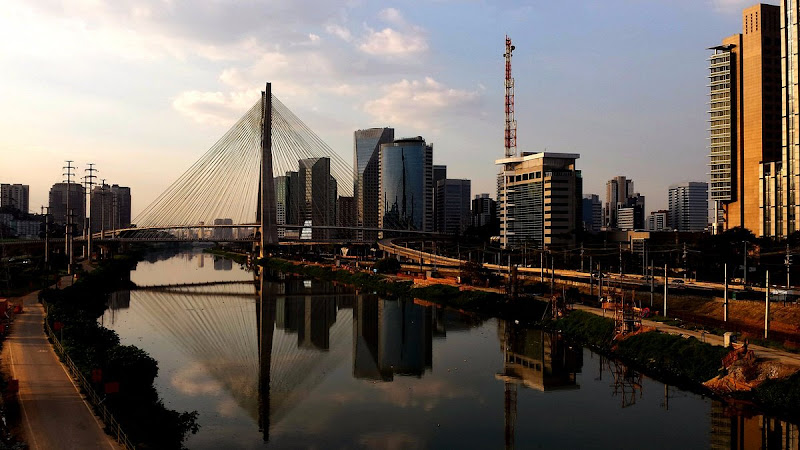
São Paulo isn't your typical tourist destination, and honestly, that's exactly what makes it fascinating. This sprawling Brazilian metropolis doesn't hand over its charms on a silver platter like Rio does with its beaches and carnival. Instead, it demands that visitors dig a little deeper, wander a bit further, and trust that the rewards are worth the effort. And they absolutely are. The city stretches out across more than 1,500 square kilometers, home to over 12 million people within its official boundaries and around 22 million in the greater metropolitan area. That makes it one of the largest urban centers on the planet. But size alone doesn't tell the story. What really defines São Paulo is its relentless energy, its cultural depth, and its refusal to be pigeonholed into any single identity. I remember reading somewhere that São Paulo has more pizzerias per capita than any city outside Italy, which gives you an idea of the immigrant influence here. The city absorbed waves of Italian, Japanese, Lebanese, and Portuguese immigrants throughout the 20th century, and each group left an indelible mark on the neighborhoods, food scene, and overall character of the place. Walk through the Bixiga neighborhood and you'll swear you're in southern Italy. Head to Liberdade and suddenly you're surrounded by Japanese signage, sushi bars, and Asian grocery stores. The architecture alone justifies a visit. São Paulo's skyline tells the story of Brazil's economic development through concrete and steel. The neo-Gothic Catedral da Sé dominates the city center with its imposing towers and can hold up to 8,000 worshippers. Then there's the Martinelli Building, which held the title of Latin America's tallest skyscraper when it was completed in 1929. But my personal favorite is Oscar Niemeyer's Edifício Copan, that sinuous modernist residential building that looks like it's moving even when you're standing still. Its curves represent a bold rejection of the rigid right angles that dominated architecture before it. What surprised me most when researching São Paulo was learning about the Pátio do Colégio, the spot where Jesuit priests established the city in 1554. It's easy to forget that this massive financial powerhouse started as a modest mission dedicated to converting indigenous peoples. The contrast between that colonial church and the glass towers surrounding it feels like you're looking at five centuries of history compressed into a single city block.Key Features
São Paulo offers visitors an experience that differs from other Brazilian destinations in meaningful ways. Here's what sets it apart: • The Museum of Art of São Paulo (MASP) houses the most important collection of Western art in the Southern Hemisphere, with works by Rembrandt, Van Gogh, and Picasso displayed on striking glass easels that make the paintings appear to float in space • Avenida Paulista serves as the city's main artery, lined with cultural centers, shopping complexes, and corporate headquarters, transforming into a pedestrian-only zone on Sundays • The Municipal Market, known locally as Mercadão, showcases stained glass windows and offers the famous mortadella sandwich that's become almost a pilgrimage for food lovers • Ibirapuera Park spans 158 hectares and provides green space comparable to New York's Central Park, with museums, jogging trails, and cultural venues designed by Oscar Niemeyer • The city boasts over 15,000 restaurants representing cuisines from more than 50 countries, making it one of the world's most diverse culinary destinations • São Paulo Fashion Week ranks among the top five fashion events globally, reflecting the city's position as a style capital • The street art scene rivals any in the world, with the Batman Alley (Beco do Batman) in Vila Madalena serving as an open-air gallery that changes constantly • More than 280 theaters operate throughout the city, offering everything from experimental performances to Broadway-style productions • The nightlife extends well into the morning hours, particularly in neighborhoods like Vila Madalena and Pinheiros where bars stay open until dawnBest Time to Visit
Timing a trip to São Paulo involves less drama than visiting other Brazilian destinations because the city doesn't really have a high or low season in the traditional sense. Business travelers keep hotels occupied year-round, and cultural events happen continuously regardless of weather. That said, the period from April to May offers probably the most comfortable conditions. The summer heat has subsided, the humidity drops, and you won't face the occasional chilly snaps that can surprise visitors during the winter months of June through August. Yes, São Paulo actually gets cold sometimes, which catches people off guard. I've read accounts of travelers packing only shorts and t-shirts, then scrambling to buy a jacket when temperatures dropped to 10°C (50°F) on winter evenings. September through November presents another excellent window. Spring brings comfortable temperatures, and the jacaranda trees bloom purple throughout the city, creating surprisingly beautiful moments in this concrete jungle. The São Paulo Art Biennial, when it occurs in odd-numbered years, happens in September and attracts contemporary art enthusiasts from around the globe. Summer, from December to March, gets hot and humid with frequent afternoon thunderstorms. Temperatures regularly hit 30°C (86°F) or higher, and the rain can be intense. But summer also brings Carnaval, and while São Paulo's celebration doesn't match Rio's fame, the street parties called "blocos" have exploded in popularity over recent years, with hundreds of free events taking over different neighborhoods. The reality is that São Paulo works as a destination any time of year because it's fundamentally an indoor city. You're moving between restaurants, museums, shopping centers, and cultural venues more than you're lying on beaches or hiking trails. Rain or shine, hot or cold, the city functions at full capacity. One practical consideration: avoid visiting during major holidays like Christmas or New Year's when many paulistanos leave the city to vacation elsewhere. You'll find restaurants and attractions closed, and the usually bustling streets feel strangely empty.How to Get There
São Paulo-Guarulhos International Airport (GRU) serves as the primary gateway, handling more international flights than any other airport in South America. It's located about 25 kilometers northeast of the city center, and getting from the airport to your accommodation requires some planning because traffic in São Paulo isn't a minor inconvenience, it's a legitimate force of nature. The airport bus service runs regularly to major hotels and transport hubs, offering a economical option that typically takes 45 minutes to over an hour depending on traffic conditions. But here's the thing about São Paulo traffic: that one hour estimate can easily become two or three during rush hours, which basically means weekday mornings and evenings stretch into marathon sessions of stop-and-go frustration. The metro system extended a line to the airport in recent years, which changed the game for budget travelers. You can now reach central São Paulo via public transportation for a fraction of taxi or ride-sharing costs. The train connects to the rest of the metro network, and while it involves carrying luggage through stations and making transfers, it eliminates the traffic variable entirely. Ride-sharing apps like Uber and 99 operate extensively in São Paulo and provide reliable service from the airport. The cost varies wildly depending on time of day and traffic conditions, but expect to pay anywhere from 80 to 150 reais for most destinations within the city proper. Congonhas Airport, closer to the city center, handles primarily domestic flights and serves as the better option if you're connecting from another Brazilian city. Its location makes transfers to hotels much quicker, assuming you're not caught in peak traffic. If you're coming from other parts of Brazil or neighboring countries, long-distance buses arrive at the Tietê Bus Terminal, one of the largest bus stations in Latin America. The terminal connects directly to the metro system, making onward travel straightforward. Once in the city, the metro system offers the most efficient way to move around, covering major tourist areas and business districts. The bus network is extensive but requires more local knowledge to navigate effectively. Most visitors end up using a combination of metro and ride-sharing services.Tips for Visiting
São Paulo operates by its own rules, and understanding them makes the difference between a frustrating trip and a rewarding one. Here's what actually matters based on real experiences rather than guidebook platitudes. Safety deserves an honest conversation. São Paulo has crime, just like any major city, but it's not the dangerous warzone some people imagine. Exercise normal urban awareness: don't flash expensive jewelry or electronics, avoid empty streets late at night, and stay alert in crowded areas where pickpockets work. The tourist-heavy neighborhoods like Jardins, Pinheiros, and Vila Madalena feel generally secure during daytime hours. After dark, stick to well-lit main streets and use ride-sharing apps rather than hailing taxis on the street. Learning basic Portuguese phrases pays dividends here more than in Rio or other tourist-heavy Brazilian destinations. English proficiency remains limited even in upscale neighborhoods and hotels. Download a translation app and learn essential phrases for ordering food, asking directions, and handling taxi situations. The effort shows respect and generally results in warmer interactions with locals. The food scene requires multiple visits to properly explore. Don't limit yourself to traditional Brazilian cuisine when you've got access to world-class Japanese, Italian, Lebanese, and contemporary fusion restaurants. Make reservations for popular spots, especially on weekends. And definitely try the street food: pastel (fried pastries), coxinha (chicken croquettes), and açaí from corner vendors. Plan museum visits strategically. Many museums offer free admission on certain days or times, and weekends can get crowded at major institutions like MASP. Tuesday through Thursday mornings typically provide the most relaxed viewing experiences. Transport timing matters enormously. Rush hour traffic turns the city into a parking lot between 7-10 AM and 5-8 PM on weekdays. Schedule activities to avoid cross-city travel during these windows. The metro runs efficiently but gets absolutely packed during commute times. If you're claustrophobic, you might want to wait for off-peak hours. Sunday transforms São Paulo into a different city. Avenida Paulista closes to cars and fills with cyclists, skaters, and families. Many shops close, but parks and cultural centers buzz with activity. It's the best day to see locals enjoying their city rather than rushing through it. Weather preparedness means expecting sudden changes. Morning sunshine can turn into afternoon thunderstorms within an hour. Carry a light rain jacket or umbrella, and wear layers since air conditioning in malls and buildings can be aggressive. Money matters: Credit cards work widely, but carry some cash for street vendors, small cafes, and tipping. ATMs are abundant but use ones inside banks or shopping centers rather than standalone machines on streets for security reasons. The city sprawls immensely, so pick your accommodation location carefully. Staying in central neighborhoods like Jardins, Pinheiros, or Vila Madalena puts you within reasonable distance of major attractions and restaurant districts. Cheaper options in peripheral areas might save money but cost hours in daily commute time. Finally, adjust expectations about pace. São Paulo doesn't reveal itself quickly. Give yourself at least three or four days minimum to scratch beneath the surface and discover why paulistanos defend their city so passionately despite its challenges.Key Features
- Intimate, townhouse-style interior with vintage decor
- Skilled bartenders and classic-to-contemporary cocktail program
- Curated vinyl and relaxed, conversational atmosphere
- Small plates and thoughtful pairings using local ingredients
- Popular with locals—authentic neighborhood vibe
More Details
Updated April 5, 2026
Table of Contents
- Description
- Key Features
- Best Time to Visit
- How to Get There
- Tips for Visiting
- Key Highlights
- Location
- Places to Stay Near São Paulo
- Find and Book a Tour
- Explore More Travel Guides
- Key Takeaways
- About São Paulo
- History and Significance
- What Makes It Special
- What to See and Do
- Main Attractions and Highlights
- Best Time to Visit
- Visitor Information
- Location and How to Get There
- Tips for Visitors
- Nearby Places You Might Like
- Traveler Reviews for São Paulo
- Share Your Experience
Description
São Paulo isn’t your typical tourist destination, and honestly, that’s exactly what makes it fascinating. This sprawling Brazilian metropolis doesn’t hand over its charms on a silver platter like Rio does with its beaches and carnival. Instead, it demands that visitors dig a little deeper, wander a bit further, and trust that the rewards are worth the effort. And they absolutely are.
The city stretches out across more than 1,500 square kilometers, home to over 12 million people within its official boundaries and around 22 million in the greater metropolitan area. That makes it one of the largest urban centers on the planet. But size alone doesn’t tell the story. What really defines São Paulo is its relentless energy, its cultural depth, and its refusal to be pigeonholed into any single identity.
I remember reading somewhere that São Paulo has more pizzerias per capita than any city outside Italy, which gives you an idea of the immigrant influence here. The city absorbed waves of Italian, Japanese, Lebanese, and Portuguese immigrants throughout the 20th century, and each group left an indelible mark on the neighborhoods, food scene, and overall character of the place. Walk through the Bixiga neighborhood and you’ll swear you’re in southern Italy. Head to Liberdade and suddenly you’re surrounded by Japanese signage, sushi bars, and Asian grocery stores.
The architecture alone justifies a visit. São Paulo’s skyline tells the story of Brazil’s economic development through concrete and steel. The neo-Gothic Catedral da Sé dominates the city center with its imposing towers and can hold up to 8,000 worshippers. Then there’s the Martinelli Building, which held the title of Latin America’s tallest skyscraper when it was completed in 1929. But my personal favorite is Oscar Niemeyer’s Edifício Copan, that sinuous modernist residential building that looks like it’s moving even when you’re standing still. Its curves represent a bold rejection of the rigid right angles that dominated architecture before it.
What surprised me most when researching São Paulo was learning about the Pátio do Colégio, the spot where Jesuit priests established the city in 1554. It’s easy to forget that this massive financial powerhouse started as a modest mission dedicated to converting indigenous peoples. The contrast between that colonial church and the glass towers surrounding it feels like you’re looking at five centuries of history compressed into a single city block.
Key Features
São Paulo offers visitors an experience that differs from other Brazilian destinations in meaningful ways. Here’s what sets it apart:
• The Museum of Art of São Paulo (MASP) houses the most important collection of Western art in the Southern Hemisphere, with works by Rembrandt, Van Gogh, and Picasso displayed on striking glass easels that make the paintings appear to float in space
• Avenida Paulista serves as the city’s main artery, lined with cultural centers, shopping complexes, and corporate headquarters, transforming into a pedestrian-only zone on Sundays
• The Municipal Market, known locally as Mercadão, showcases stained glass windows and offers the famous mortadella sandwich that’s become almost a pilgrimage for food lovers
• Ibirapuera Park spans 158 hectares and provides green space comparable to New York’s Central Park, with museums, jogging trails, and cultural venues designed by Oscar Niemeyer
• The city boasts over 15,000 restaurants representing cuisines from more than 50 countries, making it one of the world’s most diverse culinary destinations
• São Paulo Fashion Week ranks among the top five fashion events globally, reflecting the city’s position as a style capital
• The street art scene rivals any in the world, with the Batman Alley (Beco do Batman) in Vila Madalena serving as an open-air gallery that changes constantly
• More than 280 theaters operate throughout the city, offering everything from experimental performances to Broadway-style productions
• The nightlife extends well into the morning hours, particularly in neighborhoods like Vila Madalena and Pinheiros where bars stay open until dawn
Best Time to Visit
Timing a trip to São Paulo involves less drama than visiting other Brazilian destinations because the city doesn’t really have a high or low season in the traditional sense. Business travelers keep hotels occupied year-round, and cultural events happen continuously regardless of weather.
That said, the period from April to May offers probably the most comfortable conditions. The summer heat has subsided, the humidity drops, and you won’t face the occasional chilly snaps that can surprise visitors during the winter months of June through August. Yes, São Paulo actually gets cold sometimes, which catches people off guard. I’ve read accounts of travelers packing only shorts and t-shirts, then scrambling to buy a jacket when temperatures dropped to 10°C (50°F) on winter evenings.
September through November presents another excellent window. Spring brings comfortable temperatures, and the jacaranda trees bloom purple throughout the city, creating surprisingly beautiful moments in this concrete jungle. The São Paulo Art Biennial, when it occurs in odd-numbered years, happens in September and attracts contemporary art enthusiasts from around the globe.
Summer, from December to March, gets hot and humid with frequent afternoon thunderstorms. Temperatures regularly hit 30°C (86°F) or higher, and the rain can be intense. But summer also brings Carnaval, and while São Paulo’s celebration doesn’t match Rio’s fame, the street parties called “blocos” have exploded in popularity over recent years, with hundreds of free events taking over different neighborhoods.
The reality is that São Paulo works as a destination any time of year because it’s fundamentally an indoor city. You’re moving between restaurants, museums, shopping centers, and cultural venues more than you’re lying on beaches or hiking trails. Rain or shine, hot or cold, the city functions at full capacity.
One practical consideration: avoid visiting during major holidays like Christmas or New Year’s when many paulistanos leave the city to vacation elsewhere. You’ll find restaurants and attractions closed, and the usually bustling streets feel strangely empty.
How to Get There
São Paulo-Guarulhos International Airport (GRU) serves as the primary gateway, handling more international flights than any other airport in South America. It’s located about 25 kilometers northeast of the city center, and getting from the airport to your accommodation requires some planning because traffic in São Paulo isn’t a minor inconvenience, it’s a legitimate force of nature.
The airport bus service runs regularly to major hotels and transport hubs, offering a economical option that typically takes 45 minutes to over an hour depending on traffic conditions. But here’s the thing about São Paulo traffic: that one hour estimate can easily become two or three during rush hours, which basically means weekday mornings and evenings stretch into marathon sessions of stop-and-go frustration.
The metro system extended a line to the airport in recent years, which changed the game for budget travelers. You can now reach central São Paulo via public transportation for a fraction of taxi or ride-sharing costs. The train connects to the rest of the metro network, and while it involves carrying luggage through stations and making transfers, it eliminates the traffic variable entirely.
Ride-sharing apps like Uber and 99 operate extensively in São Paulo and provide reliable service from the airport. The cost varies wildly depending on time of day and traffic conditions, but expect to pay anywhere from 80 to 150 reais for most destinations within the city proper.
Congonhas Airport, closer to the city center, handles primarily domestic flights and serves as the better option if you’re connecting from another Brazilian city. Its location makes transfers to hotels much quicker, assuming you’re not caught in peak traffic.
If you’re coming from other parts of Brazil or neighboring countries, long-distance buses arrive at the Tietê Bus Terminal, one of the largest bus stations in Latin America. The terminal connects directly to the metro system, making onward travel straightforward.
Once in the city, the metro system offers the most efficient way to move around, covering major tourist areas and business districts. The bus network is extensive but requires more local knowledge to navigate effectively. Most visitors end up using a combination of metro and ride-sharing services.
Tips for Visiting
São Paulo operates by its own rules, and understanding them makes the difference between a frustrating trip and a rewarding one. Here’s what actually matters based on real experiences rather than guidebook platitudes.
Safety deserves an honest conversation. São Paulo has crime, just like any major city, but it’s not the dangerous warzone some people imagine. Exercise normal urban awareness: don’t flash expensive jewelry or electronics, avoid empty streets late at night, and stay alert in crowded areas where pickpockets work. The tourist-heavy neighborhoods like Jardins, Pinheiros, and Vila Madalena feel generally secure during daytime hours. After dark, stick to well-lit main streets and use ride-sharing apps rather than hailing taxis on the street.
Learning basic Portuguese phrases pays dividends here more than in Rio or other tourist-heavy Brazilian destinations. English proficiency remains limited even in upscale neighborhoods and hotels. Download a translation app and learn essential phrases for ordering food, asking directions, and handling taxi situations. The effort shows respect and generally results in warmer interactions with locals.
The food scene requires multiple visits to properly explore. Don’t limit yourself to traditional Brazilian cuisine when you’ve got access to world-class Japanese, Italian, Lebanese, and contemporary fusion restaurants. Make reservations for popular spots, especially on weekends. And definitely try the street food: pastel (fried pastries), coxinha (chicken croquettes), and açaí from corner vendors.
Plan museum visits strategically. Many museums offer free admission on certain days or times, and weekends can get crowded at major institutions like MASP. Tuesday through Thursday mornings typically provide the most relaxed viewing experiences.
Transport timing matters enormously. Rush hour traffic turns the city into a parking lot between 7-10 AM and 5-8 PM on weekdays. Schedule activities to avoid cross-city travel during these windows. The metro runs efficiently but gets absolutely packed during commute times. If you’re claustrophobic, you might want to wait for off-peak hours.
Sunday transforms São Paulo into a different city. Avenida Paulista closes to cars and fills with cyclists, skaters, and families. Many shops close, but parks and cultural centers buzz with activity. It’s the best day to see locals enjoying their city rather than rushing through it.
Weather preparedness means expecting sudden changes. Morning sunshine can turn into afternoon thunderstorms within an hour. Carry a light rain jacket or umbrella, and wear layers since air conditioning in malls and buildings can be aggressive.
Money matters: Credit cards work widely, but carry some cash for street vendors, small cafes, and tipping. ATMs are abundant but use ones inside banks or shopping centers rather than standalone machines on streets for security reasons.
The city sprawls immensely, so pick your accommodation location carefully. Staying in central neighborhoods like Jardins, Pinheiros, or Vila Madalena puts you within reasonable distance of major attractions and restaurant districts. Cheaper options in peripheral areas might save money but cost hours in daily commute time.
Finally, adjust expectations about pace. São Paulo doesn’t reveal itself quickly. Give yourself at least three or four days minimum to scratch beneath the surface and discover why paulistanos defend their city so passionately despite its challenges.
Key Highlights
- Intimate, townhouse-style interior with vintage decor
- Skilled bartenders and classic-to-contemporary cocktail program
- Curated vinyl and relaxed, conversational atmosphere
- Small plates and thoughtful pairings using local ingredients
- Popular with locals—authentic neighborhood vibe
Location
Places to Stay Near São Paulo
Find and Book a Tour
Explore More Travel Guides
No reviews found! Be the first to review!
São Paulo doesn’t usually top Brazil’s travel lists—and maybe that’s exactly why you should go. While everyone’s off chasing Rio’s beaches or the Amazon’s wilds, this city throws you into something totally different.
São Paulo is Brazil’s largest city and South America’s cultural powerhouse. Here, world-class museums, cutting-edge restaurants, and vibrant nightlife collide in ways you just won’t find anywhere else.
Think of it as Brazil’s New York, but with more humidity and a dash of chaos. The pace is relentless, the edges rough, and the rewards? Well, they’re for the curious.
You’ll stumble across Japanese enclaves, old-school Italian bakeries, sprawling parks, and glassy skyscrapers. Sometimes, getting around can be a headache, but honestly, that’s half the adventure.
São Paulo doesn’t try to charm you at first glance. But if you hang around, wander off the main drag, and let yourself get a little lost, you’ll start to get why locals are so fiercely proud of this place.
Key Takeaways
- São Paulo is South America’s largest city and Brazil’s economic and cultural center.
- The city dishes up world-class dining, museums, and nightlife to rival any global metropolis.
- Give yourself several days to explore different neighborhoods—trust me, you can’t rush São Paulo.
About São Paulo
São Paulo stands tall as Brazil’s biggest city—a sprawling, ever-buzzing metropolis. It was founded in 1554 by Jesuit priests who, let’s be honest, probably never pictured it turning into this concrete giant.
What makes São Paulo special isn’t sandy beaches or jaw-dropping vistas. It’s the raw energy, the food scene that’s absolutely wild, and a cultural depth you only find if you dig a bit deeper.
History and Significance
Jesuit priests Manuel da Nóbrega and José de Anchieta set up São Paulo on January 25, 1554, right between the Anhangabaú and Tamanduateí rivers. It started as a mission to convert the indigenous Tupi people who called the Piratininga plains home.
For a couple of centuries, São Paulo was just a sleepy colonial outpost. But then came the coffee boom in the mid-1800s, and suddenly the city exploded—immigrants poured in from Italy, Japan, Lebanon, and a bunch of other places.
The city’s seen its share of big moments. The Cry of Ipiranga—Brazil’s independence—happened nearby in 1822. The 1932 Revolution kicked off here. The Modern Art Week of 1922? That was São Paulo, too.
Today, São Paulo pulls in about 10% of Brazil’s whole GDP and hosts 63% of all multinational companies in the country. Nearly 12 million people live in the city proper, and if you count the metro area, it’s over 21 million.
What Makes It Special
No, there aren’t beaches or tropical paradise vibes here. Instead, São Paulo hits you with something grittier—it’s a working megacity that just happens to have some of the best food, art, and nightlife you’ll ever find.
The city is home to the world’s largest Japanese, Italian, and Arab diasporas outside their home countries. Wander through Liberdade for a taste of Japan, explore Bixiga for Italian flair, or hit up the Arab quarter near Rua 25 de Março. Each neighborhood is like stepping into a different city.
Cultural highlights include:
- More than 150 museums and cultural centers
- Over 280 theaters and concert venues
- The São Paulo Museum of Art (MASP) on Paulista Avenue
- The second-largest Pride Parade in the world
The food scene? Unreal. Sure, celebrity chefs have made São Paulo famous, but honestly, you’ll eat just as well at a corner botequim (bar) with a cold beer and a coxinha. Oh, and those Brazilian snacks you’ve tried elsewhere—coxinha, pastel de feira, bauru sandwich? All born right here.
Best time to visit? April to May or August to October—mild weather, less rain. But São Paulo is mostly about indoor fun anyway, so you can make it work any time of year.
What to See and Do
Curious travelers get the best out of São Paulo—world-class museums, huge green parks, and a food scene that could make any foodie weep with joy.
Main Attractions and Highlights
Parque do Ibirapuera is São Paulo’s answer to Central Park. It’s a giant urban escape where you can actually breathe for a minute.
Inside the park, you’ll find the São Paulo Museum of Modern Art and the Afro Brazil Museum.
The Pinacoteca do Estado is a must for art lovers—gorgeous old building, fantastic collection. Into street art? Beco do Batman in Vila Madalena is your spot. The alley’s a riot of color and creativity, and it changes all the time.
Avenida Paulista is the city’s heartbeat. MASP’s bold red structure is iconic, and on Sundays, the whole avenue turns into a giant street party—no cars, just people, music, and food.
The Municipal Market is a sensory overload. Grab a mortadella sandwich and people-watch. Football fans—catching a game at one of the old-school stadiums is a rite of passage, but check schedules and book ahead.
Best Time to Visit
April and May mean pleasant temps and less rain. You’ll skip the sticky summer and chilly winter.
September and October are nice too—great for walking tours and outdoor hangs. São Paulo’s at a higher elevation, so evenings can surprise you with a chill, even in warmer months.
Rainy season (December to March) just means you’ll need an umbrella and maybe more indoor plans. June brings Festa Junina—expect traditional food and music everywhere. July and August are cooler, but hey, fewer crowds.
Visitor Information
São Paulo’s tucked into southeastern Brazil and is open for visitors all year. Timing your trip and picking up a few local tips can make things way smoother.
Location and How to Get There
You’ll find São Paulo in the state of São Paulo (yes, same name) in southeastern Brazil. It’s about six hours by bus or an hour by plane from Rio de Janeiro.
There are two main airports: Guarulhos International Airport (GRU) for most international flights, and Congonhas (CGH) for domestic hops.
Getting into town from the airport usually takes about an hour, traffic willing. Uber works well, or have your hotel sort a taxi. Buses in Brazil are surprisingly comfy if you’re coming from other cities—São Paulo connects easily to pretty much everywhere.
Spring (October to November) brings warm days and cool nights—kind of perfect, honestly. But São Paulo’s always got something going on, so whenever you land, you’ll find a city that never really slows down.
Tips for Visitors
Keep your belongings secure, especially in busy spots. Flashing your phone or camera around downtown? Yeah, maybe not the best move.
After dark, downtown São Paulo gets a bit sketchy. Stick to well-lit areas, and honestly, just grab an Uber if you’re out late—don’t risk wandering solo.
Leave your passport locked up at your hotel or hostel. Carry a copy with you instead—it’s just easier.
Need cash? Use ATMs inside actual banks, and only during business hours. Those random street machines feel a little too risky.
Traffic in São Paulo is no joke. But here’s a treat: every Sunday, Paulista Avenue shuts down to cars and turns into a giant pedestrian playground. It’s the perfect time to stroll, people-watch, and soak up the city without dodging traffic.
Most museum info is in Portuguese, so having Google Translate on your phone is a lifesaver. Don’t be shy—Paulistanos are incredibly friendly, and most folks are happy to point you in the right direction or share a favorite spot.
Traveler Reviews for São Paulo
There are no reviews yet. Be the first one to write one.
Have you visited São Paulo? Help other travelers by sharing your review.
Nearby Attractions
You Might Also Like
Brazilian Art Museum
Blue Note São Paulo
Parque Ecológico do Tietê
Find Accommodations Nearby
Recommended Tours & Activities
Visitor Reviews
There are no reviews yet. Be the first one to write one.
Share Your Experience
Have you visited São Paulo? Help other travelers by leaving a review.