Brazilian Art Museum
About Brazilian Art Museum
Description
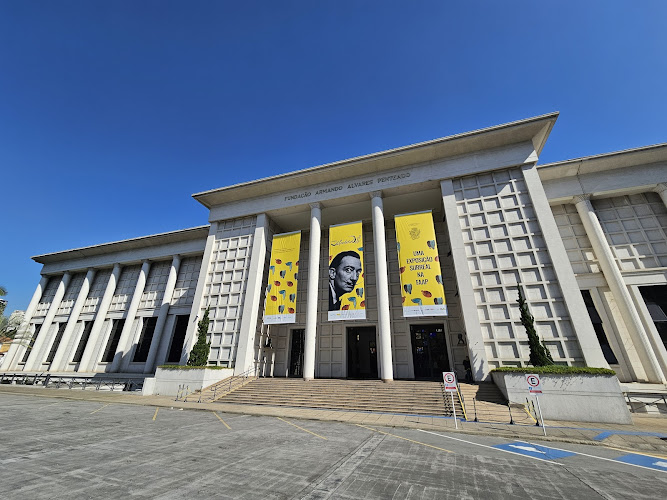
The Brazilian Art Museum, known locally as MAB FAAP, is one of those places that quietly surprises you. It’s not just another art museum tucked inside a campus—it’s an evolving space that feels alive with stories, textures, and colors that stretch across Brazil’s artistic timeline. From pre-modernist brushstrokes to bold contemporary installations, the museum houses over 3,000 works that trace the country’s creative heartbeat. What’s fascinating is how it balances the grandeur of its collection with a certain intimacy—you can actually feel the connection between the artists and the land that shaped them.
Walking through the museum, you’ll notice how the architecture itself seems to play along with the art. The main building, part of the FAAP campus, opens up to a serene garden dotted with sculptures. I remember sitting there once, coffee in hand, just watching how the sunlight shifted across the marble figures. There’s something grounding about that space—it reminds you that art isn’t only meant to be looked at; it’s meant to be felt. And then, there are the stained-glass panels and plaster moldings inspired by Brazil’s Baroque period. They’re not just decorative; they tell stories of craftsmanship and devotion that stretch back centuries.
What makes this museum stand out, in my opinion, is its ability to bridge time. You’ll find pieces from early Brazilian masters right next to daring modern works that challenge traditional forms. It’s like walking through a conversation between generations of artists. And even though it’s free to enter, it never feels overcrowded or rushed. The curators seem to care deeply about how visitors experience each exhibit, often rotating collections to keep things fresh. It’s the kind of place where you can spend an hour—or an entire afternoon—and still feel like you missed something worth coming back for.
Accessibility is another strong point. The museum has clearly made an effort to welcome everyone, with wheelchair-accessible entrances, restrooms, and parking. Families will appreciate that it’s kid-friendly too, complete with changing tables and open spaces where little ones can stretch their legs. There’s no restaurant inside, which might disappoint some, but honestly, that just gives you an excuse to explore the surrounding neighborhood afterward—it’s full of great cafés and bakeries.
Overall, the Brazilian Art Museum feels both academic and personal. It’s not trying to impress you with flashy gimmicks or overwhelming displays. Instead, it invites you to slow down, look closer, and maybe even see a bit of yourself reflected in the art. And that, to me, is the mark of a truly great museum.
Key Features
- Collection of over 3,000 artworks spanning from pre-modernism to contemporary art.
- Outdoor sculpture garden offering a peaceful retreat amid the city’s bustle.
- Two large stained-glass panels and plaster moldings inspired by Brazilian Baroque originals.
- Rotating temporary exhibitions that highlight both established and emerging artists.
- Free admission, making it accessible to all types of travelers and locals alike.
- Wheelchair-accessible facilities, including restrooms and parking areas.
- Family-friendly environment with amenities for children and infants.
- Located within an academic campus, blending education, art, and architecture.
- Quiet, contemplative atmosphere ideal for solo visitors or small groups.
Best Time to Visit
Now, here’s the thing—timing can really shape your experience at the Brazilian Art Museum. The museum is open from Tuesday to Sunday, between 10 a.m. and 6 p.m., with the last entry at 5:30 p.m. Mondays are off-limits, even on holidays, so plan accordingly. Personally, I’ve found that weekday mornings are the sweet spot. You get fewer crowds, softer light streaming through those stained-glass panels, and more space to linger in front of your favorite pieces without feeling rushed.
If you’re in São Paulo during the cooler months (May to August), the garden becomes especially pleasant. The air is crisp, and the sculptures seem to take on a different mood under that soft winter light. On the flip side, visiting during Brazil’s warmer months can be equally rewarding, especially if you love that buzzing energy of the city spilling into the museum grounds. Just remember to bring water and maybe a hat—it’s still São Paulo, after all.
And if you happen to catch one of their temporary exhibitions, even better. These shows often introduce lesser-known artists or reinterpret classic works in unexpected ways. I once stumbled upon an exhibit that paired modern digital art with traditional Brazilian painting—it was mind-bending in the best way possible. So, check what’s on before you go, but even if you don’t, you’ll find plenty to appreciate year-round.
How to Get There
Getting to the Brazilian Art Museum is pretty straightforward, especially if you’re already exploring central São Paulo. The museum sits in a well-connected area, and you’ve got options depending on your travel style. If you’re using public transport, the metro or bus routes nearby will drop you within walking distance. I usually prefer taking the metro—it’s efficient, affordable, and gives you a glimpse of local life. Plus, walking those last few blocks lets you soak in the neighborhood’s architecture, which is worth a look on its own.
For those driving, there’s a paid parking lot available. It’s convenient but can fill up quickly on weekends or during special events, so arriving early is a smart move. Ride-hailing apps are another easy option—just set your destination to the museum’s name, and most drivers will know exactly where to go. And honestly, if you’re staying nearby, walking might be the best way to get there. The surrounding area is full of tree-lined streets and small shops that make for a pleasant stroll.
One small tip: São Paulo traffic can be unpredictable. If you’ve got a timed entry or want to catch a guided tour, give yourself a buffer. I’ve been caught in those infamous traffic jams more than once, and trust me, nothing’s worse than rushing into a museum when you should be easing into the art.
Tips for Visiting
Alright, here’s where I get a bit personal—because after a few visits, you start to pick up little tricks that make the experience even better. First off, don’t underestimate how much time you’ll want to spend there. Even though it’s not enormous, the museum’s layout encourages slow exploration. You’ll find yourself lost in front of a single painting or sculpture longer than you planned, and that’s part of the magic.
Bring a notebook or use your phone to jot down artists’ names. I’ve discovered some incredible Brazilian painters there whose works I later looked up and fell in love with. And if you’re the type who likes a quiet moment, the garden is your best friend. Grab a bench, breathe in the greenery, and let the art sink in. It’s also a great spot for photos—though be respectful if others are enjoying the calm.
Since admission is free, you might be tempted to breeze through and check it off your list. Don’t. Give it the time it deserves. The museum’s curators put real thought into the way exhibits are arranged, and you’ll notice subtle connections between eras and styles if you slow down. Also, keep an eye out for temporary exhibits—they often feature rare pieces that aren’t part of the permanent collection.
Accessibility-wise, the museum does a good job. If you or someone in your group needs wheelchair access, you’ll find ramps and restrooms designed with that in mind. Families with young kids will appreciate the changing tables and open spaces, though I’d say it’s best to visit earlier in the day before little ones get restless.
And finally, a small but important tip: check the weather before you go. São Paulo can shift from sunshine to drizzle in an hour, and while most of the museum is indoors, the outdoor sculpture area is worth seeing when it’s dry. Bring a light jacket just in case. Oh, and don’t forget to stop by the entrance hall before you leave—the stained-glass panels there are absolutely breathtaking when the afternoon light hits them just right. It’s one of those little moments that sticks with you long after your trip ends.
In the end, the Brazilian Art Museum isn’t just about what’s hanging on the walls. It’s about the feeling of discovery, the quiet reflection, and the realization that art—especially Brazilian art—has a way of speaking directly to the soul. Whether you’re an art lover, a curious traveler, or just someone looking for a peaceful corner of São Paulo, this museum will leave its mark on you. And honestly, that’s the best kind of souvenir you can take home.
Key Features
- Collection of over 3,000 artworks spanning from pre-modernism to contemporary art.
- Outdoor sculpture garden offering a peaceful retreat amid the city’s bustle.
- Two large stained-glass panels and plaster moldings inspired by Brazilian Baroque originals.
- Rotating temporary exhibitions that highlight both established and emerging artists.
- Free admission, making it accessible to all types of travelers and locals alike.
- Wheelchair-accessible facilities, including restrooms and parking areas.
- Family-friendly environment with amenities for children and infants.
- Located within an academic campus, blending education, art, and architecture.
More Details
Updated November 7, 2025
Table of Contents
Description
The Brazilian Art Museum, known locally as MAB FAAP, is one of those places that quietly surprises you. It’s not just another art museum tucked inside a campus—it’s an evolving space that feels alive with stories, textures, and colors that stretch across Brazil’s artistic timeline. From pre-modernist brushstrokes to bold contemporary installations, the museum houses over 3,000 works that trace the country’s creative heartbeat. What’s fascinating is how it balances the grandeur of its collection with a certain intimacy—you can actually feel the connection between the artists and the land that shaped them.
Walking through the museum, you’ll notice how the architecture itself seems to play along with the art. The main building, part of the FAAP campus, opens up to a serene garden dotted with sculptures. I remember sitting there once, coffee in hand, just watching how the sunlight shifted across the marble figures. There’s something grounding about that space—it reminds you that art isn’t only meant to be looked at; it’s meant to be felt. And then, there are the stained-glass panels and plaster moldings inspired by Brazil’s Baroque period. They’re not just decorative; they tell stories of craftsmanship and devotion that stretch back centuries.
What makes this museum stand out, in my opinion, is its ability to bridge time. You’ll find pieces from early Brazilian masters right next to daring modern works that challenge traditional forms. It’s like walking through a conversation between generations of artists. And even though it’s free to enter, it never feels overcrowded or rushed. The curators seem to care deeply about how visitors experience each exhibit, often rotating collections to keep things fresh. It’s the kind of place where you can spend an hour—or an entire afternoon—and still feel like you missed something worth coming back for.
Accessibility is another strong point. The museum has clearly made an effort to welcome everyone, with wheelchair-accessible entrances, restrooms, and parking. Families will appreciate that it’s kid-friendly too, complete with changing tables and open spaces where little ones can stretch their legs. There’s no restaurant inside, which might disappoint some, but honestly, that just gives you an excuse to explore the surrounding neighborhood afterward—it’s full of great cafés and bakeries.
Overall, the Brazilian Art Museum feels both academic and personal. It’s not trying to impress you with flashy gimmicks or overwhelming displays. Instead, it invites you to slow down, look closer, and maybe even see a bit of yourself reflected in the art. And that, to me, is the mark of a truly great museum.
Key Features
- Collection of over 3,000 artworks spanning from pre-modernism to contemporary art.
- Outdoor sculpture garden offering a peaceful retreat amid the city’s bustle.
- Two large stained-glass panels and plaster moldings inspired by Brazilian Baroque originals.
- Rotating temporary exhibitions that highlight both established and emerging artists.
- Free admission, making it accessible to all types of travelers and locals alike.
- Wheelchair-accessible facilities, including restrooms and parking areas.
- Family-friendly environment with amenities for children and infants.
- Located within an academic campus, blending education, art, and architecture.
- Quiet, contemplative atmosphere ideal for solo visitors or small groups.
Best Time to Visit
Now, here’s the thing—timing can really shape your experience at the Brazilian Art Museum. The museum is open from Tuesday to Sunday, between 10 a.m. and 6 p.m., with the last entry at 5:30 p.m. Mondays are off-limits, even on holidays, so plan accordingly. Personally, I’ve found that weekday mornings are the sweet spot. You get fewer crowds, softer light streaming through those stained-glass panels, and more space to linger in front of your favorite pieces without feeling rushed.
If you’re in São Paulo during the cooler months (May to August), the garden becomes especially pleasant. The air is crisp, and the sculptures seem to take on a different mood under that soft winter light. On the flip side, visiting during Brazil’s warmer months can be equally rewarding, especially if you love that buzzing energy of the city spilling into the museum grounds. Just remember to bring water and maybe a hat—it’s still São Paulo, after all.
And if you happen to catch one of their temporary exhibitions, even better. These shows often introduce lesser-known artists or reinterpret classic works in unexpected ways. I once stumbled upon an exhibit that paired modern digital art with traditional Brazilian painting—it was mind-bending in the best way possible. So, check what’s on before you go, but even if you don’t, you’ll find plenty to appreciate year-round.
How to Get There
Getting to the Brazilian Art Museum is pretty straightforward, especially if you’re already exploring central São Paulo. The museum sits in a well-connected area, and you’ve got options depending on your travel style. If you’re using public transport, the metro or bus routes nearby will drop you within walking distance. I usually prefer taking the metro—it’s efficient, affordable, and gives you a glimpse of local life. Plus, walking those last few blocks lets you soak in the neighborhood’s architecture, which is worth a look on its own.
For those driving, there’s a paid parking lot available. It’s convenient but can fill up quickly on weekends or during special events, so arriving early is a smart move. Ride-hailing apps are another easy option—just set your destination to the museum’s name, and most drivers will know exactly where to go. And honestly, if you’re staying nearby, walking might be the best way to get there. The surrounding area is full of tree-lined streets and small shops that make for a pleasant stroll.
One small tip: São Paulo traffic can be unpredictable. If you’ve got a timed entry or want to catch a guided tour, give yourself a buffer. I’ve been caught in those infamous traffic jams more than once, and trust me, nothing’s worse than rushing into a museum when you should be easing into the art.
Tips for Visiting
Alright, here’s where I get a bit personal—because after a few visits, you start to pick up little tricks that make the experience even better. First off, don’t underestimate how much time you’ll want to spend there. Even though it’s not enormous, the museum’s layout encourages slow exploration. You’ll find yourself lost in front of a single painting or sculpture longer than you planned, and that’s part of the magic.
Bring a notebook or use your phone to jot down artists’ names. I’ve discovered some incredible Brazilian painters there whose works I later looked up and fell in love with. And if you’re the type who likes a quiet moment, the garden is your best friend. Grab a bench, breathe in the greenery, and let the art sink in. It’s also a great spot for photos—though be respectful if others are enjoying the calm.
Since admission is free, you might be tempted to breeze through and check it off your list. Don’t. Give it the time it deserves. The museum’s curators put real thought into the way exhibits are arranged, and you’ll notice subtle connections between eras and styles if you slow down. Also, keep an eye out for temporary exhibits—they often feature rare pieces that aren’t part of the permanent collection.
Accessibility-wise, the museum does a good job. If you or someone in your group needs wheelchair access, you’ll find ramps and restrooms designed with that in mind. Families with young kids will appreciate the changing tables and open spaces, though I’d say it’s best to visit earlier in the day before little ones get restless.
And finally, a small but important tip: check the weather before you go. São Paulo can shift from sunshine to drizzle in an hour, and while most of the museum is indoors, the outdoor sculpture area is worth seeing when it’s dry. Bring a light jacket just in case. Oh, and don’t forget to stop by the entrance hall before you leave—the stained-glass panels there are absolutely breathtaking when the afternoon light hits them just right. It’s one of those little moments that sticks with you long after your trip ends.
In the end, the Brazilian Art Museum isn’t just about what’s hanging on the walls. It’s about the feeling of discovery, the quiet reflection, and the realization that art—especially Brazilian art—has a way of speaking directly to the soul. Whether you’re an art lover, a curious traveler, or just someone looking for a peaceful corner of São Paulo, this museum will leave its mark on you. And honestly, that’s the best kind of souvenir you can take home.

Key Highlights
- Collection of over 3,000 artworks spanning from pre-modernism to contemporary art.
- Outdoor sculpture garden offering a peaceful retreat amid the city’s bustle.
- Two large stained-glass panels and plaster moldings inspired by Brazilian Baroque originals.
- Rotating temporary exhibitions that highlight both established and emerging artists.
- Free admission, making it accessible to all types of travelers and locals alike.
- Wheelchair-accessible facilities, including restrooms and parking areas.
- Family-friendly environment with amenities for children and infants.
- Located within an academic campus, blending education, art, and architecture.
Location
Places to Stay Near Brazilian Art Museum
Find and Book a Tour
Explore More Travel Guides
No reviews found! Be the first to review!
Traveler Reviews for Brazilian Art Museum
There are no reviews yet. Be the first one to write one.
Have you visited Brazilian Art Museum? Help other travelers by sharing your review.
Find Accommodations Nearby
Recommended Tours & Activities
Visitor Reviews
There are no reviews yet. Be the first one to write one.
Share Your Experience
Have you visited Brazilian Art Museum? Help other travelers by leaving a review.