About Mercado Municipal de São Paulo

Description

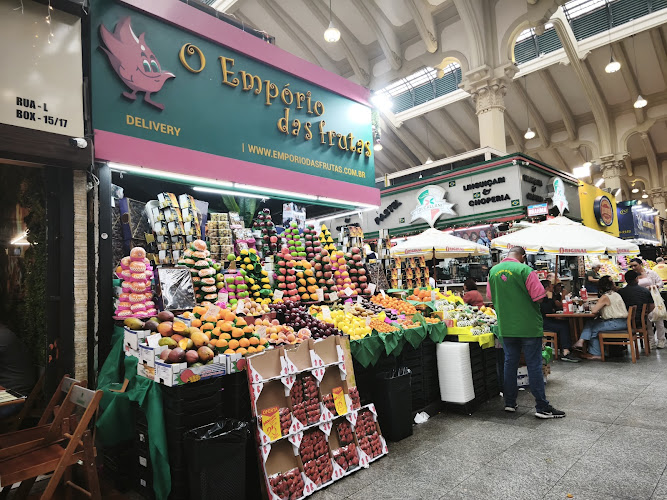
The Mercado Municipal de São Paulo stands as one of Brazil's most impressive architectural achievements and culinary destinations, drawing food enthusiasts from across the globe to its historic halls. Built in 1933, this market represents more than just a place to buy groceries—it's become an essential stop for anyone wanting to truly understand São Paulo's rich food culture and history. Walking through the massive iron gates feels like stepping back in time, though the energy inside is decidedly modern and electric. The building itself showcases stunning Portuguese-influenced architecture with gorgeous stained glass windows that let natural light pour over the endless rows of produce, meats, and specialty foods below. And honestly, those windows alone are worth the visit—they depict scenes of food production that seem almost prophetic given what the market would become. What really sets this market apart from your typical tourist attraction is its dual identity. Yes, it's absolutely a working market where local chefs and families do their regular shopping. But it's also evolved into a gastronomic destination where travelers can sample some of São Paulo's most iconic dishes and ingredients. The market manages to balance these two identities remarkably well, though it can get pretty chaotic during peak hours when locals trying to grab their weekend groceries mix with tourists snapping photos of exotic fruits they've never seen before. The main draw for most visitors ends up being the famous mortadella sandwich, which has achieved almost legendary status in São Paulo's food scene. We're talking about a sandwich piled so high with premium mortadella that you'll wonder how anyone's supposed to actually eat it. And the vendors here don't mess around—they use high-quality Italian-style mortadella that bears little resemblance to the processed stuff you might be familiar with from back home. Beyond the sandwiches though, the market houses over 290 stalls spread across 12,600 square meters of space. You'll find everything from everyday tomatoes and lettuce to exotic Amazon fruits that even some Brazilians have never tried. The dairy section features artisanal cheeses from small producers across Brazil, while the spice vendors display colorful pyramids of seasonings that fill the air with incredible aromas.

Key Features

The market offers an overwhelming array of attractions and practical features that make it accessible and enjoyable for visitors of all types: Architectural Beauty: The building showcases beautiful stained glass windows designed by Russian artist Conrado Sorgenicht Filho, depicting agricultural scenes that add artistic value to the functional space The Famous Mortadella Sandwich: Several vendors compete to serve the best version of this São Paulo icon, with Hocca Bar being perhaps the most well-known spot where sandwiches can weigh up to 800 grams Exotic Produce Section: Rare fruits from the Amazon region and other parts of Brazil that you won't find in regular supermarkets, including jabuticaba, cupuaçu, and countless varieties of bananas Premium Meat Counter: High-end butcher shops offering cuts you rarely see elsewhere, including specialty game meats and imported products Cod Fish Specialty: Multiple vendors dedicated exclusively to bacalhau (salt cod) in various preparations, reflecting Portuguese culinary influences Restaurant and Food Court Area: Sit-down dining options alongside quick-service counters serving traditional Brazilian dishes and snacks Spice and Seasoning Vendors: Comprehensive selection of dried herbs, spices, and specialty seasonings used in Brazilian and international cooking Fresh Pasta Stands: Vendors selling handmade pasta in traditional Italian styles, reflecting São Paulo's significant Italian immigrant population Cheese and Dairy Specialists: Artisanal cheese producers offering tastings of regional Brazilian cheeses alongside imported varieties Full Accessibility Features: Wheelchair-accessible entrances, parking, and restrooms make the market welcoming to visitors with mobility challenges Modern Payment Options: Credit cards, debit cards, and contactless mobile payments accepted at most stalls

Best Time to Visit

Timing your visit to Mercado Municipal can honestly make or break your experience. I learned this the hard way on my first visit when I showed up on a Saturday afternoon and could barely move through the crowds. The market opens early—around 6 AM on weekdays—and those morning hours before 10 AM offer the absolute best experience if you can manage it. You'll see the market functioning as the working commercial space it truly is, with chefs from São Paulo's top restaurants selecting their ingredients and local families doing their shopping. The food court areas are less crowded, meaning shorter waits for those massive sandwiches everyone comes to try. Weekdays generally offer a more authentic and less touristy atmosphere than weekends. Tuesday through Thursday are particularly good if you want to avoid both weekend crowds and Monday's occasional closures or reduced vendor participation. But if you can only make it on weekends, get there right when it opens or plan for a late afternoon visit after 3 PM when day-tripper crowds start thinning out. Seasonally speaking, the market operates year-round and São Paulo doesn't experience dramatic seasonal temperature swings. However, December and January bring both summer vacation crowds and the most abundant tropical fruit selections. The Brazilian holiday season also means special products and festive atmosphere that add something extra to the experience. Weather considerations matter more than you'd think for an indoor market. On rainy days, the market becomes significantly more crowded as people seek indoor activities. São Paulo's rainy season runs from December through March, so if you're visiting during these months, try to plan your market trip on clearer days. One thing I wish someone had told me before my first visit: avoid arriving hungry during peak times. The lines at popular food stalls can stretch 30-45 minutes on busy days, and standing in line while surrounded by incredible food smells tests anyone's patience.

How to Get There

Getting to Mercado Municipal is thankfully pretty straightforward, and São Paulo's public transportation system makes it accessible from most parts of the city. The metro represents your best option for reaching the market. The São Bento station on Line 1 (Blue Line) sits just a short 10-minute walk away from the market. Once you exit the station, head toward Rua da Cantareira, and you'll start seeing signs pointing toward the Mercado Municipal. The walk itself takes you through some historic downtown areas, though keep your belongings secure as this neighborhood can get sketchy. If you're staying in popular tourist areas like Paulista Avenue, the metro journey takes about 15-20 minutes total including the walk. From Vila Madalena, you're looking at closer to 35-40 minutes with one transfer. Buses also serve the area extensively, but São Paulo's bus system can overwhelm newcomers. Multiple bus lines stop near the market, but unless you're comfortable navigating an unfamiliar city's bus routes, stick with the metro. Taxis and ride-sharing services like Uber work perfectly fine for getting to the market. Just be aware that downtown São Paulo traffic can be absolutely brutal, especially during morning and evening rush hours. What should be a 15-minute drive from the hotel district can easily stretch to 45 minutes if you hit peak traffic times. For parking, the market does offer a paid parking lot, but spaces fill up quickly on weekends. Street parking exists in the surrounding area but comes with the usual urban challenges—limited spots, confusing signage, and security concerns about leaving your car in downtown São Paulo. Most visitors find public transportation or ride-sharing services more convenient and less stressful.

Tips for Visiting

After several visits to the market, I've picked up some strategies that really enhance the experience and help avoid common pitfalls. Bring cash even though most vendors accept cards. Some smaller stalls still operate cash-only, and having Brazilian reals on hand means you won't miss out on that perfect snack or unique ingredient. Plus, card machines occasionally have issues, and you don't want technical difficulties standing between you and that mortadella sandwich. Come on a relatively empty stomach but don't arrive starving. The market offers so many tasting opportunities and must-try foods that you'll want appetite space to sample multiple things. But being too hungry means you'll make impulsive decisions and potentially overspend or over-order. Start with a lap around the entire market before committing to purchases or meals. This helps you get oriented, spot everything available, and plan your eating strategy. Nothing's worse than filling up on the first sandwich you see only to discover an even better option three aisles over. For the famous mortadella sandwich, the lines at Hocca Bar can be intimidating. Several other vendors serve excellent versions with shorter waits. Don't be afraid to try the less-famous spots—you might actually prefer them and you'll definitely save time. Bring a cooler bag if you're staying somewhere with kitchen access. The market sells incredible ingredients at reasonable prices, and having a way to transport temperature-sensitive items like cheese or fresh pasta opens up wonderful possibilities for preparing meals with authentic Brazilian ingredients. Watch your belongings constantly. The market itself is generally safe, but the surrounding downtown area has pickpocket issues. Keep bags zipped and in front of you, don't flash expensive cameras or phones unnecessarily, and stay alert in crowded areas. Ask vendors for samples before buying unfamiliar fruits or specialty items. Most are happy to let you taste, and this prevents expensive mistakes with exotic products you might not actually enjoy. Visit the restrooms on the second floor rather than the ground level ones which see heavier traffic and can get pretty rough during busy periods. Take photos respectfully. While the market welcomes photography, some vendors prefer not to be photographed, and shoppers doing their daily errands don't necessarily want to be in your vacation pics. Ask permission when photographing people or specific vendor stalls. Wear comfortable shoes because you'll be standing and walking on hard floors for extended periods. The market is larger than it initially appears, and properly exploring everything involves considerable standing around while deciding what to eat or buy. Learn a few basic Portuguese phrases if you don't speak the language. While tourist-heavy areas have some English speakers, many vendors speak primarily Portuguese. Knowing how to ask prices, say thank you, and request recommendations goes a long way toward better service and more authentic interactions. Plan at least two to three hours for a thorough visit. Rushing through defeats the purpose and you'll miss interesting discoveries. The market rewards slow exploration and casual browsing more than quick tourist stops. Consider visiting twice if you're in São Paulo for several days—once during the week for a calmer experience focused on shopping and exploring, and once on the weekend to see the market at its most energetic with fuller vendor participation and liveliest atmosphere.

Key Features

  • Key Features
  • Best Time to Visit
  • How to Get There
  • Tips for Visiting

More Details

Updated January 5, 2026

Description

The Mercado Municipal de São Paulo stands as one of Brazil’s most impressive architectural achievements and culinary destinations, drawing food enthusiasts from across the globe to its historic halls. Built in 1933, this market represents more than just a place to buy groceries—it’s become an essential stop for anyone wanting to truly understand São Paulo’s rich food culture and history.

Walking through the massive iron gates feels like stepping back in time, though the energy inside is decidedly modern and electric. The building itself showcases stunning Portuguese-influenced architecture with gorgeous stained glass windows that let natural light pour over the endless rows of produce, meats, and specialty foods below. And honestly, those windows alone are worth the visit—they depict scenes of food production that seem almost prophetic given what the market would become.

What really sets this market apart from your typical tourist attraction is its dual identity. Yes, it’s absolutely a working market where local chefs and families do their regular shopping. But it’s also evolved into a gastronomic destination where travelers can sample some of São Paulo’s most iconic dishes and ingredients. The market manages to balance these two identities remarkably well, though it can get pretty chaotic during peak hours when locals trying to grab their weekend groceries mix with tourists snapping photos of exotic fruits they’ve never seen before.

The main draw for most visitors ends up being the famous mortadella sandwich, which has achieved almost legendary status in São Paulo’s food scene. We’re talking about a sandwich piled so high with premium mortadella that you’ll wonder how anyone’s supposed to actually eat it. And the vendors here don’t mess around—they use high-quality Italian-style mortadella that bears little resemblance to the processed stuff you might be familiar with from back home.

Beyond the sandwiches though, the market houses over 290 stalls spread across 12,600 square meters of space. You’ll find everything from everyday tomatoes and lettuce to exotic Amazon fruits that even some Brazilians have never tried. The dairy section features artisanal cheeses from small producers across Brazil, while the spice vendors display colorful pyramids of seasonings that fill the air with incredible aromas.

Key Features

The market offers an overwhelming array of attractions and practical features that make it accessible and enjoyable for visitors of all types:

Architectural Beauty: The building showcases beautiful stained glass windows designed by Russian artist Conrado Sorgenicht Filho, depicting agricultural scenes that add artistic value to the functional space

The Famous Mortadella Sandwich: Several vendors compete to serve the best version of this São Paulo icon, with Hocca Bar being perhaps the most well-known spot where sandwiches can weigh up to 800 grams

Exotic Produce Section: Rare fruits from the Amazon region and other parts of Brazil that you won’t find in regular supermarkets, including jabuticaba, cupuaçu, and countless varieties of bananas

Premium Meat Counter: High-end butcher shops offering cuts you rarely see elsewhere, including specialty game meats and imported products

Cod Fish Specialty: Multiple vendors dedicated exclusively to bacalhau (salt cod) in various preparations, reflecting Portuguese culinary influences

Restaurant and Food Court Area: Sit-down dining options alongside quick-service counters serving traditional Brazilian dishes and snacks

Spice and Seasoning Vendors: Comprehensive selection of dried herbs, spices, and specialty seasonings used in Brazilian and international cooking

Fresh Pasta Stands: Vendors selling handmade pasta in traditional Italian styles, reflecting São Paulo’s significant Italian immigrant population

Cheese and Dairy Specialists: Artisanal cheese producers offering tastings of regional Brazilian cheeses alongside imported varieties

Full Accessibility Features: Wheelchair-accessible entrances, parking, and restrooms make the market welcoming to visitors with mobility challenges

Modern Payment Options: Credit cards, debit cards, and contactless mobile payments accepted at most stalls

Best Time to Visit

Timing your visit to Mercado Municipal can honestly make or break your experience. I learned this the hard way on my first visit when I showed up on a Saturday afternoon and could barely move through the crowds.

The market opens early—around 6 AM on weekdays—and those morning hours before 10 AM offer the absolute best experience if you can manage it. You’ll see the market functioning as the working commercial space it truly is, with chefs from São Paulo’s top restaurants selecting their ingredients and local families doing their shopping. The food court areas are less crowded, meaning shorter waits for those massive sandwiches everyone comes to try.

Weekdays generally offer a more authentic and less touristy atmosphere than weekends. Tuesday through Thursday are particularly good if you want to avoid both weekend crowds and Monday’s occasional closures or reduced vendor participation. But if you can only make it on weekends, get there right when it opens or plan for a late afternoon visit after 3 PM when day-tripper crowds start thinning out.

Seasonally speaking, the market operates year-round and São Paulo doesn’t experience dramatic seasonal temperature swings. However, December and January bring both summer vacation crowds and the most abundant tropical fruit selections. The Brazilian holiday season also means special products and festive atmosphere that add something extra to the experience.

Weather considerations matter more than you’d think for an indoor market. On rainy days, the market becomes significantly more crowded as people seek indoor activities. São Paulo’s rainy season runs from December through March, so if you’re visiting during these months, try to plan your market trip on clearer days.

One thing I wish someone had told me before my first visit: avoid arriving hungry during peak times. The lines at popular food stalls can stretch 30-45 minutes on busy days, and standing in line while surrounded by incredible food smells tests anyone’s patience.

How to Get There

Getting to Mercado Municipal is thankfully pretty straightforward, and São Paulo’s public transportation system makes it accessible from most parts of the city.

The metro represents your best option for reaching the market. The São Bento station on Line 1 (Blue Line) sits just a short 10-minute walk away from the market. Once you exit the station, head toward Rua da Cantareira, and you’ll start seeing signs pointing toward the Mercado Municipal. The walk itself takes you through some historic downtown areas, though keep your belongings secure as this neighborhood can get sketchy.

If you’re staying in popular tourist areas like Paulista Avenue, the metro journey takes about 15-20 minutes total including the walk. From Vila Madalena, you’re looking at closer to 35-40 minutes with one transfer.

Buses also serve the area extensively, but São Paulo’s bus system can overwhelm newcomers. Multiple bus lines stop near the market, but unless you’re comfortable navigating an unfamiliar city’s bus routes, stick with the metro.

Taxis and ride-sharing services like Uber work perfectly fine for getting to the market. Just be aware that downtown São Paulo traffic can be absolutely brutal, especially during morning and evening rush hours. What should be a 15-minute drive from the hotel district can easily stretch to 45 minutes if you hit peak traffic times.

For parking, the market does offer a paid parking lot, but spaces fill up quickly on weekends. Street parking exists in the surrounding area but comes with the usual urban challenges—limited spots, confusing signage, and security concerns about leaving your car in downtown São Paulo. Most visitors find public transportation or ride-sharing services more convenient and less stressful.

Tips for Visiting

After several visits to the market, I’ve picked up some strategies that really enhance the experience and help avoid common pitfalls.

Bring cash even though most vendors accept cards. Some smaller stalls still operate cash-only, and having Brazilian reals on hand means you won’t miss out on that perfect snack or unique ingredient. Plus, card machines occasionally have issues, and you don’t want technical difficulties standing between you and that mortadella sandwich.

Come on a relatively empty stomach but don’t arrive starving. The market offers so many tasting opportunities and must-try foods that you’ll want appetite space to sample multiple things. But being too hungry means you’ll make impulsive decisions and potentially overspend or over-order.

Start with a lap around the entire market before committing to purchases or meals. This helps you get oriented, spot everything available, and plan your eating strategy. Nothing’s worse than filling up on the first sandwich you see only to discover an even better option three aisles over.

For the famous mortadella sandwich, the lines at Hocca Bar can be intimidating. Several other vendors serve excellent versions with shorter waits. Don’t be afraid to try the less-famous spots—you might actually prefer them and you’ll definitely save time.

Bring a cooler bag if you’re staying somewhere with kitchen access. The market sells incredible ingredients at reasonable prices, and having a way to transport temperature-sensitive items like cheese or fresh pasta opens up wonderful possibilities for preparing meals with authentic Brazilian ingredients.

Watch your belongings constantly. The market itself is generally safe, but the surrounding downtown area has pickpocket issues. Keep bags zipped and in front of you, don’t flash expensive cameras or phones unnecessarily, and stay alert in crowded areas.

Ask vendors for samples before buying unfamiliar fruits or specialty items. Most are happy to let you taste, and this prevents expensive mistakes with exotic products you might not actually enjoy.

Visit the restrooms on the second floor rather than the ground level ones which see heavier traffic and can get pretty rough during busy periods.

Take photos respectfully. While the market welcomes photography, some vendors prefer not to be photographed, and shoppers doing their daily errands don’t necessarily want to be in your vacation pics. Ask permission when photographing people or specific vendor stalls.

Wear comfortable shoes because you’ll be standing and walking on hard floors for extended periods. The market is larger than it initially appears, and properly exploring everything involves considerable standing around while deciding what to eat or buy.

Learn a few basic Portuguese phrases if you don’t speak the language. While tourist-heavy areas have some English speakers, many vendors speak primarily Portuguese. Knowing how to ask prices, say thank you, and request recommendations goes a long way toward better service and more authentic interactions.

Plan at least two to three hours for a thorough visit. Rushing through defeats the purpose and you’ll miss interesting discoveries. The market rewards slow exploration and casual browsing more than quick tourist stops.

Consider visiting twice if you’re in São Paulo for several days—once during the week for a calmer experience focused on shopping and exploring, and once on the weekend to see the market at its most energetic with fuller vendor participation and liveliest atmosphere.

Key Highlights

  • Key Features
  • Best Time to Visit
  • How to Get There
  • Tips for Visiting

Location

Places to Stay Near Mercado Municipal de São Paulo

Find and Book a Tour

Explore More Travel Guides

No reviews found! Be the first to review!

Traveler Reviews for Mercado Municipal de São Paulo

There are no reviews yet. Be the first one to write one.

Share Your Experience

Have you visited Mercado Municipal de São Paulo? Help other travelers by sharing your review.

Find Accommodations Nearby

Recommended Tours & Activities

Visitor Reviews

There are no reviews yet. Be the first one to write one.

Share Your Experience

Have you visited Mercado Municipal de São Paulo? Help other travelers by leaving a review.