
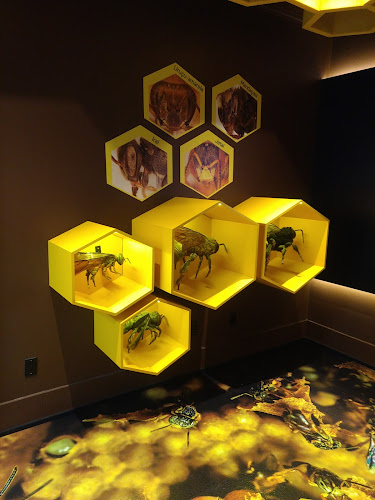
Museum Institute Biologico
About Museum Institute Biologico
Description
The Museum Institute Biologico in São Paulo is a curious blend of science museum, living collection and quiet research outpost — a place that surprises many visitors who expect either a sterile exhibit hall or a crowded city zoo. Instead, it offers a compact, approachable experience that leans into hands-on learning and natural history. Travelers who like to learn as they walk will find it rewarding; families with restless kids often leave pleasantly exhausted and oddly inspired. And yes, it’s one of those spots where a short visit can turn into an afternoon if someone in the group gets hooked on the amphibian tanks or the insect displays.
Located in the Vila Mariana neighborhood of São Paulo, the institute has more of a local, neighborhood-museum vibe than the larger, tourist-targeted attractions in the city center. It feels like a place designed by people who love specimens, field notes, and curious questions — not by marketing teams. The layout is straightforward: exhibits flow between terraria and aquaria, demonstration areas, and small research displays. A mixture of live animals and scientific specimens gives the place a dual identity: half zoo, half science hall. That makes it especially interesting for travelers who want more than pretty enclosures — they want context, background, and the occasional "aha" moment about biodiversity or conservation.
Accessibility is a serious plus here. The institute offers wheelchair-accessible entrances, parking and restrooms, which is not always a given in older museums. Families with young children will appreciate changing tables and family-oriented facilities. On-site parking is free — a real convenience in São Paulo — so for those who rent a car or prefer a private ride, parking rarely becomes a headache. But public-transport travelers shouldn’t worry either; the institute is reachable by bus and metro with a short taxi or rideshare hop, making it a good stop even on a tight itinerary.
One striking characteristic of the Museum Institute Biologico is its educational focus. Exhibits are often accompanied by clear, science-forward explanations and, when available, staff or volunteers who enjoy answering questions. School groups frequent the place, and that gives the atmosphere a lively, slightly chaotic educational energy during peak hours. If someone in your travel party loves a good natural-history anecdote, they can linger at labeled specimens and read about collection histories, research programs, or conservation efforts. The institute also runs workshops and periodic demonstrations — sometimes live-feed observations of a lab task or short talks about local ecosystems — which feel intimate because of the small scale.
Because it’s not a major commercial zoo, some expectations should be adjusted: this is not a place with large cat enclosures or flashy, expensive shows. Instead, visitors will find smaller mammals, an impressive array of reptiles, amphibians, and a surprisingly thoughtful insect and bird collection. The focus is on biology and scientific literacy rather than entertainment spectacle. Many visitors come away impressed by how well the place communicates the natural histories of common Brazilian species; it makes local biodiversity feel relevant, and that’s worth the visit alone.
Practicalities are straightforward. Restrooms are available but there is no full-service restaurant on the premises, so plan ahead for snacks or meals. The absence of a cafe can feel inconvenient, especially after a long morning of walking, but it also encourages visitors to explore nearby neighborhood eateries — a nice excuse to leave the museum and taste some local flavors. For parents traveling with small children, the institute’s family-friendly amenities and gentle, educational exhibits make it a low-stress stop. Changing facilities are on-site and clearly noted, which is a relief for many families.
The overall visitor sentiment tends to lean positive. The place is frequently praised for being well-maintained, informative, and accessible. That said, there are occasional critiques about limited exhibit variety and small budgets showing through in display styles. Those are fair notes: if someone expects a blockbuster-scale museum, they might be underwhelmed. On the other hand, visitors who appreciate close-up encounters with lesser-known species and an emphasis on scientific explanation often see the institute as a hidden gem in the city. It’s the kind of museum that rewards curiosity: if you read the labels and chat with staff, you’ll get much more out of it than if you breeze through solely for photos.
Visitors who enjoy photography will find good opportunities here, particularly with smaller animals, educational setups and botanical corners that frame insects and birds nicely. Lighting in some rooms is intentionally dim to keep specimens comfortable, so a camera with decent low-light performance or a steady hand helps. For those who prefer audio or more immersive experiences, checking the schedule in advance is smart — the institute sometimes hosts lectures, film screenings, or short guided walks that add context and depth to a regular visit.
One anecdote that often circulates among repeat visitors: a family once came for what they thought would be a short, half-hour stop while exploring Vila Mariana. They ended up spending nearly three hours, largely because the kids discovered a live display of tadpoles and refused to leave. The parents, who had low expectations, were pleasantly surprised by how educational and calming the space felt. That story captures the museum’s quiet charm — small things reveal bigger ideas about life cycles, ecosystems, and the interconnectedness of species. It’s not flashy, but it lingers in the mind.
From a planning perspective, the Museum Institute Biologico suits a range of travel styles. Solo travelers with an interest in natural sciences will appreciate the slow, thoughtful pace. Families will value the educational setup and accessible facilities. Travelers on a tighter schedule can still get a meaningful visit in 60–90 minutes if they focus on highlights, while those who love museums can easily make a half-day of it. And despite the modest scale, the institute often offers surprises: a temporary exhibit, an unexpected live demonstration, or a museum educator who shares a memorable fact that changes the way a visitor thinks about a neighborhood tree or a common frog.
Finally, let’s talk about expectations versus reality. If the idea of a fun roadside zoo with big enclosures is expected, reality will differ. But for those who enjoy scientific storytelling, conservation-minded exhibits, and the feel of a museum that still prioritizes research and education over souvenirs and spectacle, the Museum Institute Biologico is a welcome counterpoint to more commercial attractions. Travelers who take the time to read signs, ask questions, and soak in the small-scale displays often leave feeling they’ve seen something genuinely thoughtful — and in a city as big as São Paulo, that kind of intimacy is a rare, quiet delight.
Key Features
More Details
Updated August 30, 2025
Table of Contents
Description
The Museum Institute Biologico in São Paulo is a curious blend of science museum, living collection and quiet research outpost — a place that surprises many visitors who expect either a sterile exhibit hall or a crowded city zoo. Instead, it offers a compact, approachable experience that leans into hands-on learning and natural history. Travelers who like to learn as they walk will find it rewarding; families with restless kids often leave pleasantly exhausted and oddly inspired. And yes, it’s one of those spots where a short visit can turn into an afternoon if someone in the group gets hooked on the amphibian tanks or the insect displays.
Located in the Vila Mariana neighborhood of São Paulo, the institute has more of a local, neighborhood-museum vibe than the larger, tourist-targeted attractions in the city center. It feels like a place designed by people who love specimens, field notes, and curious questions — not by marketing teams. The layout is straightforward: exhibits flow between terraria and aquaria, demonstration areas, and small research displays. A mixture of live animals and scientific specimens gives the place a dual identity: half zoo, half science hall. That makes it especially interesting for travelers who want more than pretty enclosures — they want context, background, and the occasional “aha” moment about biodiversity or conservation.
Accessibility is a serious plus here. The institute offers wheelchair-accessible entrances, parking and restrooms, which is not always a given in older museums. Families with young children will appreciate changing tables and family-oriented facilities. On-site parking is free — a real convenience in São Paulo — so for those who rent a car or prefer a private ride, parking rarely becomes a headache. But public-transport travelers shouldn’t worry either; the institute is reachable by bus and metro with a short taxi or rideshare hop, making it a good stop even on a tight itinerary.
One striking characteristic of the Museum Institute Biologico is its educational focus. Exhibits are often accompanied by clear, science-forward explanations and, when available, staff or volunteers who enjoy answering questions. School groups frequent the place, and that gives the atmosphere a lively, slightly chaotic educational energy during peak hours. If someone in your travel party loves a good natural-history anecdote, they can linger at labeled specimens and read about collection histories, research programs, or conservation efforts. The institute also runs workshops and periodic demonstrations — sometimes live-feed observations of a lab task or short talks about local ecosystems — which feel intimate because of the small scale.
Because it’s not a major commercial zoo, some expectations should be adjusted: this is not a place with large cat enclosures or flashy, expensive shows. Instead, visitors will find smaller mammals, an impressive array of reptiles, amphibians, and a surprisingly thoughtful insect and bird collection. The focus is on biology and scientific literacy rather than entertainment spectacle. Many visitors come away impressed by how well the place communicates the natural histories of common Brazilian species; it makes local biodiversity feel relevant, and that’s worth the visit alone.
Practicalities are straightforward. Restrooms are available but there is no full-service restaurant on the premises, so plan ahead for snacks or meals. The absence of a cafe can feel inconvenient, especially after a long morning of walking, but it also encourages visitors to explore nearby neighborhood eateries — a nice excuse to leave the museum and taste some local flavors. For parents traveling with small children, the institute’s family-friendly amenities and gentle, educational exhibits make it a low-stress stop. Changing facilities are on-site and clearly noted, which is a relief for many families.
The overall visitor sentiment tends to lean positive. The place is frequently praised for being well-maintained, informative, and accessible. That said, there are occasional critiques about limited exhibit variety and small budgets showing through in display styles. Those are fair notes: if someone expects a blockbuster-scale museum, they might be underwhelmed. On the other hand, visitors who appreciate close-up encounters with lesser-known species and an emphasis on scientific explanation often see the institute as a hidden gem in the city. It’s the kind of museum that rewards curiosity: if you read the labels and chat with staff, you’ll get much more out of it than if you breeze through solely for photos.
Visitors who enjoy photography will find good opportunities here, particularly with smaller animals, educational setups and botanical corners that frame insects and birds nicely. Lighting in some rooms is intentionally dim to keep specimens comfortable, so a camera with decent low-light performance or a steady hand helps. For those who prefer audio or more immersive experiences, checking the schedule in advance is smart — the institute sometimes hosts lectures, film screenings, or short guided walks that add context and depth to a regular visit.
One anecdote that often circulates among repeat visitors: a family once came for what they thought would be a short, half-hour stop while exploring Vila Mariana. They ended up spending nearly three hours, largely because the kids discovered a live display of tadpoles and refused to leave. The parents, who had low expectations, were pleasantly surprised by how educational and calming the space felt. That story captures the museum’s quiet charm — small things reveal bigger ideas about life cycles, ecosystems, and the interconnectedness of species. It’s not flashy, but it lingers in the mind.
From a planning perspective, the Museum Institute Biologico suits a range of travel styles. Solo travelers with an interest in natural sciences will appreciate the slow, thoughtful pace. Families will value the educational setup and accessible facilities. Travelers on a tighter schedule can still get a meaningful visit in 60–90 minutes if they focus on highlights, while those who love museums can easily make a half-day of it. And despite the modest scale, the institute often offers surprises: a temporary exhibit, an unexpected live demonstration, or a museum educator who shares a memorable fact that changes the way a visitor thinks about a neighborhood tree or a common frog.
Finally, let’s talk about expectations versus reality. If the idea of a fun roadside zoo with big enclosures is expected, reality will differ. But for those who enjoy scientific storytelling, conservation-minded exhibits, and the feel of a museum that still prioritizes research and education over souvenirs and spectacle, the Museum Institute Biologico is a welcome counterpoint to more commercial attractions. Travelers who take the time to read signs, ask questions, and soak in the small-scale displays often leave feeling they’ve seen something genuinely thoughtful — and in a city as big as São Paulo, that kind of intimacy is a rare, quiet delight.
Key Highlights
Museum Institute Biologico
Location
Places to Stay Near Museum Institute Biologico
Find and Book a Tour
Explore More Travel Guides
No reviews found! Be the first to review!
Traveler Reviews for Museum Institute Biologico
There are no reviews yet. Be the first one to write one.
Have you visited Museum Institute Biologico? Help other travelers by sharing your review.
You Might Also Like
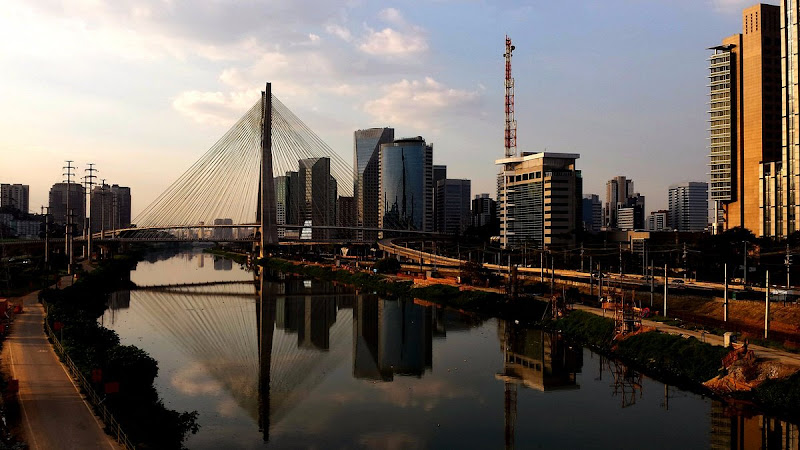
São Paulo
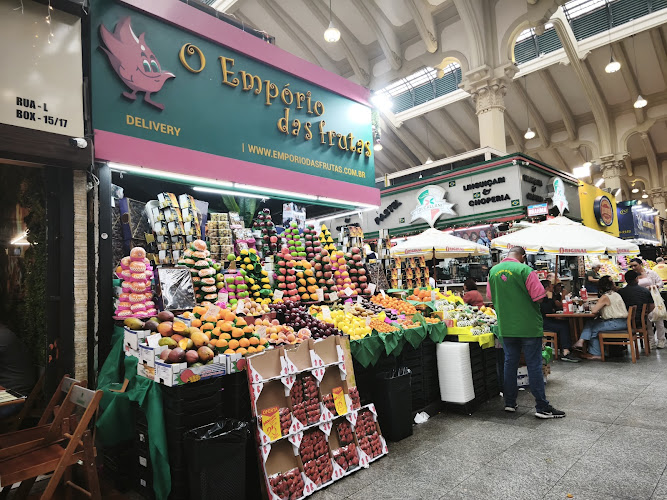
Mercado Municipal de São Paulo
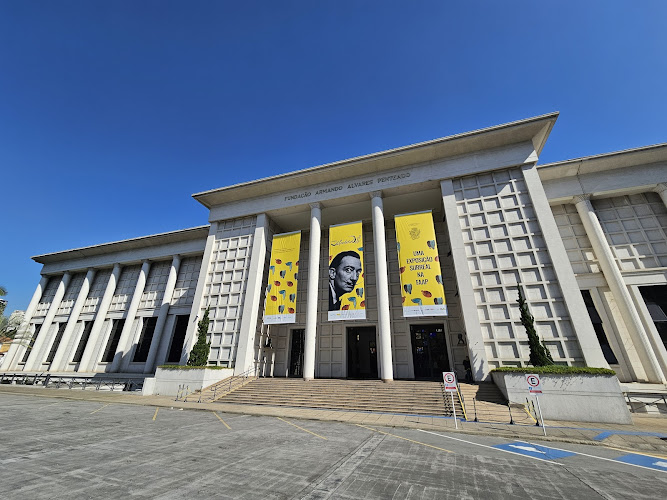
Brazilian Art Museum
Find Accommodations Nearby
Recommended Tours & Activities
Visitor Reviews
There are no reviews yet. Be the first one to write one.
Share Your Experience
Have you visited Museum Institute Biologico? Help other travelers by leaving a review.