

Muriaé
About Muriaé
Description
Muriaé sits comfortably in the heart of Brazil's Minas Gerais state, where coffee plantations stretch across rolling hills and the Atlantic Forest whispers stories of centuries past. This municipality of roughly 104,000 people represents something quite special in the Zona da Mata region – it's a place where modern Brazilian life unfolds against a backdrop of genuine cultural heritage.
What strikes most visitors first isn't the size or any particular landmark, but rather how authentically Brazilian everything feels here. You won't find crowds of international tourists snapping selfies at every corner. Instead, you'll discover a city that breathes with the rhythm of real Brazilian life. The streets buzz with local commerce, families gather in praças (town squares) during evening hours, and the aroma of fresh pão de açúcar drifts from neighborhood bakeries before dawn breaks.
The surrounding landscape tells the story of Minas Gerais beautifully – those characteristic green hills that gave the state its name (literally "General Mines") roll on endlessly. Coffee farms dot the countryside, many still family-owned operations that have passed through generations. And here's something most people don't realize: this region played a crucial role in Brazil's coffee boom that shaped the entire country's economy in the 19th and early 20th centuries.
But Muriaé isn't stuck in the past, not by a long shot. The city has evolved into a regional economic center while maintaining its small-town charm. You'll find excellent restaurants serving traditional Mineiro cuisine alongside modern establishments, and local festivals that celebrate everything from religious traditions to contemporary music. It's this blend that makes visiting feel like getting a genuine slice of Brazilian culture rather than some sanitized tourist experience.
Key Features
Travelers to Muriaé will discover several distinctive features that set this destination apart from more touristy Brazilian cities:
- Authentic Mineiro Culture: Experience genuine Brazilian hospitality and traditions without the tourist markup or artificial atmosphere found in heavily visited areas
- Coffee Farm Experiences: Access to working coffee plantations where you can learn about production processes and taste some of Brazil's finest beans directly from the source
- Atlantic Forest Remnants: Explore preserved sections of Mata Atlântica with unique biodiversity and hiking opportunities that most international visitors never discover
- Traditional Architecture: Colonial and early 20th-century buildings that showcase regional architectural styles without the crowds of more famous historic cities
- Local Festival Scene: Participate in authentic Brazilian celebrations and religious festivals that retain their original community spirit
- Regional Cuisine: Sample traditional Mineiro dishes like pão de queijo, feijão tropeiro, and doce de leite in their authentic setting
- Natural Swimming Areas: Discover local swimming holes and small waterfalls that residents frequent but rarely appear in guidebooks
- Artisan Crafts: Find locally made ceramics, textiles, and woodwork created by regional artisans using traditional techniques
Best Time to Visit
Timing your visit to Muriaé requires understanding Brazil's seasonal patterns, which can confuse travelers from the northern hemisphere since everything's flipped around. The dry season runs from May through September, and honestly, this is when most people find the weather most comfortable for exploring.
During these months, you'll encounter crisp mornings that warm up to pleasant afternoons – perfect for walking around town or visiting coffee farms. The humidity drops significantly compared to summer months, making outdoor activities much more enjoyable. Plus, the clear skies provide stunning views of the surrounding hills and countryside.
But here's where it gets interesting: if you visit during harvest season (roughly May through August), you'll witness the coffee farms at their busiest. The entire region comes alive with harvest activities, and many farms welcome visitors to participate in picking coffee cherries. It's hard work, but the experience offers insights into Brazilian agriculture that you simply can't get any other time of year.
The rainy season (December through March) brings its own rewards, though. The landscape becomes incredibly lush, waterfalls run at full strength, and the air smells fresh after afternoon thunderstorms. However, be prepared for higher humidity and the possibility of travel disruptions due to heavy rains.
Festival season varies throughout the year, but many of the most authentic celebrations happen during religious holidays. June brings Festa Junina celebrations that transform the city with traditional decorations, foods, and music. These festivals offer cultural experiences that tourist-heavy destinations often commercialize beyond recognition.
How to Get There
Getting to Muriaé requires some planning since it's not exactly on the main tourist trail, but that's part of what makes it special. Most international travelers will arrive through either Rio de Janeiro or Belo Horizonte, both of which connect to Muriaé through various transportation options.
From Rio de Janeiro, you're looking at roughly a 4-5 hour journey by car or bus. The route takes you through some spectacular mountain scenery as you leave the coast and climb into the interior highlands. Several bus companies operate regular services between Rio and Muriaé, with comfortable coaches that include air conditioning and reclining seats. The cost is quite reasonable compared to what you might expect coming from other countries.
If you're flying into Belo Horizonte (which has more direct international connections), the journey to Muriaé covers about 300 kilometers and takes approximately 4 hours by road. Again, bus services run regularly, or you can rent a car and drive yourself through the beautiful Minas Gerais countryside.
And here's something many visitors don't consider: domestic flights within Brazil can be surprisingly affordable if you book in advance. Small regional airports sometimes offer connections that can save hours of ground travel, though you'll need to check current schedules since routes change seasonally.
Once you arrive in Muriaé, getting around is straightforward. The city center is walkable, and local buses connect different neighborhoods. Taxis are available, though ride-sharing apps have become increasingly popular. For visiting coffee farms or exploring the surrounding countryside, arranging transportation through your accommodation or hiring a local guide makes the most sense.
Tips for Visiting
Visiting Muriaé successfully requires some insider knowledge that typical guidebooks don't cover. First, learn a few basic Portuguese phrases before you arrive. Unlike tourist hotspots where English is common, most locals in Muriaé speak only Portuguese. But don't let this intimidate you – Mineiros are famous throughout Brazil for their friendliness and patience with visitors trying to communicate.
Cash remains king in smaller establishments and rural areas around Muriaé. While major hotels and restaurants accept cards, coffee farms, local markets, and family-run businesses often prefer cash transactions. ATMs are available in the city center, but carrying some reais ensures you won't miss opportunities to buy local products or pay for services.
Dining schedules in Muriaé follow Brazilian patterns, which might surprise visitors from other countries. Lunch happens between noon and 2 PM and represents the main meal of the day. Many restaurants close during late afternoon hours, reopening for dinner around 7 PM. Street food vendors and padarias (bakeries) fill the gaps, offering excellent snacks and coffee throughout the day.
When visiting coffee farms, calling ahead is essential. Most operations welcome visitors, but they're working businesses first and tourist attractions second. Showing up unannounced might mean missing the owner or arriving during busy processing times. A quick phone call (or having your hotel make one) usually arranges informal tours that provide much better experiences than formal tourist operations.
Weather can change quickly in this region, especially during transitional seasons. Mornings might start cool and foggy, warm up significantly by midday, then cool again in the evening. Layered clothing works best, and a light rain jacket proves invaluable even during dry season since brief showers can appear from nowhere.
Transportation between small towns and rural areas often involves shared vans or small buses that don't run on strict schedules. Local people know these systems intuitively, but visitors benefit from asking hotel staff or local contacts about timing and pickup points. It's all part of experiencing authentic Brazilian travel rhythms rather than tourist-oriented efficiency.
Finally, embrace the slower pace of life here. Muriaé operates on what Brazilians call "hora brasileira" – Brazilian time – where relationships and conversation take precedence over rigid scheduling. This isn't inefficiency; it's a different approach to living that many visitors find refreshingly human after experiencing rushed tourist destinations elsewhere.
Key Features
- Accessible Atlantic Forest fragments and riparian corridors near town
- Shade coffee plantations and agricultural mosaics that attract diverse species
- Good mix of forest interior, edge, and open-country birds
- Local guides and community-led nature initiatives in the region
- Easy day-trip options to nearby hotspots and scenic drives
More Details
Updated September 14, 2025
Table of Contents
Description
Muriaé sits comfortably in the heart of Brazil’s Minas Gerais state, where coffee plantations stretch across rolling hills and the Atlantic Forest whispers stories of centuries past. This municipality of roughly 104,000 people represents something quite special in the Zona da Mata region – it’s a place where modern Brazilian life unfolds against a backdrop of genuine cultural heritage.
What strikes most visitors first isn’t the size or any particular landmark, but rather how authentically Brazilian everything feels here. You won’t find crowds of international tourists snapping selfies at every corner. Instead, you’ll discover a city that breathes with the rhythm of real Brazilian life. The streets buzz with local commerce, families gather in praças (town squares) during evening hours, and the aroma of fresh pão de açúcar drifts from neighborhood bakeries before dawn breaks.
The surrounding landscape tells the story of Minas Gerais beautifully – those characteristic green hills that gave the state its name (literally “General Mines”) roll on endlessly. Coffee farms dot the countryside, many still family-owned operations that have passed through generations. And here’s something most people don’t realize: this region played a crucial role in Brazil’s coffee boom that shaped the entire country’s economy in the 19th and early 20th centuries.
But Muriaé isn’t stuck in the past, not by a long shot. The city has evolved into a regional economic center while maintaining its small-town charm. You’ll find excellent restaurants serving traditional Mineiro cuisine alongside modern establishments, and local festivals that celebrate everything from religious traditions to contemporary music. It’s this blend that makes visiting feel like getting a genuine slice of Brazilian culture rather than some sanitized tourist experience.
Key Features
Travelers to Muriaé will discover several distinctive features that set this destination apart from more touristy Brazilian cities:
- Authentic Mineiro Culture: Experience genuine Brazilian hospitality and traditions without the tourist markup or artificial atmosphere found in heavily visited areas
- Coffee Farm Experiences: Access to working coffee plantations where you can learn about production processes and taste some of Brazil’s finest beans directly from the source
- Atlantic Forest Remnants: Explore preserved sections of Mata Atlântica with unique biodiversity and hiking opportunities that most international visitors never discover
- Traditional Architecture: Colonial and early 20th-century buildings that showcase regional architectural styles without the crowds of more famous historic cities
- Local Festival Scene: Participate in authentic Brazilian celebrations and religious festivals that retain their original community spirit
- Regional Cuisine: Sample traditional Mineiro dishes like pão de queijo, feijão tropeiro, and doce de leite in their authentic setting
- Natural Swimming Areas: Discover local swimming holes and small waterfalls that residents frequent but rarely appear in guidebooks
- Artisan Crafts: Find locally made ceramics, textiles, and woodwork created by regional artisans using traditional techniques
Best Time to Visit
Timing your visit to Muriaé requires understanding Brazil’s seasonal patterns, which can confuse travelers from the northern hemisphere since everything’s flipped around. The dry season runs from May through September, and honestly, this is when most people find the weather most comfortable for exploring.
During these months, you’ll encounter crisp mornings that warm up to pleasant afternoons – perfect for walking around town or visiting coffee farms. The humidity drops significantly compared to summer months, making outdoor activities much more enjoyable. Plus, the clear skies provide stunning views of the surrounding hills and countryside.
But here’s where it gets interesting: if you visit during harvest season (roughly May through August), you’ll witness the coffee farms at their busiest. The entire region comes alive with harvest activities, and many farms welcome visitors to participate in picking coffee cherries. It’s hard work, but the experience offers insights into Brazilian agriculture that you simply can’t get any other time of year.
The rainy season (December through March) brings its own rewards, though. The landscape becomes incredibly lush, waterfalls run at full strength, and the air smells fresh after afternoon thunderstorms. However, be prepared for higher humidity and the possibility of travel disruptions due to heavy rains.
Festival season varies throughout the year, but many of the most authentic celebrations happen during religious holidays. June brings Festa Junina celebrations that transform the city with traditional decorations, foods, and music. These festivals offer cultural experiences that tourist-heavy destinations often commercialize beyond recognition.
How to Get There
Getting to Muriaé requires some planning since it’s not exactly on the main tourist trail, but that’s part of what makes it special. Most international travelers will arrive through either Rio de Janeiro or Belo Horizonte, both of which connect to Muriaé through various transportation options.
From Rio de Janeiro, you’re looking at roughly a 4-5 hour journey by car or bus. The route takes you through some spectacular mountain scenery as you leave the coast and climb into the interior highlands. Several bus companies operate regular services between Rio and Muriaé, with comfortable coaches that include air conditioning and reclining seats. The cost is quite reasonable compared to what you might expect coming from other countries.
If you’re flying into Belo Horizonte (which has more direct international connections), the journey to Muriaé covers about 300 kilometers and takes approximately 4 hours by road. Again, bus services run regularly, or you can rent a car and drive yourself through the beautiful Minas Gerais countryside.
And here’s something many visitors don’t consider: domestic flights within Brazil can be surprisingly affordable if you book in advance. Small regional airports sometimes offer connections that can save hours of ground travel, though you’ll need to check current schedules since routes change seasonally.
Once you arrive in Muriaé, getting around is straightforward. The city center is walkable, and local buses connect different neighborhoods. Taxis are available, though ride-sharing apps have become increasingly popular. For visiting coffee farms or exploring the surrounding countryside, arranging transportation through your accommodation or hiring a local guide makes the most sense.
Tips for Visiting
Visiting Muriaé successfully requires some insider knowledge that typical guidebooks don’t cover. First, learn a few basic Portuguese phrases before you arrive. Unlike tourist hotspots where English is common, most locals in Muriaé speak only Portuguese. But don’t let this intimidate you – Mineiros are famous throughout Brazil for their friendliness and patience with visitors trying to communicate.
Cash remains king in smaller establishments and rural areas around Muriaé. While major hotels and restaurants accept cards, coffee farms, local markets, and family-run businesses often prefer cash transactions. ATMs are available in the city center, but carrying some reais ensures you won’t miss opportunities to buy local products or pay for services.
Dining schedules in Muriaé follow Brazilian patterns, which might surprise visitors from other countries. Lunch happens between noon and 2 PM and represents the main meal of the day. Many restaurants close during late afternoon hours, reopening for dinner around 7 PM. Street food vendors and padarias (bakeries) fill the gaps, offering excellent snacks and coffee throughout the day.
When visiting coffee farms, calling ahead is essential. Most operations welcome visitors, but they’re working businesses first and tourist attractions second. Showing up unannounced might mean missing the owner or arriving during busy processing times. A quick phone call (or having your hotel make one) usually arranges informal tours that provide much better experiences than formal tourist operations.
Weather can change quickly in this region, especially during transitional seasons. Mornings might start cool and foggy, warm up significantly by midday, then cool again in the evening. Layered clothing works best, and a light rain jacket proves invaluable even during dry season since brief showers can appear from nowhere.
Transportation between small towns and rural areas often involves shared vans or small buses that don’t run on strict schedules. Local people know these systems intuitively, but visitors benefit from asking hotel staff or local contacts about timing and pickup points. It’s all part of experiencing authentic Brazilian travel rhythms rather than tourist-oriented efficiency.
Finally, embrace the slower pace of life here. Muriaé operates on what Brazilians call “hora brasileira” – Brazilian time – where relationships and conversation take precedence over rigid scheduling. This isn’t inefficiency; it’s a different approach to living that many visitors find refreshingly human after experiencing rushed tourist destinations elsewhere.
Key Highlights
- Accessible Atlantic Forest fragments and riparian corridors near town
- Shade coffee plantations and agricultural mosaics that attract diverse species
- Good mix of forest interior, edge, and open-country birds
- Local guides and community-led nature initiatives in the region
- Easy day-trip options to nearby hotspots and scenic drives
Location
Places to Stay Near Muriaé
Find and Book a Tour
Explore More Travel Guides
No reviews found! Be the first to review!
Traveler Reviews for Muriaé
There are no reviews yet. Be the first one to write one.
Have you visited Muriaé? Help other travelers by sharing your review.
Nearby Attractions
You Might Also Like
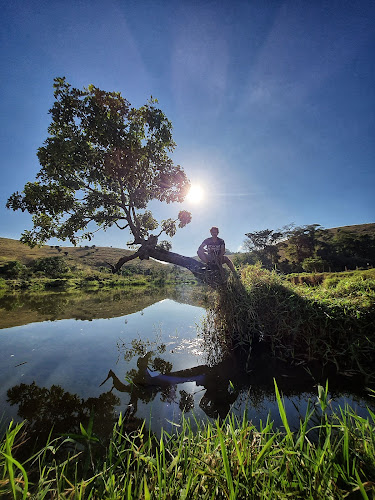
Árvore caída

Hotel Golden JK

Praça do Bairro Dornelas
Find Accommodations Nearby
Recommended Tours & Activities
Visitor Reviews
There are no reviews yet. Be the first one to write one.
Share Your Experience
Have you visited Muriaé? Help other travelers by leaving a review.