
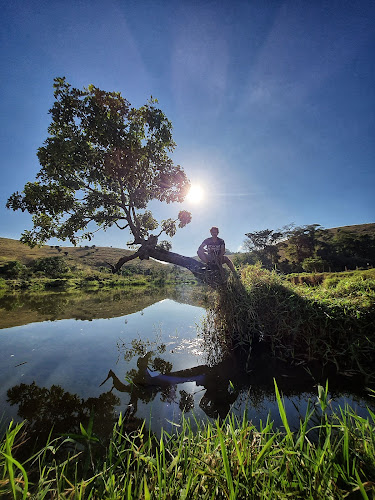
Árvore caída
About Árvore caída
Description
Árvore Caída stands as one of Brazil's most intriguing ecological parks, where nature has crafted something truly spectacular from what might initially seem like destruction. The name literally translates to "Fallen Tree," and trust me, this isn't your typical manicured city park with perfectly trimmed hedges and paved walkways.
What makes this place absolutely fascinating is how a massive fallen tree became the centerpiece of an entire ecosystem. And I'm not talking about just any tree – we're dealing with a giant that probably watched centuries pass before finally succumbing to time and weather. But here's the beautiful part: instead of being cleared away, this fallen giant became the foundation for an incredible display of forest regeneration.
The park showcases how nature reclaims and transforms itself in the most unexpected ways. Visitors often find themselves walking through what feels like a natural cathedral, where the fallen trunk serves as a massive bridge between different sections of the forest floor. It's honestly quite humbling to stand next to something that's been growing since before your great-great-grandmother was even a thought.
What really struck me about places like this is how they challenge our typical ideas about conservation. Instead of trying to "fix" what nature has done, Árvore Caída embraces the natural cycle of growth, death, and rebirth. The decomposing wood has become home to countless species of insects, small mammals, and an impressive variety of plant life that you simply won't see anywhere else.
The park attracts visitors who appreciate authentic natural experiences rather than manufactured tourist attractions. You won't find gift shops or snack bars here – just pure, unfiltered nature doing what it does best.
Key Features
Árvore Caída offers several distinctive features that set it apart from typical ecological destinations:
- The Massive Fallen Trunk – The park's namesake feature spans an impressive length and serves as a natural walkway through the forest ecosystem
- Microhabitat Diversity – The fallen tree has created multiple mini-ecosystems, each supporting different species of flora and fauna
- Natural Regeneration Showcase – Visitors can observe various stages of forest succession and ecological recovery in real-time
- Endemic Plant Species – Several rare plant varieties have established themselves on and around the decomposing trunk
- Wildlife Viewing Opportunities – The unique habitat attracts birds, small mammals, and insects that aren't commonly seen in other areas
- Educational Trail System – Well-marked paths guide visitors through different ecological zones while minimizing environmental impact
- Photography Points – Strategic viewpoints offer incredible shots of the tree's integration with surrounding vegetation
- Research Station – On-site facilities where scientists study decomposition processes and ecosystem development
Best Time to Visit
Timing your visit to Árvore Caída can make or break your experience, and honestly, most travel guides get this completely wrong. They'll tell you to come during the dry season when the paths are easier to navigate, but they're missing the point entirely.
The absolute best time to visit is actually during the late wet season, typically from March to May. Yes, you might encounter some muddy trails, but this is when the park truly comes alive. The moisture brings out incredible fungal displays on the fallen trunk – we're talking about mushrooms and bracket fungi in colors that look almost otherworldly. And the smell! It's this rich, earthy aroma that reminds you exactly what life emerging from decay smells like.
Early morning visits between 6:30 and 9:00 AM offer the most rewarding wildlife encounters. The park's residents are most active during these hours, and you'll have the best chance of spotting some of the more elusive species that call the fallen tree home. Plus, the morning light filtering through the canopy creates these absolutely magical photography opportunities.
If you're planning a family visit with children, weekdays are significantly better than weekends. The park can handle maybe 20-30 people at a time before it starts feeling crowded, and weekend traffic sometimes reaches that limit. But Tuesday through Thursday? You might have the entire place to yourselves.
Avoid visiting during heavy rain periods – not because it's dangerous, but because you'll miss out on so much. Many of the park's most interesting features become obscured, and the wildlife tends to hunker down and wait it out.
The dry season (June through September) certainly has its merits. The trails are more accessible, and you can spend longer periods observing the intricate details of how different plants have colonized various sections of the trunk. But you'll miss some of the dynamic processes that make this place truly special.
How to Get There
Getting to Árvore Caída requires a bit more planning than your typical tourist destination, but that's part of what keeps it special. The park doesn't have a massive parking lot or tour buses dropping people off every hour – which is exactly how it should be.
Most visitors access the park via the nearest town, which serves as a jumping-off point for several ecological attractions in the region. From there, you're looking at roughly a 45-minute drive along increasingly rural roads. And I'll be honest – the last 15 minutes are on unpaved roads that can get pretty rough during wet weather. A standard car can make it, but you'll definitely want to take your time and maybe invest in some decent shock absorbers if you're planning multiple visits.
Public transportation options are limited but not impossible. Local bus services run twice daily to a point about 3 kilometers from the park entrance, but you'll need to arrange the final leg of your journey in advance. Many visitors coordinate with local guides who can provide both transportation and valuable ecological insights during the visit.
For international travelers, the closest major airport is about two hours away by car. Rental vehicles are available, though I'd recommend booking well in advance, especially during peak ecological tourism season. Many rental agencies in the region specialize in vehicles suitable for nature-focused trips.
If you're staying in the regional capital, several tour operators offer day trips that include transportation, guided walks, and sometimes even picnic lunches. These can be worth the extra cost, particularly if you're not comfortable navigating rural roads or want to maximize your learning experience.
One thing that catches many visitors off-guard is the lack of cell phone coverage for the final approach to the park. Make sure you've downloaded offline maps or have clear written directions before you lose signal. And honestly? Embrace the digital detox – it makes the experience much more immersive.
Tips for Visiting
After spending considerable time in ecological parks across Brazil, I've learned that preparation makes the difference between a good visit and an absolutely transformative one. Árvore Caída has some specific requirements that aren't immediately obvious.
First and foremost – wear proper footwear. And I don't mean your comfortable walking shoes or those hiking boots you bought but never broken in. The terrain around the fallen tree includes sections where you'll be walking on decomposing wood, which can be surprisingly slippery even when it looks dry. I've seen too many visitors in flip-flops or dress shoes struggling to navigate areas that should be highlights of their visit.
Bring a quality headlamp or flashlight, even if you're planning a daytime visit. Some of the most interesting ecological processes happen in the shadowy areas under the massive trunk, and your phone's flashlight simply won't cut it. A hands-free light source lets you examine fungal growth, insect activity, and plant adaptations without constantly juggling your phone.
Water is absolutely essential, but here's what most guides won't tell you: bring more than you think you need, but in multiple small bottles rather than one large container. The humid environment and physical activity of navigating uneven terrain will have you drinking more than expected. Plus, smaller bottles are easier to manage when you're climbing over or around sections of the fallen tree.
Insect repellent is non-negotiable, but choose your product carefully. Many commercial repellents can interfere with your ability to smell the rich, earthy aromas that are such an important part of the park experience. Look for natural alternatives that provide protection without overwhelming your senses.
Photography enthusiasts should bring extra battery packs and memory cards. The unique lighting conditions and incredible detail work visible throughout the park will have you taking far more photos than planned. And consider bringing a small tripod – some of the most striking shots require stability that handheld photography can't provide.
Pack out everything you bring in, obviously, but also consider bringing a small collection bag for any litter you might encounter. Part of what makes Árvore Caída special is its pristine condition, and visitors play a crucial role in maintaining that.
Don't rush your visit. I've watched people spend 30 minutes walking through and completely miss the point. Plan for at least 2-3 hours minimum. This isn't a place where you check off a list of sights – it's an ecosystem that reveals its secrets gradually to patient observers.
Finally, consider visiting twice if your schedule allows. A morning visit and an evening visit to the same location can feel like experiencing two completely different places. The light, the sounds, the active wildlife – everything changes, and you'll notice details during your second visit that were invisible the first time around.
Key Features
- Gigantic fallen tree trunk and root crown accessible for close viewing
- Remnant Atlantic Forest vegetation with native understory plants
- Good opportunities for birdwatching and small wildlife sightings
- Informal interpretive signage and local stories about the tree’s history
- Accessible trails and shady picnic spots near the main feature
More Details
Updated September 14, 2025
Table of Contents
Description
Árvore Caída stands as one of Brazil’s most intriguing ecological parks, where nature has crafted something truly spectacular from what might initially seem like destruction. The name literally translates to “Fallen Tree,” and trust me, this isn’t your typical manicured city park with perfectly trimmed hedges and paved walkways.
What makes this place absolutely fascinating is how a massive fallen tree became the centerpiece of an entire ecosystem. And I’m not talking about just any tree – we’re dealing with a giant that probably watched centuries pass before finally succumbing to time and weather. But here’s the beautiful part: instead of being cleared away, this fallen giant became the foundation for an incredible display of forest regeneration.
The park showcases how nature reclaims and transforms itself in the most unexpected ways. Visitors often find themselves walking through what feels like a natural cathedral, where the fallen trunk serves as a massive bridge between different sections of the forest floor. It’s honestly quite humbling to stand next to something that’s been growing since before your great-great-grandmother was even a thought.
What really struck me about places like this is how they challenge our typical ideas about conservation. Instead of trying to “fix” what nature has done, Árvore Caída embraces the natural cycle of growth, death, and rebirth. The decomposing wood has become home to countless species of insects, small mammals, and an impressive variety of plant life that you simply won’t see anywhere else.
The park attracts visitors who appreciate authentic natural experiences rather than manufactured tourist attractions. You won’t find gift shops or snack bars here – just pure, unfiltered nature doing what it does best.
Key Features
Árvore Caída offers several distinctive features that set it apart from typical ecological destinations:
- The Massive Fallen Trunk – The park’s namesake feature spans an impressive length and serves as a natural walkway through the forest ecosystem
- Microhabitat Diversity – The fallen tree has created multiple mini-ecosystems, each supporting different species of flora and fauna
- Natural Regeneration Showcase – Visitors can observe various stages of forest succession and ecological recovery in real-time
- Endemic Plant Species – Several rare plant varieties have established themselves on and around the decomposing trunk
- Wildlife Viewing Opportunities – The unique habitat attracts birds, small mammals, and insects that aren’t commonly seen in other areas
- Educational Trail System – Well-marked paths guide visitors through different ecological zones while minimizing environmental impact
- Photography Points – Strategic viewpoints offer incredible shots of the tree’s integration with surrounding vegetation
- Research Station – On-site facilities where scientists study decomposition processes and ecosystem development
Best Time to Visit
Timing your visit to Árvore Caída can make or break your experience, and honestly, most travel guides get this completely wrong. They’ll tell you to come during the dry season when the paths are easier to navigate, but they’re missing the point entirely.
The absolute best time to visit is actually during the late wet season, typically from March to May. Yes, you might encounter some muddy trails, but this is when the park truly comes alive. The moisture brings out incredible fungal displays on the fallen trunk – we’re talking about mushrooms and bracket fungi in colors that look almost otherworldly. And the smell! It’s this rich, earthy aroma that reminds you exactly what life emerging from decay smells like.
Early morning visits between 6:30 and 9:00 AM offer the most rewarding wildlife encounters. The park’s residents are most active during these hours, and you’ll have the best chance of spotting some of the more elusive species that call the fallen tree home. Plus, the morning light filtering through the canopy creates these absolutely magical photography opportunities.
If you’re planning a family visit with children, weekdays are significantly better than weekends. The park can handle maybe 20-30 people at a time before it starts feeling crowded, and weekend traffic sometimes reaches that limit. But Tuesday through Thursday? You might have the entire place to yourselves.
Avoid visiting during heavy rain periods – not because it’s dangerous, but because you’ll miss out on so much. Many of the park’s most interesting features become obscured, and the wildlife tends to hunker down and wait it out.
The dry season (June through September) certainly has its merits. The trails are more accessible, and you can spend longer periods observing the intricate details of how different plants have colonized various sections of the trunk. But you’ll miss some of the dynamic processes that make this place truly special.
How to Get There
Getting to Árvore Caída requires a bit more planning than your typical tourist destination, but that’s part of what keeps it special. The park doesn’t have a massive parking lot or tour buses dropping people off every hour – which is exactly how it should be.
Most visitors access the park via the nearest town, which serves as a jumping-off point for several ecological attractions in the region. From there, you’re looking at roughly a 45-minute drive along increasingly rural roads. And I’ll be honest – the last 15 minutes are on unpaved roads that can get pretty rough during wet weather. A standard car can make it, but you’ll definitely want to take your time and maybe invest in some decent shock absorbers if you’re planning multiple visits.
Public transportation options are limited but not impossible. Local bus services run twice daily to a point about 3 kilometers from the park entrance, but you’ll need to arrange the final leg of your journey in advance. Many visitors coordinate with local guides who can provide both transportation and valuable ecological insights during the visit.
For international travelers, the closest major airport is about two hours away by car. Rental vehicles are available, though I’d recommend booking well in advance, especially during peak ecological tourism season. Many rental agencies in the region specialize in vehicles suitable for nature-focused trips.
If you’re staying in the regional capital, several tour operators offer day trips that include transportation, guided walks, and sometimes even picnic lunches. These can be worth the extra cost, particularly if you’re not comfortable navigating rural roads or want to maximize your learning experience.
One thing that catches many visitors off-guard is the lack of cell phone coverage for the final approach to the park. Make sure you’ve downloaded offline maps or have clear written directions before you lose signal. And honestly? Embrace the digital detox – it makes the experience much more immersive.
Tips for Visiting
After spending considerable time in ecological parks across Brazil, I’ve learned that preparation makes the difference between a good visit and an absolutely transformative one. Árvore Caída has some specific requirements that aren’t immediately obvious.
First and foremost – wear proper footwear. And I don’t mean your comfortable walking shoes or those hiking boots you bought but never broken in. The terrain around the fallen tree includes sections where you’ll be walking on decomposing wood, which can be surprisingly slippery even when it looks dry. I’ve seen too many visitors in flip-flops or dress shoes struggling to navigate areas that should be highlights of their visit.
Bring a quality headlamp or flashlight, even if you’re planning a daytime visit. Some of the most interesting ecological processes happen in the shadowy areas under the massive trunk, and your phone’s flashlight simply won’t cut it. A hands-free light source lets you examine fungal growth, insect activity, and plant adaptations without constantly juggling your phone.
Water is absolutely essential, but here’s what most guides won’t tell you: bring more than you think you need, but in multiple small bottles rather than one large container. The humid environment and physical activity of navigating uneven terrain will have you drinking more than expected. Plus, smaller bottles are easier to manage when you’re climbing over or around sections of the fallen tree.
Insect repellent is non-negotiable, but choose your product carefully. Many commercial repellents can interfere with your ability to smell the rich, earthy aromas that are such an important part of the park experience. Look for natural alternatives that provide protection without overwhelming your senses.
Photography enthusiasts should bring extra battery packs and memory cards. The unique lighting conditions and incredible detail work visible throughout the park will have you taking far more photos than planned. And consider bringing a small tripod – some of the most striking shots require stability that handheld photography can’t provide.
Pack out everything you bring in, obviously, but also consider bringing a small collection bag for any litter you might encounter. Part of what makes Árvore Caída special is its pristine condition, and visitors play a crucial role in maintaining that.
Don’t rush your visit. I’ve watched people spend 30 minutes walking through and completely miss the point. Plan for at least 2-3 hours minimum. This isn’t a place where you check off a list of sights – it’s an ecosystem that reveals its secrets gradually to patient observers.
Finally, consider visiting twice if your schedule allows. A morning visit and an evening visit to the same location can feel like experiencing two completely different places. The light, the sounds, the active wildlife – everything changes, and you’ll notice details during your second visit that were invisible the first time around.
Key Highlights
- Gigantic fallen tree trunk and root crown accessible for close viewing
- Remnant Atlantic Forest vegetation with native understory plants
- Good opportunities for birdwatching and small wildlife sightings
- Informal interpretive signage and local stories about the tree’s history
- Accessible trails and shady picnic spots near the main feature
Location
Places to Stay Near Árvore caída
Find and Book a Tour
Explore More Travel Guides
No reviews found! Be the first to review!
Traveler Reviews for Árvore caída
There are no reviews yet. Be the first one to write one.
Have you visited Árvore caída? Help other travelers by sharing your review.
Nearby Attractions
You Might Also Like
Ibis Budget Muriaé

Estrada do Siriquite

Cachoeira Usina Da Fumaça
Find Accommodations Nearby
Recommended Tours & Activities
Visitor Reviews
There are no reviews yet. Be the first one to write one.
Share Your Experience
Have you visited Árvore caída? Help other travelers by leaving a review.