Theatro Municipal de São Paulo
About Theatro Municipal de São Paulo
Description
Standing proudly in the heart of São Paulo's historic center, the Theatro Municipal represents one of Brazil's most magnificent cultural institutions. When you first lay eyes on this architectural masterpiece, you'll understand why it's been drawing audiences since 1911. The building itself tells a story - one of a young nation eager to establish itself on the world stage through art and culture. I remember the first time I walked past this theater on a humid afternoon, and honestly, I had to stop and just stare. The Renaissance and baroque styling feels almost European in character, which makes sense considering São Paulo's cosmopolitan ambitions during Brazil's belle époque period. The detailed facade features sculptural elements that you could spend hours examining, though you'll probably be too excited to get inside. This isn't just some dusty old building preserved for tourists to photograph. The Theatro Municipal remains a living, breathing performance venue where you can catch world-class operas, symphonic concerts, and ballet performances throughout the year. The São Paulo Symphony Orchestra and the City Ballet Company call this place home, which means the quality of performances stays consistently high. What strikes most visitors - and what struck me too - is how the theater manages to feel both grand and intimate at the same time. Sure, it seats around 1,500 people, but the design creates an atmosphere where even those in the upper galleries feel connected to the performance. The acoustics are remarkable, something the architects clearly prioritized when they designed the space over a century ago.Key Features
Travelers planning a visit to the Theatro Municipal should know about several distinctive characteristics that set this venue apart:- The main auditorium showcases a stunning ceiling adorned with frescoes and elaborate decorative elements that rival European opera houses
- Complete wheelchair accessibility throughout the building, including entrance, parking areas, and restrooms - something many historic theaters struggle to provide
- Regular programming includes opera performances, classical concerts, contemporary ballet, and special cultural events representing Brazilian and international repertoire
- An on-site restaurant allows visitors to enjoy pre-show dining or intermission refreshments without leaving the building
- The building's exterior architecture features dramatic columns, sculptural details, and a color palette that photographs beautifully during golden hour
- Guided tours available for those interested in the building's history, architecture, and behind-the-scenes areas not normally accessible during performances
- Modern payment options including credit cards, debit cards, and mobile NFC payments make purchasing tickets straightforward for international visitors
- Family-friendly facilities including changing tables and child-appropriate seating areas in the auditorium
- The venue hosts the Coral Lírico (Lyric Choir) and Orquestra Sinfônica Municipal, giving visitors chances to hear resident companies that have honed their craft in this space
- Historical significance as the site of the 1922 Modern Art Week, a watershed moment in Brazilian cultural history that changed the country's artistic direction
Best Time to Visit
Timing your visit to the Theatro Municipal takes some strategic thinking, and here's where my experience might save you some disappointment. The theater operates year-round with different seasons for opera, ballet, and symphonic concerts, but the programming intensity varies considerably depending on when you show up. The main performance season typically runs from March through December, with July and August representing particularly active months. During these mid-year months, you'll find the most diverse programming options. But here's something interesting - January and February tend to be quieter periods due to Brazilian summer holidays, though the theater sometimes schedules special summer festival events. If you're specifically interested in opera, the traditional opera season peaks between May and November. Ballet enthusiasts should target April through October when the City Ballet Company presents most of their major productions. The São Paulo Symphony Orchestra maintains a robust schedule throughout most of the year, making symphonic concerts your safest bet regardless of travel dates. Wednesday evenings and weekend matinees tend to draw the largest crowds, which creates an electric atmosphere but also means you'll need to book tickets well in advance. Thursday evening performances often offer a sweet spot - good energy from the audience without the same crush of people. Weather-wise, São Paulo's mild winters (June through August) make for comfortable theater-going since you won't arrive sweaty and uncomfortable from the humidity. The theater's air conditioning works fine, but there's something to be said for not needing to cool down before settling into your velvet seat. And don't overlook the guided tour schedule if you can't catch a performance. Tours typically run multiple times daily except Mondays when the theater is closed for maintenance. Morning tours around 11am tend to be less crowded than afternoon slots.How to Get There
Getting to the Theatro Municipal is refreshingly straightforward, though São Paulo's size can intimidate first-time visitors. The theater sits in the city center near República and Anhangabaú, making it accessible through various transportation methods. The metro system offers your most reliable option. The Anhangabaú station on Line 3 (red line) puts you within a five-minute walk of the theater entrance. Just exit the station and follow the signs toward the historic center - you literally can't miss the building once you're aboveground. Line 4 (yellow line) also connects at República station, adding about ten minutes of walking distance. If you're coming from hotels in the Paulista Avenue area, the metro will take about 20 minutes including transfer time. From the Pinheiros neighborhood, budget around 30 minutes via metro. The system runs until midnight on weeknights and 1am on weekends, which works fine for most evening performances that end by 11pm. Taxis and ride-sharing services like Uber work well for evening performances when you might not want to navigate public transportation after dark. Expect to pay more during rush hour (5pm to 8pm) when São Paulo's legendary traffic reaches peak intensity. Ride-sharing from the Jardins neighborhood typically costs between 15 to 25 reais depending on time of day, with the journey taking anywhere from 15 to 40 minutes depending on traffic conditions. The theater does provide paid parking in a nearby lot, which sounds convenient until you experience São Paulo traffic firsthand. Parking costs roughly 30 reais for an evening, and you'll need patience to exit after popular performances when everyone tries to leave simultaneously. Walking to the theater from nearby hotels can work during daylight hours, though you should exercise standard urban caution with valuables. The surrounding area undergoes ongoing revitalization efforts, but it still shows the wear typical of older city centers.Tips for Visiting
After attending performances and touring the Theatro Municipal several times, I've gathered insights that'll help you maximize your experience. These aren't the obvious suggestions you'll find in every guidebook - they're the practical details that actually matter when you're there. Book your tickets advance, seriously. This isn't optional if you want good seats or any seats at all for popular productions. The theater's website allows international purchases, though the interface can be a bit clunky. Don't panic if the site appears only in Portuguese - most browsers can translate it adequately. Premium performances like international guest artists or special gala events might sell out weeks ahead. Dress codes aren't as formal as you might expect for a theater this grand. Yes, you'll see some people in evening gowns and suits, especially for opening nights, but smart casual works perfectly fine for most performances. I've worn dark jeans and a nice shirt without feeling underdressed. That said, showing up in shorts and flip-flops would be pushing it. Arrive at least 30 minutes before curtain time, maybe even 45 minutes for your first visit. You'll want time to absorb the building's interior, find your seats, and maybe grab a drink. The pre-show atmosphere in the lobby areas creates part of the overall experience - people watching is excellent here. Photography policies vary depending on whether you're attending a performance or taking a tour. During tours, cameras are generally allowed in most areas. During performances, forget it. They're strict about no photography once the show begins, and they should be - nothing ruins a performance faster than screens lighting up throughout the auditorium. The on-site restaurant provides convenient but not particularly cheap dining options. If budget matters, eat beforehand at one of the many restaurants within a few blocks. The nearby Viaduto do Chá area has several good options, though again, take normal precautions after dark. Guided tours reveal areas you won't see during performances, including backstage spaces, rehearsal rooms, and the noble hall with its marble columns and stained glass. Tours last about an hour and cost significantly less than performance tickets. If you only have time for one or the other, I'd say catch a performance - that's what the theater was built for. But if you have an afternoon to spare, the tours provide fascinating historical context. Language shouldn't intimidate you. While most performances feature works in their original language (Italian operas stay in Italian, for example), staff members at the box office and information desk typically speak at least basic English. Tour guides with English language skills can often be arranged with advance notice. The theater's acoustics mean every seat offers good sound quality, but sightlines vary dramatically. The middle sections of the orchestra level provide the classic theater experience with unobstructed views. The boxes feel romantic but can create awkward viewing angles depending on where the action occurs onstage. The upper galleries offer bargain pricing with surprisingly decent views, though climbing all those stairs isn't for everyone. Check the performance schedule carefully because the theater hosts multiple resident companies plus guest performers. The quality stays generally high, but there's a difference between a world-renowned visiting orchestra and a local ensemble's educational concert. Both have merit, but know what you're buying. Intermission lasts typically 20 minutes, just enough time to use the restroom and grab a drink but not enough to wander far. The champagne bar does brisk business, though prices reflect the venue's prestige. Restrooms get crowded during intermission, so strategic timing helps. The surrounding area gets quiet after business hours, which can feel a bit deserted though not necessarily unsafe. After evening performances, don't wander aimlessly exploring - head directly to your transportation option. Save the neighborhood exploration for daylight hours when the historic center shows its character more fully. If you're visiting with kids, the theater offers some family-oriented programming throughout the year. The changing tables and family facilities make it more practical than many historic venues, though standard theater etiquette still applies. A squirmy five-year-old probably won't enjoy a three-hour Wagner opera, but age-appropriate ballet or musical performances can work beautifully for introducing children to live performance art.Key Features
- Beaux-Arts architecture inspired by Paris’s Opéra Garnier
- Historic auditorium with ornate frescoes, marble staircases and gilded details
- Home to the São Paulo Municipal Symphonic Orchestra and resident opera and ballet companies
- Guided tours offering backstage access, costume and set workshops
- Role in Brazil’s cultural history, including the 1922 Week of Modern Art
More Details
Updated January 5, 2026
Table of Contents
Description
Standing proudly in the heart of São Paulo’s historic center, the Theatro Municipal represents one of Brazil’s most magnificent cultural institutions. When you first lay eyes on this architectural masterpiece, you’ll understand why it’s been drawing audiences since 1911. The building itself tells a story – one of a young nation eager to establish itself on the world stage through art and culture.
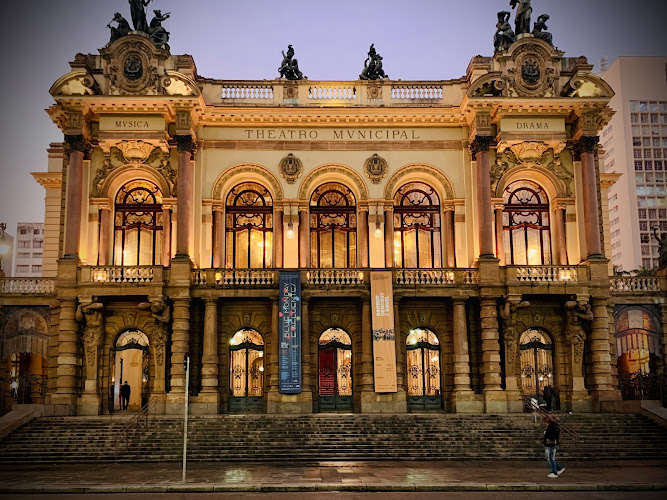
I remember the first time I walked past this theater on a humid afternoon, and honestly, I had to stop and just stare. The Renaissance and baroque styling feels almost European in character, which makes sense considering São Paulo’s cosmopolitan ambitions during Brazil’s belle époque period. The detailed facade features sculptural elements that you could spend hours examining, though you’ll probably be too excited to get inside.
This isn’t just some dusty old building preserved for tourists to photograph. The Theatro Municipal remains a living, breathing performance venue where you can catch world-class operas, symphonic concerts, and ballet performances throughout the year. The São Paulo Symphony Orchestra and the City Ballet Company call this place home, which means the quality of performances stays consistently high.
What strikes most visitors – and what struck me too – is how the theater manages to feel both grand and intimate at the same time. Sure, it seats around 1,500 people, but the design creates an atmosphere where even those in the upper galleries feel connected to the performance. The acoustics are remarkable, something the architects clearly prioritized when they designed the space over a century ago.
Key Features
Travelers planning a visit to the Theatro Municipal should know about several distinctive characteristics that set this venue apart:
- The main auditorium showcases a stunning ceiling adorned with frescoes and elaborate decorative elements that rival European opera houses
- Complete wheelchair accessibility throughout the building, including entrance, parking areas, and restrooms – something many historic theaters struggle to provide
- Regular programming includes opera performances, classical concerts, contemporary ballet, and special cultural events representing Brazilian and international repertoire
- An on-site restaurant allows visitors to enjoy pre-show dining or intermission refreshments without leaving the building
- The building’s exterior architecture features dramatic columns, sculptural details, and a color palette that photographs beautifully during golden hour
- Guided tours available for those interested in the building’s history, architecture, and behind-the-scenes areas not normally accessible during performances
- Modern payment options including credit cards, debit cards, and mobile NFC payments make purchasing tickets straightforward for international visitors
- Family-friendly facilities including changing tables and child-appropriate seating areas in the auditorium
- The venue hosts the Coral Lírico (Lyric Choir) and Orquestra Sinfônica Municipal, giving visitors chances to hear resident companies that have honed their craft in this space
- Historical significance as the site of the 1922 Modern Art Week, a watershed moment in Brazilian cultural history that changed the country’s artistic direction
Best Time to Visit
Timing your visit to the Theatro Municipal takes some strategic thinking, and here’s where my experience might save you some disappointment. The theater operates year-round with different seasons for opera, ballet, and symphonic concerts, but the programming intensity varies considerably depending on when you show up.
The main performance season typically runs from March through December, with July and August representing particularly active months. During these mid-year months, you’ll find the most diverse programming options. But here’s something interesting – January and February tend to be quieter periods due to Brazilian summer holidays, though the theater sometimes schedules special summer festival events.
If you’re specifically interested in opera, the traditional opera season peaks between May and November. Ballet enthusiasts should target April through October when the City Ballet Company presents most of their major productions. The São Paulo Symphony Orchestra maintains a robust schedule throughout most of the year, making symphonic concerts your safest bet regardless of travel dates.
Wednesday evenings and weekend matinees tend to draw the largest crowds, which creates an electric atmosphere but also means you’ll need to book tickets well in advance. Thursday evening performances often offer a sweet spot – good energy from the audience without the same crush of people.
Weather-wise, São Paulo’s mild winters (June through August) make for comfortable theater-going since you won’t arrive sweaty and uncomfortable from the humidity. The theater’s air conditioning works fine, but there’s something to be said for not needing to cool down before settling into your velvet seat.
And don’t overlook the guided tour schedule if you can’t catch a performance. Tours typically run multiple times daily except Mondays when the theater is closed for maintenance. Morning tours around 11am tend to be less crowded than afternoon slots.
How to Get There
Getting to the Theatro Municipal is refreshingly straightforward, though São Paulo’s size can intimidate first-time visitors. The theater sits in the city center near República and Anhangabaú, making it accessible through various transportation methods.
The metro system offers your most reliable option. The Anhangabaú station on Line 3 (red line) puts you within a five-minute walk of the theater entrance. Just exit the station and follow the signs toward the historic center – you literally can’t miss the building once you’re aboveground. Line 4 (yellow line) also connects at República station, adding about ten minutes of walking distance.
If you’re coming from hotels in the Paulista Avenue area, the metro will take about 20 minutes including transfer time. From the Pinheiros neighborhood, budget around 30 minutes via metro. The system runs until midnight on weeknights and 1am on weekends, which works fine for most evening performances that end by 11pm.
Taxis and ride-sharing services like Uber work well for evening performances when you might not want to navigate public transportation after dark. Expect to pay more during rush hour (5pm to 8pm) when São Paulo’s legendary traffic reaches peak intensity. Ride-sharing from the Jardins neighborhood typically costs between 15 to 25 reais depending on time of day, with the journey taking anywhere from 15 to 40 minutes depending on traffic conditions.
The theater does provide paid parking in a nearby lot, which sounds convenient until you experience São Paulo traffic firsthand. Parking costs roughly 30 reais for an evening, and you’ll need patience to exit after popular performances when everyone tries to leave simultaneously.
Walking to the theater from nearby hotels can work during daylight hours, though you should exercise standard urban caution with valuables. The surrounding area undergoes ongoing revitalization efforts, but it still shows the wear typical of older city centers.
Tips for Visiting
After attending performances and touring the Theatro Municipal several times, I’ve gathered insights that’ll help you maximize your experience. These aren’t the obvious suggestions you’ll find in every guidebook – they’re the practical details that actually matter when you’re there.
Book your tickets advance, seriously. This isn’t optional if you want good seats or any seats at all for popular productions. The theater’s website allows international purchases, though the interface can be a bit clunky. Don’t panic if the site appears only in Portuguese – most browsers can translate it adequately. Premium performances like international guest artists or special gala events might sell out weeks ahead.
Dress codes aren’t as formal as you might expect for a theater this grand. Yes, you’ll see some people in evening gowns and suits, especially for opening nights, but smart casual works perfectly fine for most performances. I’ve worn dark jeans and a nice shirt without feeling underdressed. That said, showing up in shorts and flip-flops would be pushing it.
Arrive at least 30 minutes before curtain time, maybe even 45 minutes for your first visit. You’ll want time to absorb the building’s interior, find your seats, and maybe grab a drink. The pre-show atmosphere in the lobby areas creates part of the overall experience – people watching is excellent here.
Photography policies vary depending on whether you’re attending a performance or taking a tour. During tours, cameras are generally allowed in most areas. During performances, forget it. They’re strict about no photography once the show begins, and they should be – nothing ruins a performance faster than screens lighting up throughout the auditorium.
The on-site restaurant provides convenient but not particularly cheap dining options. If budget matters, eat beforehand at one of the many restaurants within a few blocks. The nearby Viaduto do Chá area has several good options, though again, take normal precautions after dark.
Guided tours reveal areas you won’t see during performances, including backstage spaces, rehearsal rooms, and the noble hall with its marble columns and stained glass. Tours last about an hour and cost significantly less than performance tickets. If you only have time for one or the other, I’d say catch a performance – that’s what the theater was built for. But if you have an afternoon to spare, the tours provide fascinating historical context.
Language shouldn’t intimidate you. While most performances feature works in their original language (Italian operas stay in Italian, for example), staff members at the box office and information desk typically speak at least basic English. Tour guides with English language skills can often be arranged with advance notice.
The theater’s acoustics mean every seat offers good sound quality, but sightlines vary dramatically. The middle sections of the orchestra level provide the classic theater experience with unobstructed views. The boxes feel romantic but can create awkward viewing angles depending on where the action occurs onstage. The upper galleries offer bargain pricing with surprisingly decent views, though climbing all those stairs isn’t for everyone.
Check the performance schedule carefully because the theater hosts multiple resident companies plus guest performers. The quality stays generally high, but there’s a difference between a world-renowned visiting orchestra and a local ensemble’s educational concert. Both have merit, but know what you’re buying.
Intermission lasts typically 20 minutes, just enough time to use the restroom and grab a drink but not enough to wander far. The champagne bar does brisk business, though prices reflect the venue’s prestige. Restrooms get crowded during intermission, so strategic timing helps.
The surrounding area gets quiet after business hours, which can feel a bit deserted though not necessarily unsafe. After evening performances, don’t wander aimlessly exploring – head directly to your transportation option. Save the neighborhood exploration for daylight hours when the historic center shows its character more fully.
If you’re visiting with kids, the theater offers some family-oriented programming throughout the year. The changing tables and family facilities make it more practical than many historic venues, though standard theater etiquette still applies. A squirmy five-year-old probably won’t enjoy a three-hour Wagner opera, but age-appropriate ballet or musical performances can work beautifully for introducing children to live performance art.
Key Highlights
- Beaux-Arts architecture inspired by Paris’s Opéra Garnier
- Historic auditorium with ornate frescoes, marble staircases and gilded details
- Home to the São Paulo Municipal Symphonic Orchestra and resident opera and ballet companies
- Guided tours offering backstage access, costume and set workshops
- Role in Brazil’s cultural history, including the 1922 Week of Modern Art
Location
Places to Stay Near Theatro Municipal de São Paulo
Find and Book a Tour
Explore More Travel Guides
No reviews found! Be the first to review!
Traveler Reviews for Theatro Municipal de São Paulo
There are no reviews yet. Be the first one to write one.
Have you visited Theatro Municipal de São Paulo? Help other travelers by sharing your review.
Nearby Attractions
Find Accommodations Nearby
Recommended Tours & Activities
Visitor Reviews
There are no reviews yet. Be the first one to write one.
Share Your Experience
Have you visited Theatro Municipal de São Paulo? Help other travelers by leaving a review.
