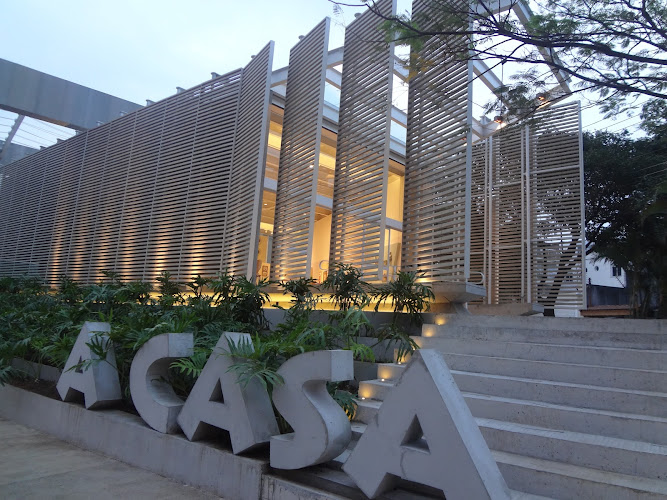
Museu A CASA do Objeto Brasileiro stands as a fascinating tribute to Brazilian craftsmanship and design, offering travelers an intimate look at the country’s rich tradition of creating functional art.
Highlights & Key Features
A thoughtfully curated collection focusing exclusively on Brazilian-made objects that celebrate the country's diverse handicraft traditions
Rotating exhibitions that ensure repeat visitors always discover something new about Brazilian design and craftsmanship
Wheelchair accessible facilities making cultural exploration possible for travelers with mobility considerations
Free Wi-Fi throughout the museum allowing visitors to research pieces that catch their interest or share discoveries on social media
Family-friendly environment where children can learn about Brazilian culture through tangible, relatable objects rather than abstract concepts
Gender-neutral restroom facilities demonstrating inclusivity and consideration for all visitors
Intimate museum setting that doesn't overwhelm visitors with massive crowds or endless galleries
Objects spanning various regions of Brazil, offering insight into the country's geographical and cultural diversity
Visitor Guide & Information
Description
Museu A CASA do Objeto Brasileiro stands as a fascinating tribute to Brazilian craftsmanship and design, offering travelers an intimate look at the country’s rich tradition of creating functional art. This museum showcases objects that Brazilians have used in their daily lives throughout history, transforming what might seem like ordinary items into extraordinary pieces worthy of admiration. When I first heard about a museum dedicated entirely to Brazilian objects, I’ll admit I was skeptical—how interesting could household items really be? But that’s exactly where this place surprises you.
The museum operates as both an art museum and exhibition center, making it a dynamic space where collections rotate and new perspectives on Brazilian design emerge regularly. What sets this institution apart from your typical museum experience is its focus on the beauty found in everyday things. You’ll discover that Brazilian artisans have elevated simple objects into works of art, whether it’s a ceramic bowl, a woven basket, or a wooden utensil. The curators have done an exceptional job presenting these items in ways that make you reconsider what deserves to be called art.
The space itself respects its mission of accessibility and comfort. Travelers will find wheelchair accessible entrances, which unfortunately isn’t always guaranteed at smaller museums in São Paulo. And yes, they’ve got Wi-Fi, so you can share your discoveries with friends back home in real-time, though honestly I’d recommend just being present in the moment. The gender-neutral restroom facilities show the museum’s commitment to welcoming all visitors, which matters more than people sometimes realize when traveling.
Families traveling with children will find this museum surprisingly engaging for younger visitors. Unlike some art spaces where kids feel they need to stay perfectly quiet and not touch anything, the approachable nature of the objects on display—things their own families might use—creates connections that abstract art sometimes can’t achieve. My friend brought her eight-year-old here last year, and the kid spent twenty minutes fascinated by traditional Brazilian toys, something that rarely happens in more conventional museums.
Key Features
A thoughtfully curated collection focusing exclusively on Brazilian-made objects that celebrate the country’s diverse handicraft traditions
Rotating exhibitions that ensure repeat visitors always discover something new about Brazilian design and craftsmanship
Wheelchair accessible facilities making cultural exploration possible for travelers with mobility considerations
Free Wi-Fi throughout the museum allowing visitors to research pieces that catch their interest or share discoveries on social media
Family-friendly environment where children can learn about Brazilian culture through tangible, relatable objects rather than abstract concepts
Gender-neutral restroom facilities demonstrating inclusivity and consideration for all visitors
Intimate museum setting that doesn’t overwhelm visitors with massive crowds or endless galleries
Objects spanning various regions of Brazil, offering insight into the country’s geographical and cultural diversity
Educational value that goes beyond aesthetics to explore the cultural significance and practical uses of displayed items
Reasonable time commitment—most visitors can fully experience the museum in 1-2 hours, perfect for travelers with packed itineraries
Best Time to Visit
Timing your visit to Museu A CASA do Objeto Brasileiro requires considering both the museum’s schedule and São Paulo’s broader travel patterns. The museum typically sees lighter crowds during weekday mornings, particularly Tuesday through Thursday between 10 AM and noon. Most tourists haven’t quite gotten their day started yet, and school groups usually arrive later, giving you a more contemplative experience with the collections.
Avoid weekends if you prefer a quieter atmosphere. Saturdays in particular draw local families and tourists simultaneously, which can make the more intimate galleries feel cramped. But if you enjoy the energy of other visitors and overhearing conversations about the pieces—which honestly can add context you might not have considered—then weekend afternoons work just fine.
São Paulo experiences its peak tourist season from December through February during the Southern Hemisphere’s summer. The city gets hot and humid during these months, which actually makes indoor museum visits more appealing. However, this also means more competition for space in popular cultural attractions. March through May offers a sweet spot where weather remains pleasant, tourist numbers drop slightly, and the city transitions into autumn with comfortable temperatures ideal for combining museum visits with neighborhood exploration.
The museum occasionally hosts special exhibitions or events that can draw larger crowds but also offer unique viewing opportunities you won’t find during regular visits. Check their schedule before your trip—though I’m not including the link here, a quick search will reveal their current programming. Sometimes the special exhibitions focus on specific Brazilian regions or particular types of objects, providing deeper dives into topics the permanent collection only touches upon.
Rainy days in São Paulo, which happen frequently between January and March, make excellent museum days. You’ll find the museum less crowded as fair-weather tourists stick to outdoor activities, and there’s something particularly satisfying about appreciating beautiful handcrafted objects while rain patters outside.
How to Get There
Getting to Museu A CASA do Objeto Brasileiro requires navigating São Paulo’s extensive but sometimes confusing transportation network. The museum’s location makes it accessible through multiple methods, though some prove more convenient than others depending on where you’re staying in this sprawling city.
The metro system represents the most reliable option for most travelers. São Paulo’s metro runs frequently and avoids the traffic congestion that makes surface transportation unpredictable. You’ll want to plan your route based on which line runs nearest to the museum, and don’t be shy about asking station attendants for help—many speak at least basic English, and they’re generally patient with confused tourists. Purchase a Bilhete Único card if you’re making multiple trips during your stay, as it works across metro, bus, and train systems while offering better rates than single tickets.
Taxis and ride-sharing services like Uber and 99 work well for travelers uncomfortable with public transportation or those visiting from distant neighborhoods. The convenience factor can’t be denied, especially if you’re traveling with children or have mobility considerations. Just be aware that São Paulo traffic can turn a 20-minute trip into an hour-long journey during rush hours, typically 7-9 AM and 5-7 PM on weekdays.
Buses offer the most economical option, but I’ll be honest—São Paulo’s bus system challenges even experienced urban travelers. Routes aren’t always clearly marked in English, and drivers don’t announce stops. If you’re adventurous and have done your homework on which bus routes serve the museum’s area, go for it. But budget extra time for potential wrong turns and backtracking.
Walking might be feasible if your accommodation sits within the same neighborhood, though São Paulo’s pedestrian infrastructure varies dramatically block by block. Some areas have excellent sidewalks and clear signage, while others feel less welcoming to foot traffic. I once tried walking from what looked like a short distance on my map and ended up regretting it after crossing multiple busy intersections with questionable crosswalks.
Tips for Visiting
Arriving right when the museum opens gives you the best experience with the collections before crowds build. You’ll have space to really study individual pieces without feeling rushed or competing for viewing angles. Plus, morning light tends to be better for photography if that’s important to you.
Don’t rush through the exhibitions. This isn’t the Louvre where you need three days to see everything. The museum’s manageable size actually encourages lingering over pieces that speak to you. I’ve noticed travelers sometimes treat smaller museums like checklists, snapping a few photos and moving on. Resist that urge here. The beauty of Brazilian craftsmanship reveals itself in details—the way light hits a glazed pot, the tightness of weaving in a basket, the grain patterns in carved wood.
Bring a light jacket or sweater even in São Paulo’s warm months. Museums typically maintain cooler temperatures to preserve collections, and you might find yourself chilly after an hour inside, particularly if you’ve just come from hot streets outside.
Photography policies can vary depending on current exhibitions, so check signage at the entrance or ask staff before starting to snap pictures. Some temporary exhibitions restrict photography to protect artists’ rights or because of loan agreements with other institutions. When photography is allowed, skip the flash—it rarely improves photos and can disturb other visitors.
Take advantage of any written materials or descriptions accompanying the objects. The context transforms your understanding of what you’re viewing. That simple wooden spoon suddenly becomes more interesting when you learn it represents a tradition spanning generations in a specific Brazilian region. If you don’t read Portuguese fluently, translation apps can help with longer descriptions, though key information often appears in English.
Consider visiting the museum as part of a broader neighborhood exploration rather than making it your sole destination for the day. São Paulo’s cultural attractions often cluster together, and you’ll get more value from your transportation time and costs by hitting multiple spots. The surrounding area typically offers restaurants and cafes where you can process what you’ve seen over lunch or coffee.
Families with younger children should plan for a 45-minute to one-hour visit maximum. Kids have different attention spans for museums, and it’s better to leave while they’re still engaged rather than pushing until meltdowns occur. The museum’s kid-friendly nature helps, but even fascinating objects eventually lose their appeal to restless youngsters.
Weekday visits sometimes coincide with school groups, particularly mid-morning. These groups generally don’t stay long, so if you arrive and find the museum suddenly full of students, give it 30-45 minutes and they’ll likely move on. Alternatively, start in whatever gallery the school group isn’t currently occupying and work your way around as they shift rooms.
Store larger bags if lockers or storage are available. You’ll move more comfortably through the galleries and won’t worry about accidentally bumping into displays. Some museums in São Paulo require this anyway, but even when optional, it improves your experience.
Stay hydrated before arriving since the museum doesn’t have a restaurant or cafe on-site. You’ll want to be comfortable during your visit without needing to cut it short searching for refreshments. Scope out nearby options before your visit so you know where to head afterward.
Finally, manage your expectations appropriately. This museum won’t compete with massive institutions like MASP or the Pinacoteca in terms of scale or big-name artists. But that’s not its purpose. Museu A CASA do Objeto Brasileiro succeeds precisely because it focuses on something specific and presents it beautifully. Travelers who appreciate craftsmanship, cultural history, and the artistry found in everyday objects will find it absolutely worth the visit. Those seeking blockbuster artworks or comprehensive surveys of Brazilian art history should probably look elsewhere.
Museu A CASA do Objeto Brasileiro stands as a fascinating tribute to Brazilian craftsmanship and design, offering travelers an intimate look at the country’s rich tradition of creating functional art. This museum showcases objects that Brazilians have used in their daily lives throughout history, transforming what might seem like ordinary items into extraordinary pieces worthy of admiration. When I first heard about a museum dedicated entirely to Brazilian objects, I’ll admit I was skeptical—how interesting could household items really be? But that’s exactly where this place surprises you.
The museum operates as both an art museum and exhibition center, making it a dynamic space where collections rotate and new perspectives on Brazilian design emerge regularly. What sets this institution apart from your typical museum experience is its focus on the beauty found in everyday things. You’ll discover that Brazilian artisans have elevated simple objects into works of art, whether it’s a ceramic bowl, a woven basket, or a wooden utensil. The curators have done an exceptional job presenting these items in ways that make you reconsider what deserves to be called art.
The space itself respects its mission of accessibility and comfort. Travelers will find wheelchair accessible entrances, which unfortunately isn’t always guaranteed at smaller museums in São Paulo. And yes, they’ve got Wi-Fi, so you can share your discoveries with friends back home in real-time, though honestly I’d recommend just being present in the moment. The gender-neutral restroom facilities show the museum’s commitment to welcoming all visitors, which matters more than people sometimes realize when traveling.
Families traveling with children will find this museum surprisingly engaging for younger visitors. Unlike some art spaces where kids feel they need to stay perfectly quiet and not touch anything, the approachable nature of the objects on display—things their own families might use—creates connections that abstract art sometimes can’t achieve. My friend brought her eight-year-old here last year, and the kid spent twenty minutes fascinated by traditional Brazilian toys, something that rarely happens in more conventional museums.
Key Features
A thoughtfully curated collection focusing exclusively on Brazilian-made objects that celebrate the country’s diverse handicraft traditions
Rotating exhibitions that ensure repeat visitors always discover something new about Brazilian design and craftsmanship
Wheelchair accessible facilities making cultural exploration possible for travelers with mobility considerations
Free Wi-Fi throughout the museum allowing visitors to research pieces that catch their interest or share discoveries on social media
Family-friendly environment where children can learn about Brazilian culture through tangible, relatable objects rather than abstract concepts
Gender-neutral restroom facilities demonstrating inclusivity and consideration for all visitors
Intimate museum setting that doesn’t overwhelm visitors with massive crowds or endless galleries
Objects spanning various regions of Brazil, offering insight into the country’s geographical and cultural diversity
Educational value that goes beyond aesthetics to explore the cultural significance and practical uses of displayed items
Reasonable time commitment—most visitors can fully experience the museum in 1-2 hours, perfect for travelers with packed itineraries
Best Time to Visit
Timing your visit to Museu A CASA do Objeto Brasileiro requires considering both the museum’s schedule and São Paulo’s broader travel patterns. The museum typically sees lighter crowds during weekday mornings, particularly Tuesday through Thursday between 10 AM and noon. Most tourists haven’t quite gotten their day started yet, and school groups usually arrive later, giving you a more contemplative experience with the collections.
Avoid weekends if you prefer a quieter atmosphere. Saturdays in particular draw local families and tourists simultaneously, which can make the more intimate galleries feel cramped. But if you enjoy the energy of other visitors and overhearing conversations about the pieces—which honestly can add context you might not have considered—then weekend afternoons work just fine.
São Paulo experiences its peak tourist season from December through February during the Southern Hemisphere’s summer. The city gets hot and humid during these months, which actually makes indoor museum visits more appealing. However, this also means more competition for space in popular cultural attractions. March through May offers a sweet spot where weather remains pleasant, tourist numbers drop slightly, and the city transitions into autumn with comfortable temperatures ideal for combining museum visits with neighborhood exploration.
The museum occasionally hosts special exhibitions or events that can draw larger crowds but also offer unique viewing opportunities you won’t find during regular visits. Check their schedule before your trip—though I’m not including the link here, a quick search will reveal their current programming. Sometimes the special exhibitions focus on specific Brazilian regions or particular types of objects, providing deeper dives into topics the permanent collection only touches upon.
Rainy days in São Paulo, which happen frequently between January and March, make excellent museum days. You’ll find the museum less crowded as fair-weather tourists stick to outdoor activities, and there’s something particularly satisfying about appreciating beautiful handcrafted objects while rain patters outside.
How to Get There
Getting to Museu A CASA do Objeto Brasileiro requires navigating São Paulo’s extensive but sometimes confusing transportation network. The museum’s location makes it accessible through multiple methods, though some prove more convenient than others depending on where you’re staying in this sprawling city.
The metro system represents the most reliable option for most travelers. São Paulo’s metro runs frequently and avoids the traffic congestion that makes surface transportation unpredictable. You’ll want to plan your route based on which line runs nearest to the museum, and don’t be shy about asking station attendants for help—many speak at least basic English, and they’re generally patient with confused tourists. Purchase a Bilhete Único card if you’re making multiple trips during your stay, as it works across metro, bus, and train systems while offering better rates than single tickets.
Taxis and ride-sharing services like Uber and 99 work well for travelers uncomfortable with public transportation or those visiting from distant neighborhoods. The convenience factor can’t be denied, especially if you’re traveling with children or have mobility considerations. Just be aware that São Paulo traffic can turn a 20-minute trip into an hour-long journey during rush hours, typically 7-9 AM and 5-7 PM on weekdays.
Buses offer the most economical option, but I’ll be honest—São Paulo’s bus system challenges even experienced urban travelers. Routes aren’t always clearly marked in English, and drivers don’t announce stops. If you’re adventurous and have done your homework on which bus routes serve the museum’s area, go for it. But budget extra time for potential wrong turns and backtracking.
Walking might be feasible if your accommodation sits within the same neighborhood, though São Paulo’s pedestrian infrastructure varies dramatically block by block. Some areas have excellent sidewalks and clear signage, while others feel less welcoming to foot traffic. I once tried walking from what looked like a short distance on my map and ended up regretting it after crossing multiple busy intersections with questionable crosswalks.
Tips for Visiting
Arriving right when the museum opens gives you the best experience with the collections before crowds build. You’ll have space to really study individual pieces without feeling rushed or competing for viewing angles. Plus, morning light tends to be better for photography if that’s important to you.
Don’t rush through the exhibitions. This isn’t the Louvre where you need three days to see everything. The museum’s manageable size actually encourages lingering over pieces that speak to you. I’ve noticed travelers sometimes treat smaller museums like checklists, snapping a few photos and moving on. Resist that urge here. The beauty of Brazilian craftsmanship reveals itself in details—the way light hits a glazed pot, the tightness of weaving in a basket, the grain patterns in carved wood.
Bring a light jacket or sweater even in São Paulo’s warm months. Museums typically maintain cooler temperatures to preserve collections, and you might find yourself chilly after an hour inside, particularly if you’ve just come from hot streets outside.
Photography policies can vary depending on current exhibitions, so check signage at the entrance or ask staff before starting to snap pictures. Some temporary exhibitions restrict photography to protect artists’ rights or because of loan agreements with other institutions. When photography is allowed, skip the flash—it rarely improves photos and can disturb other visitors.
Take advantage of any written materials or descriptions accompanying the objects. The context transforms your understanding of what you’re viewing. That simple wooden spoon suddenly becomes more interesting when you learn it represents a tradition spanning generations in a specific Brazilian region. If you don’t read Portuguese fluently, translation apps can help with longer descriptions, though key information often appears in English.
Consider visiting the museum as part of a broader neighborhood exploration rather than making it your sole destination for the day. São Paulo’s cultural attractions often cluster together, and you’ll get more value from your transportation time and costs by hitting multiple spots. The surrounding area typically offers restaurants and cafes where you can process what you’ve seen over lunch or coffee.
Families with younger children should plan for a 45-minute to one-hour visit maximum. Kids have different attention spans for museums, and it’s better to leave while they’re still engaged rather than pushing until meltdowns occur. The museum’s kid-friendly nature helps, but even fascinating objects eventually lose their appeal to restless youngsters.
Weekday visits sometimes coincide with school groups, particularly mid-morning. These groups generally don’t stay long, so if you arrive and find the museum suddenly full of students, give it 30-45 minutes and they’ll likely move on. Alternatively, start in whatever gallery the school group isn’t currently occupying and work your way around as they shift rooms.
Store larger bags if lockers or storage are available. You’ll move more comfortably through the galleries and won’t worry about accidentally bumping into displays. Some museums in São Paulo require this anyway, but even when optional, it improves your experience.
Stay hydrated before arriving since the museum doesn’t have a restaurant or cafe on-site. You’ll want to be comfortable during your visit without needing to cut it short searching for refreshments. Scope out nearby options before your visit so you know where to head afterward.
Finally, manage your expectations appropriately. This museum won’t compete with massive institutions like MASP or the Pinacoteca in terms of scale or big-name artists. But that’s not its purpose. Museu A CASA do Objeto Brasileiro succeeds precisely because it focuses on something specific and presents it beautifully. Travelers who appreciate craftsmanship, cultural history, and the artistry found in everyday objects will find it absolutely worth the visit. Those seeking blockbuster artworks or comprehensive surveys of Brazilian art history should probably look elsewhere.
Key Highlights
A thoughtfully curated collection focusing exclusively on Brazilian-made objects that celebrate the country's diverse handicraft traditions
Rotating exhibitions that ensure repeat visitors always discover something new about Brazilian design and craftsmanship
Wheelchair accessible facilities making cultural exploration possible for travelers with mobility considerations
Free Wi-Fi throughout the museum allowing visitors to research pieces that catch their interest or share discoveries on social media
Family-friendly environment where children can learn about Brazilian culture through tangible, relatable objects rather than abstract concepts
Gender-neutral restroom facilities demonstrating inclusivity and consideration for all visitors
Intimate museum setting that doesn't overwhelm visitors with massive crowds or endless galleries
Objects spanning various regions of Brazil, offering insight into the country's geographical and cultural diversity
Location
Places to Stay Near Museu A CASA do Objeto Brasileiro
A CASA – Museu do Objeto Brasileiro: where Brazilian craft, design, and everyday objects become culture
Address: Av. Pedroso de Morais, 1216/1234, Pinheiros (Vila Madalena area), São Paulo, SP, 05420-001, Brazil.Museu A CASA
Why this small museum punches above its weight
A CASA – Museu do Objeto Brasileiro is one of São Paulo’s most focused places to understand Brazil’s material culture—from indigenous-influenced crafts to contemporary design that still carries handmade DNA. Founded in 1997 by Renata Mellão (with early support from musician Benjamim Taubkin), the institution set out to protect, research, and elevate artisanal knowledge and design across Brazil. Today it acts as a reference hub for makers, scholars, and curious travelers who want to see how techniques, materials, and regional identities map onto the objects Brazilians use and cherish.Museu A CASA
Since 2008, the museum has run the Prêmio Objeto Brasileiro, a biennial award that surfaces the country’s best contemporary craft and object design, culminating in a public exhibition. If you’re in town around an award cycle, you’ll see a snapshot of what artisans across Brazil are experimenting with right now.Museu A CASA
Good to know: The museum communicates free admission (entrada gratuita) on its official channels—excellent news if you’re creating a budget-friendly cultural day in Pinheiros/Vila Madalena. Always verify shortly before you go in case of policy changes.Instagram
What you’ll actually see inside
Expect rotating exhibitions that privilege process as much as finished objects. Curators point you to how things are made—tool marks, weave densities, natural dye recipes—so you can read an object almost like a text. Typical materials include wood, straw, cotton, and ceramics; the curatorial line pairs vernacular techniques with their modern interpretations, highlighting continuity rather than nostalgia.Wikipedia
When the Prêmio Objeto Brasileiro show is on, the galleries become a national roll-call of studios and communities—from riverine basketry and Sertão leatherwork to contemporary designers re-engineering traditional joints or braids for new ergonomics. The award structure matters: it doesn’t just “show” craft; it creates opportunity, recognition, and commissions for artisans across Brazil.Museu A CASA
The museum’s mission is also explicitly inter-temporal: its own description stresses a “dialogue between past, present, and future.” That framing helps non-specialists place a 19th-century weave beside a 2020s lighting prototype and understand lineage, not just contrast.CIMAM
Architecture worth noticing (even before you walk in)
A CASA’s current home opened in 2014, designed by RoccoVidal Perkins&Will. The façade riffs on basketry, turning a ubiquitous Brazilian craft into architectural language. The site strategy cleverly uses a sloped plot by integrating the entrance with an existing public square, easing the transition from street to gallery. Even if you’re rushing, take a minute outside: the building is an object lesson in how craft logic scales from hand to city.Perkins&Will
Completion: 2014
Recognition: “Cultural Building of the Year” (O Melhor da Arquitetura, 2016)
Design notes: landscape integration (Isabel Duprate), “woven” façade reference, compact footprint used to advantage.Perkins&Will
Location, access, and how to plan your visit
Neighborhood: The museum sits on Av. Pedroso de Morais in Pinheiros/Vila Madalena, an area dense with galleries, studios, cafes, and independent shops—ideal for pairing A CASA with a meandering design-forward afternoon.Museu A CASA
Entrances: The institution notes two adjacent entrances that connect internally—a small but useful detail when you’re approaching on foot or ride-hail.Museu A CASA
Admission: Official channels state free entry; check the museum’s site or social right before you go for any last-minute changes.Instagram
Visitor info page: The museum’s “Visite” page provides the essentials (address, access notes) and is your most reliable pre-visit check.Museu A CASA
Data caveat: Third-party sites sometimes publish hours that don’t match current practice. For the most accurate details, rely on the museum’s pages and recent posts.Museu A CASA
How A CASA differs from other São Paulo design/craft stops
Unlike broader design museums or historic house-museums, A CASA narrows the lens to Brazilian objects and craft—not decorative arts in the abstract. Its programming explicitly values living knowledge systems: who makes, how they learn, and how communities sustain technique. International organizations now cite the museum as a “reference space for craft knowledge,” underscoring its relevance beyond São Paulo.CIMAM
Architecturally, the building doesn’t upstage the collections; it echoes craft logic without cliché. The result is a space where form follows technique, which aligns neatly with the curatorial stance inside.Perkins&Will
If you’re serious about Brazilian craft, here’s how to get the most out of a visit
Read labels for process clues. Exhibitions often explain tooling, tension, stitch, and weave—details that reveal the maker’s decisions, not just the final look.Wikipedia
Map materials to regions. Brazil’s craft geography is diverse; pairing material with place helps you see networks (e.g., straw and palm fibers in certain biomes, hardwood joinery elsewhere). The museum’s award shows are especially good at making that map visible.Museu A CASA
Think “dialogue,” not timeline. The curatorial language stresses past–present–future; treat each gallery as a conversation across decades, not a march from old to new.CIMAM
Look outward after the visit. Pinheiros and nearby Vila Madalena host independent studios and shops where contemporary designers sell pieces that echo techniques you’ve just seen—ideal for responsible purchasing (see note below). (Neighborhood context only; verify specific shop hours independently.)
Responsible and inclusive visiting
Support without extracting. If you purchase pieces inspired by what you’ve seen, prioritize vendors who credit communities and pay fairly; that’s the through-line of A CASA’s mission.CIMAM
Respect living traditions. Many techniques on display come from indigenous and traditional communities. Photography is typically allowed, but publishing patterns or process shots commercially without permission can be exploitative.
Accessibility note. The museum’s architecture integrates with a public square and uses level-change strategies due to a sloped site; however, specific accessibility features (elevators, tactile signage) aren’t detailed on the public “Visite” page. If step-free access or other accommodations are essential, contact the museum ahead of time via the channels listed on its site.Perkins&Will
Quick facts (to anchor your notes)
Founded:1997 (Renata Mellão; early partner Benjamim Taubkin).Museu A CASA
Current headquarters:since 2014, Av. Pedroso de Morais 1216/1234, Pinheiros.ArchDaily
Signature program:Prêmio Objeto Brasileiro (biennial, since 2008).Museu A CASA
Mission keywords:craft knowledge, traditions and techniques, dialogue between past–present–future.CIMAM
Admission:Free, per official channels; reconfirm before visiting.Instagram
Final take
A CASA is compact, rigorous, and unusually maker-centric. It’s the rare museum where an object’s backstory—its materials, labor, and route to market—gets as much attention as its silhouette. If you care about Brazilian identity through things, put this stop at the top of your list the next time you’re tracing São Paulo’s design circuits. And check the calendar: if a Prêmio Objeto Brasileiro exhibition is on, you’ll see the country’s craft conversation as it’s happening, not as a retrospective.Museu A CASA
Factual notes verified against the museum’s official pages, recent institutional descriptions, and architectural documentation; hours are intentionally omitted due to regular variance across third-party listings.Museu A CASA
Explore verified points of interest within walking or short transit distance.
No neighboring places mapped within 5 km yet.
Find Places to Stay Nearby
Stay22 provides this accommodation search. We may earn a commission if you book through it; verify current prices and terms with the provider.
🗺️
Interactive accommodation map requires marketing cookies to display live rates.
Recommended Experiences & Activities
GetYourGuide provides this tour inventory. We may earn a commission if you book through it; verify current availability, prices, and terms with the provider.
Top Viator Experiences & Guided Tours in São Paulo
We may earn a commission if you book through links on this page at no extra cost to you. All tours feature verified customer reviews and flexible cancellation options.