About Parque Ecológico do Tietê

Description

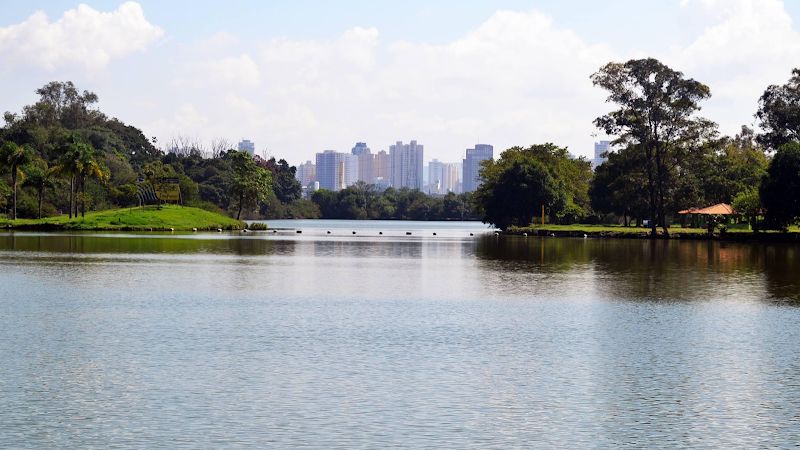
Parque Ecológico do Tietê stands as one of São Paulo's most impressive green spaces, spanning a massive area along the Tietê River that offers visitors a genuine escape from the concrete jungle that defines much of the city. This ecological park isn't your typical manicured urban garden - it's a proper ecological reserve that takes conservation seriously while still welcoming thousands of visitors who come seeking nature, recreation, and a breath of fresh air. The park serves multiple purposes, which honestly makes it pretty unique among São Paulo's recreational spaces. It's simultaneously a conservation area for native Brazilian flora and fauna, a research center, an environmental education hub, and a place where families can spend an entire day enjoying outdoor activities. You'll find native plant species carefully preserved throughout the grounds, creating habitats for local wildlife that might otherwise struggle to find homes in this heavily urbanized region. What really sets this place apart is its commitment to showing visitors what the Atlantic Forest ecosystem originally looked like before São Paulo's explosive growth. The park features several distinct ecological zones where different native species thrive, and if you're patient and observant, you might spot some of Brazil's fascinating wildlife going about their daily business. The museum on site complements the outdoor experience by providing educational context about the region's ecology and the importance of environmental preservation. And here's something that surprised me when I first learned about it - the park actually plays a crucial role in the broader environmental management of the Tietê River basin. It's not just a pretty face; it's doing real work to help with water management and ecological restoration in an area that's faced serious environmental challenges over the decades.

Key Features

Visitors to Parque Ecológico do Tietê will discover an impressive range of features and amenities that cater to different interests and age groups:
  • Native Flora and Fauna - Carefully maintained ecological zones showcase plant species indigenous to the region, with designated areas where visitors can observe local wildlife in relatively natural settings
  • Environmental Museum - Educational exhibits that explain the ecological importance of the Tietê River basin and the Atlantic Forest ecosystem, perfect for travelers wanting deeper understanding of Brazilian environmental issues
  • Paddle Boat Rentals - One of the park's most popular activities, allowing visitors to explore the waterways at a leisurely pace while enjoying unique perspectives of the landscape
  • Extensive Trail System - Multiple hiking paths of varying difficulty levels wind through different ecological zones, suitable for both casual strolls and more serious nature walks
  • Dedicated Cycling Lanes - Well-maintained paths for cyclists who want to cover more ground or simply enjoy pedaling through natural surroundings
  • Complete Picnic Facilities - Numerous picnic tables and barbecue grills scattered throughout the park, making it ideal for family gatherings and outdoor meals
  • Sports Facilities - Basketball courts, volleyball courts, and open spaces for various recreational activities keep active visitors entertained
  • Children's Play Areas - Multiple playgrounds with slides and swings designed for different age groups, plus a skateboarding area for older kids
  • Full Accessibility - Wheelchair-accessible entrances, parking, restrooms, and trails ensure visitors with mobility challenges can enjoy the park
  • Modern Payment Options - Accepts credit cards, debit cards, and mobile payments for rentals and any park services

Best Time to Visit

Timing your visit to Parque Ecológico do Tietê can significantly impact your experience, and there's actually more to consider than just avoiding rain. São Paulo's weather patterns are somewhat unique, and understanding them helps you plan better. The dry season from May through September generally offers the most comfortable conditions for exploring the park. During these months, you'll encounter less humidity, clearer skies, and more predictable weather. But here's the thing - this is also when the park sees heavier visitor numbers, particularly on weekends. If you're someone who prefers solitude while hiking or wants to photograph wildlife without crowds in your shots, this creates a bit of a dilemma. Early morning visits, regardless of season, provide the best opportunities for wildlife observation. Many of the park's resident animals are most active during the cooler morning hours before the heat of the day sets in. Plus, there's something genuinely special about experiencing the park as it wakes up, before the recreational crowds arrive. I'd say aim to be there when the gates open if you're serious about nature observation. Weekdays obviously see fewer visitors than weekends, which makes them ideal for travelers with flexible schedules. The difference is pretty dramatic - weekend afternoons can get quite busy with local families, birthday parties, and social gatherings, while Tuesday or Wednesday mornings might feel almost private. The wetter months from December through March bring lush greenery and fuller waterways, which makes the paddle boating particularly enjoyable. However, afternoon thunderstorms are common during this period, so check weather forecasts and plan activities for earlier in the day. The vegetation is absolutely at its peak during this time though, and the park photographs beautifully with everything so green and alive. Special considerations apply if you're visiting during Brazilian school holidays - typically July, January, and February - when the park experiences significant increases in family visitors. It's not a reason to avoid these times necessarily, but adjust your expectations accordingly.

How to Get There

Reaching Parque Ecológico do Tietê requires some planning since it's located in the eastern zone of São Paulo, away from the main tourist areas where most travelers base themselves. But don't let that discourage you - it's definitely manageable with the right approach. Public transportation to the park involves taking the metro followed by a bus ride. The closest metro station is Corinthians-Itaquera on Line 3 (Red Line). From there, you'll need to catch a bus that serves the park area. The bus journey takes roughly 20-30 minutes depending on traffic. This option works well for budget-conscious travelers, though it does require more time and patience than other methods. Ride-sharing services like Uber or 99 offer the most straightforward option for international visitors unfamiliar with São Paulo's complex bus system. The ride from central São Paulo neighborhoods takes anywhere from 45 minutes to over an hour depending on your starting point and traffic conditions. And let me tell you, São Paulo traffic can be absolutely brutal during rush hours, so factor that into your timing. Starting your journey before 7 AM or after 10 AM helps avoid the worst congestion. For travelers renting cars, the park offers parking facilities including designated wheelchair-accessible spots. Having your own vehicle provides flexibility for carrying picnic supplies or sports equipment, and makes the journey simpler if you're traveling with children or elderly family members. Just be prepared for São Paulo's aggressive driving style and use GPS navigation because the eastern zone isn't particularly intuitive for first-time visitors. Organized tours that include the park as part of broader São Paulo ecological experiences exist, though they're less common than tours focusing on the city's cultural attractions. These can be worth considering if you prefer having everything arranged and want expert commentary about the park's ecological significance.

Tips for Visiting

Making the most of your time at Parque Ecológico do Tietê involves some practical preparation that many first-time visitors overlook. These insights will help you avoid common frustrations and enhance your overall experience. Bring your own food and drinks. While there are some vendors within the park, the selection is limited and prices reflect the captive audience situation. Packing a proper picnic lunch allows you to take full advantage of the barbecue grills and scenic picnic spots scattered throughout the grounds. Don't forget to bring charcoal if you plan to grill - it's not always available for purchase on site. Wear appropriate footwear for hiking, even if you think you'll just be strolling around. Some of the trails can be uneven or muddy, particularly after recent rain. I've seen too many visitors struggling in flip-flops or fashion sneakers when proper hiking shoes would have made their experience so much more enjoyable. Insect repellent is basically mandatory, not optional. You're in an ecological park with preserved natural areas, which means mosquitoes and other insects are part of the package. Apply repellent before you start exploring and reapply as needed throughout the day. This is especially important during the wetter months or near the waterways. Sun protection deserves serious attention. While there's plenty of tree cover in some areas, many of the recreational zones and cycling paths have limited shade. Sunscreen, hats, and sunglasses should be standard equipment. São Paulo's sun can be deceptively strong even on partially cloudy days. If you're planning to rent paddle boats, get there early on weekends. This activity is extremely popular with families, and waits can become lengthy by mid-morning. Weekday visits mean you'll practically have the boats to yourself. Bring binoculars for wildlife observation if you're genuinely interested in spotting the park's animal residents. Many species are shy and keep their distance from human activity, so magnification helps tremendously. The park's staff or museum can provide information about what species are currently active and where they've been spotted recently. Photography enthusiasts should note that the lighting is best during golden hour - the first hour after opening and the last hour before closing. The harsh midday sun creates challenging lighting conditions, particularly in open areas. Keep valuables secure and be generally safety-conscious. While the park itself is generally safe during operating hours, you're still in a major metropolitan area. Don't leave bags unattended at picnic tables, and keep cameras and phones secured when not actively using them. Check the park's operating hours before you go, as they can vary seasonally. There's nothing worse than making the trek across São Paulo only to find the gates closed because you assumed they'd be open. If you're visiting with kids, the birthday party facilities are genuinely excellent and worth considering if your travel dates coincide with a child's special day. The park provides designated party areas with grills and tables, creating memorable celebrations with a nature backdrop that beats typical indoor venues. Consider dedicating at least half a day to your visit - rushing through in an hour or two doesn't do the park justice. There's enough here to easily fill four or five hours, especially if you're combining activities like hiking, paddle boating, and picnicking. The park rewards unhurried exploration and provides a genuine respite from the urban intensity that defines most of the São Paulo experience.

Key Features

  • Key Features
  • Best Time to Visit
  • How to Get There
  • Tips for Visiting

More Details

Updated January 5, 2026

Description

Parque Ecológico do Tietê stands as one of São Paulo’s most impressive green spaces, spanning a massive area along the Tietê River that offers visitors a genuine escape from the concrete jungle that defines much of the city. This ecological park isn’t your typical manicured urban garden – it’s a proper ecological reserve that takes conservation seriously while still welcoming thousands of visitors who come seeking nature, recreation, and a breath of fresh air.

The park serves multiple purposes, which honestly makes it pretty unique among São Paulo’s recreational spaces. It’s simultaneously a conservation area for native Brazilian flora and fauna, a research center, an environmental education hub, and a place where families can spend an entire day enjoying outdoor activities. You’ll find native plant species carefully preserved throughout the grounds, creating habitats for local wildlife that might otherwise struggle to find homes in this heavily urbanized region.

What really sets this place apart is its commitment to showing visitors what the Atlantic Forest ecosystem originally looked like before São Paulo’s explosive growth. The park features several distinct ecological zones where different native species thrive, and if you’re patient and observant, you might spot some of Brazil’s fascinating wildlife going about their daily business. The museum on site complements the outdoor experience by providing educational context about the region’s ecology and the importance of environmental preservation.

And here’s something that surprised me when I first learned about it – the park actually plays a crucial role in the broader environmental management of the Tietê River basin. It’s not just a pretty face; it’s doing real work to help with water management and ecological restoration in an area that’s faced serious environmental challenges over the decades.

Key Features

Visitors to Parque Ecológico do Tietê will discover an impressive range of features and amenities that cater to different interests and age groups:

  • Native Flora and Fauna – Carefully maintained ecological zones showcase plant species indigenous to the region, with designated areas where visitors can observe local wildlife in relatively natural settings
  • Environmental Museum – Educational exhibits that explain the ecological importance of the Tietê River basin and the Atlantic Forest ecosystem, perfect for travelers wanting deeper understanding of Brazilian environmental issues
  • Paddle Boat Rentals – One of the park’s most popular activities, allowing visitors to explore the waterways at a leisurely pace while enjoying unique perspectives of the landscape
  • Extensive Trail System – Multiple hiking paths of varying difficulty levels wind through different ecological zones, suitable for both casual strolls and more serious nature walks
  • Dedicated Cycling Lanes – Well-maintained paths for cyclists who want to cover more ground or simply enjoy pedaling through natural surroundings
  • Complete Picnic Facilities – Numerous picnic tables and barbecue grills scattered throughout the park, making it ideal for family gatherings and outdoor meals
  • Sports Facilities – Basketball courts, volleyball courts, and open spaces for various recreational activities keep active visitors entertained
  • Children’s Play Areas – Multiple playgrounds with slides and swings designed for different age groups, plus a skateboarding area for older kids
  • Full Accessibility – Wheelchair-accessible entrances, parking, restrooms, and trails ensure visitors with mobility challenges can enjoy the park
  • Modern Payment Options – Accepts credit cards, debit cards, and mobile payments for rentals and any park services

Best Time to Visit

Timing your visit to Parque Ecológico do Tietê can significantly impact your experience, and there’s actually more to consider than just avoiding rain. São Paulo’s weather patterns are somewhat unique, and understanding them helps you plan better.

The dry season from May through September generally offers the most comfortable conditions for exploring the park. During these months, you’ll encounter less humidity, clearer skies, and more predictable weather. But here’s the thing – this is also when the park sees heavier visitor numbers, particularly on weekends. If you’re someone who prefers solitude while hiking or wants to photograph wildlife without crowds in your shots, this creates a bit of a dilemma.

Early morning visits, regardless of season, provide the best opportunities for wildlife observation. Many of the park’s resident animals are most active during the cooler morning hours before the heat of the day sets in. Plus, there’s something genuinely special about experiencing the park as it wakes up, before the recreational crowds arrive. I’d say aim to be there when the gates open if you’re serious about nature observation.

Weekdays obviously see fewer visitors than weekends, which makes them ideal for travelers with flexible schedules. The difference is pretty dramatic – weekend afternoons can get quite busy with local families, birthday parties, and social gatherings, while Tuesday or Wednesday mornings might feel almost private.

The wetter months from December through March bring lush greenery and fuller waterways, which makes the paddle boating particularly enjoyable. However, afternoon thunderstorms are common during this period, so check weather forecasts and plan activities for earlier in the day. The vegetation is absolutely at its peak during this time though, and the park photographs beautifully with everything so green and alive.

Special considerations apply if you’re visiting during Brazilian school holidays – typically July, January, and February – when the park experiences significant increases in family visitors. It’s not a reason to avoid these times necessarily, but adjust your expectations accordingly.

How to Get There

Reaching Parque Ecológico do Tietê requires some planning since it’s located in the eastern zone of São Paulo, away from the main tourist areas where most travelers base themselves. But don’t let that discourage you – it’s definitely manageable with the right approach.

Public transportation to the park involves taking the metro followed by a bus ride. The closest metro station is Corinthians-Itaquera on Line 3 (Red Line). From there, you’ll need to catch a bus that serves the park area. The bus journey takes roughly 20-30 minutes depending on traffic. This option works well for budget-conscious travelers, though it does require more time and patience than other methods.

Ride-sharing services like Uber or 99 offer the most straightforward option for international visitors unfamiliar with São Paulo’s complex bus system. The ride from central São Paulo neighborhoods takes anywhere from 45 minutes to over an hour depending on your starting point and traffic conditions. And let me tell you, São Paulo traffic can be absolutely brutal during rush hours, so factor that into your timing. Starting your journey before 7 AM or after 10 AM helps avoid the worst congestion.

For travelers renting cars, the park offers parking facilities including designated wheelchair-accessible spots. Having your own vehicle provides flexibility for carrying picnic supplies or sports equipment, and makes the journey simpler if you’re traveling with children or elderly family members. Just be prepared for São Paulo’s aggressive driving style and use GPS navigation because the eastern zone isn’t particularly intuitive for first-time visitors.

Organized tours that include the park as part of broader São Paulo ecological experiences exist, though they’re less common than tours focusing on the city’s cultural attractions. These can be worth considering if you prefer having everything arranged and want expert commentary about the park’s ecological significance.

Tips for Visiting

Making the most of your time at Parque Ecológico do Tietê involves some practical preparation that many first-time visitors overlook. These insights will help you avoid common frustrations and enhance your overall experience.

Bring your own food and drinks. While there are some vendors within the park, the selection is limited and prices reflect the captive audience situation. Packing a proper picnic lunch allows you to take full advantage of the barbecue grills and scenic picnic spots scattered throughout the grounds. Don’t forget to bring charcoal if you plan to grill – it’s not always available for purchase on site.

Wear appropriate footwear for hiking, even if you think you’ll just be strolling around. Some of the trails can be uneven or muddy, particularly after recent rain. I’ve seen too many visitors struggling in flip-flops or fashion sneakers when proper hiking shoes would have made their experience so much more enjoyable.

Insect repellent is basically mandatory, not optional. You’re in an ecological park with preserved natural areas, which means mosquitoes and other insects are part of the package. Apply repellent before you start exploring and reapply as needed throughout the day. This is especially important during the wetter months or near the waterways.

Sun protection deserves serious attention. While there’s plenty of tree cover in some areas, many of the recreational zones and cycling paths have limited shade. Sunscreen, hats, and sunglasses should be standard equipment. São Paulo’s sun can be deceptively strong even on partially cloudy days.

If you’re planning to rent paddle boats, get there early on weekends. This activity is extremely popular with families, and waits can become lengthy by mid-morning. Weekday visits mean you’ll practically have the boats to yourself.

Bring binoculars for wildlife observation if you’re genuinely interested in spotting the park’s animal residents. Many species are shy and keep their distance from human activity, so magnification helps tremendously. The park’s staff or museum can provide information about what species are currently active and where they’ve been spotted recently.

Photography enthusiasts should note that the lighting is best during golden hour – the first hour after opening and the last hour before closing. The harsh midday sun creates challenging lighting conditions, particularly in open areas.

Keep valuables secure and be generally safety-conscious. While the park itself is generally safe during operating hours, you’re still in a major metropolitan area. Don’t leave bags unattended at picnic tables, and keep cameras and phones secured when not actively using them.

Check the park’s operating hours before you go, as they can vary seasonally. There’s nothing worse than making the trek across São Paulo only to find the gates closed because you assumed they’d be open.

If you’re visiting with kids, the birthday party facilities are genuinely excellent and worth considering if your travel dates coincide with a child’s special day. The park provides designated party areas with grills and tables, creating memorable celebrations with a nature backdrop that beats typical indoor venues.

Consider dedicating at least half a day to your visit – rushing through in an hour or two doesn’t do the park justice. There’s enough here to easily fill four or five hours, especially if you’re combining activities like hiking, paddle boating, and picnicking. The park rewards unhurried exploration and provides a genuine respite from the urban intensity that defines most of the São Paulo experience.

Key Highlights

  • Key Features
  • Best Time to Visit
  • How to Get There
  • Tips for Visiting

Location

Places to Stay Near Parque Ecológico do Tietê

Find and Book a Tour

Explore More Travel Guides

No reviews found! Be the first to review!

Traveler Reviews for Parque Ecológico do Tietê

There are no reviews yet. Be the first one to write one.

Share Your Experience

Have you visited Parque Ecológico do Tietê? Help other travelers by sharing your review.

Find Accommodations Nearby

Recommended Tours & Activities

Visitor Reviews

There are no reviews yet. Be the first one to write one.

Share Your Experience

Have you visited Parque Ecológico do Tietê? Help other travelers by leaving a review.