
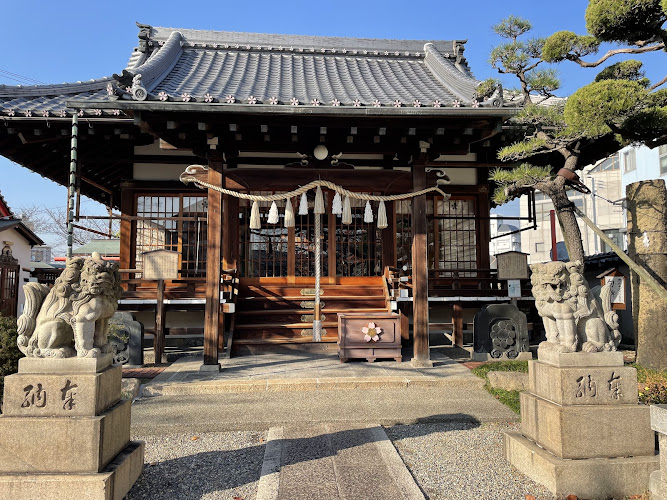
Sakurai Shrine
About Sakurai Shrine
Description
Sakurai Shrine stands as one of those places that manages to surprise travelers who stumble upon it, even though it doesn't always make the glossy magazine spreads about Japan's most famous religious sites. Located in a setting that feels decidedly more intimate than the sprawling temple complexes elsewhere, this Shinto shrine offers visitors something that's becoming increasingly rare in our hyper-connected world – a genuine sense of quiet contemplation without fighting through crowds of selfie-stick wielding tourists. The shrine itself carries that distinctive architectural style you'll find throughout Japan's sacred Shinto spaces, but there's something uniquely approachable about Sakurai. I remember visiting shrines where everything felt almost too pristine, too carefully curated for maximum Instagram appeal. Sakurai doesn't really do that. It exists for its community first and tourists second, which honestly makes it all the more appealing to travelers seeking authentic experiences rather than just checking boxes off a bucket list. What strikes most visitors initially is the unpretentious nature of the place. The grounds aren't massive, and you won't find elaborate gardens that require hours to explore. But that's precisely the point. Sakurai Shrine represents everyday spiritual life in Japan – the kind of place where locals stop by on their way to work for a quick prayer, where seasonal festivals bring the community together, and where ancient traditions continue without much fanfare or fuss. The shrine serves dual purposes as both an active place of worship and a tourist attraction, though calling it a "tourist attraction" feels almost reductive. It's more accurate to say that travelers are welcomed as respectful guests rather than customers. This distinction matters more than you might think when you're trying to understand Japanese religious spaces and how they function within their communities.Key Features
Visitors to Sakurai Shrine will discover several noteworthy elements that distinguish it from other religious sites:- Traditional Shinto architectural elements including the distinctive torii gate that marks the boundary between the mundane and the sacred
- A main worship hall (honden) that showcases classic construction techniques passed down through generations
- Seasonal decorations and displays that change throughout the year, reflecting Japan's deep connection to natural cycles
- Prayer plaques (ema) where visitors can write their wishes and hang them alongside those of local worshippers
- Fortune slips (omikuji) available for those wanting to peek into their future prospects
- A purification fountain (temizuya) where visitors perform ritual hand washing before approaching the main shrine
- Stone lanterns and smaller subsidiary shrines scattered throughout the grounds
- Seasonal festivals and ceremonies that provide insight into living Shinto traditions
- A modest but genuine atmosphere that prioritizes spiritual function over tourist spectacle
Best Time to Visit
Timing your visit to Sakurai Shrine can genuinely transform your experience, and I've learned this lesson the hard way at various shrines across Japan. The absolute best times tend to be early morning – we're talking around 7 or 8 AM when the air still holds that crisp freshness and most tourists haven't rolled out of their hotel beds yet. You'll often find yourself sharing the space with just a handful of locals performing their morning rituals, which offers an entirely different vibe than midday visits. Weekdays beat weekends by a considerable margin if you're hoping to avoid crowds. Japanese shrines see significant upticks in visitor numbers on Saturdays and Sundays when locals have free time to visit. But honestly, even weekend crowds at Sakurai won't compare to the tourist hordes you'll encounter at major attractions like Fushimi Inari or Meiji Shrine. Seasonally speaking, each time of year brings its own character to shrine visits. Spring, particularly during cherry blossom season (late March through early April), creates an absolutely beautiful backdrop though you'll share it with more visitors. The pink petals against traditional architecture is cliché for a reason – it's genuinely stunning. Summer brings festivals and ceremonies, but also heat and humidity that can make wandering around somewhat uncomfortable. Fall, specifically November, might actually be the sweet spot. The autumn foliage provides gorgeous colors, temperatures drop to comfortable levels, and you'll often encounter traditional festivals celebrating the harvest season. Winter visits offer the most solitude and a stark, contemplative beauty, though you'll want to bundle up appropriately. New Year's period (hatsumode) sees massive crowds as Japanese people make their traditional first shrine visit of the year. Unless you specifically want to experience this cultural phenomenon, avoid the first few days of January. Similarly, be aware of major festivals on the shrine's calendar, which can either enhance or complicate your visit depending on what you're seeking.How to Get There
Getting to Sakurai Shrine requires a bit more effort than simply hopping off at the nearest train station, but that's part of what keeps it from being overrun. The journey itself becomes part of the experience – you're traveling to somewhere rather than just passing through. Most travelers will find that using Japan's excellent public transportation system is the most practical approach. Depending on your starting point, you'll likely need to combine train and bus travel or be prepared for a moderate walk. Research the specific route from your accommodation beforehand using apps like Google Maps or Hyperdia, which work remarkably well for Japanese transit planning. Buses typically connect larger transport hubs to the general area, though schedules can be less frequent than in major urban centers. And here's a pro tip I wish someone had told me years ago – grab a bus schedule or take a photo of the timetable when you arrive so you're not stuck wondering when the next bus back leaves. Missing the last bus of the evening is a special kind of travel anxiety nobody enjoys. For those renting cars, driving offers flexibility and convenience, particularly if you're visiting multiple sites in the region. However, parking near the shrine may be limited, and as mentioned earlier, there isn't dedicated accessible parking. Navigation systems in rental cars usually work well with the shrine's name entered in Japanese characters, so have that written down or saved on your phone. Taxis are always an option, though they'll cost considerably more than public transit. If you're traveling in a group, though, the per-person cost becomes more reasonable. Some taxi drivers in less touristy areas may have limited English, so having your destination written in Japanese is essential. Whatever transportation method you choose, build in extra time. One of the biggest mistakes travelers make is rushing from place to place without allowing for delays, getting slightly lost, or simply wanting to linger somewhere longer than planned.Tips for Visiting
Visiting any Shinto shrine comes with certain expectations and etiquette that, while not strictly enforced for foreign visitors, demonstrate respect and enhance your experience. Let me share some practical advice I've accumulated over the years. First and foremost, dress modestly and appropriately. You don't need formal wear, but avoid overly revealing clothing, tank tops, or short shorts. Comfortable walking shoes are essential since you'll be on your feet and potentially navigating uneven surfaces. The shrine grounds aren't a fashion show – functionality matters more than style. Photography is generally permitted at Sakurai Shrine, but be thoughtful about it. Never photograph people who are actively praying or participating in ceremonies without permission. Some inner areas may have photography restrictions, so watch for signs or ask if you're unsure. And please, put the selfie stick away. They're awkward, potentially dangerous in crowded spaces, and honestly kind of disrespectful in religious settings. Learn the basic purification ritual at the temizuya before approaching the main shrine. It's simple: take the ladle in your right hand, pour water over your left hand, switch hands and pour over your right, then pour water into your cupped left hand to rinse your mouth (don't drink directly from the ladle), and finally rinse the ladle handle. This entire process takes maybe 30 seconds but shows you've done your homework. When approaching the main shrine, bow slightly before the offering box, toss in a coin (5 yen coins are traditional), bow twice deeply, clap twice, pray or make your wish silently, then bow once more before stepping away. Don't stress too much about getting it perfect – the effort matters more than flawless execution. Bring cash. While Japan is modernizing, many shrines still operate primarily on cash for offerings, purchasing omamori (protective amulets), and other items. Small bills and coins are more appropriate than tossing in large denominations. Visit the shrine office (shamusho) if you're interested in getting a goshuin, which is a commemorative stamp and calligraphy for your temple book. These make wonderful travel mementos and cost typically around 300-500 yen. You'll need to purchase a goshuin book (goshuincho) if you don't already have one. Be mindful of noise levels. Shrines are meant for contemplation, not loud conversations or phone calls. Keep your voice down and set your phone to silent. Actually, better yet, put your phone away entirely except for photos. You'll have a more meaningful experience without constant digital distraction. If you encounter a ceremony or ritual in progress, you're usually welcome to observe quietly from a respectful distance. Don't walk through or interrupt these proceedings, and again, be very conservative with photography during these moments. Lastly, remember that Sakurai Shrine is an active religious site, not a theme park. The people you see praying aren't performers – they're engaged in genuine spiritual practice. Treating their sacred space with the same respect you'd want shown in your own religious or cultural sites goes a long way toward being a responsible traveler rather than just another tourist.Key Features
- Traditional Shinto architectural elements including the distinctive torii gate that marks the boundary between the mundane and the sacred
- A main worship hall (honden) that showcases classic construction techniques passed down through generations
- Seasonal decorations and displays that change throughout the year, reflecting Japan's deep connection to natural cycles
- Prayer plaques (ema) where visitors can write their wishes and hang them alongside those of local worshippers
- Fortune slips (omikuji) available for those wanting to peek into their future prospects
- A purification fountain (temizuya) where visitors perform ritual hand washing before approaching the main shrine
- Stone lanterns and smaller subsidiary shrines scattered throughout the grounds
- Seasonal festivals and ceremonies that provide insight into living Shinto traditions
More Details
Updated January 18, 2026
Table of Contents
Description
Sakurai Shrine stands as one of those places that manages to surprise travelers who stumble upon it, even though it doesn’t always make the glossy magazine spreads about Japan’s most famous religious sites. Located in a setting that feels decidedly more intimate than the sprawling temple complexes elsewhere, this Shinto shrine offers visitors something that’s becoming increasingly rare in our hyper-connected world – a genuine sense of quiet contemplation without fighting through crowds of selfie-stick wielding tourists.
The shrine itself carries that distinctive architectural style you’ll find throughout Japan’s sacred Shinto spaces, but there’s something uniquely approachable about Sakurai. I remember visiting shrines where everything felt almost too pristine, too carefully curated for maximum Instagram appeal. Sakurai doesn’t really do that. It exists for its community first and tourists second, which honestly makes it all the more appealing to travelers seeking authentic experiences rather than just checking boxes off a bucket list.
What strikes most visitors initially is the unpretentious nature of the place. The grounds aren’t massive, and you won’t find elaborate gardens that require hours to explore. But that’s precisely the point. Sakurai Shrine represents everyday spiritual life in Japan – the kind of place where locals stop by on their way to work for a quick prayer, where seasonal festivals bring the community together, and where ancient traditions continue without much fanfare or fuss.
The shrine serves dual purposes as both an active place of worship and a tourist attraction, though calling it a “tourist attraction” feels almost reductive. It’s more accurate to say that travelers are welcomed as respectful guests rather than customers. This distinction matters more than you might think when you’re trying to understand Japanese religious spaces and how they function within their communities.
Key Features
Visitors to Sakurai Shrine will discover several noteworthy elements that distinguish it from other religious sites:
- Traditional Shinto architectural elements including the distinctive torii gate that marks the boundary between the mundane and the sacred
- A main worship hall (honden) that showcases classic construction techniques passed down through generations
- Seasonal decorations and displays that change throughout the year, reflecting Japan’s deep connection to natural cycles
- Prayer plaques (ema) where visitors can write their wishes and hang them alongside those of local worshippers
- Fortune slips (omikuji) available for those wanting to peek into their future prospects
- A purification fountain (temizuya) where visitors perform ritual hand washing before approaching the main shrine
- Stone lanterns and smaller subsidiary shrines scattered throughout the grounds
- Seasonal festivals and ceremonies that provide insight into living Shinto traditions
- A modest but genuine atmosphere that prioritizes spiritual function over tourist spectacle
One thing worth mentioning upfront – accessibility at Sakurai Shrine is limited. The site doesn’t have wheelchair accessible entrances or parking facilities, which is unfortunately common among older religious structures in Japan that were built long before modern accessibility standards existed. This isn’t to discourage anyone from visiting, but it’s important information for travelers with mobility concerns to have when planning their itinerary.
Best Time to Visit
Timing your visit to Sakurai Shrine can genuinely transform your experience, and I’ve learned this lesson the hard way at various shrines across Japan. The absolute best times tend to be early morning – we’re talking around 7 or 8 AM when the air still holds that crisp freshness and most tourists haven’t rolled out of their hotel beds yet. You’ll often find yourself sharing the space with just a handful of locals performing their morning rituals, which offers an entirely different vibe than midday visits.
Weekdays beat weekends by a considerable margin if you’re hoping to avoid crowds. Japanese shrines see significant upticks in visitor numbers on Saturdays and Sundays when locals have free time to visit. But honestly, even weekend crowds at Sakurai won’t compare to the tourist hordes you’ll encounter at major attractions like Fushimi Inari or Meiji Shrine.
Seasonally speaking, each time of year brings its own character to shrine visits. Spring, particularly during cherry blossom season (late March through early April), creates an absolutely beautiful backdrop though you’ll share it with more visitors. The pink petals against traditional architecture is cliché for a reason – it’s genuinely stunning. Summer brings festivals and ceremonies, but also heat and humidity that can make wandering around somewhat uncomfortable.
Fall, specifically November, might actually be the sweet spot. The autumn foliage provides gorgeous colors, temperatures drop to comfortable levels, and you’ll often encounter traditional festivals celebrating the harvest season. Winter visits offer the most solitude and a stark, contemplative beauty, though you’ll want to bundle up appropriately.
New Year’s period (hatsumode) sees massive crowds as Japanese people make their traditional first shrine visit of the year. Unless you specifically want to experience this cultural phenomenon, avoid the first few days of January. Similarly, be aware of major festivals on the shrine’s calendar, which can either enhance or complicate your visit depending on what you’re seeking.
How to Get There
Getting to Sakurai Shrine requires a bit more effort than simply hopping off at the nearest train station, but that’s part of what keeps it from being overrun. The journey itself becomes part of the experience – you’re traveling to somewhere rather than just passing through.
Most travelers will find that using Japan’s excellent public transportation system is the most practical approach. Depending on your starting point, you’ll likely need to combine train and bus travel or be prepared for a moderate walk. Research the specific route from your accommodation beforehand using apps like Google Maps or Hyperdia, which work remarkably well for Japanese transit planning.
Buses typically connect larger transport hubs to the general area, though schedules can be less frequent than in major urban centers. And here’s a pro tip I wish someone had told me years ago – grab a bus schedule or take a photo of the timetable when you arrive so you’re not stuck wondering when the next bus back leaves. Missing the last bus of the evening is a special kind of travel anxiety nobody enjoys.
For those renting cars, driving offers flexibility and convenience, particularly if you’re visiting multiple sites in the region. However, parking near the shrine may be limited, and as mentioned earlier, there isn’t dedicated accessible parking. Navigation systems in rental cars usually work well with the shrine’s name entered in Japanese characters, so have that written down or saved on your phone.
Taxis are always an option, though they’ll cost considerably more than public transit. If you’re traveling in a group, though, the per-person cost becomes more reasonable. Some taxi drivers in less touristy areas may have limited English, so having your destination written in Japanese is essential.
Whatever transportation method you choose, build in extra time. One of the biggest mistakes travelers make is rushing from place to place without allowing for delays, getting slightly lost, or simply wanting to linger somewhere longer than planned.
Tips for Visiting
Visiting any Shinto shrine comes with certain expectations and etiquette that, while not strictly enforced for foreign visitors, demonstrate respect and enhance your experience. Let me share some practical advice I’ve accumulated over the years.
First and foremost, dress modestly and appropriately. You don’t need formal wear, but avoid overly revealing clothing, tank tops, or short shorts. Comfortable walking shoes are essential since you’ll be on your feet and potentially navigating uneven surfaces. The shrine grounds aren’t a fashion show – functionality matters more than style.
Photography is generally permitted at Sakurai Shrine, but be thoughtful about it. Never photograph people who are actively praying or participating in ceremonies without permission. Some inner areas may have photography restrictions, so watch for signs or ask if you’re unsure. And please, put the selfie stick away. They’re awkward, potentially dangerous in crowded spaces, and honestly kind of disrespectful in religious settings.
Learn the basic purification ritual at the temizuya before approaching the main shrine. It’s simple: take the ladle in your right hand, pour water over your left hand, switch hands and pour over your right, then pour water into your cupped left hand to rinse your mouth (don’t drink directly from the ladle), and finally rinse the ladle handle. This entire process takes maybe 30 seconds but shows you’ve done your homework.
When approaching the main shrine, bow slightly before the offering box, toss in a coin (5 yen coins are traditional), bow twice deeply, clap twice, pray or make your wish silently, then bow once more before stepping away. Don’t stress too much about getting it perfect – the effort matters more than flawless execution.
Bring cash. While Japan is modernizing, many shrines still operate primarily on cash for offerings, purchasing omamori (protective amulets), and other items. Small bills and coins are more appropriate than tossing in large denominations.
Visit the shrine office (shamusho) if you’re interested in getting a goshuin, which is a commemorative stamp and calligraphy for your temple book. These make wonderful travel mementos and cost typically around 300-500 yen. You’ll need to purchase a goshuin book (goshuincho) if you don’t already have one.
Be mindful of noise levels. Shrines are meant for contemplation, not loud conversations or phone calls. Keep your voice down and set your phone to silent. Actually, better yet, put your phone away entirely except for photos. You’ll have a more meaningful experience without constant digital distraction.
If you encounter a ceremony or ritual in progress, you’re usually welcome to observe quietly from a respectful distance. Don’t walk through or interrupt these proceedings, and again, be very conservative with photography during these moments.
Lastly, remember that Sakurai Shrine is an active religious site, not a theme park. The people you see praying aren’t performers – they’re engaged in genuine spiritual practice. Treating their sacred space with the same respect you’d want shown in your own religious or cultural sites goes a long way toward being a responsible traveler rather than just another tourist.
Key Highlights
- Traditional Shinto architectural elements including the distinctive torii gate that marks the boundary between the mundane and the sacred
- A main worship hall (honden) that showcases classic construction techniques passed down through generations
- Seasonal decorations and displays that change throughout the year, reflecting Japan's deep connection to natural cycles
- Prayer plaques (ema) where visitors can write their wishes and hang them alongside those of local worshippers
- Fortune slips (omikuji) available for those wanting to peek into their future prospects
- A purification fountain (temizuya) where visitors perform ritual hand washing before approaching the main shrine
- Stone lanterns and smaller subsidiary shrines scattered throughout the grounds
- Seasonal festivals and ceremonies that provide insight into living Shinto traditions
Location
Places to Stay Near Sakurai Shrine
Find and Book a Tour
Explore More Travel Guides
No reviews found! Be the first to review!
Traveler Reviews for Sakurai Shrine
There are no reviews yet. Be the first one to write one.
Have you visited Sakurai Shrine? Help other travelers by sharing your review.
You Might Also Like
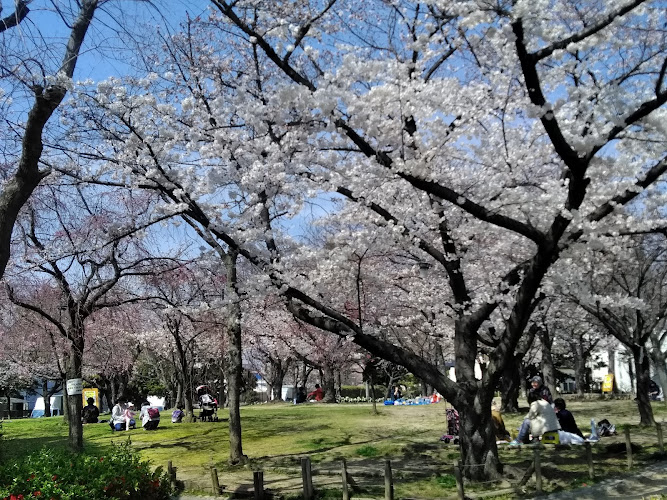
Chikamatsu Park
Kukuchi 1
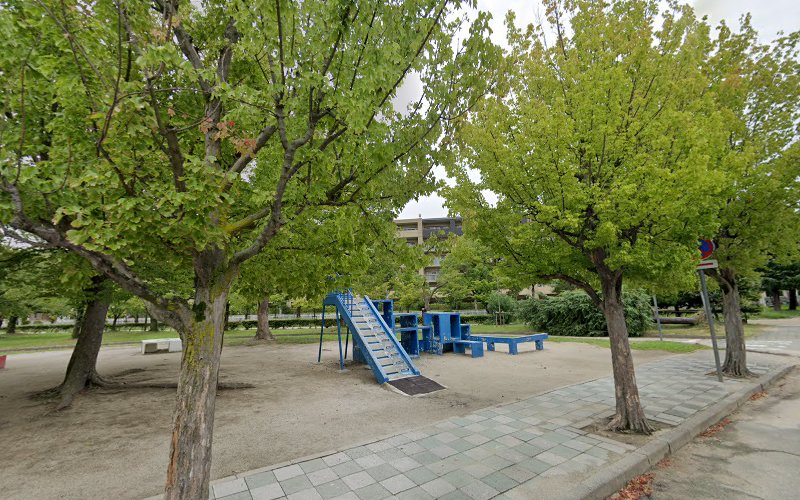
Nishimuko Park
Find Accommodations Nearby
Recommended Tours & Activities
Visitor Reviews
There are no reviews yet. Be the first one to write one.
Share Your Experience
Have you visited Sakurai Shrine? Help other travelers by leaving a review.