
Tomatsu Shrine
About Tomatsu Shrine
Description
Planning a visit somewhere special requires knowing what you're getting into, and honestly, that's where the real adventure begins. When you're looking at destinations that promise unique experiences, you want the full picture - the good, the potentially challenging, and everything in between. And that's exactly what travelers deserve when considering any location. The thing about travel is that it's deeply personal. What works brilliantly for one person might not click for another, and that's perfectly fine. Over the years, I've learned that the best trips come from having realistic expectations mixed with a healthy dose of curiosity. You know that feeling when you arrive somewhere and it's exactly what you hoped for? That comes from doing your homework beforehand. Think about what draws you to a place in the first place. Is it the cultural immersion? The chance to step outside your everyday routine? The opportunity to create memories that'll stick with you long after you've unpacked your suitcase? Whatever your motivation, understanding a destination's character helps you decide if it's the right fit for your travel style. From what seasoned travelers report, experiences at various destinations can vary quite a bit depending on timing, preparation, and personal preferences. Some visitors find exactly what they're searching for, while others discover unexpected surprises - both delightful and occasionally frustrating. That's the nature of exploration, isn't it? I remember talking with a friend who always says that the best travel experiences come when you show up with an open mind but practical expectations. She's not wrong. The destinations that leave lasting impressions aren't always the ones that promise perfection - they're the ones where you connect with something authentic, even if it's a little rough around the edges.Key Features
Understanding what makes a place tick involves looking at its core characteristics. Here's what travelers typically encounter:- Accessibility varies depending on your starting point and chosen transportation method, so planning ahead makes a significant difference in your overall experience
- The atmosphere changes throughout the day and across different seasons, offering distinct experiences depending on when you choose to visit
- Local customs and cultural norms play an important role in shaping visitor interactions, making cultural awareness valuable
- Photography opportunities present themselves throughout the area, though lighting and weather conditions significantly impact results
- Fellow travelers you'll encounter range from solo adventurers to families and groups, creating a diverse social environment
- Amenities and facilities meet basic needs though travelers should manage expectations accordingly based on the destination's character
- Language considerations may come into play, with varying levels of English spoken depending on the specific area and context
- Budget requirements fluctuate based on travel style, though careful planning helps manage costs effectively
- Safety standards generally align with common travel destinations, though standard precautions always apply
- Duration recommendations depend heavily on individual interests and how deeply you want to engage with the location
Best Time to Visit
Timing can make or break a trip, and I learned this the hard way during a vacation where I showed up right in the middle of monsoon season. Not my finest planning moment, I'll admit. Weather patterns play a huge role in determining ideal visit times. Generally speaking, shoulder seasons - those periods between peak and off-peak times - offer compelling advantages. You'll typically encounter fewer crowds, more reasonable prices, and locals who have more time to interact with visitors. Peak seasons exist for good reasons, though. The weather's usually at its best, everything's operating at full capacity, and there's an energy that comes with everyone being there at the same time. Temperature considerations matter more than some people realize. If you're someone who wilts in extreme heat or shivers at the slightest chill, checking historical weather data for your intended travel dates saves you from packing all wrong. And trust me, there's nothing worse than lugging around a heavy coat you never wear or freezing because you assumed it would be warmer. Local events and festivals can either enhance your visit tremendously or complicate logistics significantly. Sometimes both happen simultaneously. Accommodation prices spike during major events, but the cultural experiences you gain might be worth the extra expense. It depends on your priorities and budget flexibility. School holidays and local vacation periods create predictable crowd patterns. If you're traveling without kids and have flexible scheduling, avoiding these times means you'll have more space to breathe and explore at your own pace. On the flip side, if you're traveling with children, coordinating with school breaks is obviously necessary. Think about what kind of experience you're after. Some travelers thrive in busy, energetic environments where something's always happening. Others prefer quieter times when they can connect more deeply with a place without fighting through crowds. Neither approach is wrong - they're just different, and knowing yourself helps you choose wisely.How to Get There
Getting to your destination is half the journey, as they say. Though honestly, sometimes it feels like the more complicated half. Air travel remains the primary option for most international and long-distance travelers. Major airports serve as gateways, and from there, you've got options. Ground transportation connections vary in quality and convenience, so researching your specific route beforehand prevents arrival-day confusion. I've stood in too many airport arrival halls trying to figure out my next move without having done proper research - don't be like past me. Public transportation offers budget-friendly alternatives when available. Buses, trains, and shared rides can provide authentic local experiences while saving money. The trade-off usually involves additional travel time and potentially less comfort. But if you're the adventurous type who values experience over convenience, these options add character to your journey. Private transportation - whether rental cars, taxis, or ride-sharing services - provides flexibility and comfort at higher costs. The decision between public and private often comes down to group size, budget constraints, and how much independence you want. Traveling with three or more people? Private options start making economic sense. Solo traveler watching every dollar? Public transport's probably your friend. Route planning deserves attention, especially if you're covering significant distances overland. Scenic routes take longer but offer experiences that direct highways can't match. I once took a supposedly "quick" route that turned into an eight-hour odyssey, but the landscapes I witnessed made it worthwhile. Your mileage may vary, literally and figuratively. Pre-booking versus spontaneous arrangements is an eternal travel debate. Booking major transportation in advance usually saves money and guarantees availability during busy periods. However, leaving some flexibility allows you to adjust plans based on weather, energy levels, or unexpected opportunities. Finding the right balance between structure and spontaneity is part of developing your personal travel style.Tips for Visiting
Here's where practical wisdom comes in handy. These aren't just generic tips - they're the kind of insights that make the difference between a good trip and a great one. Pack lighter than you think necessary. Seriously. I know you think you need seven outfit options for a four-day trip, but you don't. Every experienced traveler eventually learns this lesson, usually while struggling with an overstuffed suitcase on cobblestone streets. Bring versatile pieces that mix and match, and remember that laundry facilities exist almost everywhere. Cash versus card is still a relevant consideration despite our increasingly digital world. Carrying some local currency for small purchases, tips, and emergency situations makes sense. But don't go overboard - ATMs are widespread, and carrying large amounts of cash creates unnecessary risk and worry. Hydration and snacks seem obvious, yet you'd be surprised how many travelers forget basics when they're caught up in exploration mode. Keeping water and small snacks handy prevents those moments when hunger and low blood sugar turn you into a less pleasant version of yourself. Your travel companions will thank you. Technology backup plans save the day when your phone dies at the exact moment you need directions. Portable chargers are worth their weight in gold. Screenshots of important confirmations, addresses, and maps work when internet connections fail. And yes, despite what we'd like to believe, internet connections still fail sometimes. Respect local customs and dress codes, especially in culturally conservative areas or religious sites. A little research beforehand prevents awkward situations and shows respect for the communities you're visiting. This isn't about losing yourself or your values - it's about being a considerate guest in someone else's home. Early mornings reward early risers. Popular spots that swarm with people by midday often sit peaceful and beautiful at dawn. Plus, morning light makes everything look better in photos. I'm not naturally a morning person, but some of my favorite travel memories come from forcing myself out of bed before sunrise. Document your experiences, but don't experience everything through a screen. Finding balance between capturing memories and actually living them is increasingly challenging in our smartphone-obsessed world. Take your photos, then put the device away and be present. Travel insurance feels like an unnecessary expense until you need it. Then it becomes the best money you've ever spent. Medical emergencies, trip cancellations, lost luggage - these things happen to real people, not just in cautionary tales. Connect with locals when opportunities arise naturally. Some of the richest travel experiences come from genuine human connections rather than tourist attractions. That conversation with the shop owner, the recommendation from your accommodation host, the fellow passenger who shares their favorite hidden spot - these moments create stories you'll actually tell when you get home. Stay flexible and embrace imperfection. Things will go wrong. Trains get delayed, weather doesn't cooperate, that restaurant everyone recommended turns out to be closed. How you respond to these inevitable hiccups determines whether they become disasters or adventures. Usually, years later, the mishaps make better stories than everything that went according to plan anyway.Key Features
- Main hall rebuilt in 1636 reflecting Momoyama-period heritage
- Traditional Noh and Nagoshi festival performances dedicated at the shrine
- Historical repairs following the Hanshin-Awaji earthquake demonstrating continuity
- Intimate, well-preserved shrine precinct with stone lanterns and seasonal plantings
- Close proximity to other local historical sites in Amagasaki
More Details
Updated January 17, 2026
Table of Contents
Description
Planning a visit somewhere special requires knowing what you’re getting into, and honestly, that’s where the real adventure begins. When you’re looking at destinations that promise unique experiences, you want the full picture – the good, the potentially challenging, and everything in between. And that’s exactly what travelers deserve when considering any location.
The thing about travel is that it’s deeply personal. What works brilliantly for one person might not click for another, and that’s perfectly fine. Over the years, I’ve learned that the best trips come from having realistic expectations mixed with a healthy dose of curiosity. You know that feeling when you arrive somewhere and it’s exactly what you hoped for? That comes from doing your homework beforehand.
Think about what draws you to a place in the first place. Is it the cultural immersion? The chance to step outside your everyday routine? The opportunity to create memories that’ll stick with you long after you’ve unpacked your suitcase? Whatever your motivation, understanding a destination’s character helps you decide if it’s the right fit for your travel style.
From what seasoned travelers report, experiences at various destinations can vary quite a bit depending on timing, preparation, and personal preferences. Some visitors find exactly what they’re searching for, while others discover unexpected surprises – both delightful and occasionally frustrating. That’s the nature of exploration, isn’t it?
I remember talking with a friend who always says that the best travel experiences come when you show up with an open mind but practical expectations. She’s not wrong. The destinations that leave lasting impressions aren’t always the ones that promise perfection – they’re the ones where you connect with something authentic, even if it’s a little rough around the edges.
Key Features
Understanding what makes a place tick involves looking at its core characteristics. Here’s what travelers typically encounter:
- Accessibility varies depending on your starting point and chosen transportation method, so planning ahead makes a significant difference in your overall experience
- The atmosphere changes throughout the day and across different seasons, offering distinct experiences depending on when you choose to visit
- Local customs and cultural norms play an important role in shaping visitor interactions, making cultural awareness valuable
- Photography opportunities present themselves throughout the area, though lighting and weather conditions significantly impact results
- Fellow travelers you’ll encounter range from solo adventurers to families and groups, creating a diverse social environment
- Amenities and facilities meet basic needs though travelers should manage expectations accordingly based on the destination’s character
- Language considerations may come into play, with varying levels of English spoken depending on the specific area and context
- Budget requirements fluctuate based on travel style, though careful planning helps manage costs effectively
- Safety standards generally align with common travel destinations, though standard precautions always apply
- Duration recommendations depend heavily on individual interests and how deeply you want to engage with the location
But here’s something I’ve noticed from countless travel conversations – features on paper don’t always tell the complete story. The real magic happens in those unplanned moments between the scheduled activities. Sometimes it’s a conversation with a local vendor, other times it’s stumbling upon a viewpoint that wasn’t in your guidebook.
Best Time to Visit
Timing can make or break a trip, and I learned this the hard way during a vacation where I showed up right in the middle of monsoon season. Not my finest planning moment, I’ll admit.
Weather patterns play a huge role in determining ideal visit times. Generally speaking, shoulder seasons – those periods between peak and off-peak times – offer compelling advantages. You’ll typically encounter fewer crowds, more reasonable prices, and locals who have more time to interact with visitors. Peak seasons exist for good reasons, though. The weather’s usually at its best, everything’s operating at full capacity, and there’s an energy that comes with everyone being there at the same time.
Temperature considerations matter more than some people realize. If you’re someone who wilts in extreme heat or shivers at the slightest chill, checking historical weather data for your intended travel dates saves you from packing all wrong. And trust me, there’s nothing worse than lugging around a heavy coat you never wear or freezing because you assumed it would be warmer.
Local events and festivals can either enhance your visit tremendously or complicate logistics significantly. Sometimes both happen simultaneously. Accommodation prices spike during major events, but the cultural experiences you gain might be worth the extra expense. It depends on your priorities and budget flexibility.
School holidays and local vacation periods create predictable crowd patterns. If you’re traveling without kids and have flexible scheduling, avoiding these times means you’ll have more space to breathe and explore at your own pace. On the flip side, if you’re traveling with children, coordinating with school breaks is obviously necessary.
Think about what kind of experience you’re after. Some travelers thrive in busy, energetic environments where something’s always happening. Others prefer quieter times when they can connect more deeply with a place without fighting through crowds. Neither approach is wrong – they’re just different, and knowing yourself helps you choose wisely.
How to Get There
Getting to your destination is half the journey, as they say. Though honestly, sometimes it feels like the more complicated half.
Air travel remains the primary option for most international and long-distance travelers. Major airports serve as gateways, and from there, you’ve got options. Ground transportation connections vary in quality and convenience, so researching your specific route beforehand prevents arrival-day confusion. I’ve stood in too many airport arrival halls trying to figure out my next move without having done proper research – don’t be like past me.
Public transportation offers budget-friendly alternatives when available. Buses, trains, and shared rides can provide authentic local experiences while saving money. The trade-off usually involves additional travel time and potentially less comfort. But if you’re the adventurous type who values experience over convenience, these options add character to your journey.
Private transportation – whether rental cars, taxis, or ride-sharing services – provides flexibility and comfort at higher costs. The decision between public and private often comes down to group size, budget constraints, and how much independence you want. Traveling with three or more people? Private options start making economic sense. Solo traveler watching every dollar? Public transport’s probably your friend.
Route planning deserves attention, especially if you’re covering significant distances overland. Scenic routes take longer but offer experiences that direct highways can’t match. I once took a supposedly “quick” route that turned into an eight-hour odyssey, but the landscapes I witnessed made it worthwhile. Your mileage may vary, literally and figuratively.
Pre-booking versus spontaneous arrangements is an eternal travel debate. Booking major transportation in advance usually saves money and guarantees availability during busy periods. However, leaving some flexibility allows you to adjust plans based on weather, energy levels, or unexpected opportunities. Finding the right balance between structure and spontaneity is part of developing your personal travel style.
Tips for Visiting
Here’s where practical wisdom comes in handy. These aren’t just generic tips – they’re the kind of insights that make the difference between a good trip and a great one.
Pack lighter than you think necessary. Seriously. I know you think you need seven outfit options for a four-day trip, but you don’t. Every experienced traveler eventually learns this lesson, usually while struggling with an overstuffed suitcase on cobblestone streets. Bring versatile pieces that mix and match, and remember that laundry facilities exist almost everywhere.
Cash versus card is still a relevant consideration despite our increasingly digital world. Carrying some local currency for small purchases, tips, and emergency situations makes sense. But don’t go overboard – ATMs are widespread, and carrying large amounts of cash creates unnecessary risk and worry.
Hydration and snacks seem obvious, yet you’d be surprised how many travelers forget basics when they’re caught up in exploration mode. Keeping water and small snacks handy prevents those moments when hunger and low blood sugar turn you into a less pleasant version of yourself. Your travel companions will thank you.
Technology backup plans save the day when your phone dies at the exact moment you need directions. Portable chargers are worth their weight in gold. Screenshots of important confirmations, addresses, and maps work when internet connections fail. And yes, despite what we’d like to believe, internet connections still fail sometimes.
Respect local customs and dress codes, especially in culturally conservative areas or religious sites. A little research beforehand prevents awkward situations and shows respect for the communities you’re visiting. This isn’t about losing yourself or your values – it’s about being a considerate guest in someone else’s home.
Early mornings reward early risers. Popular spots that swarm with people by midday often sit peaceful and beautiful at dawn. Plus, morning light makes everything look better in photos. I’m not naturally a morning person, but some of my favorite travel memories come from forcing myself out of bed before sunrise.
Document your experiences, but don’t experience everything through a screen. Finding balance between capturing memories and actually living them is increasingly challenging in our smartphone-obsessed world. Take your photos, then put the device away and be present.
Travel insurance feels like an unnecessary expense until you need it. Then it becomes the best money you’ve ever spent. Medical emergencies, trip cancellations, lost luggage – these things happen to real people, not just in cautionary tales.
Connect with locals when opportunities arise naturally. Some of the richest travel experiences come from genuine human connections rather than tourist attractions. That conversation with the shop owner, the recommendation from your accommodation host, the fellow passenger who shares their favorite hidden spot – these moments create stories you’ll actually tell when you get home.
Stay flexible and embrace imperfection. Things will go wrong. Trains get delayed, weather doesn’t cooperate, that restaurant everyone recommended turns out to be closed. How you respond to these inevitable hiccups determines whether they become disasters or adventures. Usually, years later, the mishaps make better stories than everything that went according to plan anyway.
Key Highlights
- Main hall rebuilt in 1636 reflecting Momoyama-period heritage
- Traditional Noh and Nagoshi festival performances dedicated at the shrine
- Historical repairs following the Hanshin-Awaji earthquake demonstrating continuity
- Intimate, well-preserved shrine precinct with stone lanterns and seasonal plantings
- Close proximity to other local historical sites in Amagasaki
Location
Places to Stay Near Tomatsu Shrine
Find and Book a Tour
Explore More Travel Guides
No reviews found! Be the first to review!
Traveler Reviews for Tomatsu Shrine
There are no reviews yet. Be the first one to write one.
Have you visited Tomatsu Shrine? Help other travelers by sharing your review.
Nearby Attractions
You Might Also Like
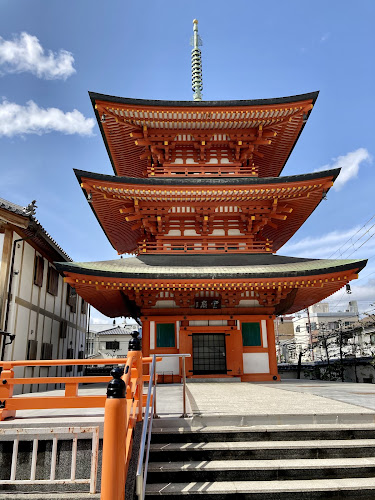
Hokkeshu (Honkoji)
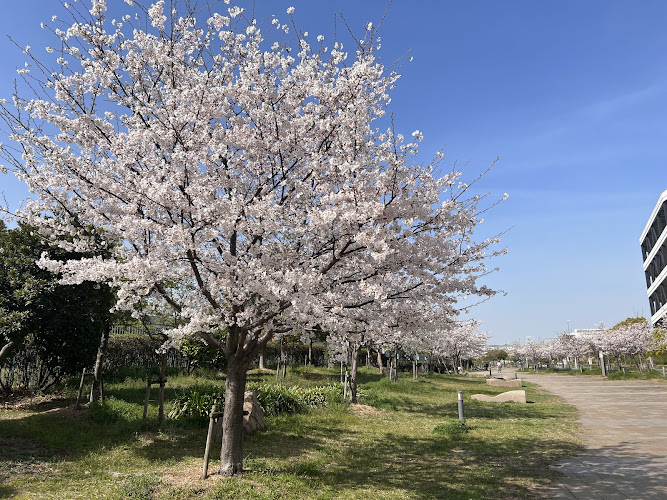
Amagasaki City Agricultural Park
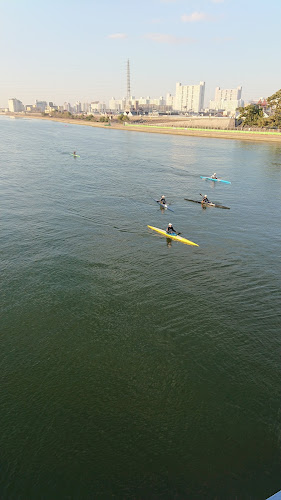
Mukocho
Find Accommodations Nearby
Recommended Tours & Activities
Visitor Reviews
There are no reviews yet. Be the first one to write one.
Share Your Experience
Have you visited Tomatsu Shrine? Help other travelers by leaving a review.