
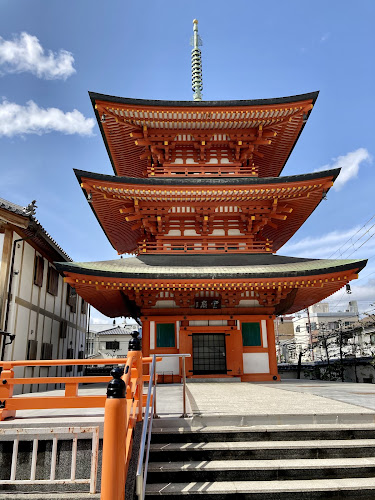
Hokkeshu (Honkoji)
About Hokkeshu (Honkoji)
Description
Hokkeshu Honkoji stands as one of those Buddhist temples in Japan that doesn't necessarily scream for attention, but once you step through its gates, you realize there's something genuinely special happening here. This temple belongs to the Hokke sect of Nichiren Buddhism, and honestly, it's the kind of place that rewards curious travelers who venture beyond the typical tourist circuits. I've always found that the most memorable temple visits happen when you're not entirely sure what to expect, and Honkoji delivers on that front. The atmosphere here feels contemplative without being overly solemn—there's a warmth to the place that makes even first-time visitors feel somewhat at ease. You'll notice right away that this isn't just a photo-op destination. People actually come here to practice their faith, to reflect, and to find a moment of peace away from the noise of daily life. The temple grounds have this lived-in quality that newer or heavily restored temples sometimes lack. And I mean that as a compliment, really. There's authenticity in the worn stone pathways and the way the buildings settle into their surroundings. You get the sense that generations of practitioners have walked these same paths, sat in these same halls, and found whatever they were searching for. For travelers interested in collecting temple stamps—the goshuin—Honkoji participates in this tradition. There's something quietly satisfying about watching the careful calligraphy being applied to your stamp book, each stroke deliberate and practiced. It's become one of those travel rituals I genuinely look forward to, even though I'm not Buddhist myself. The act of collecting these stamps somehow makes you slow down and actually think about where you've been and what you've seen.Key Features
The distinctive elements that make Hokkeshu Honkoji worth your time include several aspects that visitors consistently appreciate:- Authentic Worship Space: Unlike some temples that feel more like museums, this remains an active place of worship where you can witness genuine religious practice and daily rituals
- Goshuin Stamp Collection: The temple offers beautifully crafted temple stamps for those maintaining a pilgrimage book, with skilled practitioners creating each unique impression
- Nichiren Buddhist Heritage: As a Hokke sect temple, it provides insight into this particular branch of Buddhism that emphasizes the Lotus Sutra and has its own distinct practices
- Peaceful Grounds: The temple compound offers quiet spaces for contemplation away from crowded tourist areas, making it ideal for travelers seeking authentic moments
- Accessible Facilities: Practical amenities including restroom facilities ensure visitor comfort during extended stays
- Local Atmosphere: The temple maintains strong connections with the surrounding community, offering travelers a glimpse into everyday Japanese spiritual life
- Architectural Interest: Traditional temple structures showcase classic Buddhist architectural elements without overwhelming restoration that can sometimes strip away character
- Meditation Opportunities: Visitors can often find quiet corners for personal reflection or meditation practice, though formal programs may vary
Best Time to Visit
Timing your visit to Honkoji really depends on what kind of experience you're after. Early mornings, particularly on weekdays, offer the most serene atmosphere. I've found that arriving shortly after the temple opens means you might have entire sections to yourself, which is increasingly rare at Japanese temples these days. Spring brings the expected cherry blossom season, though Honkoji isn't necessarily famous for sakura specifically. But that's actually part of its charm—you can enjoy the season without battling crowds. The temple grounds take on a subtle beauty during this period that feels more intimate than spectacular, and sometimes that's exactly what you need. Autumn presents another excellent window for visiting. The weather cooperates beautifully in October and November, and while you won't find the dramatic fall colors of more mountainous temple settings, there's still a pleasant shift in atmosphere. The light changes, temperatures cool down to comfortable levels, and somehow everything feels a bit more contemplative. Summer can be brutally hot and humid, I won't sugarcoat that. But if you're already in the area and don't mind the weather, you'll definitely avoid crowds. Just bring water and plan for shorter visits during the hottest parts of the day. Winter visits have their own appeal—the quietness intensifies, and there's something about cold weather that makes temple exploration feel particularly purposeful. Weekends see more local visitors, which actually provides its own value. Watching families visit together or elderly practitioners going through their routines gives you perspective on how these spaces function in contemporary Japanese society. It's not just history you're witnessing, but living culture. Special Buddhist holidays and observances can be fascinating times to visit if you want to see the temple in full ceremonial mode. However, these dates change annually and may restrict access to certain areas, so checking ahead makes sense if you're planning around specific dates.How to Get There
Getting to Hokkeshu Honkoji requires a bit more effort than reaching the major temple complexes, and honestly, that's part of what keeps it relatively peaceful. Public transportation in Japan being what it is—which is to say, excellent—you've got solid options for reaching the area. Train travel remains the most straightforward approach for most travelers. Depending on where you're starting from, you'll want to identify the nearest major station and then potentially transfer to local lines. The specifics vary considerably based on the temple's exact location, so spending time with Google Maps or the Hyperdia transit app before you leave your hotel pays off. Local buses often provide the final leg of the journey if the temple sits away from train stations. Japanese bus systems can feel intimidating initially, but they're remarkably reliable once you understand the basics. Bus stops display route numbers clearly, and many now have English signage. That said, having the temple name written in Japanese on your phone helps tremendously when confirming with drivers or fellow passengers. Taxis offer a more straightforward option if you're traveling with others and can split the cost. Simply showing the driver the temple name in Japanese gets you there without navigation stress. The expense is worth it occasionally, particularly if you're visiting multiple sites in a single day and want flexibility. For the adventurous, renting bicycles in the surrounding area can turn temple visiting into a more immersive experience. You cover ground at a human pace, notice details you'd miss from train windows, and feel more connected to the landscape. Just make sure the distance is reasonable and that you're comfortable with Japanese traffic patterns. Walking from nearby stations is absolutely viable for some temple locations. In fact, I'd recommend it when practical. The approach to a temple—the gradual transition from urban or residential areas into sacred space—forms part of the pilgrimage experience that people have been doing for centuries.Tips for Visiting
Preparing properly for your Honkoji visit ensures you'll actually enjoy the experience rather than feeling awkward or unprepared. First things first—dress appropriately. This doesn't mean formal wear, but shoulders and knees should generally be covered. You're entering an active religious site, and showing basic respect through clothing choices matters to the people who worship there. Bring cash. While Japan's been slowly modernizing payment systems, temples typically operate on cash for donations, stamp books, and any small purchases. Having a selection of coins for offering boxes is particularly useful. Nobody expects large donations, but participating in these small rituals enhances your experience. Remove your shoes when entering buildings. This seems obvious to anyone familiar with Japanese customs, but the specifics can vary. Watch what others do and follow their lead. Wear socks without holes—trust me on this one. There's something uncomfortable about suddenly remembering your toe is sticking out while you're trying to maintain respectful composure. Photography deserves careful consideration. Generally, exterior shots and ground photography are fine, but interior spaces and during ceremonies often restrict photos. When in doubt, ask or look for posted signs. And even when photography is permitted, be thoughtful. Nobody wants your camera or phone intruding on their prayer practice. Silence or quiet conversation shows respect for the space and other visitors. Temples aren't libraries exactly, but they're not playgrounds either. Finding that middle ground where you can speak with travel companions without disrupting the atmosphere is part of being a conscientious visitor. If you're interested in participating in any rituals—lighting incense, making offerings, ringing bells—observe first. Watch how practitioners do it, note the sequence and gestures, then give it a try yourself if you feel comfortable. Most temples welcome sincere participation from visitors of any faith background. Timing matters for goshuin stamps. If collecting stamps is important to you, make sure you arrive with enough time before closing. The process takes a few minutes per stamp, and temple staff sometimes need to manage multiple requests. Bringing your own stamp book works better than trying to purchase one and get it stamped in the same rushed visit. Restroom facilities exist at Honkoji, which is genuinely helpful for extended visits. Use them before you desperately need them, as some temple restrooms are more basic than what you might find in modern facilities. Carrying tissues or toilet paper is always smart when temple visiting in Japan. Consider visiting during different times if you fall in love with the place. Morning, afternoon, and evening each offer different qualities of light and different crowds (or lack thereof). Temples reveal different aspects of themselves depending on when you show up. Finally, approach your visit with openness rather than a checklist mentality. The temples that stay with you aren't always the most famous or the most photogenic. Sometimes it's the unexpected quiet moment, the elderly woman carefully arranging flowers, or the way afternoon light hits a wooden beam that becomes your most treasured memory. Honkoji rewards visitors who come ready to experience rather than just see.Key Features
- Key Features
- Best Time to Visit
- How to Get There
- Tips for Visiting
More Details
Updated January 17, 2026
Table of Contents
Description
Hokkeshu Honkoji stands as one of those Buddhist temples in Japan that doesn’t necessarily scream for attention, but once you step through its gates, you realize there’s something genuinely special happening here. This temple belongs to the Hokke sect of Nichiren Buddhism, and honestly, it’s the kind of place that rewards curious travelers who venture beyond the typical tourist circuits.
I’ve always found that the most memorable temple visits happen when you’re not entirely sure what to expect, and Honkoji delivers on that front. The atmosphere here feels contemplative without being overly solemn—there’s a warmth to the place that makes even first-time visitors feel somewhat at ease. You’ll notice right away that this isn’t just a photo-op destination. People actually come here to practice their faith, to reflect, and to find a moment of peace away from the noise of daily life.
The temple grounds have this lived-in quality that newer or heavily restored temples sometimes lack. And I mean that as a compliment, really. There’s authenticity in the worn stone pathways and the way the buildings settle into their surroundings. You get the sense that generations of practitioners have walked these same paths, sat in these same halls, and found whatever they were searching for.
For travelers interested in collecting temple stamps—the goshuin—Honkoji participates in this tradition. There’s something quietly satisfying about watching the careful calligraphy being applied to your stamp book, each stroke deliberate and practiced. It’s become one of those travel rituals I genuinely look forward to, even though I’m not Buddhist myself. The act of collecting these stamps somehow makes you slow down and actually think about where you’ve been and what you’ve seen.
Key Features
The distinctive elements that make Hokkeshu Honkoji worth your time include several aspects that visitors consistently appreciate:
- Authentic Worship Space: Unlike some temples that feel more like museums, this remains an active place of worship where you can witness genuine religious practice and daily rituals
- Goshuin Stamp Collection: The temple offers beautifully crafted temple stamps for those maintaining a pilgrimage book, with skilled practitioners creating each unique impression
- Nichiren Buddhist Heritage: As a Hokke sect temple, it provides insight into this particular branch of Buddhism that emphasizes the Lotus Sutra and has its own distinct practices
- Peaceful Grounds: The temple compound offers quiet spaces for contemplation away from crowded tourist areas, making it ideal for travelers seeking authentic moments
- Accessible Facilities: Practical amenities including restroom facilities ensure visitor comfort during extended stays
- Local Atmosphere: The temple maintains strong connections with the surrounding community, offering travelers a glimpse into everyday Japanese spiritual life
- Architectural Interest: Traditional temple structures showcase classic Buddhist architectural elements without overwhelming restoration that can sometimes strip away character
- Meditation Opportunities: Visitors can often find quiet corners for personal reflection or meditation practice, though formal programs may vary
Best Time to Visit
Timing your visit to Honkoji really depends on what kind of experience you’re after. Early mornings, particularly on weekdays, offer the most serene atmosphere. I’ve found that arriving shortly after the temple opens means you might have entire sections to yourself, which is increasingly rare at Japanese temples these days.
Spring brings the expected cherry blossom season, though Honkoji isn’t necessarily famous for sakura specifically. But that’s actually part of its charm—you can enjoy the season without battling crowds. The temple grounds take on a subtle beauty during this period that feels more intimate than spectacular, and sometimes that’s exactly what you need.
Autumn presents another excellent window for visiting. The weather cooperates beautifully in October and November, and while you won’t find the dramatic fall colors of more mountainous temple settings, there’s still a pleasant shift in atmosphere. The light changes, temperatures cool down to comfortable levels, and somehow everything feels a bit more contemplative.
Summer can be brutally hot and humid, I won’t sugarcoat that. But if you’re already in the area and don’t mind the weather, you’ll definitely avoid crowds. Just bring water and plan for shorter visits during the hottest parts of the day. Winter visits have their own appeal—the quietness intensifies, and there’s something about cold weather that makes temple exploration feel particularly purposeful.
Weekends see more local visitors, which actually provides its own value. Watching families visit together or elderly practitioners going through their routines gives you perspective on how these spaces function in contemporary Japanese society. It’s not just history you’re witnessing, but living culture.
Special Buddhist holidays and observances can be fascinating times to visit if you want to see the temple in full ceremonial mode. However, these dates change annually and may restrict access to certain areas, so checking ahead makes sense if you’re planning around specific dates.
How to Get There
Getting to Hokkeshu Honkoji requires a bit more effort than reaching the major temple complexes, and honestly, that’s part of what keeps it relatively peaceful. Public transportation in Japan being what it is—which is to say, excellent—you’ve got solid options for reaching the area.
Train travel remains the most straightforward approach for most travelers. Depending on where you’re starting from, you’ll want to identify the nearest major station and then potentially transfer to local lines. The specifics vary considerably based on the temple’s exact location, so spending time with Google Maps or the Hyperdia transit app before you leave your hotel pays off.
Local buses often provide the final leg of the journey if the temple sits away from train stations. Japanese bus systems can feel intimidating initially, but they’re remarkably reliable once you understand the basics. Bus stops display route numbers clearly, and many now have English signage. That said, having the temple name written in Japanese on your phone helps tremendously when confirming with drivers or fellow passengers.
Taxis offer a more straightforward option if you’re traveling with others and can split the cost. Simply showing the driver the temple name in Japanese gets you there without navigation stress. The expense is worth it occasionally, particularly if you’re visiting multiple sites in a single day and want flexibility.
For the adventurous, renting bicycles in the surrounding area can turn temple visiting into a more immersive experience. You cover ground at a human pace, notice details you’d miss from train windows, and feel more connected to the landscape. Just make sure the distance is reasonable and that you’re comfortable with Japanese traffic patterns.
Walking from nearby stations is absolutely viable for some temple locations. In fact, I’d recommend it when practical. The approach to a temple—the gradual transition from urban or residential areas into sacred space—forms part of the pilgrimage experience that people have been doing for centuries.
Tips for Visiting
Preparing properly for your Honkoji visit ensures you’ll actually enjoy the experience rather than feeling awkward or unprepared. First things first—dress appropriately. This doesn’t mean formal wear, but shoulders and knees should generally be covered. You’re entering an active religious site, and showing basic respect through clothing choices matters to the people who worship there.
Bring cash. While Japan’s been slowly modernizing payment systems, temples typically operate on cash for donations, stamp books, and any small purchases. Having a selection of coins for offering boxes is particularly useful. Nobody expects large donations, but participating in these small rituals enhances your experience.
Remove your shoes when entering buildings. This seems obvious to anyone familiar with Japanese customs, but the specifics can vary. Watch what others do and follow their lead. Wear socks without holes—trust me on this one. There’s something uncomfortable about suddenly remembering your toe is sticking out while you’re trying to maintain respectful composure.
Photography deserves careful consideration. Generally, exterior shots and ground photography are fine, but interior spaces and during ceremonies often restrict photos. When in doubt, ask or look for posted signs. And even when photography is permitted, be thoughtful. Nobody wants your camera or phone intruding on their prayer practice.
Silence or quiet conversation shows respect for the space and other visitors. Temples aren’t libraries exactly, but they’re not playgrounds either. Finding that middle ground where you can speak with travel companions without disrupting the atmosphere is part of being a conscientious visitor.
If you’re interested in participating in any rituals—lighting incense, making offerings, ringing bells—observe first. Watch how practitioners do it, note the sequence and gestures, then give it a try yourself if you feel comfortable. Most temples welcome sincere participation from visitors of any faith background.
Timing matters for goshuin stamps. If collecting stamps is important to you, make sure you arrive with enough time before closing. The process takes a few minutes per stamp, and temple staff sometimes need to manage multiple requests. Bringing your own stamp book works better than trying to purchase one and get it stamped in the same rushed visit.
Restroom facilities exist at Honkoji, which is genuinely helpful for extended visits. Use them before you desperately need them, as some temple restrooms are more basic than what you might find in modern facilities. Carrying tissues or toilet paper is always smart when temple visiting in Japan.
Consider visiting during different times if you fall in love with the place. Morning, afternoon, and evening each offer different qualities of light and different crowds (or lack thereof). Temples reveal different aspects of themselves depending on when you show up.
Finally, approach your visit with openness rather than a checklist mentality. The temples that stay with you aren’t always the most famous or the most photogenic. Sometimes it’s the unexpected quiet moment, the elderly woman carefully arranging flowers, or the way afternoon light hits a wooden beam that becomes your most treasured memory. Honkoji rewards visitors who come ready to experience rather than just see.
Key Highlights
- Key Features
- Best Time to Visit
- How to Get There
- Tips for Visiting
Location
Places to Stay Near Hokkeshu (Honkoji)
Find and Book a Tour
Explore More Travel Guides
No reviews found! Be the first to review!
Traveler Reviews for Hokkeshu (Honkoji)
There are no reviews yet. Be the first one to write one.
Have you visited Hokkeshu (Honkoji)? Help other travelers by sharing your review.
You Might Also Like
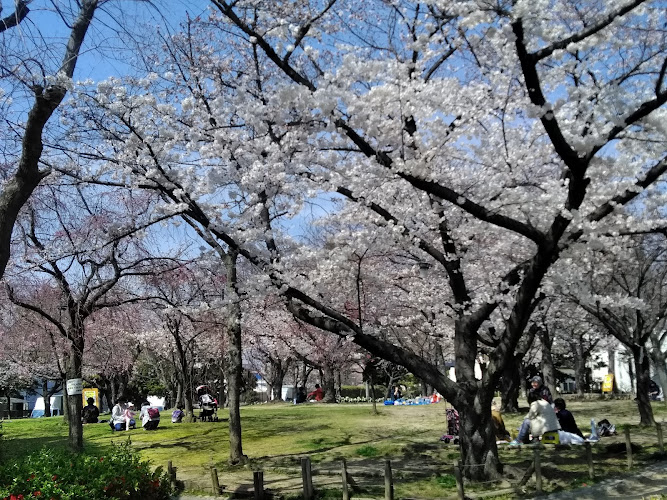
Chikamatsu Park
Tomatsu Shrine
Kukuchi 1
Find Accommodations Nearby
Recommended Tours & Activities
Visitor Reviews
There are no reviews yet. Be the first one to write one.
Share Your Experience
Have you visited Hokkeshu (Honkoji)? Help other travelers by leaving a review.