
Kukuchi 1
About Kukuchi 1
Description
Kukuchi 1 represents one of those places that most travelers pass through without giving it much thought - an intersection group that serves as a crucial junction point in its area. But here's the thing: sometimes the most overlooked spots turn out to be exactly where you need to be, especially if you're trying to navigate efficiently or understand the local geography better. I've always found that intersections tell stories about how a place functions. And Kukuchi 1 is no exception to that rule. It's essentially where different pathways converge, creating a natural meeting point that locals use as a reference landmark. You know how some places just become part of the everyday vocabulary when people give directions? That's what we're looking at here. This isn't your typical tourist destination with guided tours and souvenir shops, I'll be honest about that upfront. Instead, Kukuchi 1 functions as a practical waypoint that helps orient visitors and residents alike. The intersection serves its purpose without pretense, which in today's world of over-commercialized travel experiences, feels almost refreshing in its simplicity. What makes this location noteworthy is its role in the broader transportation network. Travelers heading to various destinations in the surrounding area will likely find themselves either passing through or using Kukuchi 1 as a reference point when planning their routes. It's one of those spots that appears frequently in local directions - "turn left at Kukuchi 1" or "meet me near Kukuchi 1" - making it an integral part of the area's navigation system.Key Features
The characteristics of Kukuchi 1 might seem straightforward, but understanding what makes this intersection group function can actually save you considerable time and frustration during your travels. Here's what you should know:- Strategic positioning as a central junction point that connects multiple routes and pathways
- Recognition among locals as a reliable landmark for navigation and meeting arrangements
- Accessibility from various directions, making it a practical hub for travelers moving between destinations
- Clear sightlines that help with orientation, particularly useful for first-time visitors trying to get their bearings
- Integration into the local transportation network as a recognized reference point
- Functionality as a decision point where travelers can choose between different route options
- Typical intersection infrastructure that supports safe passage for vehicles and pedestrians
Best Time to Visit
Talking about the "best time" to visit an intersection feels a bit unusual, doesn't it? Yet timing matters here too, just in different ways than you'd consider for traditional attractions. During peak commuting hours - typically early morning around 7-9 AM and late afternoon from 5-7 PM - you'll encounter heavier traffic flow through Kukuchi 1. If you're driving through or need to navigate the area, planning your passage outside these windows makes sense. I learned this the hard way during my own travels, sitting in unnecessarily heavy traffic when a 30-minute delay in departure would've made the journey much smoother. Midday hours generally offer the easiest navigation through the intersection. The roads are clearer, visibility is good, and you can take your time getting oriented without feeling rushed by impatient drivers behind you. This applies whether you're walking, driving, or cycling through the area. Weather conditions also factor into your timing. During rainy seasons or adverse weather events, any intersection becomes trickier to navigate safely. The roads can get slippery, visibility decreases, and traffic patterns change as everyone drives more cautiously. If you're unfamiliar with the area, choosing clear weather days for your initial navigation makes practical sense. For those using Kukuchi 1 as a meeting point - which many locals do - early evenings often work well. The lighting is still decent, the worst of rush hour has passed, and there's generally enough activity that you won't feel isolated waiting for someone. Weekends typically see different traffic patterns than weekdays. Depending on what surrounds Kukuchi 1, you might find either lighter traffic due to reduced commuting or heavier flow if it's near recreational areas that attract weekend visitors.How to Get There
The beauty of an intersection group is that multiple routes lead to it by definition. That's literally what makes it an intersection. Getting to Kukuchi 1 involves identifying which approach makes most sense based on your starting point and travel mode. For drivers, the intersection should appear on most digital navigation apps. Simply input Kukuchi 1 as your destination, and your GPS will route you accordingly. The convergence of multiple roads means you've got options if one route faces congestion or construction delays. I always recommend checking traffic conditions before departing, particularly during times when commuter traffic peaks. Public transportation users should research which bus routes or transit lines service the roads connected to Kukuchi 1. Intersection groups often have stops nearby precisely because they're natural congregation points. Ask locals or check with your accommodation about the most efficient public transit options - they'll know better than any travel guide. Walking to Kukuchi 1 works perfectly fine if you're staying in the vicinity. Use it as I do when exploring new areas - as a landmark to orient yourself. "I'm three blocks east of Kukuchi 1" provides context much better than random street addresses, especially in areas where building numbers don't follow obvious patterns. Cyclists will find that intersection groups like this serve as excellent waypoints for planning longer rides. The multiple connecting roads give you flexibility in route planning, and intersections typically have decent sightlines that improve safety when you're on two wheels. Taxi or ride-share drivers will definitely know Kukuchi 1 if it's an established local landmark. Just mention it by name and they'll get you there without needing to fumble with addresses or GPS coordinates.Tips for Visiting
Here's where I share what I wish someone had told me about navigating intersection points effectively during travels. These insights come from experience, sometimes learned through minor frustrations that you can now avoid. First off, arrive early if you're meeting someone at Kukuchi 1. Intersections don't have waiting lounges or comfortable seating areas. You'll be standing around, and being the person who arrives first beats being the anxious person scanning crowds looking for your party. Take a moment to actually observe the intersection before navigating through it for the first time. Stand at one corner and watch how traffic flows, where pedestrians cross, and how the timing works. Those 5 minutes of observation can prevent confusion or unsafe decisions when you actually make your crossing or turn. Download offline maps on your phone before relying on Kukuchi 1 for navigation. Digital maps work great until you lose signal or your battery dies. Having offline capability means you can still orient yourself using the intersection as a reference point even when technology fails you. Ask locals for directions using Kukuchi 1 as a starting reference. You'll get better, more precise directions when you can say "I'm at Kukuchi 1, how do I get to..." rather than trying to describe some random spot where you're currently standing. Keep your belongings secure. Busy intersections attract crowds, and crowds sometimes include pickpockets. This isn't about paranoia - it's just sensible travel practice in any public congregation area. If you're driving through, know your intended exit route before entering the intersection. Last-minute lane changes at busy junctions create hazards for everyone. Decide your direction in advance and position your vehicle accordingly. Take photos from different angles if you think you'll need to return to Kukuchi 1 later. Visual memory often works better than written directions, and having reference photos on your phone helps you recognize the intersection when approaching from unfamiliar directions. Don't hesitate to pause and regroup. If you get turned around or confused, step aside somewhere safe and reassess. Better to spend an extra few minutes getting oriented than to head confidently in the wrong direction. Finally, remember that intersection groups like Kukuchi 1 serve functional rather than aesthetic purposes. Adjust your expectations accordingly, appreciate them for what they are, and use them as tools for successful navigation rather than destinations unto themselves.Key Features
- Strategic positioning as a central junction point that connects multiple routes and pathways
- Recognition among locals as a reliable landmark for navigation and meeting arrangements
- Accessibility from various directions, making it a practical hub for travelers moving between destinations
- Clear sightlines that help with orientation, particularly useful for first-time visitors trying to get their bearings
- Integration into the local transportation network as a recognized reference point
- Functionality as a decision point where travelers can choose between different route options
- Typical intersection infrastructure that supports safe passage for vehicles and pedestrians
More Details
Updated January 17, 2026
Table of Contents
Description
Kukuchi 1 represents one of those places that most travelers pass through without giving it much thought – an intersection group that serves as a crucial junction point in its area. But here’s the thing: sometimes the most overlooked spots turn out to be exactly where you need to be, especially if you’re trying to navigate efficiently or understand the local geography better.
I’ve always found that intersections tell stories about how a place functions. And Kukuchi 1 is no exception to that rule. It’s essentially where different pathways converge, creating a natural meeting point that locals use as a reference landmark. You know how some places just become part of the everyday vocabulary when people give directions? That’s what we’re looking at here.
This isn’t your typical tourist destination with guided tours and souvenir shops, I’ll be honest about that upfront. Instead, Kukuchi 1 functions as a practical waypoint that helps orient visitors and residents alike. The intersection serves its purpose without pretense, which in today’s world of over-commercialized travel experiences, feels almost refreshing in its simplicity.
What makes this location noteworthy is its role in the broader transportation network. Travelers heading to various destinations in the surrounding area will likely find themselves either passing through or using Kukuchi 1 as a reference point when planning their routes. It’s one of those spots that appears frequently in local directions – “turn left at Kukuchi 1” or “meet me near Kukuchi 1” – making it an integral part of the area’s navigation system.
Key Features
The characteristics of Kukuchi 1 might seem straightforward, but understanding what makes this intersection group function can actually save you considerable time and frustration during your travels. Here’s what you should know:
- Strategic positioning as a central junction point that connects multiple routes and pathways
- Recognition among locals as a reliable landmark for navigation and meeting arrangements
- Accessibility from various directions, making it a practical hub for travelers moving between destinations
- Clear sightlines that help with orientation, particularly useful for first-time visitors trying to get their bearings
- Integration into the local transportation network as a recognized reference point
- Functionality as a decision point where travelers can choose between different route options
- Typical intersection infrastructure that supports safe passage for vehicles and pedestrians
Now, I realize listing features of an intersection might seem odd compared to describing beach resorts or mountain vistas. But practical travel information matters just as much as the glossy stuff, maybe even more so when you’re actually on the ground trying to find your way around an unfamiliar area.
Best Time to Visit
Talking about the “best time” to visit an intersection feels a bit unusual, doesn’t it? Yet timing matters here too, just in different ways than you’d consider for traditional attractions.
During peak commuting hours – typically early morning around 7-9 AM and late afternoon from 5-7 PM – you’ll encounter heavier traffic flow through Kukuchi 1. If you’re driving through or need to navigate the area, planning your passage outside these windows makes sense. I learned this the hard way during my own travels, sitting in unnecessarily heavy traffic when a 30-minute delay in departure would’ve made the journey much smoother.
Midday hours generally offer the easiest navigation through the intersection. The roads are clearer, visibility is good, and you can take your time getting oriented without feeling rushed by impatient drivers behind you. This applies whether you’re walking, driving, or cycling through the area.
Weather conditions also factor into your timing. During rainy seasons or adverse weather events, any intersection becomes trickier to navigate safely. The roads can get slippery, visibility decreases, and traffic patterns change as everyone drives more cautiously. If you’re unfamiliar with the area, choosing clear weather days for your initial navigation makes practical sense.
For those using Kukuchi 1 as a meeting point – which many locals do – early evenings often work well. The lighting is still decent, the worst of rush hour has passed, and there’s generally enough activity that you won’t feel isolated waiting for someone.
Weekends typically see different traffic patterns than weekdays. Depending on what surrounds Kukuchi 1, you might find either lighter traffic due to reduced commuting or heavier flow if it’s near recreational areas that attract weekend visitors.
How to Get There
The beauty of an intersection group is that multiple routes lead to it by definition. That’s literally what makes it an intersection. Getting to Kukuchi 1 involves identifying which approach makes most sense based on your starting point and travel mode.
For drivers, the intersection should appear on most digital navigation apps. Simply input Kukuchi 1 as your destination, and your GPS will route you accordingly. The convergence of multiple roads means you’ve got options if one route faces congestion or construction delays. I always recommend checking traffic conditions before departing, particularly during times when commuter traffic peaks.
Public transportation users should research which bus routes or transit lines service the roads connected to Kukuchi 1. Intersection groups often have stops nearby precisely because they’re natural congregation points. Ask locals or check with your accommodation about the most efficient public transit options – they’ll know better than any travel guide.
Walking to Kukuchi 1 works perfectly fine if you’re staying in the vicinity. Use it as I do when exploring new areas – as a landmark to orient yourself. “I’m three blocks east of Kukuchi 1” provides context much better than random street addresses, especially in areas where building numbers don’t follow obvious patterns.
Cyclists will find that intersection groups like this serve as excellent waypoints for planning longer rides. The multiple connecting roads give you flexibility in route planning, and intersections typically have decent sightlines that improve safety when you’re on two wheels.
Taxi or ride-share drivers will definitely know Kukuchi 1 if it’s an established local landmark. Just mention it by name and they’ll get you there without needing to fumble with addresses or GPS coordinates.
Tips for Visiting
Here’s where I share what I wish someone had told me about navigating intersection points effectively during travels. These insights come from experience, sometimes learned through minor frustrations that you can now avoid.
First off, arrive early if you’re meeting someone at Kukuchi 1. Intersections don’t have waiting lounges or comfortable seating areas. You’ll be standing around, and being the person who arrives first beats being the anxious person scanning crowds looking for your party.
Take a moment to actually observe the intersection before navigating through it for the first time. Stand at one corner and watch how traffic flows, where pedestrians cross, and how the timing works. Those 5 minutes of observation can prevent confusion or unsafe decisions when you actually make your crossing or turn.
Download offline maps on your phone before relying on Kukuchi 1 for navigation. Digital maps work great until you lose signal or your battery dies. Having offline capability means you can still orient yourself using the intersection as a reference point even when technology fails you.
Ask locals for directions using Kukuchi 1 as a starting reference. You’ll get better, more precise directions when you can say “I’m at Kukuchi 1, how do I get to…” rather than trying to describe some random spot where you’re currently standing.
Keep your belongings secure. Busy intersections attract crowds, and crowds sometimes include pickpockets. This isn’t about paranoia – it’s just sensible travel practice in any public congregation area.
If you’re driving through, know your intended exit route before entering the intersection. Last-minute lane changes at busy junctions create hazards for everyone. Decide your direction in advance and position your vehicle accordingly.
Take photos from different angles if you think you’ll need to return to Kukuchi 1 later. Visual memory often works better than written directions, and having reference photos on your phone helps you recognize the intersection when approaching from unfamiliar directions.
Don’t hesitate to pause and regroup. If you get turned around or confused, step aside somewhere safe and reassess. Better to spend an extra few minutes getting oriented than to head confidently in the wrong direction.
Finally, remember that intersection groups like Kukuchi 1 serve functional rather than aesthetic purposes. Adjust your expectations accordingly, appreciate them for what they are, and use them as tools for successful navigation rather than destinations unto themselves.
Key Highlights
- Strategic positioning as a central junction point that connects multiple routes and pathways
- Recognition among locals as a reliable landmark for navigation and meeting arrangements
- Accessibility from various directions, making it a practical hub for travelers moving between destinations
- Clear sightlines that help with orientation, particularly useful for first-time visitors trying to get their bearings
- Integration into the local transportation network as a recognized reference point
- Functionality as a decision point where travelers can choose between different route options
- Typical intersection infrastructure that supports safe passage for vehicles and pedestrians
Location
Places to Stay Near 近松記念館
Find and Book a Tour
Explore More Travel Guides
No reviews found! Be the first to review!
Traveler Reviews for Kukuchi 1
There are no reviews yet. Be the first one to write one.
Have you visited Kukuchi 1? Help other travelers by sharing your review.
You Might Also Like
Tomatsu Shrine
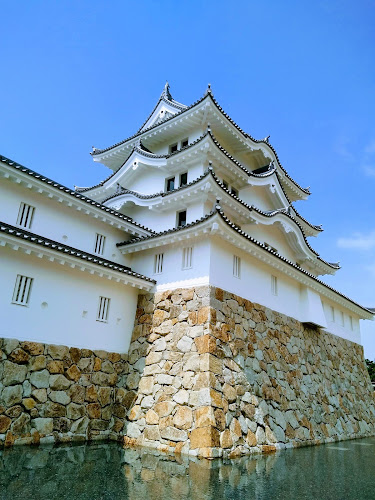
Amagasaki Castle
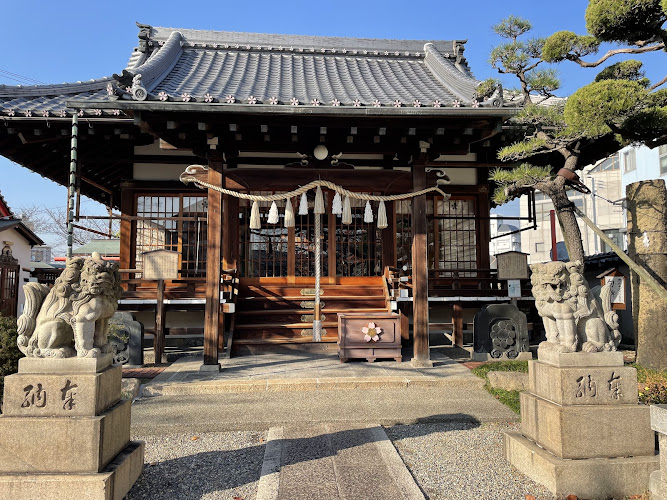
Sakurai Shrine
Find Accommodations Nearby
Recommended Tours & Activities
Visitor Reviews
There are no reviews yet. Be the first one to write one.
Share Your Experience
Have you visited Kukuchi 1? Help other travelers by leaving a review.