
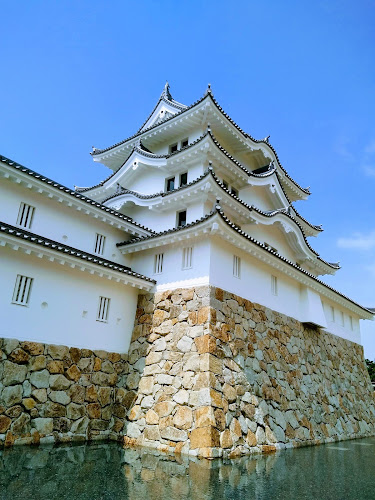
Amagasaki Castle
About Amagasaki Castle
Description
Amagasaki Castle stands as a fascinating window into Japan's Edo period, though honestly, it's not your typical postcard-perfect castle that tourists might initially expect. Built back in 1617, this historical fortress has had quite the journey through the centuries, and what remains today tells a story that's perhaps more authentic than some of the heavily restored castles you'll find elsewhere in Japan. The original structure didn't survive the test of time completely intact – wars, natural disasters, and urban development took their toll over the years. But here's where it gets interesting: what visitors encounter now is a thoughtful blend of archaeological remains and carefully reconstructed walls that give you a real sense of what this place meant to the region during its heyday. I remember when I first started researching Japanese castles, I was surprised to learn that many of them aren't the original buildings at all. Amagasaki takes a different approach though. Instead of building a complete replica tenshu (that's the main tower keep for those unfamiliar with castle terminology), the site preserves what's genuinely historical while adding reconstructed elements that help visitors understand the castle's original layout and defensive capabilities. It's this honest approach to preservation that makes the site genuinely educational rather than just another tourist photo opportunity. The castle grounds function as both an outdoor historical site and a museum, offering travelers multiple ways to engage with the history of this Hyogo Prefecture landmark. You won't find crowds of tourists jostling for selfie spots here, which depending on your travel style, could be either disappointing or refreshing. The atmosphere tends toward quiet contemplation, making it an excellent choice for history enthusiasts who appreciate the chance to really absorb the details without fighting through masses of people.Key Features
The attractions at Amagasaki Castle offer visitors several distinctive experiences: • Reconstructed Stone Walls: The castle's defensive walls have been rebuilt using traditional techniques, demonstrating the impressive engineering skills of Edo-period builders. These massive stone formations show you exactly how feudal lords protected their domains from potential attackers. • Original Castle Ruins: Authentic archaeological remains sit alongside the reconstructed portions, giving history buffs the chance to see genuine 400-year-old foundations and structural elements that survived centuries of change. • Museum Exhibits: The on-site museum houses artifacts recovered from excavations, historical documents, and displays explaining the castle's role in regional politics during the Tokugawa shogunate. Some exhibits rotate seasonally, so repeat visitors might discover something new. • Tenshu Information: While the main tower itself no longer stands in its original form, detailed information and models help visitors visualize what the complete castle complex would have looked like during its operational years. • Educational Signage: Throughout the grounds, you'll find explanatory plaques in both Japanese and English (though the English translations can be a bit quirky at times) that provide context about specific features and their historical significance. • Accessible Design: The site has made genuine efforts to accommodate visitors with mobility concerns, featuring wheelchair-accessible entrances and parking facilities – something that's not always guaranteed at historical sites in Japan. • Photographic Opportunities: The contrast between ancient stonework and modern urban surroundings creates some unexpectedly compelling compositions for photography enthusiasts. • Peaceful Grounds: The relatively compact site includes some pleasant walking areas where visitors can take their time exploring without feeling rushed.Best Time to Visit
Timing your visit to Amagasaki Castle can really shape your experience, and there's no single "perfect" season since different times of year offer distinct advantages. Spring, particularly late March through early April, brings the cherry blossom season that transforms the castle grounds into something quite special. The contrast of delicate pink blossoms against weathered stone walls creates that quintessentially Japanese aesthetic that travelers often seek. But – and this is important – you'll be sharing the experience with more visitors during this peak period. Autumn, roughly mid-November through early December, offers equally stunning visuals when the foliage turns. The cooler temperatures make walking the grounds more comfortable than the often sweltering summer months, and you'll generally encounter fewer tourists than during cherry blossom season. I've found that autumn visits allow for more contemplative exploration since you're not constantly navigating around other groups. Summer can be brutal, honestly. The humidity in this region gets intense, and wandering around stone walls with limited shade isn't everyone's idea of a pleasant afternoon. However, if you don't mind the weather and want the place mostly to yourself, late June through August sees notably fewer visitors. Just bring water and prepare to sweat. Winter months from January through February offer the smallest crowds but also the coldest conditions. The castle takes on a different character under grey winter skies, and photographers might appreciate the more dramatic atmosphere. Plus, indoor museum exhibits provide welcome warmth between outdoor exploration. Weekdays consistently provide a quieter experience than weekends regardless of season. If your schedule allows flexibility, a Tuesday or Wednesday visit typically means you'll have more space to explore at your own pace. The site opens during standard hours year-round, though it's worth checking for occasional closures during national holidays or maintenance periods.How to Get There
Getting to Amagasaki Castle requires a bit more planning than simply hopping off at a castle-named train station, but the journey isn't complicated once you understand the transportation options. The castle sits within Amagasaki city in Hyogo Prefecture, positioned between the major urban centers of Osaka and Kobe. This location actually works to travelers' advantage since multiple transportation routes serve the area. From Osaka, which many international visitors use as their Kansai region base, the most straightforward approach involves taking the JR Tokaido Main Line to Amagasaki Station. The journey takes roughly 10-15 minutes depending on whether you catch a rapid service or local train. Once you arrive at Amagasaki Station, the castle sits about a 15-minute walk to the north. The walk itself takes you through some interesting local neighborhoods that give you a sense of everyday Japanese urban life beyond tourist zones. Alternatively, the Hanshin Railway offers another route from Osaka, stopping at Amagasaki Station on their line. This station is actually different from the JR Amagasaki Station – they're about 10 minutes apart on foot – so make sure you're clear about which line you're taking. The Hanshin option can sometimes be slightly cheaper than JR, though the difference isn't substantial. If you're coming from Kobe, the journey reverses essentially the same routes, with travel time running around 15-20 minutes by train. The JR line again provides the most direct option, though Hanshin serves as a viable alternative. For travelers who prefer not to walk from the station, local buses run in the area, though honestly the walking route is straightforward enough that most visitors just hoof it. Taxis are available at both stations if you're dealing with mobility issues or unfavorable weather, and drivers will know the castle without needing detailed directions – just say "Amagasaki-jo" and you're set. Parking is available for those renting cars, and the facilities accommodate wheelchair users as mentioned earlier. However, navigating Japanese urban areas by car can be stressful for foreign drivers unfamiliar with the roads, so I'd generally recommend the train unless you've got specific reasons for driving.Tips for Visiting
Making the most of your Amagasaki Castle experience involves some practical considerations that'll help you avoid common frustrations. First off, set your expectations appropriately. This isn't Himeji Castle or Osaka Castle with their towering reconstructed keeps and massive tourist infrastructures. What you're getting here is a more intimate, archaeological experience that rewards visitors who appreciate subtlety and historical authenticity over grand spectacle. Bring comfortable walking shoes – seems obvious, but I've seen too many tourists attempting historical sites in impractical footwear. The grounds include uneven surfaces, stone pathways, and areas where you'll want stable footing. Those cute sandals might look great in photos but won't do your feet any favors after an hour of exploring. Budget about 1-2 hours for a thorough visit. You could rush through in 30-45 minutes if you're really pressed for time, but that'd mean missing much of what makes the site worthwhile. The museum portion deserves at least 30 minutes itself, and you'll want time to walk the wall reconstructions and grounds properly. If you're a serious history buff or photographer, give yourself the full two hours or even a bit more. Photography is generally permitted throughout the site, though flash photography might be restricted in certain museum areas. The lighting can be tricky inside, so if you're serious about getting good shots, consider bringing equipment that handles lower light conditions well. Outside, the midday sun creates harsh shadows on the stone walls – early morning or late afternoon light works much better for capturing the texture and character of the stonework. Speaking of which, if you're traveling with kids, the site is definitely family-friendly and the castle concept usually captures children's imagination. However, there aren't interactive exhibits or play areas, so bringing something to keep younger children engaged during the museum portions might save everyone some frustration. The open grounds give kids space to move around though, which helps. Language considerations matter here. While English signage exists throughout the site, it's somewhat limited compared to more major tourist destinations. Having a translation app handy can help you get more context from Japanese-only displays. And don't be shy about asking staff questions – even with language barriers, people are generally helpful and willing to try communicating. Combine your castle visit with exploration of the surrounding Amagasaki area to make a fuller day of it. The neighborhood isn't particularly touristy, which means you'll find authentic local restaurants and shops where you're likely to be the only foreign visitor. Some great little ramen shops and cafes operate within walking distance of the castle grounds. Weather preparation makes a real difference. As mentioned earlier, summer heat can be punishing, so sunscreen, hats, and water bottles become essential. There's limited shade on the grounds. Winter visits require warm layers since you'll be outside examining stone walls in cold conditions. The museum provides climate-controlled relief, but you'll spend significant time outdoors. Finally, don't rush off immediately after visiting the main castle site. The area around the grounds contains some interesting historical markers and secondary sites related to the castle's history that many visitors overlook. Taking an extra 20 minutes to wander the immediate vicinity often reveals unexpected discoveries – a small shrine here, an explanatory stone monument there – that add depth to your understanding of how this castle fit into its community across the centuries.Key Features
- Reconstructed five-story castle tower (2019)
- Interactive exhibits on samurai life, swords, and firearms
- Costume experiences and ninja-themed activities
- Wheelchair-accessible facilities and family-friendly displays
- Located in a public park near Amagasaki Station with moats and gardens
More Details
Updated January 18, 2026
Table of Contents
Description
Amagasaki Castle stands as a fascinating window into Japan’s Edo period, though honestly, it’s not your typical postcard-perfect castle that tourists might initially expect. Built back in 1617, this historical fortress has had quite the journey through the centuries, and what remains today tells a story that’s perhaps more authentic than some of the heavily restored castles you’ll find elsewhere in Japan. The original structure didn’t survive the test of time completely intact – wars, natural disasters, and urban development took their toll over the years. But here’s where it gets interesting: what visitors encounter now is a thoughtful blend of archaeological remains and carefully reconstructed walls that give you a real sense of what this place meant to the region during its heyday.
I remember when I first started researching Japanese castles, I was surprised to learn that many of them aren’t the original buildings at all. Amagasaki takes a different approach though. Instead of building a complete replica tenshu (that’s the main tower keep for those unfamiliar with castle terminology), the site preserves what’s genuinely historical while adding reconstructed elements that help visitors understand the castle’s original layout and defensive capabilities. It’s this honest approach to preservation that makes the site genuinely educational rather than just another tourist photo opportunity.
The castle grounds function as both an outdoor historical site and a museum, offering travelers multiple ways to engage with the history of this Hyogo Prefecture landmark. You won’t find crowds of tourists jostling for selfie spots here, which depending on your travel style, could be either disappointing or refreshing. The atmosphere tends toward quiet contemplation, making it an excellent choice for history enthusiasts who appreciate the chance to really absorb the details without fighting through masses of people.
Key Features
The attractions at Amagasaki Castle offer visitors several distinctive experiences:
• Reconstructed Stone Walls: The castle’s defensive walls have been rebuilt using traditional techniques, demonstrating the impressive engineering skills of Edo-period builders. These massive stone formations show you exactly how feudal lords protected their domains from potential attackers.
• Original Castle Ruins: Authentic archaeological remains sit alongside the reconstructed portions, giving history buffs the chance to see genuine 400-year-old foundations and structural elements that survived centuries of change.
• Museum Exhibits: The on-site museum houses artifacts recovered from excavations, historical documents, and displays explaining the castle’s role in regional politics during the Tokugawa shogunate. Some exhibits rotate seasonally, so repeat visitors might discover something new.
• Tenshu Information: While the main tower itself no longer stands in its original form, detailed information and models help visitors visualize what the complete castle complex would have looked like during its operational years.
• Educational Signage: Throughout the grounds, you’ll find explanatory plaques in both Japanese and English (though the English translations can be a bit quirky at times) that provide context about specific features and their historical significance.
• Accessible Design: The site has made genuine efforts to accommodate visitors with mobility concerns, featuring wheelchair-accessible entrances and parking facilities – something that’s not always guaranteed at historical sites in Japan.
• Photographic Opportunities: The contrast between ancient stonework and modern urban surroundings creates some unexpectedly compelling compositions for photography enthusiasts.
• Peaceful Grounds: The relatively compact site includes some pleasant walking areas where visitors can take their time exploring without feeling rushed.
Best Time to Visit
Timing your visit to Amagasaki Castle can really shape your experience, and there’s no single “perfect” season since different times of year offer distinct advantages. Spring, particularly late March through early April, brings the cherry blossom season that transforms the castle grounds into something quite special. The contrast of delicate pink blossoms against weathered stone walls creates that quintessentially Japanese aesthetic that travelers often seek. But – and this is important – you’ll be sharing the experience with more visitors during this peak period.
Autumn, roughly mid-November through early December, offers equally stunning visuals when the foliage turns. The cooler temperatures make walking the grounds more comfortable than the often sweltering summer months, and you’ll generally encounter fewer tourists than during cherry blossom season. I’ve found that autumn visits allow for more contemplative exploration since you’re not constantly navigating around other groups.
Summer can be brutal, honestly. The humidity in this region gets intense, and wandering around stone walls with limited shade isn’t everyone’s idea of a pleasant afternoon. However, if you don’t mind the weather and want the place mostly to yourself, late June through August sees notably fewer visitors. Just bring water and prepare to sweat.
Winter months from January through February offer the smallest crowds but also the coldest conditions. The castle takes on a different character under grey winter skies, and photographers might appreciate the more dramatic atmosphere. Plus, indoor museum exhibits provide welcome warmth between outdoor exploration.
Weekdays consistently provide a quieter experience than weekends regardless of season. If your schedule allows flexibility, a Tuesday or Wednesday visit typically means you’ll have more space to explore at your own pace. The site opens during standard hours year-round, though it’s worth checking for occasional closures during national holidays or maintenance periods.
How to Get There
Getting to Amagasaki Castle requires a bit more planning than simply hopping off at a castle-named train station, but the journey isn’t complicated once you understand the transportation options. The castle sits within Amagasaki city in Hyogo Prefecture, positioned between the major urban centers of Osaka and Kobe. This location actually works to travelers’ advantage since multiple transportation routes serve the area.
From Osaka, which many international visitors use as their Kansai region base, the most straightforward approach involves taking the JR Tokaido Main Line to Amagasaki Station. The journey takes roughly 10-15 minutes depending on whether you catch a rapid service or local train. Once you arrive at Amagasaki Station, the castle sits about a 15-minute walk to the north. The walk itself takes you through some interesting local neighborhoods that give you a sense of everyday Japanese urban life beyond tourist zones.
Alternatively, the Hanshin Railway offers another route from Osaka, stopping at Amagasaki Station on their line. This station is actually different from the JR Amagasaki Station – they’re about 10 minutes apart on foot – so make sure you’re clear about which line you’re taking. The Hanshin option can sometimes be slightly cheaper than JR, though the difference isn’t substantial.
If you’re coming from Kobe, the journey reverses essentially the same routes, with travel time running around 15-20 minutes by train. The JR line again provides the most direct option, though Hanshin serves as a viable alternative.
For travelers who prefer not to walk from the station, local buses run in the area, though honestly the walking route is straightforward enough that most visitors just hoof it. Taxis are available at both stations if you’re dealing with mobility issues or unfavorable weather, and drivers will know the castle without needing detailed directions – just say “Amagasaki-jo” and you’re set.
Parking is available for those renting cars, and the facilities accommodate wheelchair users as mentioned earlier. However, navigating Japanese urban areas by car can be stressful for foreign drivers unfamiliar with the roads, so I’d generally recommend the train unless you’ve got specific reasons for driving.
Tips for Visiting
Making the most of your Amagasaki Castle experience involves some practical considerations that’ll help you avoid common frustrations. First off, set your expectations appropriately. This isn’t Himeji Castle or Osaka Castle with their towering reconstructed keeps and massive tourist infrastructures. What you’re getting here is a more intimate, archaeological experience that rewards visitors who appreciate subtlety and historical authenticity over grand spectacle.
Bring comfortable walking shoes – seems obvious, but I’ve seen too many tourists attempting historical sites in impractical footwear. The grounds include uneven surfaces, stone pathways, and areas where you’ll want stable footing. Those cute sandals might look great in photos but won’t do your feet any favors after an hour of exploring.
Budget about 1-2 hours for a thorough visit. You could rush through in 30-45 minutes if you’re really pressed for time, but that’d mean missing much of what makes the site worthwhile. The museum portion deserves at least 30 minutes itself, and you’ll want time to walk the wall reconstructions and grounds properly. If you’re a serious history buff or photographer, give yourself the full two hours or even a bit more.
Photography is generally permitted throughout the site, though flash photography might be restricted in certain museum areas. The lighting can be tricky inside, so if you’re serious about getting good shots, consider bringing equipment that handles lower light conditions well. Outside, the midday sun creates harsh shadows on the stone walls – early morning or late afternoon light works much better for capturing the texture and character of the stonework.
Speaking of which, if you’re traveling with kids, the site is definitely family-friendly and the castle concept usually captures children’s imagination. However, there aren’t interactive exhibits or play areas, so bringing something to keep younger children engaged during the museum portions might save everyone some frustration. The open grounds give kids space to move around though, which helps.
Language considerations matter here. While English signage exists throughout the site, it’s somewhat limited compared to more major tourist destinations. Having a translation app handy can help you get more context from Japanese-only displays. And don’t be shy about asking staff questions – even with language barriers, people are generally helpful and willing to try communicating.
Combine your castle visit with exploration of the surrounding Amagasaki area to make a fuller day of it. The neighborhood isn’t particularly touristy, which means you’ll find authentic local restaurants and shops where you’re likely to be the only foreign visitor. Some great little ramen shops and cafes operate within walking distance of the castle grounds.
Weather preparation makes a real difference. As mentioned earlier, summer heat can be punishing, so sunscreen, hats, and water bottles become essential. There’s limited shade on the grounds. Winter visits require warm layers since you’ll be outside examining stone walls in cold conditions. The museum provides climate-controlled relief, but you’ll spend significant time outdoors.
Finally, don’t rush off immediately after visiting the main castle site. The area around the grounds contains some interesting historical markers and secondary sites related to the castle’s history that many visitors overlook. Taking an extra 20 minutes to wander the immediate vicinity often reveals unexpected discoveries – a small shrine here, an explanatory stone monument there – that add depth to your understanding of how this castle fit into its community across the centuries.
Key Highlights
- Reconstructed five-story castle tower (2019)
- Interactive exhibits on samurai life, swords, and firearms
- Costume experiences and ninja-themed activities
- Wheelchair-accessible facilities and family-friendly displays
- Located in a public park near Amagasaki Station with moats and gardens
Location
Places to Stay Near Amagasaki Castle
Find and Book a Tour
Explore More Travel Guides
No reviews found! Be the first to review!
Traveler Reviews for Amagasaki Castle
There are no reviews yet. Be the first one to write one.
Have you visited Amagasaki Castle? Help other travelers by sharing your review.
Nearby Attractions
You Might Also Like
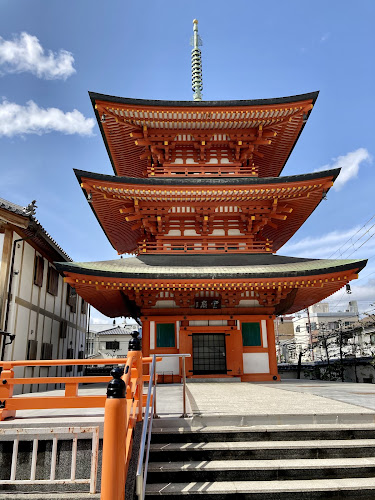
Hokkeshu (Honkoji)
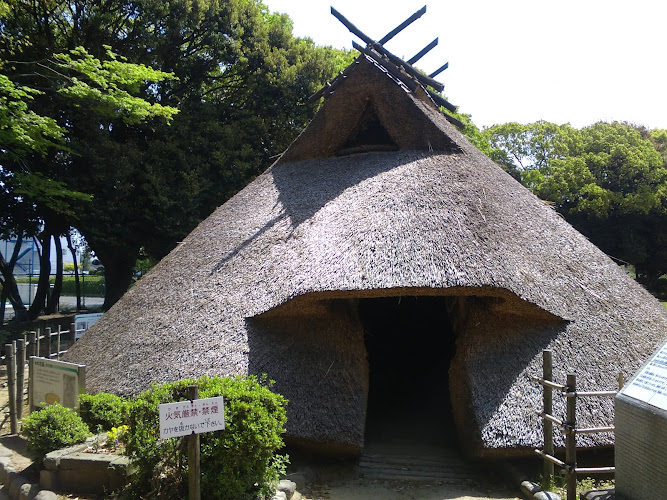
Tano Ruins
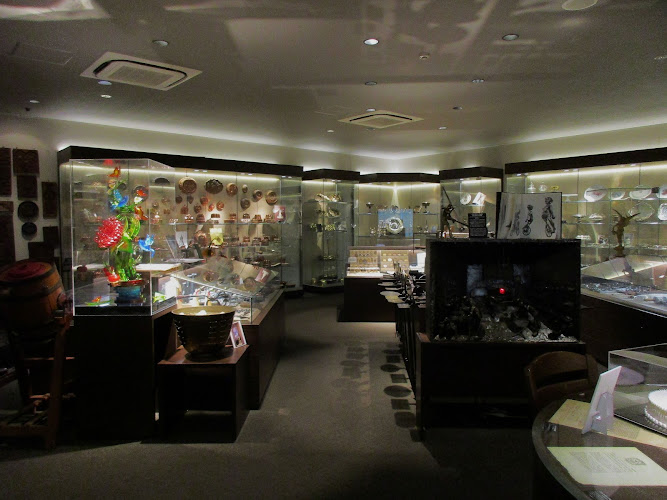
Edelweiss Museum
Find Accommodations Nearby
Recommended Tours & Activities
Visitor Reviews
There are no reviews yet. Be the first one to write one.
Share Your Experience
Have you visited Amagasaki Castle? Help other travelers by leaving a review.