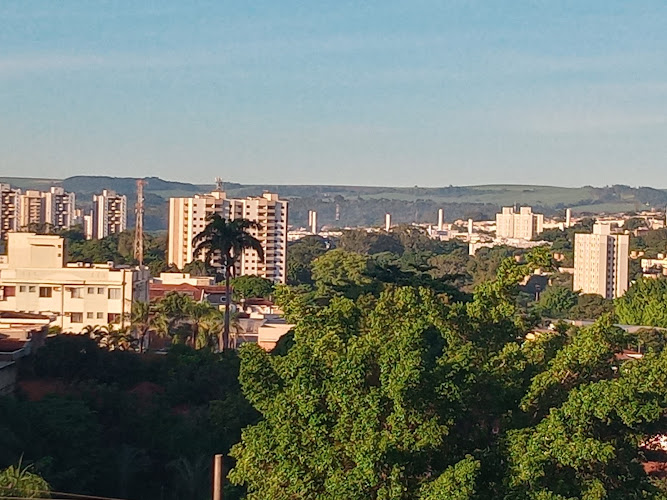
Ribeirão Preto, nestled in the northeast of São Paulo state, is a vibrant city born from the 19th-century coffee boom that transformed Brazil’s interior. A mix of elegant early-20th-century mansions, tree-lined avenues and modern commercial hubs, the city pairs agricultural heritage with a lively cultural scene — craft breweries, music venues and bustling markets. Visitors come for its relaxed urban parks like the expansive Praça XV and the Bosque e Zoo Fábio Barreto, sample locally roasted coffee and artisanal beers, and explore museums that trace regional art and coffee barons’ history. Ribeirão Preto’s culinary scene showcases paulista comfort food alongside inventive contemporary restaurants, and its calendar features festivals and a spirited nightlife fueled by university students and locals alike. Easy to reach by road or a short flight from São Paulo city, Ribeirão Preto is worth a stop for travelers seeking authentic regional Brazil: history, good food and a convivial atmosphere away from crowded tourist corridors.
Highlights & Key Features
Historic coffee-era architecture and museums
Bosque e Zoo Fábio Barreto and pleasant urban parks
Growing craft beer and café culture
Active cultural calendar and nightlife
Convenient transport links to São Paulo and regional destinations
Visitor Guide & Information
Description
Ribeirão Preto sits in the heart of São Paulo state, and honestly, it’s one of those Brazilian cities that doesn’t get nearly enough attention from international travelers. Most people zoom past it on their way to the beaches or the Amazon, but they’re missing out on something genuinely interesting. This isn’t your typical tourist trap with souvenir shops on every corner – it’s a real working city where you can actually experience authentic Brazilian urban life.
The city made its fortune on coffee, and you can still feel that prosperity everywhere you look. The architecture tells stories of boom times when coffee barons built grand theaters and impressive public buildings. Walking through the historic center, you’ll notice the Metropolitan Cathedral with its neo-Gothic spires reaching skyward, standing watch over Praça das Bandeiras. I’ve always thought there’s something special about cities that haven’t been completely overtaken by modern development, where old and new exist side by side without trying too hard to impress anyone.
What strikes most visitors is how the city balances being a significant economic hub with maintaining green spaces and cultural venues. The Ribeirão Preto Art Museum showcases contemporary Brazilian artists whose work you won’t see in the more famous galleries of Rio or São Paulo. And then there’s the Bosque Zoo Fábio Barreto, where local families spend Sunday afternoons watching marmosets swing through trees and capybaras lounge by the water. The Pedro II Theater, with its ornate facade from the 1920s, still hosts opera performances that draw crowds from surrounding regions.
But here’s the thing – Ribeirão Preto isn’t trying to be anything other than itself. It’s a city where students from the respected university fill cafes, where business happens in modern towers, and where you can still find traditional churrascarias serving cuts of meat that’ll make you reconsider everything you thought you knew about steak.
Key Features
The city offers several distinctive experiences that make it worth adding to your Brazilian itinerary:
• The Metropolitan Cathedral stands as an architectural centerpiece with neo-Gothic design elements that photograph beautifully against the tropical sky, particularly during golden hour when the light hits those spires just right
• Praça das Bandeiras provides a central gathering point where locals actually hang out – not just a tourist photo spot but a real community space with shade trees and benches where life happens
• Ribeirão Preto Art Museum houses rotating exhibitions of contemporary Brazilian art, giving visitors insight into current artistic movements that often get overshadowed by Brazil’s more famous historical art scenes
• Bosque Zoo Fábio Barreto brings you face-to-face with native Brazilian wildlife including marmosets, capybaras, and deer in naturalistic settings that prioritize animal welfare over spectacle
• Pedro II Theater represents the cultural ambitions of 1920s coffee wealth with an ornate facade and interior that continues hosting opera and theatrical performances
• The coffee heritage permeates the city through historical fazendas (plantations) in the surrounding region that offer tours explaining how this crop shaped the entire area’s development
• University culture from the Universidade de São Paulo campus creates an energetic atmosphere with affordable restaurants, bookshops, and a younger demographic that keeps things feeling dynamic
• Green spaces throughout the city provide respite from urban density, with parks designed for actual use rather than just decoration
• The culinary scene reflects agricultural abundance with farm-to-table restaurants serving regional specialties you won’t find in coastal cities
• Shopping centers and commercial districts reveal how modern Brazil conducts business, offering a completely different perspective than beach resort towns
Best Time to Visit
Timing your visit to Ribeirão Preto takes a bit more consideration than you might think. The city sits at a higher elevation than coastal areas, which affects the weather patterns significantly.
April through September represents the dry season, and honestly, these months offer the most comfortable conditions for exploring. You’ll experience warm days without the oppressive humidity that can make walking around feel like you’re swimming through the air. The temperatures typically range from pleasant to warm, and you won’t need to carry an umbrella everywhere. I’ve found that May and June are particularly nice – the heat isn’t too intense yet, and you’ll encounter fewer rainy days interrupting your plans.
The wet season runs from October through March, bringing frequent afternoon thunderstorms. Now, these aren’t necessarily deal-breakers. The rain usually comes in dramatic bursts rather than all-day drizzles, so you can plan indoor activities for late afternoon and still enjoy mornings exploring the city. But if you’re not a fan of sudden downpours or dealing with muddy zoo paths, you might want to avoid these months.
July brings the Festival de Música, which attracts performers and audiences from across Brazil. If you’re interested in Brazilian music culture beyond the usual bossa nova and samba stereotypes, this is your moment. Hotels fill up though, so book ahead.
December and January coincide with Brazilian summer holidays, meaning the city gets busier with domestic tourists and locals on vacation. Prices increase, attractions get more crowded, and that authentic local vibe diminishes somewhat. But if you don’t mind sharing the experience with Brazilian families on holiday, the festive atmosphere can be enjoyable.
Honestly, I’d recommend visiting in May, June, or August. You get good weather, reasonable prices, and the city operating at its normal pace rather than tourist mode.
How to Get There
Getting to Ribeirão Preto requires a bit more effort than flying into Rio and catching a taxi, but it’s not complicated once you understand your options.
The city has Leite Lopes Airport, which handles domestic flights from major Brazilian cities. You can fly from São Paulo’s Congonhas or Guarulhos airports in about an hour, which is honestly the most straightforward option if you’re coming from international destinations. The airport sits close to the city center, so ground transportation is quick and affordable. Several airlines service this route multiple times daily, giving you flexibility in scheduling.
From São Paulo city, you can also take buses that run regularly throughout the day. The journey takes around seven hours depending on traffic, but the buses are comfortable – much nicer than what most Americans expect when they hear “bus travel.” Companies like Cometa and Expresso do Sul offer reclining seats, air conditioning, and onboard bathrooms. It’s actually a decent way to see the interior landscape of São Paulo state if you’re not in a rush.
Driving from São Paulo takes about five to six hours via the Anhanguera Highway. The roads are well-maintained, and you’ll pass through sugarcane fields that stretch to the horizon. If you’re planning to explore the surrounding coffee fazendas, having your own vehicle makes sense. But city driving in Brazil can be intense if you’re not used to it, so consider your comfort level before committing to a rental car.
Some travelers arrive via neighboring cities like Belo Horizonte or Campinas, both of which connect through bus services. And if you’re doing a broader tour of interior Brazil, Ribeirão Preto fits nicely into routes that include historical towns like Ouro Preto or natural attractions in Minas Gerais.
The city’s location in the interior means you won’t accidentally stumble upon it – you need to intentionally include it in your plans. But that deliberate journey is part of what keeps it feeling authentic rather than overrun.
Tips for Visiting
Visiting Ribeirão Preto successfully means understanding it as a Brazilian city first and a tourist destination second. That mindset shift makes all the difference.
Learn some Portuguese before you arrive. Unlike major tourist destinations where you can get by with English, most people here conduct daily life in Portuguese only. Download a translation app, learn basic phrases, and don’t be embarrassed about your pronunciation. Brazilians appreciate the effort tremendously, and you’ll have much richer interactions.
The city operates on a different schedule than you might expect. Lunch happens between noon and 2 PM and represents the main meal. Many businesses close during this time, so plan accordingly. Dinner starts late, often after 8 PM, and restaurants stay open much later than in North American cities.
Transportation within the city works primarily through buses and taxis. The bus system is comprehensive but requires understanding routes – ask at your hotel for help navigating it the first time. Uber operates here and honestly makes getting around much simpler, with fares remaining quite affordable by international standards.
Dress more conservatively than you would at beach destinations. This is a business city, and while it’s hot, you’ll feel more comfortable and receive better service when you’re not wearing beachwear downtown. Brazilians in inland cities tend to dress more formally than coastal residents.
The local cuisine deserves your full attention. Skip international chains and seek out rodizios (all-you-can-eat churrascarias) where servers bring endless cuts of meat to your table. Try pão de queijo at breakfast, sample regional specialties like frango com quiabo, and don’t miss the fresh sugarcane juice sold at markets.
Safety requires the same awareness you’d exercise in any mid-sized city. Don’t flash expensive jewelry or cameras unnecessarily, avoid isolated areas after dark, and keep belongings secure in crowded places. But don’t let fear prevent you from experiencing the city – just use common sense.
Banking and money exchange work best if you handle them before arrival. ATMs are widely available and usually offer better exchange rates than hotels or exchange offices. Credit cards work in most establishments, but carry some cash for smaller vendors and markets.
The weekend pace slows considerably, with many businesses closing Saturday afternoon and all day Sunday. Plan museum visits and shopping for weekdays when everything operates on full schedule. Sundays are perfect for parks and outdoor activities when locals fill green spaces for family time.
Photography in churches and museums often requires permission, so ask before snapping pictures. Brazilians are generally friendly about photos in public spaces, but always request permission before photographing individuals.
Climate control in buildings can be aggressive – bring a light jacket for heavily air-conditioned restaurants and theaters even when it’s hot outside. And speaking of climate, sunscreen isn’t optional even when it’s cloudy. The tropical sun is no joke.
Finally, adjust your expectations about timing. Things happen more slowly here than in major metropolitan areas. Embrace the pace rather than fighting it, and you’ll enjoy the experience much more. That leisurely lunch that takes two hours isn’t bad service – it’s just how life moves in this part of Brazil.
Ribeirão Preto sits in the heart of São Paulo state, and honestly, it’s one of those Brazilian cities that doesn’t get nearly enough attention from international travelers. Most people zoom past it on their way to the beaches or the Amazon, but they’re missing out on something genuinely interesting. This isn’t your typical tourist trap with souvenir shops on every corner – it’s a real working city where you can actually experience authentic Brazilian urban life.
The city made its fortune on coffee, and you can still feel that prosperity everywhere you look. The architecture tells stories of boom times when coffee barons built grand theaters and impressive public buildings. Walking through the historic center, you’ll notice the Metropolitan Cathedral with its neo-Gothic spires reaching skyward, standing watch over Praça das Bandeiras. I’ve always thought there’s something special about cities that haven’t been completely overtaken by modern development, where old and new exist side by side without trying too hard to impress anyone.
What strikes most visitors is how the city balances being a significant economic hub with maintaining green spaces and cultural venues. The Ribeirão Preto Art Museum showcases contemporary Brazilian artists whose work you won’t see in the more famous galleries of Rio or São Paulo. And then there’s the Bosque Zoo Fábio Barreto, where local families spend Sunday afternoons watching marmosets swing through trees and capybaras lounge by the water. The Pedro II Theater, with its ornate facade from the 1920s, still hosts opera performances that draw crowds from surrounding regions.
But here’s the thing – Ribeirão Preto isn’t trying to be anything other than itself. It’s a city where students from the respected university fill cafes, where business happens in modern towers, and where you can still find traditional churrascarias serving cuts of meat that’ll make you reconsider everything you thought you knew about steak.
Key Features
The city offers several distinctive experiences that make it worth adding to your Brazilian itinerary:
• The Metropolitan Cathedral stands as an architectural centerpiece with neo-Gothic design elements that photograph beautifully against the tropical sky, particularly during golden hour when the light hits those spires just right
• Praça das Bandeiras provides a central gathering point where locals actually hang out – not just a tourist photo spot but a real community space with shade trees and benches where life happens
• Ribeirão Preto Art Museum houses rotating exhibitions of contemporary Brazilian art, giving visitors insight into current artistic movements that often get overshadowed by Brazil’s more famous historical art scenes
• Bosque Zoo Fábio Barreto brings you face-to-face with native Brazilian wildlife including marmosets, capybaras, and deer in naturalistic settings that prioritize animal welfare over spectacle
• Pedro II Theater represents the cultural ambitions of 1920s coffee wealth with an ornate facade and interior that continues hosting opera and theatrical performances
• The coffee heritage permeates the city through historical fazendas (plantations) in the surrounding region that offer tours explaining how this crop shaped the entire area’s development
• University culture from the Universidade de São Paulo campus creates an energetic atmosphere with affordable restaurants, bookshops, and a younger demographic that keeps things feeling dynamic
• Green spaces throughout the city provide respite from urban density, with parks designed for actual use rather than just decoration
• The culinary scene reflects agricultural abundance with farm-to-table restaurants serving regional specialties you won’t find in coastal cities
• Shopping centers and commercial districts reveal how modern Brazil conducts business, offering a completely different perspective than beach resort towns
Best Time to Visit
Timing your visit to Ribeirão Preto takes a bit more consideration than you might think. The city sits at a higher elevation than coastal areas, which affects the weather patterns significantly.
April through September represents the dry season, and honestly, these months offer the most comfortable conditions for exploring. You’ll experience warm days without the oppressive humidity that can make walking around feel like you’re swimming through the air. The temperatures typically range from pleasant to warm, and you won’t need to carry an umbrella everywhere. I’ve found that May and June are particularly nice – the heat isn’t too intense yet, and you’ll encounter fewer rainy days interrupting your plans.
The wet season runs from October through March, bringing frequent afternoon thunderstorms. Now, these aren’t necessarily deal-breakers. The rain usually comes in dramatic bursts rather than all-day drizzles, so you can plan indoor activities for late afternoon and still enjoy mornings exploring the city. But if you’re not a fan of sudden downpours or dealing with muddy zoo paths, you might want to avoid these months.
July brings the Festival de Música, which attracts performers and audiences from across Brazil. If you’re interested in Brazilian music culture beyond the usual bossa nova and samba stereotypes, this is your moment. Hotels fill up though, so book ahead.
December and January coincide with Brazilian summer holidays, meaning the city gets busier with domestic tourists and locals on vacation. Prices increase, attractions get more crowded, and that authentic local vibe diminishes somewhat. But if you don’t mind sharing the experience with Brazilian families on holiday, the festive atmosphere can be enjoyable.
Honestly, I’d recommend visiting in May, June, or August. You get good weather, reasonable prices, and the city operating at its normal pace rather than tourist mode.
How to Get There
Getting to Ribeirão Preto requires a bit more effort than flying into Rio and catching a taxi, but it’s not complicated once you understand your options.
The city has Leite Lopes Airport, which handles domestic flights from major Brazilian cities. You can fly from São Paulo’s Congonhas or Guarulhos airports in about an hour, which is honestly the most straightforward option if you’re coming from international destinations. The airport sits close to the city center, so ground transportation is quick and affordable. Several airlines service this route multiple times daily, giving you flexibility in scheduling.
From São Paulo city, you can also take buses that run regularly throughout the day. The journey takes around seven hours depending on traffic, but the buses are comfortable – much nicer than what most Americans expect when they hear “bus travel.” Companies like Cometa and Expresso do Sul offer reclining seats, air conditioning, and onboard bathrooms. It’s actually a decent way to see the interior landscape of São Paulo state if you’re not in a rush.
Driving from São Paulo takes about five to six hours via the Anhanguera Highway. The roads are well-maintained, and you’ll pass through sugarcane fields that stretch to the horizon. If you’re planning to explore the surrounding coffee fazendas, having your own vehicle makes sense. But city driving in Brazil can be intense if you’re not used to it, so consider your comfort level before committing to a rental car.
Some travelers arrive via neighboring cities like Belo Horizonte or Campinas, both of which connect through bus services. And if you’re doing a broader tour of interior Brazil, Ribeirão Preto fits nicely into routes that include historical towns like Ouro Preto or natural attractions in Minas Gerais.
The city’s location in the interior means you won’t accidentally stumble upon it – you need to intentionally include it in your plans. But that deliberate journey is part of what keeps it feeling authentic rather than overrun.
Tips for Visiting
Visiting Ribeirão Preto successfully means understanding it as a Brazilian city first and a tourist destination second. That mindset shift makes all the difference.
Learn some Portuguese before you arrive. Unlike major tourist destinations where you can get by with English, most people here conduct daily life in Portuguese only. Download a translation app, learn basic phrases, and don’t be embarrassed about your pronunciation. Brazilians appreciate the effort tremendously, and you’ll have much richer interactions.
The city operates on a different schedule than you might expect. Lunch happens between noon and 2 PM and represents the main meal. Many businesses close during this time, so plan accordingly. Dinner starts late, often after 8 PM, and restaurants stay open much later than in North American cities.
Transportation within the city works primarily through buses and taxis. The bus system is comprehensive but requires understanding routes – ask at your hotel for help navigating it the first time. Uber operates here and honestly makes getting around much simpler, with fares remaining quite affordable by international standards.
Dress more conservatively than you would at beach destinations. This is a business city, and while it’s hot, you’ll feel more comfortable and receive better service when you’re not wearing beachwear downtown. Brazilians in inland cities tend to dress more formally than coastal residents.
The local cuisine deserves your full attention. Skip international chains and seek out rodizios (all-you-can-eat churrascarias) where servers bring endless cuts of meat to your table. Try pão de queijo at breakfast, sample regional specialties like frango com quiabo, and don’t miss the fresh sugarcane juice sold at markets.
Safety requires the same awareness you’d exercise in any mid-sized city. Don’t flash expensive jewelry or cameras unnecessarily, avoid isolated areas after dark, and keep belongings secure in crowded places. But don’t let fear prevent you from experiencing the city – just use common sense.
Banking and money exchange work best if you handle them before arrival. ATMs are widely available and usually offer better exchange rates than hotels or exchange offices. Credit cards work in most establishments, but carry some cash for smaller vendors and markets.
The weekend pace slows considerably, with many businesses closing Saturday afternoon and all day Sunday. Plan museum visits and shopping for weekdays when everything operates on full schedule. Sundays are perfect for parks and outdoor activities when locals fill green spaces for family time.
Photography in churches and museums often requires permission, so ask before snapping pictures. Brazilians are generally friendly about photos in public spaces, but always request permission before photographing individuals.
Climate control in buildings can be aggressive – bring a light jacket for heavily air-conditioned restaurants and theaters even when it’s hot outside. And speaking of climate, sunscreen isn’t optional even when it’s cloudy. The tropical sun is no joke.
Finally, adjust your expectations about timing. Things happen more slowly here than in major metropolitan areas. Embrace the pace rather than fighting it, and you’ll enjoy the experience much more. That leisurely lunch that takes two hours isn’t bad service – it’s just how life moves in this part of Brazil.
Key Highlights
Historic coffee-era architecture and museums
Bosque e Zoo Fábio Barreto and pleasant urban parks
Growing craft beer and café culture
Active cultural calendar and nightlife
Convenient transport links to São Paulo and regional destinations
Ribeirão Preto sits tucked away in northeastern São Paulo state, and honestly, most travelers skip right past it. That’s a shame, because this is Brazil’s agribusiness capital—a city of nearly 700,000 with a fascinating mix of coffee legacy, craft beer, and modern Brazilian energy you just won’t find at the coast.
Locals like to call it the “Brazilian California.” I get why: the economy’s booming, the sun rarely takes a day off, and there’s a certain optimism in the air.
What drew me in was the city’s authenticity. Forget about tour buses or crowds with selfie sticks. Instead, you’ve got the century-old Pedro II Theater still dazzling audiences, leafy parks perfect for evening walks, and a beer scene that—no exaggeration—can hold its own against São Paulo’s.
Getting here is easy enough. Ribeirão Preto sits about 200 miles from São Paulo city, and the highways are in great shape.
If you’re into coffee history, there are museums that dive deep into Brazil’s “green gold” era. Or maybe you’re just after a slice of real urban Brazil, minus the tourist circus. Either way, this city’s got you covered.
Key Takeaways
Ribeirão Preto is Brazil’s agribusiness powerhouse, northeast of São Paulo, home to nearly 700,000 people.
You’ll find historic theaters, leafy parks, buzzing breweries, and coffee heritage sites—real Brazilian culture, no filter.
The city’s easy to reach from São Paulo and offers a refreshingly local vibe.
About Ribeirão Preto
Ribeirão Preto is one of São Paulo state’s inland jewels, built on coffee fortunes and now thriving as the heart of Brazil’s agrobusiness sector.
History and Significance
The city’s official birthday is June 19, 1856. Back then, landowners donated a patch of land for what they called Patrimônio de São Sebastião.
The name Ribeirão Preto? It comes from a dark little stream that still winds through the city.
Coffee changed everything. In the late 1800s and early 1900s, Ribeirão Preto exploded as one of Brazil’s top coffee producers. The money—wow, it poured in and transformed the place. Suddenly, you had grand mansions and cultural hot spots popping up everywhere.
You can still spot echoes of that coffee boom. The Pedro II Theater is a standout—built nearly a century ago, it’s still hosting shows and concerts. That era really stamped its character on the city.
These days, Ribeirão Preto sits about 300 kilometers from São Paulo city, northeast in the state. It’s a modern economic hub, though agrobusiness has mostly nudged coffee aside as top dog.
What Makes It Special
People love calling Ribeirão Preto the “Brazilian California.” I have to admit, the nickname fits. The city leads the country in sugarcane and ethanol production, and you can feel the prosperity—clean streets, lively shopping malls, a nightlife that doesn’t quit.
It’s modern, but there’s still plenty of tradition woven in. And it’s not some tourist trap; it feels genuinely Brazilian. If you want the best weather, shoot for April through September—dry season, so you won’t be dodging tropical downpours.
The cultural scene surprised me. Beyond Pedro II, there’s a real passion for the arts and entertainment. Shopping’s top-notch, and the food? It’s as fresh as you’d expect in the middle of Brazil’s breadbasket.
What to See and Do
You won’t run out of things to do here. Ribeirão Preto has a little bit of everything: culture, green escapes, and a nightlife that’s way livelier than you’d expect in an inland city.
Main Attractions and Highlights
Start with Theatro Pedro II. Even if you’re not catching a show, the architecture alone is worth a look.
Bosque Zoo Fabio Barreto is a favorite with locals. It’s a laid-back spot—zoo, walking trails, picnic lawns. Easy place to lose a few hours.
Art lovers should check out Museu de Arte de Ribeirão Preto (MARP). It’s got a solid collection from Brazilian artists.
The Catedral Metropolitana is hard to miss downtown—imposing and beautiful. If you’re a coffee nerd, the Museu do Café is a must. The coffee boom exhibits are surprisingly interactive and fun.
For some fresh air, head to Parque Curupira (officially Parque Prefeito Luiz Roberto Jábali). Jog, bike, or just sprawl under a tree.
Shopping? Ribeirao Shopping is the go-to, but Iguatemi Ribeirão Preto is more upscale if you’re feeling fancy. Both have a good mix of Brazilian and international shops.
Best Time to Visit
April to September is your sweet spot—temperatures hover between 20°C and 28°C, and rain is rare. Perfect for wandering around.
December to February? Hot, humid, and rainy. Not ideal for sightseeing, unless you love sweating through your shirt.
April and September are especially nice—good weather, fewer crowds. Most places stay open year-round, but it’s just more pleasant in the dry season.
Visitor Information
Ribeirão Preto’s in the northeast of São Paulo state, about 200 miles from the capital. Getting here is painless, whether you’re flying or driving.
Location and How to Get There
Leite Lopes Airport is the city’s own airport—mostly domestic flights, usually from São Paulo’s main hubs.
Driving from São Paulo city takes about three to four hours. The highways are smooth, and the scenery’s surprisingly pretty for an inland route.
Most folks land at Guarulhos International in São Paulo, then either hop a connecting flight or grab a rental car. If you’re not up for driving, regular buses run from São Paulo and other major cities.
Once you’re in Ribeirão Preto, you’ll want a car or at least a rideshare app. The city’s pretty spread out, and public transit isn’t great for getting to all the good spots.
Tips for Visitors
The best time to visit Ribeirão Preto? That’s hands-down during Brazil’s dry season, from April through September. Trust me, you’ll dodge those heavy summer rains and actually want to be outside.
Check locally for opening hours at attractions—they can be all over the place. A lot of restaurants and shops just shut down for a few hours in the afternoon, which honestly surprised me the first time.
This city’s pretty friendly to business travelers, so expect good infrastructure and a few English speakers, especially in hotels or major spots. Still, picking up some basic Portuguese? It’ll make your trip smoother, and locals seem to really appreciate the effort.
Accessibility’s not bad in the newer shopping centers and hotels. Some older historic buildings can be tricky, though. If you’ve got specific needs, call ahead—better safe than frustrated.
Explore verified points of interest within walking or short transit distance.
No neighboring places mapped within 5 km yet.
Find Places to Stay Nearby
Stay22 provides this accommodation search. We may earn a commission if you book through it; verify current prices and terms with the provider.
🗺️
Interactive accommodation map requires marketing cookies to display live rates.
Recommended Experiences & Activities
GetYourGuide provides this tour inventory. We may earn a commission if you book through it; verify current availability, prices, and terms with the provider.
Top Viator Experiences & Guided Tours in Ribeirão Preto
We may earn a commission if you book through links on this page at no extra cost to you. All tours feature verified customer reviews and flexible cancellation options.