About Museu do Café

Description

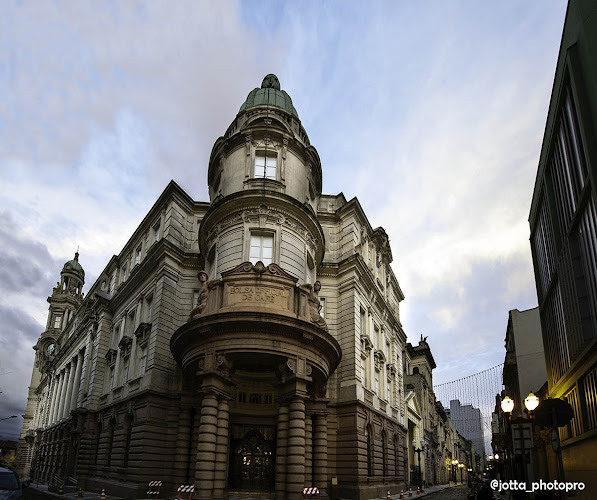
The Museu do Café stands as one of Brazil's most fascinating cultural institutions, dedicated entirely to the bean that shaped the nation's economy and identity for over a century. Located in Santos, this museum occupies a building that's almost as impressive as the story it tells—a beautifully restored commodities exchange that once buzzed with traders shouting prices and sealing deals that would affect global coffee markets. Walking through these halls, visitors discover that coffee isn't just a beverage in Brazil—it's practically woven into the country's DNA. The museum does an exceptional job of explaining how this single crop transformed Brazil from a colonial backwater into an economic powerhouse. And honestly, it's pretty wild to think about how much history can be contained in a single coffee bean. What makes this place special isn't just the historical artifacts and educational displays, though there are plenty of those. It's the way the museum brings the coffee story to life through interactive exhibits, original documents, and artifacts that span centuries of Brazilian agricultural history. You'll find everything from antique processing equipment to photographs of the vast coffee plantations that once dominated the São Paulo countryside. The building itself deserves mention—restored to its former glory, it features stunning architectural details that transport visitors back to the golden age of coffee trading. The old trading floor remains largely intact, giving you a real sense of what it must have been like when fortunes were made and lost based on crop yields and international demand. But here's where it gets really interesting for coffee lovers: the museum doesn't just look backward. There's an onsite café where you can taste exceptional Brazilian coffees, and they even offer barista classes for those who want to level up their coffee-making game. It's this combination of historical education and hands-on experience that sets the Museu do Café apart from your typical museum visit.

Key Features

The Museu do Café offers visitors a comprehensive experience that goes beyond traditional museum displays:
  • Extensive historical exhibits chronicling Brazil's coffee industry from its colonial origins through modern times
  • Original coffee exchange trading floor preserved in its historical state, offering a glimpse into the commodities trading that once dominated Santos
  • Interactive displays that explain the entire coffee production process from seed to cup
  • Café serving high-quality Brazilian coffee in a stunning historical setting where visitors can sample different regional varieties
  • Professional barista training courses for enthusiasts wanting to improve their coffee preparation skills
  • Restaurant facilities offering Brazilian cuisine alongside exceptional coffee service
  • Wheelchair accessible entrance and restroom facilities making the museum welcoming for visitors with mobility needs
  • Family-friendly environment with facilities including changing tables for parents visiting with young children
  • Original documents, photographs, and artifacts from Brazil's coffee boom era
  • Educational programs explaining the socioeconomic impact of coffee production on Brazilian society
  • Architectural beauty of the restored early 20th-century building itself

Best Time to Visit

Timing your visit to the Museu do Café can make a significant difference in your experience. The museum tends to be quietest during weekday mornings, particularly Tuesday through Thursday. If you're someone who likes to take your time reading exhibits and really absorbing information without crowds, these are your golden hours. Weekends naturally draw more visitors, especially Brazilian families making day trips to Santos. That's not necessarily a bad thing—there's something nice about experiencing the museum when it's buzzing with energy and you can overhear Portuguese conversations about coffee traditions. But if you're easily distracted or prefer a more contemplative museum experience, you might want to avoid Saturday afternoons. The museum is open year-round, which means you don't have to worry too much about seasonal closures. However, Santos experiences its peak tourist season during the Brazilian summer months from December through February. The city gets busy with beachgoers, and that foot traffic naturally spills over into cultural attractions like the museum. If you're planning to take one of the barista classes, booking ahead is essential. These sessions are popular with both tourists and locals, and they tend to fill up quickly—especially during school holidays when Brazilian families are traveling. Weather-wise, you're inside for most of your visit, so rain or shine doesn't matter much. Though I'd argue there's something particularly cozy about visiting a coffee museum on a rainy afternoon, settling into the café afterward with a perfectly brewed cup while watching the rain outside. One thing worth considering: if you want to combine your museum visit with exploring Santos more broadly, the cooler months from April to September offer more comfortable walking weather. Santos can get quite humid during summer, and you'll appreciate the milder temperatures if you're planning to explore the historic center on foot.

How to Get There

Getting to the Museu do Café requires a bit of planning, but it's definitely manageable for international travelers. Santos sits about 80 kilometers from São Paulo city, making it an easy day trip if you're staying in Brazil's largest metropolis. From São Paulo, you've got several options. The most straightforward is taking a bus from one of the city's bus terminals—Jabaquara terminal offers regular service to Santos, and the journey takes roughly an hour and a half depending on traffic. The buses are comfortable and affordable, though they can get crowded during rush hours and weekends. If you're comfortable driving in Brazil, renting a car gives you more flexibility. The drive follows the Imigrantes Highway, which is generally well-maintained. Just be prepared for toll charges along the way. There's paid parking available near the museum, though spots can be limited during busy periods. Once you arrive in Santos, the museum is located in the historic center of the city. If you're coming by bus, you can take local transportation or a taxi from the bus terminal to the museum district. Many visitors find that ride-sharing apps work well in Santos, offering a convenient way to navigate the city. For those staying in Santos itself—maybe you're combining the museum visit with some beach time—the historic center is accessible by local bus or a pleasant walk if your accommodation is centrally located. The museum sits in an area with other historic buildings and attractions, so you can easily explore the neighborhood on foot. International visitors flying into São Paulo's Guarulhos International Airport should factor in travel time from the airport to Santos—plan on at least three hours if you're heading straight there. Some travelers prefer to spend a night or two in São Paulo first, then make Santos a day trip. The museum's central location means you'll be navigating some typical urban Brazilian streets—they can be busy and a bit chaotic if you're not used to it. But that's part of the experience, really.

Tips for Visiting

A few insider tips can significantly enhance your Museu do Café experience. First off, don't rush through this place. I've seen too many travelers treat it like a quick checkbox on their itinerary, spending maybe thirty minutes before rushing off to the beach. You're shortchanging yourself if you do that. Plan for at least two hours minimum, and honestly, coffee enthusiasts could easily spend half a day here. Bring some cash for the café. While many places in Brazil accept cards, having reais on hand makes transactions smoother, especially if you want to buy coffee beans or souvenirs from the museum shop. Speaking of the shop—it's worth checking out. They sell high-quality Brazilian coffee beans that you won't necessarily find in regular stores, and it's a great way to bring a bit of your experience home. If you're interested in the barista classes, book these well in advance online before you arrive. They're conducted in Portuguese, which might be challenging if you don't speak the language, but the hands-on nature means you can still learn a lot through demonstration and practice. The café inside the museum serves excellent coffee, obviously, but here's something many visitors don't realize: you can visit the café without paying museum admission. That said, you'd be missing out on the full experience. But if you're short on time or have already visited the museum, it's worth knowing you can return just for coffee. Wear comfortable shoes. The museum involves quite a bit of standing and walking, and you'll want to be comfortable enough to really engage with the exhibits rather than thinking about your aching feet. Photography is generally allowed in most areas, but be respectful and check for any posted restrictions. The old trading floor is particularly photogenic, with its high ceilings and period details. For families with kids, the museum is genuinely kid-friendly despite being focused on what might seem like a dry historical topic. Children are often fascinated by the old equipment and the interactive displays explaining how coffee is processed. The changing table facilities are a thoughtful touch for parents traveling with infants. If you're visiting during lunch time, the restaurant onsite offers a convenient option, though it can get busy. Alternatively, the historic center of Santos has numerous restaurants within walking distance if you want to explore local dining options. Try different coffee varieties in the café. Brazil produces coffee with distinct flavor profiles depending on the region, and the café offers a chance to taste these differences. The staff are usually knowledgeable and happy to explain the characteristics of different beans. Consider hiring a guide if you really want to dive deep into the history. While the exhibits are well-labeled, a knowledgeable guide can provide context and stories that bring the history to life in ways that text panels simply can't match. Finally, take time to appreciate the building itself. Look up at the architectural details, imagine the bustling trading floor in its heyday, and remember that you're standing in a place where economic decisions that affected millions of people were once made daily. That historical weight adds something special to the experience that goes beyond just learning about coffee production.

Key Features

  • Permanent exhibits on coffee history, cultivation and trade
  • Historic eclectic-style building with original architectural details
  • On-site period-style cafeteria serving locally roasted coffee
  • Multimedia displays and archival documents related to Santos port and coffee export
  • Temporary exhibitions and cultural events tied to Brazilian coffee heritage

More Details

Updated January 17, 2026

Description

The Museu do Café stands as one of Brazil’s most fascinating cultural institutions, dedicated entirely to the bean that shaped the nation’s economy and identity for over a century. Located in Santos, this museum occupies a building that’s almost as impressive as the story it tells—a beautifully restored commodities exchange that once buzzed with traders shouting prices and sealing deals that would affect global coffee markets.

Walking through these halls, visitors discover that coffee isn’t just a beverage in Brazil—it’s practically woven into the country’s DNA. The museum does an exceptional job of explaining how this single crop transformed Brazil from a colonial backwater into an economic powerhouse. And honestly, it’s pretty wild to think about how much history can be contained in a single coffee bean.

What makes this place special isn’t just the historical artifacts and educational displays, though there are plenty of those. It’s the way the museum brings the coffee story to life through interactive exhibits, original documents, and artifacts that span centuries of Brazilian agricultural history. You’ll find everything from antique processing equipment to photographs of the vast coffee plantations that once dominated the São Paulo countryside.

The building itself deserves mention—restored to its former glory, it features stunning architectural details that transport visitors back to the golden age of coffee trading. The old trading floor remains largely intact, giving you a real sense of what it must have been like when fortunes were made and lost based on crop yields and international demand.

But here’s where it gets really interesting for coffee lovers: the museum doesn’t just look backward. There’s an onsite café where you can taste exceptional Brazilian coffees, and they even offer barista classes for those who want to level up their coffee-making game. It’s this combination of historical education and hands-on experience that sets the Museu do Café apart from your typical museum visit.

Key Features

The Museu do Café offers visitors a comprehensive experience that goes beyond traditional museum displays:

  • Extensive historical exhibits chronicling Brazil’s coffee industry from its colonial origins through modern times
  • Original coffee exchange trading floor preserved in its historical state, offering a glimpse into the commodities trading that once dominated Santos
  • Interactive displays that explain the entire coffee production process from seed to cup
  • Café serving high-quality Brazilian coffee in a stunning historical setting where visitors can sample different regional varieties
  • Professional barista training courses for enthusiasts wanting to improve their coffee preparation skills
  • Restaurant facilities offering Brazilian cuisine alongside exceptional coffee service
  • Wheelchair accessible entrance and restroom facilities making the museum welcoming for visitors with mobility needs
  • Family-friendly environment with facilities including changing tables for parents visiting with young children
  • Original documents, photographs, and artifacts from Brazil’s coffee boom era
  • Educational programs explaining the socioeconomic impact of coffee production on Brazilian society
  • Architectural beauty of the restored early 20th-century building itself

Best Time to Visit

Timing your visit to the Museu do Café can make a significant difference in your experience. The museum tends to be quietest during weekday mornings, particularly Tuesday through Thursday. If you’re someone who likes to take your time reading exhibits and really absorbing information without crowds, these are your golden hours.

Weekends naturally draw more visitors, especially Brazilian families making day trips to Santos. That’s not necessarily a bad thing—there’s something nice about experiencing the museum when it’s buzzing with energy and you can overhear Portuguese conversations about coffee traditions. But if you’re easily distracted or prefer a more contemplative museum experience, you might want to avoid Saturday afternoons.

The museum is open year-round, which means you don’t have to worry too much about seasonal closures. However, Santos experiences its peak tourist season during the Brazilian summer months from December through February. The city gets busy with beachgoers, and that foot traffic naturally spills over into cultural attractions like the museum.

If you’re planning to take one of the barista classes, booking ahead is essential. These sessions are popular with both tourists and locals, and they tend to fill up quickly—especially during school holidays when Brazilian families are traveling.

Weather-wise, you’re inside for most of your visit, so rain or shine doesn’t matter much. Though I’d argue there’s something particularly cozy about visiting a coffee museum on a rainy afternoon, settling into the café afterward with a perfectly brewed cup while watching the rain outside.

One thing worth considering: if you want to combine your museum visit with exploring Santos more broadly, the cooler months from April to September offer more comfortable walking weather. Santos can get quite humid during summer, and you’ll appreciate the milder temperatures if you’re planning to explore the historic center on foot.

How to Get There

Getting to the Museu do Café requires a bit of planning, but it’s definitely manageable for international travelers. Santos sits about 80 kilometers from São Paulo city, making it an easy day trip if you’re staying in Brazil’s largest metropolis.

From São Paulo, you’ve got several options. The most straightforward is taking a bus from one of the city’s bus terminals—Jabaquara terminal offers regular service to Santos, and the journey takes roughly an hour and a half depending on traffic. The buses are comfortable and affordable, though they can get crowded during rush hours and weekends.

If you’re comfortable driving in Brazil, renting a car gives you more flexibility. The drive follows the Imigrantes Highway, which is generally well-maintained. Just be prepared for toll charges along the way. There’s paid parking available near the museum, though spots can be limited during busy periods.

Once you arrive in Santos, the museum is located in the historic center of the city. If you’re coming by bus, you can take local transportation or a taxi from the bus terminal to the museum district. Many visitors find that ride-sharing apps work well in Santos, offering a convenient way to navigate the city.

For those staying in Santos itself—maybe you’re combining the museum visit with some beach time—the historic center is accessible by local bus or a pleasant walk if your accommodation is centrally located. The museum sits in an area with other historic buildings and attractions, so you can easily explore the neighborhood on foot.

International visitors flying into São Paulo’s Guarulhos International Airport should factor in travel time from the airport to Santos—plan on at least three hours if you’re heading straight there. Some travelers prefer to spend a night or two in São Paulo first, then make Santos a day trip.

The museum’s central location means you’ll be navigating some typical urban Brazilian streets—they can be busy and a bit chaotic if you’re not used to it. But that’s part of the experience, really.

Tips for Visiting

A few insider tips can significantly enhance your Museu do Café experience. First off, don’t rush through this place. I’ve seen too many travelers treat it like a quick checkbox on their itinerary, spending maybe thirty minutes before rushing off to the beach. You’re shortchanging yourself if you do that. Plan for at least two hours minimum, and honestly, coffee enthusiasts could easily spend half a day here.

Bring some cash for the café. While many places in Brazil accept cards, having reais on hand makes transactions smoother, especially if you want to buy coffee beans or souvenirs from the museum shop. Speaking of the shop—it’s worth checking out. They sell high-quality Brazilian coffee beans that you won’t necessarily find in regular stores, and it’s a great way to bring a bit of your experience home.

If you’re interested in the barista classes, book these well in advance online before you arrive. They’re conducted in Portuguese, which might be challenging if you don’t speak the language, but the hands-on nature means you can still learn a lot through demonstration and practice.

The café inside the museum serves excellent coffee, obviously, but here’s something many visitors don’t realize: you can visit the café without paying museum admission. That said, you’d be missing out on the full experience. But if you’re short on time or have already visited the museum, it’s worth knowing you can return just for coffee.

Wear comfortable shoes. The museum involves quite a bit of standing and walking, and you’ll want to be comfortable enough to really engage with the exhibits rather than thinking about your aching feet.

Photography is generally allowed in most areas, but be respectful and check for any posted restrictions. The old trading floor is particularly photogenic, with its high ceilings and period details.

For families with kids, the museum is genuinely kid-friendly despite being focused on what might seem like a dry historical topic. Children are often fascinated by the old equipment and the interactive displays explaining how coffee is processed. The changing table facilities are a thoughtful touch for parents traveling with infants.

If you’re visiting during lunch time, the restaurant onsite offers a convenient option, though it can get busy. Alternatively, the historic center of Santos has numerous restaurants within walking distance if you want to explore local dining options.

Try different coffee varieties in the café. Brazil produces coffee with distinct flavor profiles depending on the region, and the café offers a chance to taste these differences. The staff are usually knowledgeable and happy to explain the characteristics of different beans.

Consider hiring a guide if you really want to dive deep into the history. While the exhibits are well-labeled, a knowledgeable guide can provide context and stories that bring the history to life in ways that text panels simply can’t match.

Finally, take time to appreciate the building itself. Look up at the architectural details, imagine the bustling trading floor in its heyday, and remember that you’re standing in a place where economic decisions that affected millions of people were once made daily. That historical weight adds something special to the experience that goes beyond just learning about coffee production.

Key Highlights

  • Permanent exhibits on coffee history, cultivation and trade
  • Historic eclectic-style building with original architectural details
  • On-site period-style cafeteria serving locally roasted coffee
  • Multimedia displays and archival documents related to Santos port and coffee export
  • Temporary exhibitions and cultural events tied to Brazilian coffee heritage

Location

Places to Stay Near Museu do Café

Find and Book a Tour

Explore More Travel Guides

No reviews found! Be the first to review!

Traveler Reviews for Museu do Café

There are no reviews yet. Be the first one to write one.

Share Your Experience

Have you visited Museu do Café? Help other travelers by sharing your review.

Nearby Attractions

Santos Waterfront (Orla) and praias Pelé Museum / Vila Belmiro (nearby football-related sites) or Santos historic center Pinacoteca Benedicto Calixto and other cultural sites in the city center

Find Accommodations Nearby

Recommended Tours & Activities

Visitor Reviews

There are no reviews yet. Be the first one to write one.

Share Your Experience

Have you visited Museu do Café? Help other travelers by leaving a review.