Minor Basilica of St. Antônio do Embaré
About Minor Basilica of St. Antônio do Embaré
Description
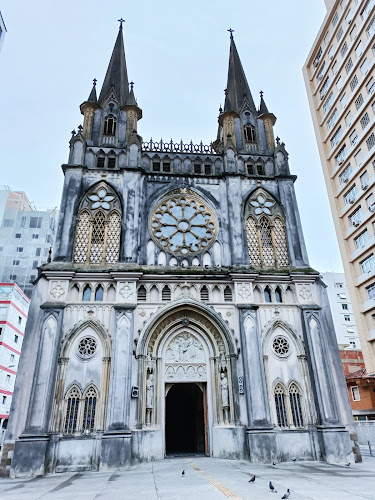
The Minor Basilica of St. Antônio do Embaré stands as one of Santos' most striking architectural achievements, and honestly, when you first lay eyes on it, the Neo-Gothic spires reaching toward the Brazilian sky create this almost surreal contrast against the coastal backdrop. Completed in the 1940s after decades of construction, this basilica represents a remarkable feat of dedication and craftsmanship that you just don't see replicated in modern religious architecture. What really sets this place apart from your typical church visit is the sheer artistry that went into every square inch of the interior. The colorful wall paintings aren't just decorative afterthoughts—they tell stories, convey emotion, and create an atmosphere that manages to feel both solemn and uplifting at the same time. I remember walking in for the first time and just stopping dead in my tracks because the light filtering through the stained glass windows created these dancing patterns of color across the stone floors that change throughout the day as the sun moves. The basilica serves as both an active parish for local worshippers and a significant tourist attraction, which means you'll often find yourself sharing the space with Santos residents attending daily mass alongside curious travelers with cameras. This dual purpose gives the place an authentic living quality that many purely tourist-focused religious sites lack. The building has earned its designation as a minor basilica from the Vatican, which is actually a pretty big deal in Catholic church hierarchy—it's a recognition reserved for churches of special historical and spiritual significance. But beyond the religious importance, what travelers really appreciate is how the basilica functions as a window into Brazilian religious culture and architectural ambition during the mid-20th century. The dedication to Neo-Gothic style when modernism was sweeping through architecture worldwide shows a commitment to tradition and permanence that feels almost defiant. And the result is this timeless structure that could have been built centuries earlier if not for the distinctly Brazilian touches throughout.Key Features
The Minor Basilica of St. Antônio do Embaré offers travelers several distinctive elements that make it worth adding to any Santos itinerary:- Stunning Neo-Gothic architecture with twin spires that dominate the Santos skyline and serve as a navigation landmark for locals
- Extensive collection of vibrant wall paintings covering biblical scenes and saints, executed by talented artists in a style that blends European religious art traditions with Brazilian sensibilities
- Spectacular stained glass windows that create a constantly changing light show inside the basilica as sunlight filters through throughout the day
- Impressive main altar with intricate carved details and gilded elements that showcase the level of craftsmanship invested in the building
- Fully accessible facilities including wheelchair-accessible entrances, parking areas, and restrooms—something not always guaranteed at historic religious sites
- Active parish life with regular masses and religious ceremonies that provide authentic cultural experiences for interested visitors
- Peaceful interior atmosphere despite being in an urban setting, offering a genuine respite from the busy streets of Santos
- Architectural details that reward close examination, from the ribbed vaulting to the stone columns that exemplify Gothic construction principles
- Photography opportunities both inside and outside, with the exterior particularly photogenic during golden hour
- No admission fee, though donations are welcomed and help maintain this architectural treasure
Best Time to Visit
Timing your visit to the Minor Basilica of St. Antônio do Embaré can really enhance the experience, and there's a few factors worth considering when planning. For the most dramatic interior lighting effects, late morning between 10 AM and noon offers the best conditions when sunlight streams through the stained glass windows at optimal angles. The colored light patterns across the stone floors and walls during these hours create phenomenal photo opportunities and showcase the windows' artistry at its finest. But honestly, visiting during different times of day reveals completely different moods within the space. Early morning visits around 7 or 8 AM often coincide with daily mass services, giving travelers an authentic glimpse into local religious practice. The basilica takes on a more intimate character during these services, though you'll want to be respectful and avoid wandering around with cameras if people are actively praying. Late afternoon visits around 4 or 5 PM offer another sweet spot when the tourist crowds have typically thinned but there's still good natural light. From a seasonal perspective, Santos enjoys relatively consistent weather year-round being in a coastal tropical climate, but the period from April to September experiences slightly less rainfall and more comfortable temperatures. These months also see fewer domestic tourists compared to the peak summer season of December through February when Brazilian families flock to coastal areas for vacation. Weekdays generally offer a quieter, more contemplative experience compared to weekends when both tourists and local worshippers increase significantly. Sunday mornings in particular see the basilica at its busiest with multiple mass services scheduled. If you prefer solitude for reflection or photography, Tuesday through Thursday mornings are your best bet. Special religious holidays transform the basilica into something quite different—Christmas, Easter, and the Feast of St. Anthony in June bring elaborate decorations, special services, and crowds of celebrants. These occasions offer rich cultural experiences but require patience with crowds and limited access to certain areas during ceremonies.How to Get There
Getting to the Minor Basilica of St. Antônio do Embaré proves relatively straightforward whether you're staying in Santos or visiting from nearby São Paulo. For travelers already in Santos, the basilica sits in the Embaré neighborhood which is well-connected by the city's public transportation network. Local buses serve the area frequently, and asking locals for "a Basílica do Embaré" will typically get you pointed in the right direction since it's such a prominent landmark. The twin spires are visible from quite a distance, making navigation easier once you're in the general vicinity. Taxis and ride-sharing services like Uber and 99 operate throughout Santos and can take you directly to the basilica. The ride from Santos' historic center takes roughly 10-15 minutes depending on traffic, and it's an affordable option especially if you're traveling with others to split the cost. If you're coming from São Paulo, the most common route involves taking a bus from one of the city's bus terminals to Santos, which takes about an hour to an hour and a half depending on traffic conditions. Once in Santos, you can catch a local bus, taxi, or ride-share to reach the basilica. Some travelers prefer driving, and the Via Anchieta or Rodovia dos Imigrantes highways connect São Paulo to Santos in roughly the same timeframe—just be prepared for toll fees and potentially challenging parking situations. The basilica provides wheelchair-accessible parking which is genuinely helpful since street parking in the area can be competitive during busy times. And speaking of accessibility, the entrance ramps and facilities make this one of the more accommodating historic churches for visitors with mobility considerations. Walking to the basilica from other Santos attractions is certainly possible if you're staying nearby. The distance from Santos' beach areas is walkable for energetic travelers, though the route does include some hills that might challenge those unaccustomed to walking in warm weather.Tips for Visiting
Making the most of your visit to the Minor Basilica of St. Antônio do Embaré involves a bit of practical knowledge that'll help you avoid common pitfalls and enhance your experience. Dress appropriately because this is an active house of worship, not just a museum. That means covering shoulders and knees—tank tops and short shorts will get you disapproving looks and possibly prevented from entering during services. Comfortable walking shoes make sense given the stone floors and potential for exploring the surrounding neighborhood. Bring your camera but exercise good judgment about when and where you use it. Photography is generally permitted outside of active religious services, but always be respectful of people praying. And here's something I learned the hard way—the interior is darker than it appears to the naked eye, so if you're serious about photography, you'll want to bump up your ISO settings or bring a tripod for those stunning stained glass shots. Don't expect English-language information or guides. This is primarily a local parish rather than a tourist-focused attraction, so any signage or information will be in Portuguese. That said, the visual impact of the architecture and artwork transcends language barriers. Having a translation app on your phone can help if you want to understand any plaques or historical information displayed. The restroom facilities are available and maintained, which is worth knowing since not all churches offer this amenity to casual visitors. It's a small detail but one that matters during a day of sightseeing. Consider timing your visit to attend a mass service if you're interested in cultural immersion. Even non-Catholic travelers often find the experience moving and illuminating. Just remember to observe quietly and follow the lead of regular attendees regarding when to stand, sit, or kneel. The donation box near the entrance isn't mandatory, but remember that maintaining a structure of this age and architectural complexity requires constant funding. Even a small contribution helps preserve this architectural treasure for future visitors and supports the active parish community. Parking can get tight on weekends and during services, so arrive early or be prepared for a short walk from wherever you find a spot. The wheelchair-accessible parking fills quickly during peak times. Take time to walk around the exterior and view the basilica from different angles. The Gothic spires and architectural details reward observation from multiple perspectives, and the surrounding streets offer some interesting vantage points. The neighborhood itself has a distinctly local character that provides context for understanding the basilica's role in community life. Combine your basilica visit with other Santos attractions since the city offers beaches, historic coffee warehouses, and other cultural sites worth exploring. The basilica makes an excellent starting or ending point for a day of Santos sightseeing since it's relatively centrally located. Finally, allow yourself time to just sit quietly inside if the basilica isn't crowded. The peaceful atmosphere and beautiful surroundings offer a chance to decompress from travel stress, regardless of your religious beliefs. Sometimes the best travel experiences come from simply being present in a remarkable space and letting it work its magic on you.Key Features
- Stunning Neo-Gothic architecture with twin spires that dominate the Santos skyline and serve as a navigation landmark for locals
- Extensive collection of vibrant wall paintings covering biblical scenes and saints, executed by talented artists in a style that blends European religious art traditions with Brazilian sensibilities
- Spectacular stained glass windows that create a constantly changing light show inside the basilica as sunlight filters through throughout the day
- Impressive main altar with intricate carved details and gilded elements that showcase the level of craftsmanship invested in the building
- Fully accessible facilities including wheelchair-accessible entrances, parking areas, and restrooms—something not always guaranteed at historic religious sites
- Active parish life with regular masses and religious ceremonies that provide authentic cultural experiences for interested visitors
- Peaceful interior atmosphere despite being in an urban setting, offering a genuine respite from the busy streets of Santos
- Architectural details that reward close examination, from the ribbed vaulting to the stone columns that exemplify Gothic construction principles
More Details
Updated January 17, 2026
Table of Contents
- Description
- Key Features
- Best Time to Visit
- How to Get There
- Tips for Visiting
- Key Highlights
- Location
- Places to Stay Near Minor Basilica of St. Antônio do Embaré
- Find and Book a Tour
- Explore More Travel Guides
- Nearby Places You Might Like
- Traveler Reviews for Minor Basilica of St. Antônio do Embaré
- Share Your Experience
Description
The Minor Basilica of St. Antônio do Embaré stands as one of Santos’ most striking architectural achievements, and honestly, when you first lay eyes on it, the Neo-Gothic spires reaching toward the Brazilian sky create this almost surreal contrast against the coastal backdrop. Completed in the 1940s after decades of construction, this basilica represents a remarkable feat of dedication and craftsmanship that you just don’t see replicated in modern religious architecture.
What really sets this place apart from your typical church visit is the sheer artistry that went into every square inch of the interior. The colorful wall paintings aren’t just decorative afterthoughts—they tell stories, convey emotion, and create an atmosphere that manages to feel both solemn and uplifting at the same time. I remember walking in for the first time and just stopping dead in my tracks because the light filtering through the stained glass windows created these dancing patterns of color across the stone floors that change throughout the day as the sun moves.
The basilica serves as both an active parish for local worshippers and a significant tourist attraction, which means you’ll often find yourself sharing the space with Santos residents attending daily mass alongside curious travelers with cameras. This dual purpose gives the place an authentic living quality that many purely tourist-focused religious sites lack. The building has earned its designation as a minor basilica from the Vatican, which is actually a pretty big deal in Catholic church hierarchy—it’s a recognition reserved for churches of special historical and spiritual significance.
But beyond the religious importance, what travelers really appreciate is how the basilica functions as a window into Brazilian religious culture and architectural ambition during the mid-20th century. The dedication to Neo-Gothic style when modernism was sweeping through architecture worldwide shows a commitment to tradition and permanence that feels almost defiant. And the result is this timeless structure that could have been built centuries earlier if not for the distinctly Brazilian touches throughout.
Key Features
The Minor Basilica of St. Antônio do Embaré offers travelers several distinctive elements that make it worth adding to any Santos itinerary:
- Stunning Neo-Gothic architecture with twin spires that dominate the Santos skyline and serve as a navigation landmark for locals
- Extensive collection of vibrant wall paintings covering biblical scenes and saints, executed by talented artists in a style that blends European religious art traditions with Brazilian sensibilities
- Spectacular stained glass windows that create a constantly changing light show inside the basilica as sunlight filters through throughout the day
- Impressive main altar with intricate carved details and gilded elements that showcase the level of craftsmanship invested in the building
- Fully accessible facilities including wheelchair-accessible entrances, parking areas, and restrooms—something not always guaranteed at historic religious sites
- Active parish life with regular masses and religious ceremonies that provide authentic cultural experiences for interested visitors
- Peaceful interior atmosphere despite being in an urban setting, offering a genuine respite from the busy streets of Santos
- Architectural details that reward close examination, from the ribbed vaulting to the stone columns that exemplify Gothic construction principles
- Photography opportunities both inside and outside, with the exterior particularly photogenic during golden hour
- No admission fee, though donations are welcomed and help maintain this architectural treasure
Best Time to Visit
Timing your visit to the Minor Basilica of St. Antônio do Embaré can really enhance the experience, and there’s a few factors worth considering when planning.
For the most dramatic interior lighting effects, late morning between 10 AM and noon offers the best conditions when sunlight streams through the stained glass windows at optimal angles. The colored light patterns across the stone floors and walls during these hours create phenomenal photo opportunities and showcase the windows’ artistry at its finest. But honestly, visiting during different times of day reveals completely different moods within the space.
Early morning visits around 7 or 8 AM often coincide with daily mass services, giving travelers an authentic glimpse into local religious practice. The basilica takes on a more intimate character during these services, though you’ll want to be respectful and avoid wandering around with cameras if people are actively praying. Late afternoon visits around 4 or 5 PM offer another sweet spot when the tourist crowds have typically thinned but there’s still good natural light.
From a seasonal perspective, Santos enjoys relatively consistent weather year-round being in a coastal tropical climate, but the period from April to September experiences slightly less rainfall and more comfortable temperatures. These months also see fewer domestic tourists compared to the peak summer season of December through February when Brazilian families flock to coastal areas for vacation.
Weekdays generally offer a quieter, more contemplative experience compared to weekends when both tourists and local worshippers increase significantly. Sunday mornings in particular see the basilica at its busiest with multiple mass services scheduled. If you prefer solitude for reflection or photography, Tuesday through Thursday mornings are your best bet.
Special religious holidays transform the basilica into something quite different—Christmas, Easter, and the Feast of St. Anthony in June bring elaborate decorations, special services, and crowds of celebrants. These occasions offer rich cultural experiences but require patience with crowds and limited access to certain areas during ceremonies.
How to Get There
Getting to the Minor Basilica of St. Antônio do Embaré proves relatively straightforward whether you’re staying in Santos or visiting from nearby São Paulo.
For travelers already in Santos, the basilica sits in the Embaré neighborhood which is well-connected by the city’s public transportation network. Local buses serve the area frequently, and asking locals for “a Basílica do Embaré” will typically get you pointed in the right direction since it’s such a prominent landmark. The twin spires are visible from quite a distance, making navigation easier once you’re in the general vicinity.
Taxis and ride-sharing services like Uber and 99 operate throughout Santos and can take you directly to the basilica. The ride from Santos’ historic center takes roughly 10-15 minutes depending on traffic, and it’s an affordable option especially if you’re traveling with others to split the cost.
If you’re coming from São Paulo, the most common route involves taking a bus from one of the city’s bus terminals to Santos, which takes about an hour to an hour and a half depending on traffic conditions. Once in Santos, you can catch a local bus, taxi, or ride-share to reach the basilica. Some travelers prefer driving, and the Via Anchieta or Rodovia dos Imigrantes highways connect São Paulo to Santos in roughly the same timeframe—just be prepared for toll fees and potentially challenging parking situations.
The basilica provides wheelchair-accessible parking which is genuinely helpful since street parking in the area can be competitive during busy times. And speaking of accessibility, the entrance ramps and facilities make this one of the more accommodating historic churches for visitors with mobility considerations.
Walking to the basilica from other Santos attractions is certainly possible if you’re staying nearby. The distance from Santos’ beach areas is walkable for energetic travelers, though the route does include some hills that might challenge those unaccustomed to walking in warm weather.
Tips for Visiting
Making the most of your visit to the Minor Basilica of St. Antônio do Embaré involves a bit of practical knowledge that’ll help you avoid common pitfalls and enhance your experience.
Dress appropriately because this is an active house of worship, not just a museum. That means covering shoulders and knees—tank tops and short shorts will get you disapproving looks and possibly prevented from entering during services. Comfortable walking shoes make sense given the stone floors and potential for exploring the surrounding neighborhood.
Bring your camera but exercise good judgment about when and where you use it. Photography is generally permitted outside of active religious services, but always be respectful of people praying. And here’s something I learned the hard way—the interior is darker than it appears to the naked eye, so if you’re serious about photography, you’ll want to bump up your ISO settings or bring a tripod for those stunning stained glass shots.
Don’t expect English-language information or guides. This is primarily a local parish rather than a tourist-focused attraction, so any signage or information will be in Portuguese. That said, the visual impact of the architecture and artwork transcends language barriers. Having a translation app on your phone can help if you want to understand any plaques or historical information displayed.
The restroom facilities are available and maintained, which is worth knowing since not all churches offer this amenity to casual visitors. It’s a small detail but one that matters during a day of sightseeing.
Consider timing your visit to attend a mass service if you’re interested in cultural immersion. Even non-Catholic travelers often find the experience moving and illuminating. Just remember to observe quietly and follow the lead of regular attendees regarding when to stand, sit, or kneel.
The donation box near the entrance isn’t mandatory, but remember that maintaining a structure of this age and architectural complexity requires constant funding. Even a small contribution helps preserve this architectural treasure for future visitors and supports the active parish community.
Parking can get tight on weekends and during services, so arrive early or be prepared for a short walk from wherever you find a spot. The wheelchair-accessible parking fills quickly during peak times.
Take time to walk around the exterior and view the basilica from different angles. The Gothic spires and architectural details reward observation from multiple perspectives, and the surrounding streets offer some interesting vantage points. The neighborhood itself has a distinctly local character that provides context for understanding the basilica’s role in community life.
Combine your basilica visit with other Santos attractions since the city offers beaches, historic coffee warehouses, and other cultural sites worth exploring. The basilica makes an excellent starting or ending point for a day of Santos sightseeing since it’s relatively centrally located.
Finally, allow yourself time to just sit quietly inside if the basilica isn’t crowded. The peaceful atmosphere and beautiful surroundings offer a chance to decompress from travel stress, regardless of your religious beliefs. Sometimes the best travel experiences come from simply being present in a remarkable space and letting it work its magic on you.
Key Highlights
- Stunning Neo-Gothic architecture with twin spires that dominate the Santos skyline and serve as a navigation landmark for locals
- Extensive collection of vibrant wall paintings covering biblical scenes and saints, executed by talented artists in a style that blends European religious art traditions with Brazilian sensibilities
- Spectacular stained glass windows that create a constantly changing light show inside the basilica as sunlight filters through throughout the day
- Impressive main altar with intricate carved details and gilded elements that showcase the level of craftsmanship invested in the building
- Fully accessible facilities including wheelchair-accessible entrances, parking areas, and restrooms—something not always guaranteed at historic religious sites
- Active parish life with regular masses and religious ceremonies that provide authentic cultural experiences for interested visitors
- Peaceful interior atmosphere despite being in an urban setting, offering a genuine respite from the busy streets of Santos
- Architectural details that reward close examination, from the ribbed vaulting to the stone columns that exemplify Gothic construction principles
Location
Places to Stay Near Minor Basilica of St. Antônio do Embaré
Find and Book a Tour
Explore More Travel Guides
No reviews found! Be the first to review!
Traveler Reviews for Minor Basilica of St. Antônio do Embaré
There are no reviews yet. Be the first one to write one.
Have you visited Minor Basilica of St. Antônio do Embaré? Help other travelers by sharing your review.
Find Accommodations Nearby
Recommended Tours & Activities
Visitor Reviews
There are no reviews yet. Be the first one to write one.
Share Your Experience
Have you visited Minor Basilica of St. Antônio do Embaré? Help other travelers by leaving a review.
