About Praia da Ponta da Praia

Description

Praia da Ponta da Praia sits at the southern tip of Santos, Brazil, offering visitors a quieter alternative to the city's more crowded beach stretches. This sandy coast has carved out its own reputation among travelers who appreciate a more refined beach experience without sacrificing accessibility or amenities. The beach serves as a natural boundary where the Santos Channel meets the Atlantic Ocean, creating unique water conditions that differ noticeably from other nearby beaches. What strikes most visitors first is the upscale residential character surrounding the area. Unlike typical tourist-heavy beach zones, this spot maintains a residential atmosphere that feels authentically local. You'll find yourself among Brazilian families and long-term residents rather than exclusively in tourist crowds, which honestly makes for a more genuine coastal experience. The beach itself stretches along a well-maintained promenade perfect for morning jogs or sunset strolls. And let me tell you, the sunsets here deserve their own mention – the positioning creates spectacular evening light shows that photographers absolutely love. The area's historical significance adds another layer of interest beyond just sand and surf. Cultural sites dot the surrounding neighborhood, making it easy to combine beach relaxation with architectural exploration. I've always believed that the best beaches aren't necessarily the biggest or most famous ones. Sometimes its the smaller stretches that offer exactly what you need – less chaos, more breathing room, and a chance to actually hear yourself think over the sound of waves rather than competing with hundreds of other beachgoers.

Key Features

The distinctive characteristics of Praia da Ponta da Praia make it particularly appealing for certain types of travelers:
  • Strategic Location: Positioned where the shipping channel meets open ocean, creating interesting maritime traffic views as cargo ships navigate in and out of one of South America's busiest ports
  • Calmer Waters: The protected positioning typically results in gentler waves compared to more exposed beach sections, making it suitable for families with younger children
  • Well-Developed Infrastructure: Proper beach facilities including showers, bathrooms, and food kiosks line the beachfront without feeling overdeveloped
  • Cycling and Walking Paths: A dedicated beachfront path separated from vehicle traffic allows for safe recreational activities
  • Historic Architecture: The surrounding neighborhood features beautiful early 20th-century buildings that showcase Santos' golden era of coffee trade prosperity
  • Local Dining Options: Authentic Brazilian restaurants and juice bars cater primarily to residents rather than tourists, often resulting in better quality and pricing
  • Cleaner Sand: The smaller beach size and residential oversight generally contribute to better maintenance standards
  • Nearby Fort: The historic Fortaleza de Itapema sits within walking distance, offering military history enthusiasts an interesting side excursion
  • Less Aggressive Vendors: You'll encounter fewer beach vendors compared to Santos' more tourist-focused areas
  • Stunning Viewpoints: Several elevated spots in the neighborhood provide panoramic coastal views worth the short climb

Best Time to Visit

Timing your visit to Praia da Ponta da Praia requires understanding Santos' coastal climate patterns and local habits. The Brazilian summer months from December through March bring warm temperatures ranging from 25-30°C (77-86°F), but this is also when Brazilian families take their annual vacations. If you don't mind sharing the sand with more people and actually enjoy a livelier atmosphere, summer works perfectly fine. But here's where it gets interesting – the shoulder seasons of April-May and September-November offer arguably better conditions for international travelers. The weather remains pleasant with temperatures around 20-25°C (68-77°F), perfect for beach activities without the scorching midday heat. You'll find accommodation prices drop noticeably, and the beach feels more spacious. The Brazilian winter months of June through August see temperatures dipping to 15-20°C (59-68°F). Now, locals might tell you it's "too cold" for the beach, but if you're coming from European or North American climates, this feels downright mild. I actually prefer visiting Brazilian beaches during their winter – the atmospheric conditions create dramatic skies, the water temperature remains tolerable for quick dips, and you practically have entire beach sections to yourself. Early mornings consistently provide the best experience regardless of season. Arriving around 7-8 AM means witnessing the neighborhood wake up, catching the best light for photography, and claiming your preferred spot before crowds arrive. The water tends to be calmest in morning hours too. Weekdays obviously beat weekends for crowd avoidance. If your schedule allows flexibility, Monday through Thursday visits provide a substantially different experience than weekend trips. Sunday afternoons in particular see local families claiming every available square meter of sand. Weather-wise, Santos experiences occasional rain throughout the year, but summer months see more frequent afternoon thunderstorms. These typically blow through quickly, so don't let a morning drizzle necessarily cancel your plans. Just keep an eye on the sky and have a backup indoor activity ready.

How to Get There

Reaching Praia da Ponta da Praia requires first getting to Santos, then navigating to this specific beach section. Most international visitors arrive through São Paulo's international airports – either Guarulhos (GRU) or the closer Congonhas (CGH). From São Paulo, Santos sits approximately 70-80 kilometers southeast. The most straightforward approach involves booking a direct transfer or taking a bus from São Paulo. The bus system connecting São Paulo to Santos runs frequently throughout the day, with companies offering comfortable executive services. The journey typically takes 1.5 to 2 hours depending on traffic conditions. Buses arrive at Santos' main terminal, from which you'll need local transportation to reach Ponta da Praia. If you're driving, the Anchieta and Imigrantes highways connect São Paulo to the coast. The Imigrantes offers a more modern, scenic route with impressive mountain descents, though it closes periodically for maintenance. GPS navigation works reliably, but be prepared for toll charges along the way. Once in Santos, local buses run along the beachfront with routes clearly marked for Ponta da Praia. The bus system is affordable and reasonably efficient, though it requires some patience during peak hours. Alternatively, ride-sharing apps like Uber and 99 operate extensively in Santos and provide the most convenient option for visitors unfamiliar with the bus system. Taxis are readily available but make sure to use official taxi stands or app-based services to avoid inflated tourist pricing. From Santos' city center, expect about a 15-20 minute drive to Ponta da Praia depending on traffic. For visitors already staying elsewhere in Santos, the beachfront bike path provides a pleasant way to reach Ponta da Praia. Bike rental stations dot the waterfront, and the flat terrain makes cycling accessible for most fitness levels. The ride from central Santos takes roughly 20-30 minutes at a leisurely pace. Parking availability in the Ponta da Praia neighborhood varies considerably. Street parking exists but fills quickly on weekends and holidays. Some nearby establishments offer paid parking arrangements. Arriving early significantly improves your chances of finding convenient parking spots.

Tips for Visiting

Making the most of your Praia da Ponta da Praia experience involves some practical considerations that guidebooks don't always mention. First off, bring cash. While Brazil increasingly embraces digital payments, beach vendors, small kiosks, and some local restaurants still operate on cash-only basis. ATMs exist nearby, but dealing with bank machines in a foreign country isn't how you want to spend beach time. Sun protection deserves serious attention here. That Brazilian sun hits differently than you might expect, even on cloudy days. I learned this the hard way during my first beach day in Brazil – thinking overcast skies meant I could skip reapplication. Wrong. Pack high-SPF sunscreen and actually use it generously and frequently. The reflection off sand and water intensifies UV exposure considerably. Footwear strategy matters more than you'd think. The sand gets scorching hot during midday hours, making the walk from pavement to water genuinely uncomfortable without sandals. But you'll also want to explore the surrounding neighborhood, which requires proper walking shoes. Consider bringing both and leaving extras in your bag. Hydration becomes crucial, especially if you're visiting during warmer months. While vendors sell drinks on the beach, prices naturally run higher than stores. Bringing your own water bottle and refilling it saves money and reduces plastic waste. The local tap water in Santos is technically drinkable, but most visitors stick to bottled water to avoid any digestive adjustments. The maritime traffic creates unique photo opportunities as massive cargo ships pass surprisingly close to shore. If you're into photography, bring appropriate equipment and stake out a spot with clear channel views. Early morning and late afternoon provide the best lighting conditions for capturing both ships and landscapes. Respect local customs around beach behavior. Brazilians approach beach culture differently than many other nationalities. Changing discretely under towels is standard practice rather than using designated changing rooms. Topless sunbathing remains uncommon and generally frowned upon, unlike European beaches. Food timing follows Brazilian patterns in the surrounding restaurants. Lunch service typically runs from noon until 3 PM, after which many places close until dinner. Dinner starts later than North American or European schedules, usually around 7-8 PM. Planning your meals around these local rhythms prevents disappointment. Swimming conditions vary based on tides and weather patterns. The water generally stays calmer than more exposed beaches, but ocean conditions change. Pay attention to any warning flags or local guidance about water safety. And honestly, if you see no locals swimming, that's probably a sign to stay on sand. Valuables management requires attention at any beach worldwide. While Ponta da Praia maintains a relatively safe reputation compared to more touristy areas, leaving expensive items unattended invites problems. Bring only what you actually need, use waterproof pouches for phones, and designate someone to watch belongings when others swim. Exploring the surrounding neighborhood adds considerable value to your visit. The historic architecture and local atmosphere deserve at least a brief walking tour. Many interesting buildings and small cultural sites sit within easy walking distance of the beach itself. Language considerations apply throughout Santos. English proficiency varies considerably, with younger people generally speaking more English than older generations. Learning basic Portuguese phrases enhances your experience significantly and shows respect for local culture. Even butchered Portuguese attempts usually earn appreciative smiles from residents.
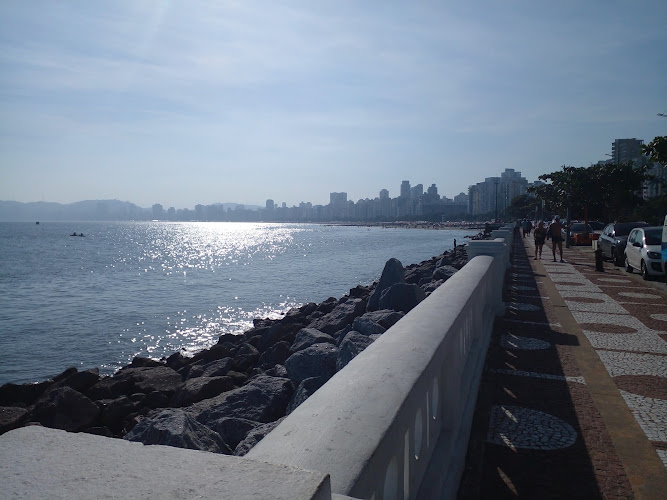

Key Features

  • Wide, palm-lined promenade ideal for walking and cycling
  • Family-friendly, generally calm waters suitable for paddle sports
  • Close proximity to the Municipal Aquarium of Santos
  • Upscale residential and dining options along the beachfront
  • Access to marina/harbor areas and maritime heritage sites

More Details

Updated January 17, 2026

Description

Praia da Ponta da Praia sits at the southern tip of Santos, Brazil, offering visitors a quieter alternative to the city’s more crowded beach stretches. This sandy coast has carved out its own reputation among travelers who appreciate a more refined beach experience without sacrificing accessibility or amenities. The beach serves as a natural boundary where the Santos Channel meets the Atlantic Ocean, creating unique water conditions that differ noticeably from other nearby beaches.

What strikes most visitors first is the upscale residential character surrounding the area. Unlike typical tourist-heavy beach zones, this spot maintains a residential atmosphere that feels authentically local. You’ll find yourself among Brazilian families and long-term residents rather than exclusively in tourist crowds, which honestly makes for a more genuine coastal experience.

The beach itself stretches along a well-maintained promenade perfect for morning jogs or sunset strolls. And let me tell you, the sunsets here deserve their own mention – the positioning creates spectacular evening light shows that photographers absolutely love. The area’s historical significance adds another layer of interest beyond just sand and surf. Cultural sites dot the surrounding neighborhood, making it easy to combine beach relaxation with architectural exploration.

I’ve always believed that the best beaches aren’t necessarily the biggest or most famous ones. Sometimes its the smaller stretches that offer exactly what you need – less chaos, more breathing room, and a chance to actually hear yourself think over the sound of waves rather than competing with hundreds of other beachgoers.

Key Features

The distinctive characteristics of Praia da Ponta da Praia make it particularly appealing for certain types of travelers:

  • Strategic Location: Positioned where the shipping channel meets open ocean, creating interesting maritime traffic views as cargo ships navigate in and out of one of South America’s busiest ports
  • Calmer Waters: The protected positioning typically results in gentler waves compared to more exposed beach sections, making it suitable for families with younger children
  • Well-Developed Infrastructure: Proper beach facilities including showers, bathrooms, and food kiosks line the beachfront without feeling overdeveloped
  • Cycling and Walking Paths: A dedicated beachfront path separated from vehicle traffic allows for safe recreational activities
  • Historic Architecture: The surrounding neighborhood features beautiful early 20th-century buildings that showcase Santos’ golden era of coffee trade prosperity
  • Local Dining Options: Authentic Brazilian restaurants and juice bars cater primarily to residents rather than tourists, often resulting in better quality and pricing
  • Cleaner Sand: The smaller beach size and residential oversight generally contribute to better maintenance standards
  • Nearby Fort: The historic Fortaleza de Itapema sits within walking distance, offering military history enthusiasts an interesting side excursion
  • Less Aggressive Vendors: You’ll encounter fewer beach vendors compared to Santos’ more tourist-focused areas
  • Stunning Viewpoints: Several elevated spots in the neighborhood provide panoramic coastal views worth the short climb

Best Time to Visit

Timing your visit to Praia da Ponta da Praia requires understanding Santos’ coastal climate patterns and local habits. The Brazilian summer months from December through March bring warm temperatures ranging from 25-30°C (77-86°F), but this is also when Brazilian families take their annual vacations. If you don’t mind sharing the sand with more people and actually enjoy a livelier atmosphere, summer works perfectly fine.

But here’s where it gets interesting – the shoulder seasons of April-May and September-November offer arguably better conditions for international travelers. The weather remains pleasant with temperatures around 20-25°C (68-77°F), perfect for beach activities without the scorching midday heat. You’ll find accommodation prices drop noticeably, and the beach feels more spacious.

The Brazilian winter months of June through August see temperatures dipping to 15-20°C (59-68°F). Now, locals might tell you it’s “too cold” for the beach, but if you’re coming from European or North American climates, this feels downright mild. I actually prefer visiting Brazilian beaches during their winter – the atmospheric conditions create dramatic skies, the water temperature remains tolerable for quick dips, and you practically have entire beach sections to yourself.

Early mornings consistently provide the best experience regardless of season. Arriving around 7-8 AM means witnessing the neighborhood wake up, catching the best light for photography, and claiming your preferred spot before crowds arrive. The water tends to be calmest in morning hours too.

Weekdays obviously beat weekends for crowd avoidance. If your schedule allows flexibility, Monday through Thursday visits provide a substantially different experience than weekend trips. Sunday afternoons in particular see local families claiming every available square meter of sand.

Weather-wise, Santos experiences occasional rain throughout the year, but summer months see more frequent afternoon thunderstorms. These typically blow through quickly, so don’t let a morning drizzle necessarily cancel your plans. Just keep an eye on the sky and have a backup indoor activity ready.

How to Get There

Reaching Praia da Ponta da Praia requires first getting to Santos, then navigating to this specific beach section. Most international visitors arrive through São Paulo’s international airports – either Guarulhos (GRU) or the closer Congonhas (CGH). From São Paulo, Santos sits approximately 70-80 kilometers southeast.

The most straightforward approach involves booking a direct transfer or taking a bus from São Paulo. The bus system connecting São Paulo to Santos runs frequently throughout the day, with companies offering comfortable executive services. The journey typically takes 1.5 to 2 hours depending on traffic conditions. Buses arrive at Santos’ main terminal, from which you’ll need local transportation to reach Ponta da Praia.

If you’re driving, the Anchieta and Imigrantes highways connect São Paulo to the coast. The Imigrantes offers a more modern, scenic route with impressive mountain descents, though it closes periodically for maintenance. GPS navigation works reliably, but be prepared for toll charges along the way.

Once in Santos, local buses run along the beachfront with routes clearly marked for Ponta da Praia. The bus system is affordable and reasonably efficient, though it requires some patience during peak hours. Alternatively, ride-sharing apps like Uber and 99 operate extensively in Santos and provide the most convenient option for visitors unfamiliar with the bus system.

Taxis are readily available but make sure to use official taxi stands or app-based services to avoid inflated tourist pricing. From Santos’ city center, expect about a 15-20 minute drive to Ponta da Praia depending on traffic.

For visitors already staying elsewhere in Santos, the beachfront bike path provides a pleasant way to reach Ponta da Praia. Bike rental stations dot the waterfront, and the flat terrain makes cycling accessible for most fitness levels. The ride from central Santos takes roughly 20-30 minutes at a leisurely pace.

Parking availability in the Ponta da Praia neighborhood varies considerably. Street parking exists but fills quickly on weekends and holidays. Some nearby establishments offer paid parking arrangements. Arriving early significantly improves your chances of finding convenient parking spots.

Tips for Visiting

Making the most of your Praia da Ponta da Praia experience involves some practical considerations that guidebooks don’t always mention. First off, bring cash. While Brazil increasingly embraces digital payments, beach vendors, small kiosks, and some local restaurants still operate on cash-only basis. ATMs exist nearby, but dealing with bank machines in a foreign country isn’t how you want to spend beach time.

Sun protection deserves serious attention here. That Brazilian sun hits differently than you might expect, even on cloudy days. I learned this the hard way during my first beach day in Brazil – thinking overcast skies meant I could skip reapplication. Wrong. Pack high-SPF sunscreen and actually use it generously and frequently. The reflection off sand and water intensifies UV exposure considerably.

Footwear strategy matters more than you’d think. The sand gets scorching hot during midday hours, making the walk from pavement to water genuinely uncomfortable without sandals. But you’ll also want to explore the surrounding neighborhood, which requires proper walking shoes. Consider bringing both and leaving extras in your bag.

Hydration becomes crucial, especially if you’re visiting during warmer months. While vendors sell drinks on the beach, prices naturally run higher than stores. Bringing your own water bottle and refilling it saves money and reduces plastic waste. The local tap water in Santos is technically drinkable, but most visitors stick to bottled water to avoid any digestive adjustments.

The maritime traffic creates unique photo opportunities as massive cargo ships pass surprisingly close to shore. If you’re into photography, bring appropriate equipment and stake out a spot with clear channel views. Early morning and late afternoon provide the best lighting conditions for capturing both ships and landscapes.

Respect local customs around beach behavior. Brazilians approach beach culture differently than many other nationalities. Changing discretely under towels is standard practice rather than using designated changing rooms. Topless sunbathing remains uncommon and generally frowned upon, unlike European beaches.

Food timing follows Brazilian patterns in the surrounding restaurants. Lunch service typically runs from noon until 3 PM, after which many places close until dinner. Dinner starts later than North American or European schedules, usually around 7-8 PM. Planning your meals around these local rhythms prevents disappointment.

Swimming conditions vary based on tides and weather patterns. The water generally stays calmer than more exposed beaches, but ocean conditions change. Pay attention to any warning flags or local guidance about water safety. And honestly, if you see no locals swimming, that’s probably a sign to stay on sand.

Valuables management requires attention at any beach worldwide. While Ponta da Praia maintains a relatively safe reputation compared to more touristy areas, leaving expensive items unattended invites problems. Bring only what you actually need, use waterproof pouches for phones, and designate someone to watch belongings when others swim.

Exploring the surrounding neighborhood adds considerable value to your visit. The historic architecture and local atmosphere deserve at least a brief walking tour. Many interesting buildings and small cultural sites sit within easy walking distance of the beach itself.

Language considerations apply throughout Santos. English proficiency varies considerably, with younger people generally speaking more English than older generations. Learning basic Portuguese phrases enhances your experience significantly and shows respect for local culture. Even butchered Portuguese attempts usually earn appreciative smiles from residents.

Key Highlights

  • Wide, palm-lined promenade ideal for walking and cycling
  • Family-friendly, generally calm waters suitable for paddle sports
  • Close proximity to the Municipal Aquarium of Santos
  • Upscale residential and dining options along the beachfront
  • Access to marina/harbor areas and maritime heritage sites

Location

Places to Stay Near Praia da Ponta da Praia

Find and Book a Tour

Explore More Travel Guides

No reviews found! Be the first to review!

Traveler Reviews for Praia da Ponta da Praia

There are no reviews yet. Be the first one to write one.

Share Your Experience

Have you visited Praia da Ponta da Praia? Help other travelers by sharing your review.

Nearby Attractions

Aquário Municipal de Santos (Municipal Aquarium) Santos Marina and fishing harbor Local beachfront restaurants and seafood markets

Find Accommodations Nearby

Recommended Tours & Activities

Visitor Reviews

There are no reviews yet. Be the first one to write one.

Share Your Experience

Have you visited Praia da Ponta da Praia? Help other travelers by leaving a review.