Monument 100 Years of Japanese Immigration – Artist Tomie Ohtake
About Monument 100 Years of Japanese Immigration – Artist Tomie Ohtake
Description
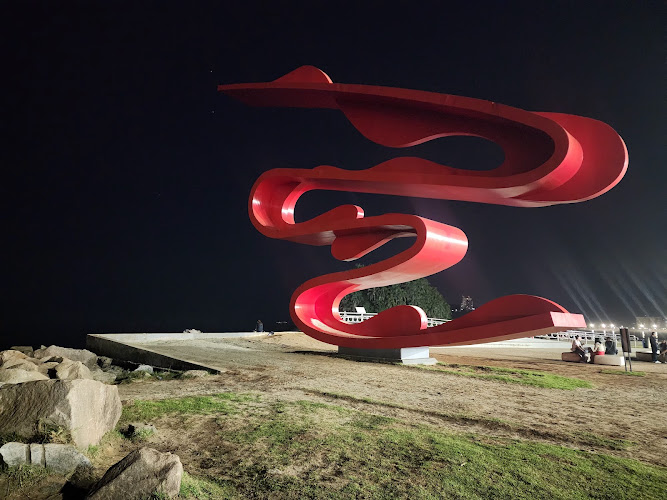
The Monument 100 Years of Japanese Immigration stands as a powerful tribute to the Japanese community's contributions to Brazil's cultural tapestry. Created by the renowned artist Tomie Ohtake, this sculptural monument captures both the struggle and triumph of Japanese immigrants who arrived in Brazil starting in 1908. The piece isn't just another statue you'll pass by without a second glance – it's an architectural statement that commands attention through its bold geometric forms and thoughtful symbolism. Tomie Ohtake herself was part of this immigrant narrative, having moved to Brazil from Japan in 1936. She became one of Brazil's most celebrated contemporary artists, and this monument reflects her distinctive abstract style that blends Eastern sensibility with Western modernism. The structure rises prominently, its clean lines and striking presence creating a space for contemplation about immigration, identity, and the blending of cultures. When I first encountered photographs of this monument, I was struck by how it manages to be both assertive and graceful at the same time. That's the genius of Ohtake's work – she could make concrete and steel feel like poetry. The monument serves as a meeting point for the community and visitors alike, representing a century of Japanese-Brazilian history in a way that transcends language barriers. The location makes this monument accessible to families, solo travelers, and anyone interested in cultural landmarks that tell important historical stories. It's become more than just a commemorative piece; it's evolved into a gathering space and a point of pride for the Japanese-Brazilian community while welcoming all visitors who want to understand this significant chapter of immigration history.Key Features
The monument offers several distinctive characteristics that make it worth adding to any traveler's itinerary:
- Architectural Brilliance: Tomie Ohtake's signature abstract style transforms the monument into a work of contemporary art that challenges conventional memorial design
- Historical Significance: Commemorates the centennial of Japanese immigration to Brazil, marking one of the largest Japanese diaspora communities outside Japan
- Accessible Design: Features wheelchair-accessible entrances and parking facilities, ensuring all visitors can experience the monument regardless of mobility considerations
- Photography Opportunities: The bold geometric forms create dramatic shadows and perspectives, making it a favorite spot for photography enthusiasts and Instagram users
- Cultural Education: Provides context about Japanese-Brazilian heritage and the immigrant experience through its symbolic design elements
- Family-Friendly: The open space around the monument allows children to explore safely while parents appreciate the artistic and historical aspects
- Free Access: Unlike many attractions, visitors can experience this monument without entrance fees, making it an economical choice for budget-conscious travelers
- Year-Round Availability: As an outdoor monument, it's accessible throughout the year during daylight hours
- Community Gathering Space: Often serves as a venue for cultural events and celebrations within the Japanese-Brazilian community
Best Time to Visit
Timing your visit to the Monument 100 Years of Japanese Immigration can significantly impact your experience. The outdoor nature of this attraction means weather plays a considerable role in comfort levels, though honestly, there's no "bad" time to visit – just different experiences depending on when you go. Early morning hours between 7 AM and 9 AM offer the best lighting for photographers. The soft morning sun casts beautiful shadows across the monument's geometric surfaces, and you'll likely have the space mostly to yourself. There's something almost meditative about experiencing this monument when the city is still waking up. Plus, temperatures are more manageable during these hours, especially if you're visiting during warmer months. Late afternoon, particularly the golden hour before sunset, provides another excellent window. The changing light transforms the monument's appearance dramatically, and the cooler temperatures make lingering more comfortable. But be prepared for more visitors during these popular hours – though in my experience, crowds here rarely reach overwhelming levels. Weekdays tend to be quieter than weekends, which matters if you prefer contemplative experiences without too many people around. Weekends bring more families and community members, which can actually enhance the cultural atmosphere if you're interested in observing how the monument functions as a living community space rather than just a tourist attraction. Special significance comes during June, which marks the anniversary of the first Japanese immigrants' arrival in Brazil. The area often hosts cultural celebrations and events during this period, offering visitors a deeper connection to the monument's meaning. These events feature traditional Japanese performances, food vendors, and cultural demonstrations that provide context you won't get during regular visits. Avoid visiting during heavy rain, obviously. The monument itself will still be impressive, but the experience of standing in a downpour while trying to appreciate architectural details isn't anyone's idea of fun. Check weather forecasts and plan accordingly, though brief tropical showers can actually create dramatic atmospheric effects if you don't mind getting a bit wet.How to Get There
Getting to the Monument 100 Years of Japanese Immigration doesn't require navigating complicated routes or hiring specialized transportation. The monument's location makes it reasonably accessible through various methods, though some planning helps ensure a smooth journey. Public transportation represents the most economical option for budget travelers. Several bus routes service the area, and local transit apps can provide real-time information about schedules and routes. The advantage here is cost savings and the chance to experience local daily life during your commute. The disadvantage? Buses can be crowded during rush hours, and if you're not familiar with the public transit system, there's a learning curve involved. Ride-sharing services like Uber work exceptionally well for reaching the monument. Simply input the monument's name into the app, and drivers generally know exactly where to go. This option offers convenience and directness, particularly valuable if you're traveling with children or have mobility considerations. The cost remains reasonable, especially if you're splitting the fare among multiple travelers. Driving yourself is absolutely feasible if you've rented a car. The monument features wheelchair-accessible parking facilities, which generally means adequate parking space for all visitors. GPS navigation handles the routing easily enough. Just remember that parking regulations vary, and you'll want to ensure you're not violating any local parking restrictions that could result in tickets or towing. Walking to the monument might be realistic depending on where you're staying. Some travelers prefer exploring on foot to get a better feel for the neighborhood and stumble upon unexpected discoveries along the way. This obviously works best if your accommodation is within a reasonable distance – say, a mile or less – and you're comfortable walking in an unfamiliar area. Combining the monument visit with other nearby attractions makes transportation planning more efficient. Research what else is in the vicinity before your visit so you can maximize your time and minimize backtracking. Many travelers successfully incorporate this monument into broader itineraries exploring the area's cultural sites.Tips for Visiting
Maximizing your experience at the Monument 100 Years of Japanese Immigration involves some practical considerations that many first-time visitors overlook. These aren't official rules necessarily, just observations from people who've been there and figured out what works. Bring water, especially during warmer months. There's limited shade around the monument, and you'll probably spend more time there than initially planned once you start really looking at the artistic details and taking photos. Dehydration sneaks up on people, and there's nothing worse than cutting a visit short because you didn't plan ahead. Wear comfortable shoes even though you won't be walking massive distances. You'll want to move around the monument to appreciate it from different angles, and uncomfortable footwear makes people less willing to explore fully. This seems obvious, but you'd be surprised how many travelers wear impractical shoes to outdoor monuments. Research Tomie Ohtake's artistic background before visiting. Understanding her broader body of work and her own immigrant experience enriches how you perceive the monument. Spend twenty minutes reading about her life and artistic philosophy, and suddenly the monument transforms from "just a sculpture" into a deeply personal statement about belonging, identity, and cultural fusion. Consider visiting twice if your schedule allows – once during daylight for detailed observation and photography, then again in evening hours if the monument is illuminated. The night-time appearance creates an entirely different mood and aesthetic. Some travelers report that the evening visit actually moved them more than the daytime experience. Respect the space as both an art installation and a memorial. While photography is certainly encouraged, be mindful that this monument holds profound meaning for the Japanese-Brazilian community. It's not merely a photo backdrop but a commemoration of ancestors' struggles and achievements. That doesn't mean you can't enjoy it or take pictures – just approach it with appropriate reverence. Ask local community members about their connection to the monument if you get the chance. Many are happy to share family immigration stories or explain aspects of Japanese-Brazilian culture that visitors might miss otherwise. These spontaneous conversations often become travel highlights that guidebooks can never replicate. Check if any cultural events coincide with your visit dates. The monument serves as a gathering point for celebrations, performances, and community events that provide authentic cultural immersion. These events aren't always heavily publicized online, so asking at your hotel or checking with local cultural centers can reveal opportunities you wouldn't discover through standard tourist channels. Bring a light jacket or sun protection depending on weather and time of day. The monument's open location means you're exposed to elements without much natural shelter. A few simple preparations prevent discomfort that could diminish your experience. Take your time. This isn't a massive complex requiring hours to see everything, but rushing through defeats the purpose. Sit for a while if benches are available. Let yourself actually think about what the monument represents rather than just checking it off your itinerary list. The best travel experiences come when we slow down enough to let places affect us rather than just documenting that we were there.Key Features
- Large-scale abstract form characteristic of Tomie Ohtake’s sculptural style
- Located directly on Praia do José Menino with sea and promenade views
- Commemorates 100 years of Japanese immigration to Brazil (historic significance)
- Accessible public artwork suitable for photography and contemplative visits
- Close to other coastal attractions and green spaces in Santos
More Details
Updated January 17, 2026
Table of Contents
- Description
- Key Features
- Best Time to Visit
- How to Get There
- Tips for Visiting
- Key Highlights
- Location
- Places to Stay Near Monument 100 Years of Japanese Immigration - Artist Tomie Ohtake
- Find and Book a Tour
- Explore More Travel Guides
- Nearby Places You Might Like
- Traveler Reviews for Monument 100 Years of Japanese Immigration – Artist Tomie Ohtake
- Share Your Experience
Description
The Monument 100 Years of Japanese Immigration stands as a powerful tribute to the Japanese community’s contributions to Brazil’s cultural tapestry. Created by the renowned artist Tomie Ohtake, this sculptural monument captures both the struggle and triumph of Japanese immigrants who arrived in Brazil starting in 1908. The piece isn’t just another statue you’ll pass by without a second glance – it’s an architectural statement that commands attention through its bold geometric forms and thoughtful symbolism.
Tomie Ohtake herself was part of this immigrant narrative, having moved to Brazil from Japan in 1936. She became one of Brazil’s most celebrated contemporary artists, and this monument reflects her distinctive abstract style that blends Eastern sensibility with Western modernism. The structure rises prominently, its clean lines and striking presence creating a space for contemplation about immigration, identity, and the blending of cultures.
When I first encountered photographs of this monument, I was struck by how it manages to be both assertive and graceful at the same time. That’s the genius of Ohtake’s work – she could make concrete and steel feel like poetry. The monument serves as a meeting point for the community and visitors alike, representing a century of Japanese-Brazilian history in a way that transcends language barriers.
The location makes this monument accessible to families, solo travelers, and anyone interested in cultural landmarks that tell important historical stories. It’s become more than just a commemorative piece; it’s evolved into a gathering space and a point of pride for the Japanese-Brazilian community while welcoming all visitors who want to understand this significant chapter of immigration history.
Key Features
The monument offers several distinctive characteristics that make it worth adding to any traveler’s itinerary:
- Architectural Brilliance: Tomie Ohtake’s signature abstract style transforms the monument into a work of contemporary art that challenges conventional memorial design
- Historical Significance: Commemorates the centennial of Japanese immigration to Brazil, marking one of the largest Japanese diaspora communities outside Japan
- Accessible Design: Features wheelchair-accessible entrances and parking facilities, ensuring all visitors can experience the monument regardless of mobility considerations
- Photography Opportunities: The bold geometric forms create dramatic shadows and perspectives, making it a favorite spot for photography enthusiasts and Instagram users
- Cultural Education: Provides context about Japanese-Brazilian heritage and the immigrant experience through its symbolic design elements
- Family-Friendly: The open space around the monument allows children to explore safely while parents appreciate the artistic and historical aspects
- Free Access: Unlike many attractions, visitors can experience this monument without entrance fees, making it an economical choice for budget-conscious travelers
- Year-Round Availability: As an outdoor monument, it’s accessible throughout the year during daylight hours
- Community Gathering Space: Often serves as a venue for cultural events and celebrations within the Japanese-Brazilian community
Best Time to Visit
Timing your visit to the Monument 100 Years of Japanese Immigration can significantly impact your experience. The outdoor nature of this attraction means weather plays a considerable role in comfort levels, though honestly, there’s no “bad” time to visit – just different experiences depending on when you go.
Early morning hours between 7 AM and 9 AM offer the best lighting for photographers. The soft morning sun casts beautiful shadows across the monument’s geometric surfaces, and you’ll likely have the space mostly to yourself. There’s something almost meditative about experiencing this monument when the city is still waking up. Plus, temperatures are more manageable during these hours, especially if you’re visiting during warmer months.
Late afternoon, particularly the golden hour before sunset, provides another excellent window. The changing light transforms the monument’s appearance dramatically, and the cooler temperatures make lingering more comfortable. But be prepared for more visitors during these popular hours – though in my experience, crowds here rarely reach overwhelming levels.
Weekdays tend to be quieter than weekends, which matters if you prefer contemplative experiences without too many people around. Weekends bring more families and community members, which can actually enhance the cultural atmosphere if you’re interested in observing how the monument functions as a living community space rather than just a tourist attraction.
Special significance comes during June, which marks the anniversary of the first Japanese immigrants’ arrival in Brazil. The area often hosts cultural celebrations and events during this period, offering visitors a deeper connection to the monument’s meaning. These events feature traditional Japanese performances, food vendors, and cultural demonstrations that provide context you won’t get during regular visits.
Avoid visiting during heavy rain, obviously. The monument itself will still be impressive, but the experience of standing in a downpour while trying to appreciate architectural details isn’t anyone’s idea of fun. Check weather forecasts and plan accordingly, though brief tropical showers can actually create dramatic atmospheric effects if you don’t mind getting a bit wet.
How to Get There
Getting to the Monument 100 Years of Japanese Immigration doesn’t require navigating complicated routes or hiring specialized transportation. The monument’s location makes it reasonably accessible through various methods, though some planning helps ensure a smooth journey.
Public transportation represents the most economical option for budget travelers. Several bus routes service the area, and local transit apps can provide real-time information about schedules and routes. The advantage here is cost savings and the chance to experience local daily life during your commute. The disadvantage? Buses can be crowded during rush hours, and if you’re not familiar with the public transit system, there’s a learning curve involved.
Ride-sharing services like Uber work exceptionally well for reaching the monument. Simply input the monument’s name into the app, and drivers generally know exactly where to go. This option offers convenience and directness, particularly valuable if you’re traveling with children or have mobility considerations. The cost remains reasonable, especially if you’re splitting the fare among multiple travelers.
Driving yourself is absolutely feasible if you’ve rented a car. The monument features wheelchair-accessible parking facilities, which generally means adequate parking space for all visitors. GPS navigation handles the routing easily enough. Just remember that parking regulations vary, and you’ll want to ensure you’re not violating any local parking restrictions that could result in tickets or towing.
Walking to the monument might be realistic depending on where you’re staying. Some travelers prefer exploring on foot to get a better feel for the neighborhood and stumble upon unexpected discoveries along the way. This obviously works best if your accommodation is within a reasonable distance – say, a mile or less – and you’re comfortable walking in an unfamiliar area.
Combining the monument visit with other nearby attractions makes transportation planning more efficient. Research what else is in the vicinity before your visit so you can maximize your time and minimize backtracking. Many travelers successfully incorporate this monument into broader itineraries exploring the area’s cultural sites.
Tips for Visiting
Maximizing your experience at the Monument 100 Years of Japanese Immigration involves some practical considerations that many first-time visitors overlook. These aren’t official rules necessarily, just observations from people who’ve been there and figured out what works.
Bring water, especially during warmer months. There’s limited shade around the monument, and you’ll probably spend more time there than initially planned once you start really looking at the artistic details and taking photos. Dehydration sneaks up on people, and there’s nothing worse than cutting a visit short because you didn’t plan ahead.
Wear comfortable shoes even though you won’t be walking massive distances. You’ll want to move around the monument to appreciate it from different angles, and uncomfortable footwear makes people less willing to explore fully. This seems obvious, but you’d be surprised how many travelers wear impractical shoes to outdoor monuments.
Research Tomie Ohtake’s artistic background before visiting. Understanding her broader body of work and her own immigrant experience enriches how you perceive the monument. Spend twenty minutes reading about her life and artistic philosophy, and suddenly the monument transforms from “just a sculpture” into a deeply personal statement about belonging, identity, and cultural fusion.
Consider visiting twice if your schedule allows – once during daylight for detailed observation and photography, then again in evening hours if the monument is illuminated. The night-time appearance creates an entirely different mood and aesthetic. Some travelers report that the evening visit actually moved them more than the daytime experience.
Respect the space as both an art installation and a memorial. While photography is certainly encouraged, be mindful that this monument holds profound meaning for the Japanese-Brazilian community. It’s not merely a photo backdrop but a commemoration of ancestors’ struggles and achievements. That doesn’t mean you can’t enjoy it or take pictures – just approach it with appropriate reverence.
Ask local community members about their connection to the monument if you get the chance. Many are happy to share family immigration stories or explain aspects of Japanese-Brazilian culture that visitors might miss otherwise. These spontaneous conversations often become travel highlights that guidebooks can never replicate.
Check if any cultural events coincide with your visit dates. The monument serves as a gathering point for celebrations, performances, and community events that provide authentic cultural immersion. These events aren’t always heavily publicized online, so asking at your hotel or checking with local cultural centers can reveal opportunities you wouldn’t discover through standard tourist channels.
Bring a light jacket or sun protection depending on weather and time of day. The monument’s open location means you’re exposed to elements without much natural shelter. A few simple preparations prevent discomfort that could diminish your experience.
Take your time. This isn’t a massive complex requiring hours to see everything, but rushing through defeats the purpose. Sit for a while if benches are available. Let yourself actually think about what the monument represents rather than just checking it off your itinerary list. The best travel experiences come when we slow down enough to let places affect us rather than just documenting that we were there.
Key Highlights
- Large-scale abstract form characteristic of Tomie Ohtake’s sculptural style
- Located directly on Praia do José Menino with sea and promenade views
- Commemorates 100 years of Japanese immigration to Brazil (historic significance)
- Accessible public artwork suitable for photography and contemplative visits
- Close to other coastal attractions and green spaces in Santos
Location
Places to Stay Near Monument 100 Years of Japanese Immigration - Artist Tomie Ohtake
Find and Book a Tour
Explore More Travel Guides
No reviews found! Be the first to review!
Traveler Reviews for Monument 100 Years of Japanese Immigration – Artist Tomie Ohtake
There are no reviews yet. Be the first one to write one.
Have you visited Monument 100 Years of Japanese Immigration – Artist Tomie Ohtake? Help other travelers by sharing your review.
Nearby Attractions
Find Accommodations Nearby
Recommended Tours & Activities
Visitor Reviews
There are no reviews yet. Be the first one to write one.
Share Your Experience
Have you visited Monument 100 Years of Japanese Immigration – Artist Tomie Ohtake? Help other travelers by leaving a review.
