About Santos

Description

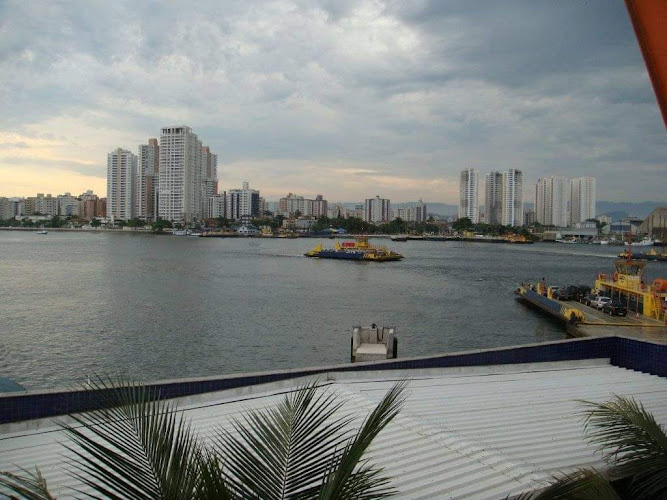
Santos has this way of sneaking up on you. I remember the first time I arrived there, expecting just another port city, and finding myself completely charmed by this place that somehow manages to balance its working-class maritime heritage with genuine beach town appeal. The city sprawls across both mainland São Paulo state and São Vicente Island, creating this interesting dual personality that most visitors don't quite anticipate. What really sets Santos apart from other Brazilian coastal destinations is its refusal to be just one thing. Sure, it's one of the busiest ports in all of Latin America, with massive cargo ships constantly moving through its waters. But it's also got this gorgeous beachfront that extends for kilometers, backed by what's supposedly the longest beachfront garden in the world according to Guinness World Records. And honestly? Walking that garden at sunset while watching locals play football and families gather for evening picnics feels pretty special. The historic center deserves more attention than it typically gets. The Museu do Café sits in this beautifully preserved 1922 building that used to be a commodities exchange, and stepping inside is like traveling back to when coffee was absolute king in Brazil. The stained glass ceiling alone is worth the visit, but the stories about how Santos basically fueled the world's coffee addiction for decades really puts things in perspective about how important this port city was to global trade. The Bay of Santos creates this protected waterway that's been crucial to the city's development since colonial times. Unlike some beach cities that feel disconnected from their maritime roots, Santos embraces both sides completely. You'll see fishermen working their nets in the morning while surfers catch waves just down the beach. It's that kind of place where different worlds exist side by side without much fuss about it.

Key Features

Santos offers travelers a distinctive mix of attractions that go beyond typical beach destinations: • The 5.3-kilometer beachfront garden stretching along the coast represents one of the longest of its kind globally, providing a perfect setting for morning runs, evening walks, or just people-watching throughout the day • Museu do Café houses fascinating exhibits about Brazil's coffee trade history within an architecturally stunning 1922 building featuring remarkable stained glass work and period details that transport visitors back a century • The port area showcases real working maritime infrastructure, giving travelers insight into modern shipping operations and Brazil's economic engine rather than sanitized tourist versions of port life • Historic district architecture reveals layers of Brazilian history through well-preserved buildings representing various periods of the city's development from colonial times through the coffee boom era • Multiple beaches including Gonzaga, José Menino, and Embaré each offer different atmospheres and crowd levels, allowing visitors to choose their preferred beach experience • Monte Serrat overlooks the entire city and bay from 147 meters elevation, accessible by funicular railway and topped with a chapel that's been a pilgrimage site since the 1960s • The aquarium, one of Brazil's oldest, contains marine species from the region and provides educational experiences particularly valuable for families traveling with children • Coffee Exchange building stands as architectural proof of the wealth that flowed through Santos during the coffee trade peak years • Santos Football Club history permeates the city, with Pelé having played here and the team's stadium offering tours for football enthusiasts • Canal systems throughout the city create unique urban landscapes different from typical Brazilian coastal cities

Best Time to Visit

Timing your Santos visit really depends on what kind of experience you're after, because the city changes character quite a bit throughout the year. The peak summer months from December through February bring the warmest weather and biggest crowds. Temperatures hover around 28-30°C, and you'll find the beaches packed with paulistanos escaping São Paulo city for weekend getaways. Hotels charge premium rates, and that beachfront garden gets seriously busy. But there's also this energetic atmosphere that some travelers absolutely love. I've always preferred visiting during the shoulder seasons, honestly. March through May and September through November offer this sweet spot where weather's still pleasant – usually between 20-26°C – but crowds thin out considerably. You'll actually find space on the beach, restaurant wait times drop, and accommodation prices become much more reasonable. The ocean's still warm enough for swimming, and you can actually explore the historic district without feeling like you're in a sauna. Winter months from June through August get cooler, with temperatures sometimes dipping to 15°C, but calling it "winter" feels generous compared to what folks from colder climates experience. The beaches aren't ideal for swimming, but this is actually the best time for exploring museums, wandering the historic center, and experiencing Santos as locals do rather than as a beach destination. Plus, you'll get the clearest skies for photographing the bay and surrounding landscapes. Rain can happen any time of year, but January and February tend to be wettest. Those afternoon thunderstorms roll in fast and hard, though they usually clear within an hour or two. September through December generally see less precipitation and might be the absolute best window for visiting if you want reliable weather without peak season chaos. One thing people don't always consider is that Santos gets really busy during Brazilian holidays and school vacation periods regardless of season. Carnaval in February or March transforms the entire city. If crowds aren't your thing, definitely check the Brazilian holiday calendar before booking.

How to Get There

Getting to Santos is surprisingly straightforward, especially if you're already in São Paulo. The two cities are connected by multiple highways, with the Anchieta-Imigrantes highway system being the main route. It's about 72 kilometers from São Paulo city center, which sounds quick until you factor in São Paulo's legendary traffic. The drive can take anywhere from one hour to three hours depending on timing and which day of the week you're traveling. Buses run constantly between São Paulo's main bus terminals and Santos. Companies like Viação Cometa and Kaissara operate frequent services throughout the day, and this is honestly the way most budget-conscious travelers make the journey. Tickets are affordable, buses are comfortable enough, and you don't have to deal with driving yourself. The trip takes roughly 90 minutes under normal conditions, dropping you at Santos' central bus terminal with easy access to local transportation. If you're flying into Brazil specifically to visit Santos, you'll likely arrive at São Paulo's Guarulhos International Airport. From there, you've got several options. Some shuttle services run directly to Santos, though you'll want to book these in advance. Taking a bus from the airport to São Paulo's Jabaquara bus terminal and then catching another bus to Santos works but involves extra steps. Uber or taxi directly from Guarulhos to Santos is possible but expensive – expect to pay significantly more than other options. There's also an unusual option that most international travelers don't know about: arriving by cruise ship. Santos receives numerous cruise ships, particularly during South American cruise season from November through March. If you're already planning a South American cruise, stopping in Santos gives you a chance to explore the city and potentially extend your stay beyond just the port call. Once you're in Santos, getting around is pretty manageable. The city has a public bus network covering most areas tourists care about. Taxis and ride-sharing apps work well and aren't too expensive for getting between neighborhoods. The beachfront area is quite walkable, and many visitors find they can explore the main beaches, gardens, and nearby restaurants entirely on foot from their accommodation. The historic center sits a bit inland from the beach area, maybe 10-15 minutes by bus or ride. Having transportation for that makes sense unless you're particularly ambitious about walking.

Tips for Visiting

Santos rewards visitors who do a bit of homework before arriving. First thing: don't make the mistake of thinking this is just a day trip destination from São Paulo. Yeah, you can do it in a day, but you'd be missing so much. The city reveals itself gradually, and spending at least two nights lets you experience both the beach scene and the historic areas without rushing. Accommodation choices matter more than you might think. Staying near Gonzaga beach puts you in the heart of the action with tons of restaurants and easy beach access. It's the most developed area but can feel a bit generic. The Boqueirão neighborhood offers similar beach access with slightly fewer crowds. If you're more interested in history than beaches, consider staying closer to the historic center, though nighttime dining options become more limited. Portuguese skills help tremendously here. Santos doesn't get the same international tourist volume as Rio or São Paulo, so English isn't widely spoken outside major hotels. Having basic Portuguese phrases ready or a translation app handy makes everything smoother. But honestly, people are generally patient and helpful even with language barriers. The beach culture here differs from other Brazilian beach cities I've visited. Santos locals are more low-key than Rio's beach crowd. You won't see the same parade of elaborate beach fashion or constant activity. It's more about families setting up for the day, friends playing football or frescobol, and a generally relaxed vibe. Bring your own beach gear if possible, though vendors do rent chairs and umbrellas. Safety requires common sense rather than paranoia. Santos is generally safer than São Paulo or Rio, but the usual precautions apply. Don't flash expensive jewelry or electronics unnecessarily. Keep an eye on belongings at the beach. Avoid poorly lit areas at night. The beachfront and historic center during daytime are quite safe, but use ride-sharing apps rather than walking long distances after dark. The Museu do Café deserves at least two hours, not the quick 30-minute pass-through many tourists give it. The building itself is gorgeous, the exhibits are genuinely interesting even if you're not a coffee fanatic, and the café serves excellent coffee drinks in a stunning setting. Go in the morning when light streams through those stained glass windows. Food in Santos leans heavily toward seafood, which makes sense for a port city. The fish markets near the port sell incredibly fresh catches. Restaurants along the beachfront serve decent food but charge tourist prices. Better value and more authentic experiences come from venturing a few blocks inland where locals actually eat. And try the local specialty: fish on the tile, where fresh fish gets grilled on a hot clay tile at your table. Weekend traffic from São Paulo becomes intense, with paulistanos flooding Santos for beach time. If you're visiting on weekends, book accommodation well in advance and expect everywhere to be busier. Weekdays offer a completely different, much calmer experience. The coffee museum gift shop sells high-quality Brazilian coffee at reasonable prices, making it perfect for bringing back souvenirs that are actually useful rather than dust collectors. Finally, adjust your expectations. Santos isn't trying to be Copacabana or Ipanema. It's a working port city that happens to have a nice beach and fascinating history. Appreciate it for what it is rather than comparing it to flashier destinations, and you'll have a much better time.

Key Features

  • Historic coffee port heritage and Museu do Café
  • Extensive beachfront garden (long seafront promenade) with bike paths
  • Active working port and maritime atmosphere
  • Santos FC football culture and stadium history
  • Compact historic centre with colonial and belle époque architecture

More Details

Updated January 17, 2026

Description

Santos has this way of sneaking up on you. I remember the first time I arrived there, expecting just another port city, and finding myself completely charmed by this place that somehow manages to balance its working-class maritime heritage with genuine beach town appeal. The city sprawls across both mainland São Paulo state and São Vicente Island, creating this interesting dual personality that most visitors don’t quite anticipate.

What really sets Santos apart from other Brazilian coastal destinations is its refusal to be just one thing. Sure, it’s one of the busiest ports in all of Latin America, with massive cargo ships constantly moving through its waters. But it’s also got this gorgeous beachfront that extends for kilometers, backed by what’s supposedly the longest beachfront garden in the world according to Guinness World Records. And honestly? Walking that garden at sunset while watching locals play football and families gather for evening picnics feels pretty special.

The historic center deserves more attention than it typically gets. The Museu do Café sits in this beautifully preserved 1922 building that used to be a commodities exchange, and stepping inside is like traveling back to when coffee was absolute king in Brazil. The stained glass ceiling alone is worth the visit, but the stories about how Santos basically fueled the world’s coffee addiction for decades really puts things in perspective about how important this port city was to global trade.

The Bay of Santos creates this protected waterway that’s been crucial to the city’s development since colonial times. Unlike some beach cities that feel disconnected from their maritime roots, Santos embraces both sides completely. You’ll see fishermen working their nets in the morning while surfers catch waves just down the beach. It’s that kind of place where different worlds exist side by side without much fuss about it.

Key Features

Santos offers travelers a distinctive mix of attractions that go beyond typical beach destinations:

• The 5.3-kilometer beachfront garden stretching along the coast represents one of the longest of its kind globally, providing a perfect setting for morning runs, evening walks, or just people-watching throughout the day

• Museu do Café houses fascinating exhibits about Brazil’s coffee trade history within an architecturally stunning 1922 building featuring remarkable stained glass work and period details that transport visitors back a century

• The port area showcases real working maritime infrastructure, giving travelers insight into modern shipping operations and Brazil’s economic engine rather than sanitized tourist versions of port life

• Historic district architecture reveals layers of Brazilian history through well-preserved buildings representing various periods of the city’s development from colonial times through the coffee boom era

• Multiple beaches including Gonzaga, José Menino, and Embaré each offer different atmospheres and crowd levels, allowing visitors to choose their preferred beach experience

• Monte Serrat overlooks the entire city and bay from 147 meters elevation, accessible by funicular railway and topped with a chapel that’s been a pilgrimage site since the 1960s

• The aquarium, one of Brazil’s oldest, contains marine species from the region and provides educational experiences particularly valuable for families traveling with children

• Coffee Exchange building stands as architectural proof of the wealth that flowed through Santos during the coffee trade peak years

• Santos Football Club history permeates the city, with Pelé having played here and the team’s stadium offering tours for football enthusiasts

• Canal systems throughout the city create unique urban landscapes different from typical Brazilian coastal cities

Best Time to Visit

Timing your Santos visit really depends on what kind of experience you’re after, because the city changes character quite a bit throughout the year. The peak summer months from December through February bring the warmest weather and biggest crowds. Temperatures hover around 28-30°C, and you’ll find the beaches packed with paulistanos escaping São Paulo city for weekend getaways. Hotels charge premium rates, and that beachfront garden gets seriously busy. But there’s also this energetic atmosphere that some travelers absolutely love.

I’ve always preferred visiting during the shoulder seasons, honestly. March through May and September through November offer this sweet spot where weather’s still pleasant – usually between 20-26°C – but crowds thin out considerably. You’ll actually find space on the beach, restaurant wait times drop, and accommodation prices become much more reasonable. The ocean’s still warm enough for swimming, and you can actually explore the historic district without feeling like you’re in a sauna.

Winter months from June through August get cooler, with temperatures sometimes dipping to 15°C, but calling it “winter” feels generous compared to what folks from colder climates experience. The beaches aren’t ideal for swimming, but this is actually the best time for exploring museums, wandering the historic center, and experiencing Santos as locals do rather than as a beach destination. Plus, you’ll get the clearest skies for photographing the bay and surrounding landscapes.

Rain can happen any time of year, but January and February tend to be wettest. Those afternoon thunderstorms roll in fast and hard, though they usually clear within an hour or two. September through December generally see less precipitation and might be the absolute best window for visiting if you want reliable weather without peak season chaos.

One thing people don’t always consider is that Santos gets really busy during Brazilian holidays and school vacation periods regardless of season. Carnaval in February or March transforms the entire city. If crowds aren’t your thing, definitely check the Brazilian holiday calendar before booking.

How to Get There

Getting to Santos is surprisingly straightforward, especially if you’re already in São Paulo. The two cities are connected by multiple highways, with the Anchieta-Imigrantes highway system being the main route. It’s about 72 kilometers from São Paulo city center, which sounds quick until you factor in São Paulo’s legendary traffic. The drive can take anywhere from one hour to three hours depending on timing and which day of the week you’re traveling.

Buses run constantly between São Paulo’s main bus terminals and Santos. Companies like Viação Cometa and Kaissara operate frequent services throughout the day, and this is honestly the way most budget-conscious travelers make the journey. Tickets are affordable, buses are comfortable enough, and you don’t have to deal with driving yourself. The trip takes roughly 90 minutes under normal conditions, dropping you at Santos’ central bus terminal with easy access to local transportation.

If you’re flying into Brazil specifically to visit Santos, you’ll likely arrive at São Paulo’s Guarulhos International Airport. From there, you’ve got several options. Some shuttle services run directly to Santos, though you’ll want to book these in advance. Taking a bus from the airport to São Paulo’s Jabaquara bus terminal and then catching another bus to Santos works but involves extra steps. Uber or taxi directly from Guarulhos to Santos is possible but expensive – expect to pay significantly more than other options.

There’s also an unusual option that most international travelers don’t know about: arriving by cruise ship. Santos receives numerous cruise ships, particularly during South American cruise season from November through March. If you’re already planning a South American cruise, stopping in Santos gives you a chance to explore the city and potentially extend your stay beyond just the port call.

Once you’re in Santos, getting around is pretty manageable. The city has a public bus network covering most areas tourists care about. Taxis and ride-sharing apps work well and aren’t too expensive for getting between neighborhoods. The beachfront area is quite walkable, and many visitors find they can explore the main beaches, gardens, and nearby restaurants entirely on foot from their accommodation.

The historic center sits a bit inland from the beach area, maybe 10-15 minutes by bus or ride. Having transportation for that makes sense unless you’re particularly ambitious about walking.

Tips for Visiting

Santos rewards visitors who do a bit of homework before arriving. First thing: don’t make the mistake of thinking this is just a day trip destination from São Paulo. Yeah, you can do it in a day, but you’d be missing so much. The city reveals itself gradually, and spending at least two nights lets you experience both the beach scene and the historic areas without rushing.

Accommodation choices matter more than you might think. Staying near Gonzaga beach puts you in the heart of the action with tons of restaurants and easy beach access. It’s the most developed area but can feel a bit generic. The Boqueirão neighborhood offers similar beach access with slightly fewer crowds. If you’re more interested in history than beaches, consider staying closer to the historic center, though nighttime dining options become more limited.

Portuguese skills help tremendously here. Santos doesn’t get the same international tourist volume as Rio or São Paulo, so English isn’t widely spoken outside major hotels. Having basic Portuguese phrases ready or a translation app handy makes everything smoother. But honestly, people are generally patient and helpful even with language barriers.

The beach culture here differs from other Brazilian beach cities I’ve visited. Santos locals are more low-key than Rio’s beach crowd. You won’t see the same parade of elaborate beach fashion or constant activity. It’s more about families setting up for the day, friends playing football or frescobol, and a generally relaxed vibe. Bring your own beach gear if possible, though vendors do rent chairs and umbrellas.

Safety requires common sense rather than paranoia. Santos is generally safer than São Paulo or Rio, but the usual precautions apply. Don’t flash expensive jewelry or electronics unnecessarily. Keep an eye on belongings at the beach. Avoid poorly lit areas at night. The beachfront and historic center during daytime are quite safe, but use ride-sharing apps rather than walking long distances after dark.

The Museu do Café deserves at least two hours, not the quick 30-minute pass-through many tourists give it. The building itself is gorgeous, the exhibits are genuinely interesting even if you’re not a coffee fanatic, and the café serves excellent coffee drinks in a stunning setting. Go in the morning when light streams through those stained glass windows.

Food in Santos leans heavily toward seafood, which makes sense for a port city. The fish markets near the port sell incredibly fresh catches. Restaurants along the beachfront serve decent food but charge tourist prices. Better value and more authentic experiences come from venturing a few blocks inland where locals actually eat. And try the local specialty: fish on the tile, where fresh fish gets grilled on a hot clay tile at your table.

Weekend traffic from São Paulo becomes intense, with paulistanos flooding Santos for beach time. If you’re visiting on weekends, book accommodation well in advance and expect everywhere to be busier. Weekdays offer a completely different, much calmer experience.

The coffee museum gift shop sells high-quality Brazilian coffee at reasonable prices, making it perfect for bringing back souvenirs that are actually useful rather than dust collectors.

Finally, adjust your expectations. Santos isn’t trying to be Copacabana or Ipanema. It’s a working port city that happens to have a nice beach and fascinating history. Appreciate it for what it is rather than comparing it to flashier destinations, and you’ll have a much better time.

Key Highlights

  • Historic coffee port heritage and Museu do Café
  • Extensive beachfront garden (long seafront promenade) with bike paths
  • Active working port and maritime atmosphere
  • Santos FC football culture and stadium history
  • Compact historic centre with colonial and belle époque architecture

Location

Places to Stay Near Santos

Find and Book a Tour

Explore More Travel Guides

No reviews found! Be the first to review!

Traveler Reviews for Santos

There are no reviews yet. Be the first one to write one.

Share Your Experience

Have you visited Santos? Help other travelers by sharing your review.

Nearby Attractions

Guarujá (beaches and coastal resorts) São Vicente (historic sites and coastal viewpoints) Ilha Porchat / Ilhas of Baixada Santista

Find Accommodations Nearby

Recommended Tours & Activities

Visitor Reviews

There are no reviews yet. Be the first one to write one.

Share Your Experience

Have you visited Santos? Help other travelers by leaving a review.