Description
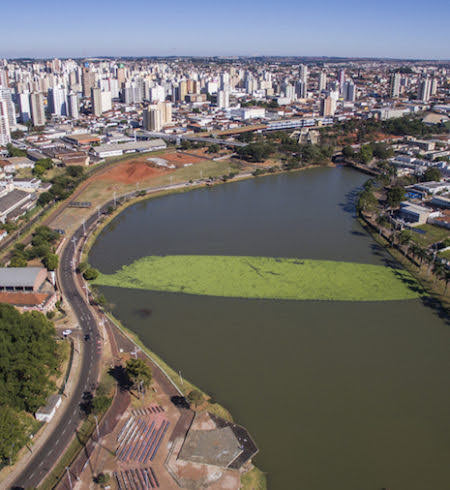
São José do Rio Preto sits in the northwestern corner of São Paulo state, and honestly, it’s one of those Brazilian cities that doesn’t get nearly enough credit from international travelers. Most people zoom past on their way to bigger destinations, but that’s their loss. This city of about 450,000 people has carved out its own identity as a regional powerhouse – you’ll find shopping centers that rival those in São Paulo capital, hospitals that draw patients from across South America, and a food scene that’ll make you question why you spent so much time in Rio.
What struck me most about Rio Preto (as locals call it) is how it manages to feel modern without losing that Brazilian warmth. The city sprawls across well-planned avenues lined with mango trees, and there’s this peculiar energy here – part business hub, part agricultural center, and entirely underrated. It’s not trying to be a tourist destination in the traditional sense, which is precisely what makes it interesting for travelers who want to experience how real Brazil actually works.
The climate here is tropical, which means it gets HOT during summer months. We’re talking temperatures that’ll have you seeking refuge in one of the many air-conditioned shopping complexes. But the city has adapted brilliantly to this – there’s a culture of indoor spaces that are genuinely enjoyable, not just functional. And when the sun starts setting, the outdoor areas come alive with families, joggers, and people just enjoying life.
Key Features
- Medical Tourism Hub: The city has become a surprising destination for medical procedures, with some of Brazil’s most advanced hospitals and specialized clinics drawing patients from neighboring countries
- Shopping Paradise: Multiple large shopping centers offer everything from international brands to local boutiques, plus excellent air conditioning when you need a break from the heat
- Culinary Diversity: The restaurant scene punches well above the city’s weight class, featuring everything from traditional Brazilian churrascarias to Japanese, Italian, and Middle Eastern cuisine that reflects the city’s immigrant communities
- Parks and Green Spaces: Despite the urban development, the city maintains several well-kept parks perfect for morning runs or evening strolls when temperatures cool down
- Cultural Centers: Multiple theaters, galleries, and performance spaces showcase regional and national talent throughout the year
- University Town Atmosphere: Several higher education institutions give parts of the city a youthful, energetic feeling with student-friendly cafes and bars
- Business Infrastructure: Modern conference facilities and quality hotels make it surprisingly easy for business travelers to get things done
- Strategic Location: Positioned as a gateway to Brazil’s agricultural heartland, offering insights into the country’s economic engine that tourists rarely see
Best Time to Visit
Here’s where I’m gonna be completely honest with you – timing your visit to Rio Preto matters more than you might think. The city doesn’t have the dramatic seasonal changes you’d find in southern Brazil, but the differences between dry and wet seasons are significant.
May through September represents your sweet spot. These months fall during Brazil’s winter, which sounds dramatic until you realize “winter” here means daytime temperatures around 25-28°C (77-82°F). Perfect, really. The nights get pleasantly cool, sometimes dipping to 15°C (59°F), which means you can actually enjoy outdoor dining without melting into your chair. Plus, the humidity drops considerably during these months, making walks around the city genuinely pleasant.
I’d personally avoid December through February unless you genuinely love extreme heat. We’re talking 35°C (95°F) and higher, with humidity that makes the air feel thick enough to chew. Locals adapt by changing their schedules – everything slows down during the hottest afternoon hours, then picks back up after sunset. If you do visit during summer, embrace the Brazilian rhythm of life: late lunches, siestas, and dinners that don’t start until 9 PM.
The transition months of April and October offer a middle ground. You might catch some rain, but temperatures are reasonable, and hotel prices haven’t hit their peak season rates. Actually, one thing I love about Rio Preto is that it doesn’t really have “tourist seasons” like coastal cities do – it’s a working city first, which means consistent pricing and availability year-round.
Weather aside, check the cultural calendar before booking. The city hosts various festivals and events throughout the year, and timing your visit to coincide with these can add an unexpected dimension to your trip.
How to Get There
Getting to São José do Rio Preto requires a bit more planning than reaching Brazil’s major tourist hubs, but it’s far from difficult. The city has its own airport – Aeroporto Estadual Professor Eribelto Manoel Reino – which handles domestic flights from São Paulo and a few other Brazilian cities. The flight from São Paulo’s Guarulhos or Congonhas airports takes barely an hour, and honestly, it’s the most painless way to arrive.
But here’s the thing about flying directly – the schedules can be limited and prices sometimes don’t make sense. I’ve seen situations where it’s cheaper to fly into São Paulo and rent a car than to book a direct flight. If you go the rental car route, you’re looking at about 450 kilometers (280 miles) from São Paulo city, which takes around 5-6 hours depending on traffic and how many stops you make. The highways are generally good quality, though tolls add up quickly in São Paulo state.
Bus service from São Paulo runs regularly and offers a comfortable, economical alternative. Several companies operate on this route with executive-class buses featuring reclining seats and onboard bathrooms. The journey takes about 6-7 hours, and overnight buses are available if you want to save on accommodation and arrive fresh in the morning. The main bus terminal (Rodoviária) in Rio Preto is well-organized and centrally located.
For those already traveling through Brazil’s interior, Rio Preto serves as a natural stopping point between São Paulo and destinations further west like Campo Grande or north toward Brasília. The road network connects well to the broader interstate highway system.
Once you arrive, getting around the city itself presents some challenges if you don’t have a car. Public transportation exists but isn’t particularly tourist-friendly, and the city’s sprawling layout makes walking impractical for most destinations. Rideshare apps work well here – they’re reliable, affordable, and drivers are generally helpful even if your Portuguese is limited.
Tips for Visiting
Let me share some practical wisdom that’ll make your time in Rio Preto smoother. First off, learn some basic Portuguese phrases. Unlike Rio de Janeiro or São Paulo where you can often find English speakers in tourist areas, Rio Preto doesn’t get enough international visitors for widespread English proficiency. But don’t let this scare you – Brazilians here are remarkably patient and helpful with language barriers. I’ve watched travelers successfully communicate through a combination of Google Translate, hand gestures, and mutual laughter.
Currency exchange can be tricky since this isn’t a tourist-heavy city. Change money before you arrive or withdraw from ATMs, which are widely available and generally safe during daytime hours in commercial areas. Credit cards work at most establishments, but carry some cash for smaller restaurants, street vendors, and markets.
The heat deserves another mention because it genuinely affects how you should plan your days. Schedule indoor activities during peak afternoon hours – this is the perfect time to explore shopping centers, museums, or enjoy a leisurely lunch at an air-conditioned restaurant. Save outdoor exploration for mornings before 10 AM or evenings after 5 PM. Always carry water, use serious sunscreen, and don’t underestimate how quickly you can become dehydrated.
Safety-wise, Rio Preto is generally safer than Brazil’s major cities, but standard precautions apply. Don’t flash expensive jewelry or electronics unnecessarily, be aware of your surroundings, and stick to well-lit areas after dark. The city center empties out significantly on weekends, so plan accordingly.
Food is one of Rio Preto’s genuine highlights, so come hungry. The local specialty is beef – this region produces some of Brazil’s finest cattle, and the steakhouses know how to showcase it. But also seek out the city’s Japanese restaurants, which are surprisingly excellent due to a significant Japanese-Brazilian community in the region. Markets and bakeries open early and offer fantastic breakfast options; the pão de queijo (cheese bread) alone is worth waking up for.
For accommodation, business hotels dominate the landscape, which means reliable wifi, good air conditioning, and professional service. These aren’t charming boutique properties, but they’re functional and often better value than you’d find in tourist cities.
Finally, adjust your expectations about what you’ll see and do here. Rio Preto isn’t going to give you postcard moments or Instagram-famous landmarks. What it offers instead is an authentic slice of Brazilian urban life, the kind of experience that helps you understand how the country actually functions beyond its beaches and carnival parades. Embrace that perspective, and you’ll find this city reveals layers that most travelers never discover.