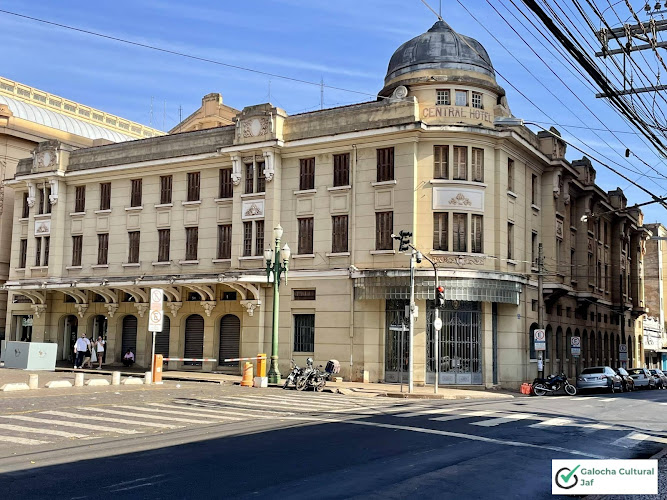
Housed in a restored historic building in the heart of Ribeirão Preto, Centro Cultural Palace is a lively meeting point for the city’s arts and community life. Once part of the city’s early 20th-century urban fabric, the Palace blends period architecture with flexible exhibition and performance spaces, hosting dance, music, visual arts and theater projects that bridge tradition and contemporary practice. Visitors come for rotating exhibitions, affordable performances and hands-on workshops that showcase local talent alongside touring artists. Its central location on Rua Álvares Cabral makes it easy to combine a visit with a stroll through downtown’s heritage streets, cafes and shops. For travelers seeking an authentic cultural snapshot of Ribeirão Preto, the Palace offers intimate programming, a friendly local atmosphere and frequent free or low-cost events — an ideal stop to experience Paulista cultural life beyond the usual museums.
Highlights & Key Features
Restored historic building with period architecture
Rotating visual art exhibitions and curated shows
Live performances in music, dance and theater
Workshops and community outreach programs
Central downtown location near other cultural sites
Visitor Guide & Information
Description
The Centro Cultural Palace stands as a testament to the enduring power of art and community gathering spaces. This cultural center has carved out its reputation as a place where tradition meets contemporary expression, drawing visitors who seek more than just superficial tourist experiences. Walking through its doors, travelers immediately sense they’ve stumbled upon something authentic—a space that locals genuinely cherish rather than one manufactured solely for tourist consumption.
The building itself tells stories through its architecture, though honestly, what makes this place special isn’t always visible at first glance. It’s the way afternoon light filters through specific windows, or how the acoustics in certain rooms seem almost accidentally perfect for performances. I’ve learned over years of travel that the best cultural centers aren’t always the most polished ones, and there’s something refreshingly genuine about how this place operates.
What really distinguishes Centro Cultural Palace from other cultural venues is its commitment to accessibility. You’ll notice immediately that they’ve thought carefully about making sure everyone can participate in cultural experiences here. The wheelchair accessible entrances and restrooms aren’t afterthoughts—they’re integrated naturally into the space’s design. And let me tell you, after visiting dozens of historical buildings across different countries where accessibility seemed like an impossible dream, finding a cultural center that prioritizes inclusion feels significant.
The Palace functions as both a preservation space for cultural heritage and a living, breathing venue for contemporary artistic expression. Throughout any given month, you might encounter traditional dance performances one evening, modern art installations the next day, and community workshops on weekends. This isn’t a museum where culture sits behind glass—it’s an active participant in the city’s ongoing cultural conversation.
Key Features
The Centro Cultural Palace offers travelers several distinctive elements that make it worth including in your itinerary:
Fully Accessible Facilities: Complete wheelchair access throughout the venue, including entrances and restroom facilities, ensuring all visitors can enjoy the cultural offerings without barriers
Multi-Purpose Exhibition Spaces: Rotating galleries showcase both historical artifacts and contemporary works, giving you perspective on how cultural expression has evolved while maintaining connections to tradition
Performance Venues: Theater spaces and performance halls host everything from traditional music concerts to experimental theatrical productions, with acoustics that genuinely enhance rather than muddle the experience
Workshop and Educational Programs: Hands-on opportunities allow visitors to engage directly with local artisans and cultural practitioners, transforming passive observation into active participation
Community Integration: Unlike some cultural centers that feel detached from daily life, this palace maintains strong connections with local communities, meaning you’re likely to interact with residents who use the space regularly
Clean and Well-Maintained Facilities: Restrooms and common areas receive consistent upkeep, which might seem like a small detail but honestly makes a huge difference during extended visits
Architectural Interest: The building’s design elements reward close observation, with details that reveal themselves gradually as you explore different sections
Cultural Programming Diversity: Events span multiple artistic disciplines and cultural traditions, providing windows into both historical practices and contemporary innovation
Best Time to Visit
Timing your visit to Centro Cultural Palace requires thinking about what kind of experience you’re after. The venue operates year-round, but your experience will vary considerably depending on when you show up.
Weekday mornings, particularly Tuesday through Thursday, offer the quietest browsing experience. If you’re someone who likes to absorb art and culture at your own pace without navigating crowds, these slots work beautifully. You’ll have more space to contemplate exhibits and potentially strike up conversations with staff members who aren’t overwhelmed with visitor questions.
But here’s where things get interesting—weekend evenings transform the Palace completely. The energy shifts dramatically as locals flood in for performances and special events. Yes, it’s busier, and you might wait for certain exhibits. However, you’ll witness the space functioning as it’s truly meant to: as a living cultural hub rather than a quiet repository. I’ve always found that cultural centers reveal their true character when they’re actually filled with the communities they serve.
If you’re planning around specific performances or exhibitions, check programming schedules at least two weeks ahead. The most popular events can draw substantial crowds, and while the venue handles capacity well, arriving early ensures you don’t miss out. Special cultural festivals and holiday periods bring unique programming you won’t encounter during regular seasons, though expect these times to be notably busier.
Weather considerations matter less here than at outdoor attractions, which makes Centro Cultural Palace an excellent backup option if rain derails your other plans. The climate-controlled interior provides consistent comfort regardless of external conditions.
For photographers—and I know many travelers document their cultural experiences extensively—natural lighting conditions peak during late morning through early afternoon hours. The way light interacts with architectural features creates opportunities for compelling images without relying heavily on flash photography, which often isn’t permitted during performances anyway.
How to Get There
Navigating to Centro Cultural Palace proves straightforward once you understand the local transportation landscape. The venue’s central location makes it accessible through multiple routes, though some methods work better than others depending on where you’re staying.
Public transportation provides the most economical approach for budget-conscious travelers. Multiple bus lines pass within a few blocks of the Palace, and if you’re staying anywhere in the downtown area, you’ll find direct routes. Local buses run frequently during daytime hours, though service thins considerably after evening performances end. Plan your return journey before you leave, especially if you’re attending night events.
Taxi services and ride-sharing apps offer door-to-door convenience, particularly valuable if you’re traveling with mobility considerations or simply prefer not navigating unfamiliar bus systems. The area around the Palace generates consistent traffic, so drivers know the location well. During peak hours, though, street congestion can extend travel times significantly—budget an extra 15-20 minutes if you’re arriving between 5-7 PM.
For travelers who enjoy walking, the Palace sits within reasonable distance from several hotel districts. A 20-30 minute walk from many downtown accommodations provides excellent opportunities to observe street life and neighborhood character. The route passes through areas that feel safe during daylight hours, though as with any urban walking, maintain awareness of your surroundings.
Parking availability exists but comes with caveats. The immediate vicinity offers limited street parking that fills quickly, particularly during weekend programming. Several paid parking structures operate within a few blocks, but honestly, unless you’re driving from outside the city, dealing with parking creates more hassle than it solves.
The accessibility features extend to arrival logistics—the main entrance accommodates wheelchair users without requiring navigation of stairs or narrow passages. If you’re traveling with someone who uses mobility aids, approaching from the main entrance provides the smoothest access.
Tips for Visiting
Making the most of your Centro Cultural Palace experience requires some insider knowledge that typical guidebooks overlook.
First, don’t rush through. I’ve watched too many travelers speed through cultural venues like they’re checking boxes on a scavenger hunt. The Palace rewards slow, deliberate exploration. Budget at least two hours minimum, three if you’re attending a performance. Some exhibits need time to reveal their depth, and the building itself contains details you’ll miss if you’re racing through.
Dress comfortably but respectfully. While there’s no strict dress code, remember this is a cultural institution that locals treat with reverence. You don’t need formal wear, but beach attire or extremely casual clothing feels out of place, especially during evening performances.
The restroom facilities, while clean and accessible, can experience lines during intermissions and between scheduled events. Time your visits strategically to avoid peak bathroom rush periods.
Bring minimal bags and personal items. Large backpacks often require checking or can’t be carried into certain exhibition spaces. A small crossbody bag or daypack works best for essentials like your phone, wallet, and perhaps a water bottle.
Photography policies vary depending on which spaces you’re visiting and whether performances are underway. Some permanent exhibits allow non-flash photography, while temporary exhibitions or live performances prohibit cameras entirely. Look for posted signage or ask staff rather than assuming—getting called out for unauthorized photos is embarrassing and disruptive.
Engage with the educational programming if your schedule allows. Even short workshops provide deeper context than self-guided exploration alone. These sessions often attract local participants, creating natural opportunities for cultural exchange beyond typical tourist-local interactions.
Consider visiting multiple times if your trip length permits. The rotating exhibition schedule means the Palace presents different faces depending on current programming. A return visit three or four days later might reveal completely different aspects of the venue’s character.
The staff generally speak functional English, but learning a few phrases in the local language demonstrates respect and often opens warmer interactions. Even butchered attempts at basic greetings typically receive encouraging responses.
Admission pricing usually offers good value compared to cultural venues in major tourist destinations. Some programming is free, while special performances or temporary exhibitions carry additional charges. Cash acceptance varies, so carry both cash and cards to avoid payment complications.
Finally, use the Palace as a cultural anchor point for understanding broader local traditions. What you encounter here—whether artistic styles, performance traditions, or community gathering patterns—reflects wider cultural values. Pay attention to how locals interact with the space, what draws crowds versus quiet contemplation, and how different generations engage with cultural programming. These observations provide context that enriches your entire travel experience beyond just this single venue.
The Centro Cultural Palace stands as a testament to the enduring power of art and community gathering spaces. This cultural center has carved out its reputation as a place where tradition meets contemporary expression, drawing visitors who seek more than just superficial tourist experiences. Walking through its doors, travelers immediately sense they’ve stumbled upon something authentic—a space that locals genuinely cherish rather than one manufactured solely for tourist consumption.
The building itself tells stories through its architecture, though honestly, what makes this place special isn’t always visible at first glance. It’s the way afternoon light filters through specific windows, or how the acoustics in certain rooms seem almost accidentally perfect for performances. I’ve learned over years of travel that the best cultural centers aren’t always the most polished ones, and there’s something refreshingly genuine about how this place operates.
What really distinguishes Centro Cultural Palace from other cultural venues is its commitment to accessibility. You’ll notice immediately that they’ve thought carefully about making sure everyone can participate in cultural experiences here. The wheelchair accessible entrances and restrooms aren’t afterthoughts—they’re integrated naturally into the space’s design. And let me tell you, after visiting dozens of historical buildings across different countries where accessibility seemed like an impossible dream, finding a cultural center that prioritizes inclusion feels significant.
The Palace functions as both a preservation space for cultural heritage and a living, breathing venue for contemporary artistic expression. Throughout any given month, you might encounter traditional dance performances one evening, modern art installations the next day, and community workshops on weekends. This isn’t a museum where culture sits behind glass—it’s an active participant in the city’s ongoing cultural conversation.
Key Features
The Centro Cultural Palace offers travelers several distinctive elements that make it worth including in your itinerary:
Fully Accessible Facilities: Complete wheelchair access throughout the venue, including entrances and restroom facilities, ensuring all visitors can enjoy the cultural offerings without barriers
Multi-Purpose Exhibition Spaces: Rotating galleries showcase both historical artifacts and contemporary works, giving you perspective on how cultural expression has evolved while maintaining connections to tradition
Performance Venues: Theater spaces and performance halls host everything from traditional music concerts to experimental theatrical productions, with acoustics that genuinely enhance rather than muddle the experience
Workshop and Educational Programs: Hands-on opportunities allow visitors to engage directly with local artisans and cultural practitioners, transforming passive observation into active participation
Community Integration: Unlike some cultural centers that feel detached from daily life, this palace maintains strong connections with local communities, meaning you’re likely to interact with residents who use the space regularly
Clean and Well-Maintained Facilities: Restrooms and common areas receive consistent upkeep, which might seem like a small detail but honestly makes a huge difference during extended visits
Architectural Interest: The building’s design elements reward close observation, with details that reveal themselves gradually as you explore different sections
Cultural Programming Diversity: Events span multiple artistic disciplines and cultural traditions, providing windows into both historical practices and contemporary innovation
Best Time to Visit
Timing your visit to Centro Cultural Palace requires thinking about what kind of experience you’re after. The venue operates year-round, but your experience will vary considerably depending on when you show up.
Weekday mornings, particularly Tuesday through Thursday, offer the quietest browsing experience. If you’re someone who likes to absorb art and culture at your own pace without navigating crowds, these slots work beautifully. You’ll have more space to contemplate exhibits and potentially strike up conversations with staff members who aren’t overwhelmed with visitor questions.
But here’s where things get interesting—weekend evenings transform the Palace completely. The energy shifts dramatically as locals flood in for performances and special events. Yes, it’s busier, and you might wait for certain exhibits. However, you’ll witness the space functioning as it’s truly meant to: as a living cultural hub rather than a quiet repository. I’ve always found that cultural centers reveal their true character when they’re actually filled with the communities they serve.
If you’re planning around specific performances or exhibitions, check programming schedules at least two weeks ahead. The most popular events can draw substantial crowds, and while the venue handles capacity well, arriving early ensures you don’t miss out. Special cultural festivals and holiday periods bring unique programming you won’t encounter during regular seasons, though expect these times to be notably busier.
Weather considerations matter less here than at outdoor attractions, which makes Centro Cultural Palace an excellent backup option if rain derails your other plans. The climate-controlled interior provides consistent comfort regardless of external conditions.
For photographers—and I know many travelers document their cultural experiences extensively—natural lighting conditions peak during late morning through early afternoon hours. The way light interacts with architectural features creates opportunities for compelling images without relying heavily on flash photography, which often isn’t permitted during performances anyway.
How to Get There
Navigating to Centro Cultural Palace proves straightforward once you understand the local transportation landscape. The venue’s central location makes it accessible through multiple routes, though some methods work better than others depending on where you’re staying.
Public transportation provides the most economical approach for budget-conscious travelers. Multiple bus lines pass within a few blocks of the Palace, and if you’re staying anywhere in the downtown area, you’ll find direct routes. Local buses run frequently during daytime hours, though service thins considerably after evening performances end. Plan your return journey before you leave, especially if you’re attending night events.
Taxi services and ride-sharing apps offer door-to-door convenience, particularly valuable if you’re traveling with mobility considerations or simply prefer not navigating unfamiliar bus systems. The area around the Palace generates consistent traffic, so drivers know the location well. During peak hours, though, street congestion can extend travel times significantly—budget an extra 15-20 minutes if you’re arriving between 5-7 PM.
For travelers who enjoy walking, the Palace sits within reasonable distance from several hotel districts. A 20-30 minute walk from many downtown accommodations provides excellent opportunities to observe street life and neighborhood character. The route passes through areas that feel safe during daylight hours, though as with any urban walking, maintain awareness of your surroundings.
Parking availability exists but comes with caveats. The immediate vicinity offers limited street parking that fills quickly, particularly during weekend programming. Several paid parking structures operate within a few blocks, but honestly, unless you’re driving from outside the city, dealing with parking creates more hassle than it solves.
The accessibility features extend to arrival logistics—the main entrance accommodates wheelchair users without requiring navigation of stairs or narrow passages. If you’re traveling with someone who uses mobility aids, approaching from the main entrance provides the smoothest access.
Tips for Visiting
Making the most of your Centro Cultural Palace experience requires some insider knowledge that typical guidebooks overlook.
First, don’t rush through. I’ve watched too many travelers speed through cultural venues like they’re checking boxes on a scavenger hunt. The Palace rewards slow, deliberate exploration. Budget at least two hours minimum, three if you’re attending a performance. Some exhibits need time to reveal their depth, and the building itself contains details you’ll miss if you’re racing through.
Dress comfortably but respectfully. While there’s no strict dress code, remember this is a cultural institution that locals treat with reverence. You don’t need formal wear, but beach attire or extremely casual clothing feels out of place, especially during evening performances.
The restroom facilities, while clean and accessible, can experience lines during intermissions and between scheduled events. Time your visits strategically to avoid peak bathroom rush periods.
Bring minimal bags and personal items. Large backpacks often require checking or can’t be carried into certain exhibition spaces. A small crossbody bag or daypack works best for essentials like your phone, wallet, and perhaps a water bottle.
Photography policies vary depending on which spaces you’re visiting and whether performances are underway. Some permanent exhibits allow non-flash photography, while temporary exhibitions or live performances prohibit cameras entirely. Look for posted signage or ask staff rather than assuming—getting called out for unauthorized photos is embarrassing and disruptive.
Engage with the educational programming if your schedule allows. Even short workshops provide deeper context than self-guided exploration alone. These sessions often attract local participants, creating natural opportunities for cultural exchange beyond typical tourist-local interactions.
Consider visiting multiple times if your trip length permits. The rotating exhibition schedule means the Palace presents different faces depending on current programming. A return visit three or four days later might reveal completely different aspects of the venue’s character.
The staff generally speak functional English, but learning a few phrases in the local language demonstrates respect and often opens warmer interactions. Even butchered attempts at basic greetings typically receive encouraging responses.
Admission pricing usually offers good value compared to cultural venues in major tourist destinations. Some programming is free, while special performances or temporary exhibitions carry additional charges. Cash acceptance varies, so carry both cash and cards to avoid payment complications.
Finally, use the Palace as a cultural anchor point for understanding broader local traditions. What you encounter here—whether artistic styles, performance traditions, or community gathering patterns—reflects wider cultural values. Pay attention to how locals interact with the space, what draws crowds versus quiet contemplation, and how different generations engage with cultural programming. These observations provide context that enriches your entire travel experience beyond just this single venue.
Key Highlights
Restored historic building with period architecture
Rotating visual art exhibitions and curated shows
Live performances in music, dance and theater
Workshops and community outreach programs
Central downtown location near other cultural sites
Right in the beating heart of downtown Ribeirão Preto, the Centro Cultural Palace is one of those spots you just can’t skip if you’re even a little curious about Brazil’s cultural side. This historic building has been lovingly restored, and the moment you step inside, it’s clear why locals are proud of it.
Inside, you’ll stumble across free art exhibitions, hands-on workshops, dance performances, and theater productions—spread out over three floors of creative spaces. It’s right next to the iconic Theatro Dom Pedro II and stares out at the leafy Praça XV de Novembro, so you can’t really get more central than this.
What makes the Palace so lively? It’s how local artists and the community seem to collide here every day. Maybe you’ll catch a classical concert in the Pedro Paulo Auditorium, or wander into a contemporary art installation in the Salão Verde.
The Palace is buzzing from morning till evening on weekdays. If you’re the type who loves a bit of backstory, check out the guided tours—they run on certain days and really dig into the building’s quirky architectural details.
Whether you’re hoping to catch a show, join a workshop, or just lose yourself in the latest exhibition, the Centro Cultural Palace is a rare find—you get all this culture for free, right in the center of Ribeirão Preto.
Key Takeaways
Centro Cultural Palace is a free cultural hub in downtown Ribeirão Preto, packed with exhibitions, workshops, and live performances.
The historic building houses multiple event spaces across three floors, including cozy auditoriums and bright exhibition halls.
Guided tours are offered on select days if you want to geek out over the building’s history and architecture.
About Centro Cultural Palace
This place has some serious history. The Centro Cultural Palace fills a restored building that once operated as the Palace Hotel—so yeah, it’s got stories.
Now, it’s where Ribeirão Preto’s creative community comes to life. You can pop into workshops, browse local art, or just hang out and soak up the energy.
History and Significance
Construction kicked off back in 1924, right at the corner of Rua Duque de Caxias and Álvares Cabral. The man behind it all? Adalberto Henrique de Oliveira Roxo, a coffee baron with more than a little influence during the city’s coffee-fueled heyday.
Ownership switched in 1927 when Cia. Cervejaria Paulista took over. Then, around 1930, architect Hipólito Gustavo Pujol Júnior gave the facade a total facelift to match the neighboring Theatro Pedro II and Edifício Meira Júnior.
Locals call the block the Quarteirão Paulista for a reason—it’s packed with history.
The hotel kept its doors open until 1992. By 1982, the Palace Hotel and Theatro Pedro II were both officially protected as historic landmarks, thanks to their architectural and cultural value.
The city stepped in and took over in 1996. After a long restoration (with plenty of debate, no doubt), the building reopened in October 2011 as the Centro Cultural Palace.
What Makes It Special
Workshops, exhibitions, and events here are always free, and there’s a real focus on giving up-and-coming local artists a chance to shine. The building itself is a living museum, with architectural details that span nearly a century.
But honestly, what really sets the Palace apart is how accessible it feels. It’s not just a museum—it’s a place where you can join an art class, sit in on a talk, or just get swept up in the city’s creative pulse.
Guided tours? They run Thursdays (2pm-8pm), Fridays (9am-4pm), and Saturdays (9am-3pm), but double-check locally since schedules can shift. The staff here are passionate—they’ll point out all the little details you’d probably walk right past.
What to See and Do
The Centro Cultural Palace is a treat for anyone who loves old buildings, art, or just a good story. You can wander through galleries, catch a free event, or just marvel at the place’s coffee-era grandeur.
Main Attractions and Highlights
First off, the building itself is a stunner. This former grand hotel cozies up to Theatro Dom Pedro II and faces Praça XV de Novembro—a prime downtown spot.
Here’s what you shouldn’t miss:
Salão Mármore – This marble hall is just begging for an art exhibition or book launch.
Salão Verde – The biggest space in the Palace, hosting all sorts of artistic happenings.
Anfiteatro Pedro Paulo – An 80-seat theater where you can catch intimate performances.
Sala dos Espelhos – A dazzling, mirror-lined room that hints at the building’s glamorous past.
There’s more—free classes in painting, music, theater, singing, dance, and even circus arts. If you need a breather, Café Pagliorini is tucked inside, perfect for a quick coffee between exploring the three floors.
Here’s a tip: call ahead and book a guided tour. The guides are goldmines of stories, and you’ll see the transformation from luxury hotel to cultural hotspot in a whole new light.
Best Time to Visit
Try to swing by Tuesday through Friday, anytime between 8am and 9pm, when everything’s open and buzzing. Saturdays are good too, but the Palace wraps up at 1pm.
If you’re after a quieter vibe, weekday mornings are your best bet. Evenings are livelier, with workshops and performances drawing in locals.
The Palace keeps things fresh with rotating exhibitions and community events year-round. Definitely check their schedule before you go—you might luck out and catch a special vernissage or festival.
Visitor Information
You’ll find the Centro Cultural Palace smack in downtown Ribeirão Preto at Rua Álvares Cabral, 322. It’s a breeze to reach, whether you’re staying nearby or coming from another part of town.
Location and How to Get There
The address is Rua Álvares Cabral, 322, Centro. If you need it for your GPS, the postal code is 14010-080.
Getting here is pretty straightforward. If you’re driving, just head toward downtown and look for street parking—though fair warning, spots fill up fast during peak hours.
Honestly, local buses or a quick rideshare might save you the headache. The building is hard to miss—it stands out on Rua Álvares Cabral, and if you’re already exploring downtown, it’s a short walk from just about anywhere.
The neighborhood’s packed with places to eat and drink—Pinguim is only 200 meters away—so you can easily pair your visit with a meal or a coffee break.
Tips for Visitors
The Centro Cultural Palace swings open its doors Monday through Friday, 8am to 9pm. Saturdays, it’s a tighter window—just 9am to 1pm.
Now, here’s a quirk: group and individual visits have their own timetable. On Thursdays, you’ll want to show up between 2pm and 8pm.
Fridays are 10am to 4pm, and Saturdays stretch a bit longer, from 9am to 2pm. Honestly, it’s best to double-check when you get to Ribeirão Preto—hours can shift.
Admission? Totally free. That’s always a win, especially if you’re pinching reais.
Inside, you’re looking at three floors packed with surprises. There’s the Pedro Paulo amphitheater—worth a peek, even if you’re just curious.
The Salão Mármore hosts exhibitions, and the Salão Verde gallery is a favorite for art lovers. I stumbled onto a workshop there once; you might luck out too.
Water fountains (beberouros) are dotted around, which is a relief on those hot São Paulo days.
Got accessibility needs or just want to be sure about something? The main office is pretty responsive—ring them at (16) 3636-9187 or shoot an email to [email protected] before you go.
Explore verified points of interest within walking or short transit distance.
No neighboring places mapped within 5 km yet.
Find Places to Stay Nearby
Stay22 provides this accommodation search. We may earn a commission if you book through it; verify current prices and terms with the provider.
🗺️
Interactive accommodation map requires marketing cookies to display live rates.
Recommended Experiences & Activities
GetYourGuide provides this tour inventory. We may earn a commission if you book through it; verify current availability, prices, and terms with the provider.
Top Viator Experiences & Guided Tours in Ribeirão Preto
We may earn a commission if you book through links on this page at no extra cost to you. All tours feature verified customer reviews and flexible cancellation options.